Orange Cup Coral
Tubastraea coccinea

Gallery
Videos
Orange Cup Coral looks like a cluster of tiny suns, but it has a surprising secret. Light does not feed it. Every bright little polyp needs real food, and that makes this coral a rewarding project for a committed keeper.

A coral that eats dinner
1. No solar power. Orange Cup Coral is non-photosynthetic. It gets its energy from food it catches, not from reef lights.
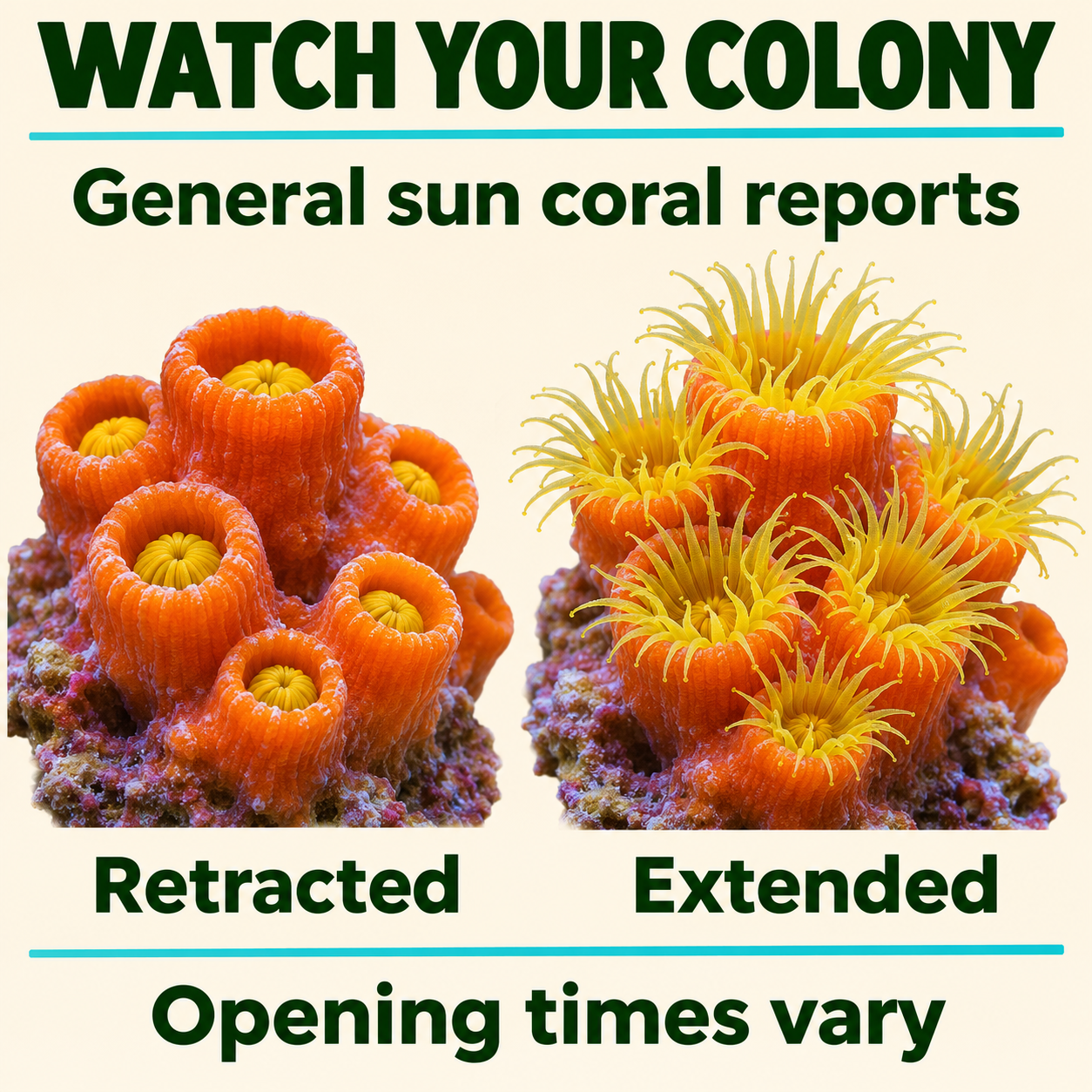
2. A colony of mouths. Each cup holds a polyp with a mouth and tentacles. Watch the colony open and you will see a whole crowd ready to eat.
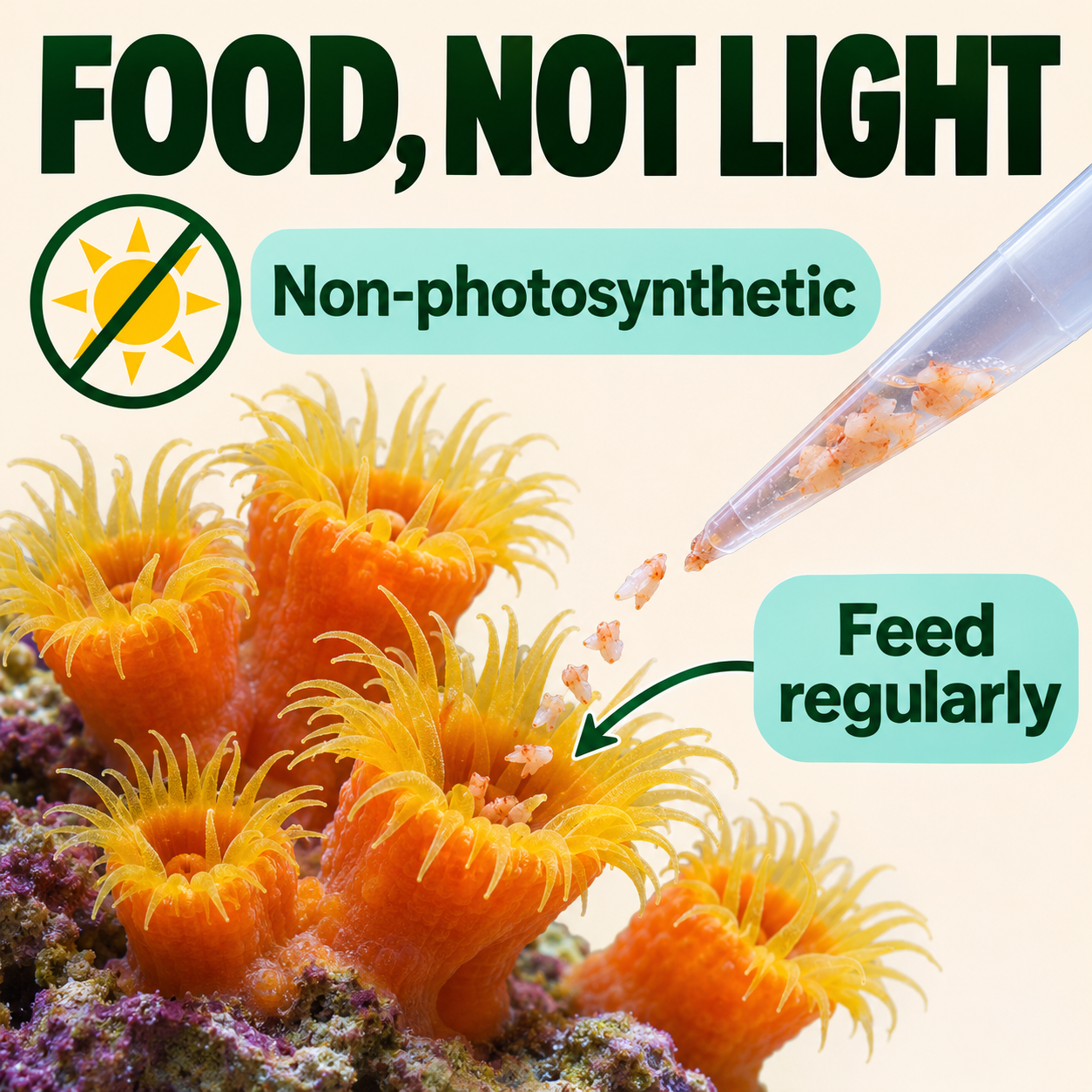
Feed the whole colony
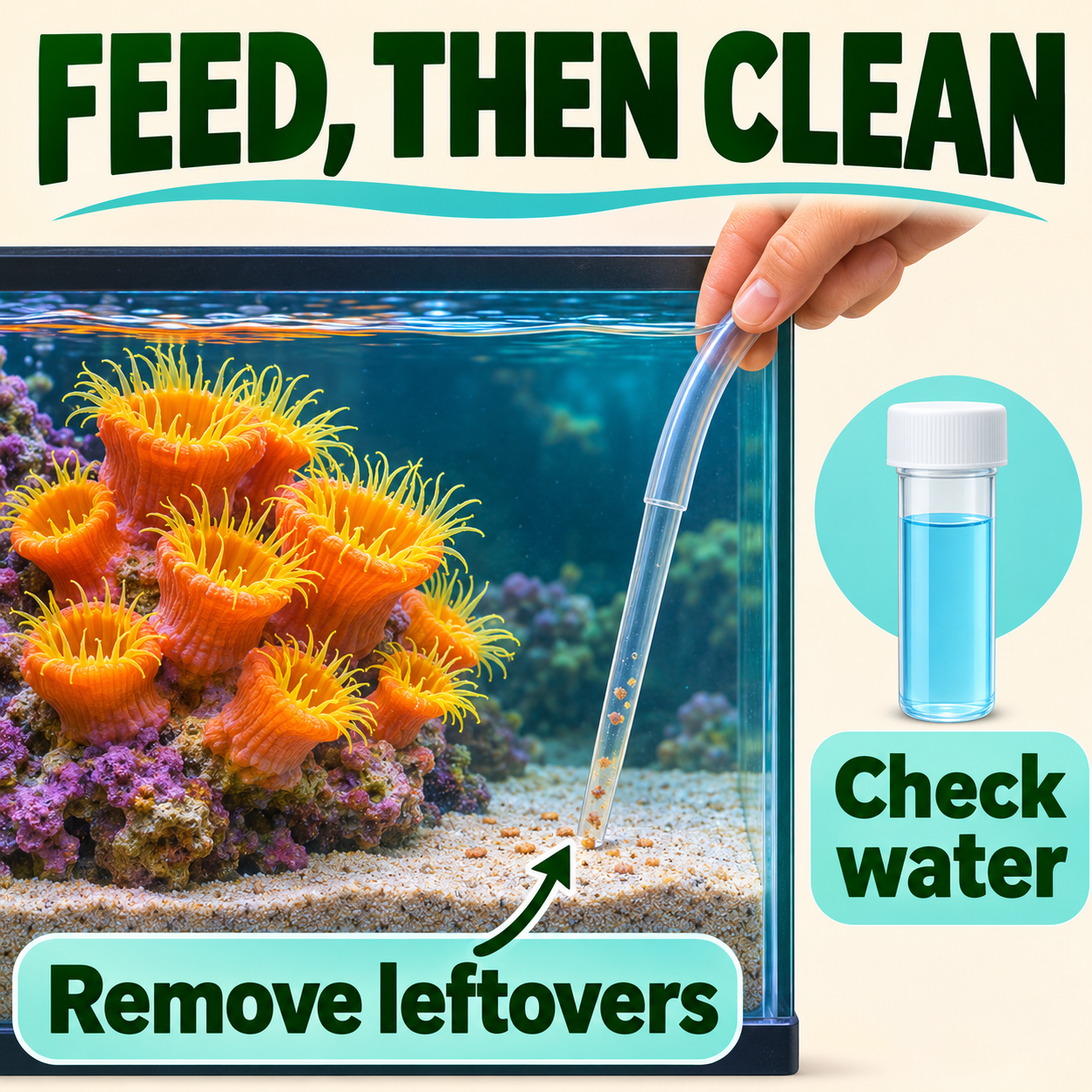
3. Bring dinner to each polyp. Offer small meaty foods directly to the open polyps every day. Use a pipette or turkey baster and watch each one capture and swallow its share.
4. Make bites fit. Thawed mysis or finely chopped marine seafood can work. Keep pieces small enough for the individual mouth and avoid dropping a large chunk onto a closed polyp.
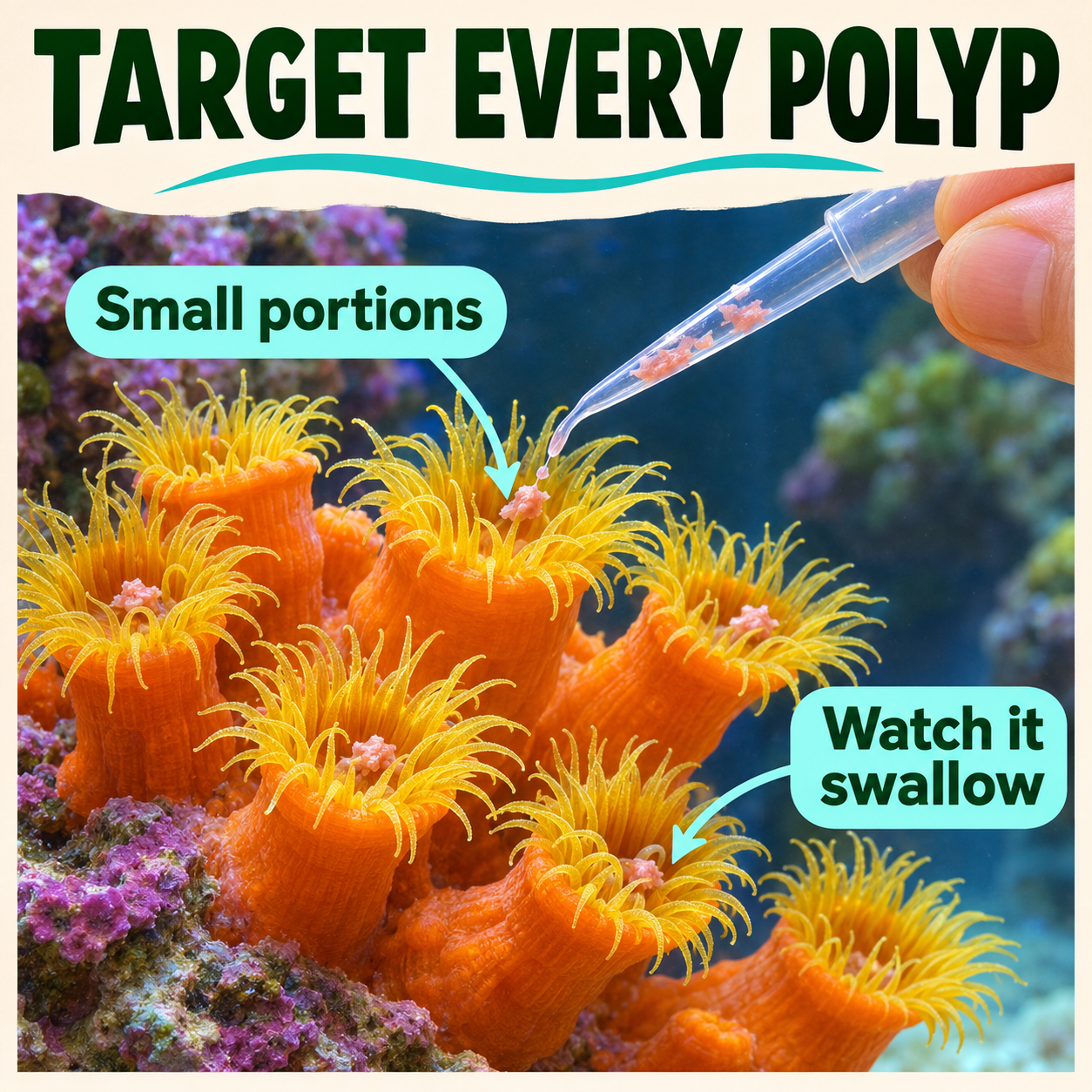
Pick an easy spot
5. Reach matters most. Place the coral where you can comfortably see and feed every side. A shaded or low-light spot can work, but do not tuck it so deep into a cave that feeding becomes a struggle.
6. Keep it steady. Secure the colony on a stable surface and leave room around its tissue. Keep it away from neighbors that can sting it.
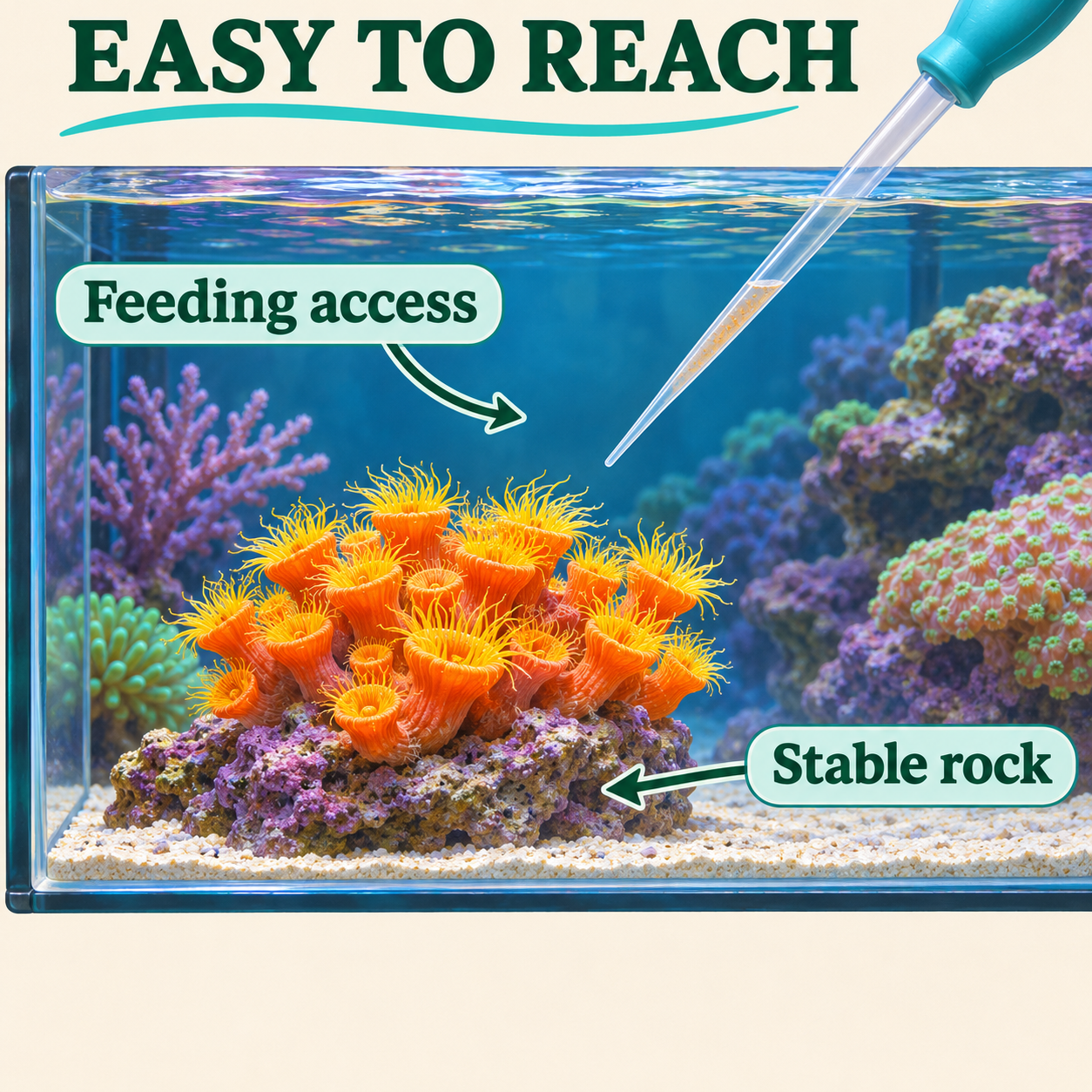
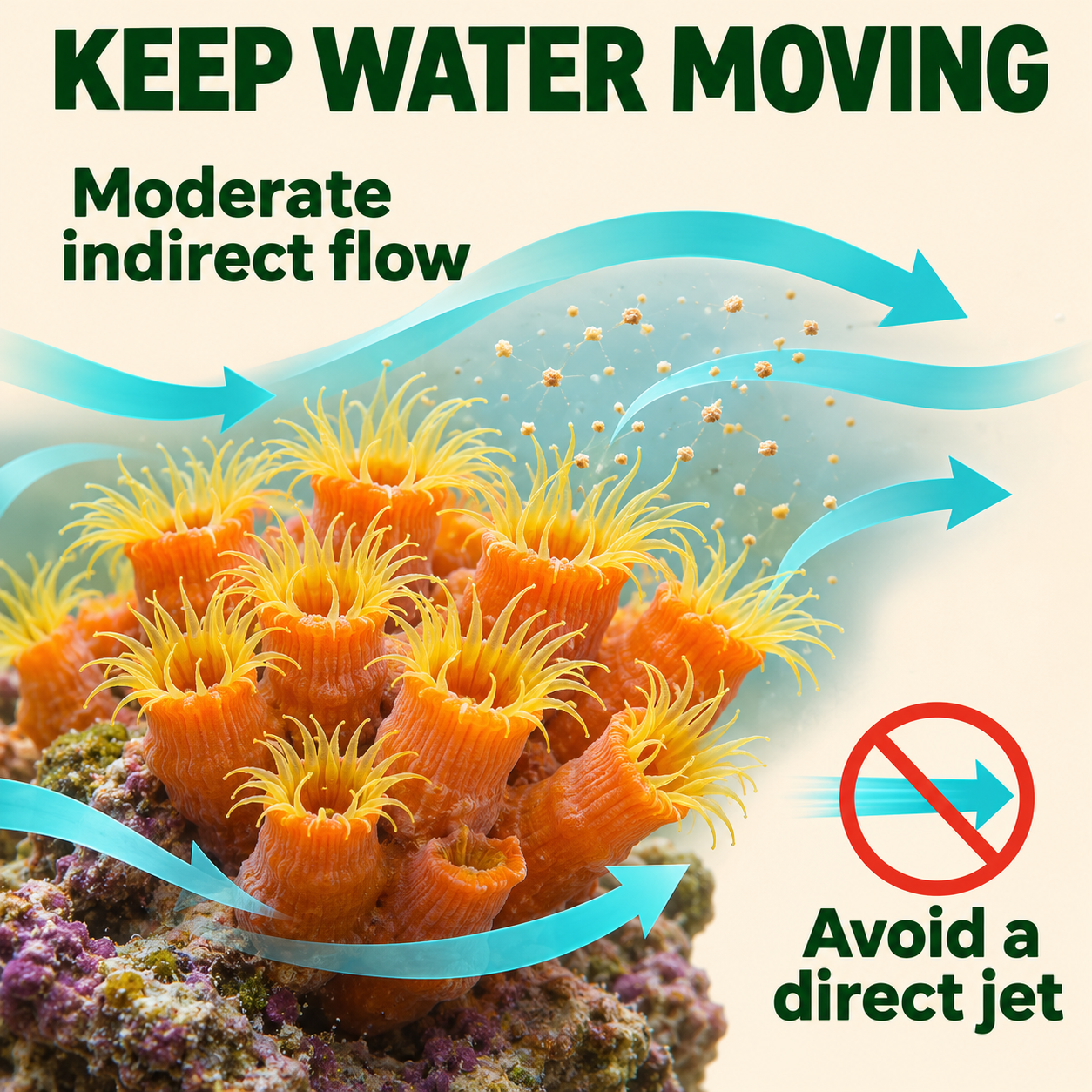
Let water move
7. Sweep, don't blast. Give the colony moderate, indirect flow. Water should move past the cups without a pump jet slamming into their tissue.
8. Make feeding time calm. Reduce the flow briefly while feeding so the coral can grab its meal. Turn the pumps back on afterward.
Keep dinner from becoming waste
9. Guard the meal. Fish and shrimp can steal food before a polyp swallows it. Watch feeding closely and keep the food within reach of the coral.
10. Clean up afterward. Remove uneaten food and test your water regularly. Frequent meals add nutrients, so make sure your filtration and maintenance can keep up.
11. Look closely. Check for plump tissue and feeding responses over time. If polyps stay closed or tissue recedes, check water conditions and feeding access promptly rather than assuming the coral has enough food.
Field notes — what keepers report
12. General sun coral reports. Keepers describe different feeding routines for corals sold as sun corals. These reports do not establish a guaranteed schedule for every colony.
13. Opening times vary. Some keepers report polyps opening after food enters the water. Others find a new or stressed colony slow to open. Keep a regular feeding routine and watch your own coral's response.
A thriving Orange Cup Coral is not a set-and-forget coral. Make feeding part of your routine, keep its water clean, and those glowing little cups can become the star of the tank.
Field Notes
Related species

Astraea Snail
Lithopoma / Astraea sp. (Turbinidae)
Similar care · NPS

Blue Leg Hermit Crab
Clibanarius tricolor
Similar care · NPS
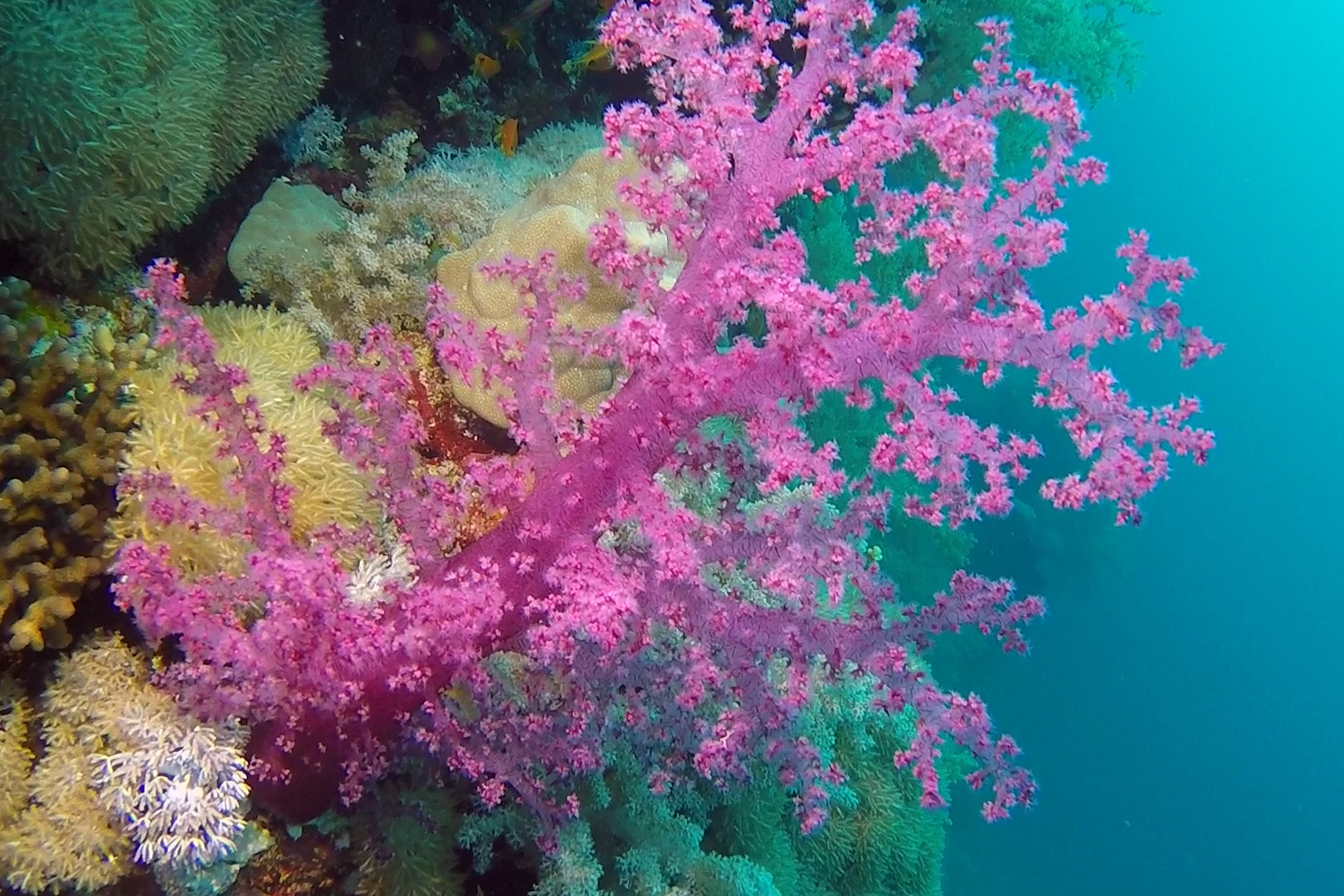
Carnation Coral
Dendronephthya sp.
Similar care · NPS

Monkey Sea Squirt
Polycarpa aurata
Similar care · NPS
Chili Coral
Nephthyigorgia sp.
Similar care · NPS

Orange Sea Fan Sponge
Phakellia / Axinella sp. (Axinellidae, tentative)
Similar care · NPS