Lobed Brain Coral
Lobophyllia hemprichii

Paul Asman and Jill Lenoble · CC BY 2.0 · source
Photo: Paul Asman and Jill Lenoble, [Wikimedia Commons](https://commons.wikimedia.org/wiki/File:Brain_coral_Lobophyllia_hemprichii_(7504782358).jpg), [CC BY 2.0](https://creativecommons.org/licenses/by/2.0/).
Care facts
- Care
- Beginner
- Light
- Medium
- Flow
- Low
- Place
- Bottom
- Space
- Aggressive
- Growth Rate
- Slow
Gallery
A lobo looks like a little brain made of cushions. Those folds are living tissue stretched over a hard skeleton. On a reef, neighboring colonies can even grow together into a patch as wide as a small car.
History
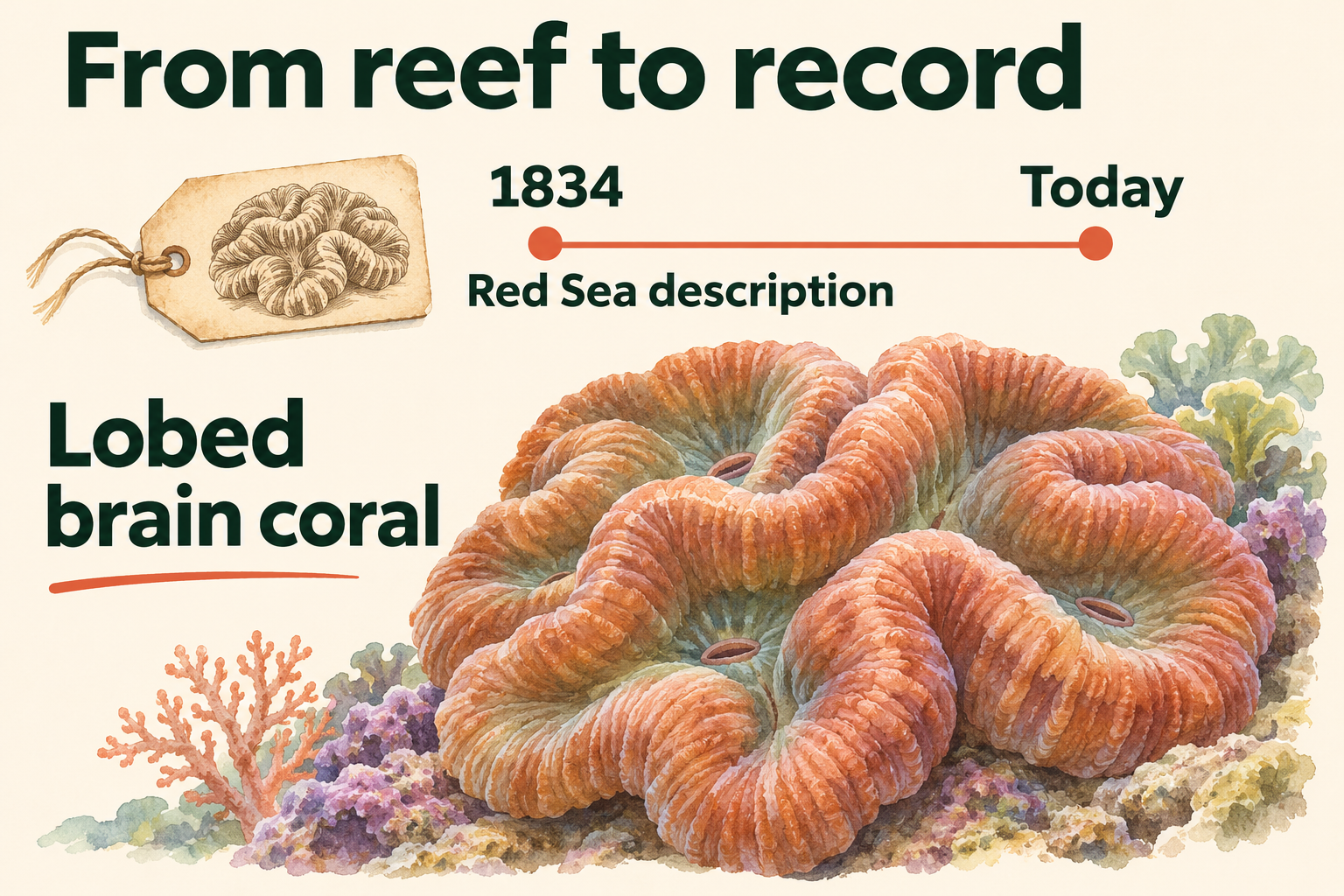
1. The Red Sea record. Christian Gottfried Ehrenberg described this coral in 1834. The specimen that anchors the name came from the Red Sea. Today it goes by Lobophyllia hemprichii.
2. Why reefers call it a lobo. Lobo is short for Lobophyllia. The thick folds give this one its brain-coral nickname. Trace a valley and you can see it split as it grows.
In the wild
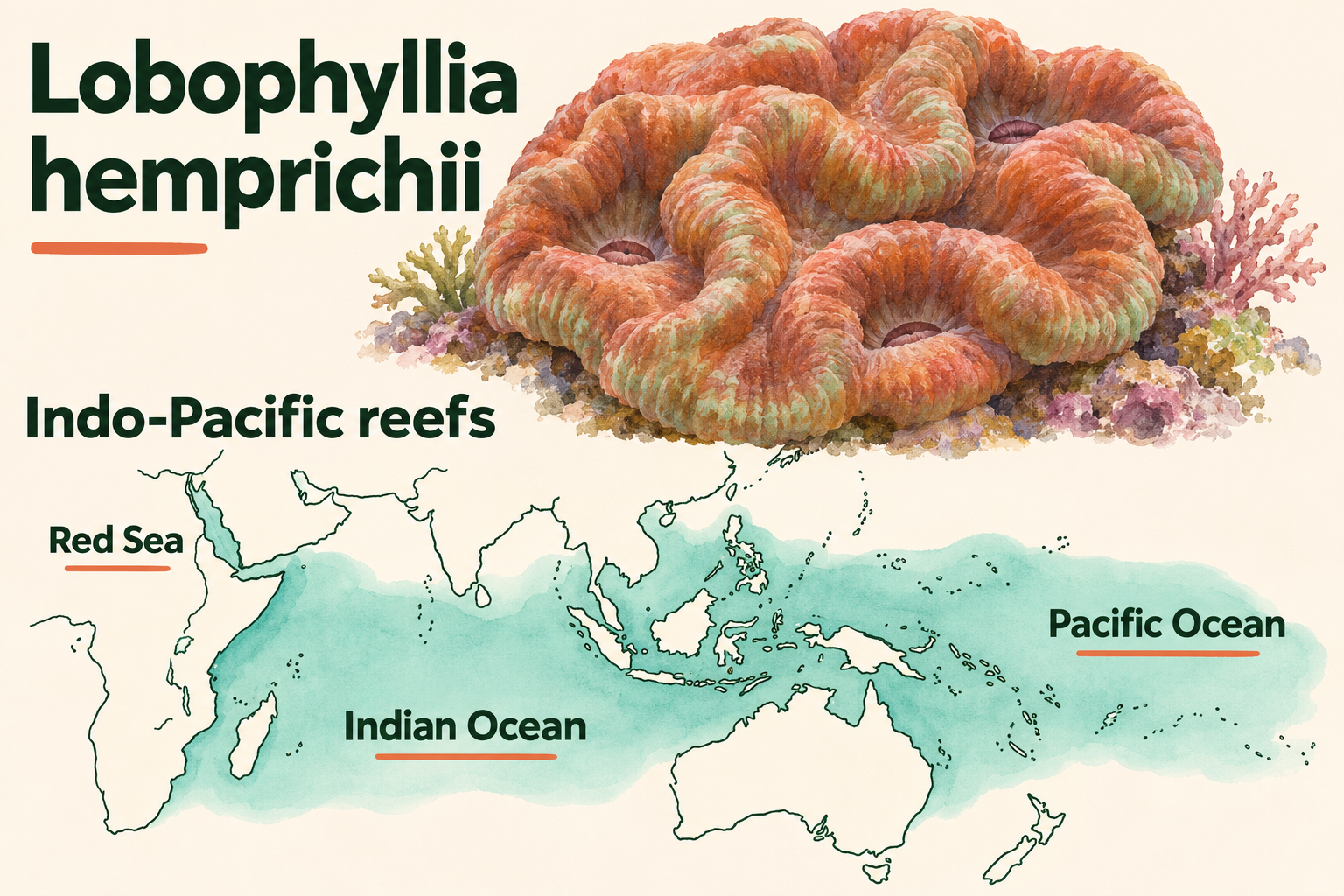
3. A coral with a long address. Look for it from the Red Sea and East Africa across the Indo-Pacific to Polynesia. The living colony in the photo was recorded in Fiji.
4. Life on the slope. It grows on upper reef slopes. On the Great Barrier Reef, colonies turned up on rocky bottom at 3 to 20 meters. The shallows get more sun, and wave action varies by site. Tiny algae inside the coral use that light to make food.
Light and flow
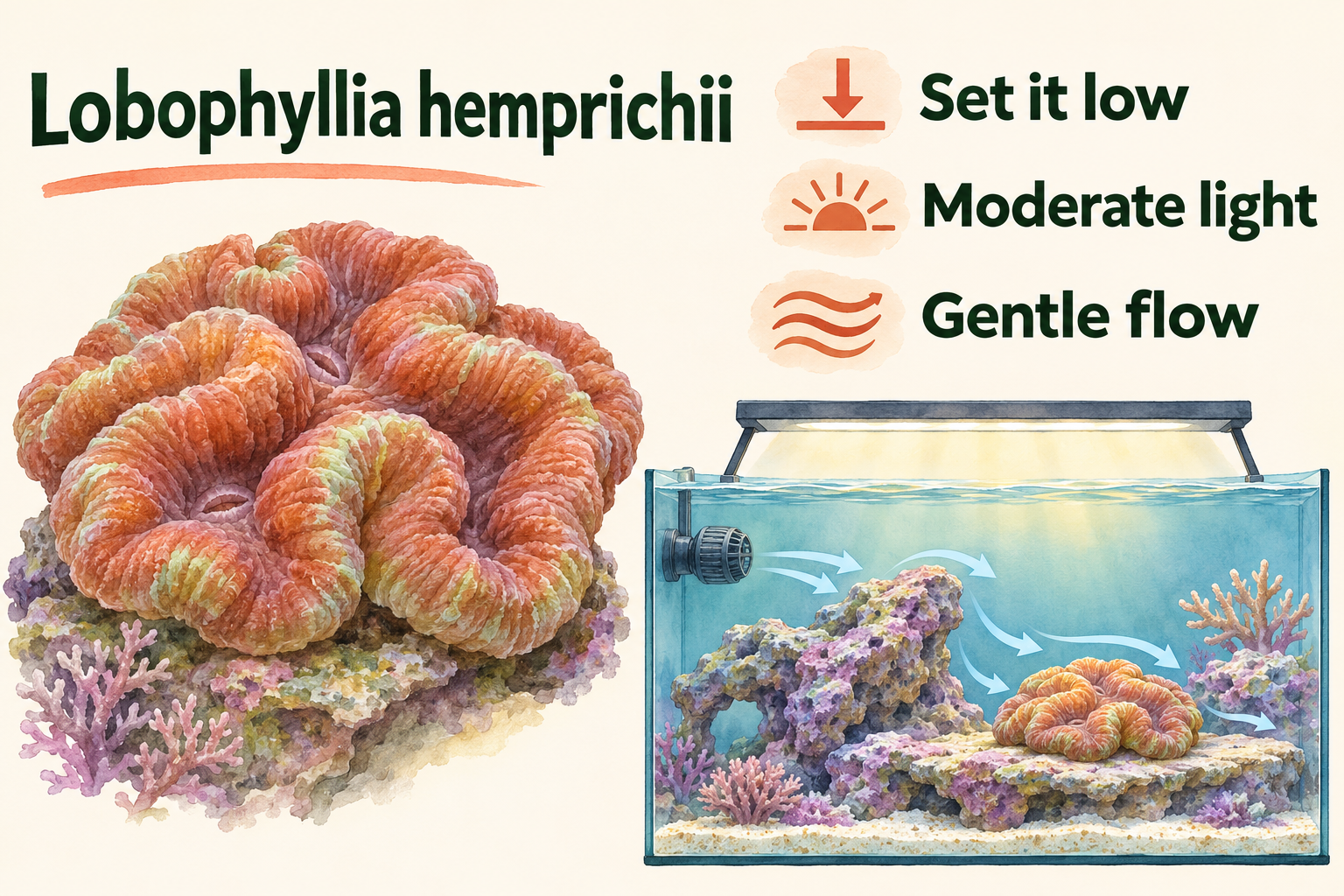
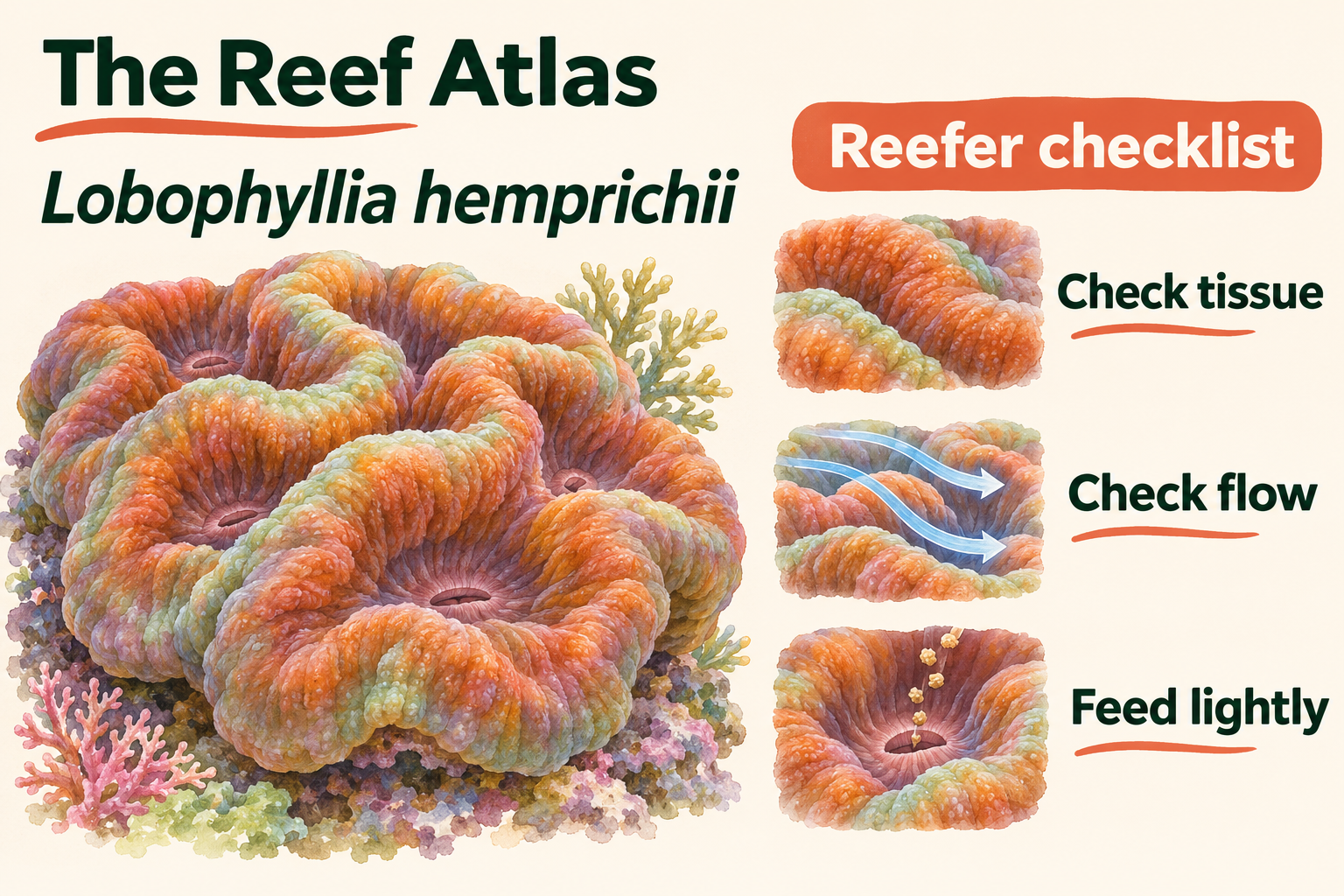
5. Start down low. Use the sandbed or a broad, stable ledge on lower rockwork. Ease a new coral into moderate light. Keep sharp rock away from the soft tissue.
6. Let the current curl past. Give it gentle, indirect flow. Aim a pump past the coral so debris moves away without blasting the folds. Recheck the spot if sand starts to pile up.
Water and feeding
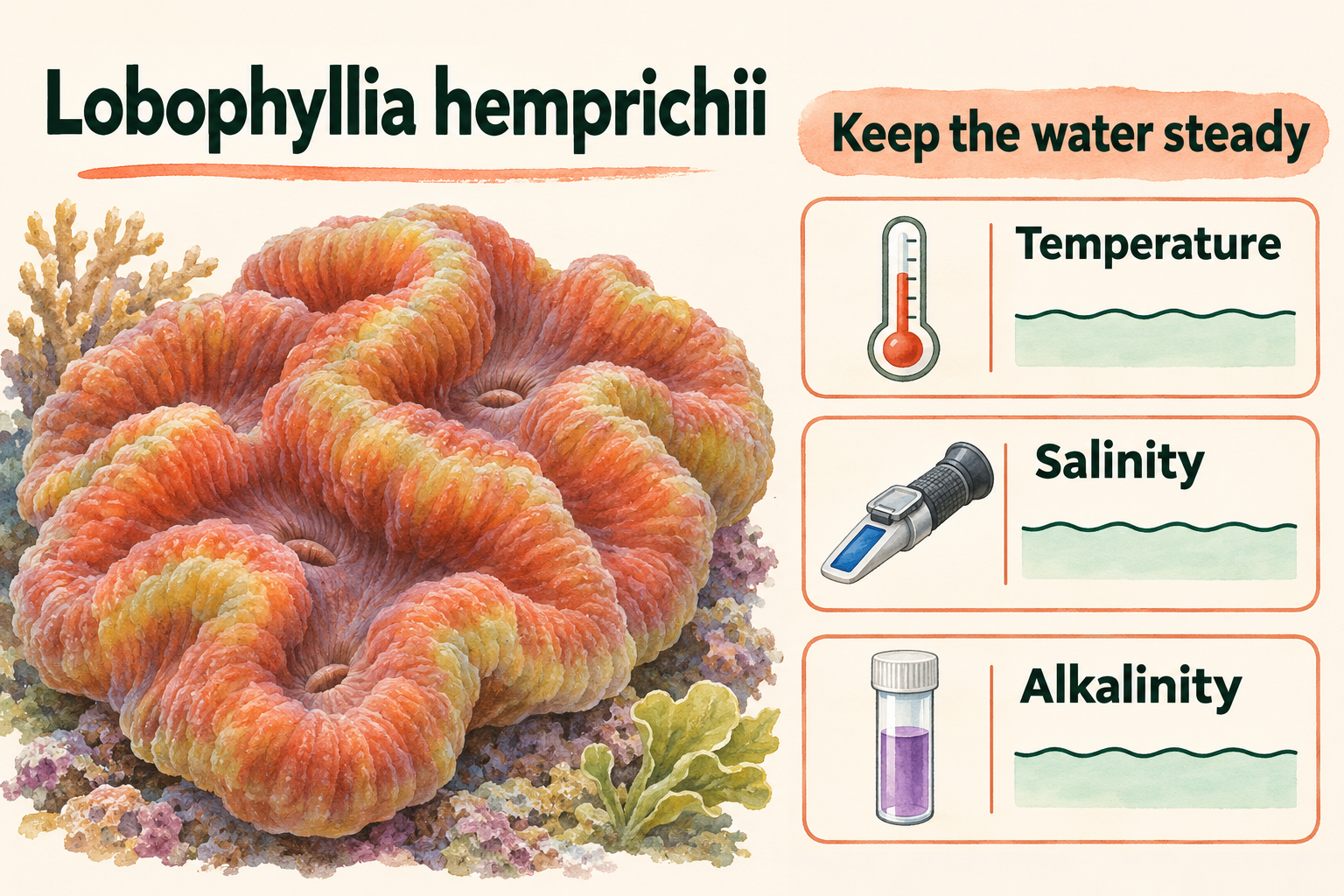
7. Steady beats perfect. Test temperature, salinity and alkalinity regularly. Track calcium and magnesium as the coral builds its skeleton. Make changes slowly and one at a time.
8. Offer a small bite. When feeding tentacles appear, try a tiny piece of thawed mysis. Let the coral take it without pushing food into a mouth. Remove leftovers and keep an eye on nutrients.
Growth and space
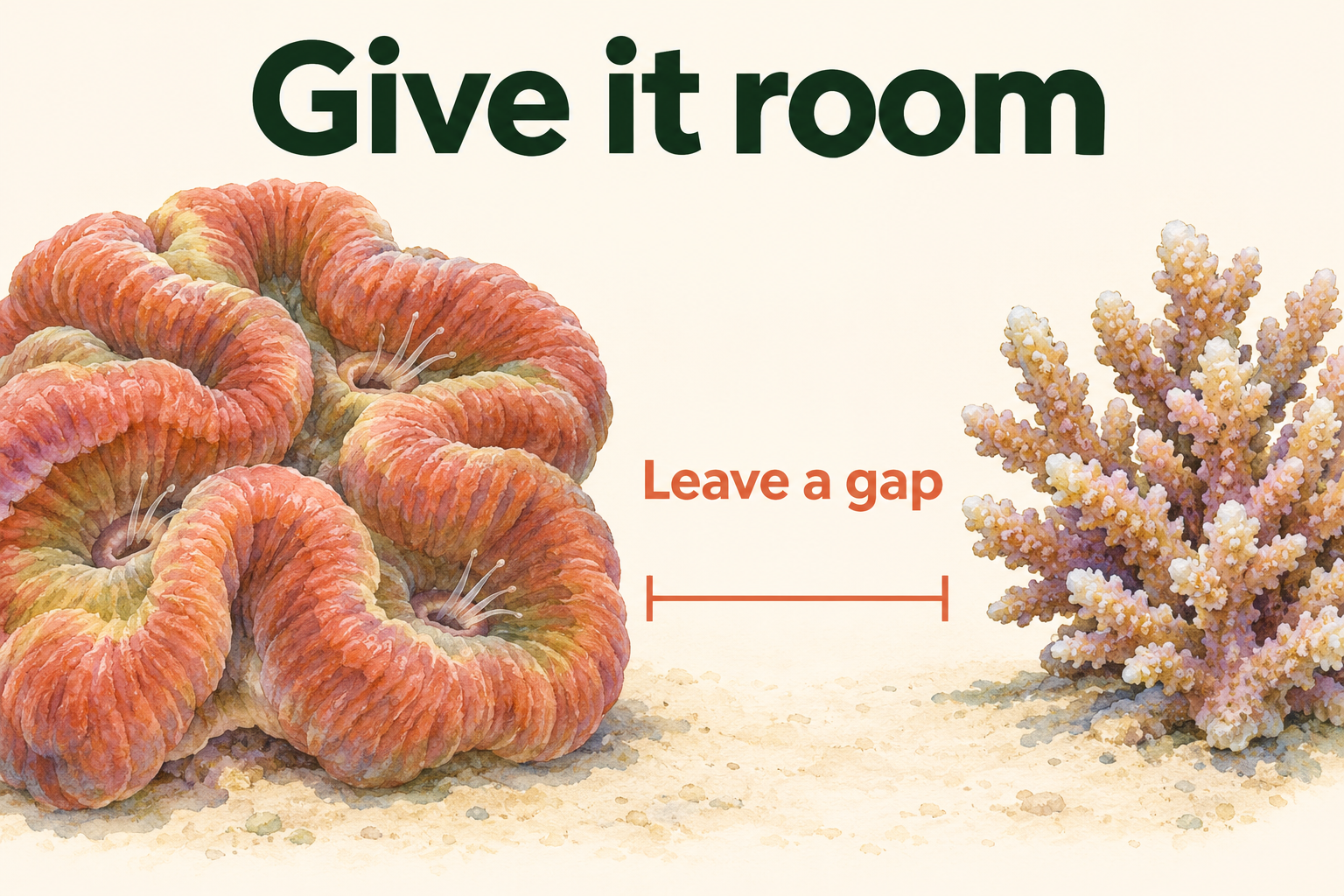
9. Measure from the flesh. Leave an open gap around every lobe when it is fully puffed up. Lobos can damage corals within reach. Check the gap after lights-out and widen it if neighbors are touched.
10. Watch the edges. Photograph the same spot every few weeks to see slow growth. If a white edge spreads or tissue pulls back, check for a sting, sand buildup or a recent change before you move anything.
Field notes
11. Passing food can work. In one reef tank, a lobo on the sandbed caught small pieces carried by the current without direct feeding. If yours is catching food and staying full, keep that routine simple.
12. A small spot-feed is another option. Another keeper saw a healthy colony reach for food after dark and offered a little powdered food. Watch what your own coral takes. Skip extra servings when food sits on the tissue or drifts away.
Give this brain coral a low, open spot and a steady routine. Then watch the folds fill out after it settles. That is where the little details come to life.
Field Notes
Related species

Brain Root Coral
Lobophyllia corymbosa
Same genus
Lobophyllia Corymbosa
Lobophyllia corymbosa
Same genus
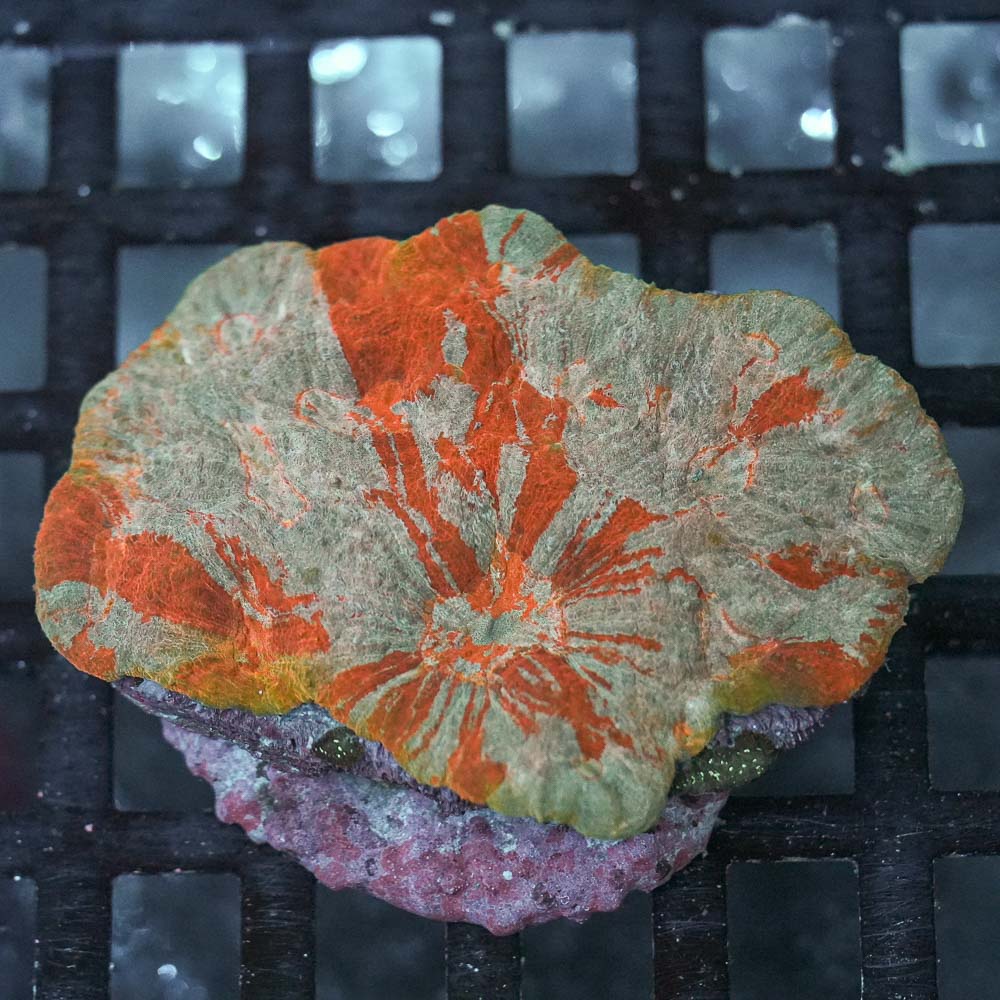
Lobophyllia rowleyensis
Lobophyllia rowleyensis
Same genus
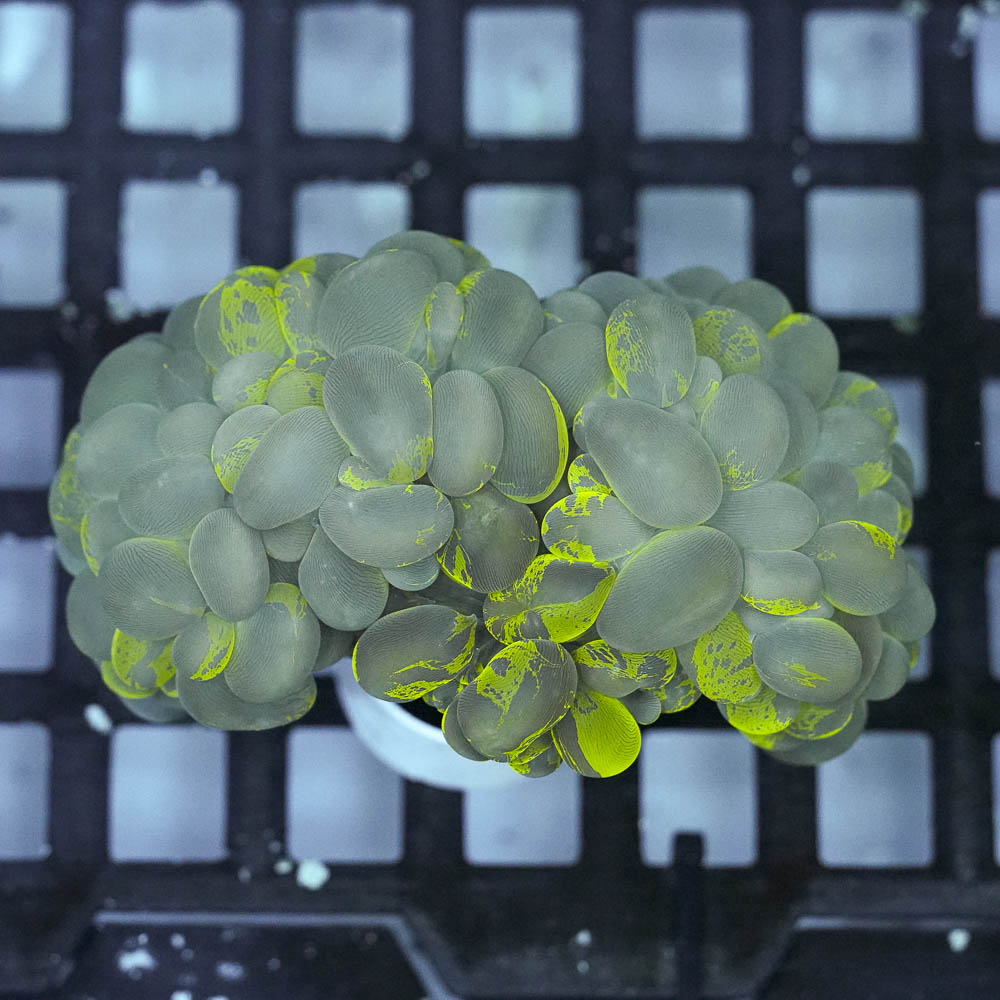
Cat’s eye bubble coral
Plerogyra sinuosa
Similar care · LPS

Grape Coral
Euphyllia cristata
Similar care · LPS

Hammer Coral
Euphyllia ancora
Similar care · LPS
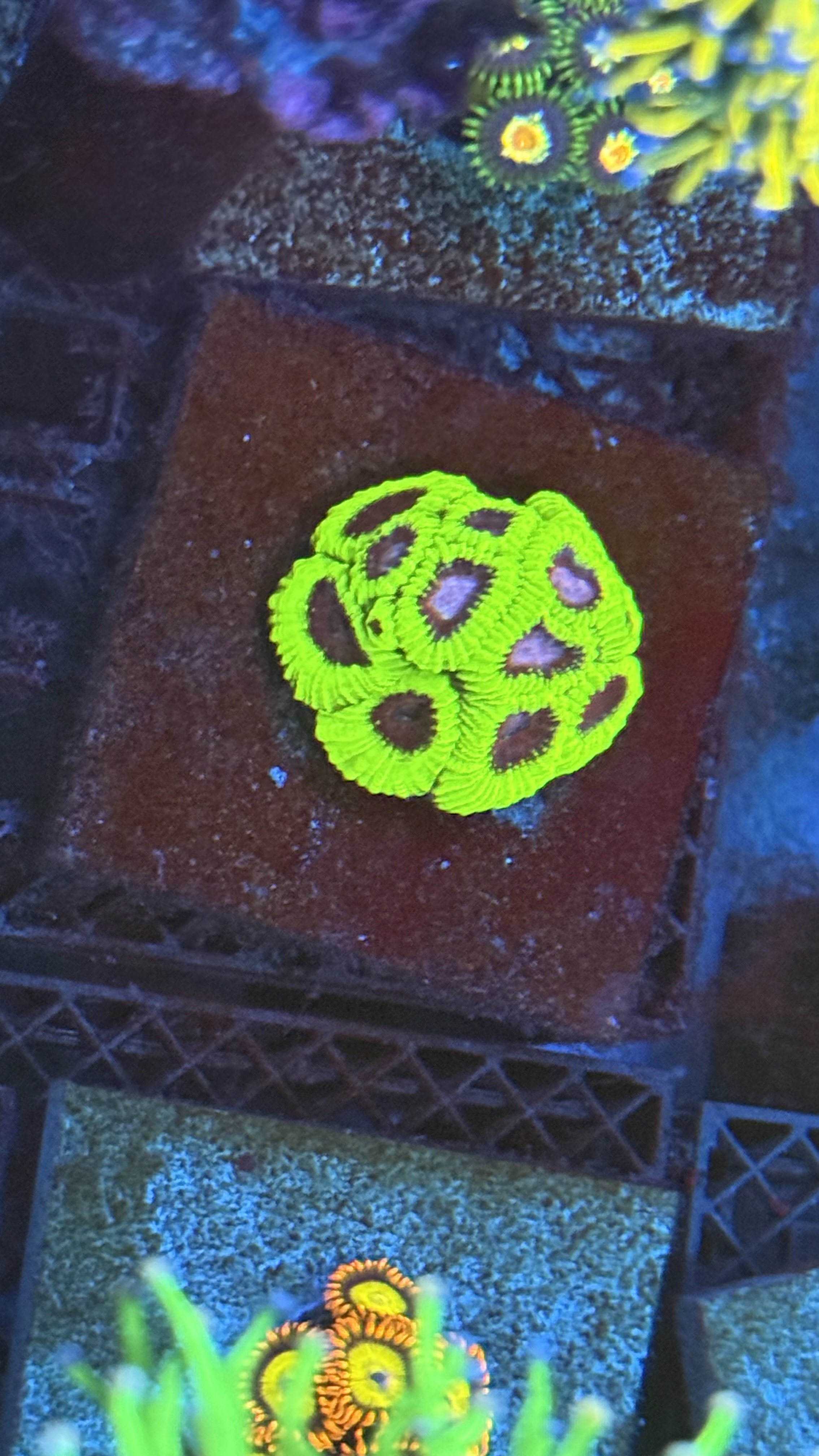
Joker favia
Favites sp
Similar care · LPS

Open Brain Coral
Trachyphyllia geoffroyi
Similar care · LPS