Flowerpot Goniopora
Goniopora stokesi
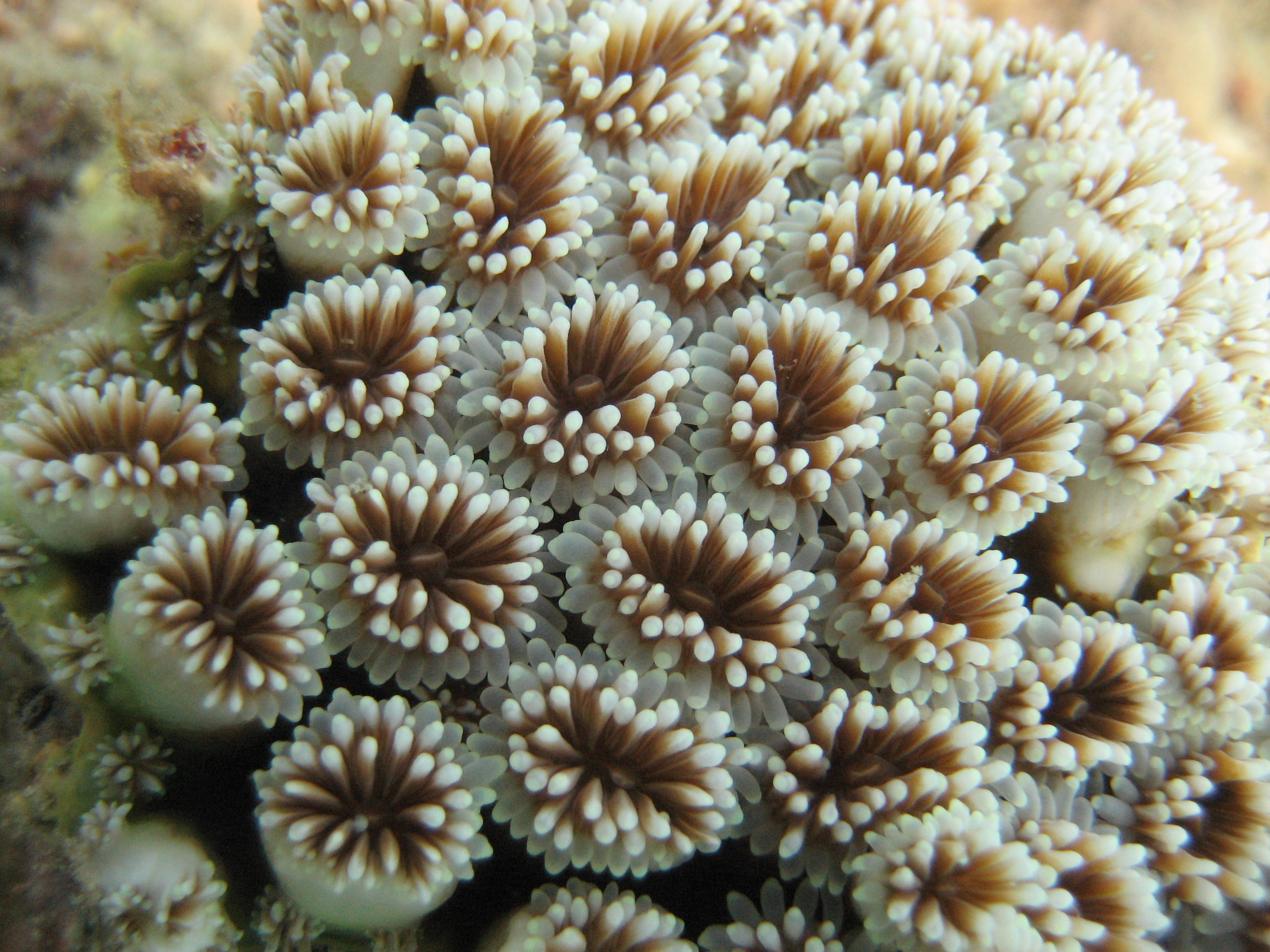
pakmat · CC BY-SA 2.0 · source
Care facts
- Care
- Expert
- Light
- Medium
- Flow
- Low-Medium
- Place
- Bottom
- Space
- Semi-Aggressive
- Origin
- Indo-Pacific
- Growth Rate
- Slow
Gallery
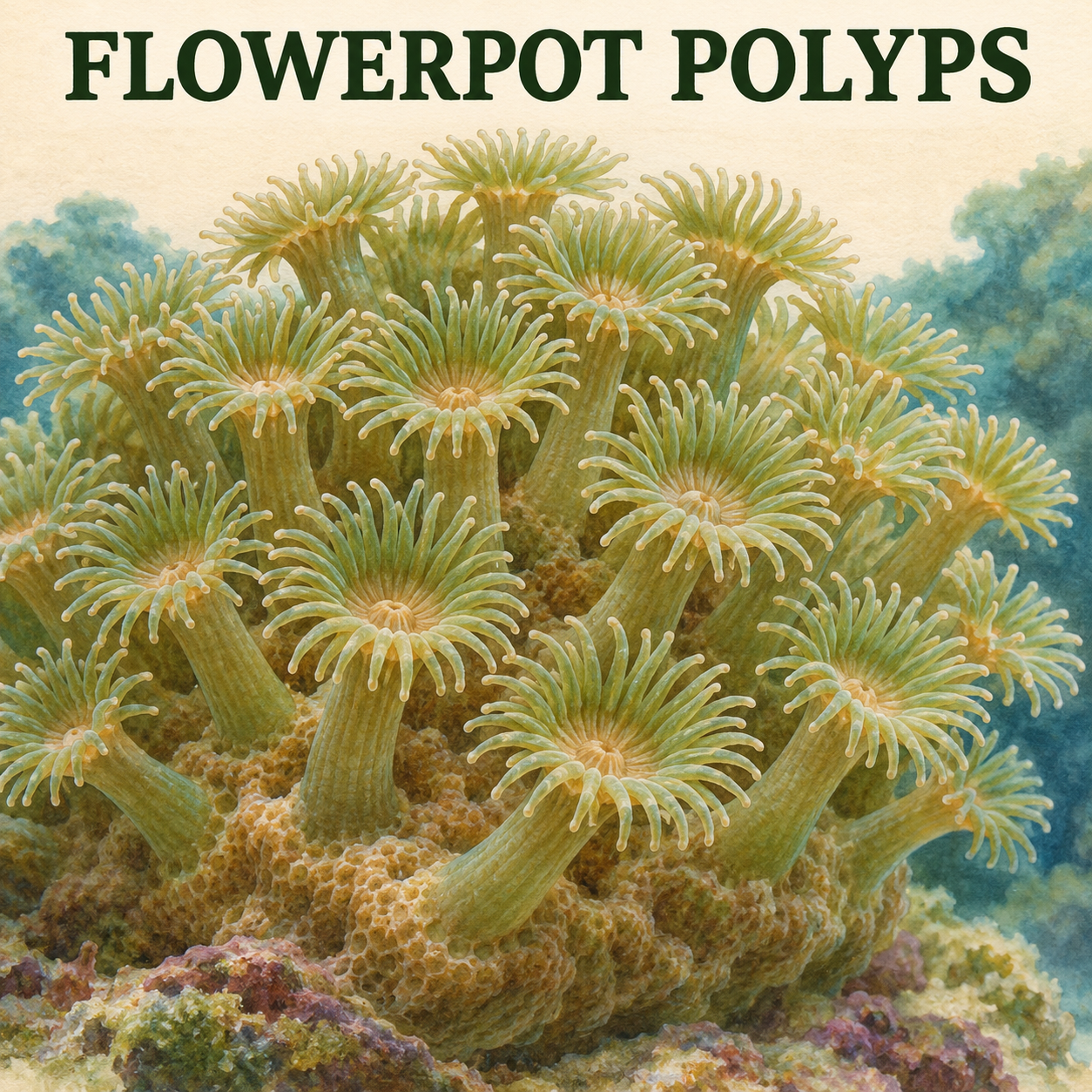
This flowerpot is full of animals! Each waving flower is a hungry polyp, and the whole colony builds a hard skeleton underneath. Goniopora stokesi can even grow little satellite colonies among its larger polyps. Give this demanding coral a steady home, space to stretch, and patient care.
A flower garden with a skeleton
1. Count the tentacles. Goniopora polyps carry 24 tentacles around a central mouth. The waving crown is living tissue, not a soft plant. Protect it from rough handling.
2. Baby colonies on board. Small daughter colonies can develop in the parent's tissue. This species often forms a rounded dome and lives loose on soft seabeds. Not every colorful coral sold as a goni is Goniopora stokesi.
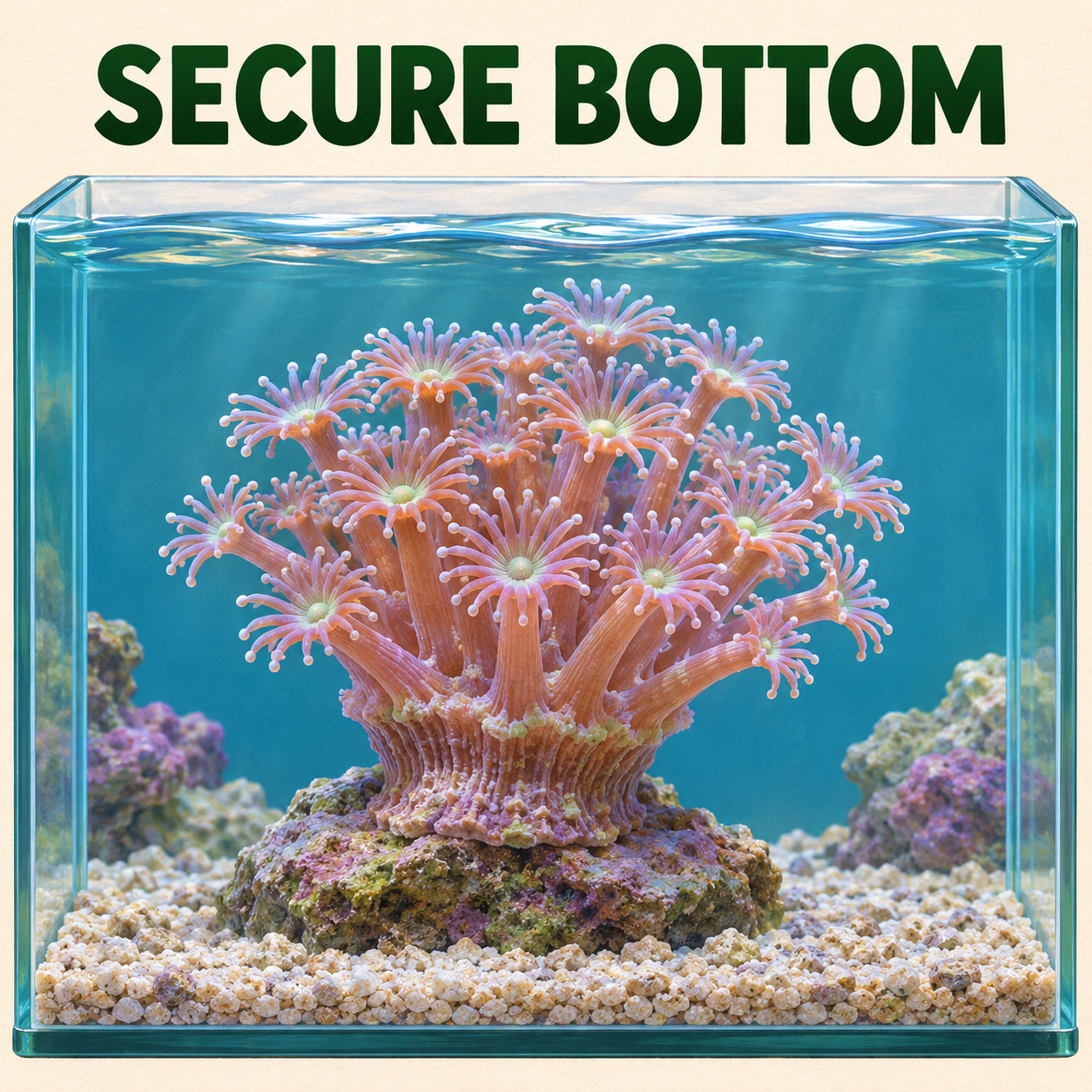
A safe seat near the bottom
3. Low and secure. Set the colony upright in a stable bottom position. Keep living tissue clear of drifting sand. Avoid a ledge where a bump could send the heavy skeleton tumbling.
4. Give those flowers elbow room. Measure space from the fully extended polyps, not just the skeleton. Leave several inches of clear water beyond them. Keep neighboring corals out of reach, and recheck as the colony grows. Do not assume two gonis can touch safely.
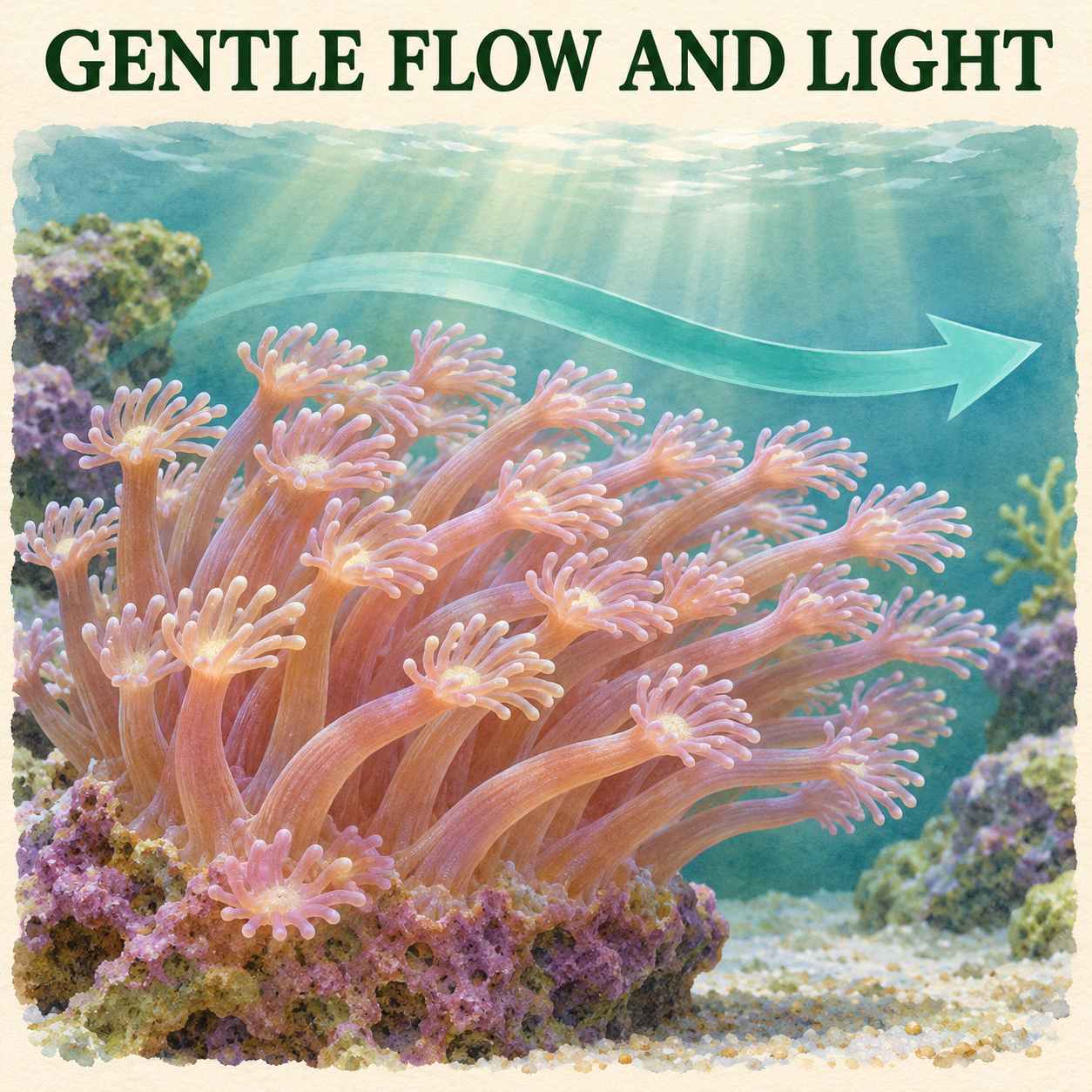
Gentle movement, comfortable light
5. Sway, do not thrash. Use low to medium, changing flow. The polyps should move without folding over under a direct jet. Keep debris from settling between them.
6. Skip the spotlight. Start with moderate, diffuse light and make lighting changes gradually. Watch for paling or persistent withdrawal after an increase. A sheltered bottom spot is a better starting point than a bright upper ledge.
Feed the flowers, not the algae
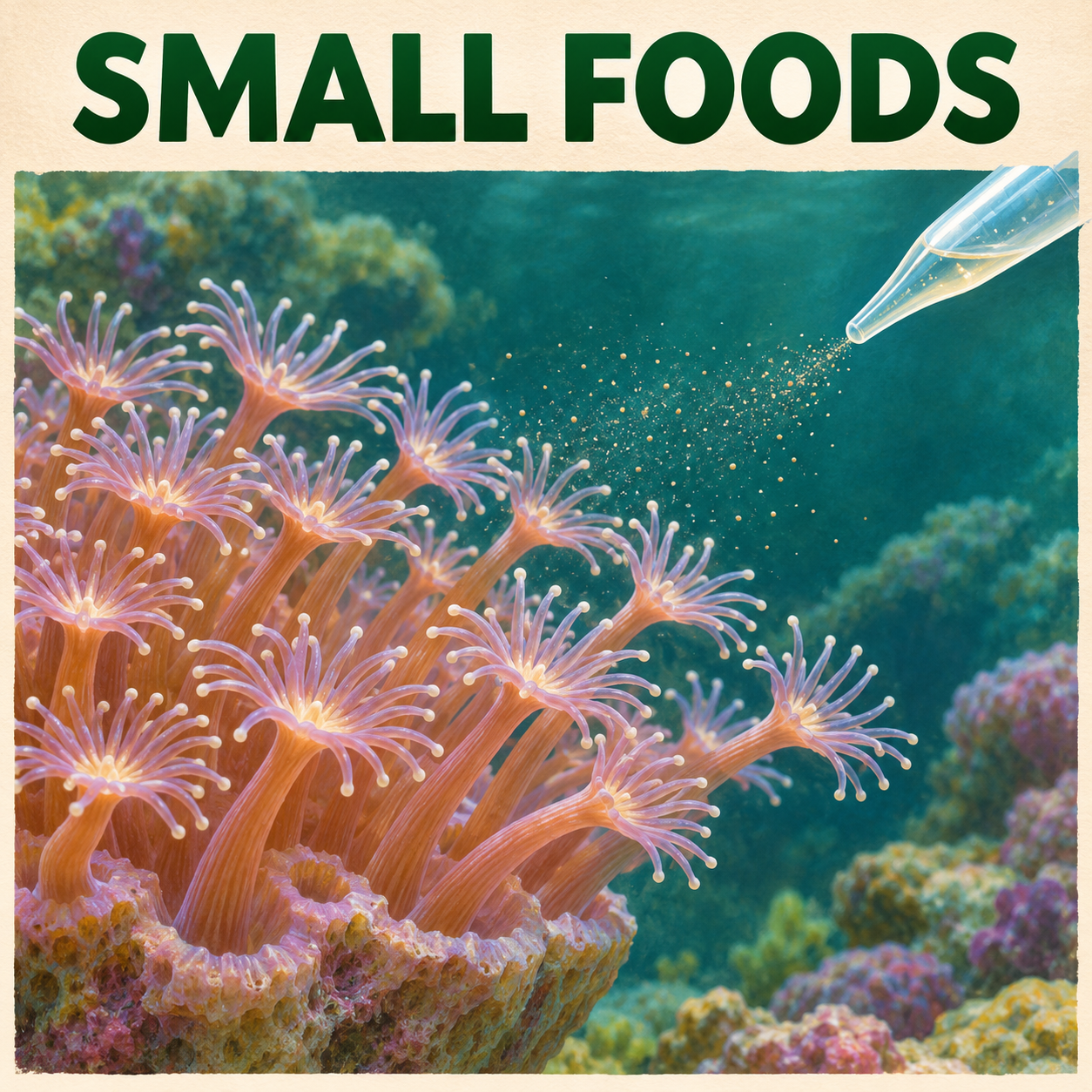
7. Tiny bites. Offer small amounts of fine coral food to extended polyps. Deliver a gentle cloud, not a forceful squirt. Use food intended for small-polyp feeders, and avoid leaving a thick coating on the colony.
8. Keep the balance. This coral gets energy from both its resident algae and food. Feeding is not permission to let waste pile up. Track nitrate and phosphate while you adjust portions. Do not chase zero nutrients or keep adding food just because the polyps close.
Play the long game
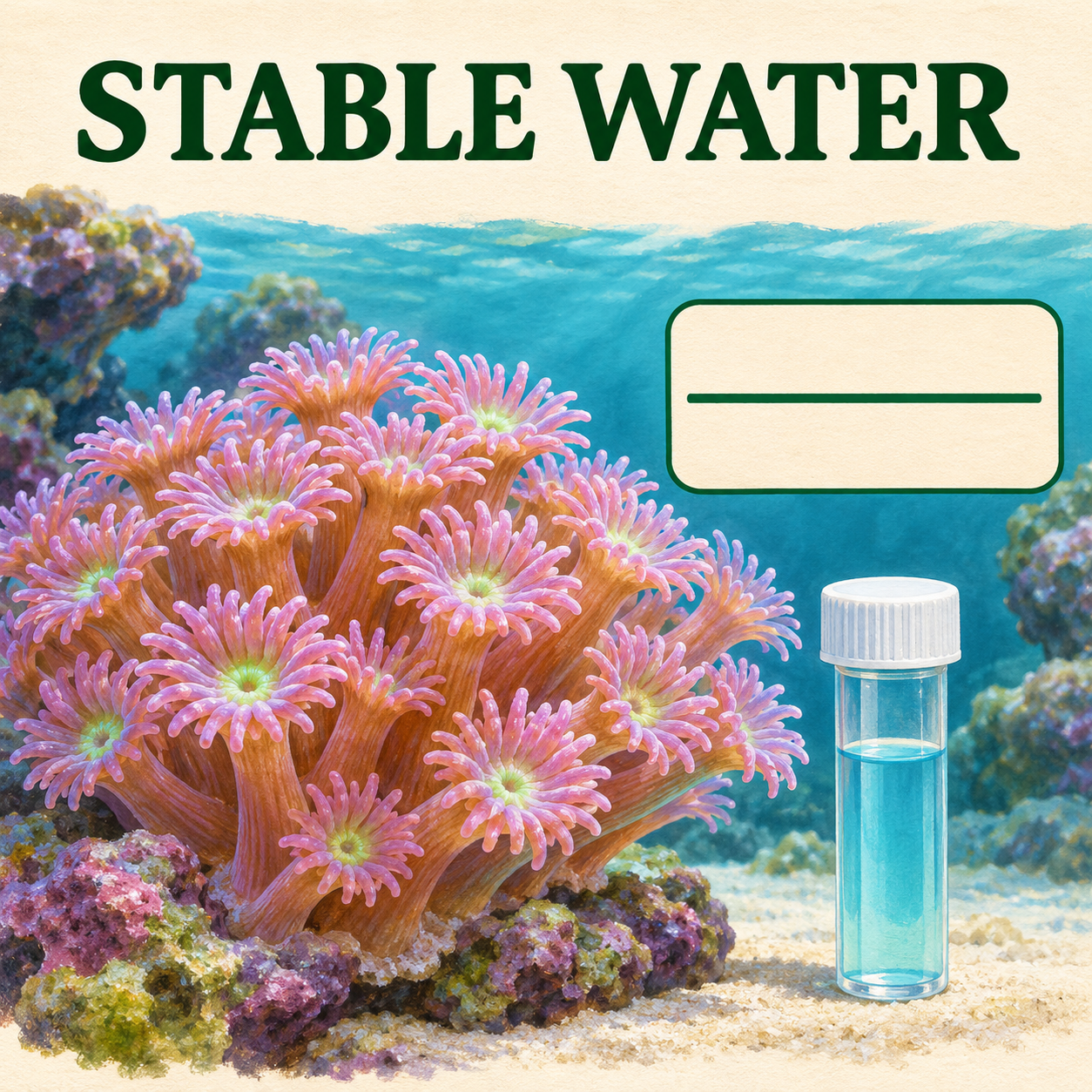
9. Steady beats extreme. Keep salinity and temperature stable. Test alkalinity and calcium regularly and correct changes gradually. An established reef with a dependable routine is the right home for this expert-level coral.
10. Watch the tissue, too. Take a regular photo from the same angle. Look for new bare skeleton or a shrinking tissue edge, not just long polyps. Persistent withdrawal needs a check of water, flow, light and nearby irritation. Do not keep moving the coral or adding remedies at random.
Field notes — what keepers report
11. Success and setbacks both count. One keeper reported keeping a colony labeled G. stokesi from 2011 into 2016, with repeated reproduction and later setbacks. Another experienced keeper described stokesi colonies declining after a year or longer. These are reported experiences, not a survival timetable.
12. General Goniopora reports: feeding differs. Some keepers describe success with targeted fine foods. Others grow their gonis with food already circulating in a well-fed reef, without target feeding. Those general reports cover different gonis. They do not turn every colorful frag into an easy-care stokesi.
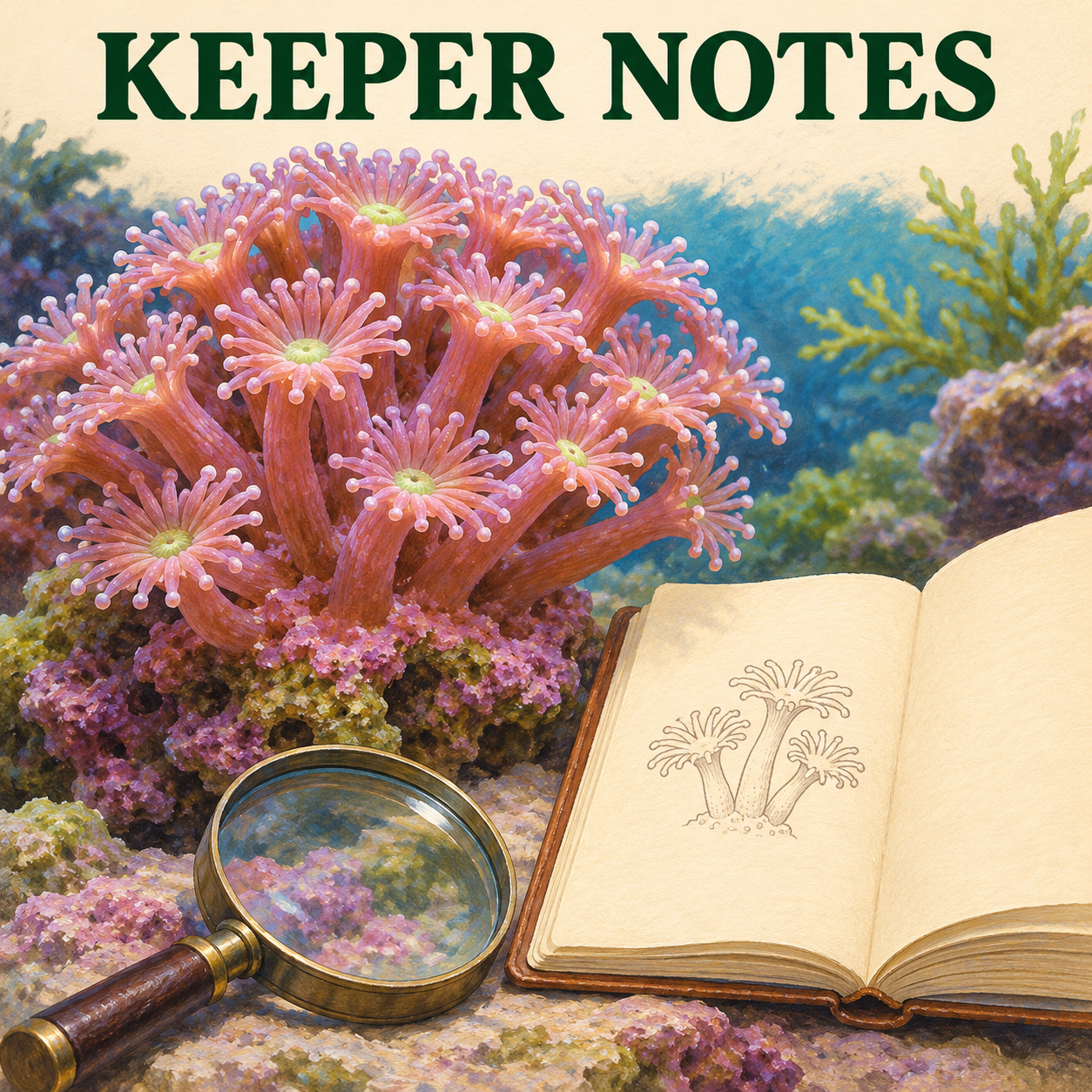
Enjoy the movement, but judge progress over months. A secure base, gentle current, careful feeding and steady water give this living flower garden its best start. Keep watching the whole colony, including the tissue beneath the waving flowers.
Field Notes
Related species

Goniopora Coral
Goniopora lobata
Same genus
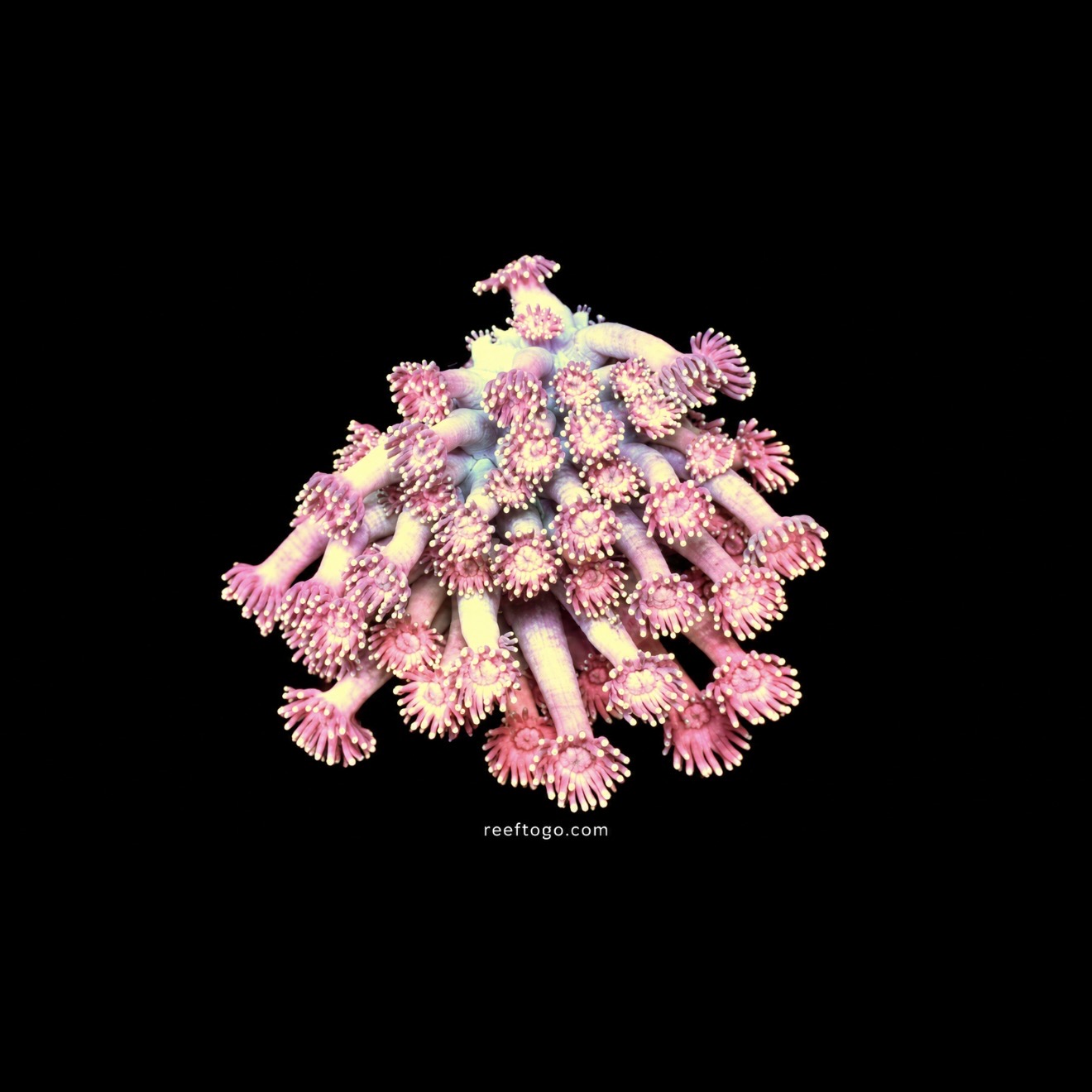
Pink goniopora
Goniopora sp.
Same genus

Pink Lemonade Goniopora
Goniopora sp.
Same genus
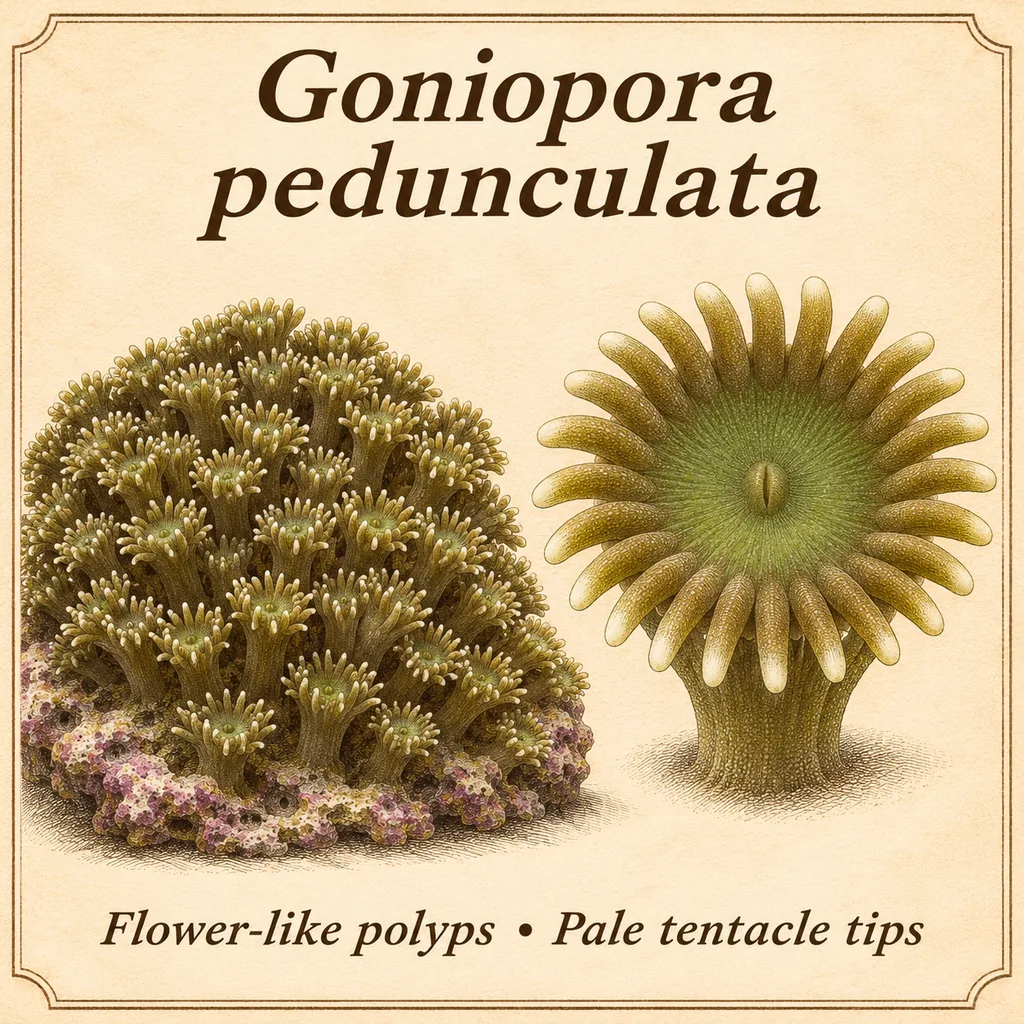
Goniopora pedunculata
Goniopora pedunculata
Same genus
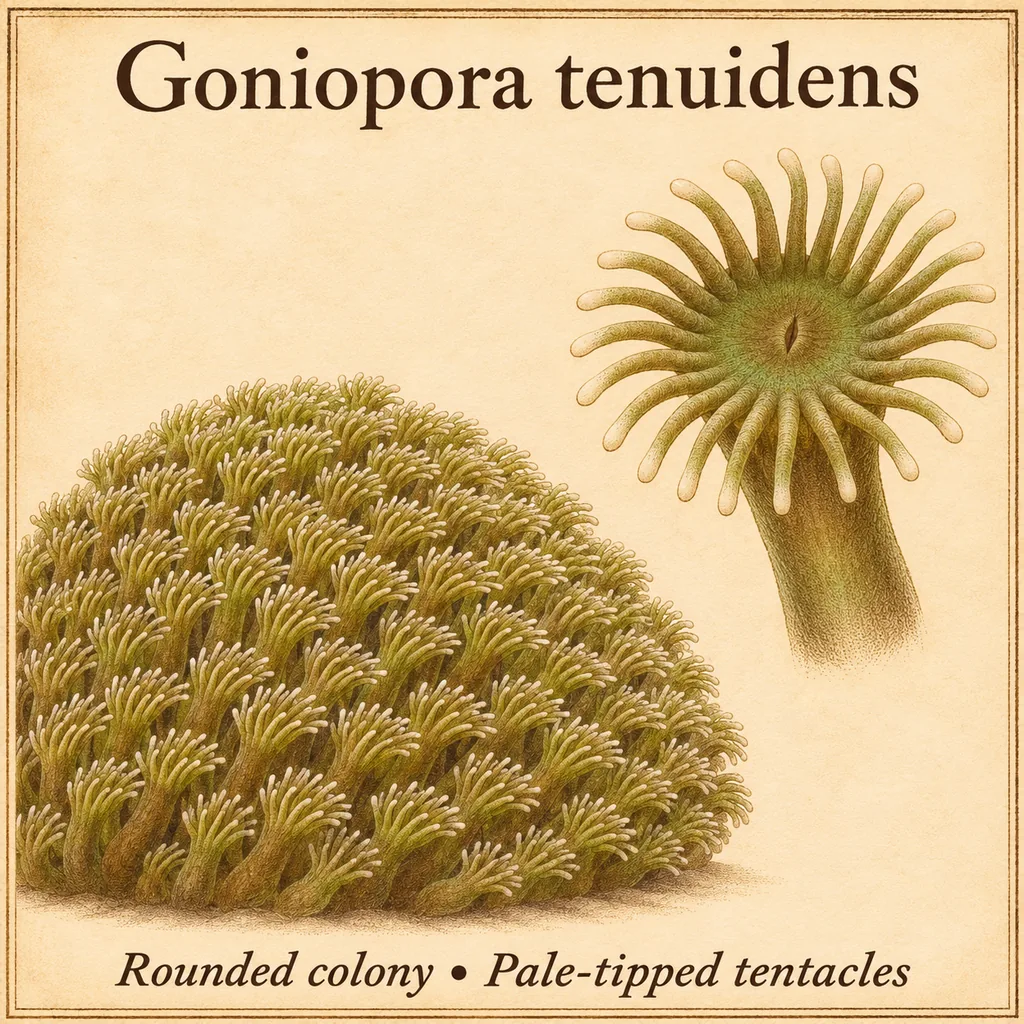
Goniopora tenuidens
Goniopora tenuidens
Same genus
Amazeballs Goniopora
Goniopora sp.
Same genus
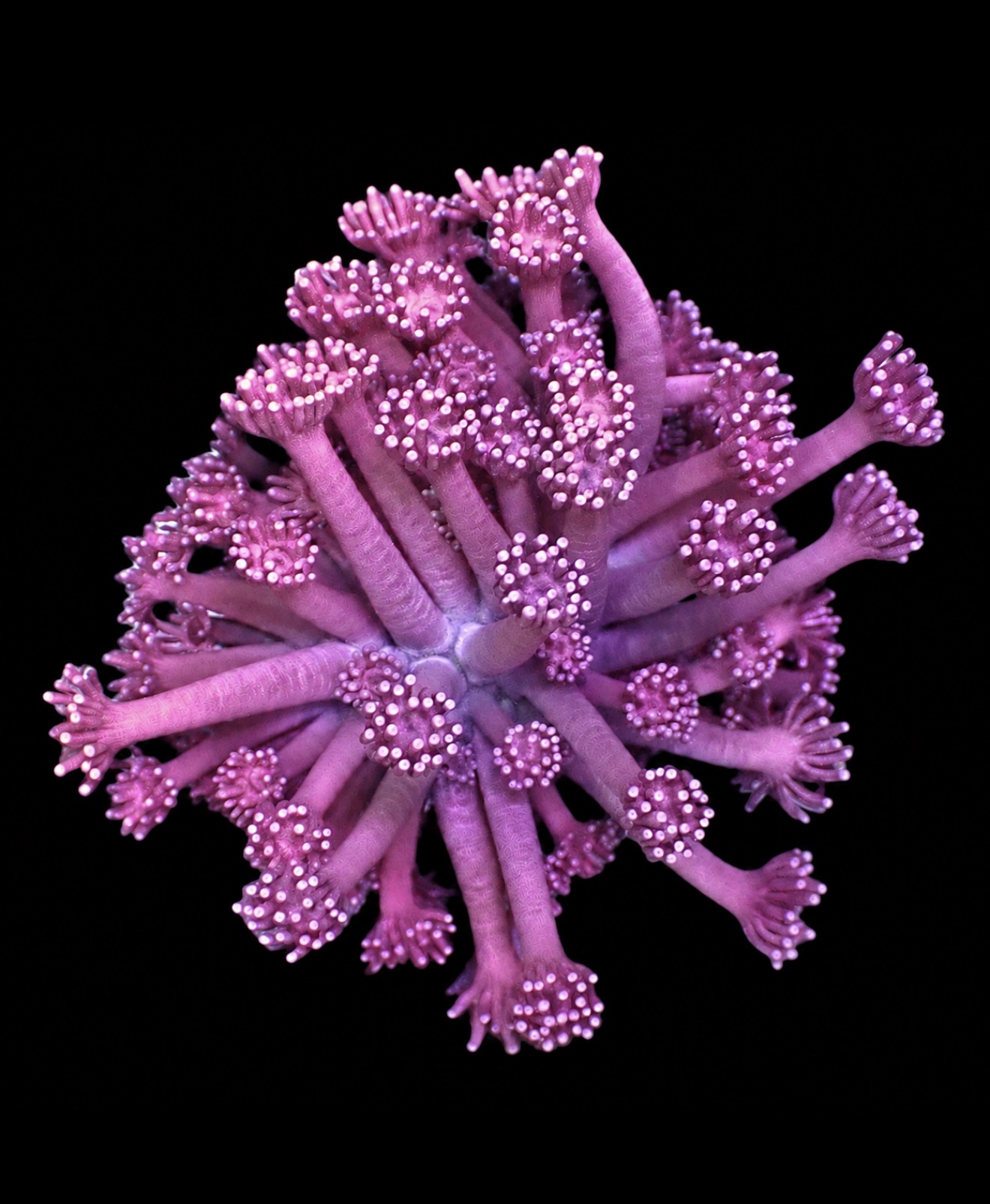
Barney the dinosaur Goni
Goniopora sp.
Same genus
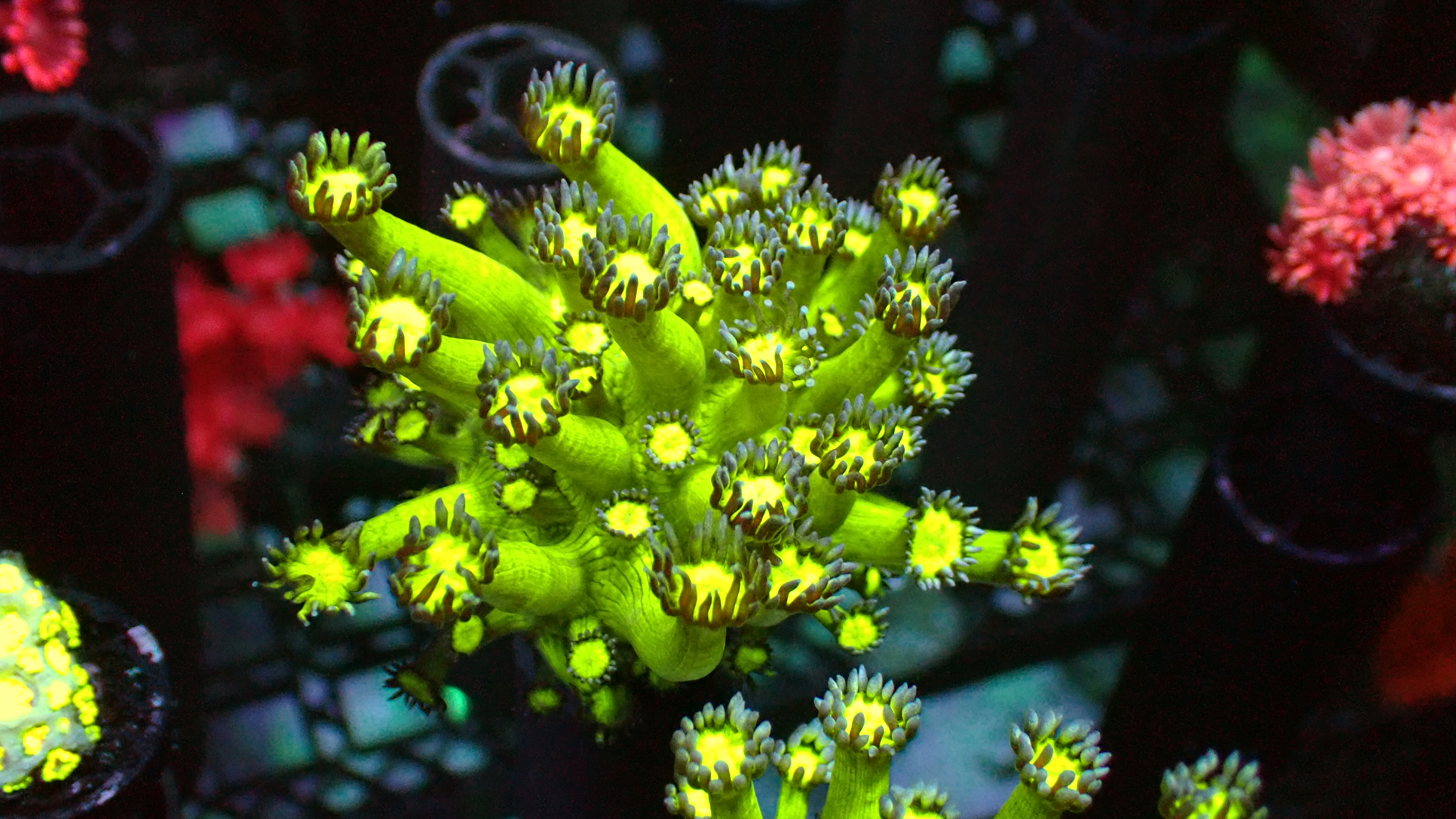
Bootleg glitter Goni
Goniopora sp
Same genus