Sakura sunrise zoanthids
Zoanthus sp
Care facts
- Care
- Beginner
- Light
- Medium
- Flow
- Medium
- Place
- Bottom-Middle
- Space
- Moderate
- Growth Rate
- Moderate
Palytoxin safety
Some zoanthids and palythoas can contain a potent toxin. Wear sturdy waterproof gloves and eye protection, minimize handling, and keep colonies submerged when possible. Never boil, steam, pressure-wash or scrub colonized rock under running water. Keep other people and pets away during handling. If exposure is suspected, seek urgent medical advice and tell the clinician about possible palytoxin exposure.
Sources: CDC: palytoxin exposure · OATA: avoiding palytoxin poisoning
Gallery
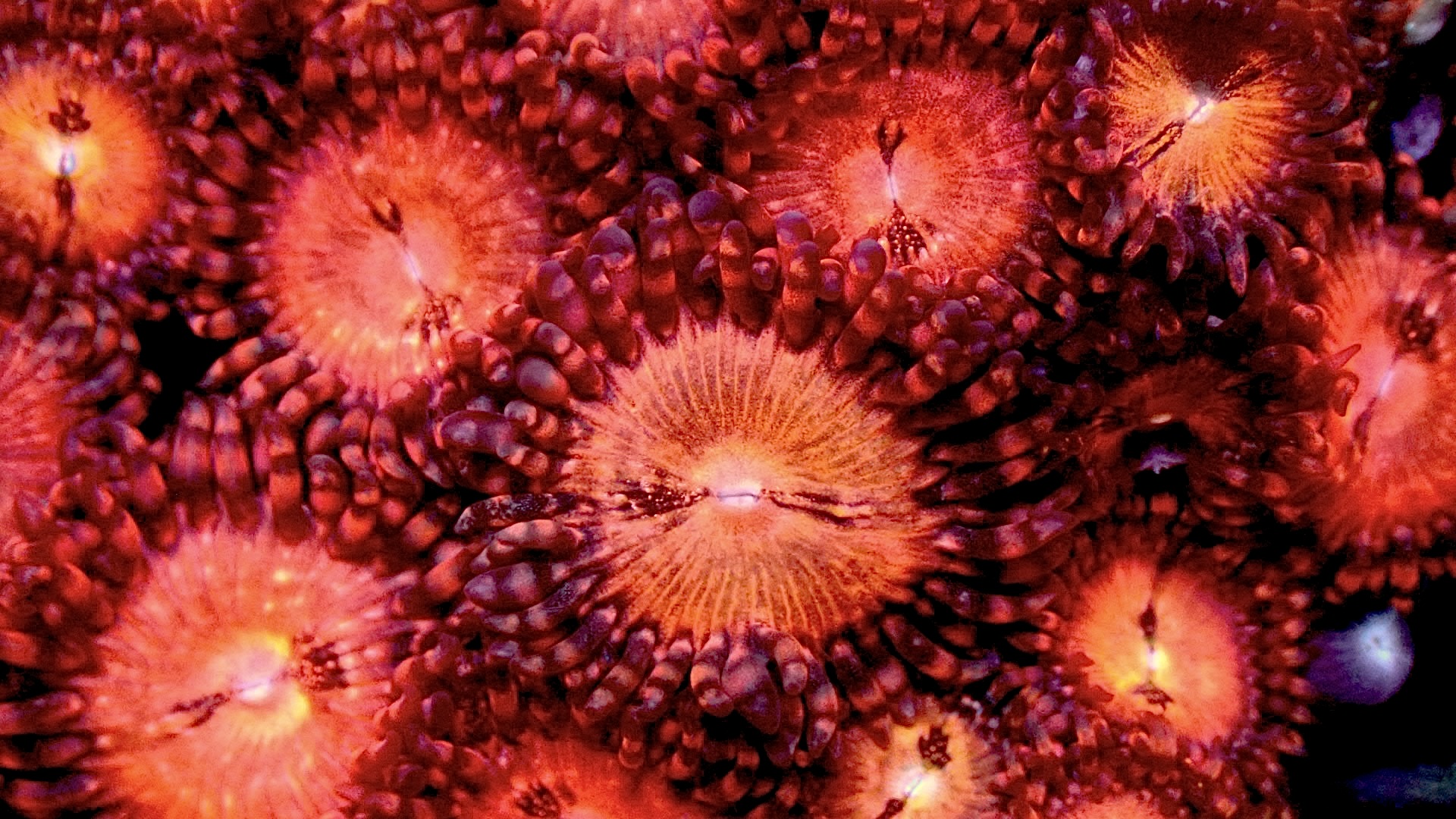
A tiny garden with a big personality! Sakura Sunrise zoanthids turn a small frag into a patch of tentacled polyps. Each polyp is a little animal, and the colony spreads across the rock as new ones appear. Give this garden its own space and watch it fill in.
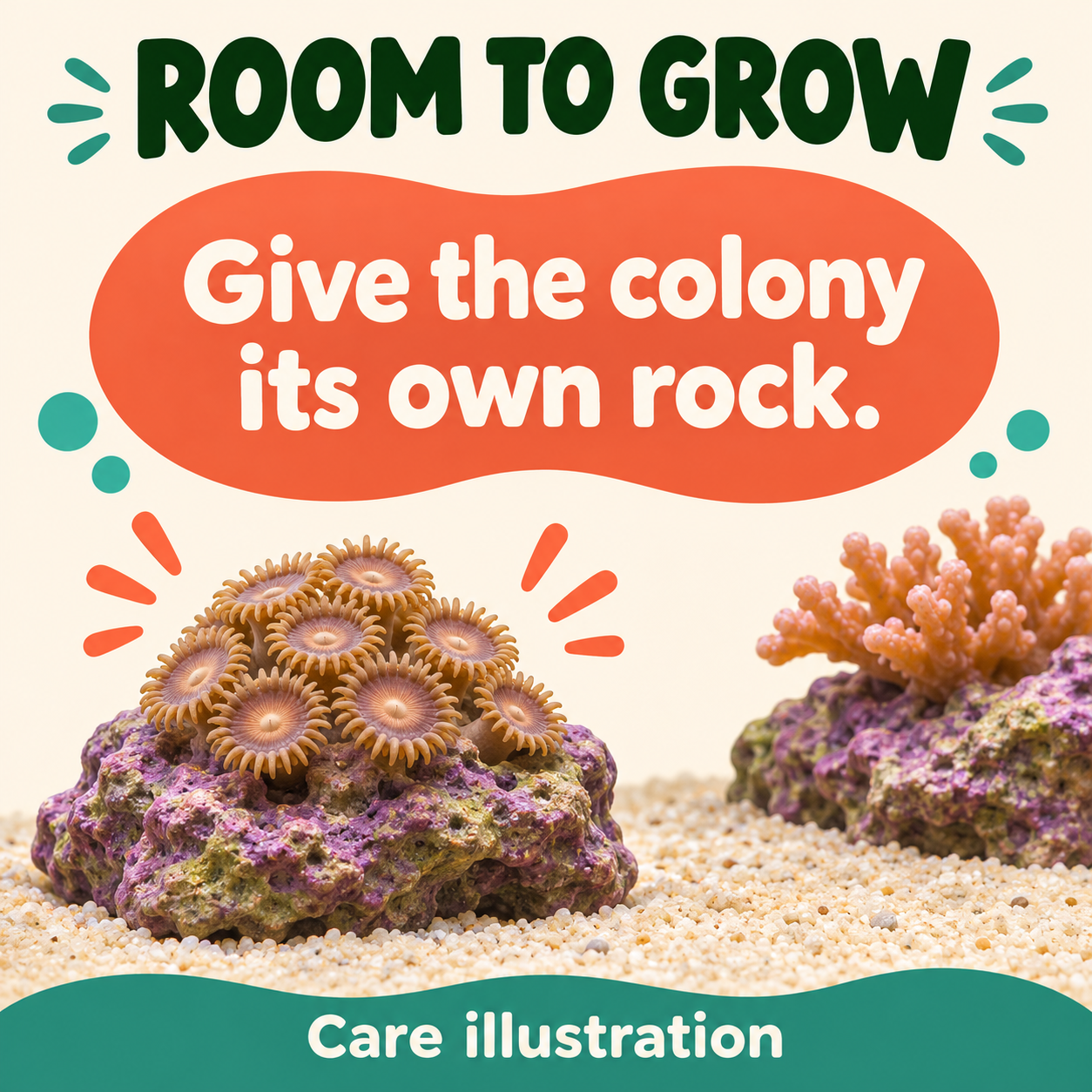
1. Room to grow
Start with a separate rock near the bottom or middle of the tank. Secure the frag so it cannot tumble onto another coral. Leave about two inches of open space to begin with, then check the edges as the mat spreads. A gap makes it easier to keep your zoa garden where you want it.
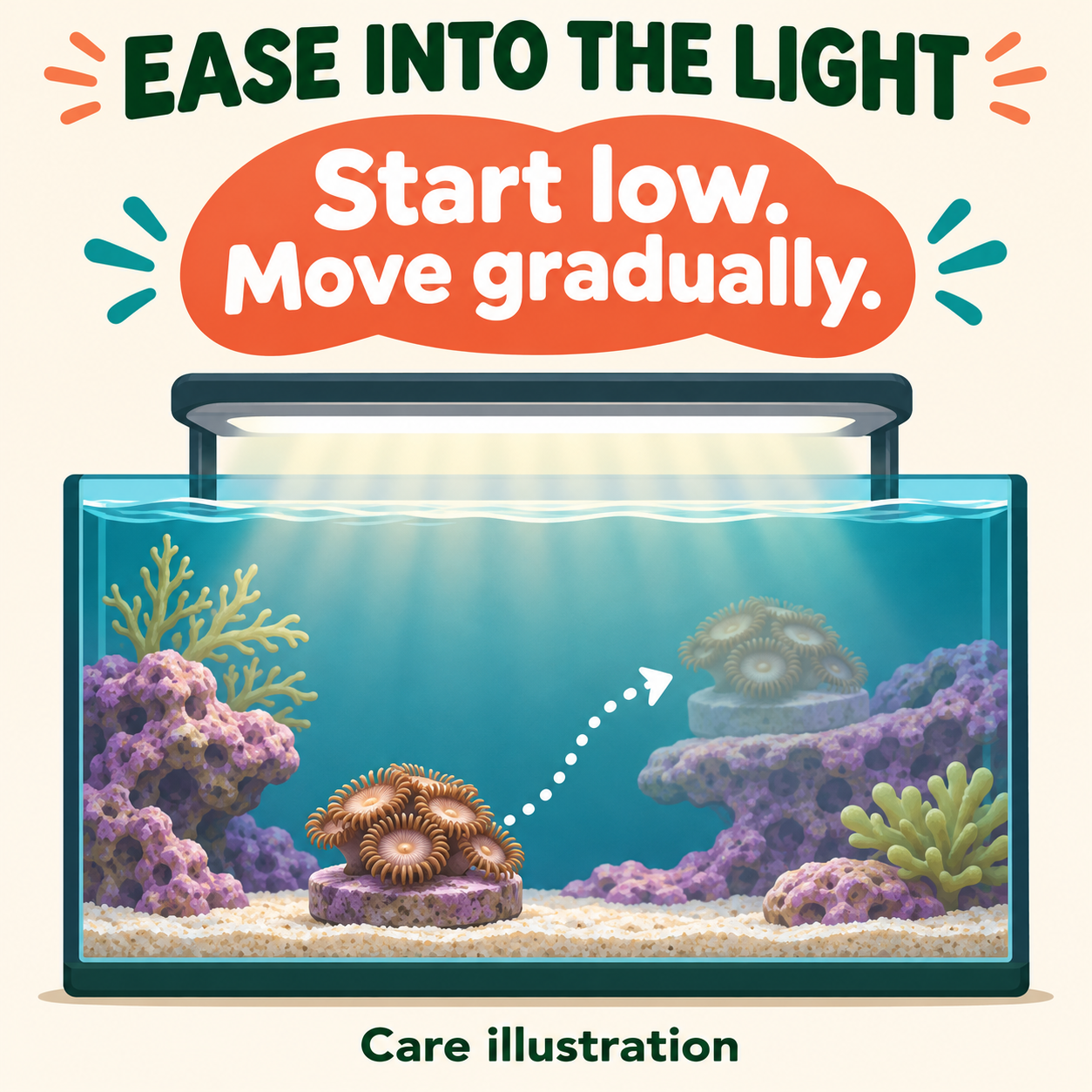
2. Ease into the light
Give your frag medium light. Begin on the lower side of your chosen spot while it settles into your lighting. Move it higher in small steps only when needed, watching how it opens between moves. Avoid bouncing it around the tank every day.
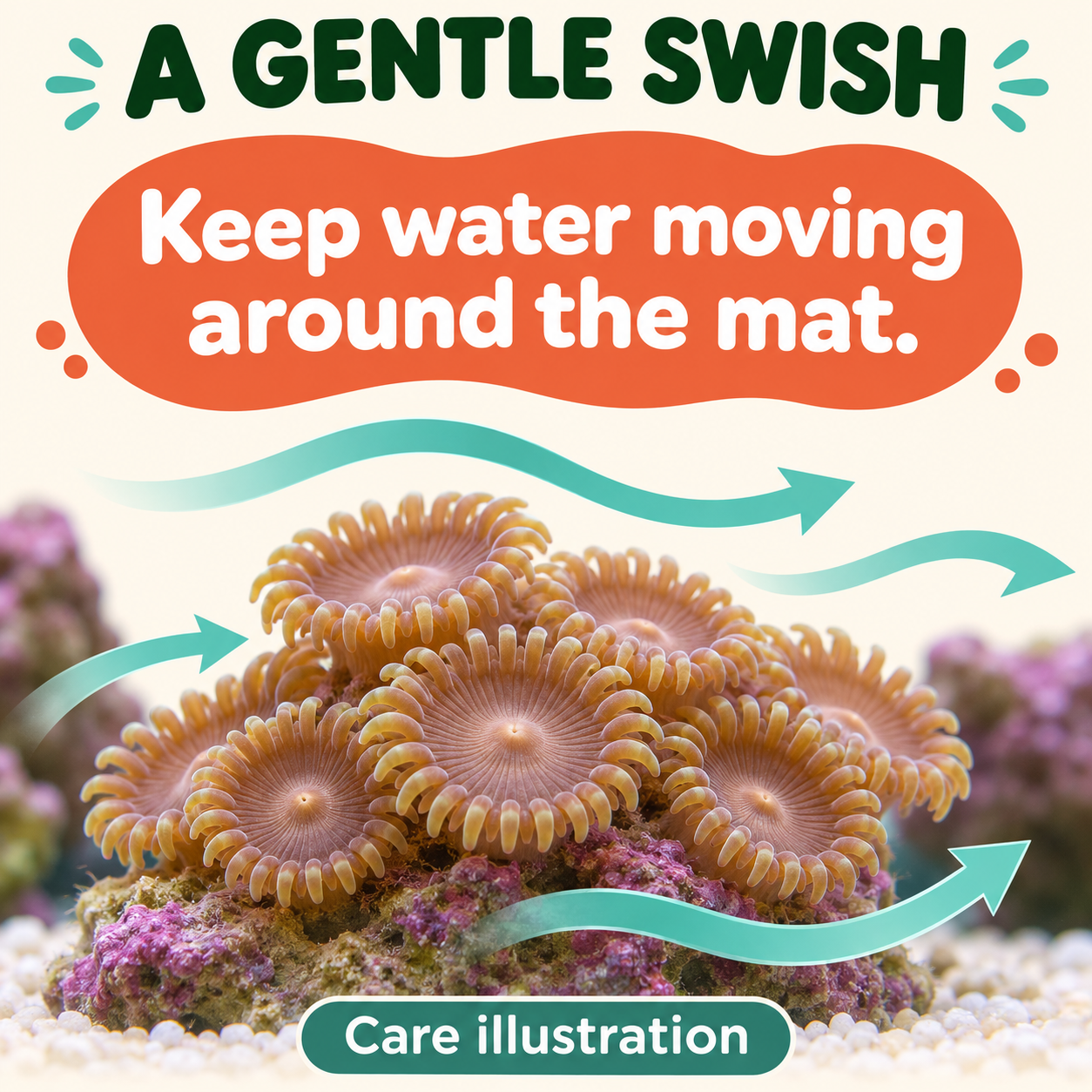
3. A gentle swish
Aim for medium, indirect flow around the colony. The tentacles should move gently, and loose waste should drift away from the mat. A hard jet that keeps the polyps folded shut needs redirecting. Keep the water moving without flattening your little garden.
4. Tiny meals
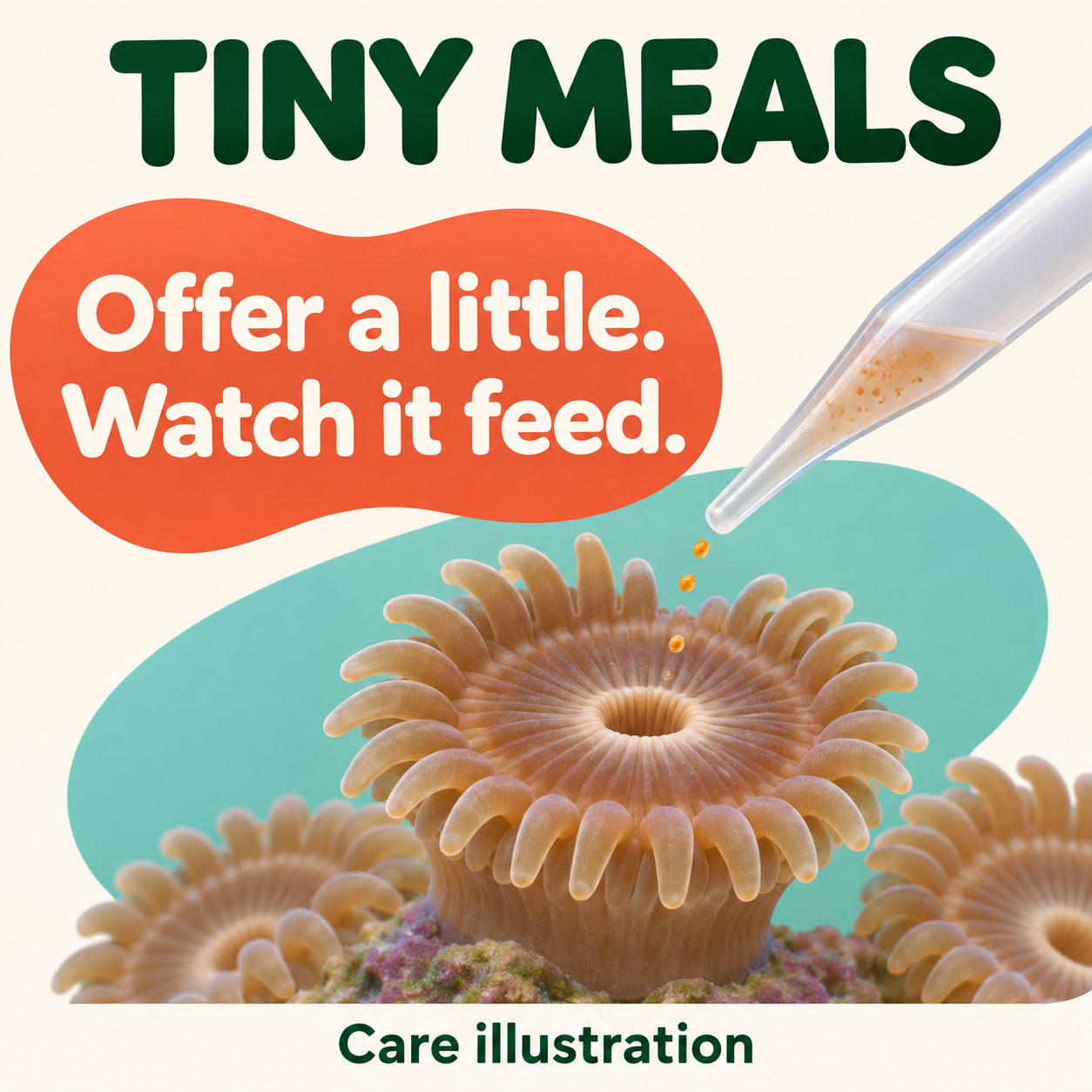
These zoas get much of their energy from light through algae living inside their tissues. Try a tiny amount of fine coral food once a week as a starting point. Gently release it above open polyps and watch for a feeding response, such as tentacles folding toward the mouth. Keep portions small so uneaten food does not build up.
Field notes — what keepers report
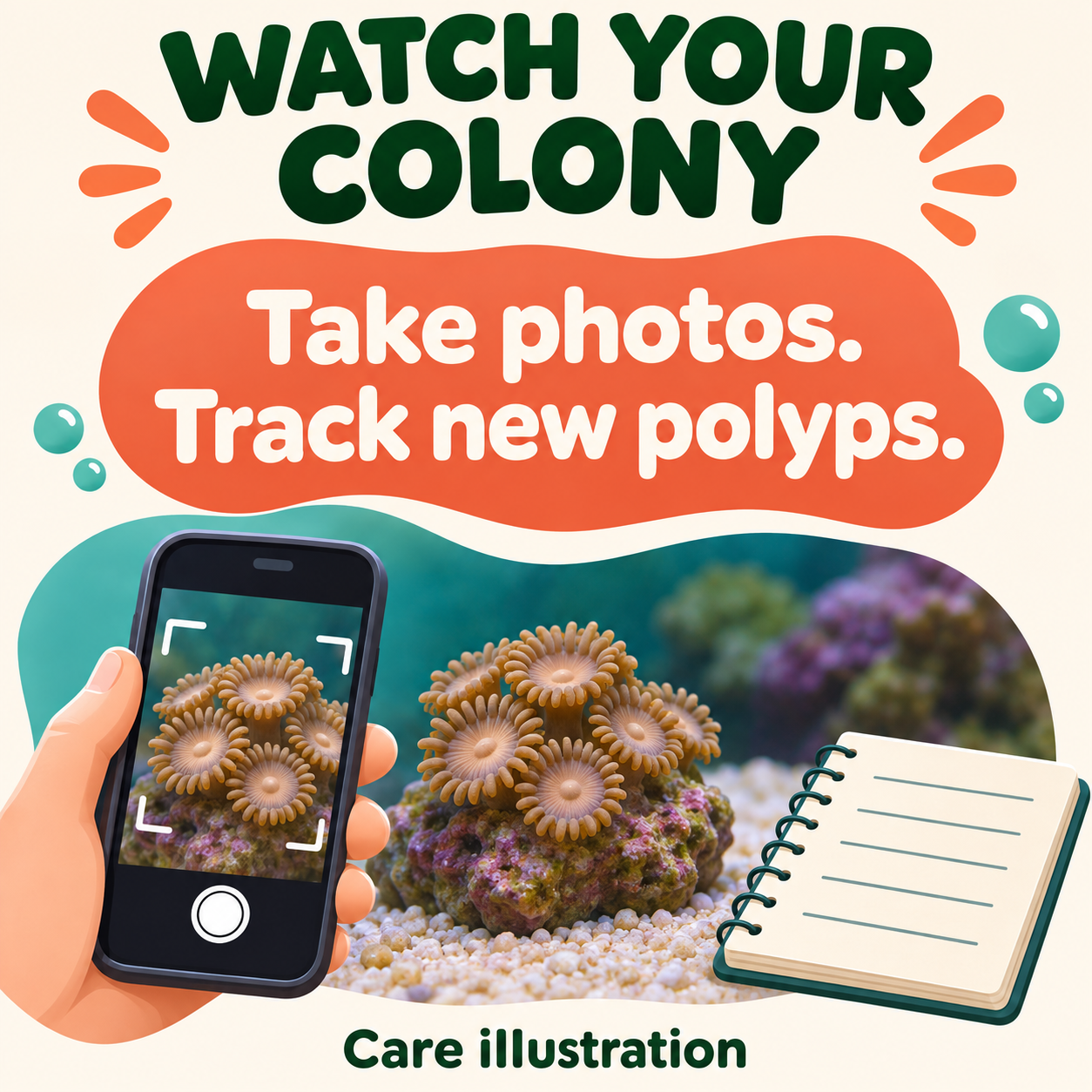
One Sakura Sunrise keeper reported rapid growth that crowded nearby zoas and recommended a separate rock. Another described a loose Sakura Sunrise frag falling onto an Elegance coral and losing polyps. Keep your frag secure, and take photos over time to follow its spread.
6. Handle with care
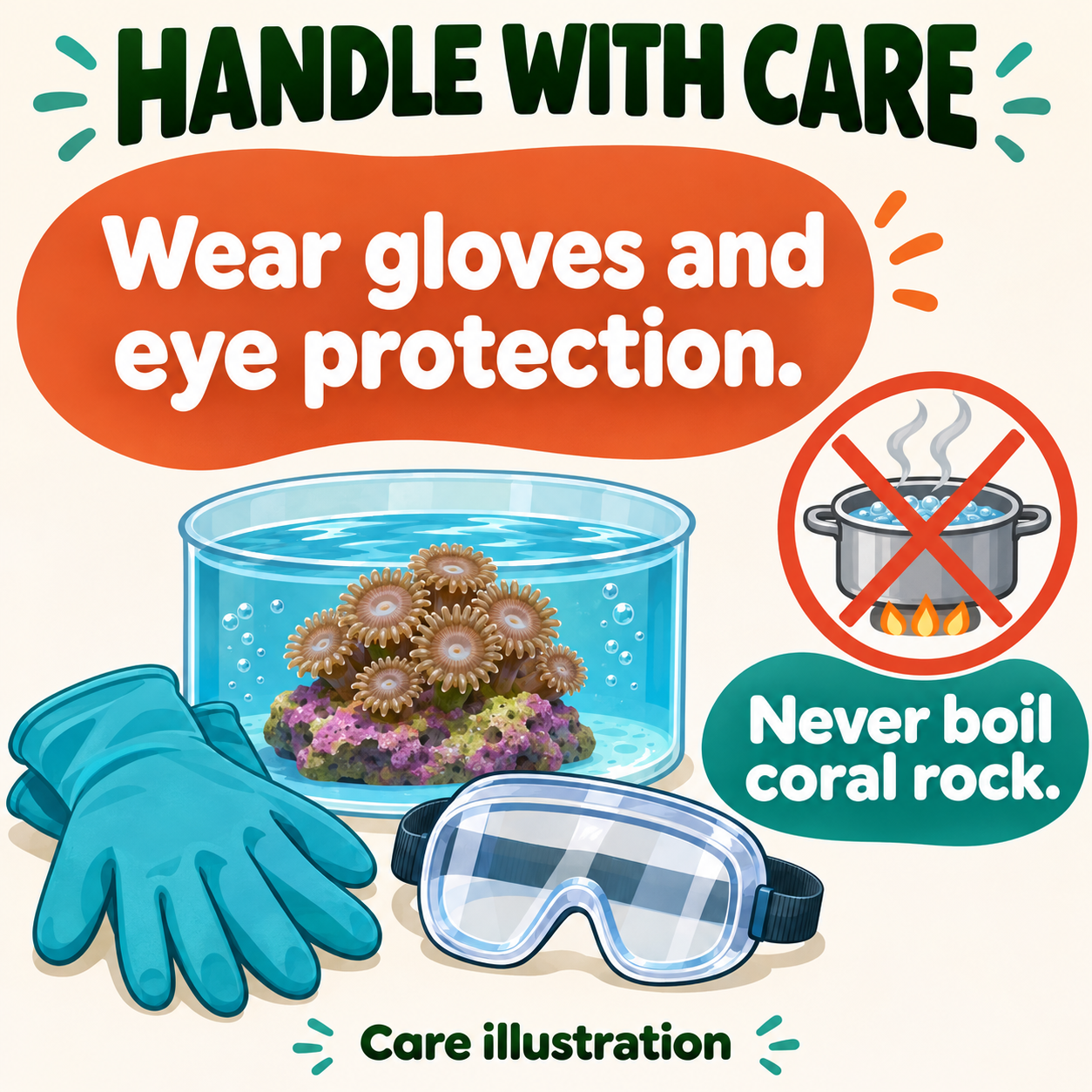
Zoanthids can contain palytoxin. Wear gloves and eye protection, keep handling to a minimum, and keep the coral submerged when transferring it. Never boil, steam or pressure wash coral rock. If you suspect exposure, get urgent medical help and tell the medical team about palytoxin.
Remember the rock! Give Sakura Sunrise a secure rock of its own, steady light and a gentle swish of water. Then enjoy the best part: spotting the next little polyp joining the garden.
Field Notes
Related species
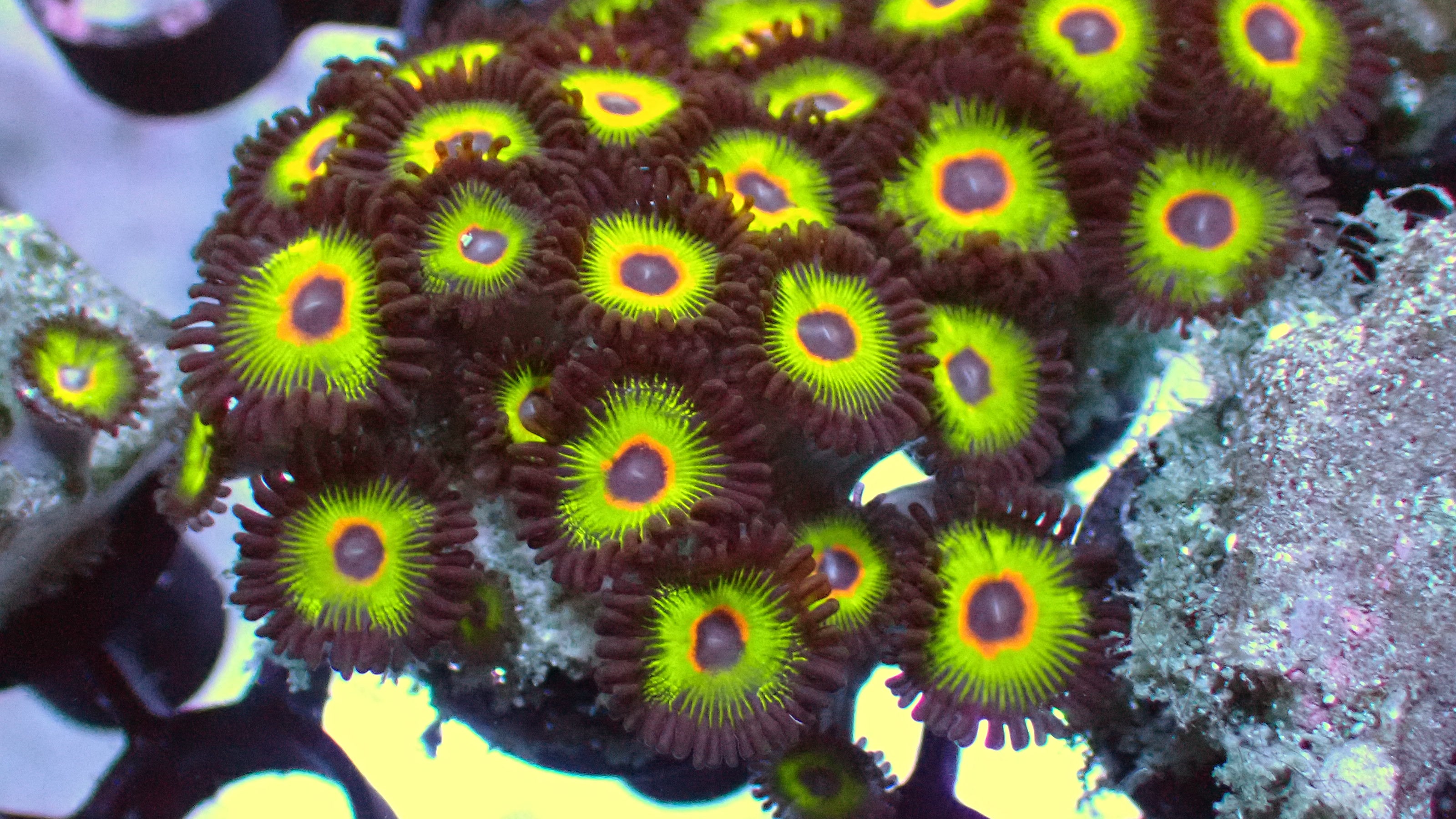
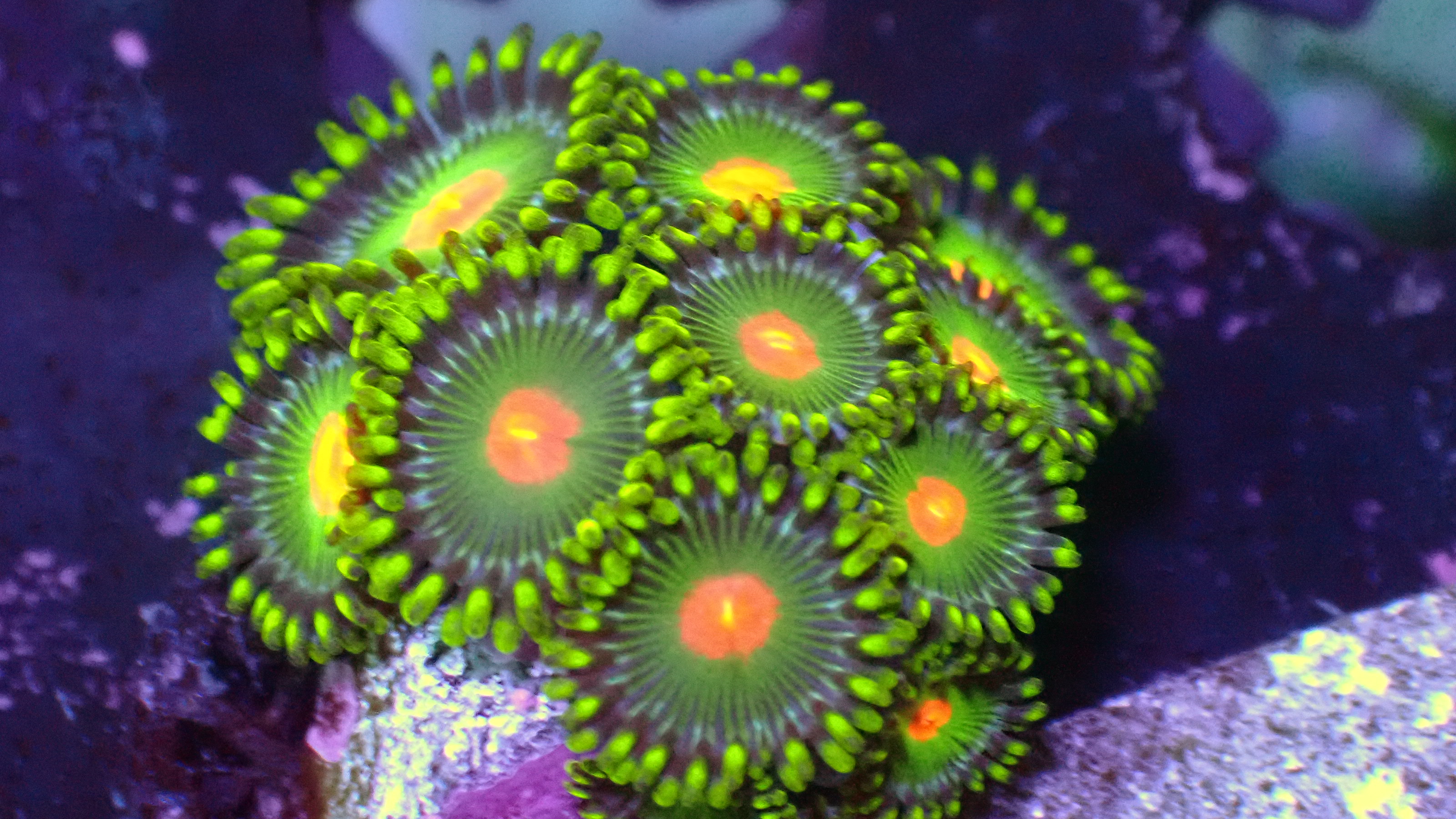
Bob Marley zoas
Zoanthus sp
Same genus
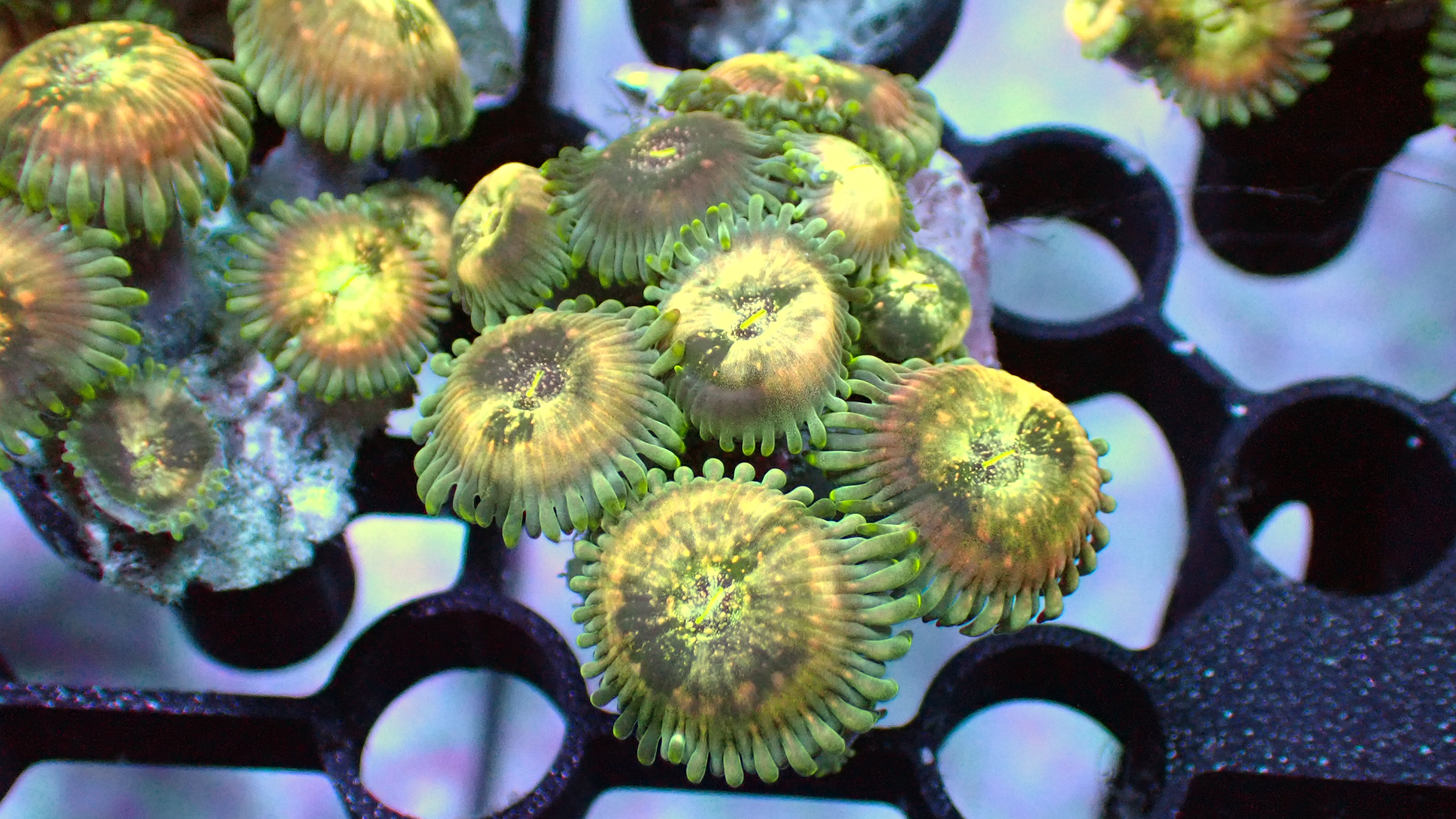
Green Bay zoas
Zoanthus sp
Same genus
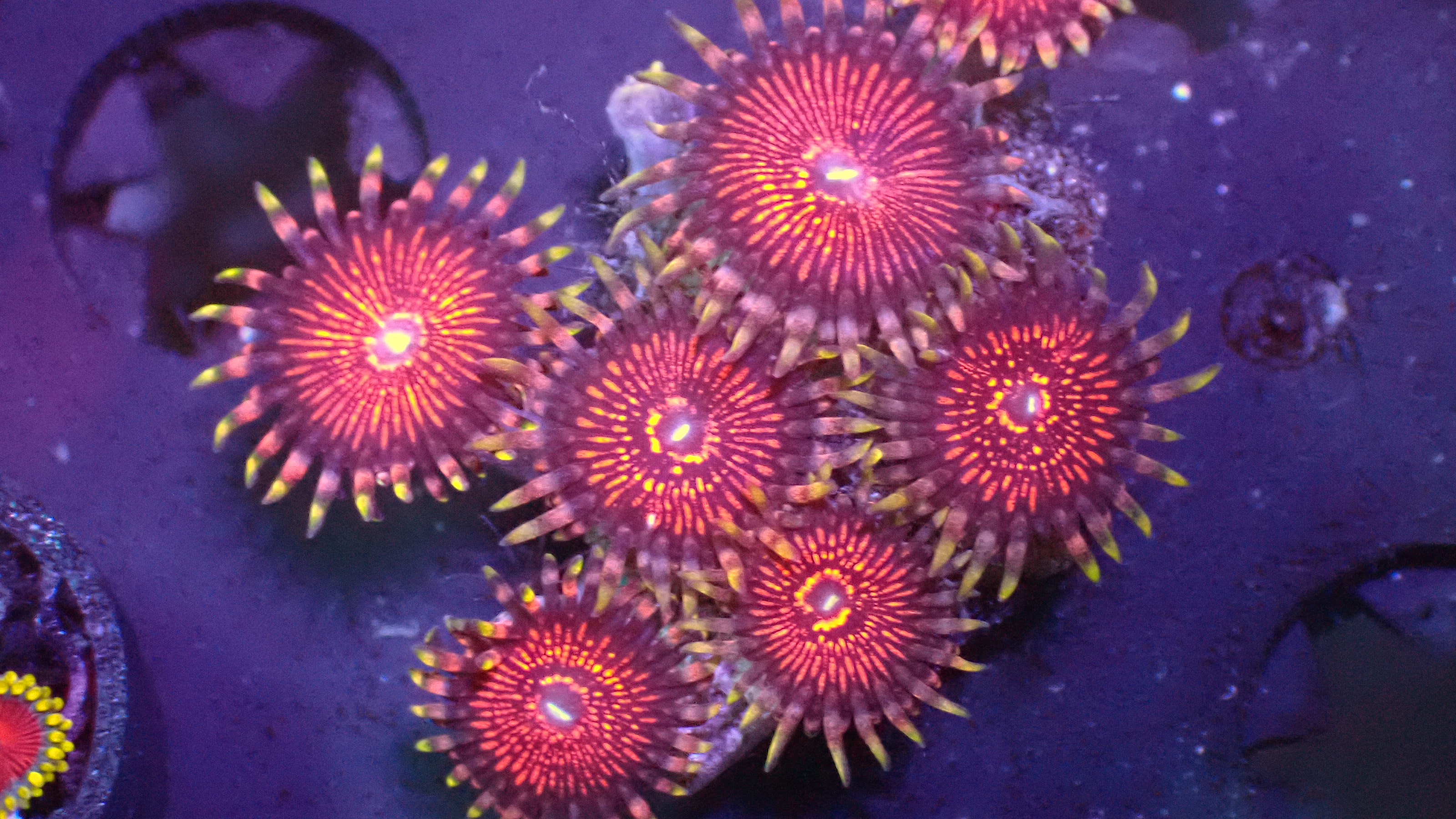
Hawaiian ding dang zoas
Zoanthus sp
Same genus
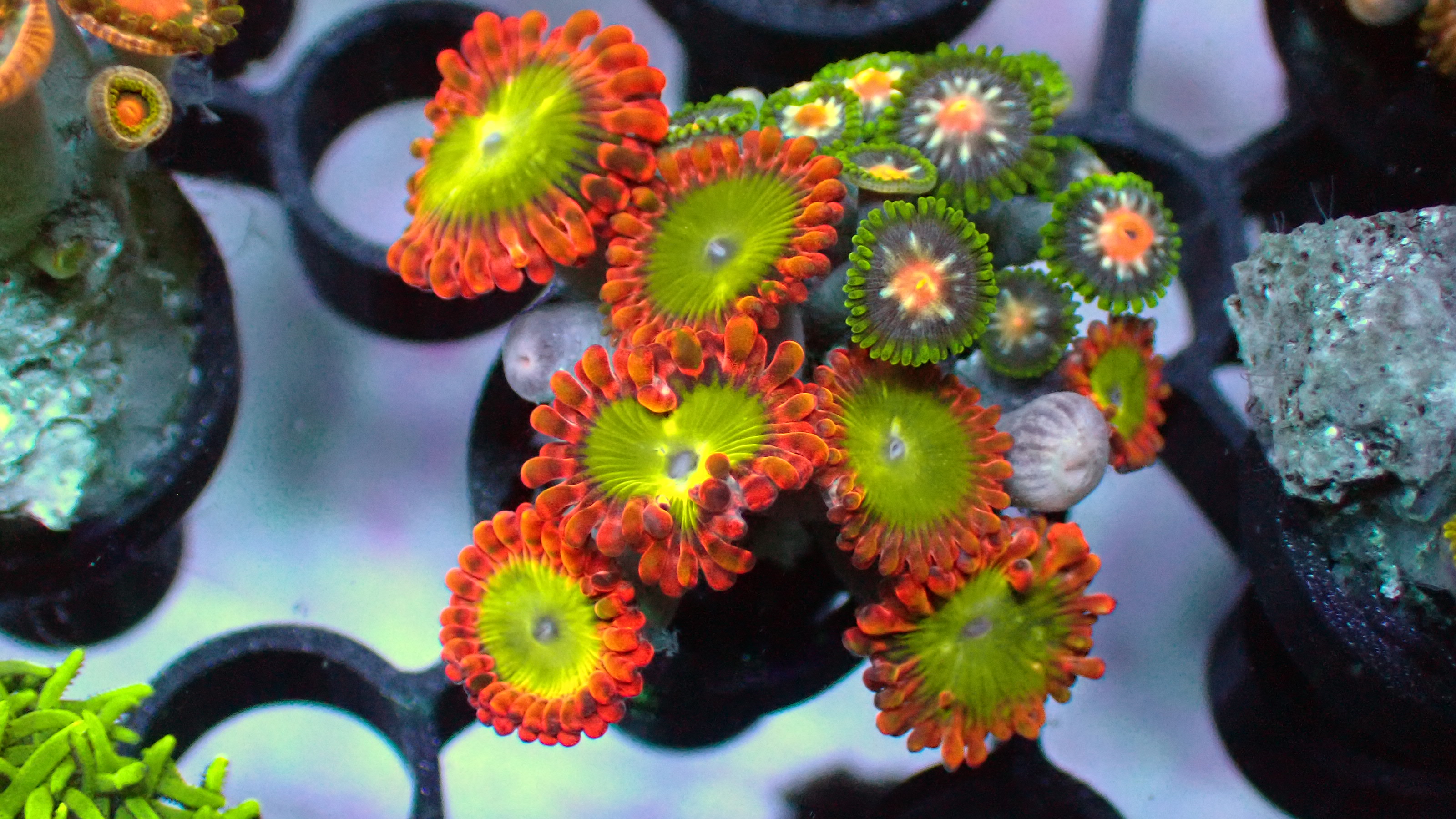
Night crawler zoas
Zoanthus sp
Same genus
Oompa Loompa zoas
Zoanthus sp
Same genus
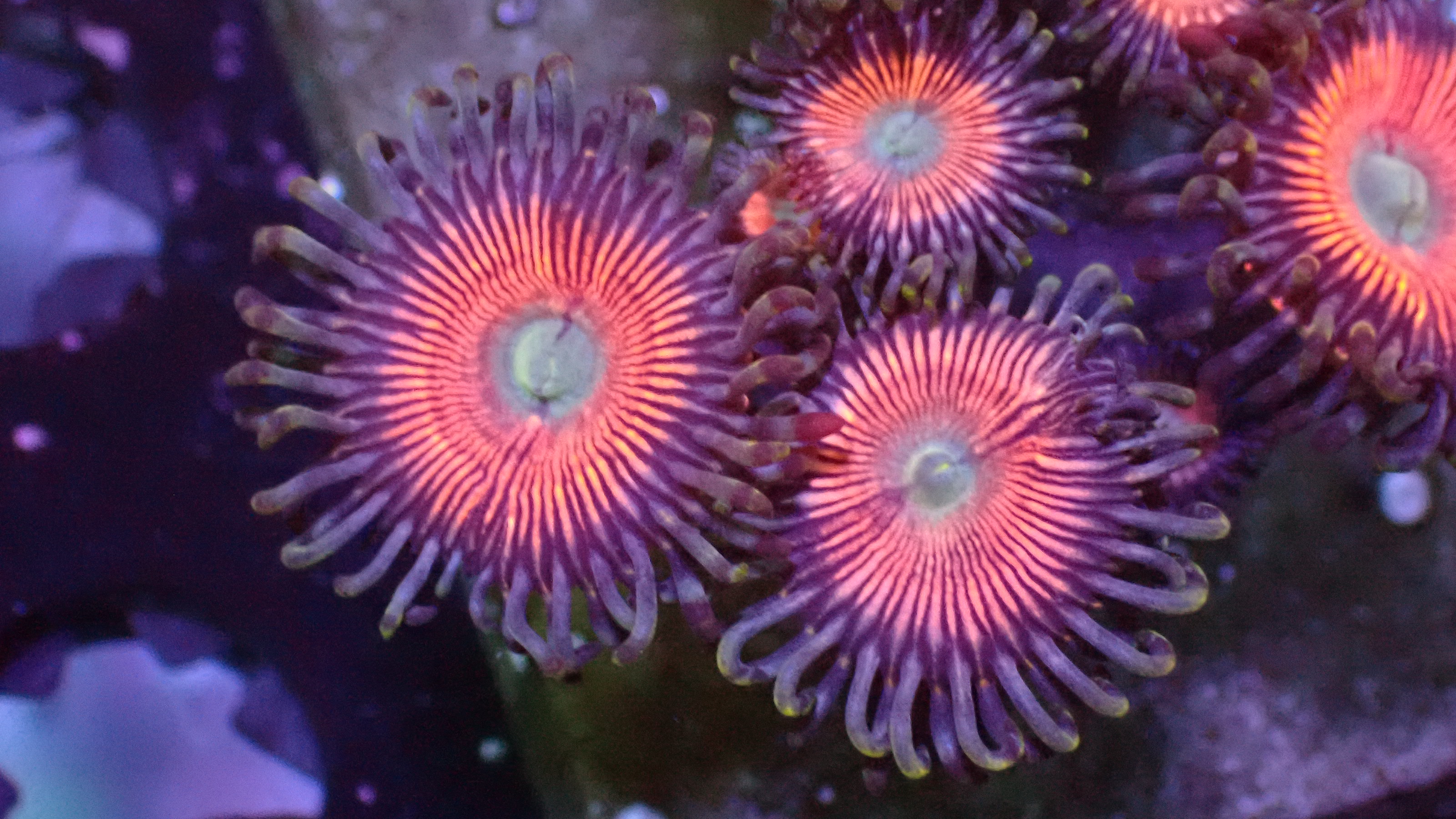
Peaches zoas
Zoanthus sp
Same genus
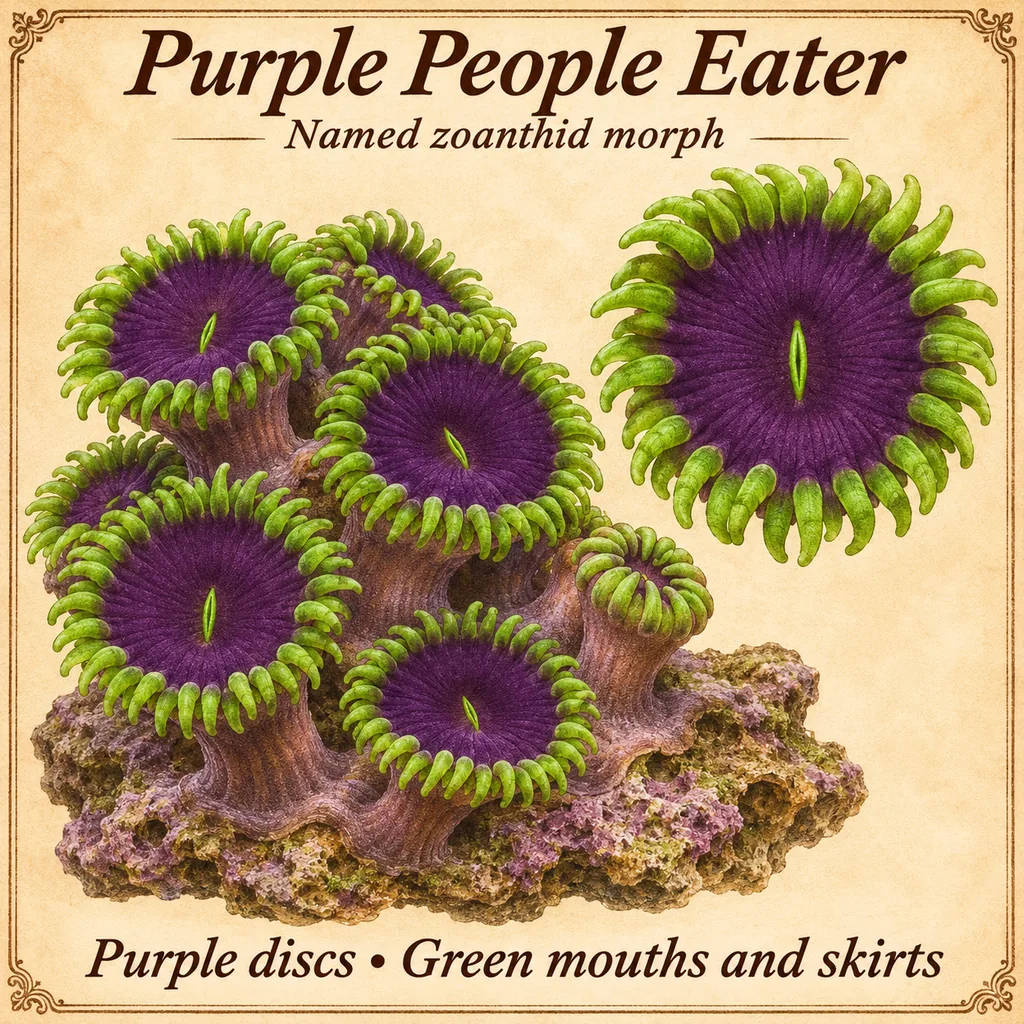
Purple People Eater
Zoanthus sp.
Same genus
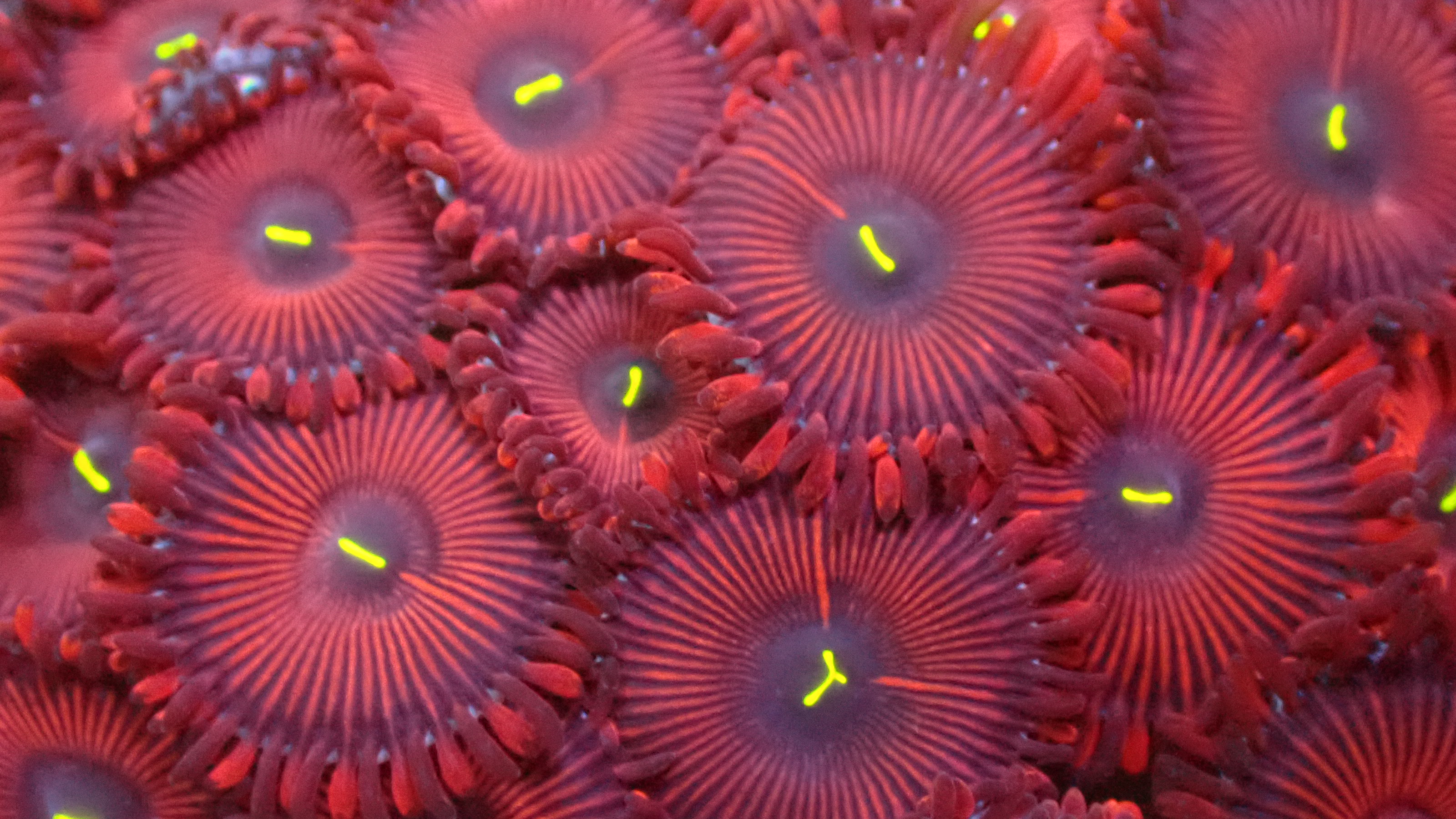
Red people eater zoas
Zoanthus sp
Same genus