Aculeus Acropora
Acropora aculeus

Gallery
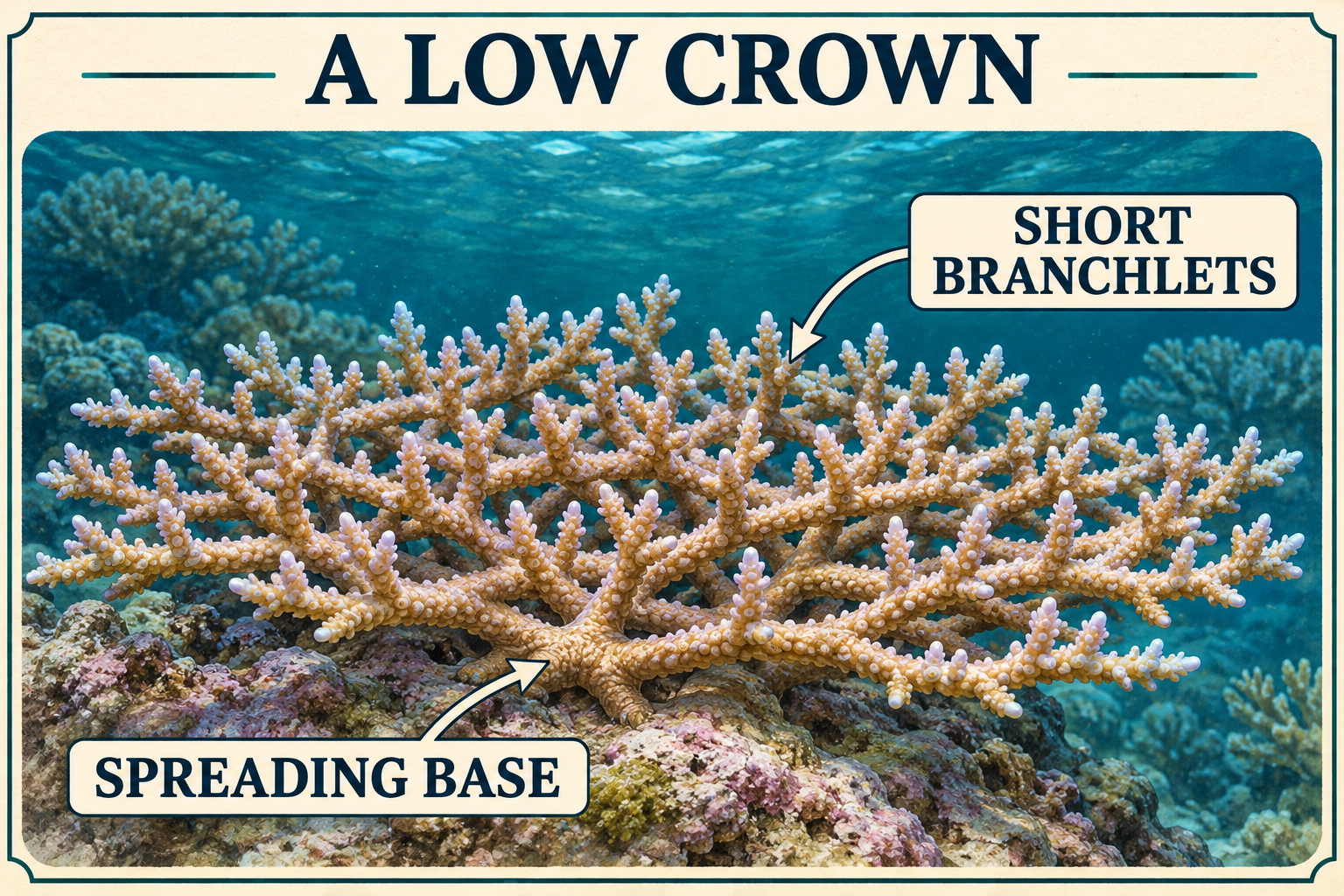
Aculeus Acropora builds a low crown of tiny branches. Look closer and you'll spot little cups with flared rims along the sides. Give this stony coral a steady reef, a broad current, and room to spread.
Build a crown
1. Out and up. Thin branches spread sideways. Short, fine branchlets rise from that base and form a low clump instead of a tall forest.
2. Little cups, not needles. A corallite is the hard cup that houses a polyp. On the sides of the branches, these cups sit close to the branch and have slightly flared lips.
Step into brighter light
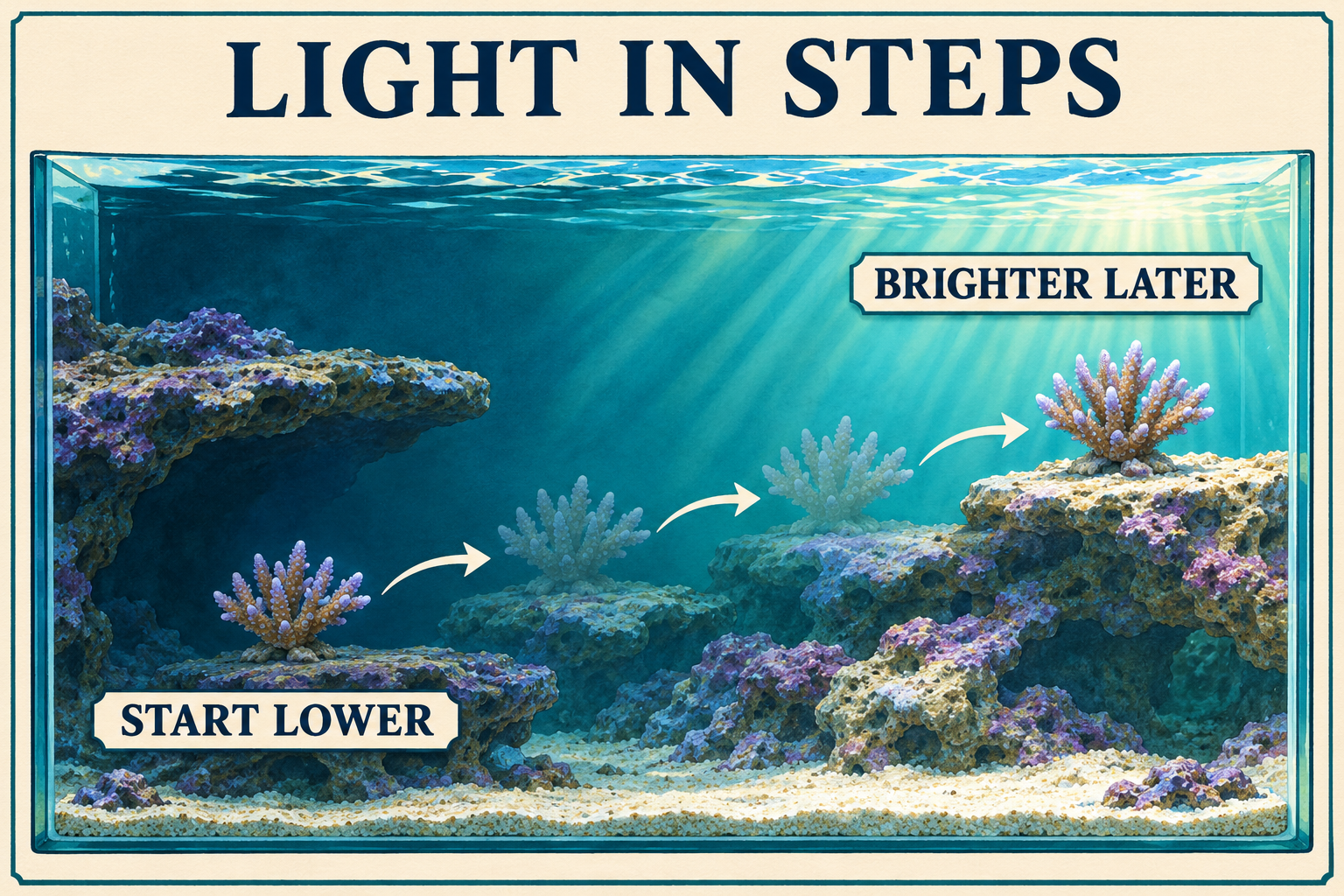
3. Start where it can settle. Begin under moderate light rather than moving a new frag straight to the brightest shelf. Raise the light in small steps once the coral has settled.
4. Pick the light, then the shelf. Give it medium to bright light once settled. Use upper rockwork only where the light and current suit it. A PAR meter tells you how much light actually reaches the frag.
Send water around it
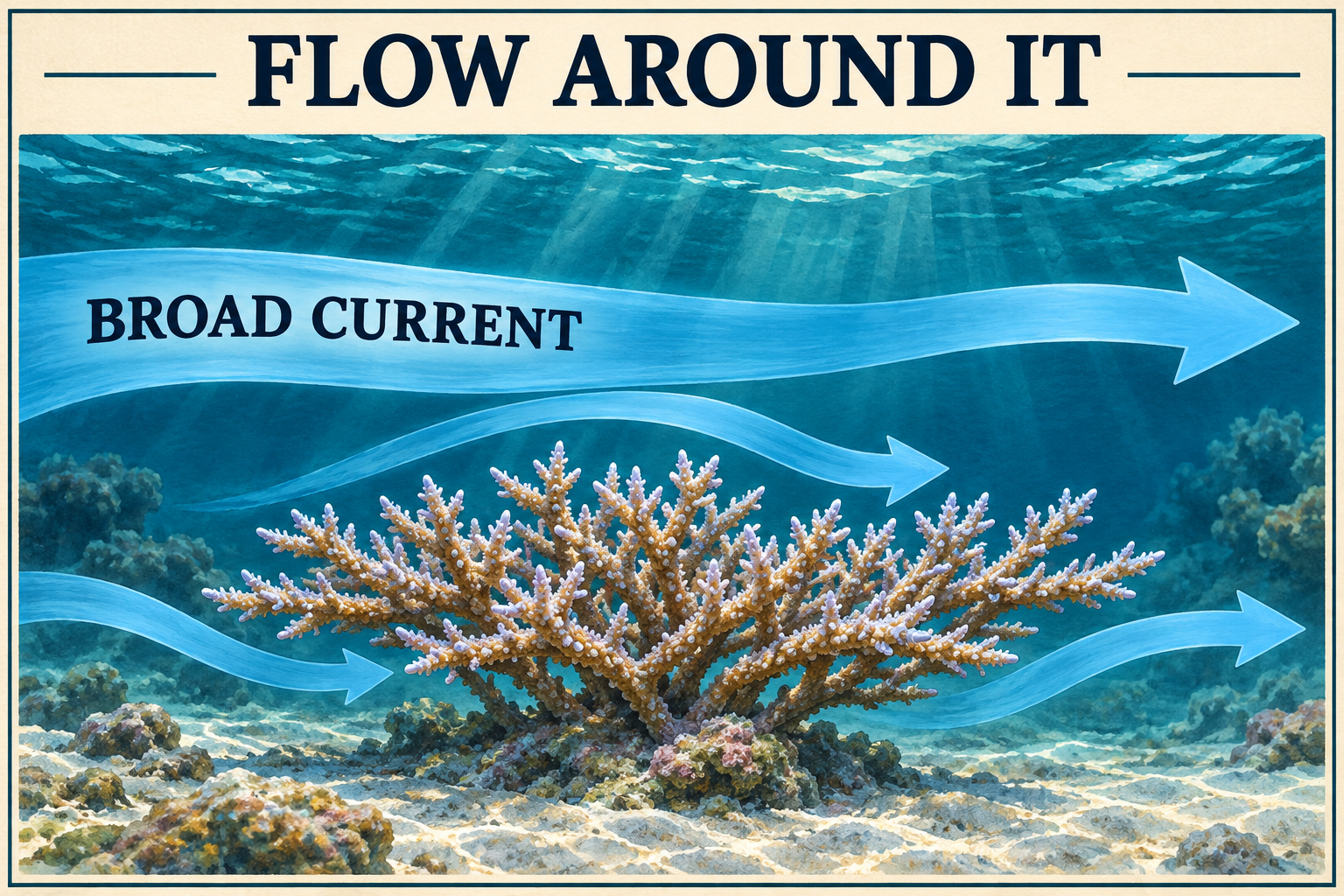
5. Wide current beats a jet. Start with moderate, indirect flow. Aim the pump past the coral so water moves around and between the branches. Don't pin a narrow stream on one spot.
6. Check the middle as it fills in. A bigger colony changes how water moves through it. Look for debris collecting between branches. Redirect the current if water no longer sweeps through the clump.
Keep the reef steady
7. Watch the trend. Track alkalinity in your established reef. Check calcium, salinity and temperature regularly. Make small measured adjustments rather than chasing a different number every day.
8. Check before you change things. If color fades or tissue pulls back, compare today's readings with your recent results. Check the light and current too. Avoid changing everything at once.

Leave space to spread
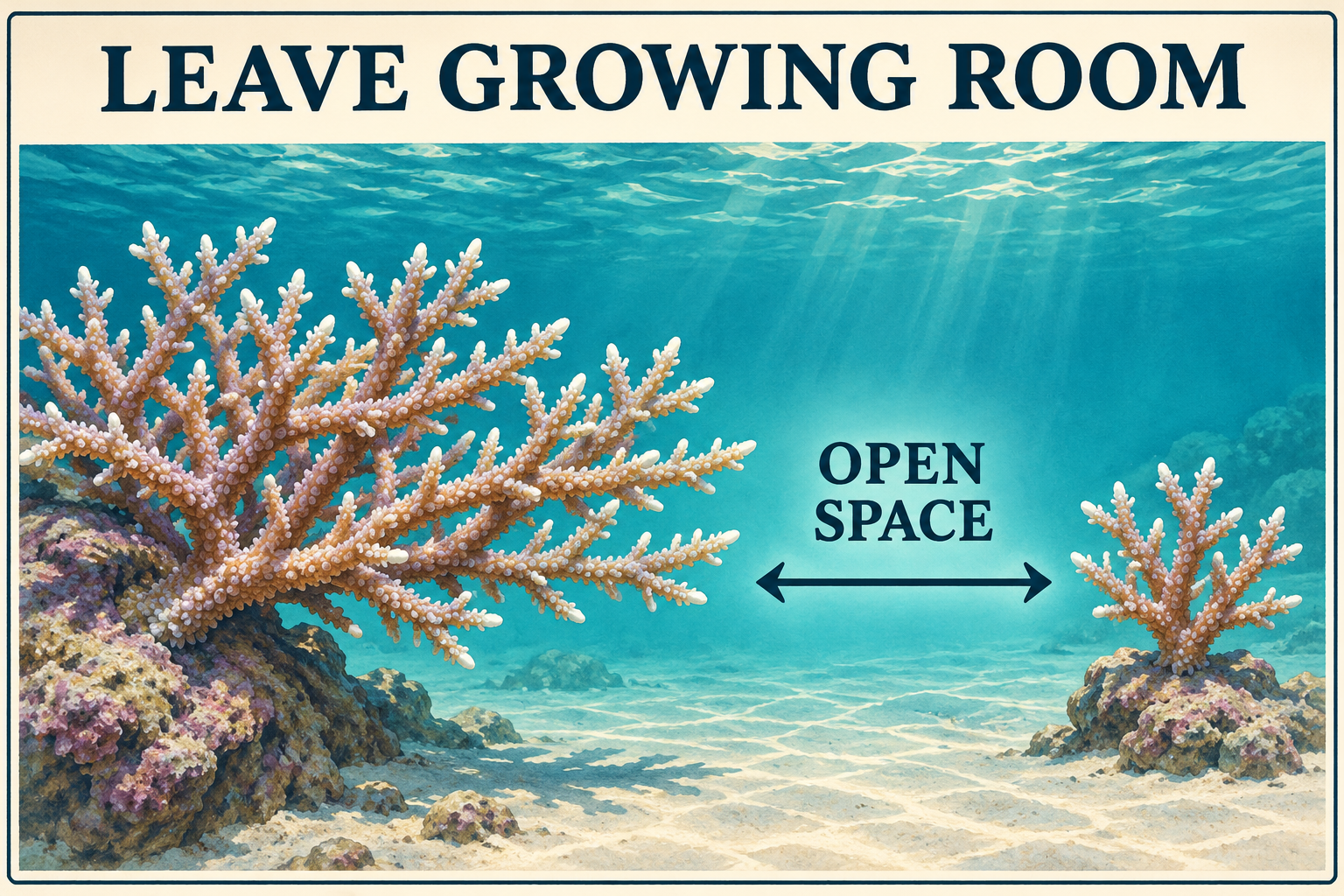
9. Plan for the sideways part. Mount the frag firmly on an open shelf. Leave room beside it, not just above it. The spreading branches need a clear path as the colony fills out.
10. Look below the crown. A wider colony casts more shade. Keep other corals out from under its growing edge and beyond the reach of stinging neighbors.
Field notes — what keepers report
11. A base before branches. In a general Acropora grow-out, one keeper watched a frag stay flat on its plug for years before it began branching quickly. Another kept a colorful frag that stayed small while other Acros in the same tank grew.
12. Photos show what your eyes miss. A keeper's photos of a tabling Acro showed a long stretch of base growth before the colony spread out. These accounts are about Acropora generally, not verified Aculeus colonies.
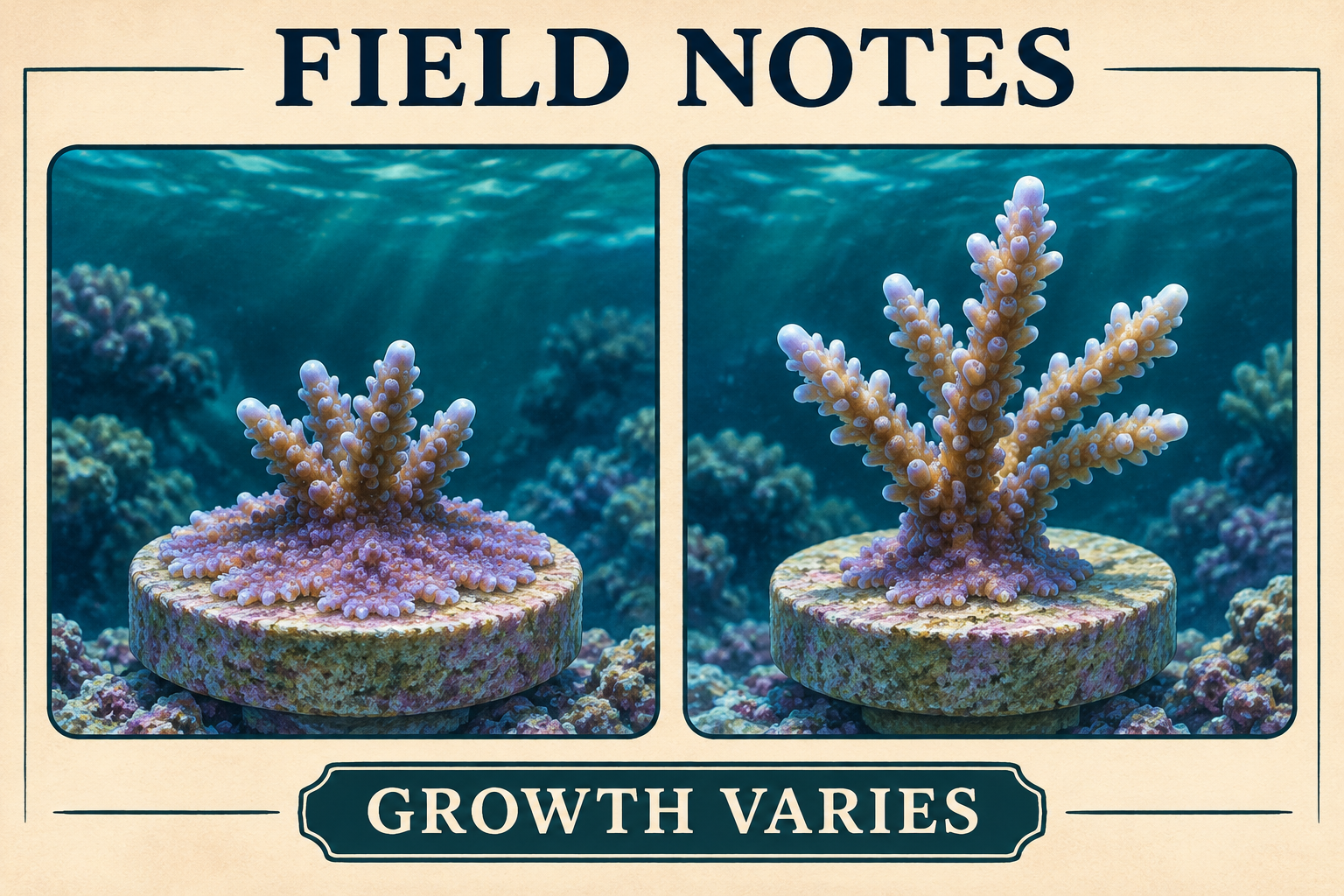
Pick the shelf for the colony it'll become. Then keep the light changes slow, the water moving, and the edges clear while that little crown grows.
Field Notes
Related species
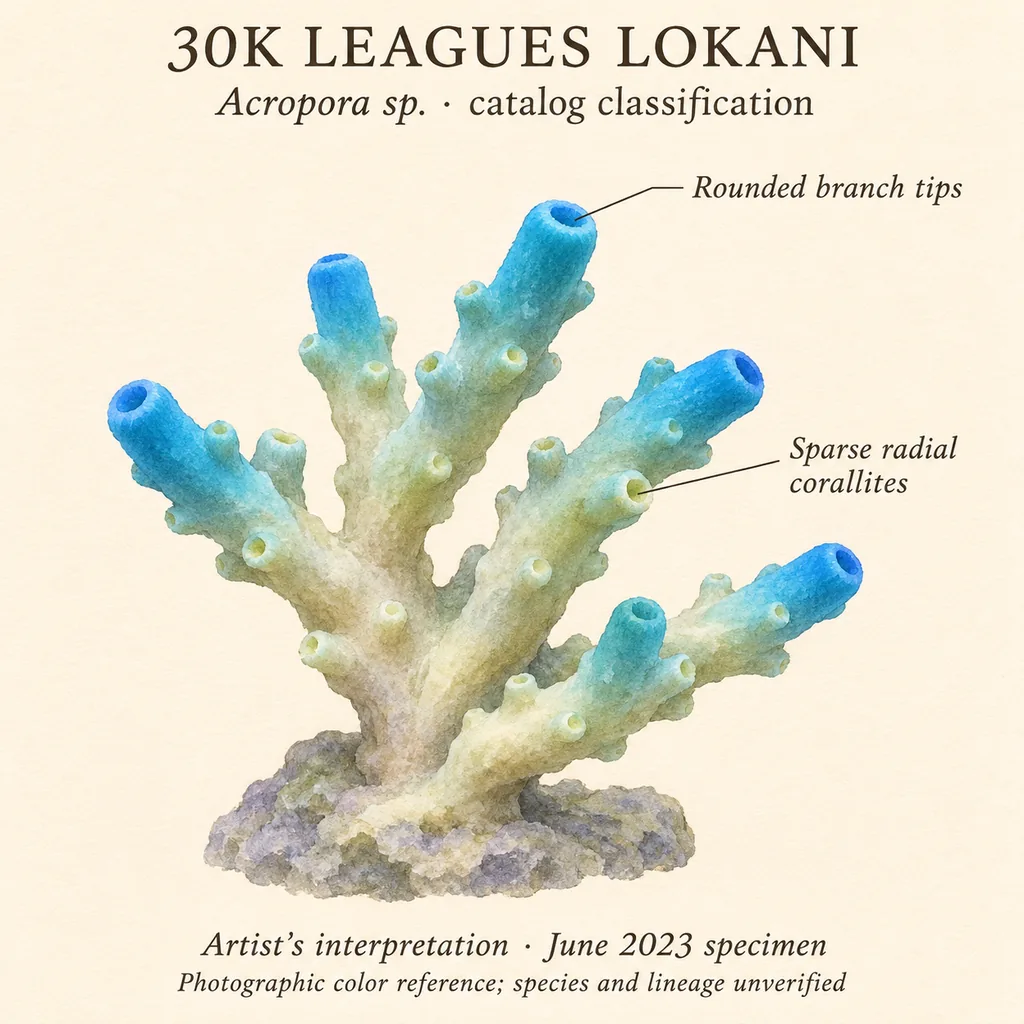
30K Leagues Lokani
Acropora sp.
Same genus
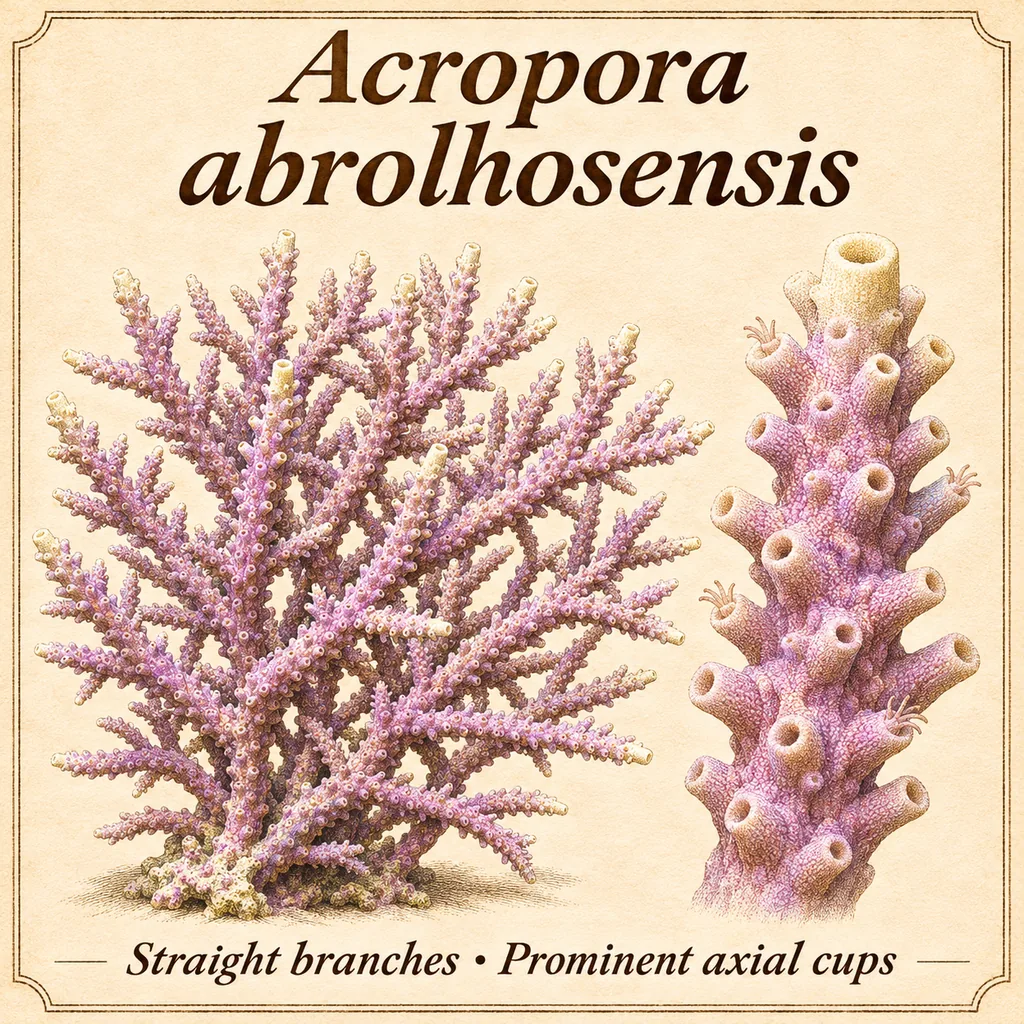
Acropora abrolhosensis
Acropora abrolhosensis
Same genus
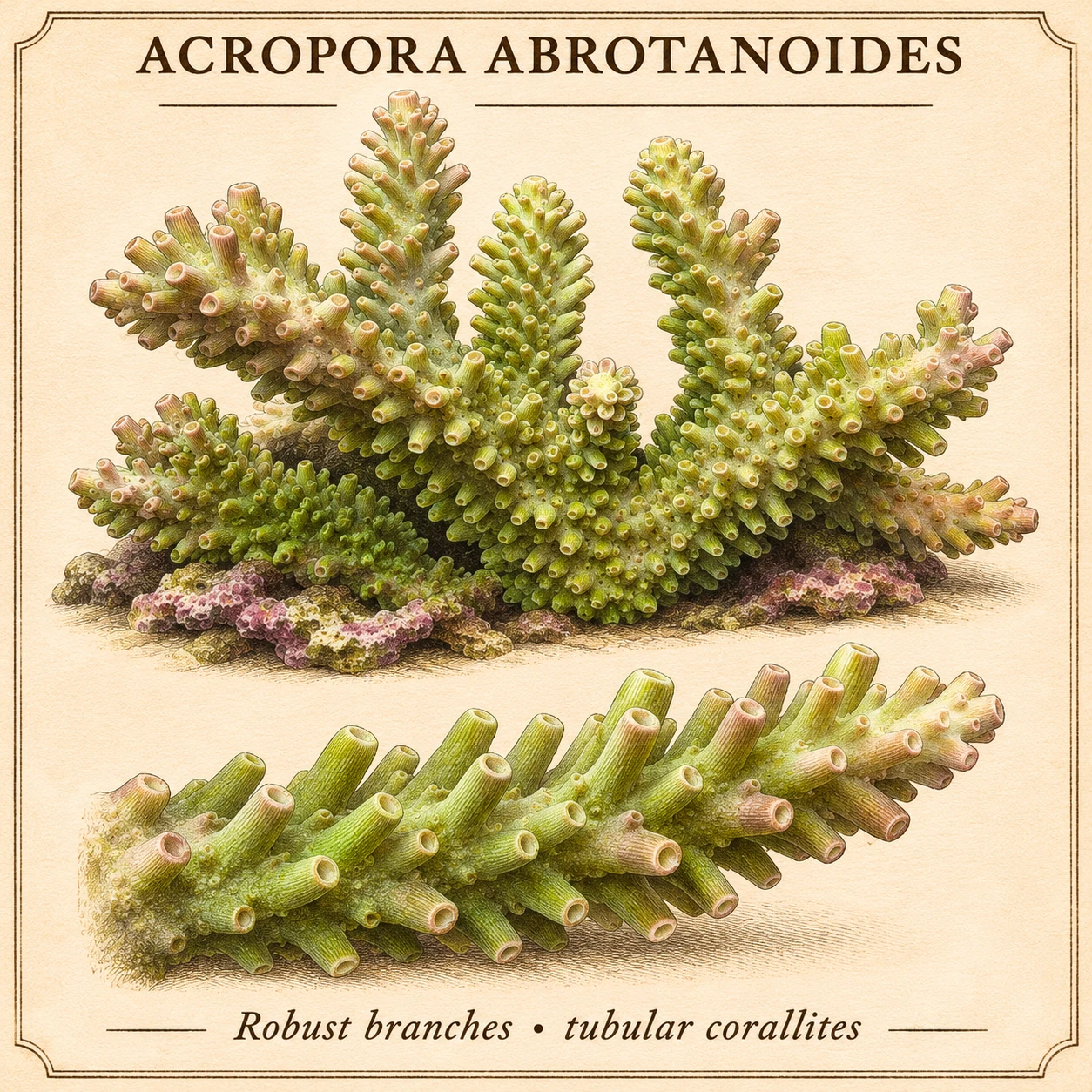
Acropora abrotanoides
Acropora abrotanoides
Same genus
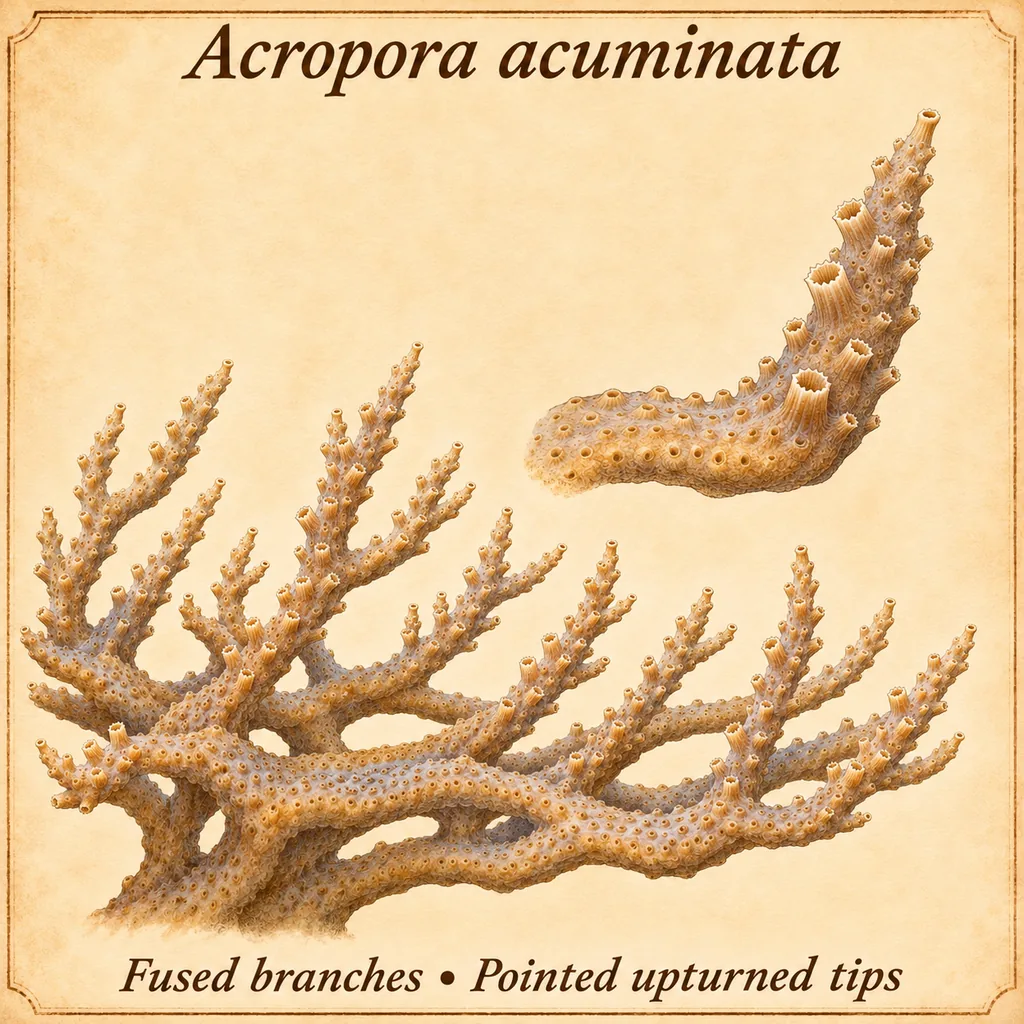
Acropora acuminata
Acropora acuminata
Same genus
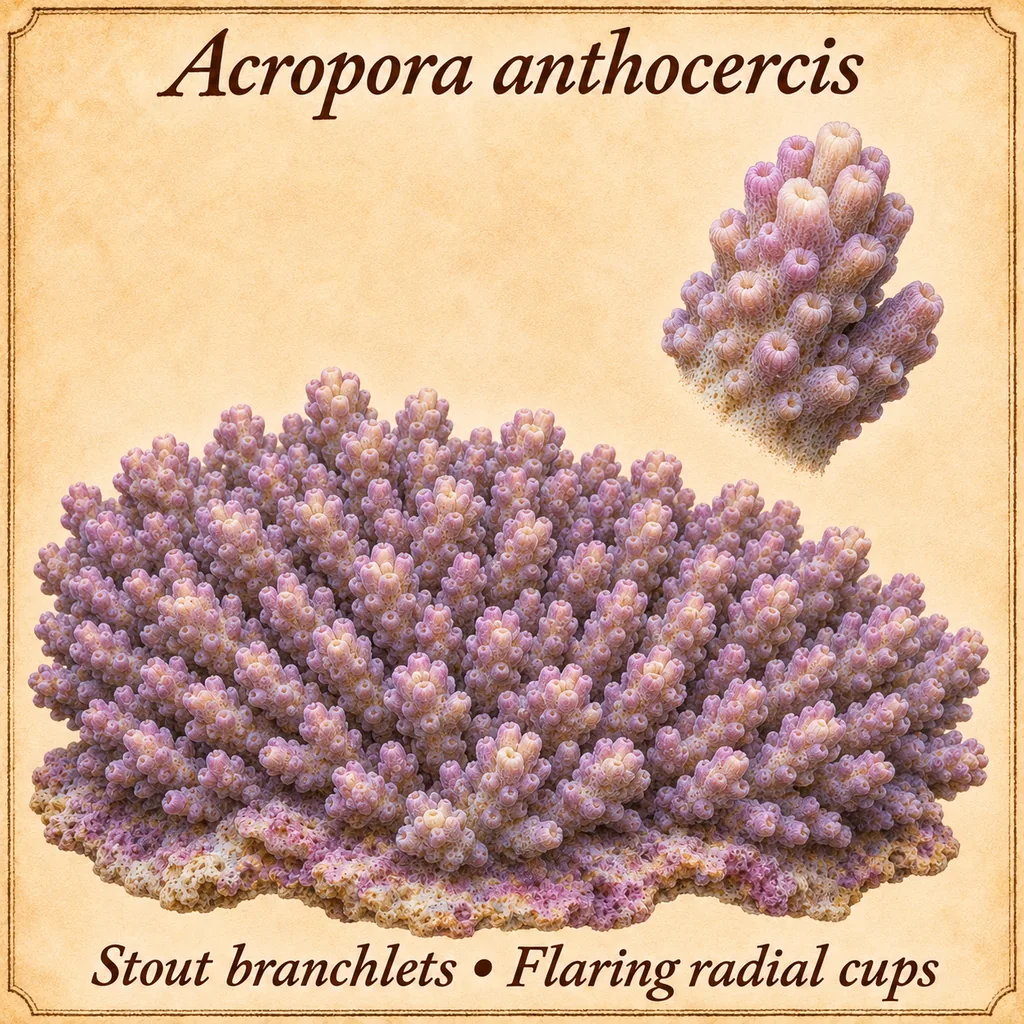
Acropora anthocercis
Acropora anthocercis
Same genus
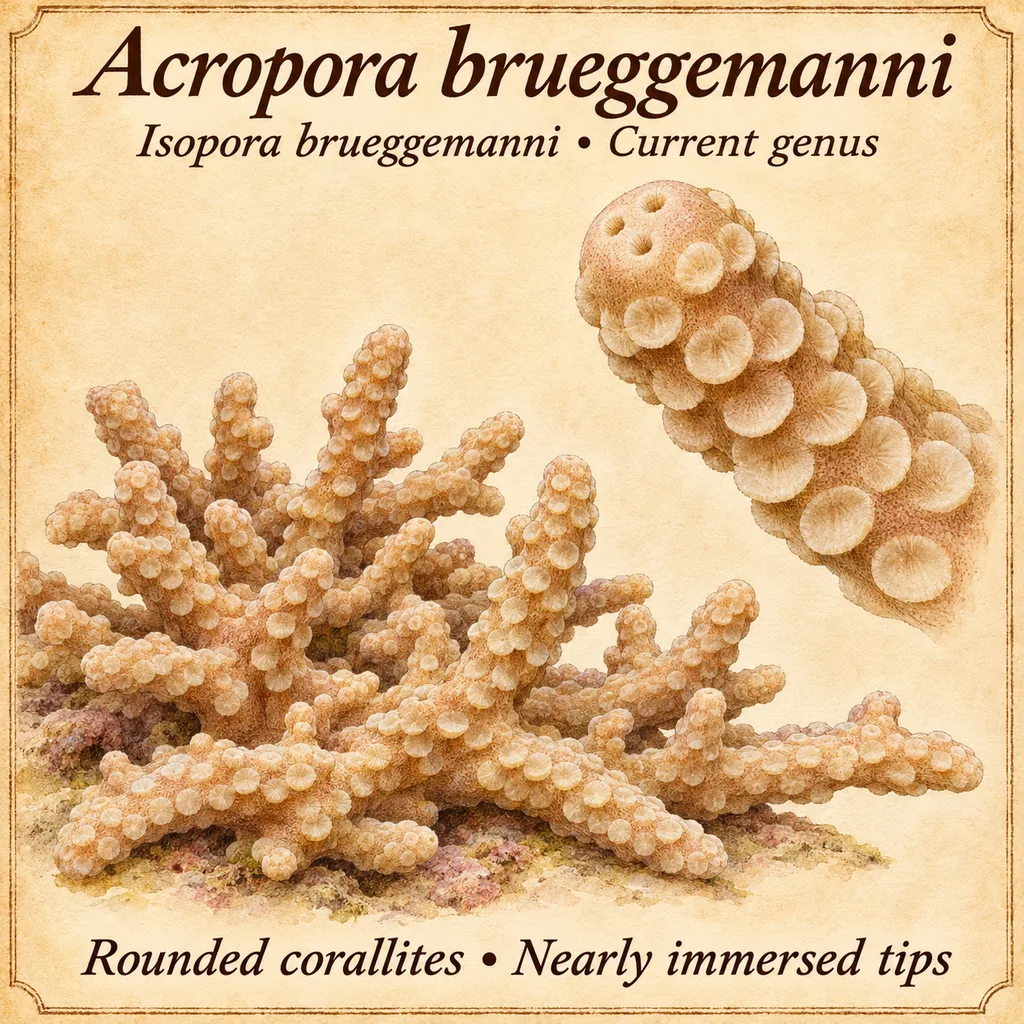
Acropora brueggemanni
Acropora brueggemanni
Same genus
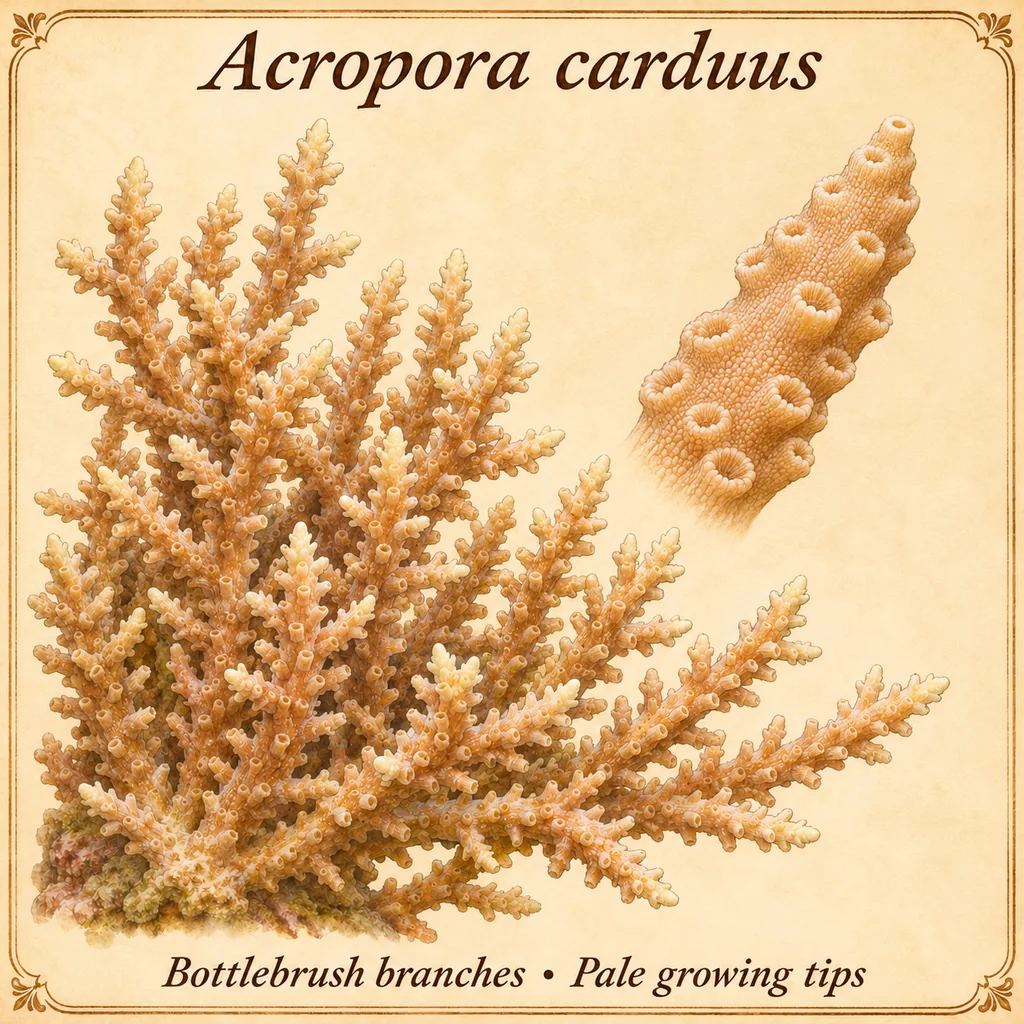
Acropora carduus
Acropora carduus
Same genus
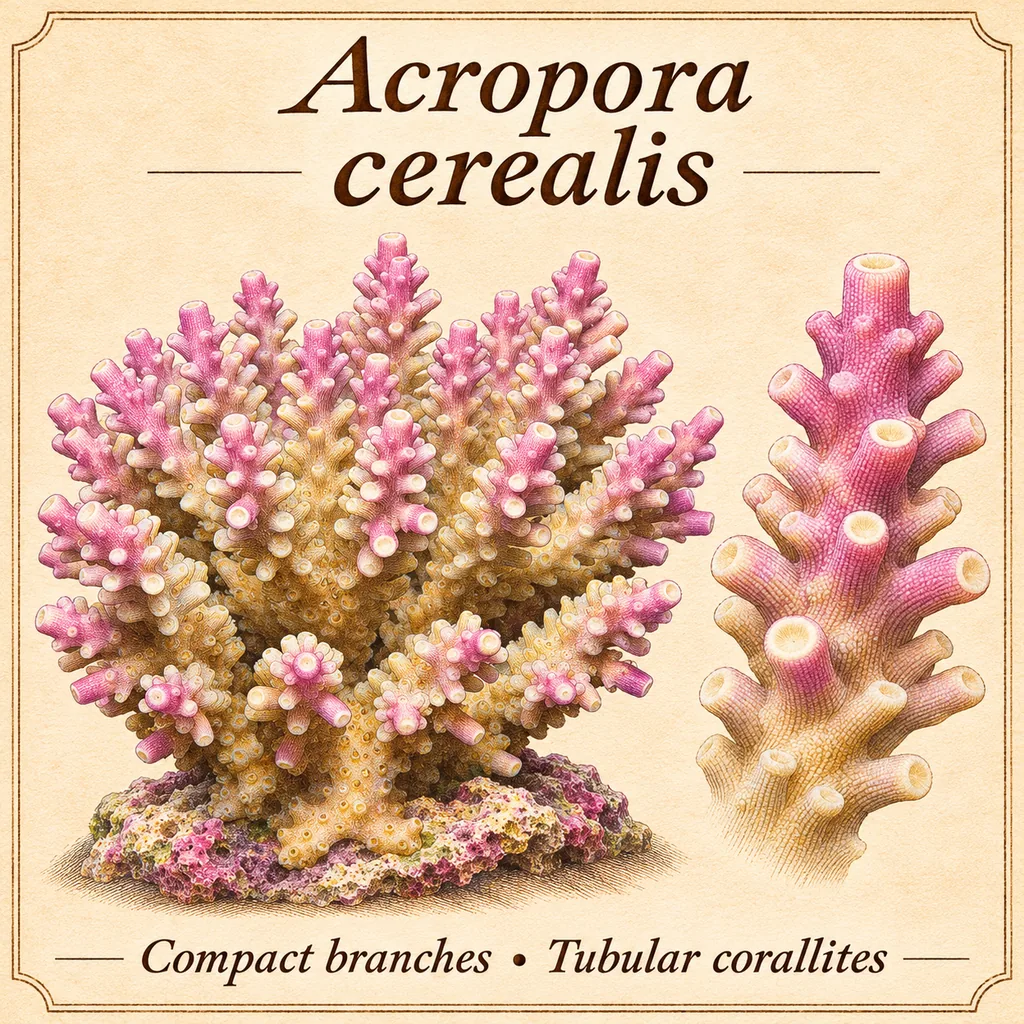
Acropora cerealis
Acropora cerealis
Same genus