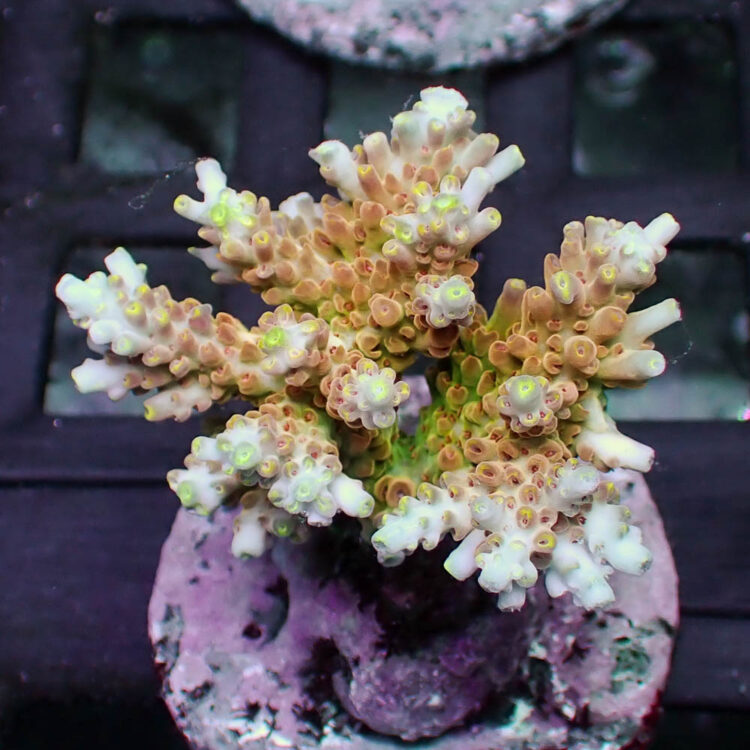
Gallery
Acropora microclados is a small-polyped Acropora species from Indo-Pacific reefs, recognized in the hobby as the species behind well-known shortcake-type corals. Wild colonies form compact, clustered branches with short, crowded corallites, giving mature pieces a dense, stubby look compared with longer staghorn species. Identification in Acropora relies on corallite structure and branch form together, and hobby names often trace back to this species even when a frag is sold under a trade name alone.
The entry rates care as advanced, with high light and high flow. Place it high in a mature SPS system where light is strong and flow is broad, strong, and variable. Compact growth traps detritus between branches in weak flow, so water movement needs to reach into the colony as well as across it. A frag that encrusts its base and holds polyp extension through the day is showing that the spot suits it.
Water stability decides success with this species. Keep alkalinity, calcium, and magnesium steady, hold temperature stable, and keep nutrients present without letting them climb. Acropora tissue is thin and sits close to the skeleton, so swings show quickly as pale tips, browning, or tissue recession. Change one variable at a time and test often enough to catch drift early. Dip and inspect every new frag carefully, because pests that specialize in Acropora are a genus-wide risk.
Color is where this species rewards good husbandry. Shortcake-type pieces are prized for contrasting tip and body color, and that contrast depends on the balance of strong light and available nutrients. Keepers find pale color when nutrients bottom out under intense light, and dull brown color when nutrients run high. Feeding fine coral food on a regular schedule supports the colony, though light, flow, and stability do most of the work.
Growth is compact and deliberate. A settled frag encrusts first, then pushes short branches that thicken the cluster. Leave room on all sides, since neighboring SPS will meet this colony as both grow, and shaded lower branches can thin if the colony is crowded or flow drops. Common pitfalls are placing the frag in a young or unstable tank, letting detritus settle inside a dense colony, and making rapid light increases without acclimation. Acclimate any move upward in stages over weeks and watch the tips for bleaching after each step.
Field notes — what keepers report
- Keepers of shortcake-type Acropora describe color as a moving target tied to nutrients. Reports describe prized contrast fading when phosphate and nitrate stayed near zero, then returning after feeding increased, while other keepers in higher-nutrient systems report the opposite problem of browned body color. The shared lesson is to adjust feeding and export slowly and watch the coral over weeks.
- Encrusting behavior gets frequent mention. Keepers report frags spending a long early period laying down a base with little upward growth, then branching once the base is wide. New owners often read that stage as stalling, and experienced keepers advise leaving the frag alone through it unless tissue is receding.
- Pest and quarantine reports run through Acropora keeping generally. Keepers describe dipping routines and magnified inspection as standard for every new piece, and several accounts credit a careful quarantine habit with keeping a pest out of an established SPS collection. Reports differ on dip products and timing, though the inspect-first habit itself is nearly universal.
Field Notes
Related species
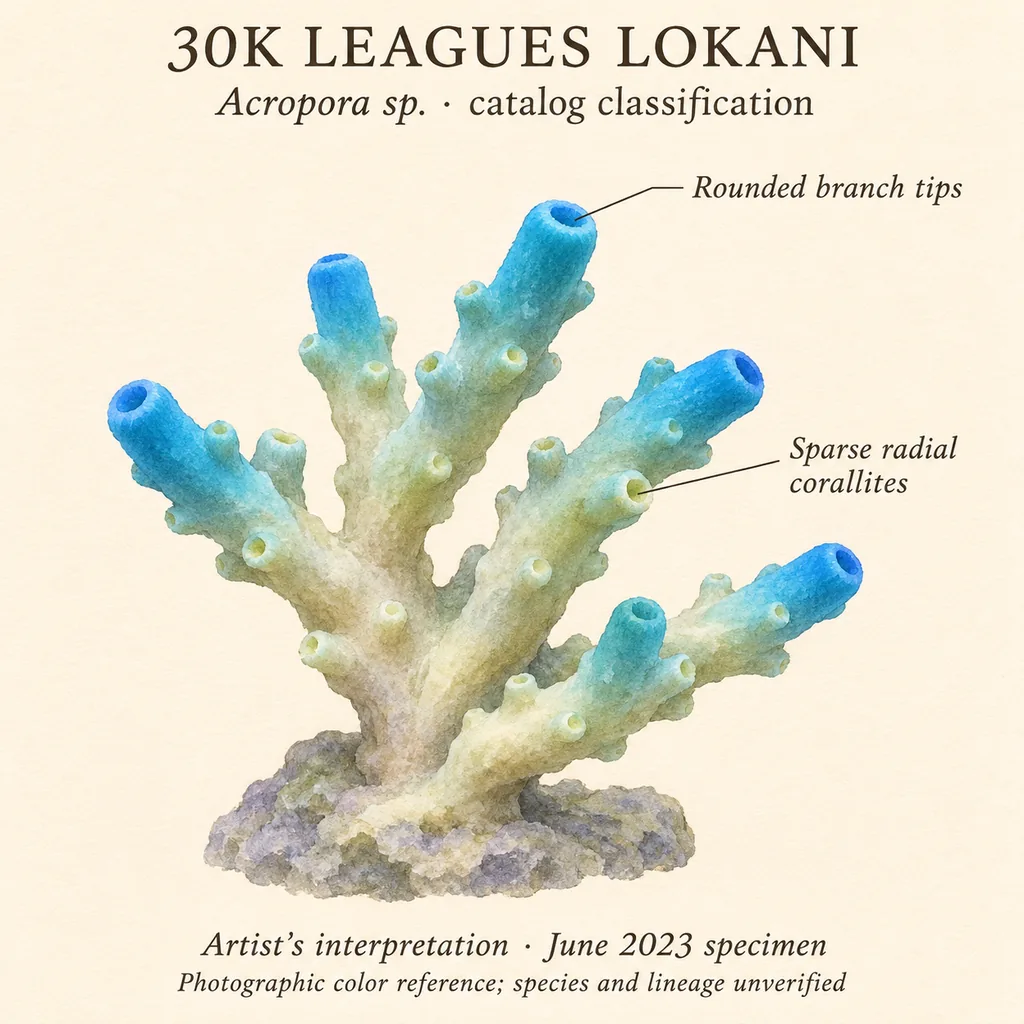
30K Leagues Lokani
Acropora sp.
Same genus
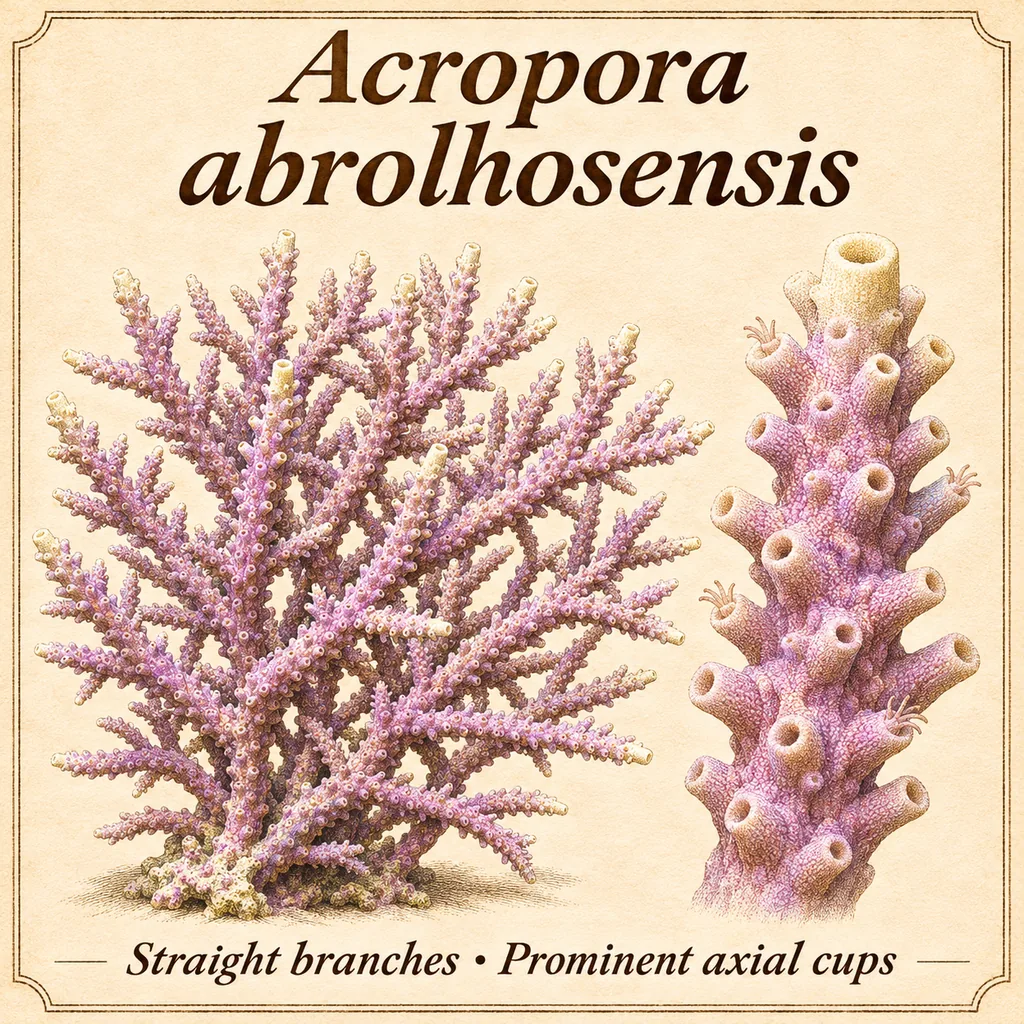
Acropora abrolhosensis
Acropora abrolhosensis
Same genus
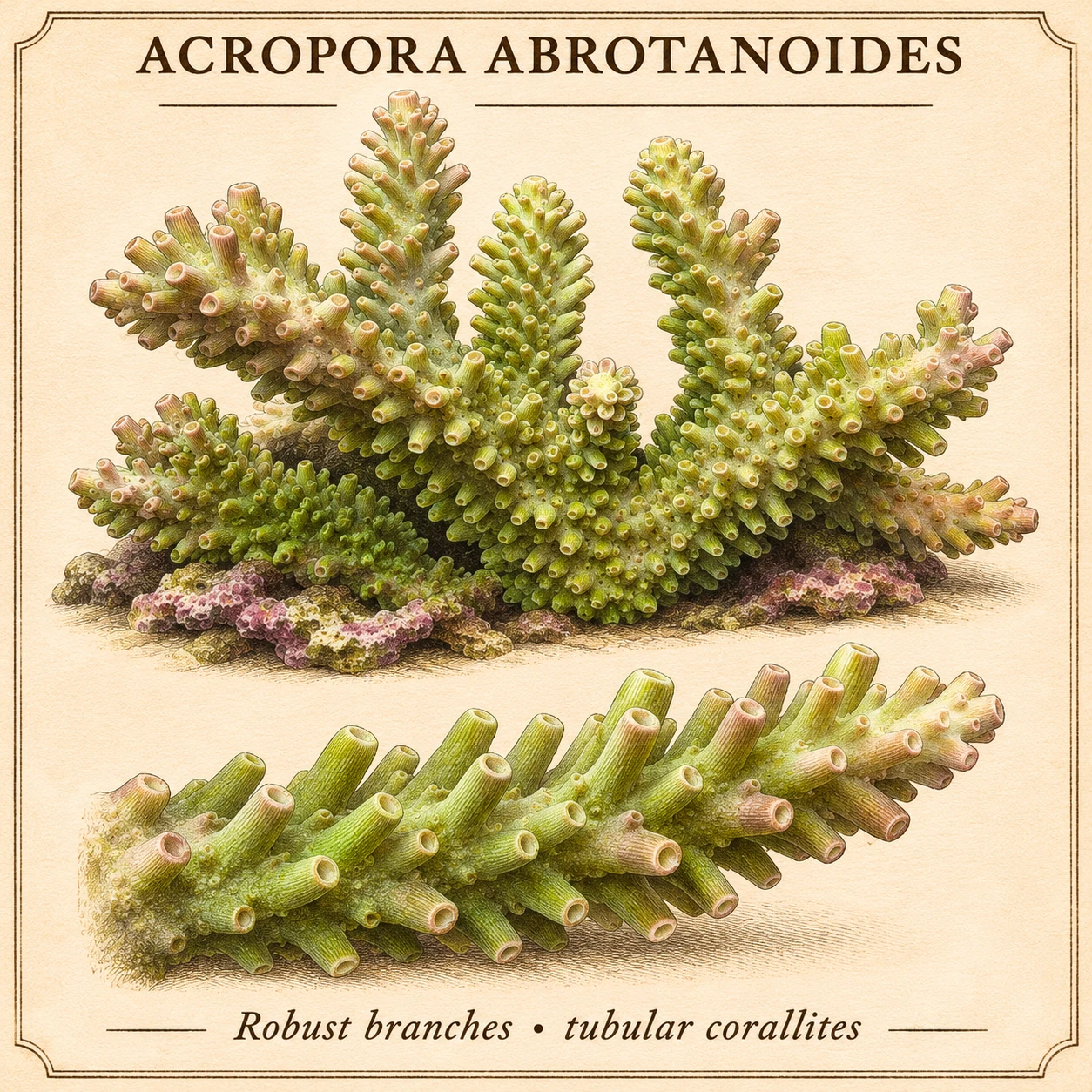
Acropora abrotanoides
Acropora abrotanoides
Same genus
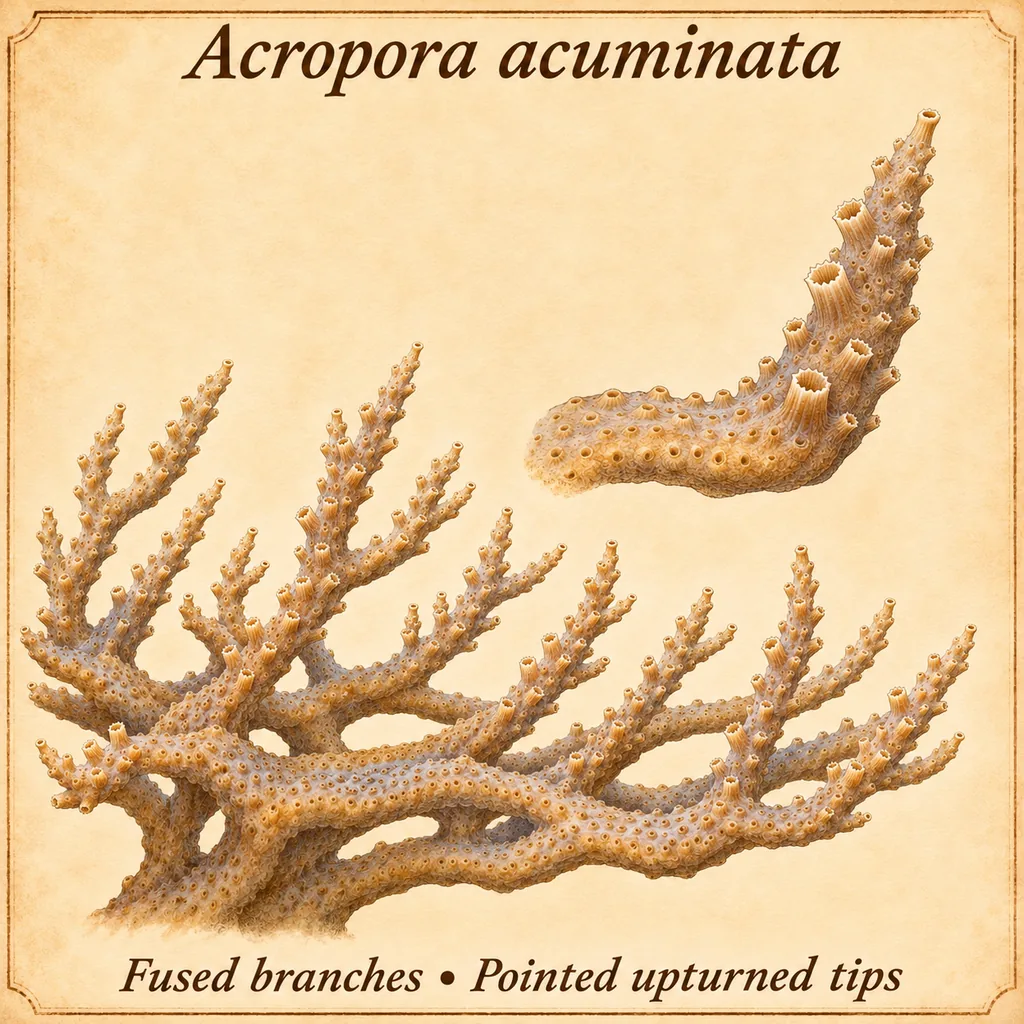
Acropora acuminata
Acropora acuminata
Same genus
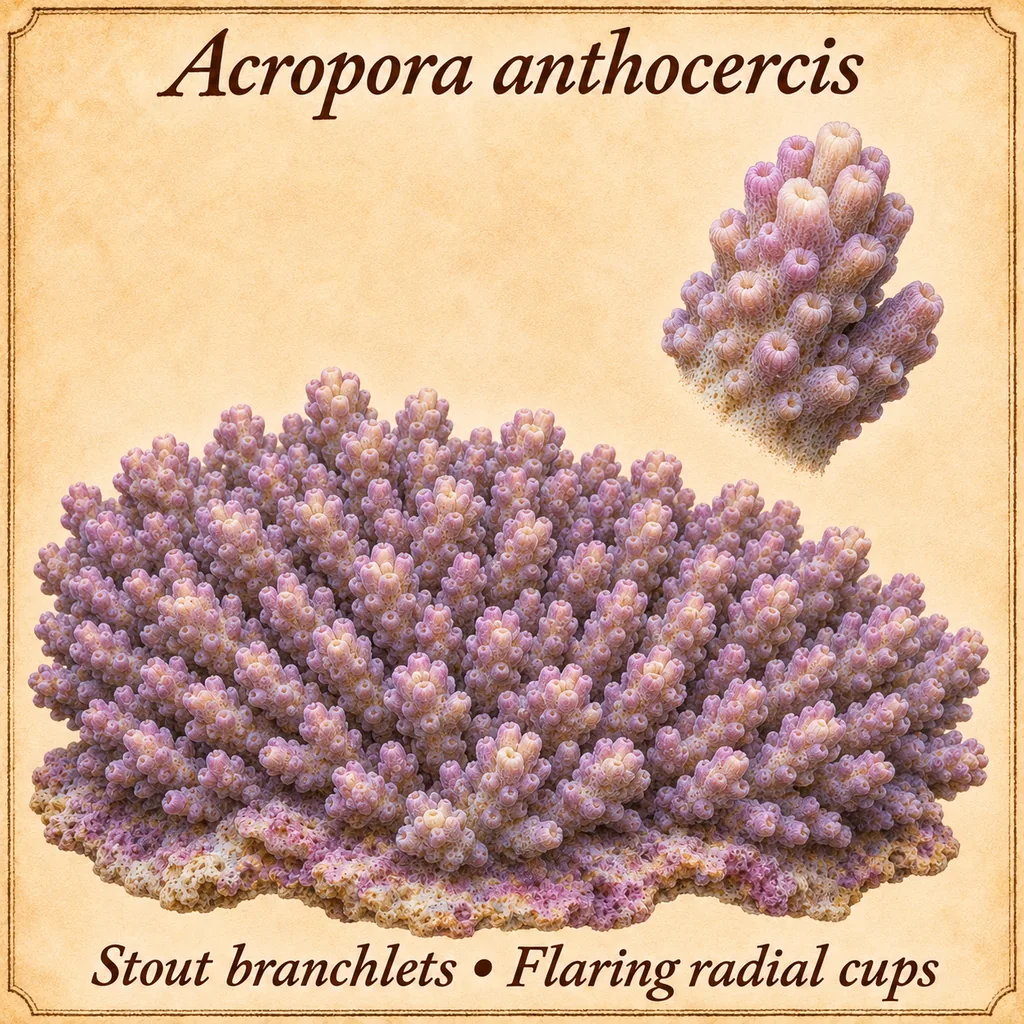
Acropora anthocercis
Acropora anthocercis
Same genus
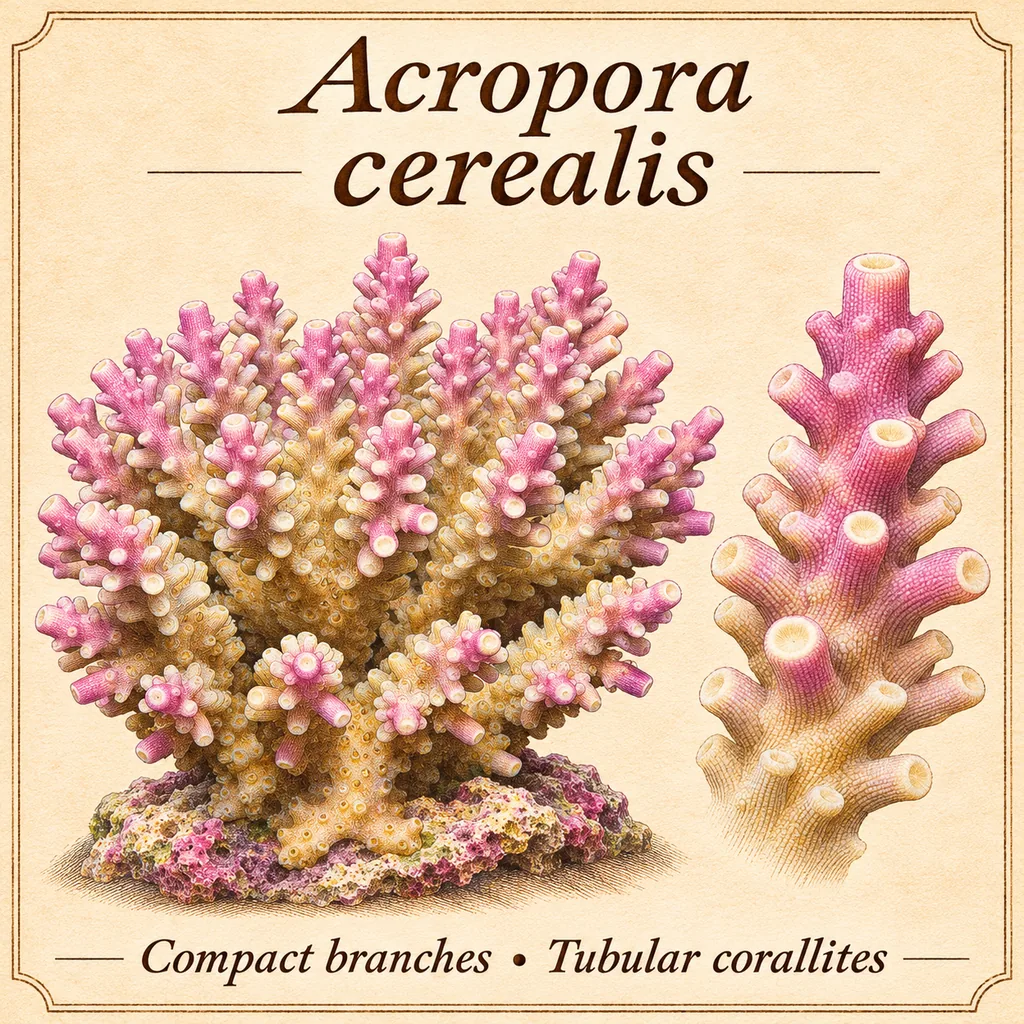
Acropora cerealis
Acropora cerealis
Same genus
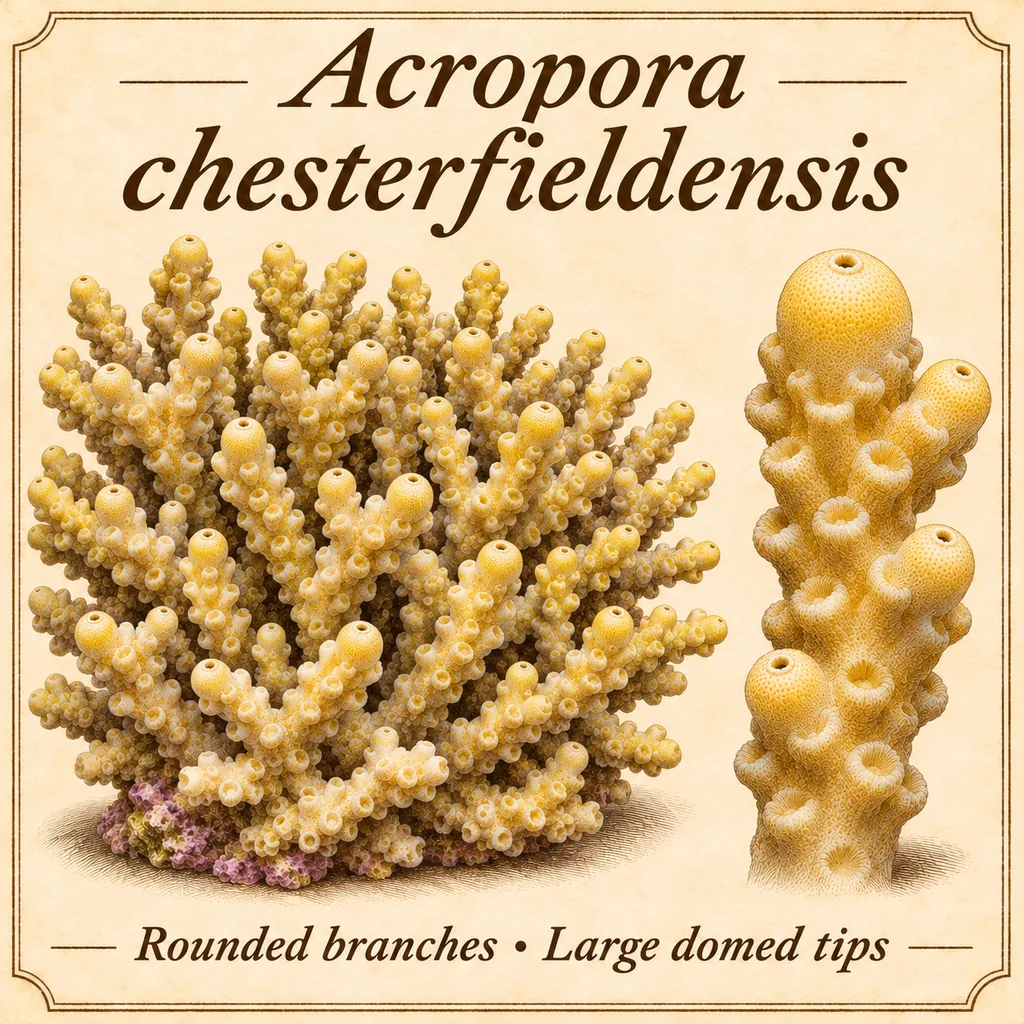
Acropora chesterfieldensis
Acropora chesterfieldensis
Same genus
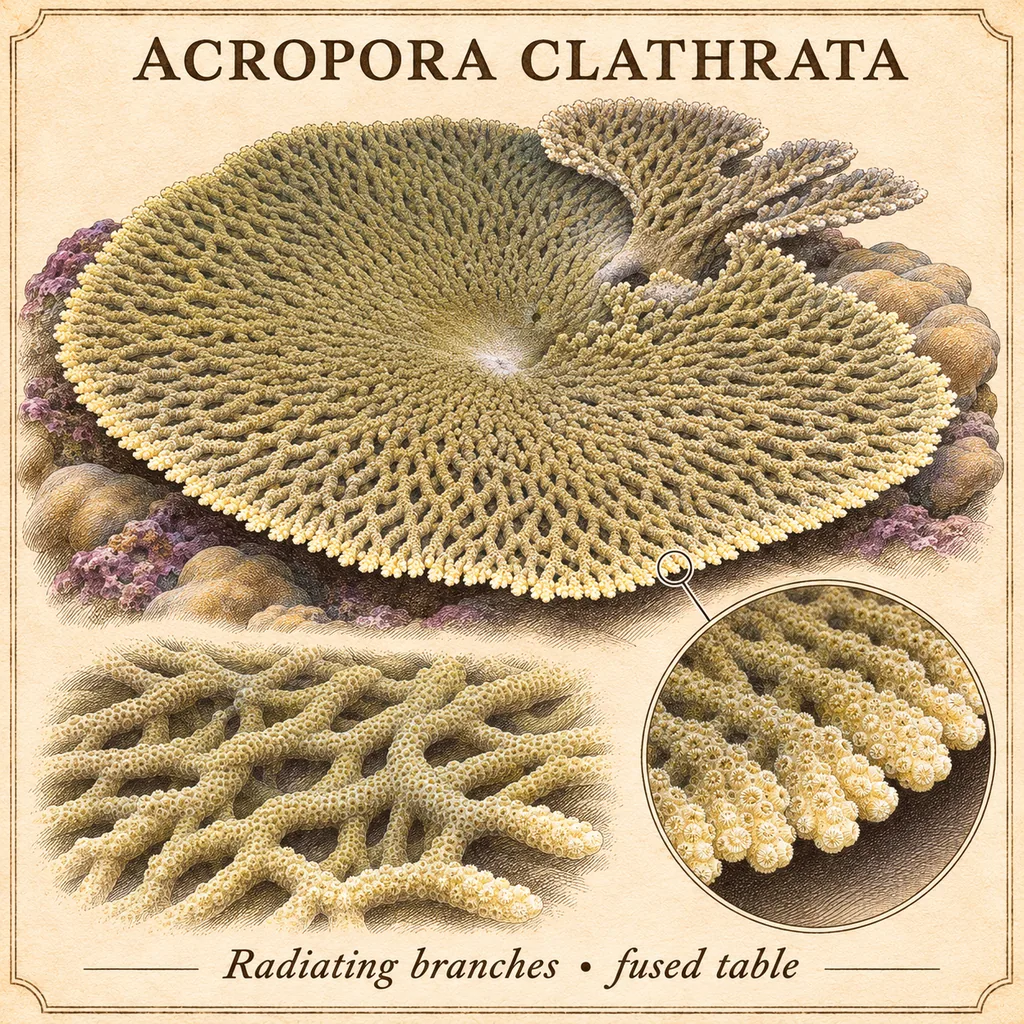
Acropora clathrata
Acropora clathrata
Same genus