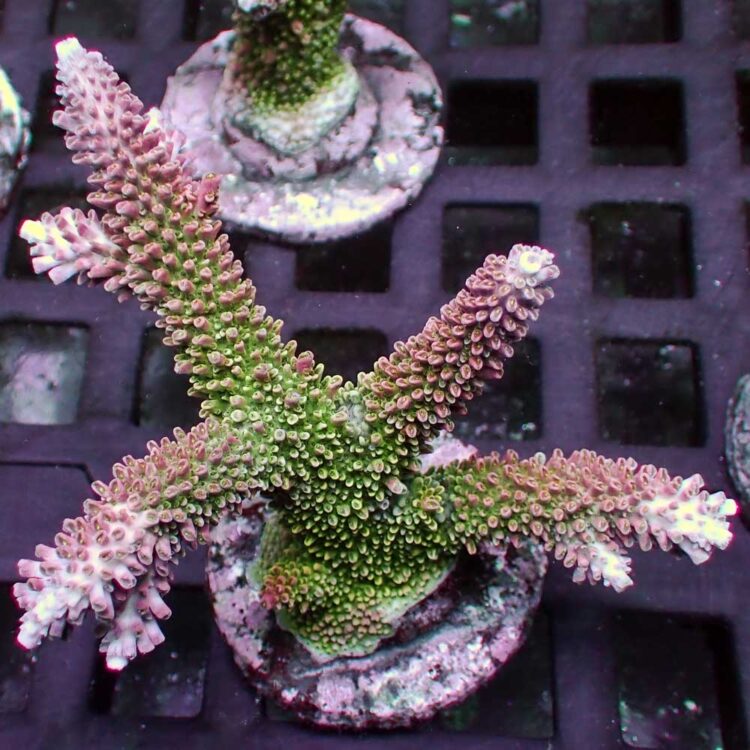
Gallery
Acropora robusta lives up to its name. This Indo-Pacific Acropora forms heavy, thick branches with irregular, sturdy corallites, built for the pounding water of exposed reef crests. Colonies grow into strong, blunt-fingered clusters rather than delicate staghorn thickets, and the robust branch form is the main identification cue alongside corallite shape. A healthy colony looks solid and blunt, with growing tips that lighten as they extend.
The entry rates care as advanced, with high light and high flow. Give it the brightest, highest-energy position in a mature SPS tank, with strong random flow that moves the whole water column around the colony. This species evolved under surge, so gentle flow leaves it under-served: detritus settles, inner branches thin, and color dulls. Strong flow also supports the thick skeletal growth the species is named for.
Parameter stability is non-negotiable at this difficulty level. Hold alkalinity steady, keep calcium and magnesium in line, and avoid sudden nutrient or temperature swings. Thick-branched Acropora carry a lot of skeleton and respond to instability with slow tissue recession that can be hard to reverse once it starts at the base. Test on a schedule, dose in small increments, and dip and inspect new frags thoroughly, since Acropora pests threaten the whole genus and spread quietly between colonies.
Feeding plays a supporting role. Broadcast fine coral food benefits the colony, though light and flow drive health and growth. Color responds to nutrient balance in the usual Acropora pattern: starved systems under intense light produce pale colonies, and nutrient-heavy systems produce brown ones. Make slow adjustments and judge results over weeks, because a thick colony changes appearance gradually even when conditions improve quickly.
Growth is heavy and steady once established, with branches thickening as they lengthen. Plan spacing for a colony that will claim real territory and cast real shade. Neighboring SPS need clearance, and anything planted below will live in reduced light and flow. Common pitfalls are underestimating flow at colony size, crowding the frag among faster neighbors that shade it early, and adding the species before a tank has proven it can hold alkalinity steady for months. This is a coral that rewards a settled system and exposes an unstable one.
Field notes — what keepers report
- Keepers describe robusta-type Acropora as honest corals: reports say colonies grow steadily and hold color in systems with strong flow and stable alkalinity, and show stress early in systems without them. That early warning is often described as useful, since the coral signals a drift before more sensitive pieces react.
- Flow is the point keepers argue about most. Some report thick branches demanding more flow than the rest of an SPS collection, with inner thinning blamed on weak movement, while others attribute inner thinning mainly to self-shading in any dense colony. Both camps end at similar practice: strong random flow, periodic detritus blow-off, and pruning or spacing decisions as the colony matures.
- Long-term reports stress base care. Keepers describe checking the shaded base of thick colonies during water changes, because recession there can progress out of sight. Accounts of successful saves involve early fragging of healthy tips, while accounts of losses often note the problem was found late, which is why routine inspection of big Acropora is repeated advice.
Field Notes
Related species
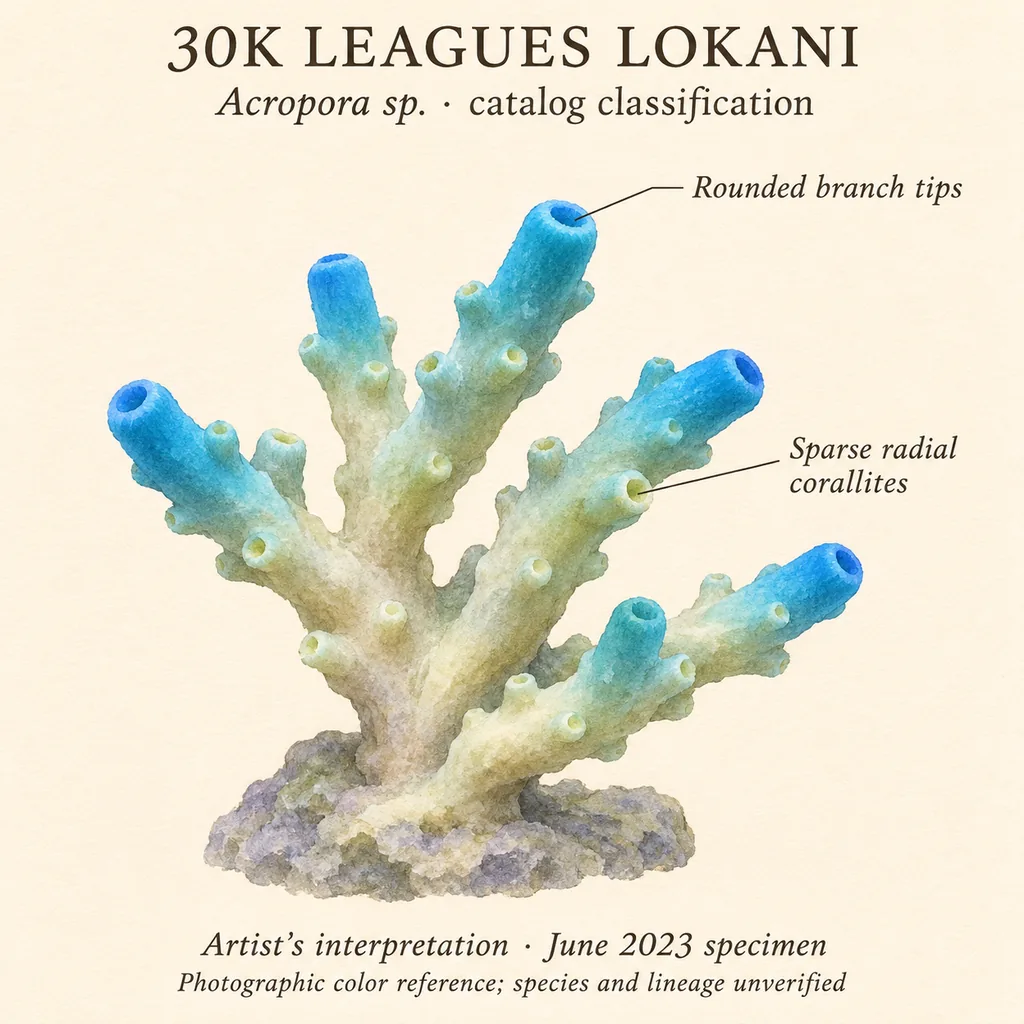
30K Leagues Lokani
Acropora sp.
Same genus
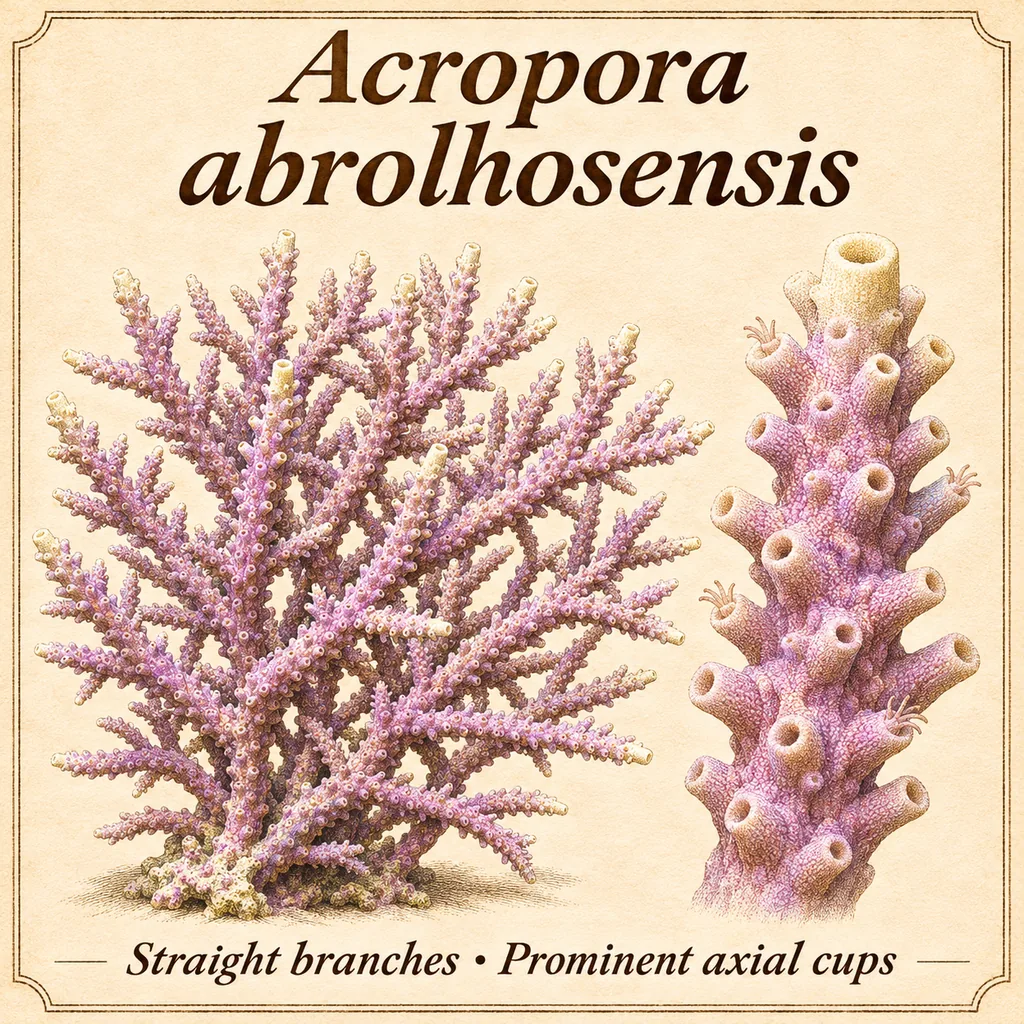
Acropora abrolhosensis
Acropora abrolhosensis
Same genus
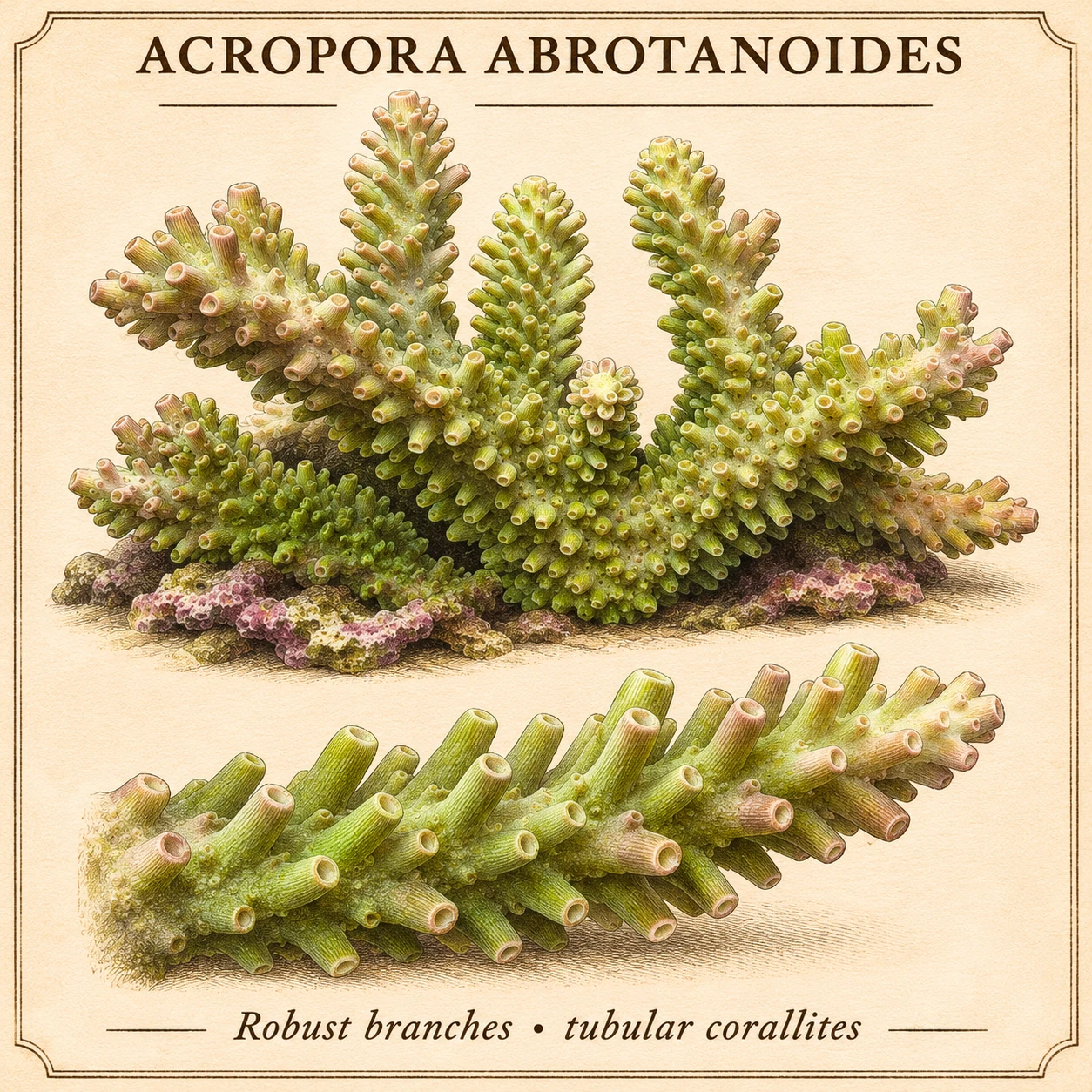
Acropora abrotanoides
Acropora abrotanoides
Same genus
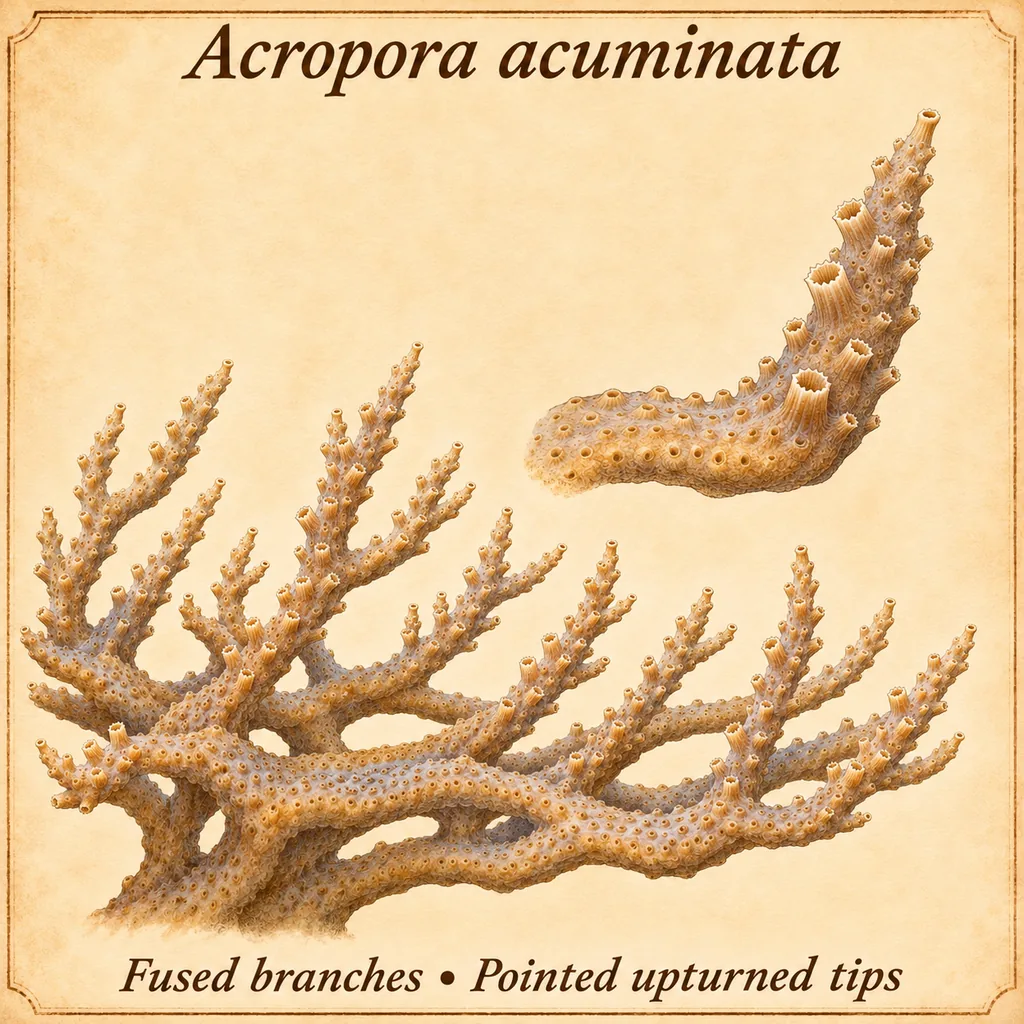
Acropora acuminata
Acropora acuminata
Same genus
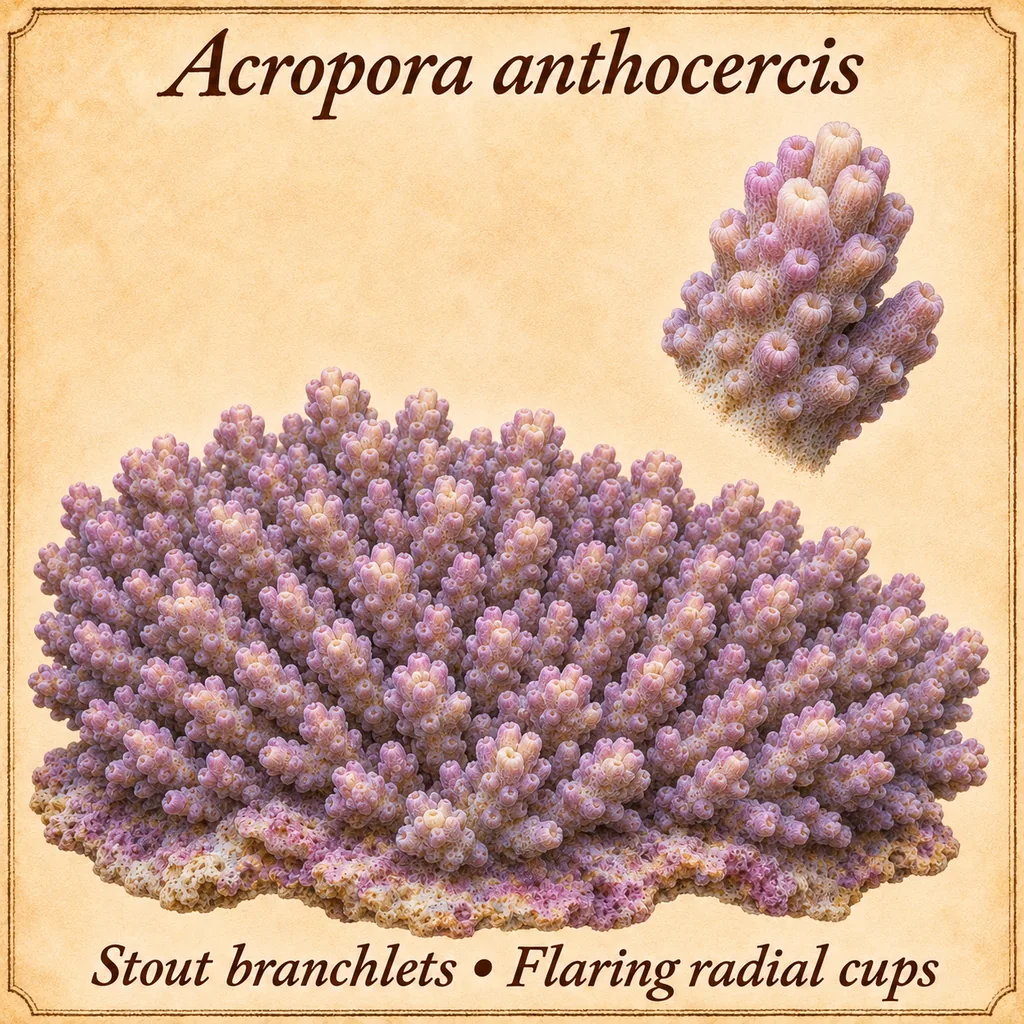
Acropora anthocercis
Acropora anthocercis
Same genus
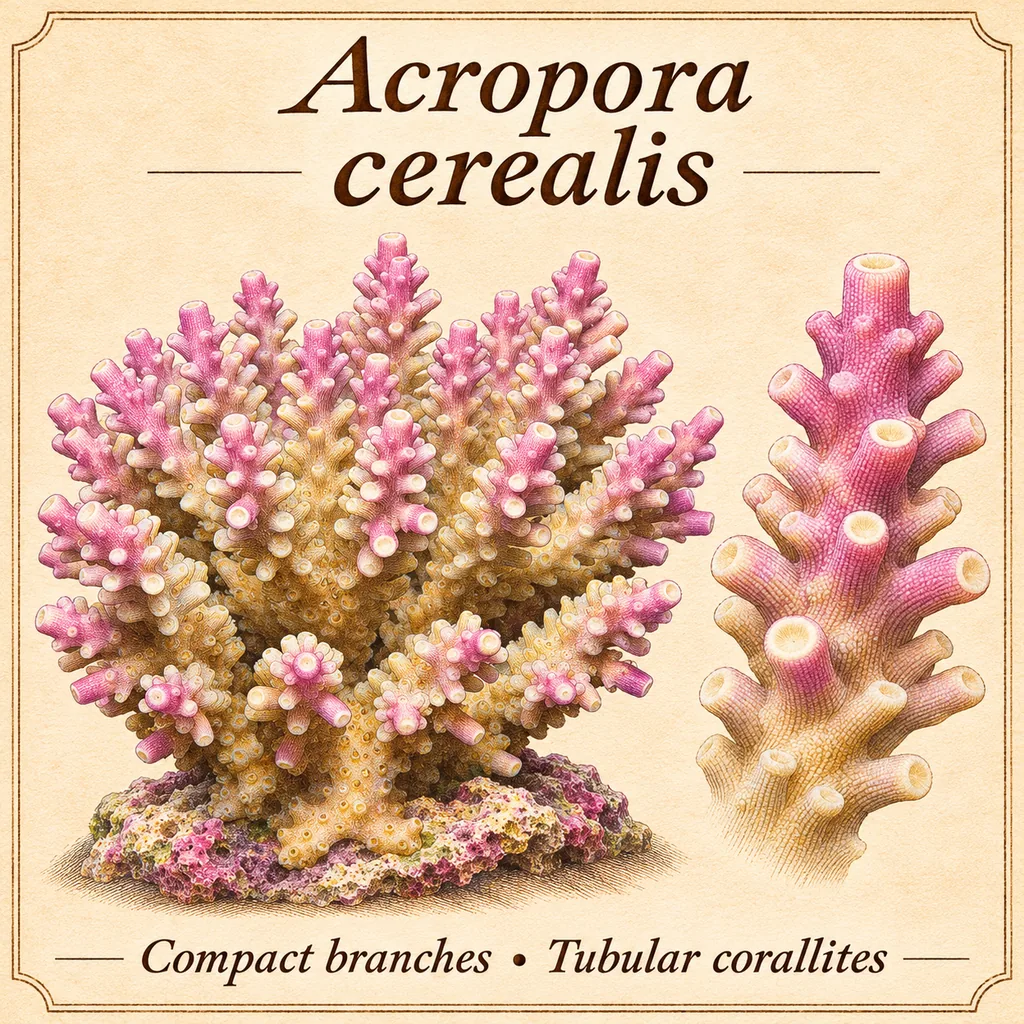
Acropora cerealis
Acropora cerealis
Same genus
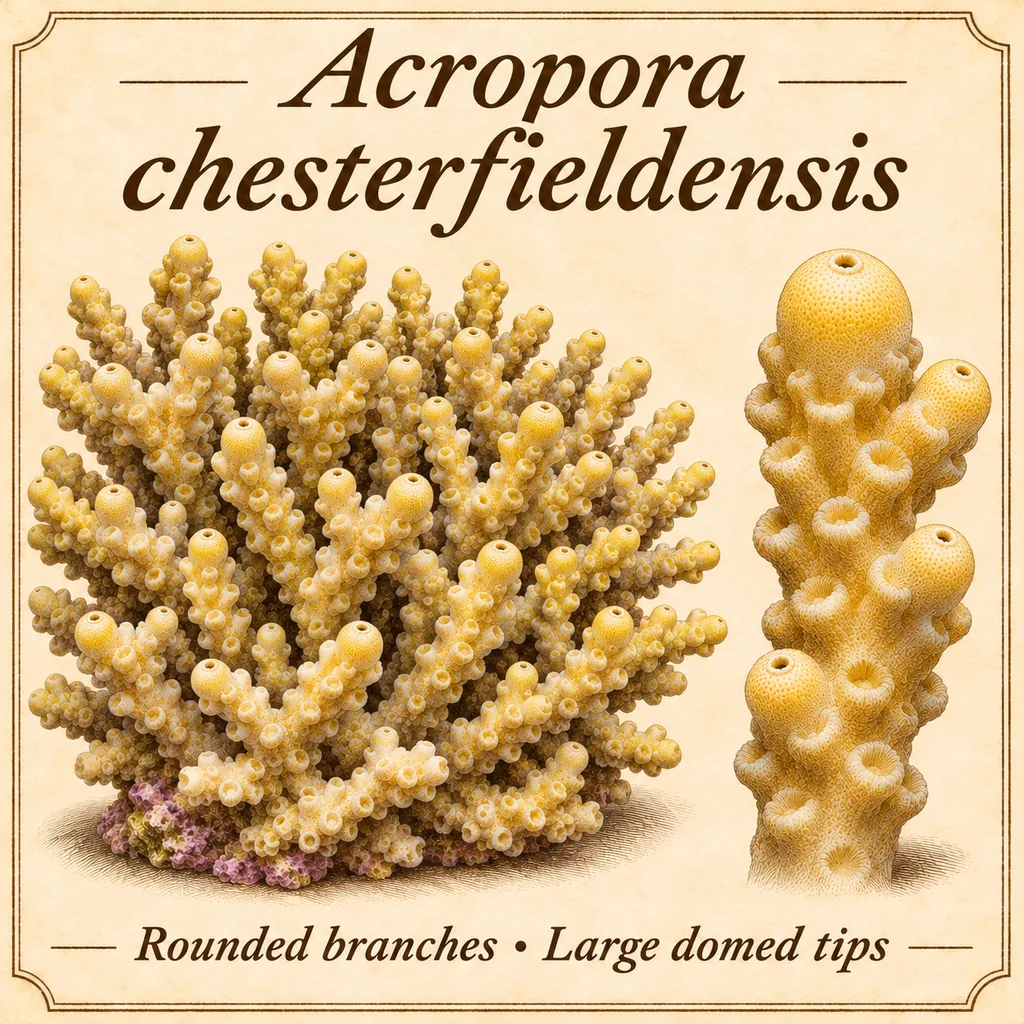
Acropora chesterfieldensis
Acropora chesterfieldensis
Same genus
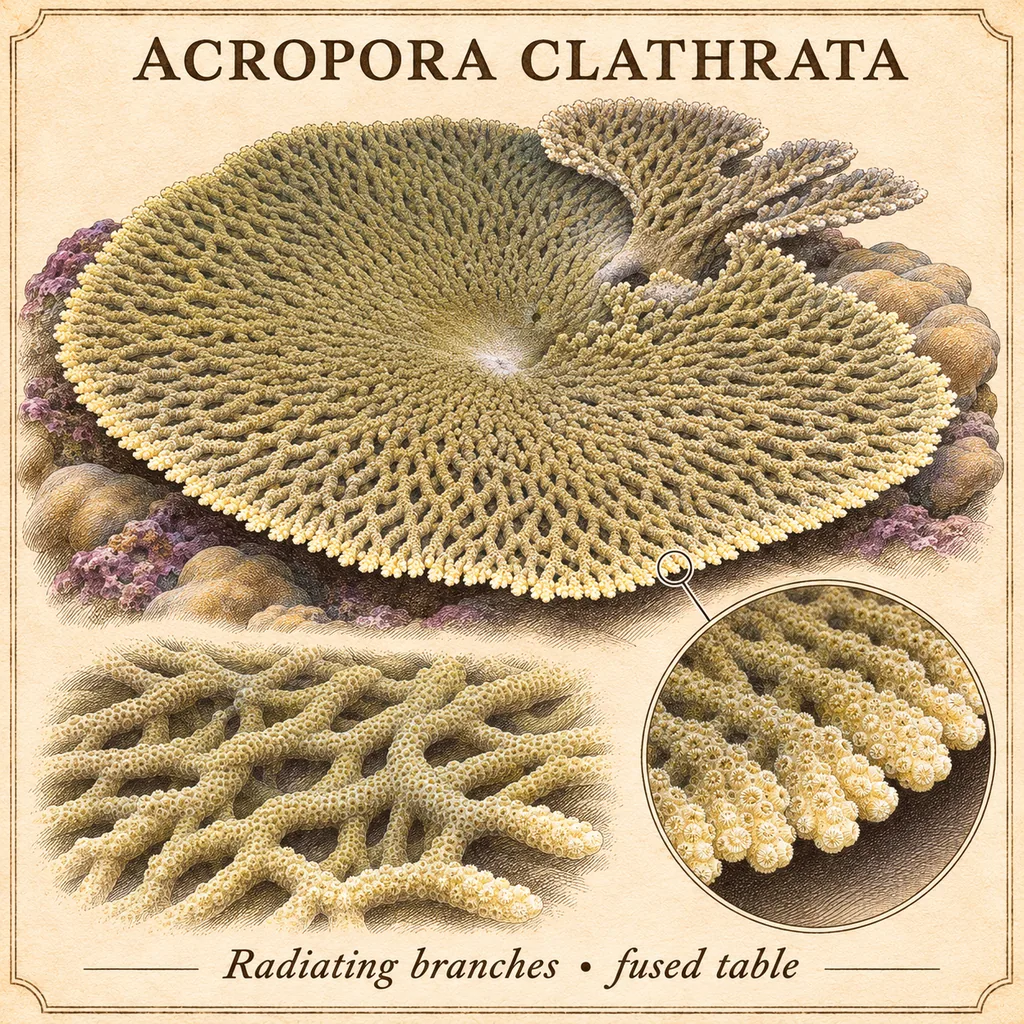
Acropora clathrata
Acropora clathrata
Same genus