Blueberry Yuma
Ricordea yuma

Care facts
- Care
- Intermediate
- Light
- Low-Medium
- Flow
- Low
- Place
- Bottom-Middle
- Space
- Peaceful
- Growth Rate
- Slow
Gallery
Meet the blueberry with a mouth. Blue-purple bubbles surround a bright yellow-green center. That tiny centerpiece is a living mouth! Blueberry Yuma brings a jewel-like splash to a quiet rock ledge. Give this little mushroom a settled home and time to open.
A face full of bubbles
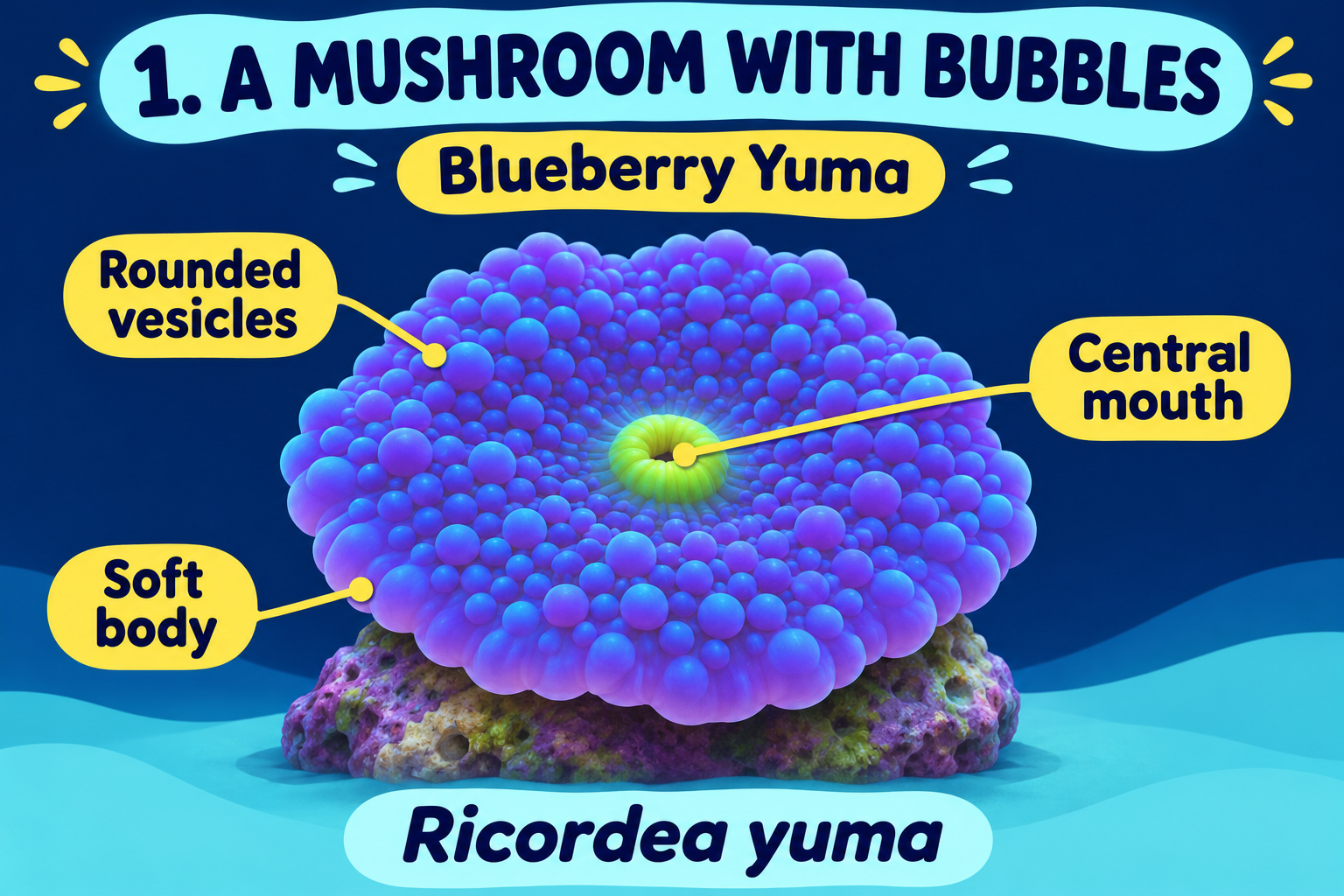
1. Those bubbles are tentacles! Blueberry is a color-morph name for Ricordea yuma, an Indo-Pacific mushroom coral. Short tentacles also cover the raised area around its mouth. Its soft body has no hard coral skeleton. Look closely and the whole disc becomes a miniature landscape.
Find its quiet little stage
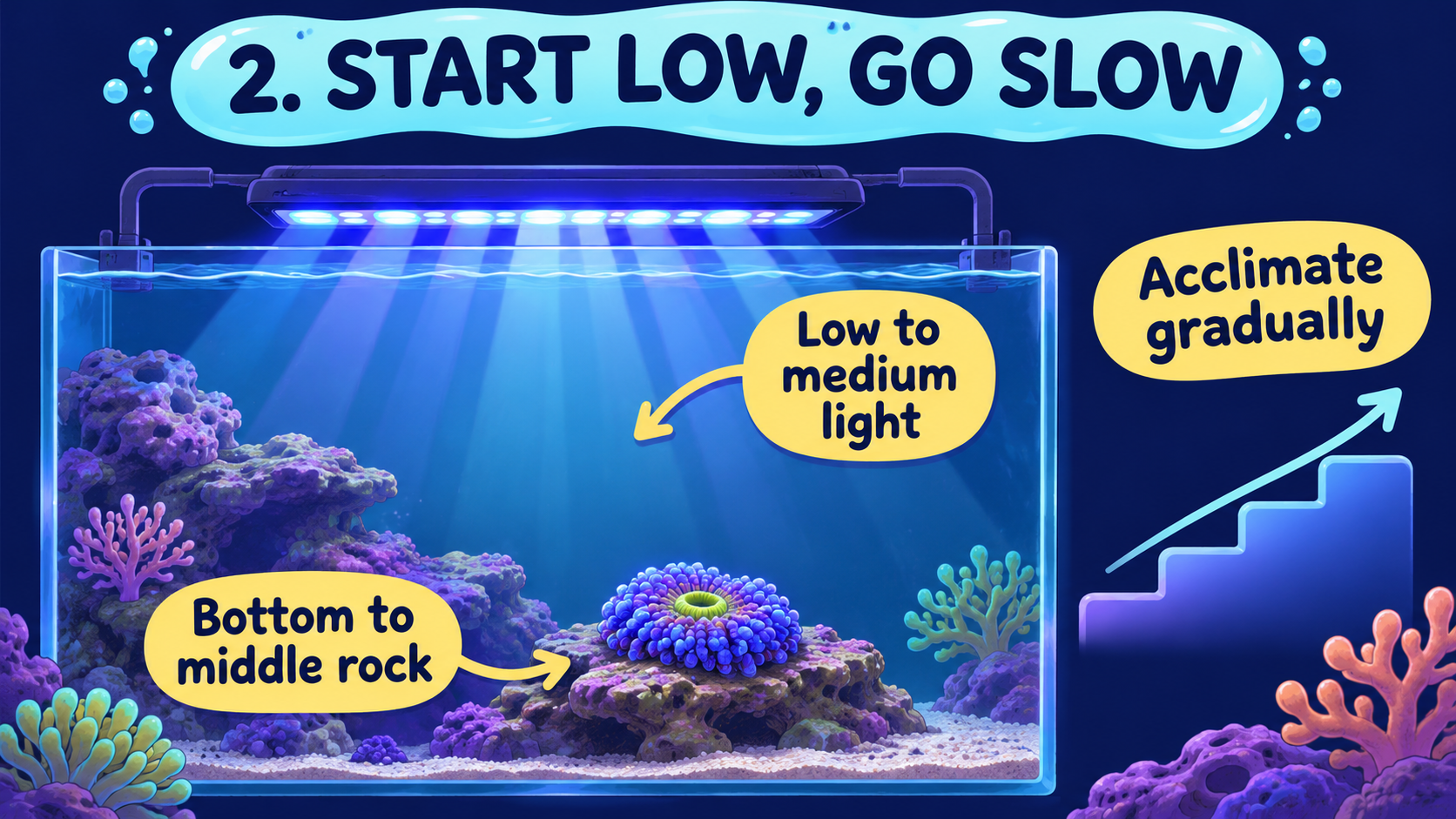
2. Start gently. Choose a secure rock or plug in the bottom-to-middle part of the tank, under low-to-medium light. Increase light gradually after it settles. Keep salinity and temperature steady in an established reef. A good spot lets the disc open without being crowded or buried.
A breeze, not a blast
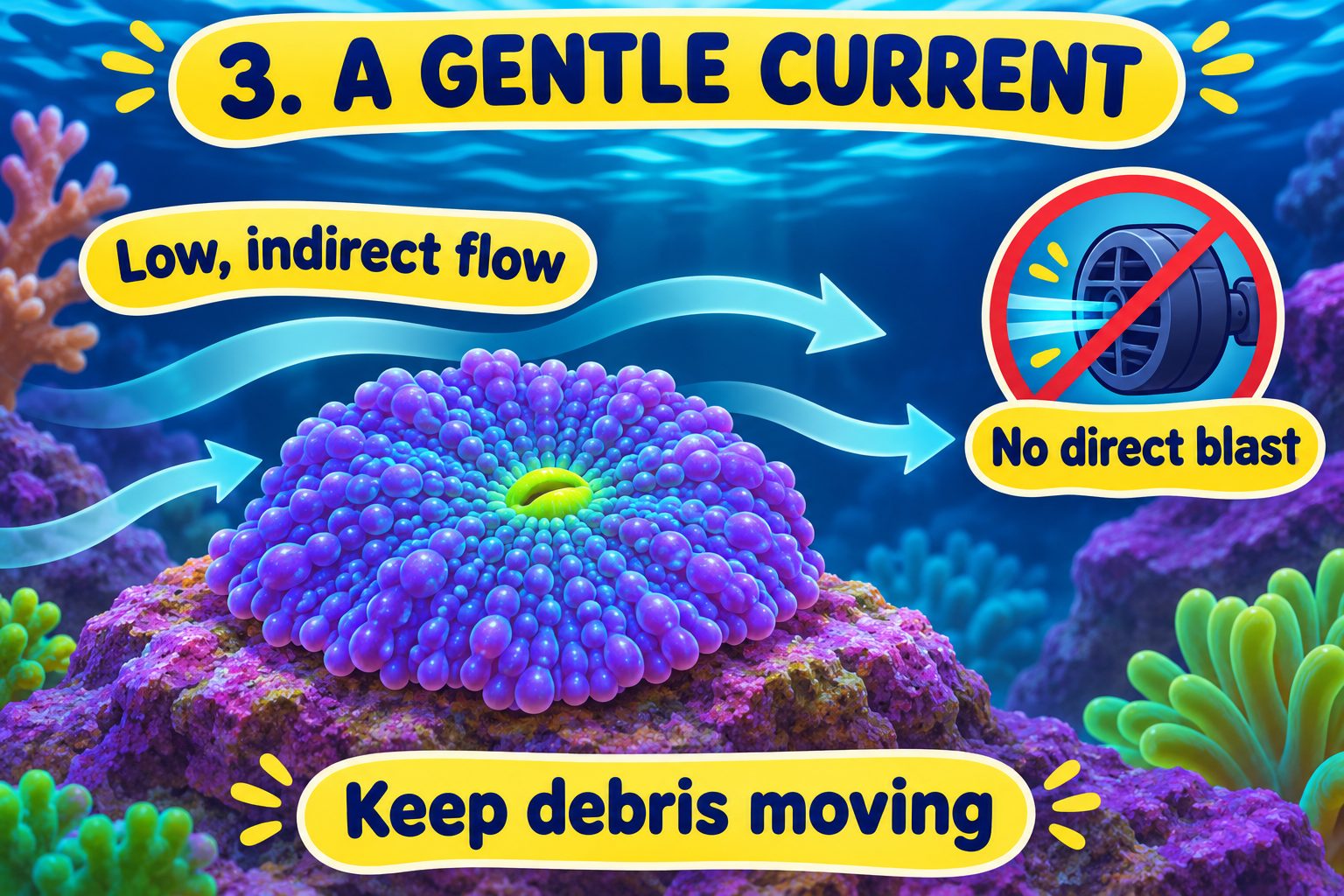
3. Let the water pass softly. Use low, indirect flow. Keep the disc out of a pump's direct jet. If it detaches, place it with small rubble in a sheltered, low-flow spot to attach again. Avoid shuffling a settled mushroom around the tank.
A tiny mouth with a sunny helper
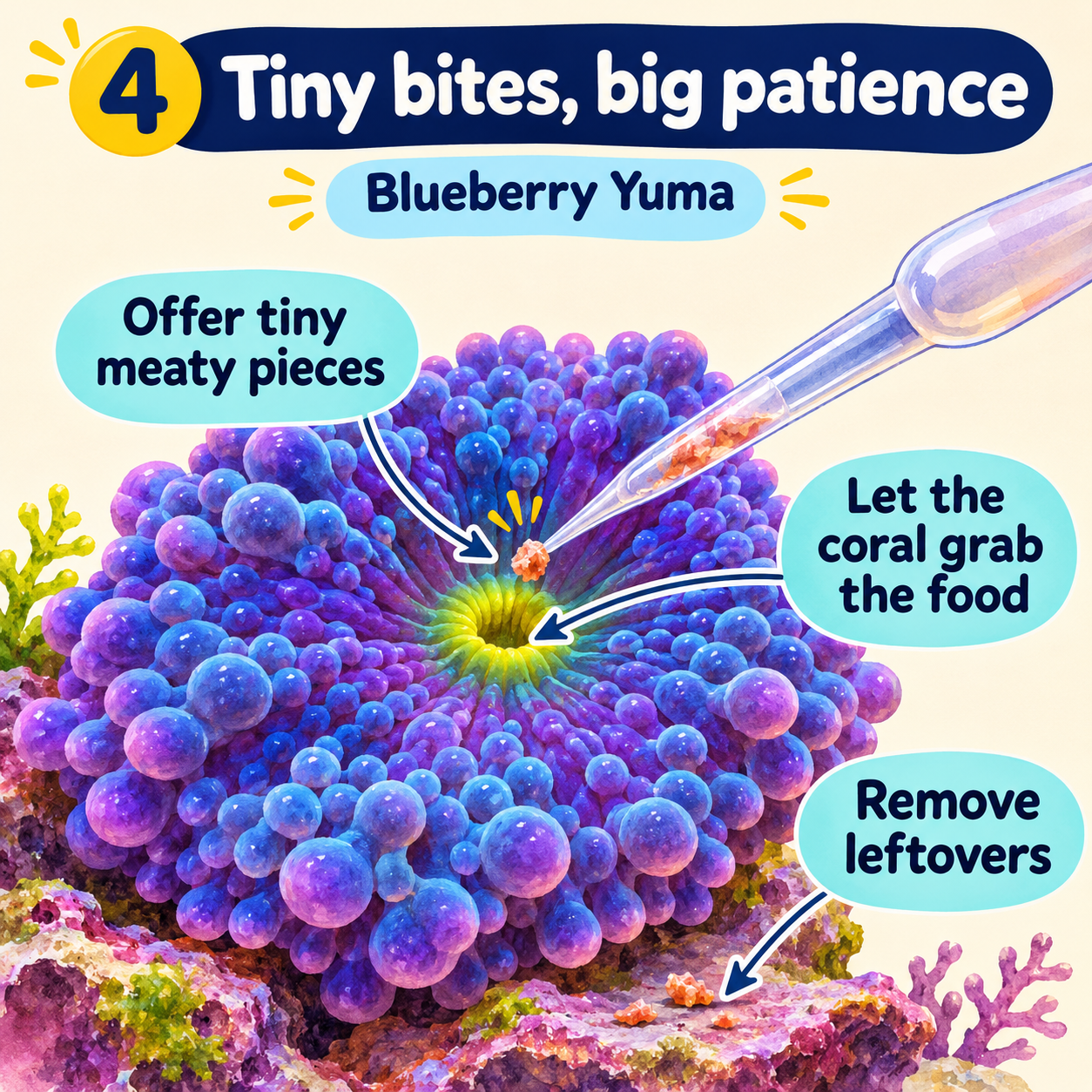
4. Light does much of the feeding. Microscopic algae inside the tissue share energy made through photosynthesis. Offer an occasional tiny morsel of finely chopped meaty food on the disc. Let the mushroom take it at its own pace. Never push food into the mouth.
Leave room for the slow show
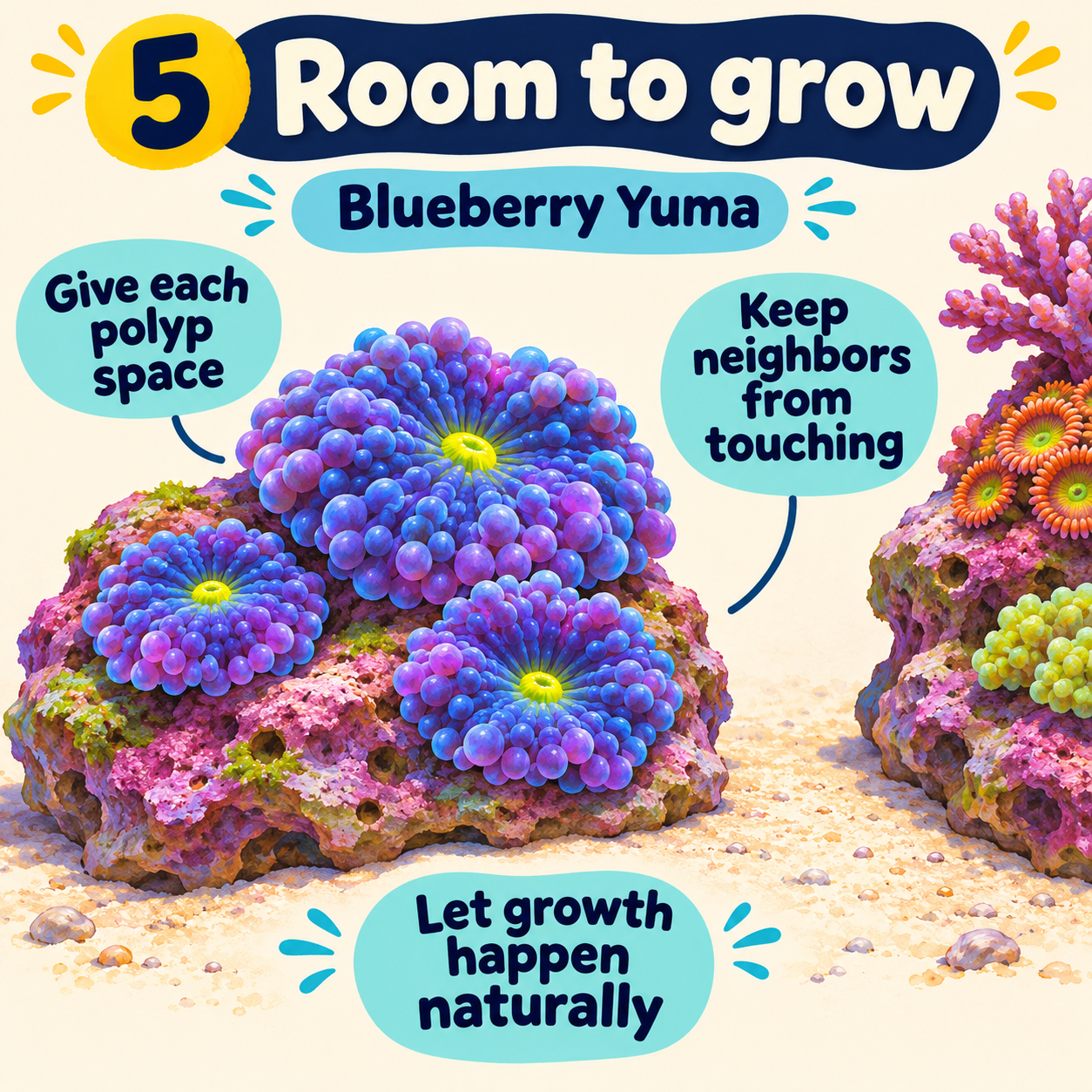
5. Grow a garden with patience. Expect slow growth. Leave a visible gap around the fully open disc and keep neighboring coral sweepers out of reach. Yumas have a wild trick: naturally shed tentacles can develop into tiny new polyps. Let natural reproduction happen; do not cut tentacles to try it.
Field notes — what keepers report
6. General yuma experience, not Blueberry-specific reports. Some keepers describe easy, lasting success in low light and gentle flow. Others report losses, detachment and very different light responses between morphs. Start with a stable spot and watch closely. Persistent gaping, tissue loss or a disc that stays collapsed calls for a prompt check of water conditions, light, flow and neighbors.
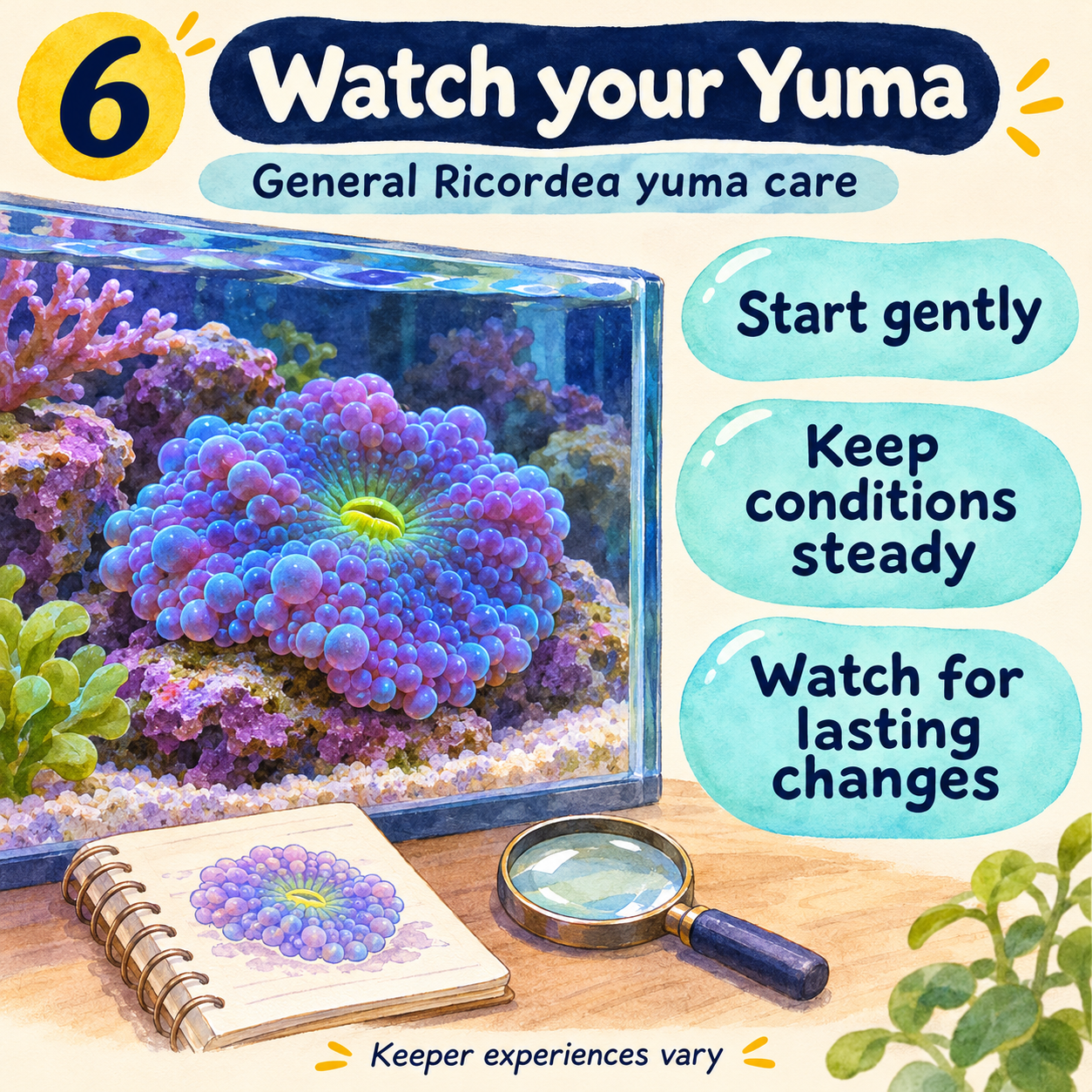
Small coral, steady care. Give Blueberry Yuma gentle current, gradual light changes and room to expand. The best daily habit is simple: look closely, keep conditions steady and let it settle.
Field Notes
Related species
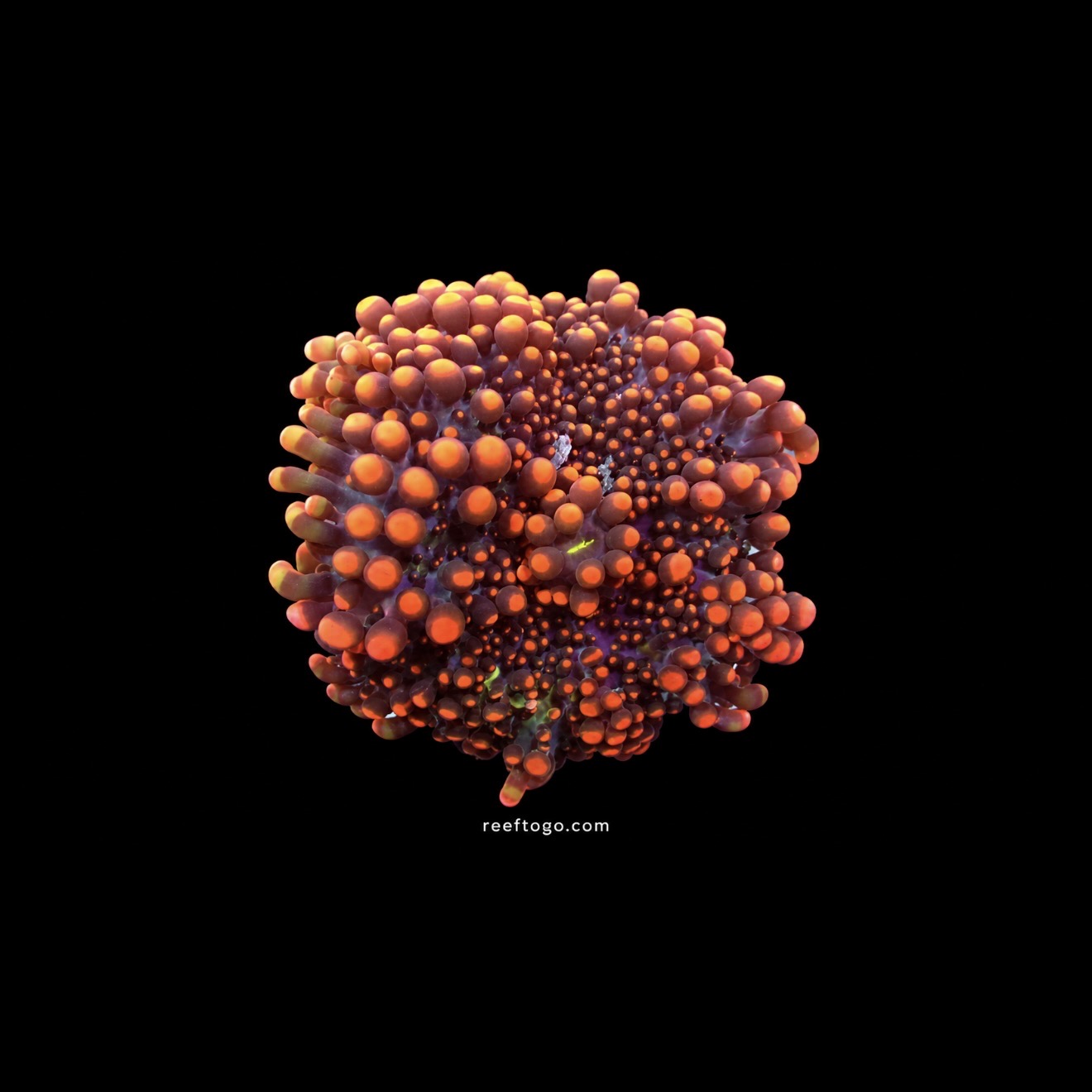
Orange Yuma Ricordea Mushroom
Ricordea yuma
Same genus
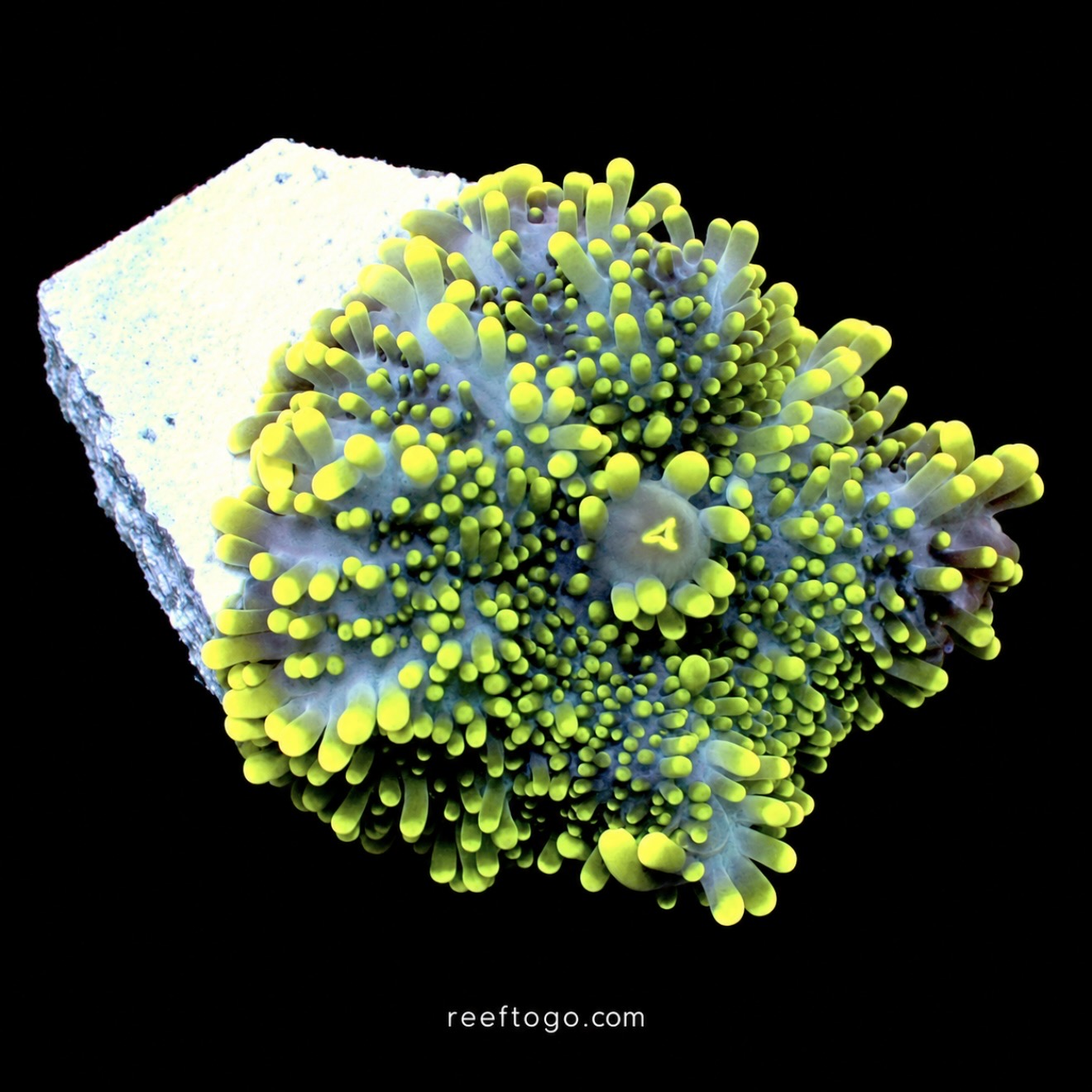
Shamrock Yuma Ricordea mushroom
Ricordea yuma
Same genus
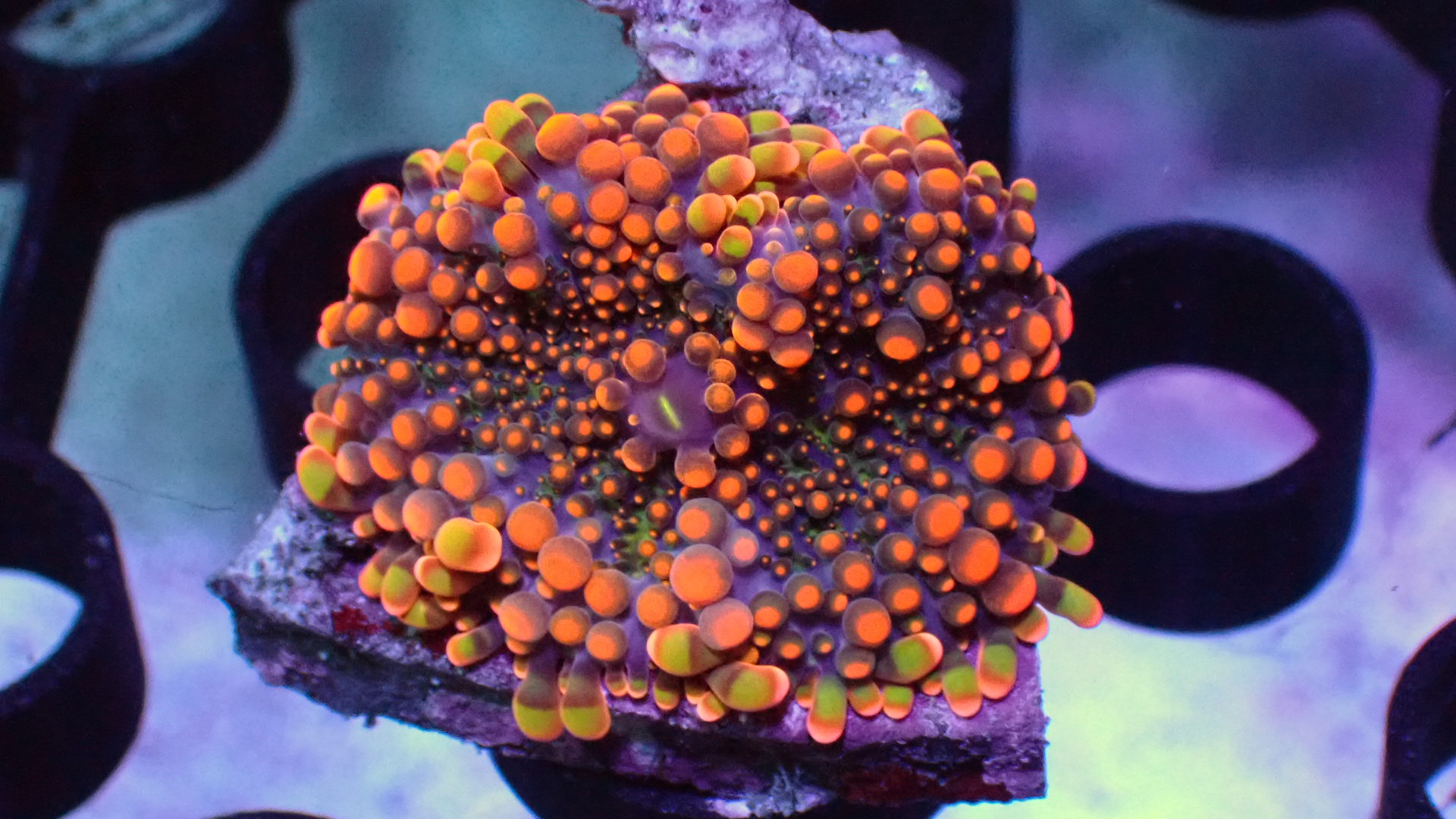
King Kong Yuma mushroom
Ricordea yuma
Same genus
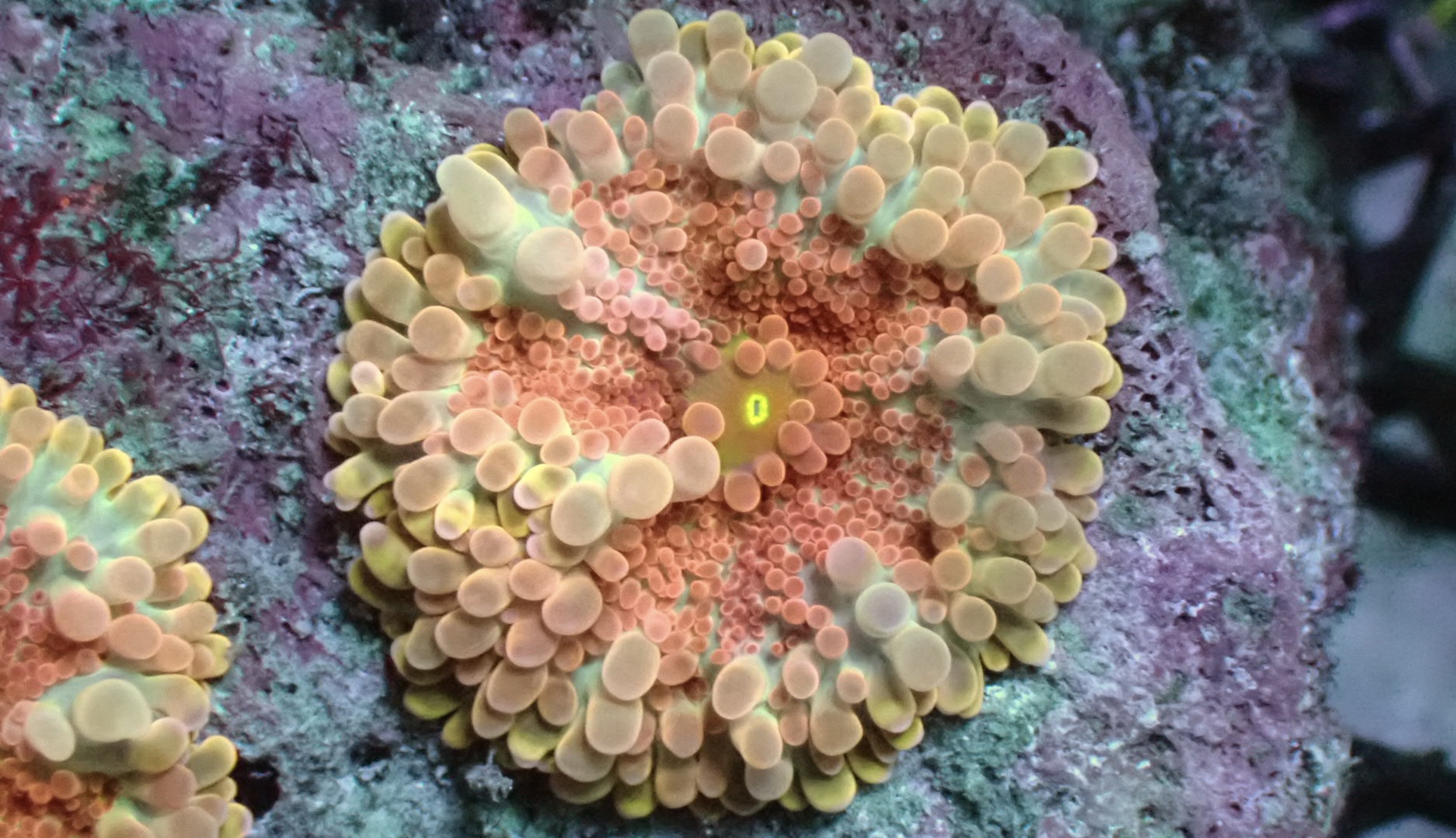
Princess peach Yuma mushroom
Ricordea yuma
Same genus

Ricordea Yuma
Ricordea yuma
Same genus
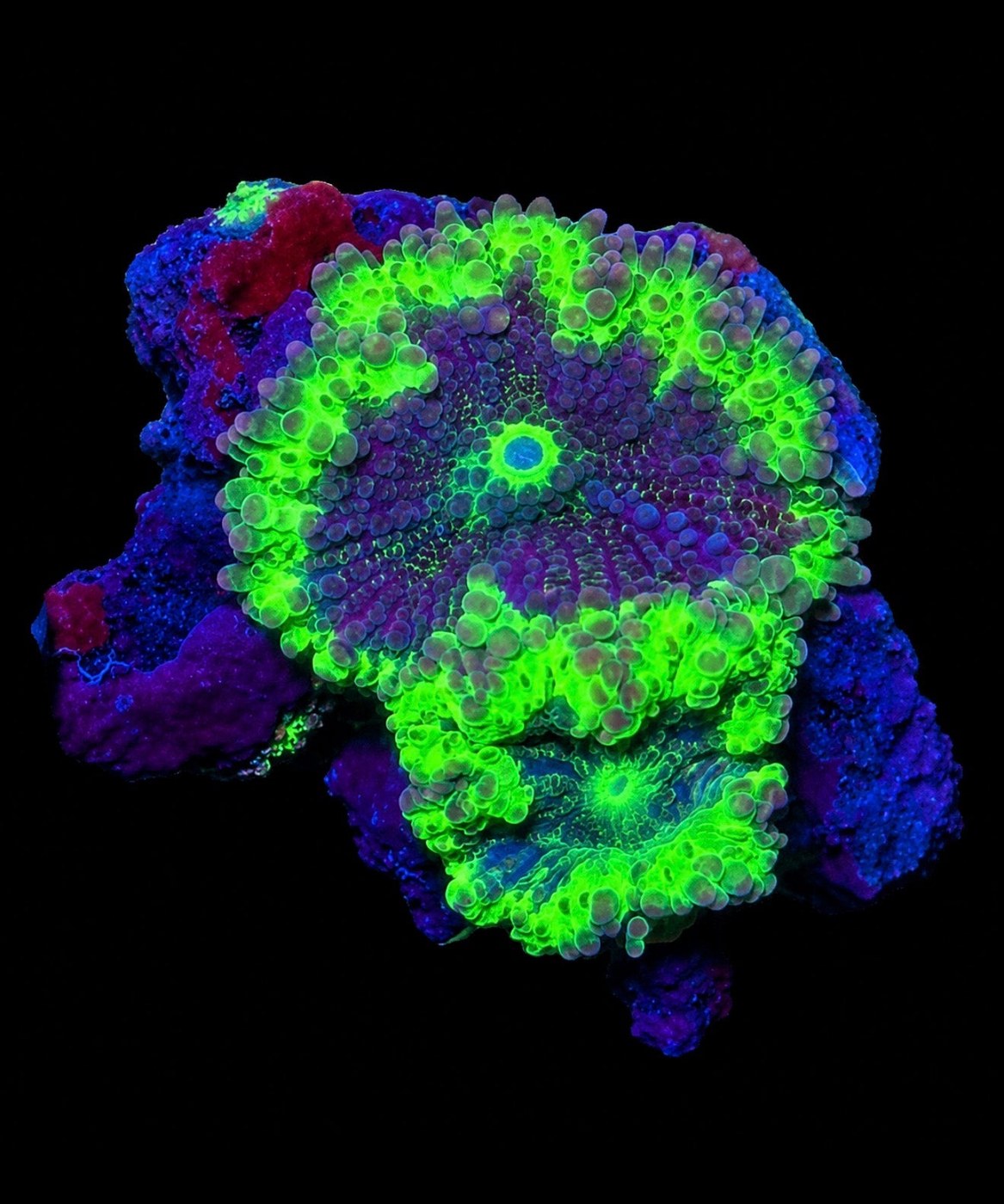
Buzz light beer Yuma
Ricordea yuma
Same genus

Florida Corallimorph
Ricordea florida
Same genus

Green Ricordea florida
Ricordea florida
Same genus