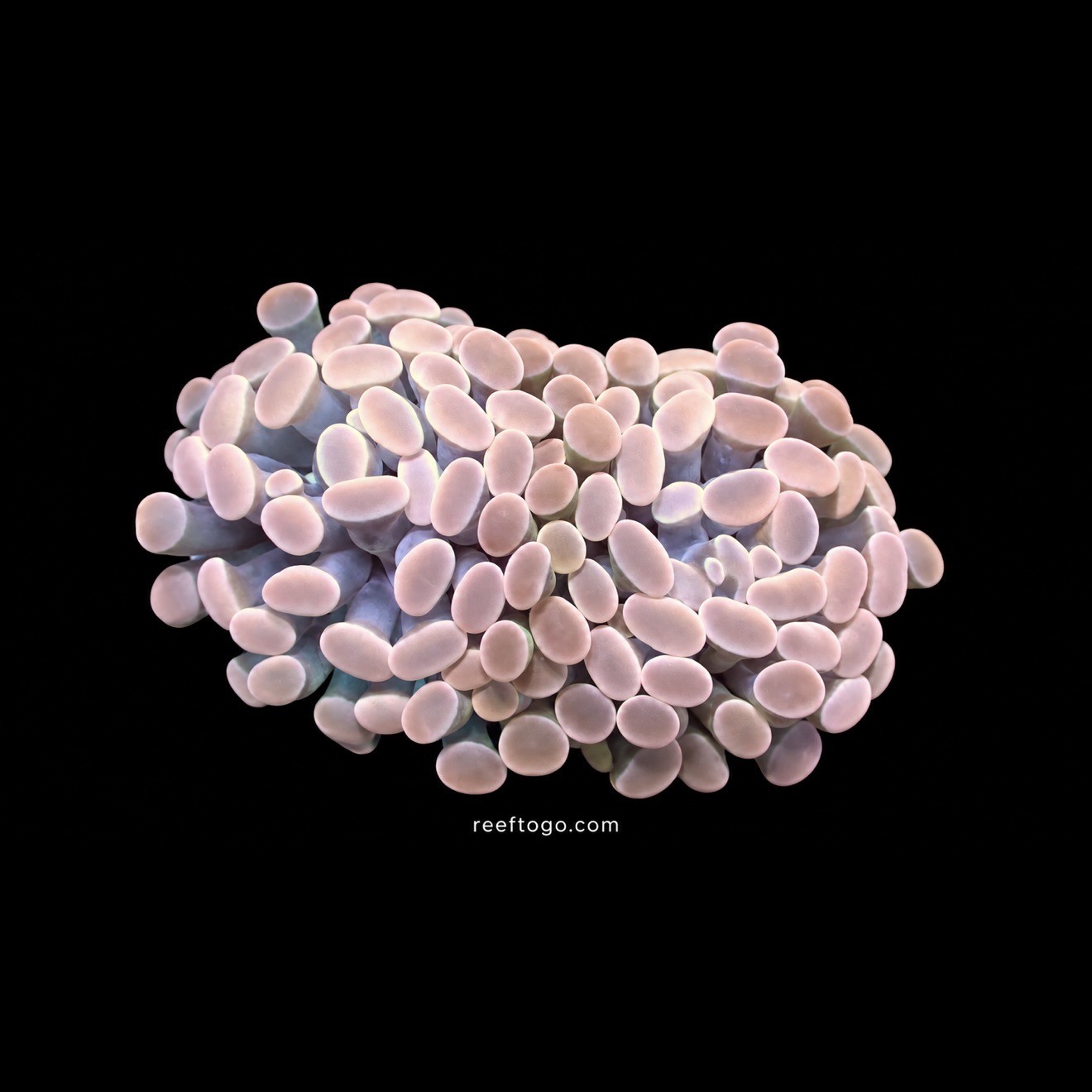
Pink Hammers
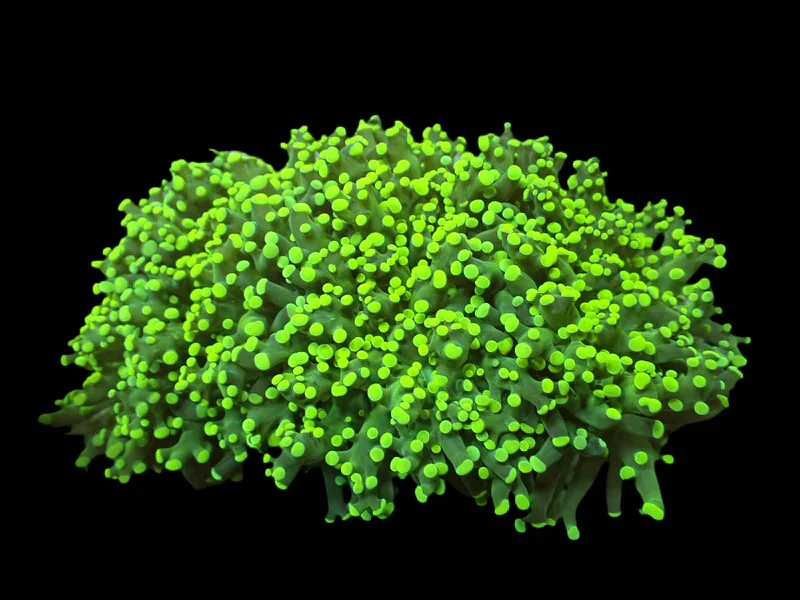
Fimbriaphyllia paraancora
Care facts
- Care
- Intermediate
- Light
- Medium
- Flow
- Medium
- Place
- Mid
- Space
- Aggressive
- Growth Rate
- Moderate
Gallery
Soft waves, hard bones! Pink Hammers looks like a tiny waving garden, but a hard skeleton sits beneath that soft flesh. Give those hammer-shaped tips room to move and the colony room to grow.
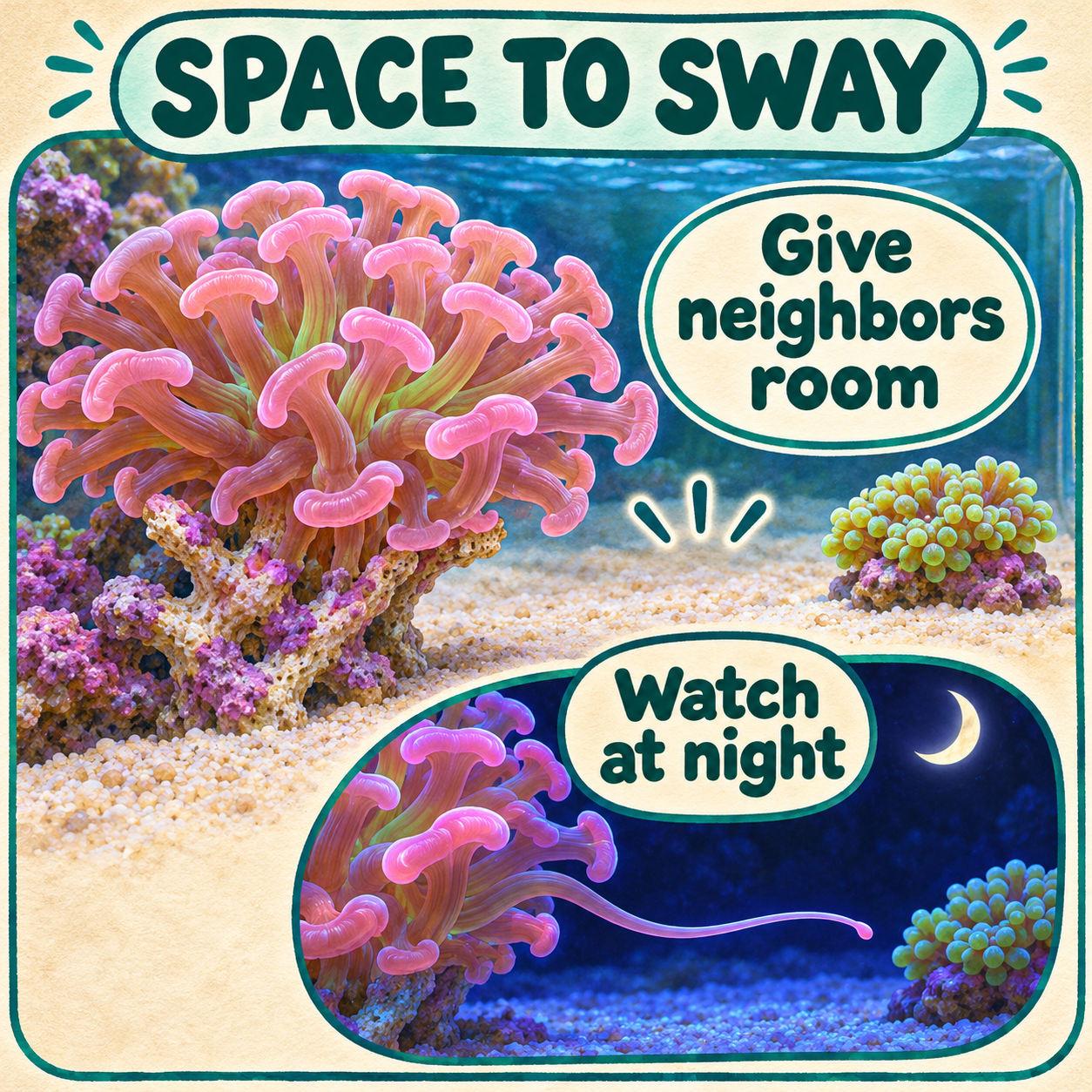
1. SPACE TO SWAY
Tiny tentacles, serious reach! Sweeper tentacles can sting nearby corals. Start with about six inches of clear space, then watch after lights-out and widen the gap if needed. Keep the soft flesh off sharp rock and other corals.
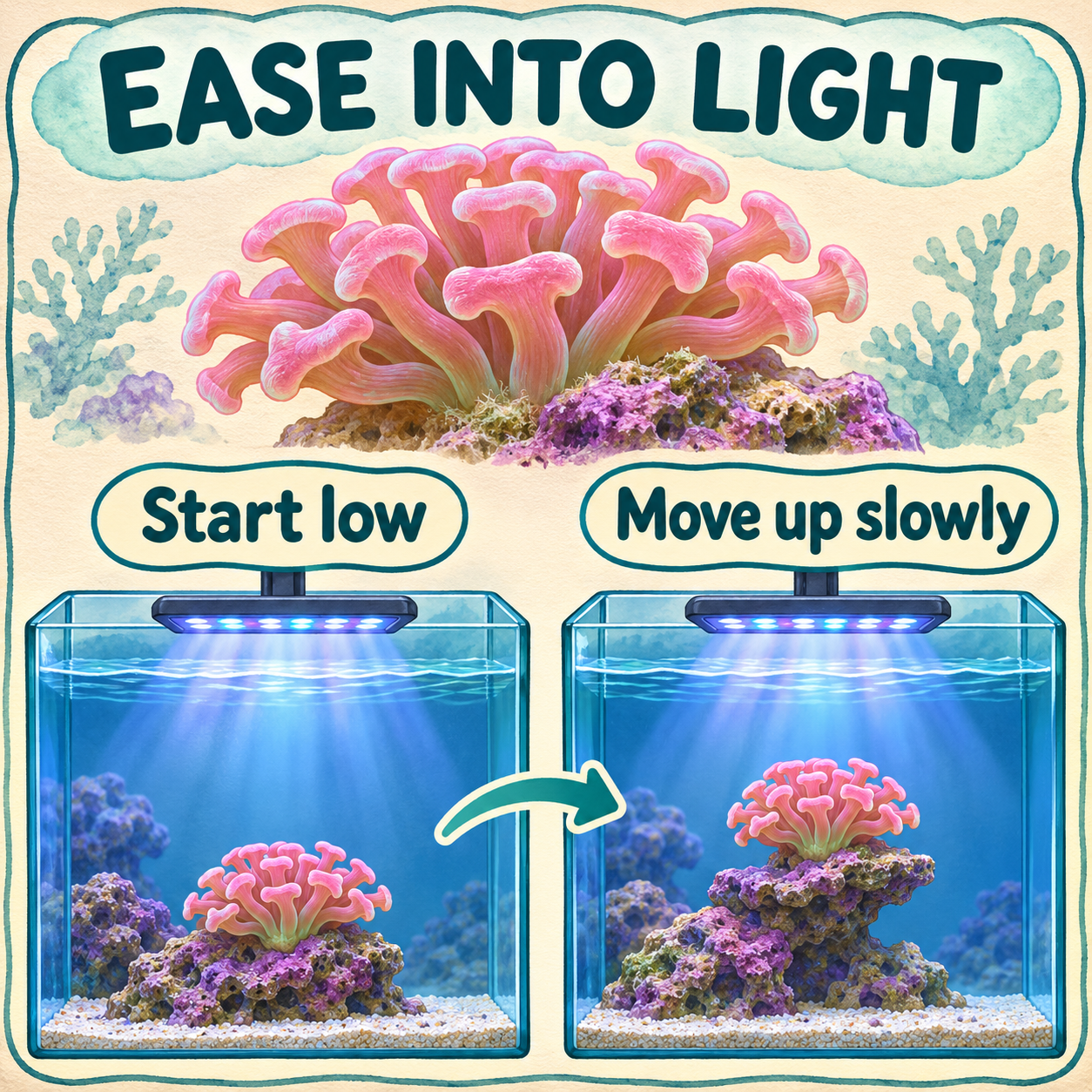
2. EASE INTO LIGHT
Skip the spotlight shock. Start in a lower-light spot and ease toward moderate light over time. A middle-level perch works when the light there suits the coral. Tank height alone cannot tell you how bright that perch is.
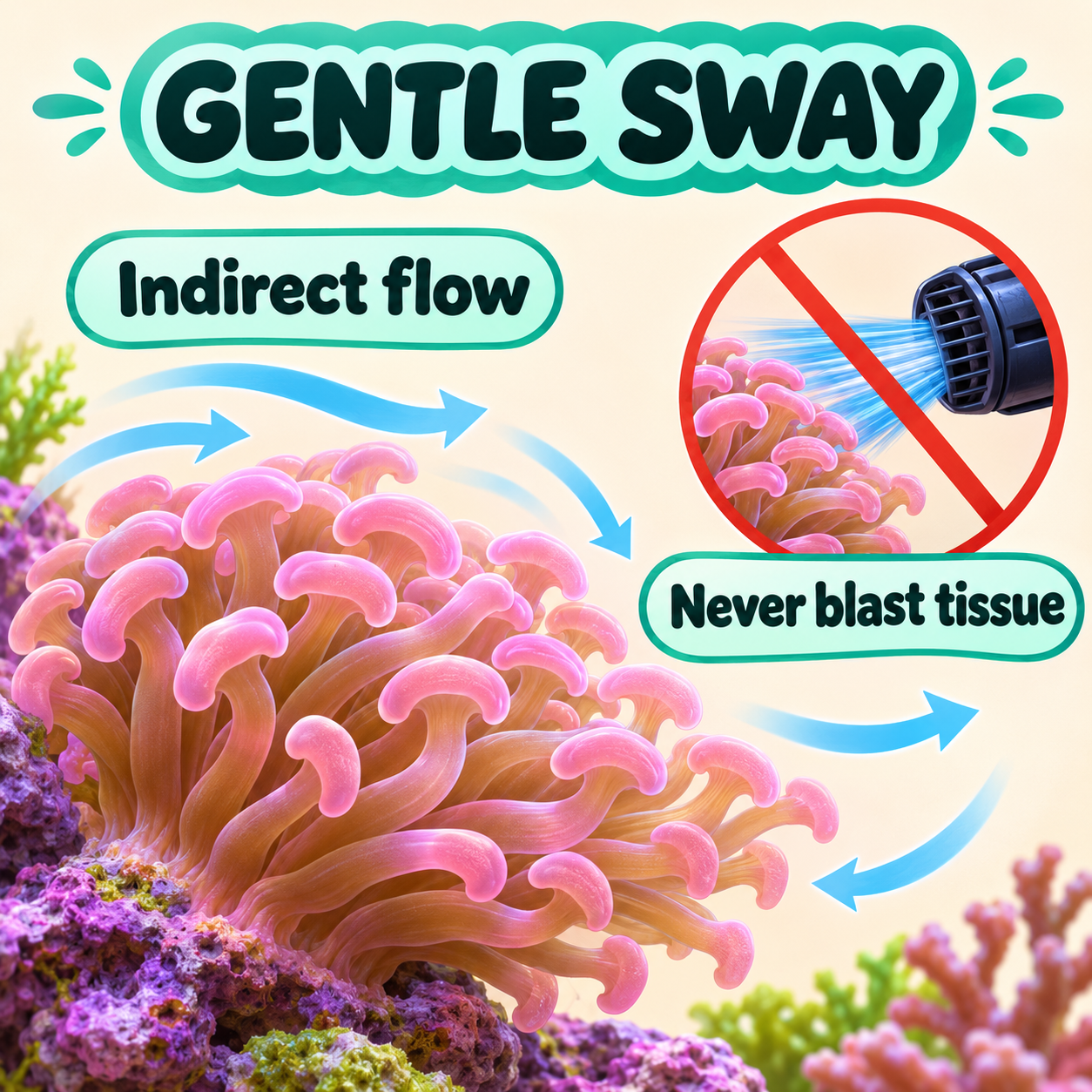
3. GENTLE SWAY
Make a slow-motion dance. Use indirect, moderate flow that moves the tentacles gently. Do not aim a pump straight at the flesh. If the coral stays tightly tucked in, check the current and nearby stingers before moving it again.
4. STAY STEADY
Build a skeleton, one day at a time. Keep salinity and temperature steady. Test alkalinity and calcium regularly, and keep magnesium in balance. Tiny algae inside the tissue help feed the coral through light. Offer only small amounts of suitable food; do not force a meal into its mouth.

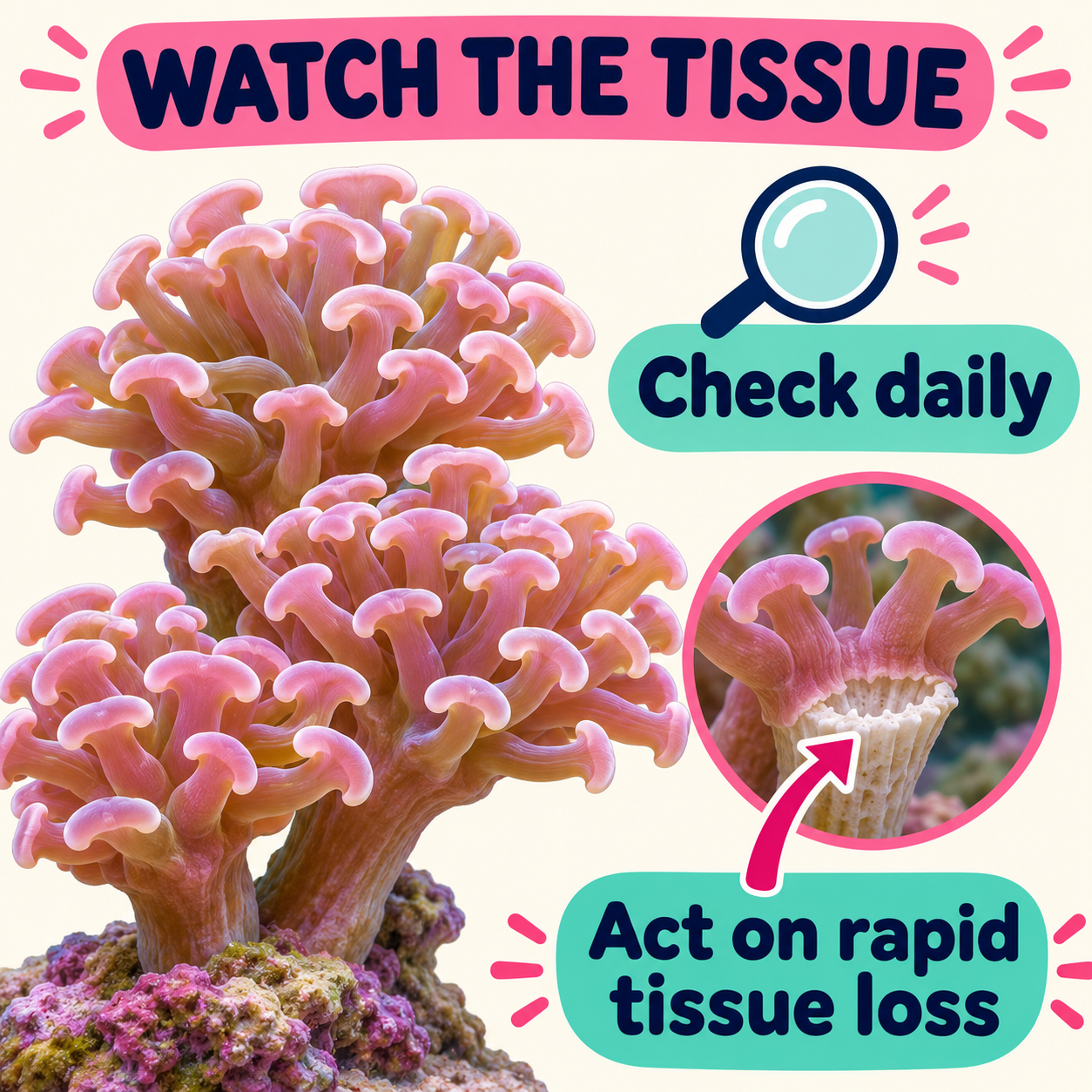
5. WATCH THE TISSUE
A quick look beats a late surprise. Check the flesh every day. Brief closing can happen, but rapid tissue loss, exposed fresh skeleton or brown jelly-like material needs prompt attention. Check water conditions and possible damage. Isolate a rapidly deteriorating coral for assessment rather than letting loose tissue drift among neighbors.
Field notes — what keepers report
6. General hammer-coral experiences. One keeper grew a recovered hammer into a large colony. Another struggled to get new growth while other corals thrived. Track your own coral with photos and head counts. Good extension does not promise a fast-growing colony.
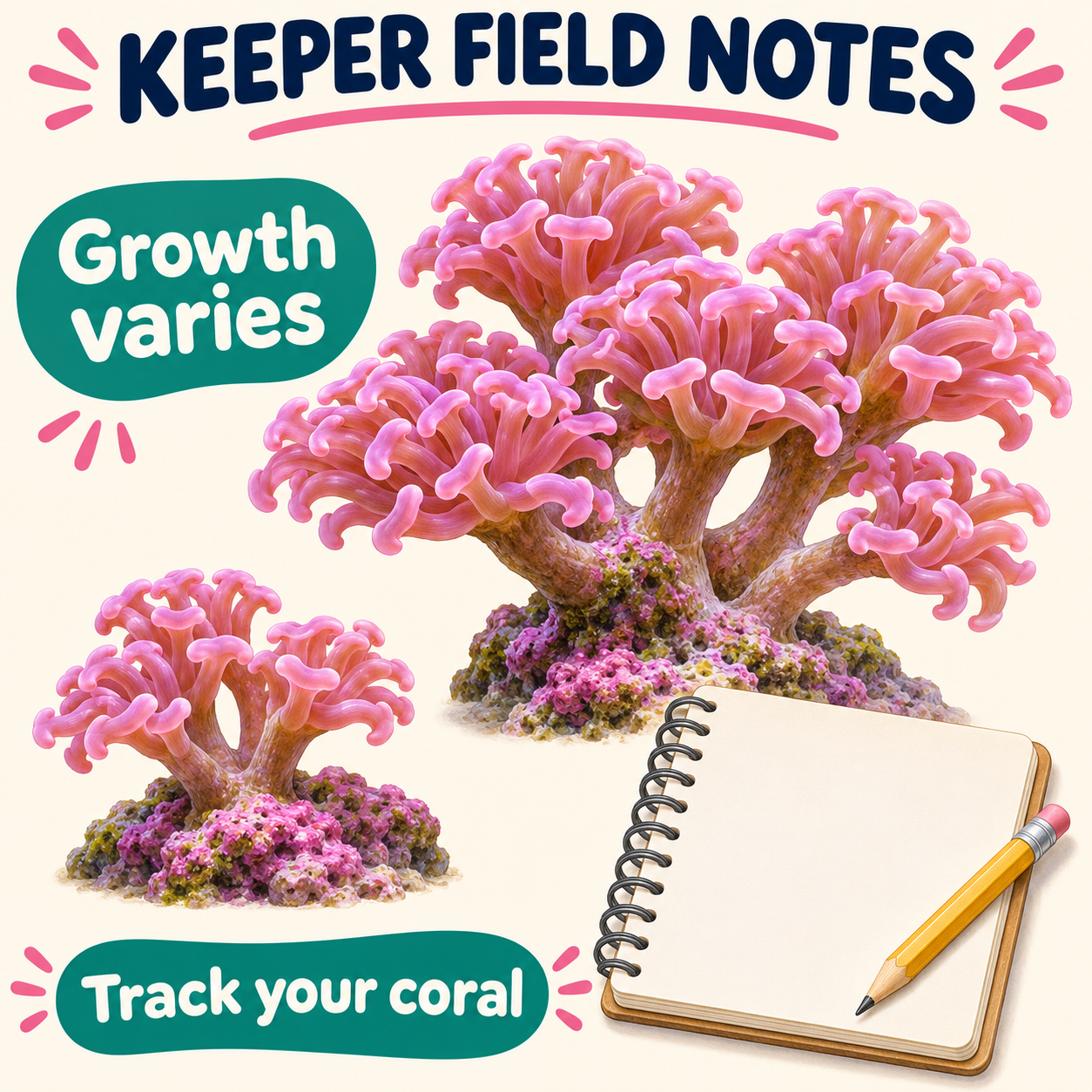
Give the dance room. Gentle movement, steady water and space from neighbors make a strong daily routine. Watch the living flesh, not just the color, and let new heads arrive at their own pace.
Field Notes
Related species
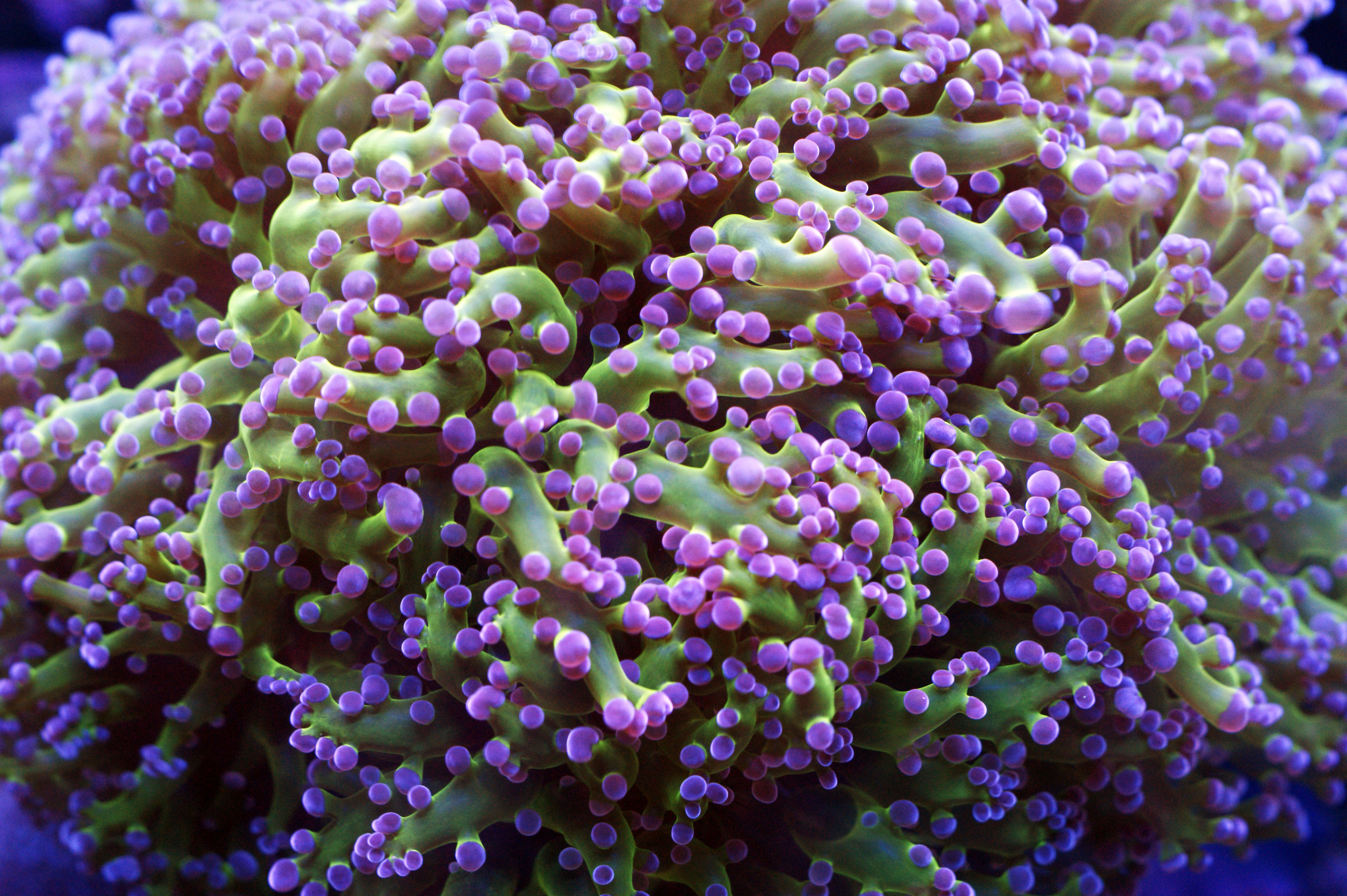
Branching Frogspawn
Fimbriaphyllia paradivisa
Same genus
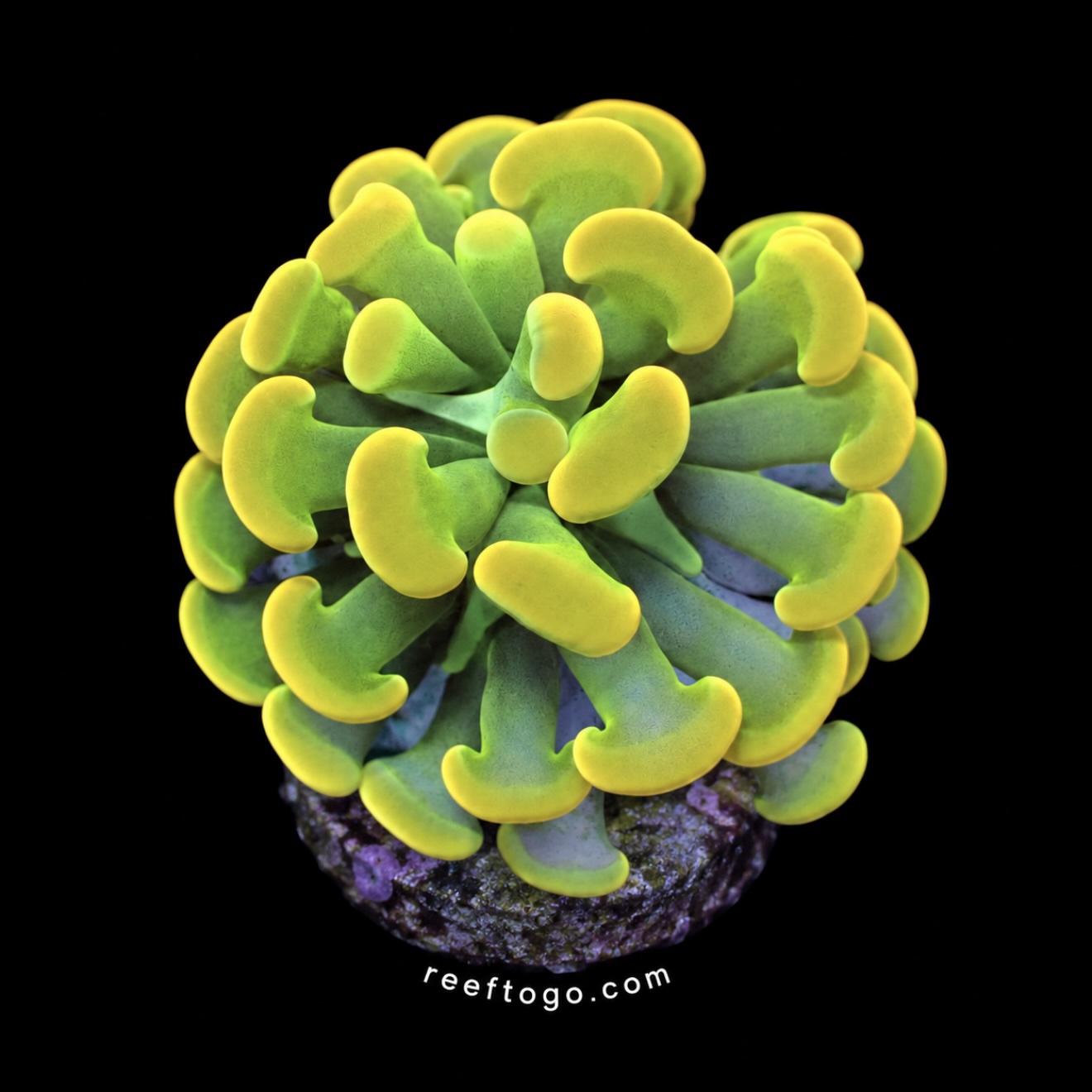
Willy Wonka Hammer
Fimbriaphyllia paraancora
Same genus
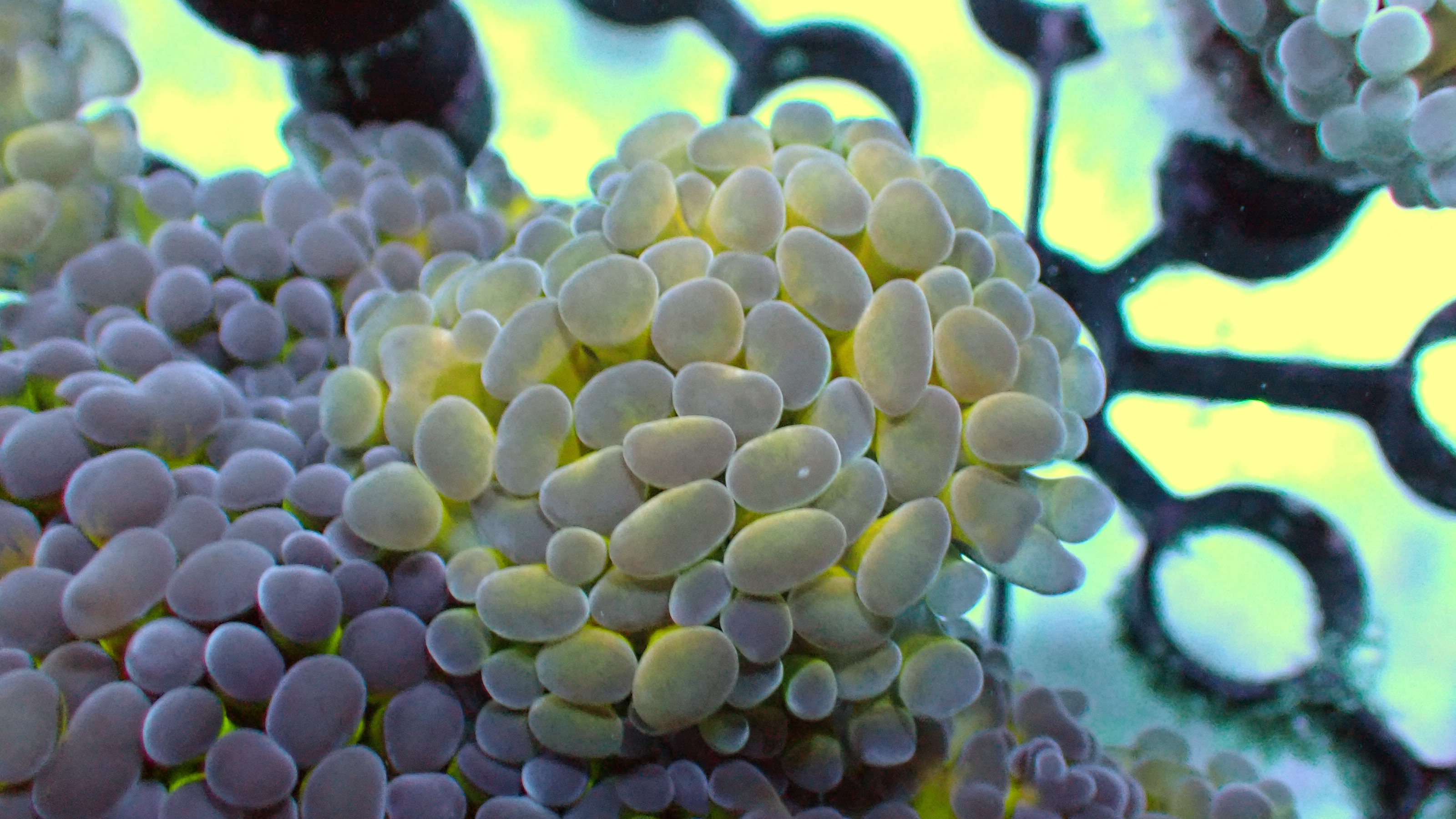
Cloud chaser hammer
Fimbriaphyllia paraancora
Same genus
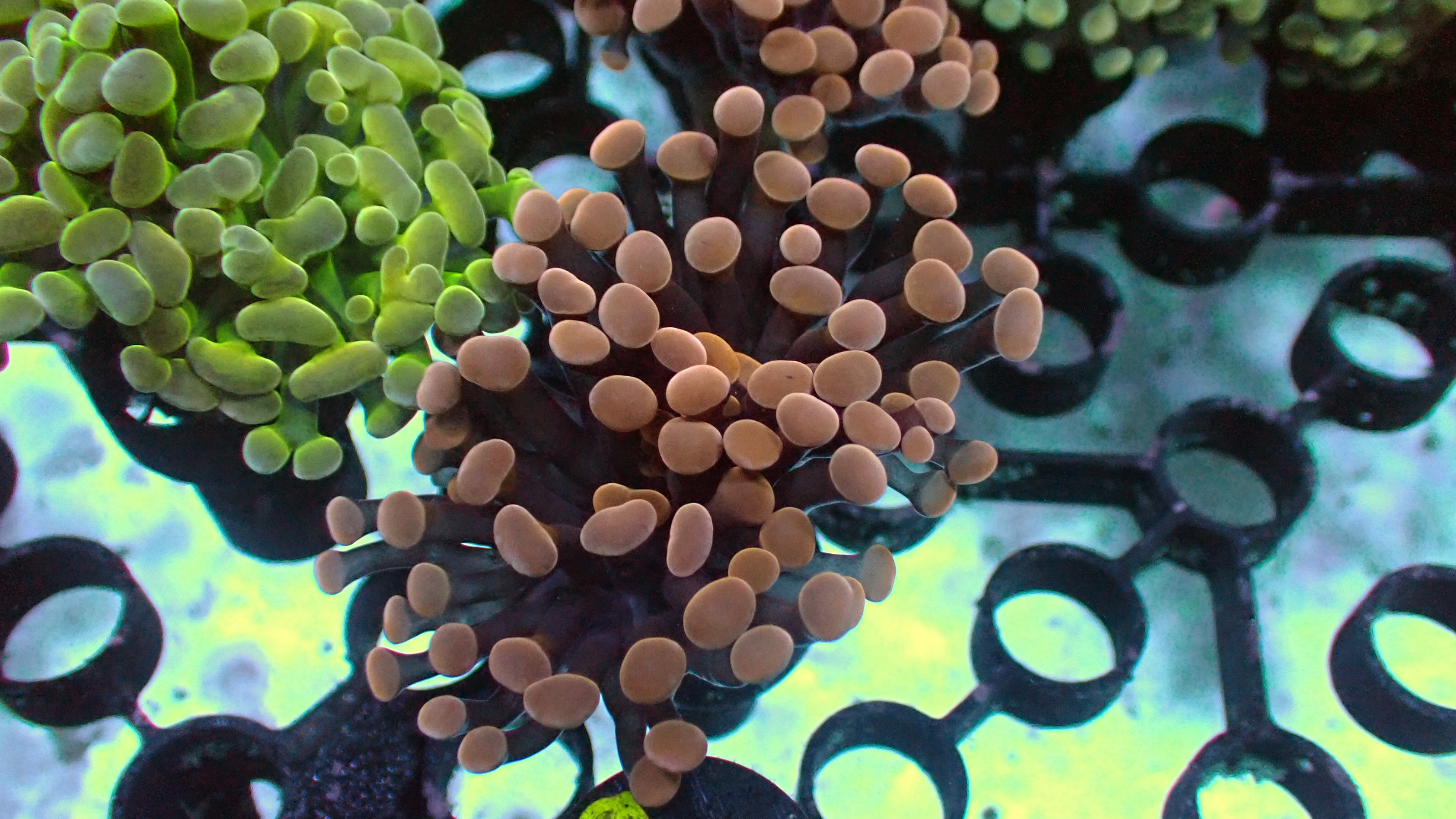
Rose gold hammer
Fimbriaphyllia paraancora
Same genus
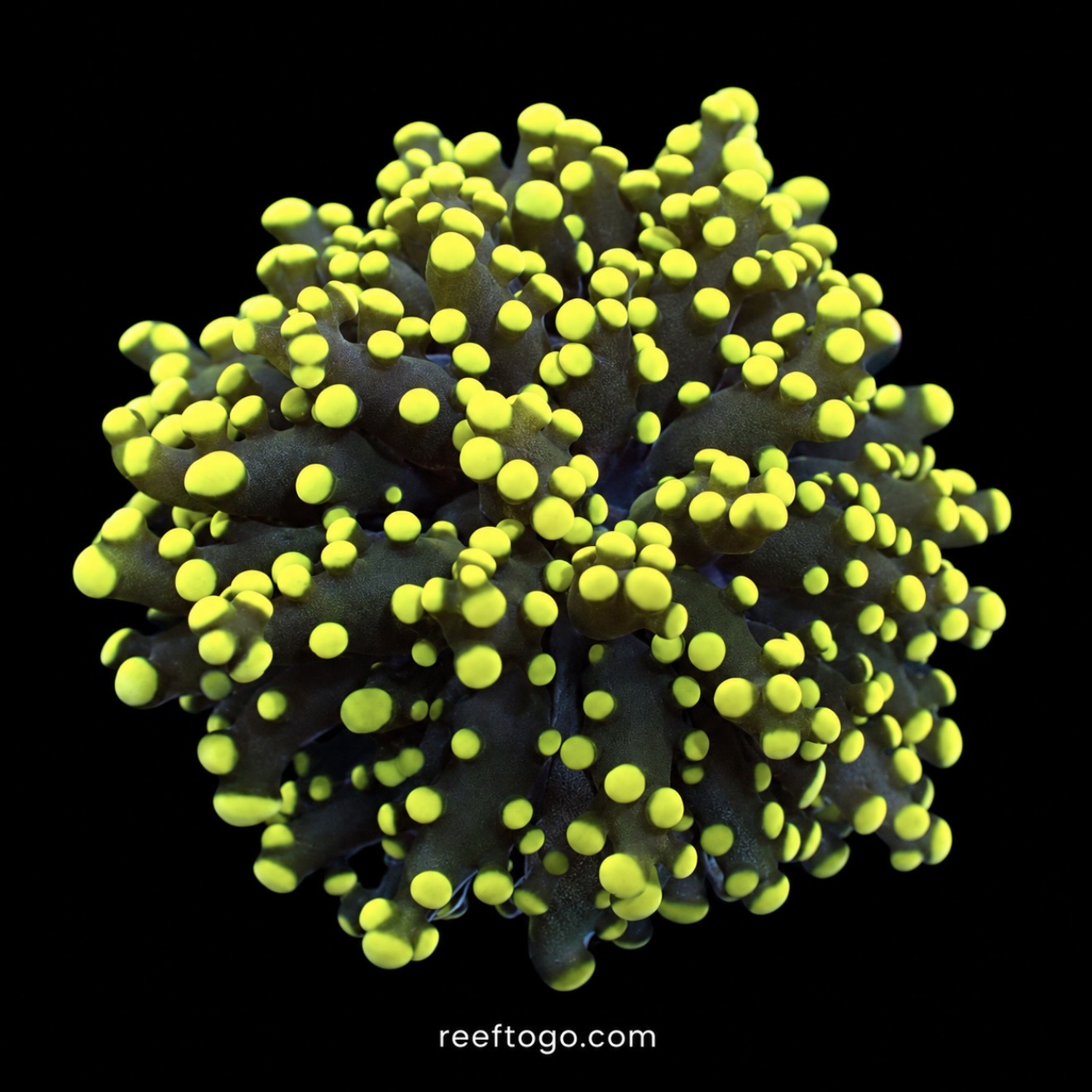
Yellow Octospawn
Fimbriaphyllia yaeyamaensis
Same genus
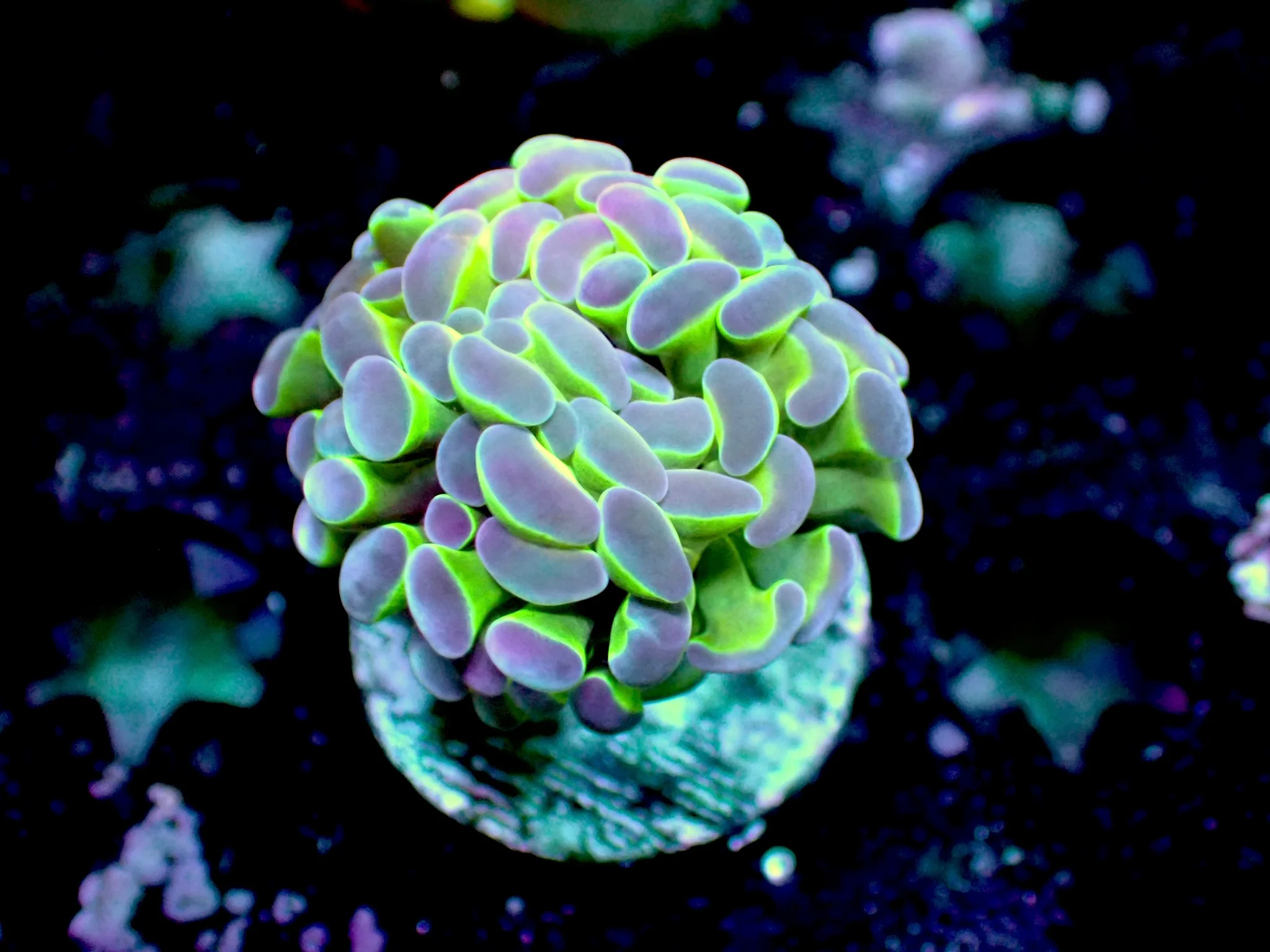
Hologram hammer
Fimbriaphyllia paraancora
Same genus

Candygram hammer
Fimbriaphyllia paraancora
Same genus
Frogspawn
Fimbriaphyllia divisa
Same genus