 ▶ Video
Gallery
Videos
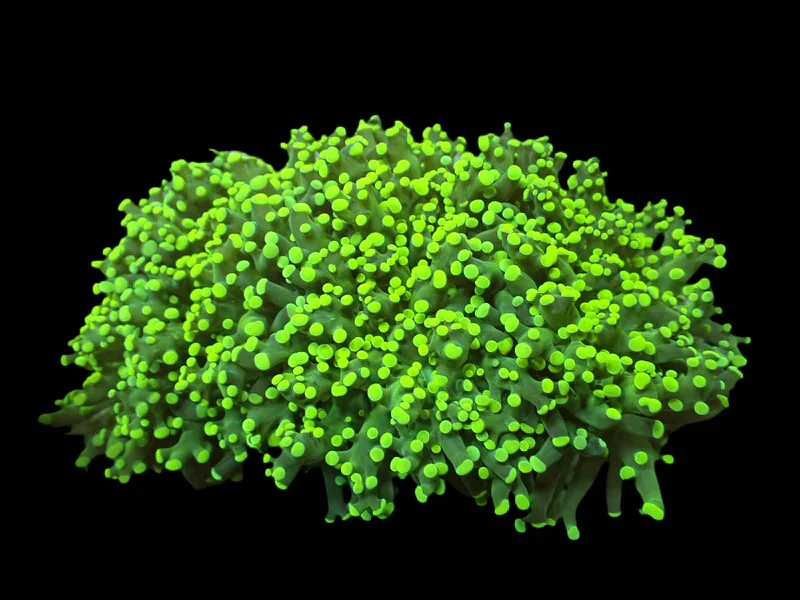
Frogspawn, Fimbriaphyllia divisa, is a branching LPS coral named for the clustered, rounded tentacle tips that cover each polyp, a look often compared to a bunch of grapes or a spawn mass. Tentacles are usually green or brown-green with paler tips, and they inflate through the day into a dense, swaying mass. Each branch carries one polyp, so a frag with a few heads grows into a rounded colony as heads divide.
The entry lists beginner-level difficulty, medium light, medium flow, mid placement, moderate aggression, and slow growth. Frogspawn is a forgiving first LPS when the basics hold: stable alkalinity, calcium, and magnesium, steady nutrients, and flow that moves the tentacles without battering them. Polyps inflated and swaying gently is the picture of a settled piece.
Place it in the middle of the tank on secure rockwork, with the branches clear of rock contact where tissue could rub. Medium, alternating flow works best. Constant strong flow keeps tentacles retracted and can tear tissue at the skeleton rim, while still corners collect waste between heads. Acclimate to brighter spots in steps, since a sudden jump in light can keep a new piece closed for days.
Leave real clearance around the colony. The moderate aggression rating earns respect at night, when frogspawn can extend longer stinging tentacles toward neighbors. Several inches of open space is a sound rule, with more room as heads multiply and the colony widens. Keep it away from torches and other strong stingers, and remember that a growing colony reaches farther every season, so spacing that works for a frag can fail for a colony.
Feeding is optional. A head will take small meaty food or an LPS pellet offered now and then, though most frogspawn grow well on light plus the nutrients of a fed fish tank. If you feed, use small pieces and give the head time to close around the food with pumps off. Regularly blowing settled detritus out of the branches with a gentle baster puff keeps the base clean.
Growth is slow to steady, shown by heads pinching and dividing into two. Common pitfalls are wedging the skeleton so tissue rubs rock, crowding the colony against a neighbor that stings back, and chasing a closed polyp with daily moves. A frogspawn closed for a day after a change usually reopens on its own. One closed for a week needs a calm review of flow, light, chemistry, and anything picking at the tissue.
Field notes — what keepers report
- Extension reports vary widely between tanks. Keepers describe the same species fully inflated in one system and more compact in another, with flow pattern named as the biggest factor. Keepers who switch from constant flow to alternating flow often report fuller, rounder polyps within days.
- Aggression stories run in both directions. Some keepers report frogspawn holding its own beside other euphyllia-family corals for years, while others describe burned tips after one night next to a torch or hammer that reached farther than expected. The cautious shared rule is to space for the longest tentacle you have seen, plus a margin.
- Head division is the growth moment keepers watch for. Reports describe a mouth stretching, then pinching into two over several weeks, and keepers advise against fragging a head mid-division. Colonies left alone through a division usually come out ahead of colonies fragged often for quick sales.
Field Notes
Related species
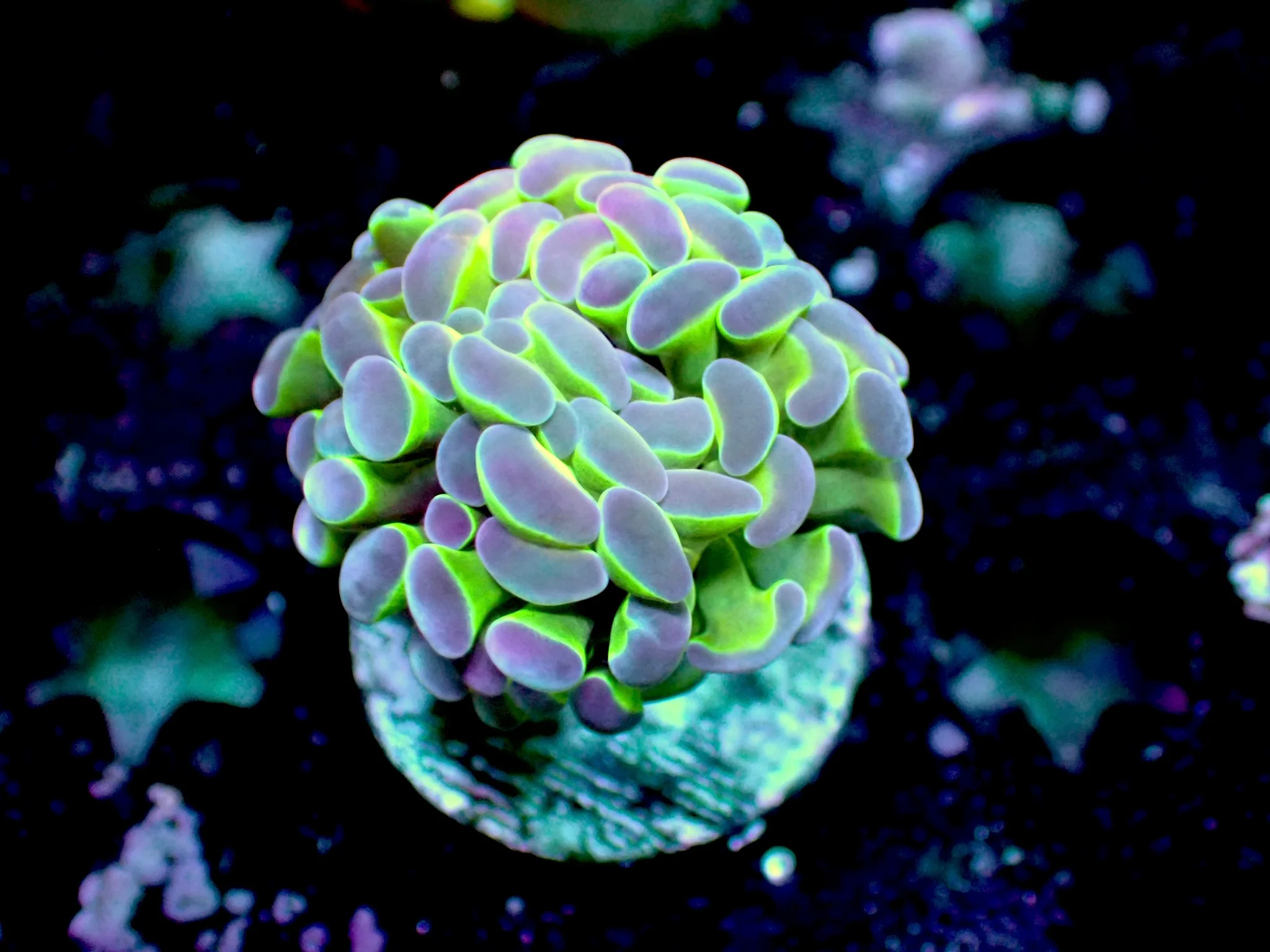
Hologram hammer
Fimbriaphyllia paraancora
Same genus

Candygram hammer
Fimbriaphyllia paraancora
Same genus
Gold hammer
Fimbriaphyllia paraancora
Same genus
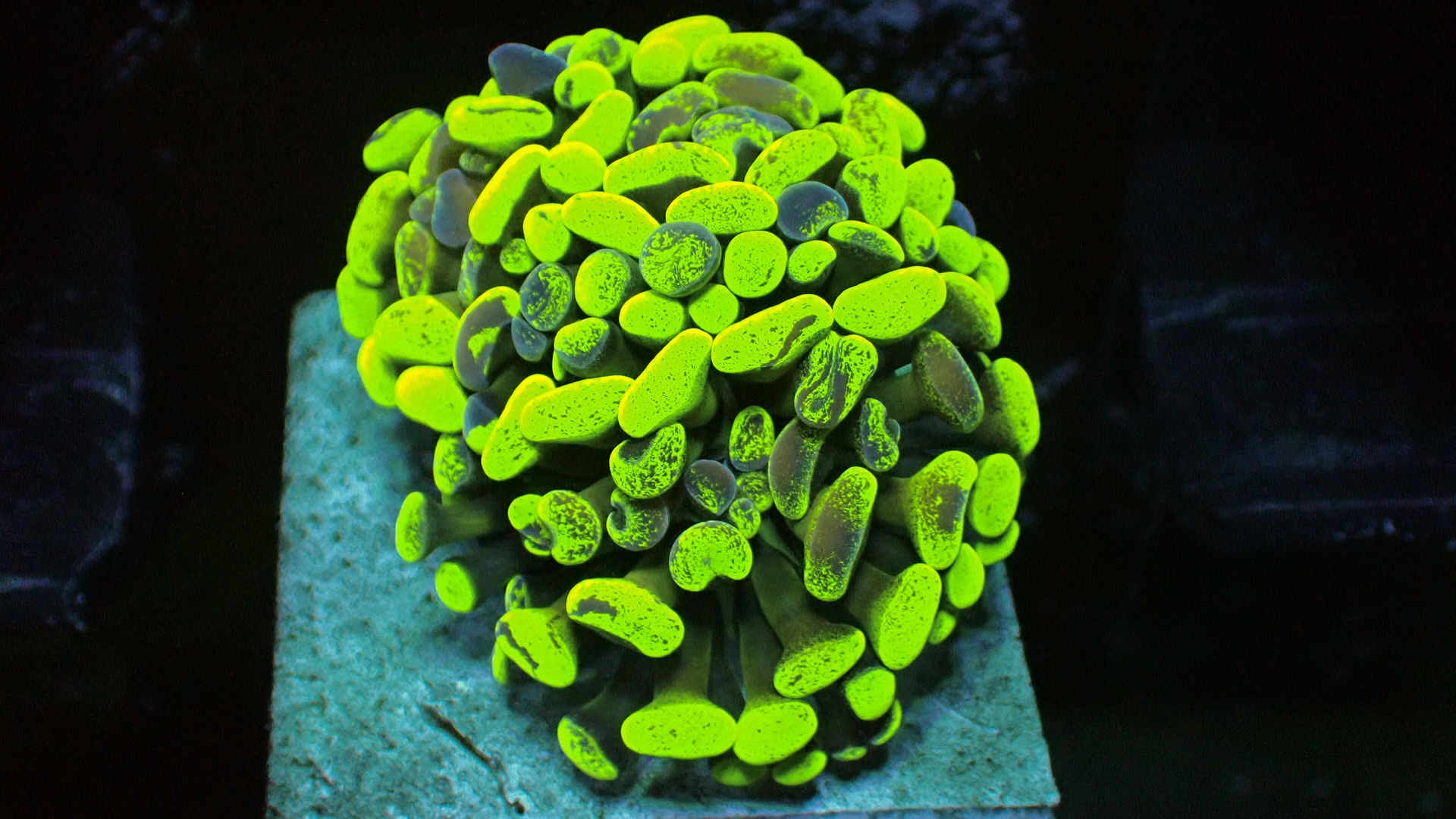
Splatter hammer
Fimbriaphyllia paraancora
Same genus
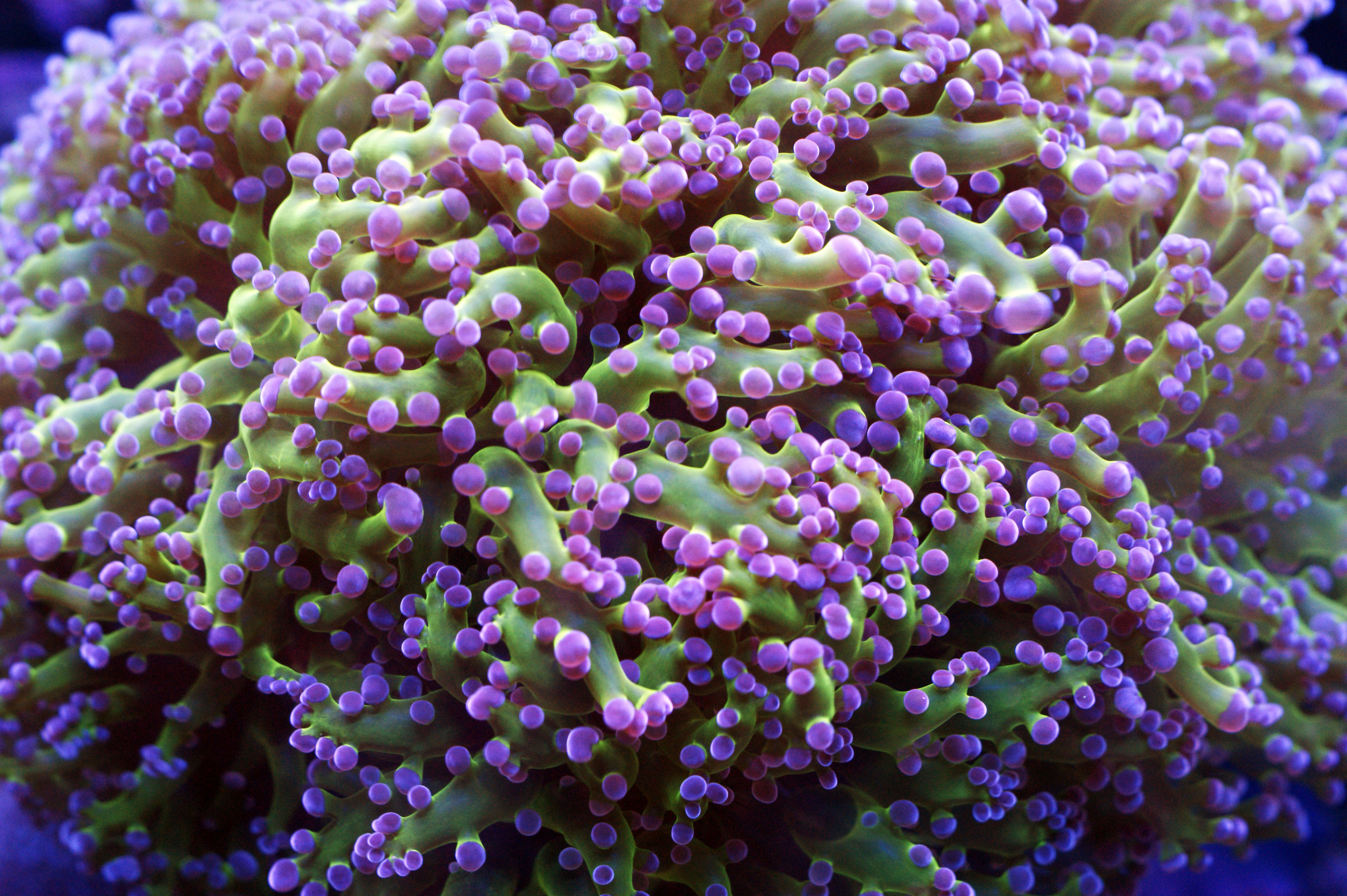
Branching Frogspawn
Fimbriaphyllia paradivisa
Same genus
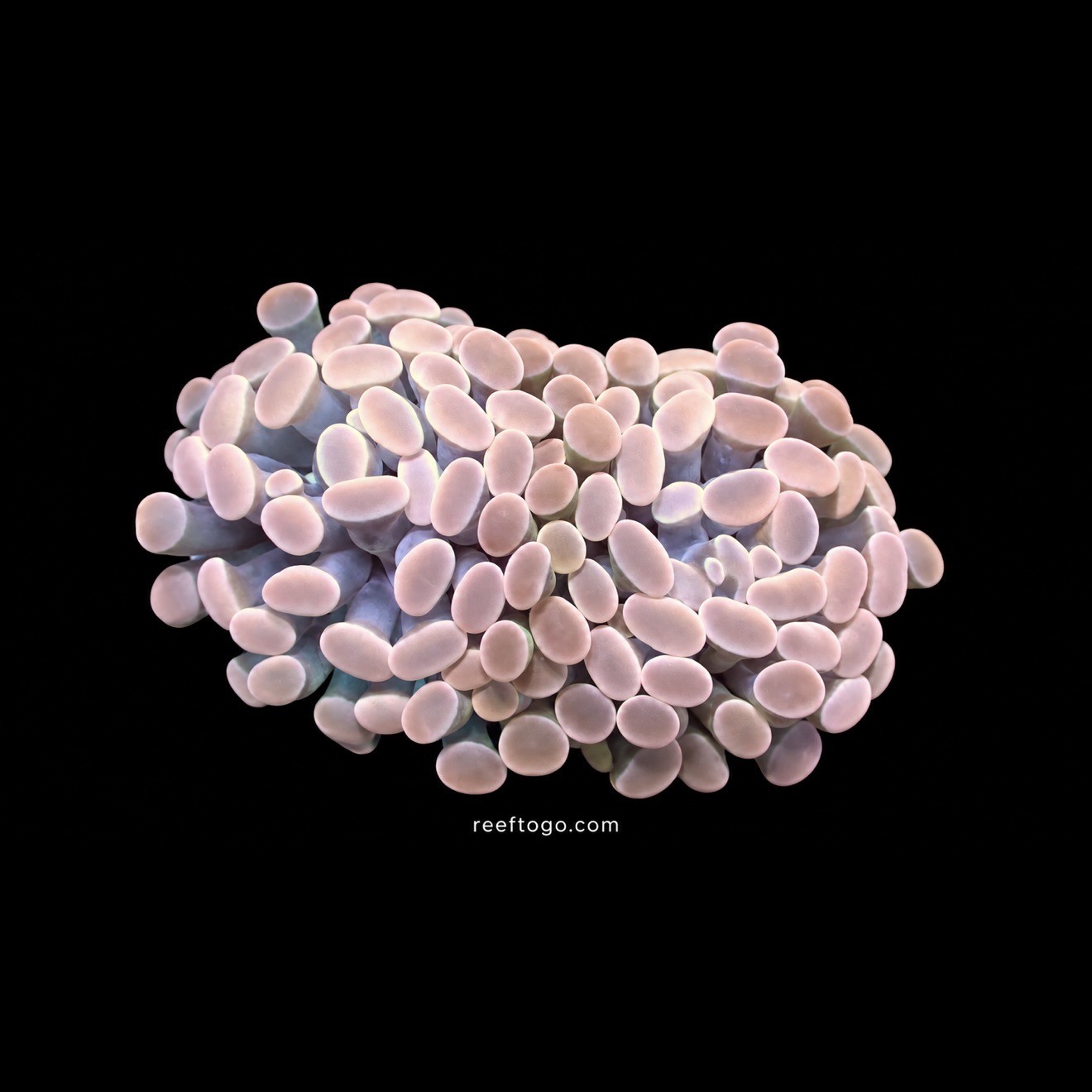
Pink Hammers
Fimbriaphyllia paraancora
Same genus
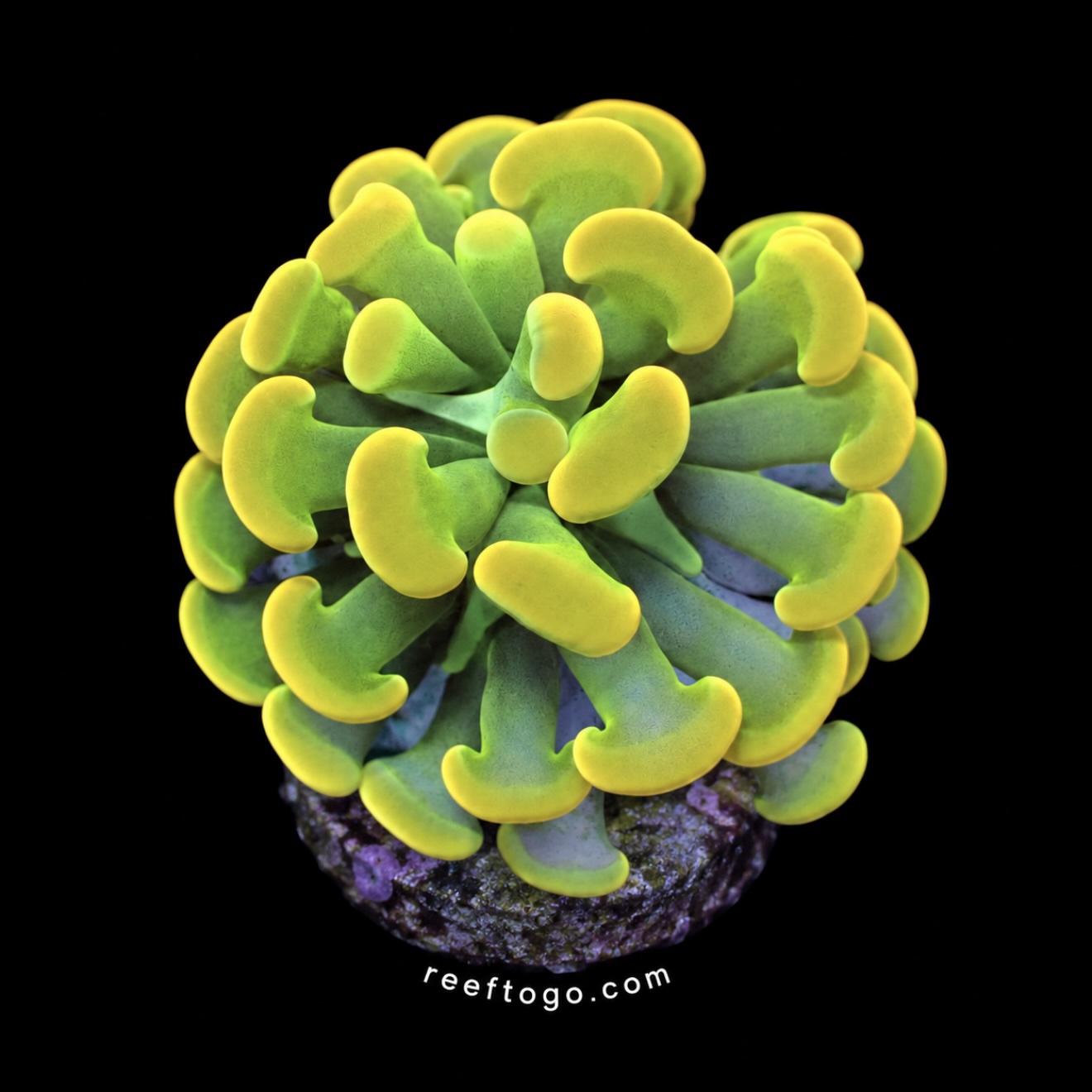
Willy Wonka Hammer
Fimbriaphyllia paraancora
Same genus
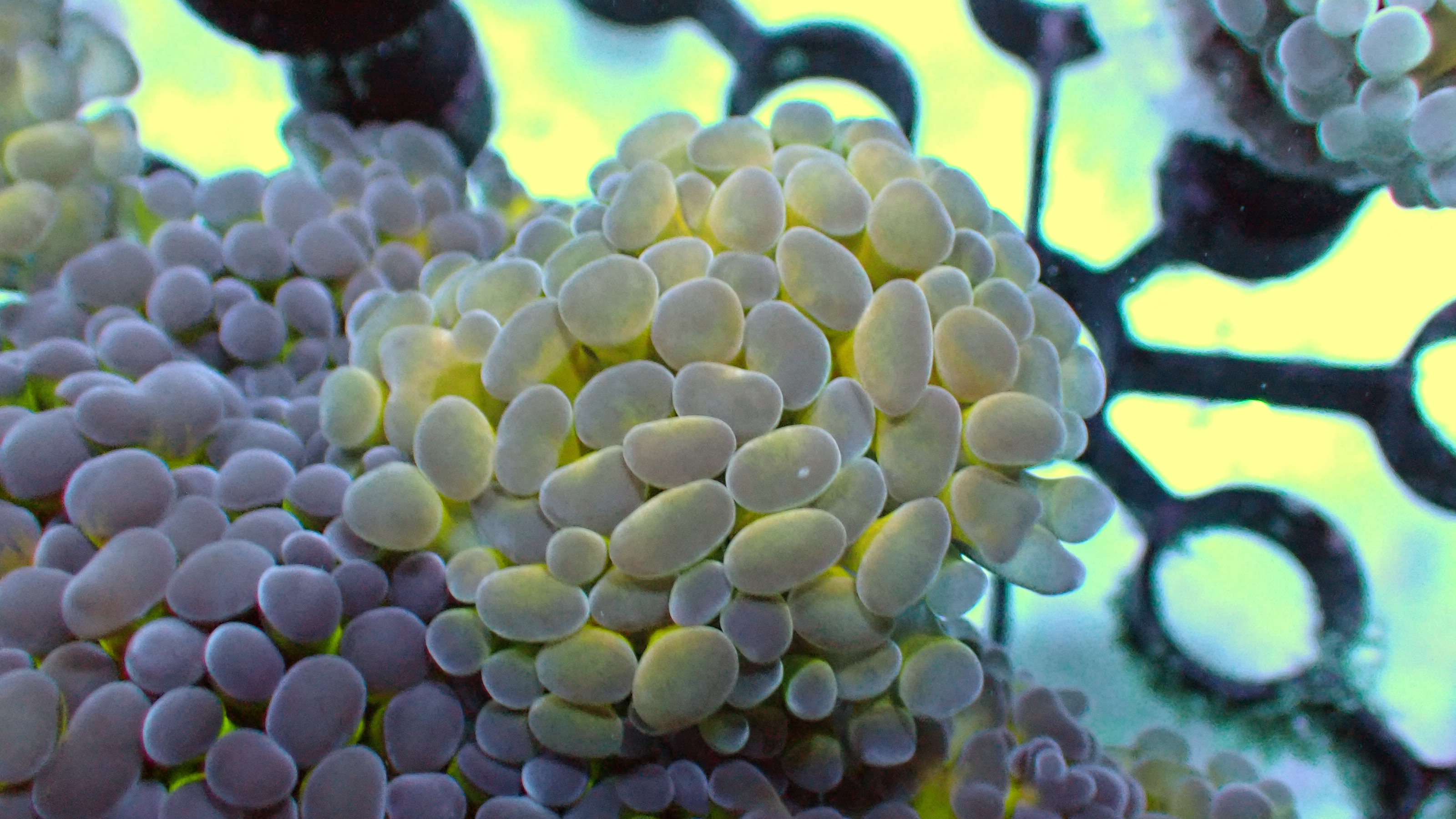
Cloud chaser hammer
Fimbriaphyllia paraancora
Same genus