 ▶ Video
Gallery
Videos
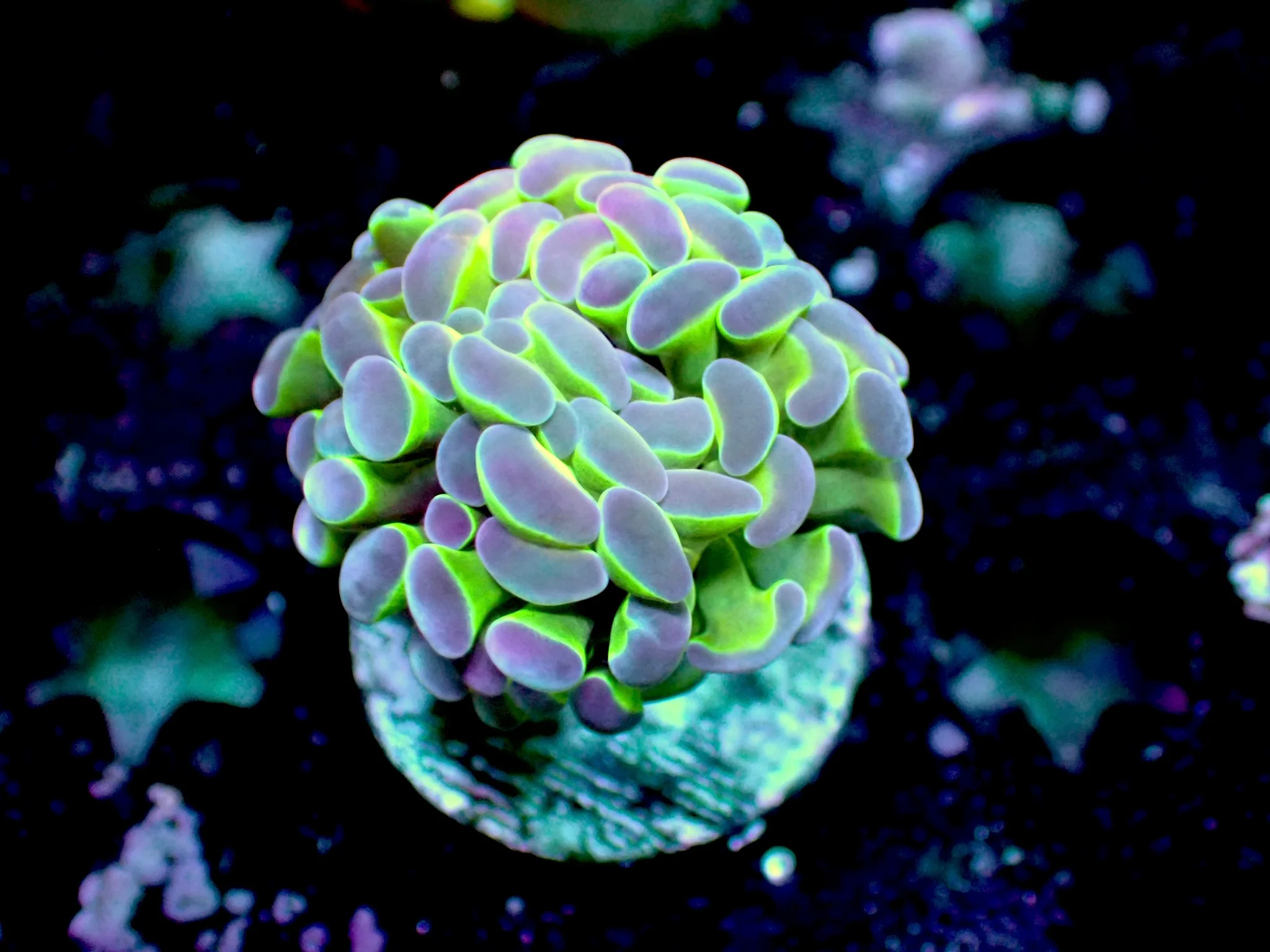
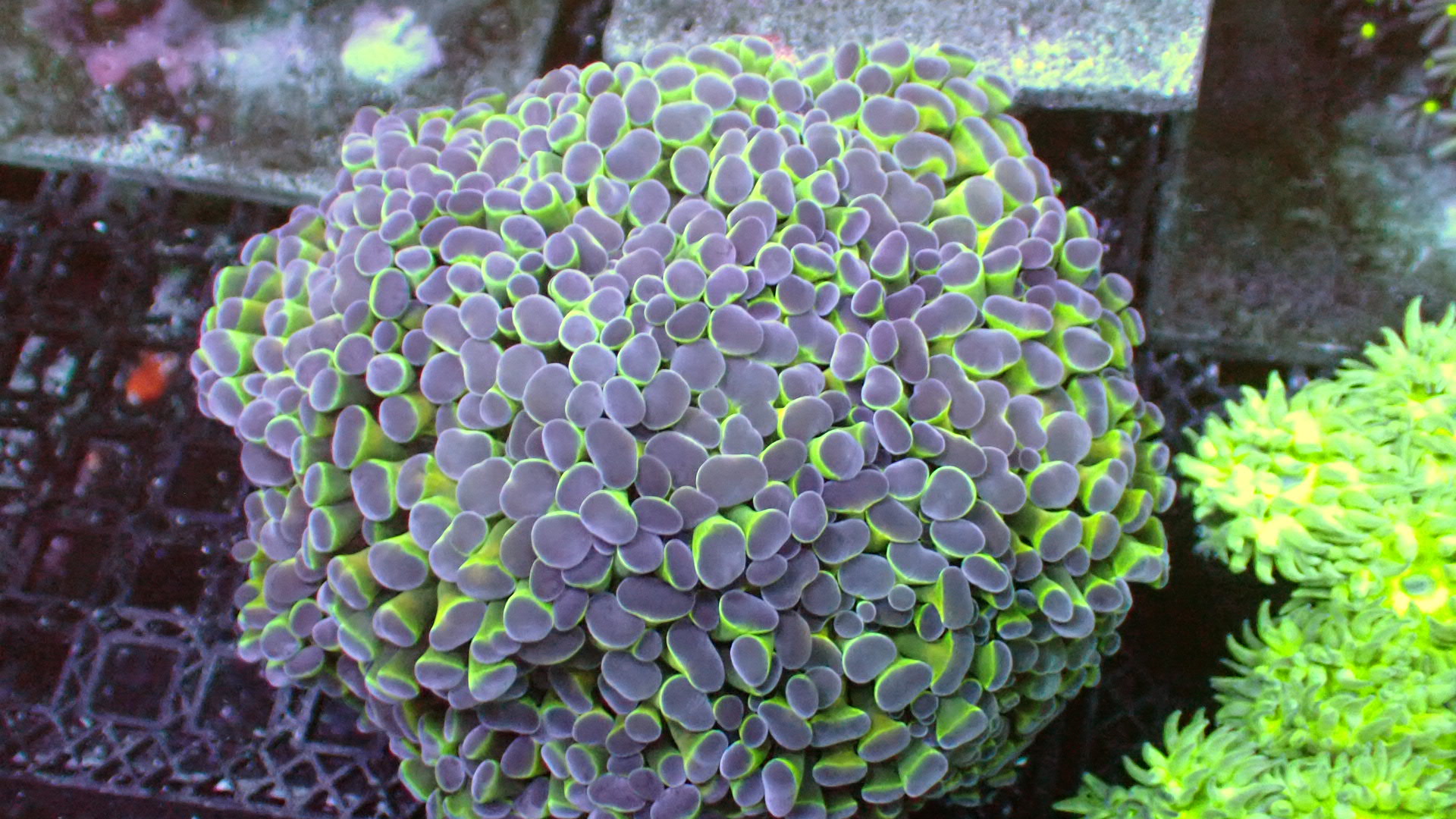
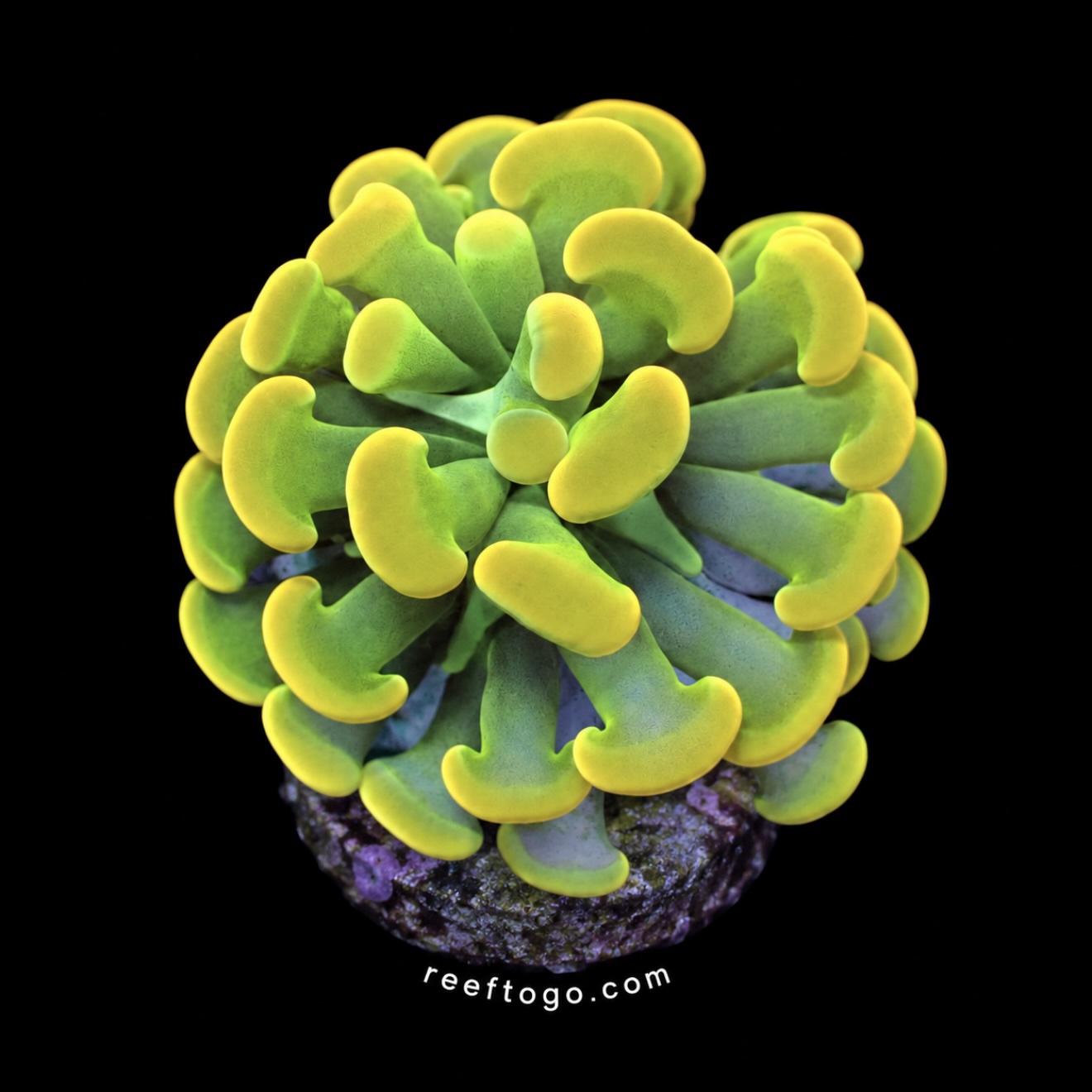
Hologram hammer is a named hammer coral, listed as Fimbriaphyllia paraancora. Hammer corals grow fleshy polyps on a branching skeleton, with tips shaped like small hammers or anchors. The hologram name points to shifting color on the tentacles and tips under reef lighting, where greens, golds, and contrasting tip colors can show differently as light angle changes. A settled colony sways as one full head, and new heads form as the skeleton branches at the base.
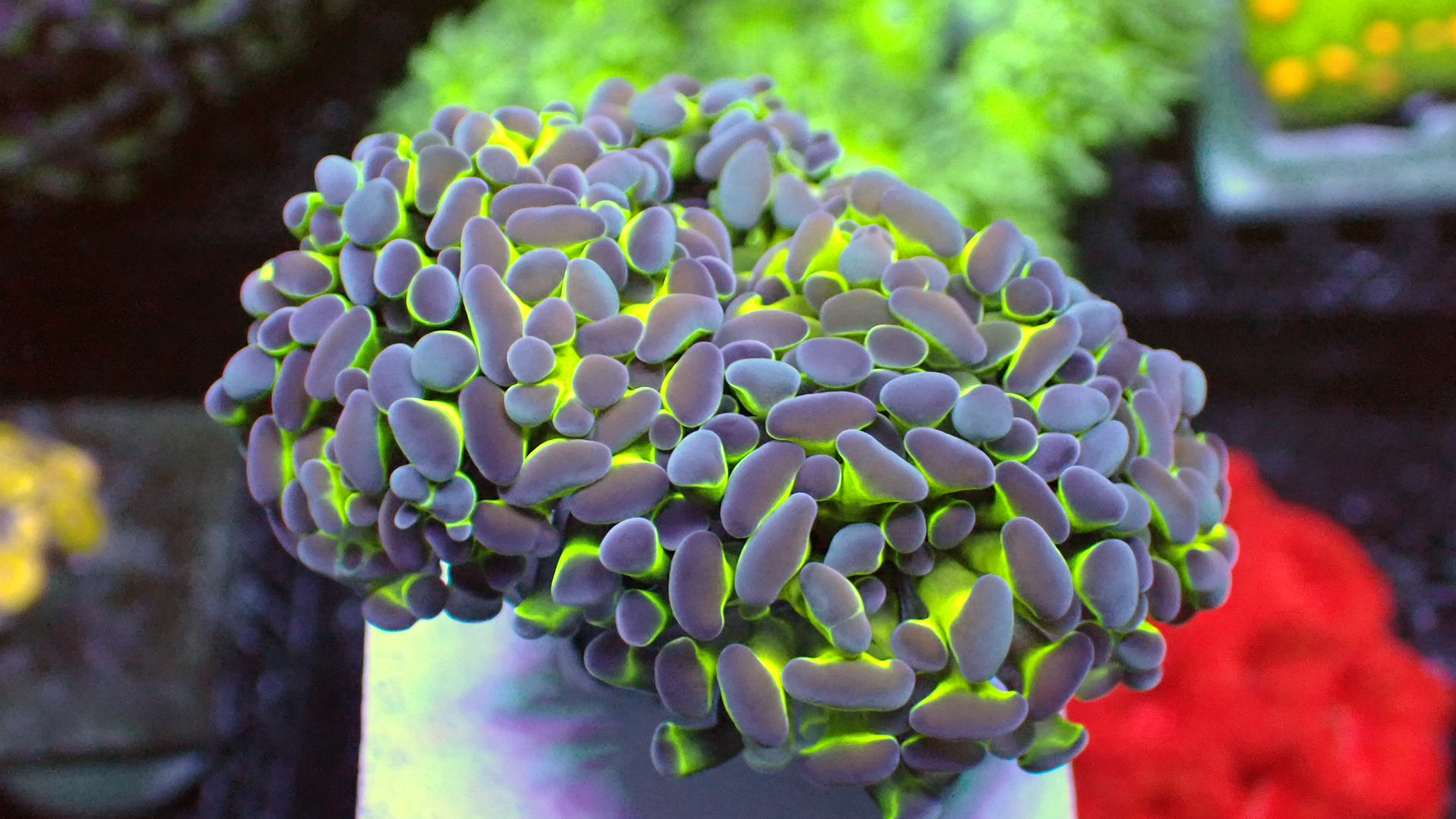
The entry lists beginner care, medium light, medium flow, middle placement, moderate aggression, and slow growth. Place it in the middle of the rockwork where light is moderate and steady. Acclimate a new frag upward in small steps over a week or two. Strong light from the start can bleach the tips and keep the polyps drawn in, while very low light leads to stretched, pale tissue reaching for more.
Flow matters a great deal for hammers. Medium flow should make the tentacles drift and lift gently. Direct, constant flow batters the flesh against the skeleton edge and can tear tissue. Too little flow lets detritus settle between heads and leaves polyps limp. Random or alternating flow patterns tend to give the fullest extension through the day.
Give this coral clear space on all sides. The moderate rating understates its reach at night and when fully expanded, because a large head covers far more room at midday than the skeleton suggests. Sweeper tentacles can sting nearby corals, and hammers can also be stung by more aggressive LPS placed too close. Plan spacing from the expanded size, with several inches of clearance, and more as heads multiply.
Feeding helps fullness. The polyps will take small meaty foods such as mysis or fine LPS pellets when tentacles are out, offered once or twice a week in low flow. Turn pumps down for a short feeding window so food stays on the polyps. The coral still relies on light for most of its energy, so feeding supports growth rather than replacing good placement.
Growth is slow. A single head may take months to split, and tissue health shows first in daily extension and clean flesh down to the skeleton edge. Receding flesh, exposed sharp skeleton, or a head that stays shrunken while neighbors thrive calls for a flow and placement check before any other change. Avoid handling the polyps directly, and support the skeleton when moving the piece so flesh does not tear.
Common pitfalls include blasting flow, mounting where a falling frag can land on it, and chasing color with sudden light increases. Stable alkalinity and calcium support skeleton growth, and steady magnesium helps hold that balance. Small, patient changes suit this coral far better than rapid corrections.
Field notes — what keepers report
- Keepers consistently link extension to flow. Reports describe hammers opening fully under gentle, shifting flow and staying half-closed under a steady jet, even at the same light level. Moving the coral a short distance out of a direct stream is the fix most often described as working within days.
- Color reports split by lighting schedule. Keepers running blue-heavy light describe stronger contrast between tentacle and tip, while keepers under whiter light describe a softer, more uniform tone. Both sides treat the shift as a lighting effect when tissue stays full and heads keep opening.
- Feeding reports lean positive but stay modest. Keepers who target-feed describe plumper polyps and head splits that arrive a little sooner, while keepers who never target-feed describe healthy colonies that grow more slowly. Reports agree that overfeeding a hammer until food sits uneaten invites pests and algae around the base.

Field Notes
Related species

Candygram hammer
Fimbriaphyllia paraancora
Same genus
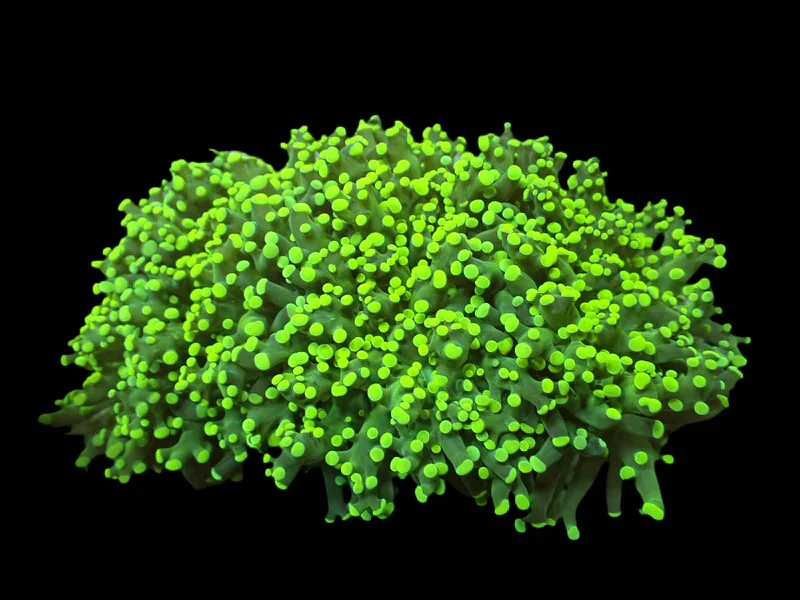
Frogspawn
Fimbriaphyllia divisa
Same genus
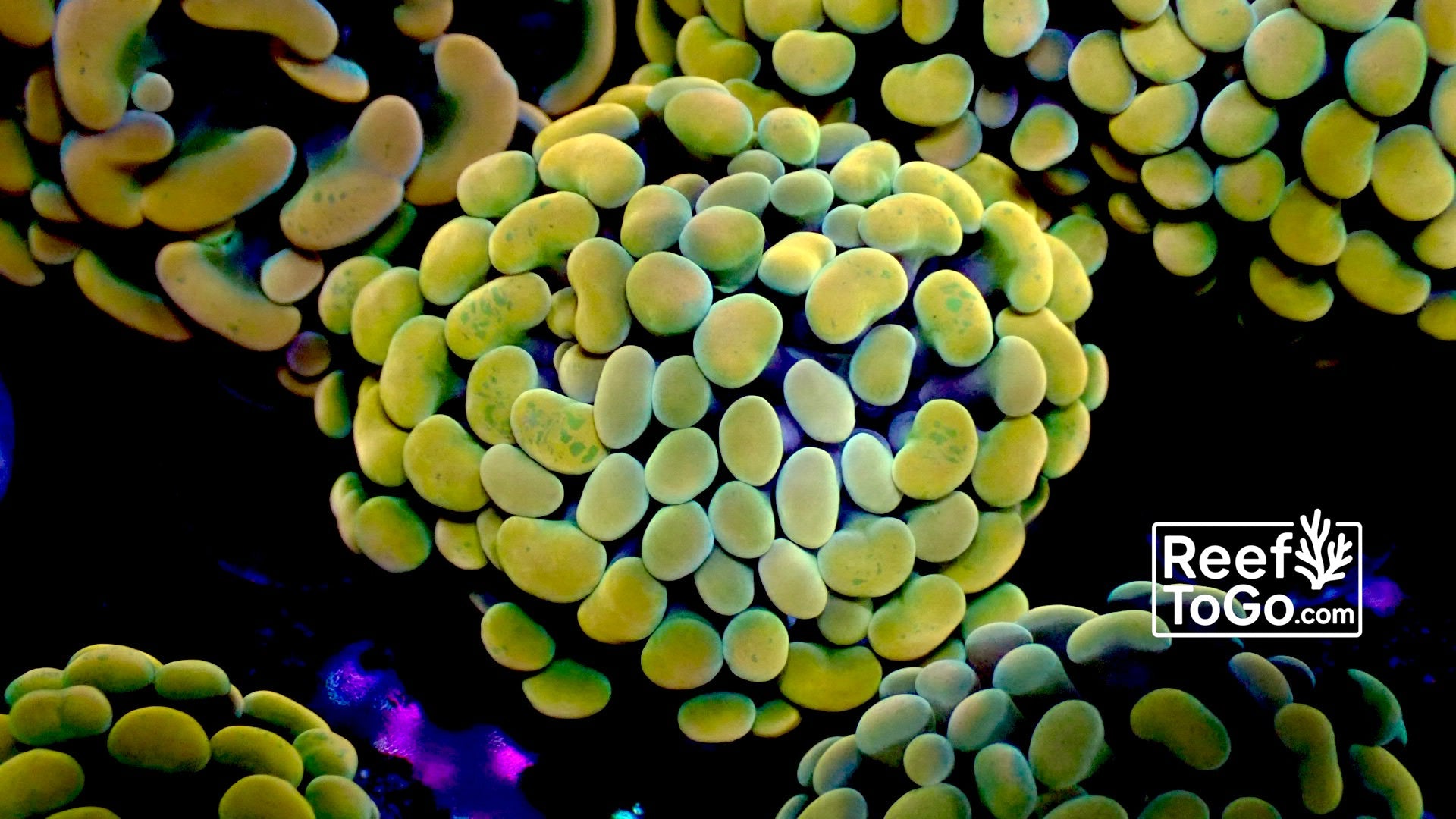
Gold hammer
Fimbriaphyllia paraancora
Same genus
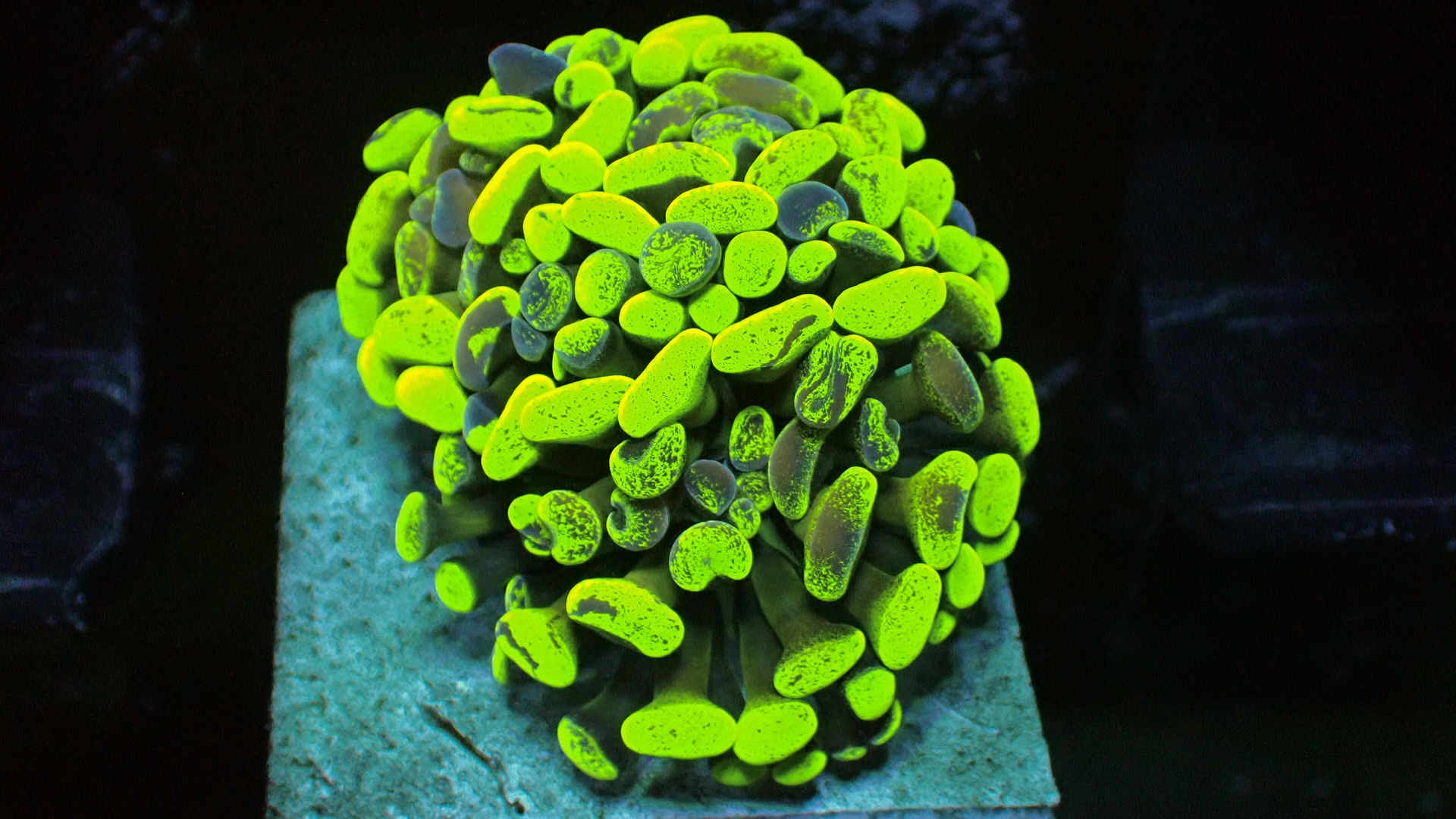
Splatter hammer
Fimbriaphyllia paraancora
Same genus
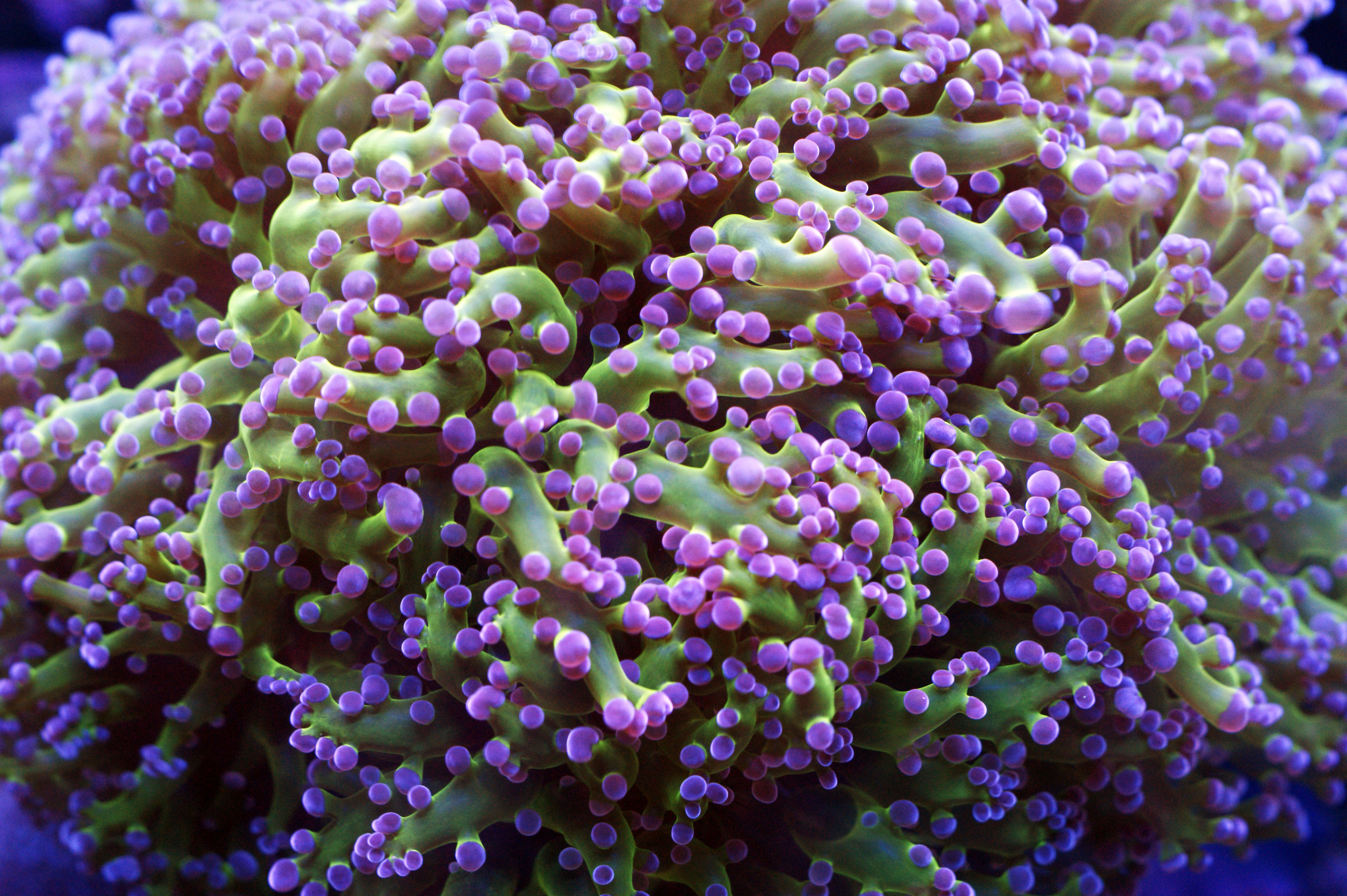
Branching Frogspawn
Fimbriaphyllia paradivisa
Same genus
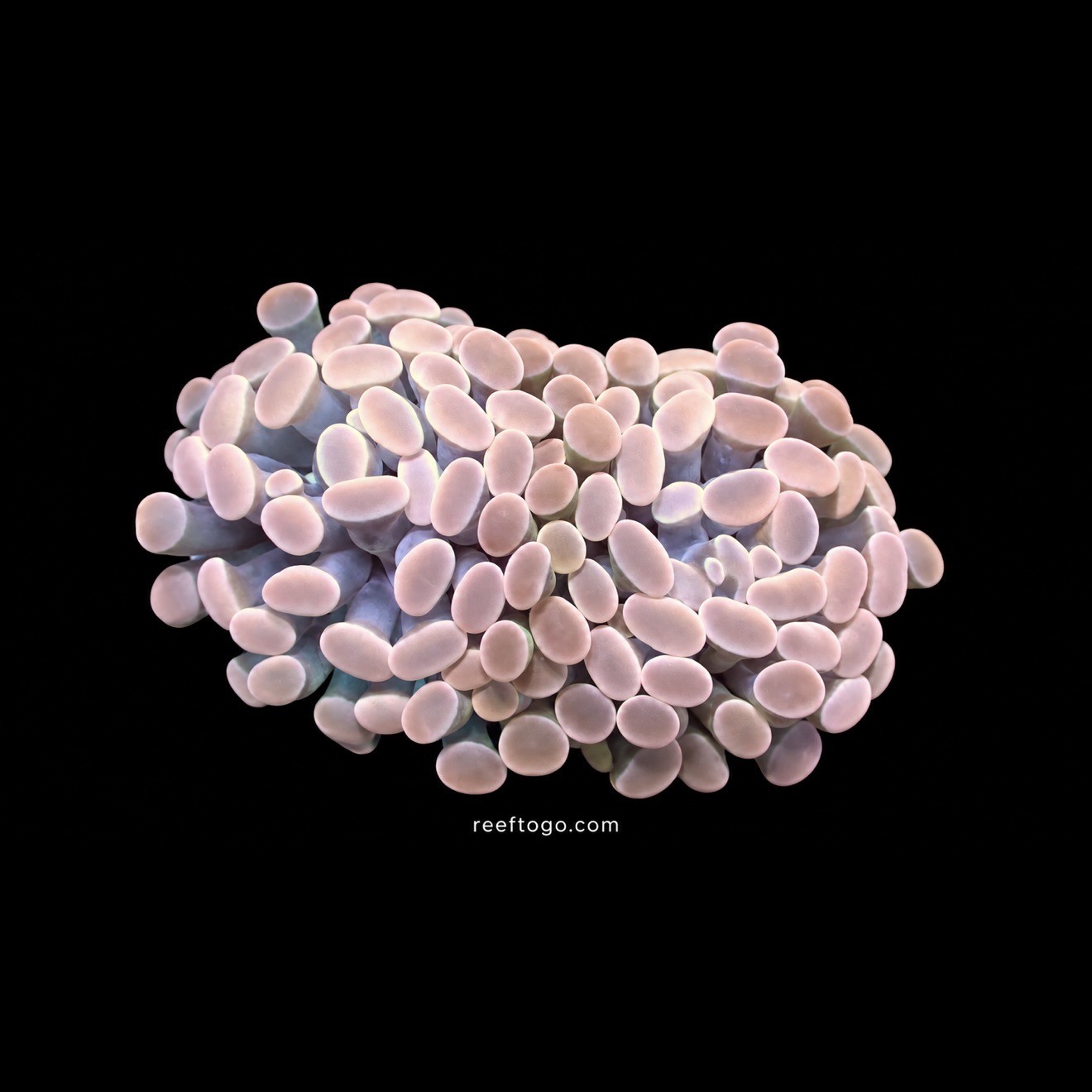
Pink Hammers
Fimbriaphyllia paraancora
Same genus
Willy Wonka Hammer
Fimbriaphyllia paraancora
Same genus
Cloud chaser hammer
Fimbriaphyllia paraancora
Same genus