Favites Brain Coral
Favites pentagona

Josuevg · CC BY-SA 4.0 · source
Care facts
- Care
- Beginner
- Light
- Medium
- Flow
- Low-Medium
- Place
- Low
- Space
- Aggressive
- Origin
- Indo-Pacific
- Growth Rate
- Slow
Gallery
This brain coral builds a honeycomb out of stone. Each cell is home to a tiny animal. The whole colony grows across the rock, one little cup at a time.
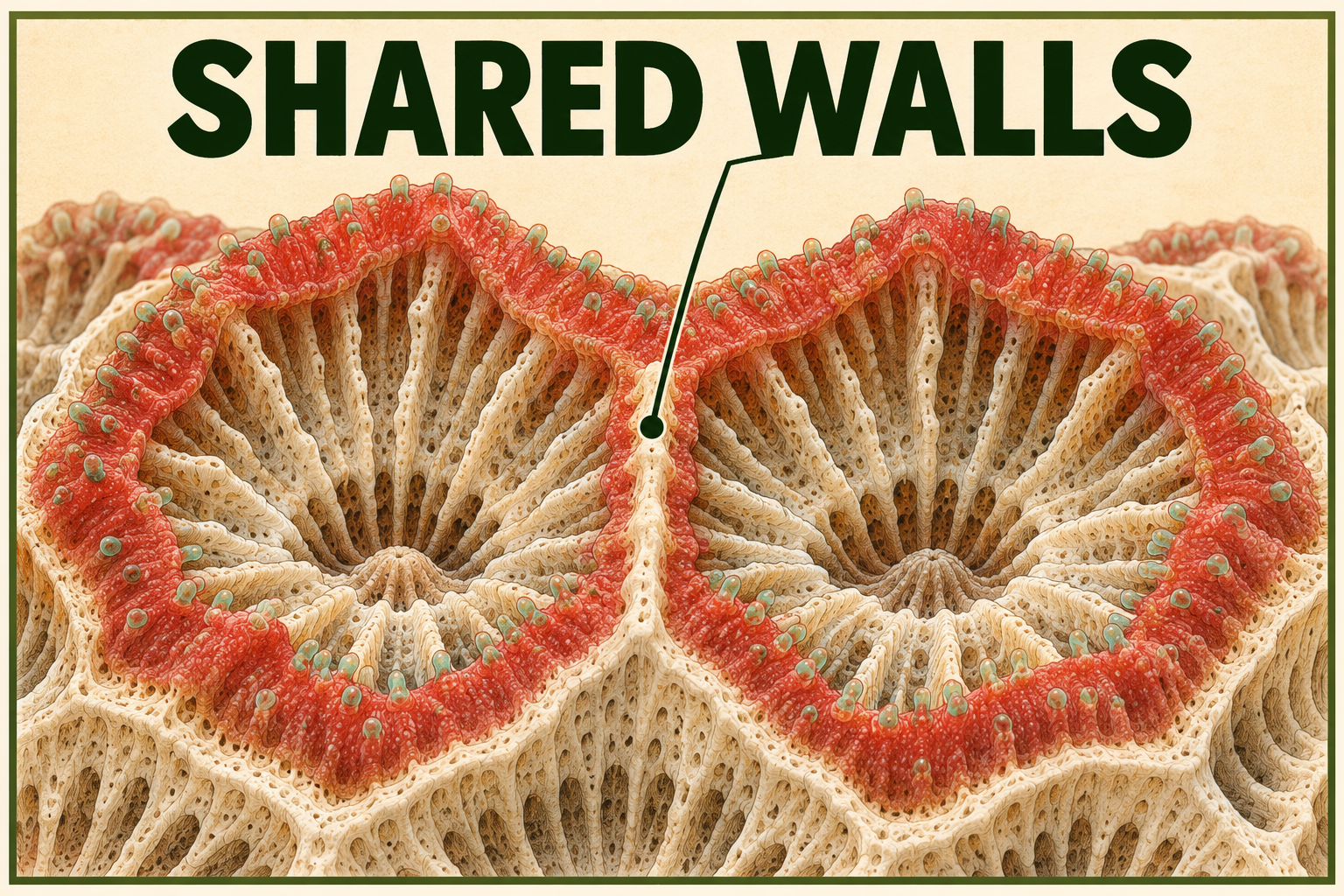
Cups that share walls
1. One wall, two homes. The hard cup that holds a coral polyp is called a corallite. In Favites pentagona, neighboring cups share thin, angular walls.
2. Look inside a cup. Little points stand in a ring around the center. You can see the pattern when the tissue draws in, but don't poke the coral to get a look.
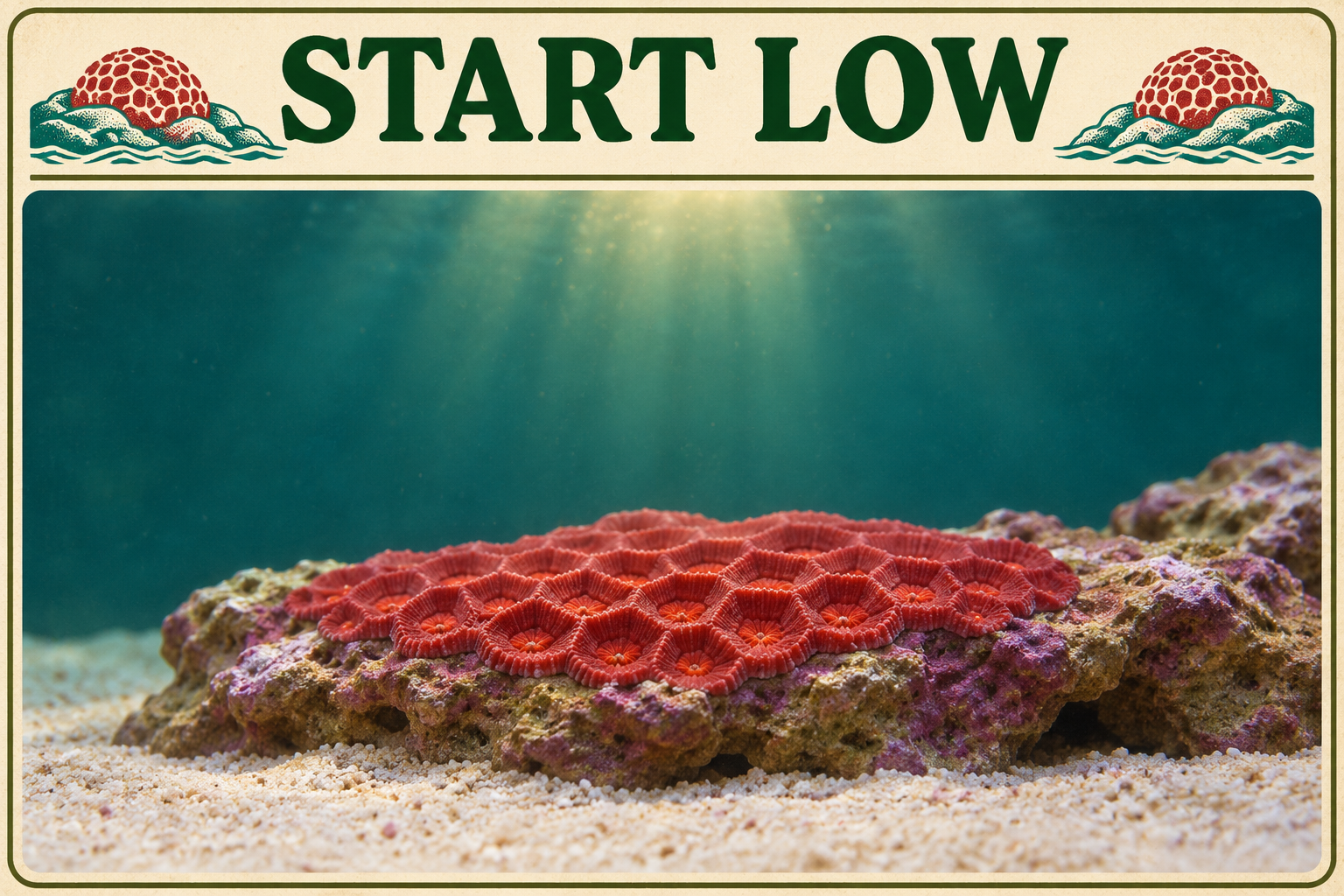
Start with low light
3. Skip the spotlight. Start in low to moderate light and let the coral settle. Make light changes in small steps rather than moving it straight into the brightest spot.
4. Watch the tissue. Check for fading or exposed skeleton. Test the water and look at flow and nearby corals before blaming the lamp.
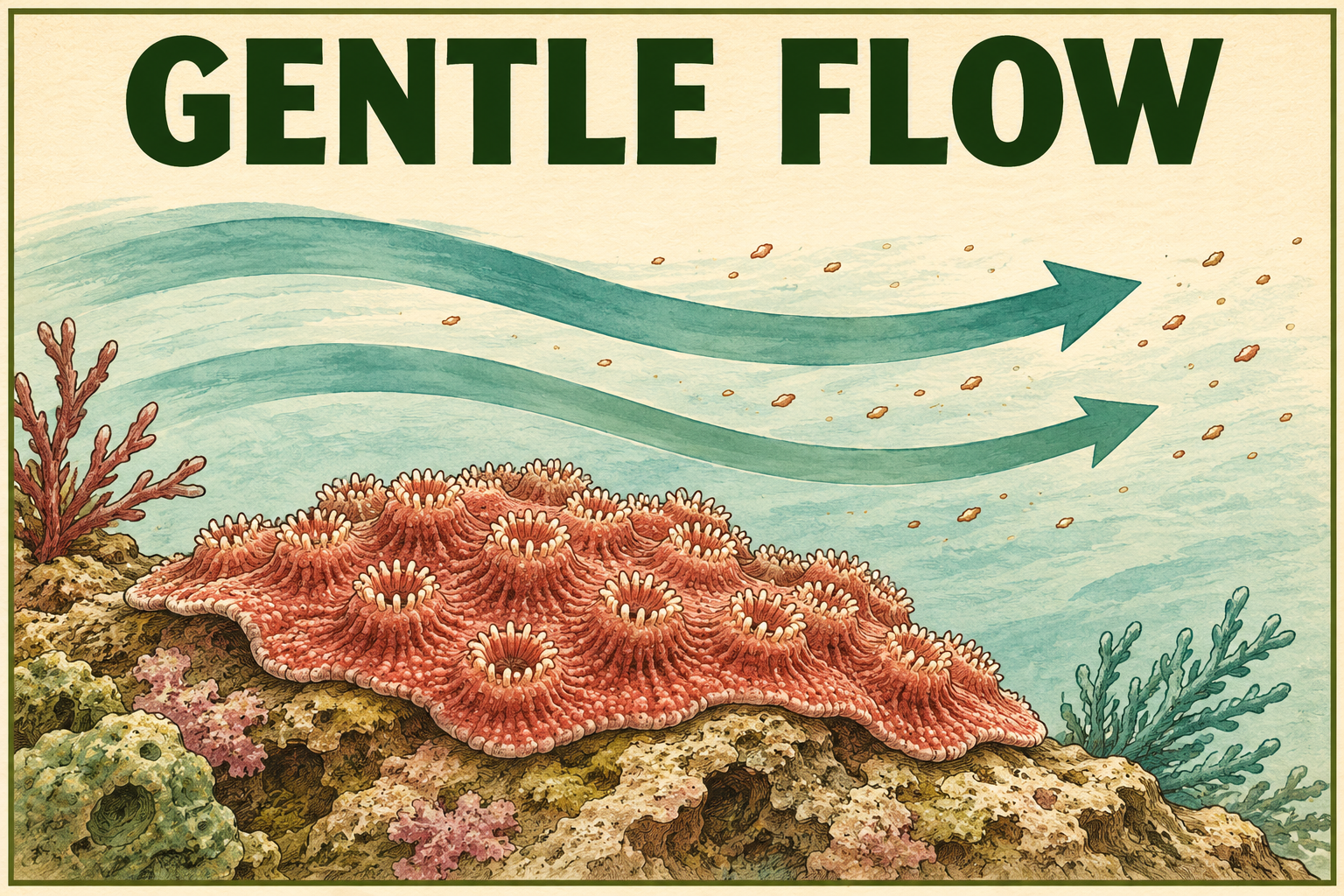
Keep the current gentle
5. Sweep across the colony. Use low to moderate, indirect flow so loose debris doesn't collect between the cups. Don't aim a narrow pump jet at the tissue.
6. Give it a solid seat. Set it on stable lower rockwork with the right light and flow. Keep its living edge clear of loose sand.
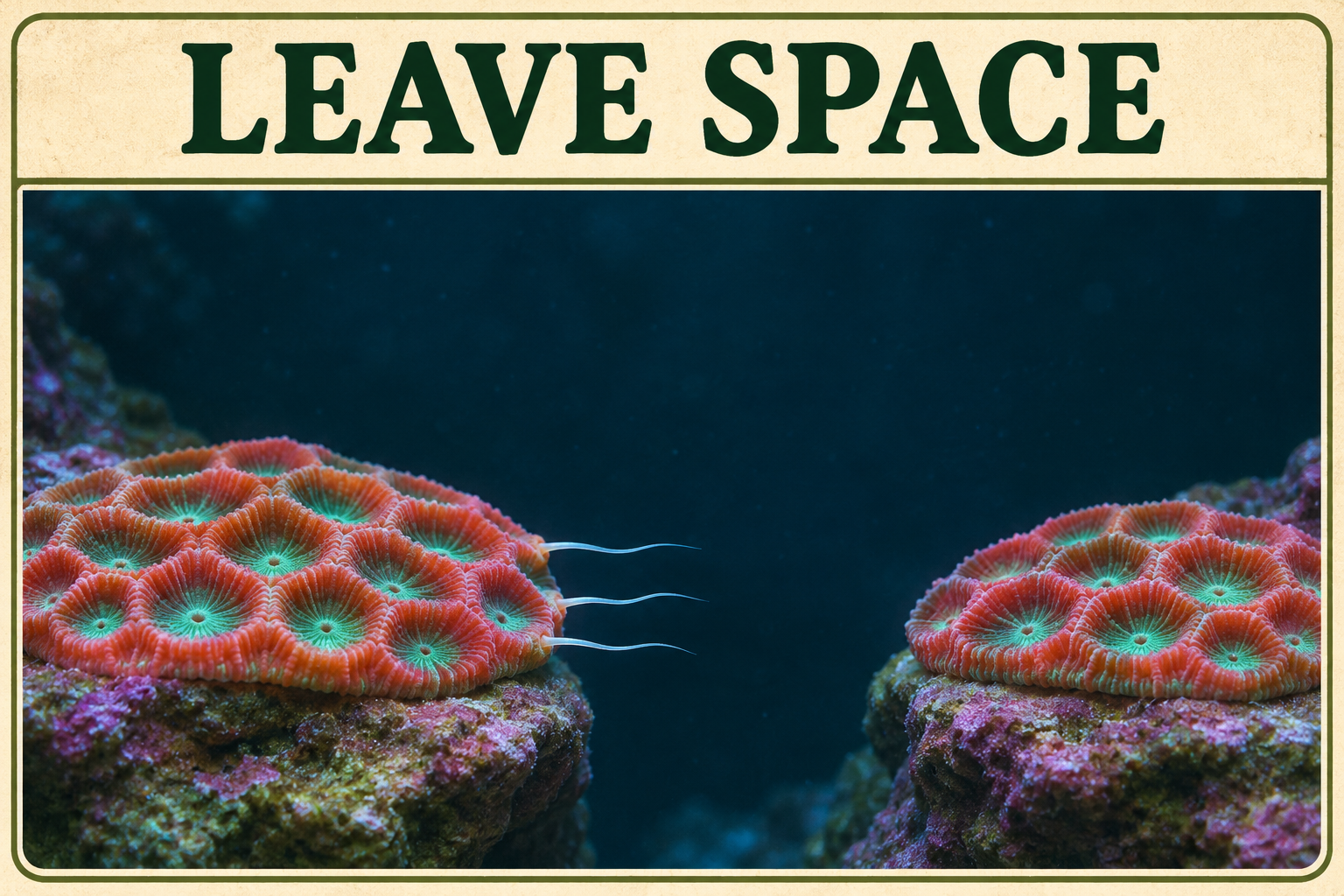
Leave space after dark
7. Meet the night crew. This coral can send out stinging sweeper tentacles that reach past the edge you see in daylight. Check after lights-out before you add a neighbor.
8. Keep the gap open. Leave a generous buffer and check it again as both colonies grow. A gap that looks fine today isn't a guarantee for next month.
Small bites and steady water
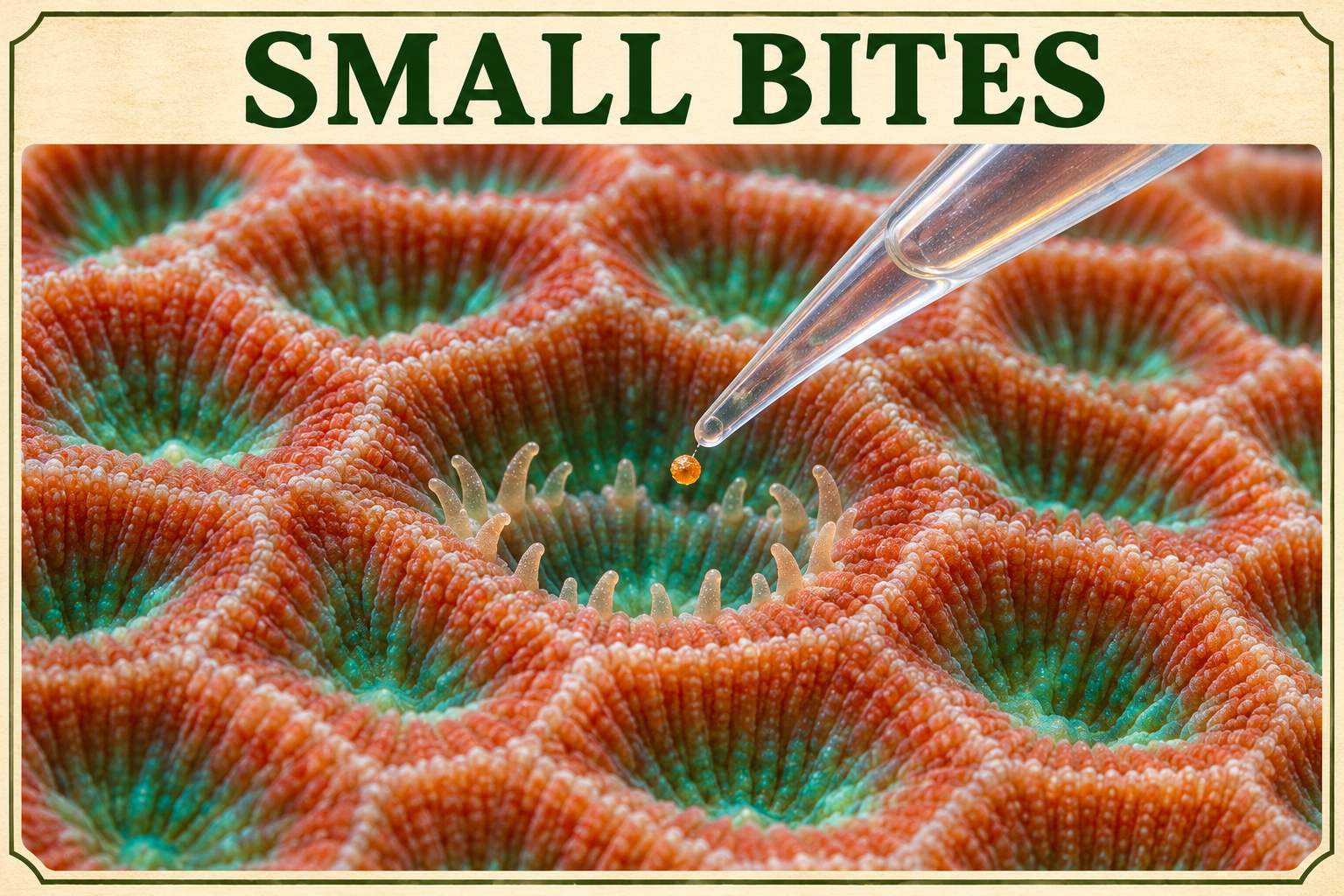
9. Offer a little at a time. If the polyps reach for food, try a small piece of finely chopped meaty coral food. Don't leave uneaten food sitting on the colony.
10. Test before you tweak. Keep salinity and temperature steady. Check alkalinity and calcium, and make small changes based on what you measure.
Field notes — what keepers report
11. Different tanks, different heights. One war coral keeper uses the sandbed or rock just above it. Another keeps several specimens roughly a third to halfway up the rockwork. Light and flow matter more than the shelf number.
12. Slowdowns happen. A keeper reported no growth for months after moving a piece from a tank where it had looked good. These are general war coral trade reports, not verified species trials. Use repeat photos to track your own colony.
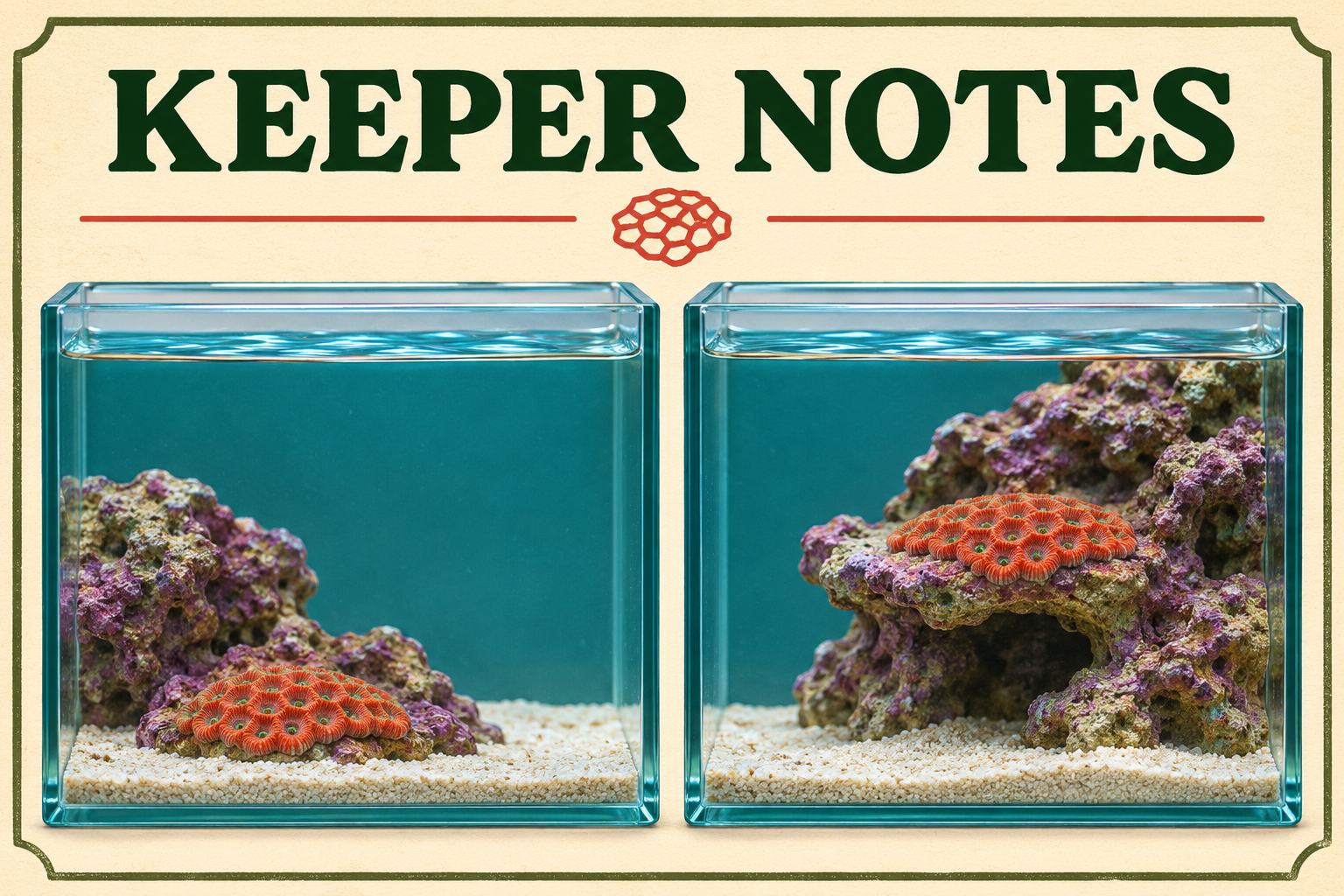
Give this honeycomb a stable base, gentle current and room after dark. Watch the living edge and make small changes as the colony settles.
Field Notes
Related species
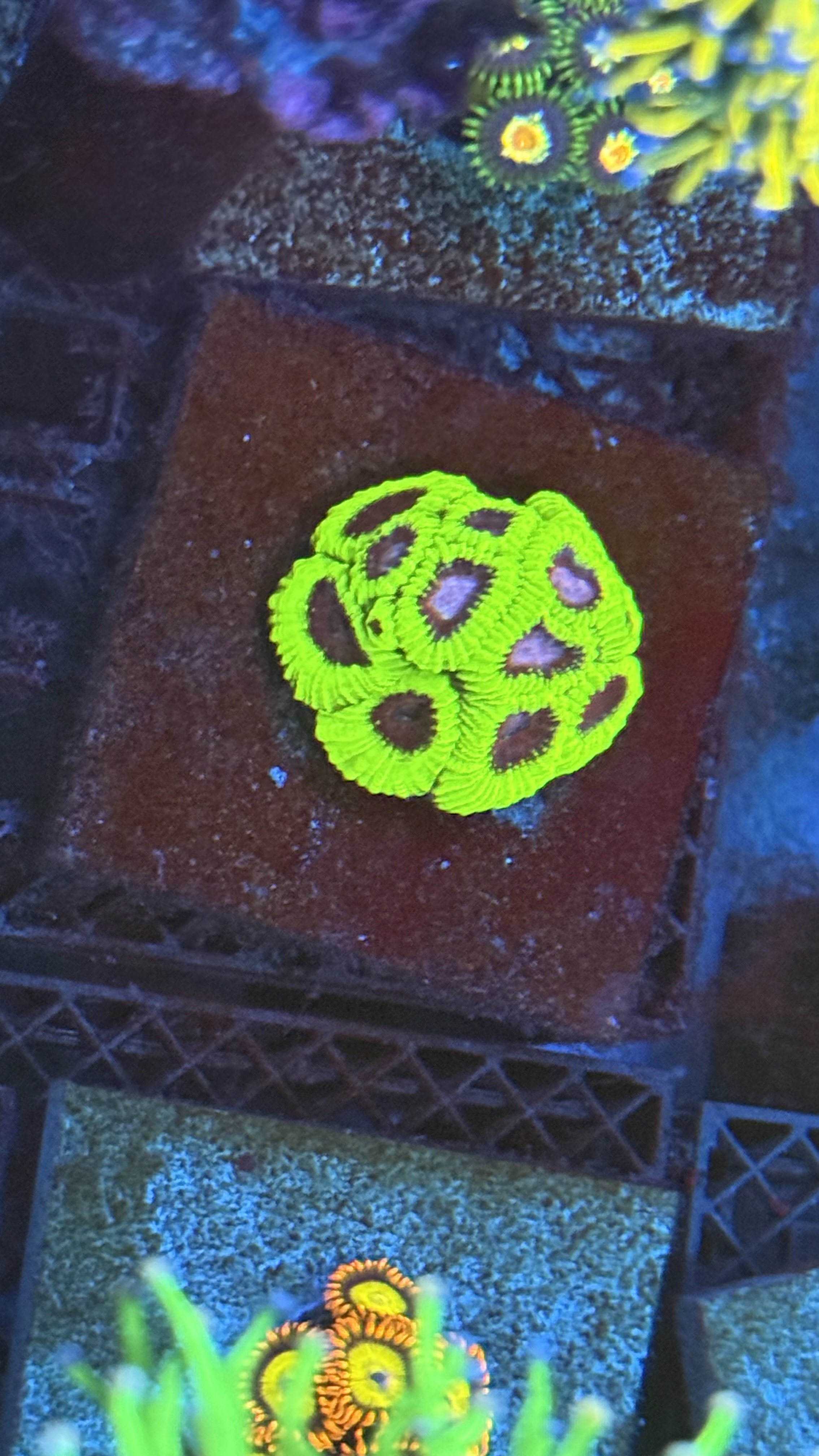
Joker favia
Favites sp
Same genus
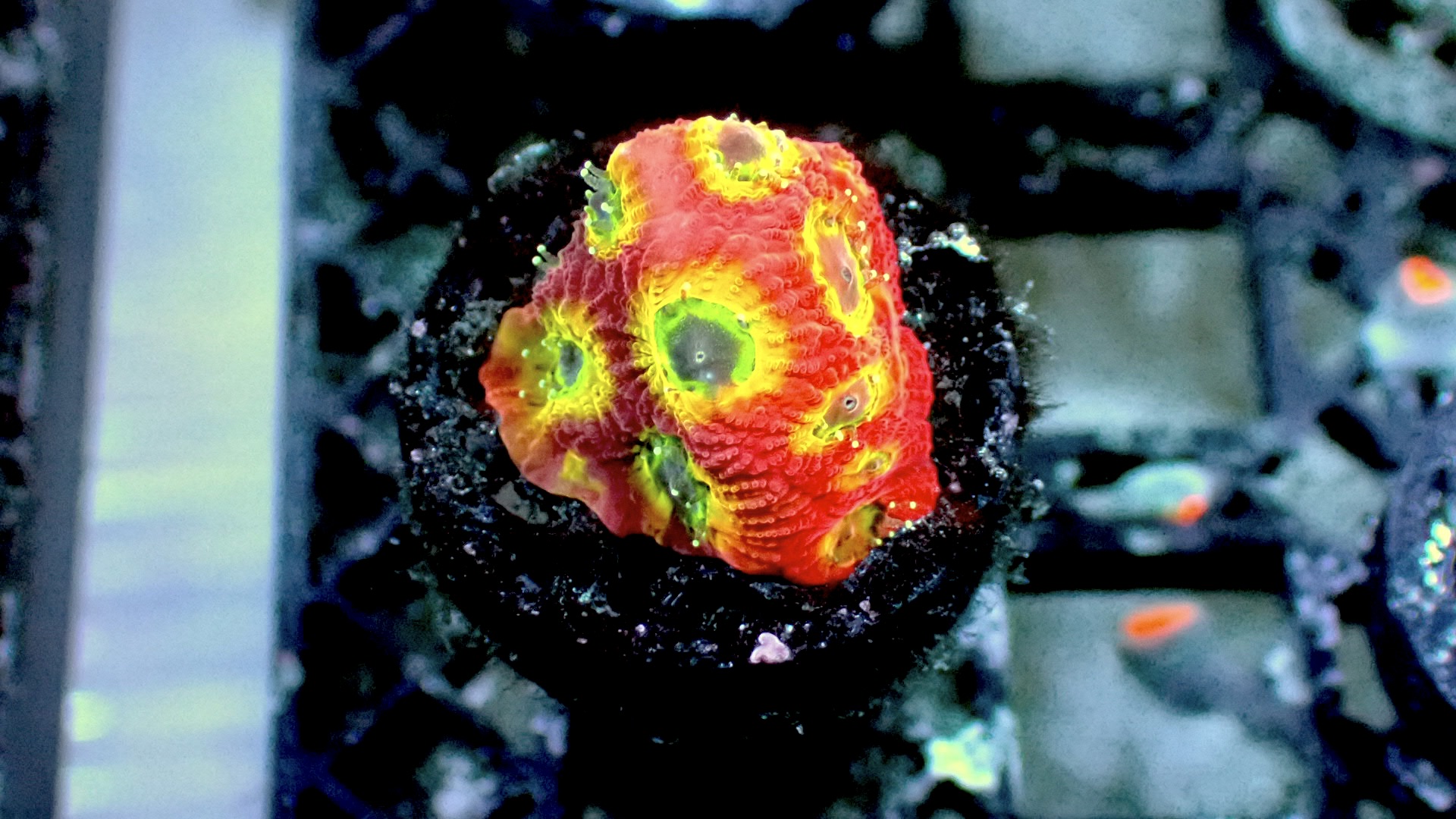
Lemon lime favia
Favites sp
Same genus
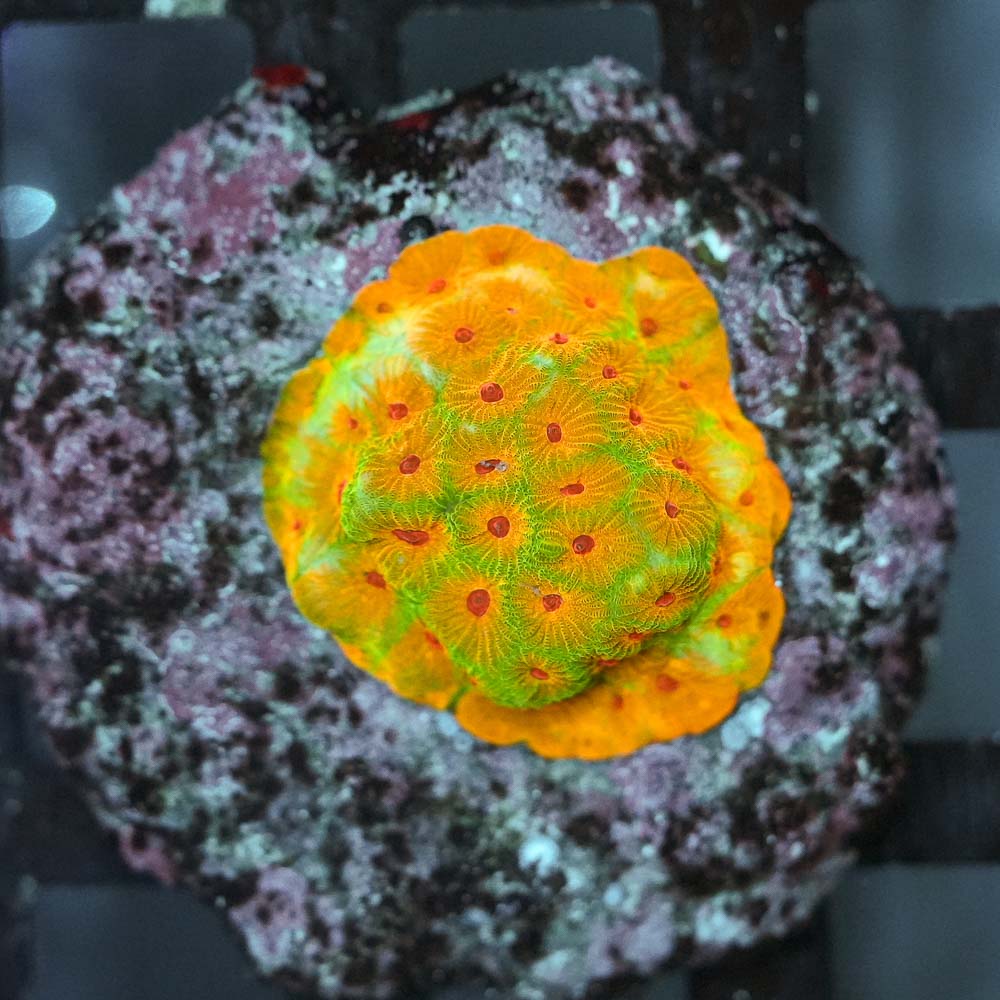
Fascination favia
Favites sp
Same genus
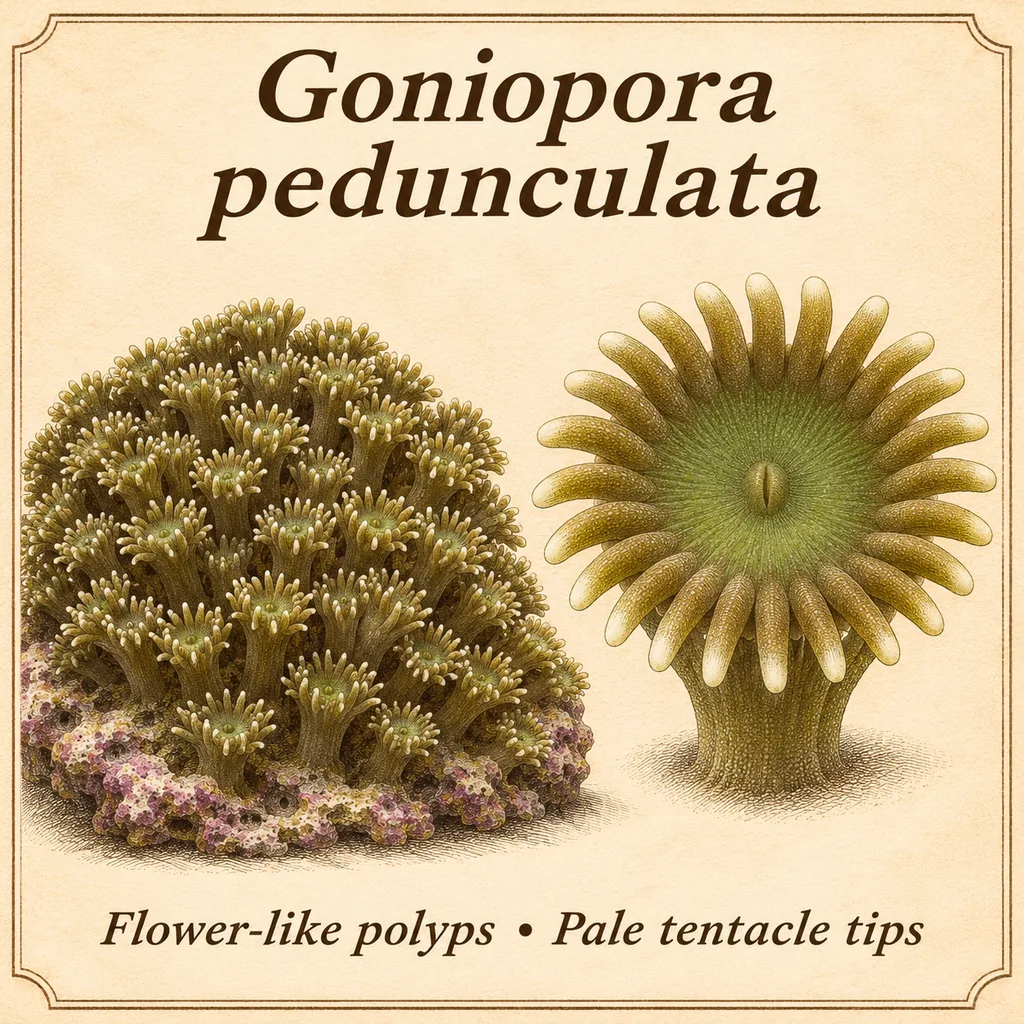
Goniopora pedunculata
Goniopora pedunculata
Similar care · LPS

Lobophyllia Corymbosa
Lobophyllia corymbosa
Similar care · LPS

Alveopora Coral
Alveopora spongiosa
Similar care · LPS
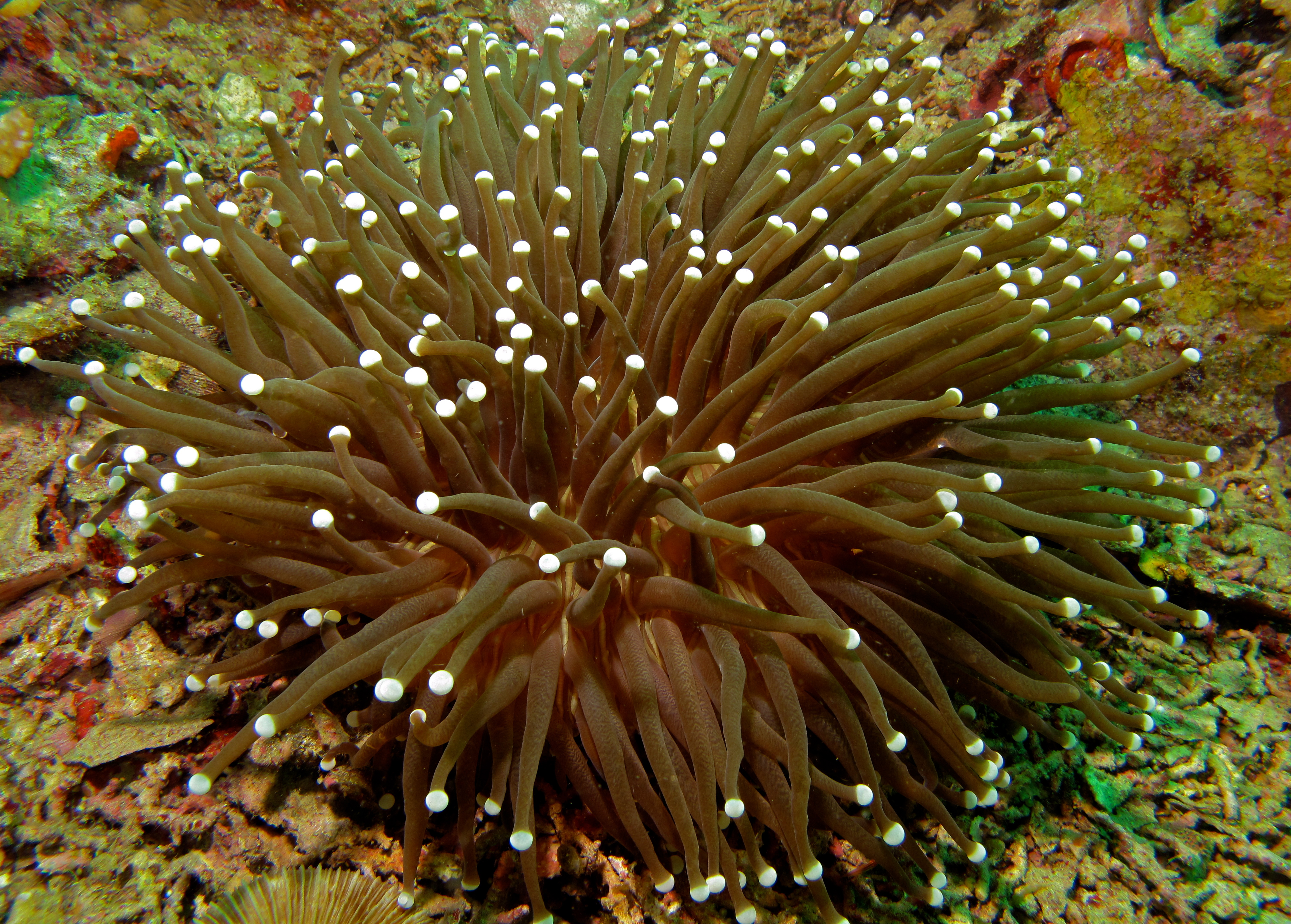
Anemone Coral
Heliofungia actiniformis
Similar care · LPS
Brain Root Coral
Lobophyllia corymbosa
Similar care · LPS