Anemone Coral
Heliofungia actiniformis
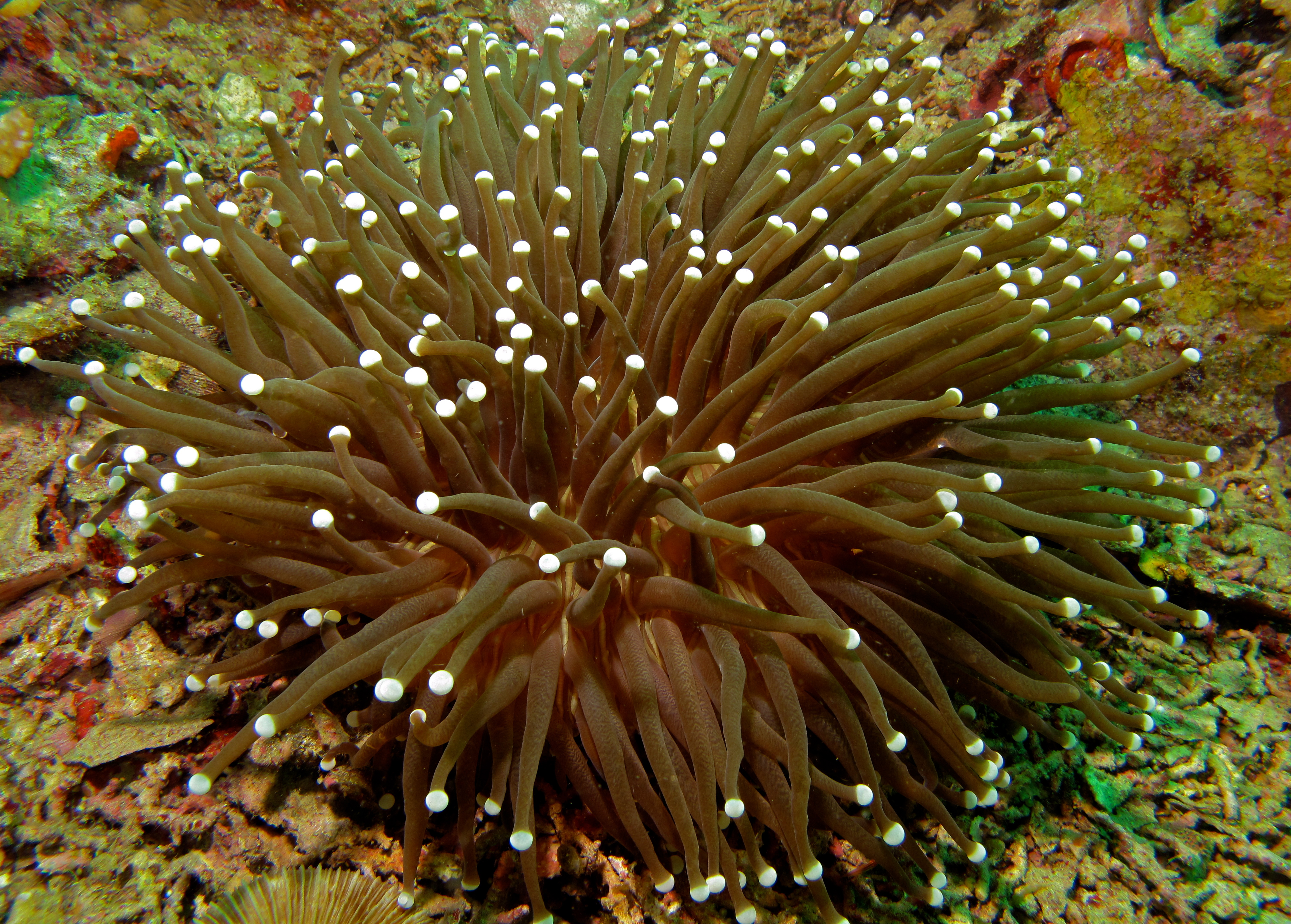
Bernard DUPONT from FRANCE · CC BY-SA 2.0 · source
Care facts
- Care
- Intermediate
- Light
- Medium
- Flow
- Low
- Place
- Bottom
- Space
- Aggressive
- Origin
- Indo-Pacific
- Growth Rate
- Slow
Gallery
One giant polyp. One waving crown. Anemone Coral packs all that movement into a single stony coral! Its long tentacles hide a hard, plate-shaped skeleton. Give this sand-bed showstopper open space and a steady routine.
A whole coral in one polyp
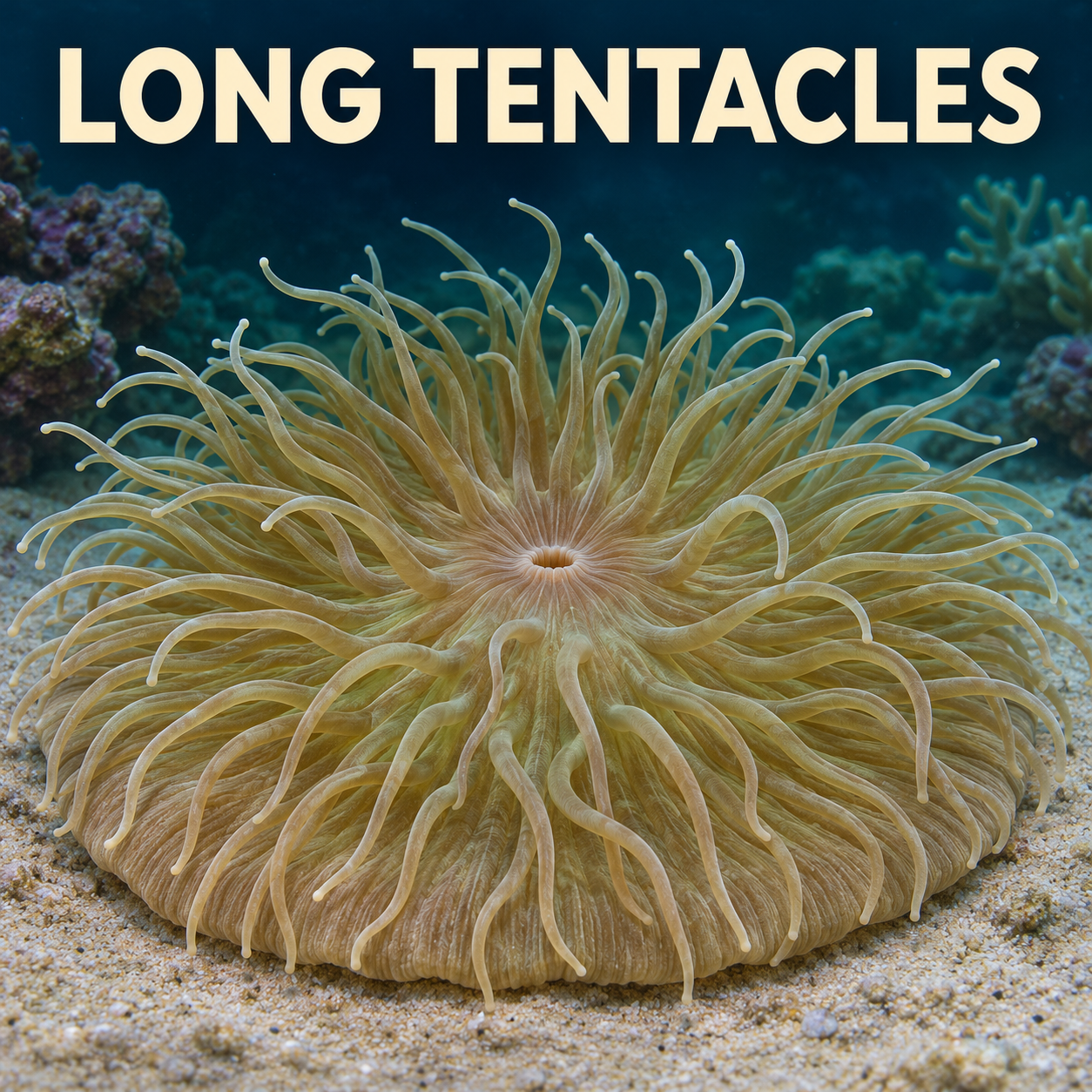
1. Meet the waving plate. This is Heliofungia actiniformis, a free-living coral with one central mouth. Light helps feed the tiny algae living inside its tissue. Its long tentacles also catch food. An adult can shift across the bottom.
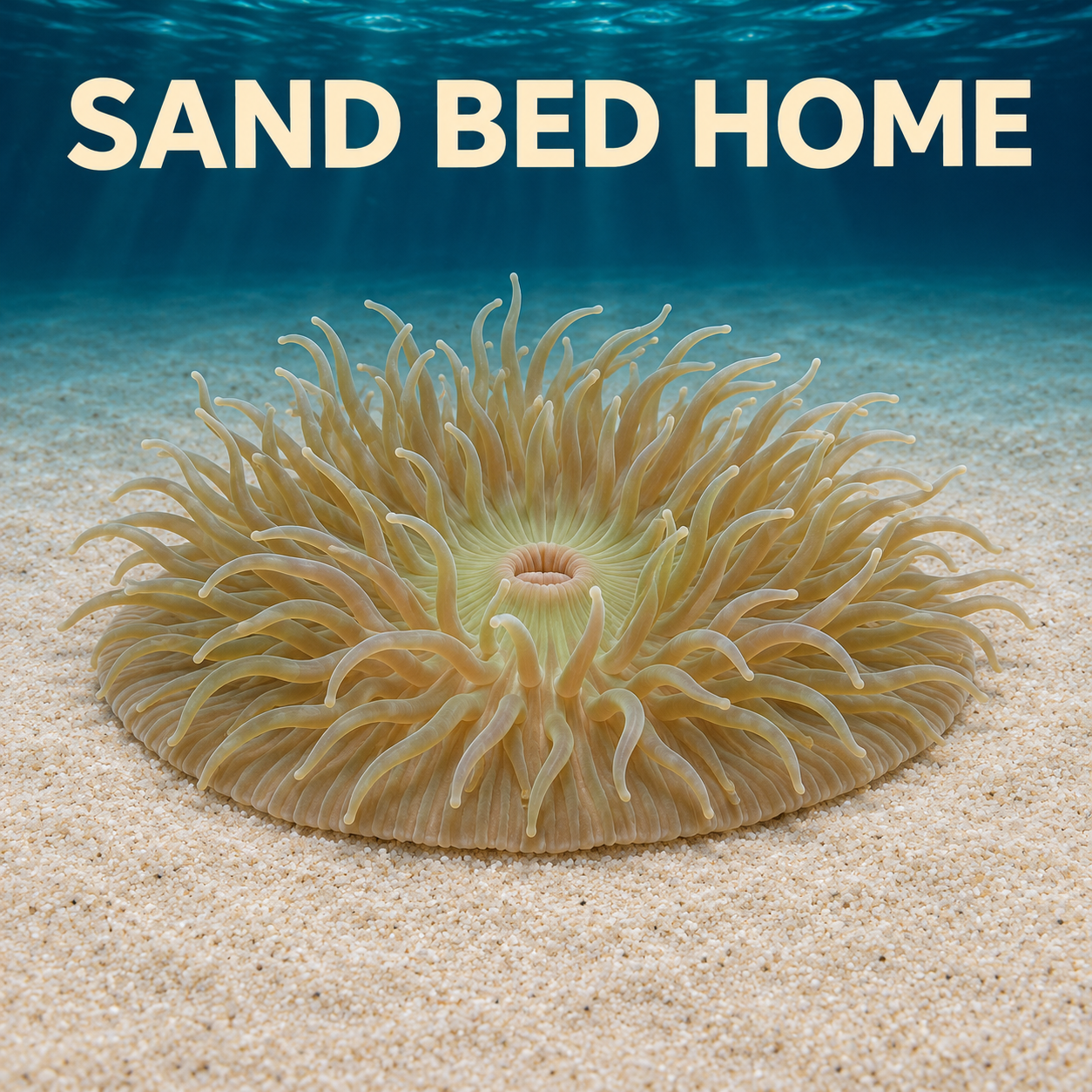
Make room on the sand
2. Give it a clear landing pad. Set it on an open patch of sand at the bottom. Keep its flesh clear of sharp rock and ledges. Leave room beyond the fully stretched tentacles so no other coral touches it. Check that gap as it expands or moves.
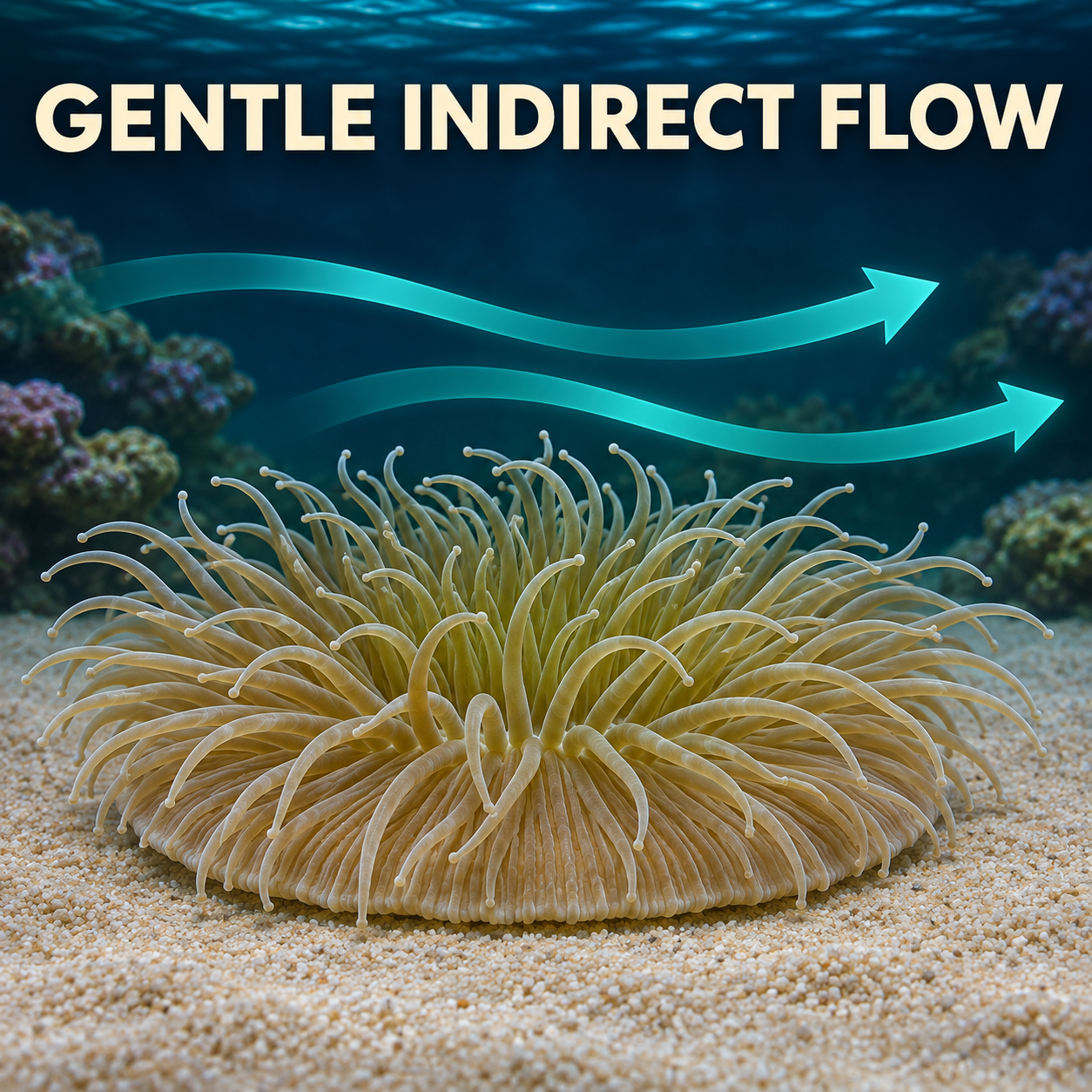
Keep the current gentle
3. Aim for an easy sway. Use gentle, indirect flow that moves the tentacles. Point pump jets away. Keep sand from blowing over the coral. Flattened tentacles or rubbing tissue mean the current needs adjusting.
Settle into the light
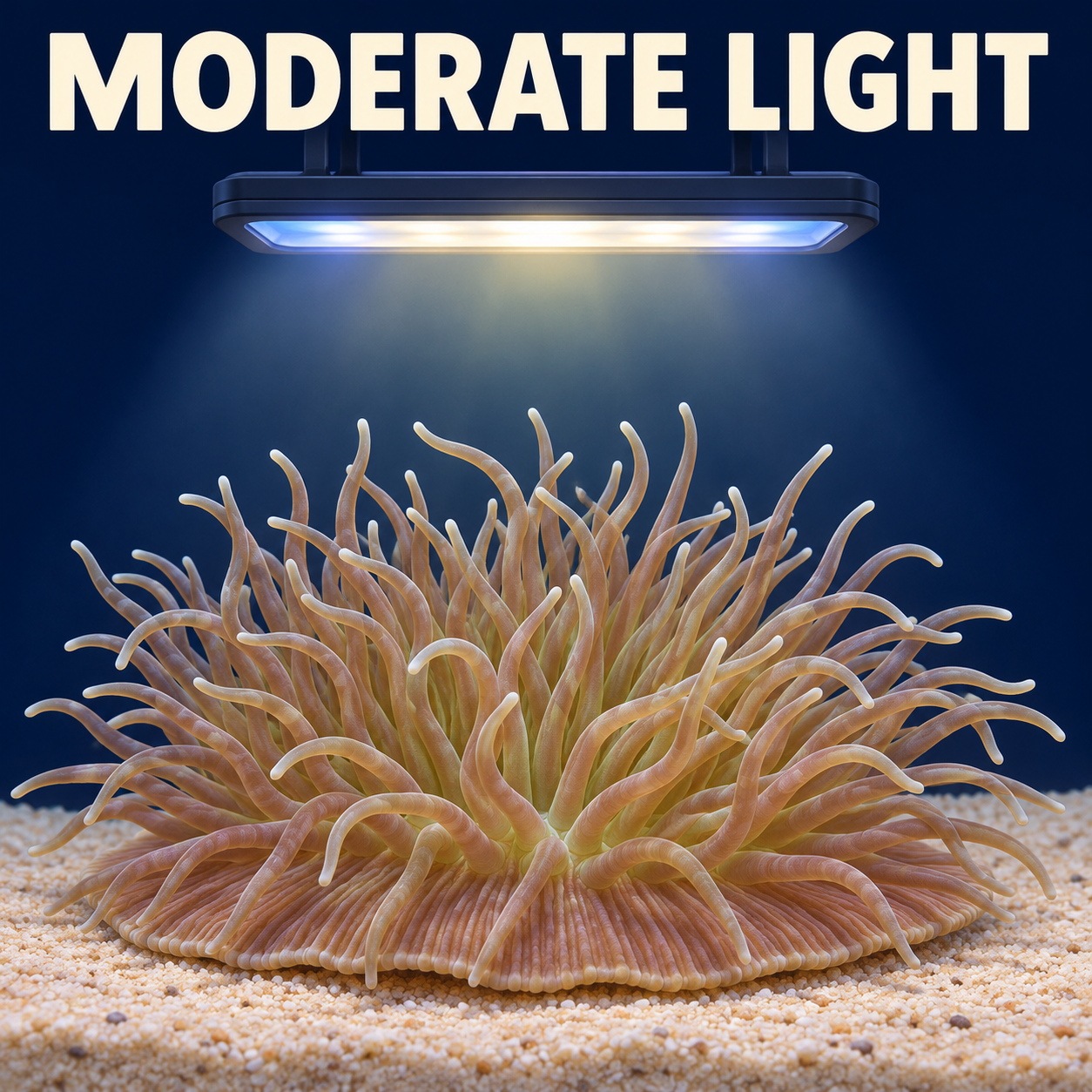
4. Start with moderate light. Keep the lighting steady while the coral settles. Make increases gradually. Watch its tissue and feeding response after each change. Leave room on the sand rather than lifting it onto a risky rock shelf.
Tiny meals, steady water
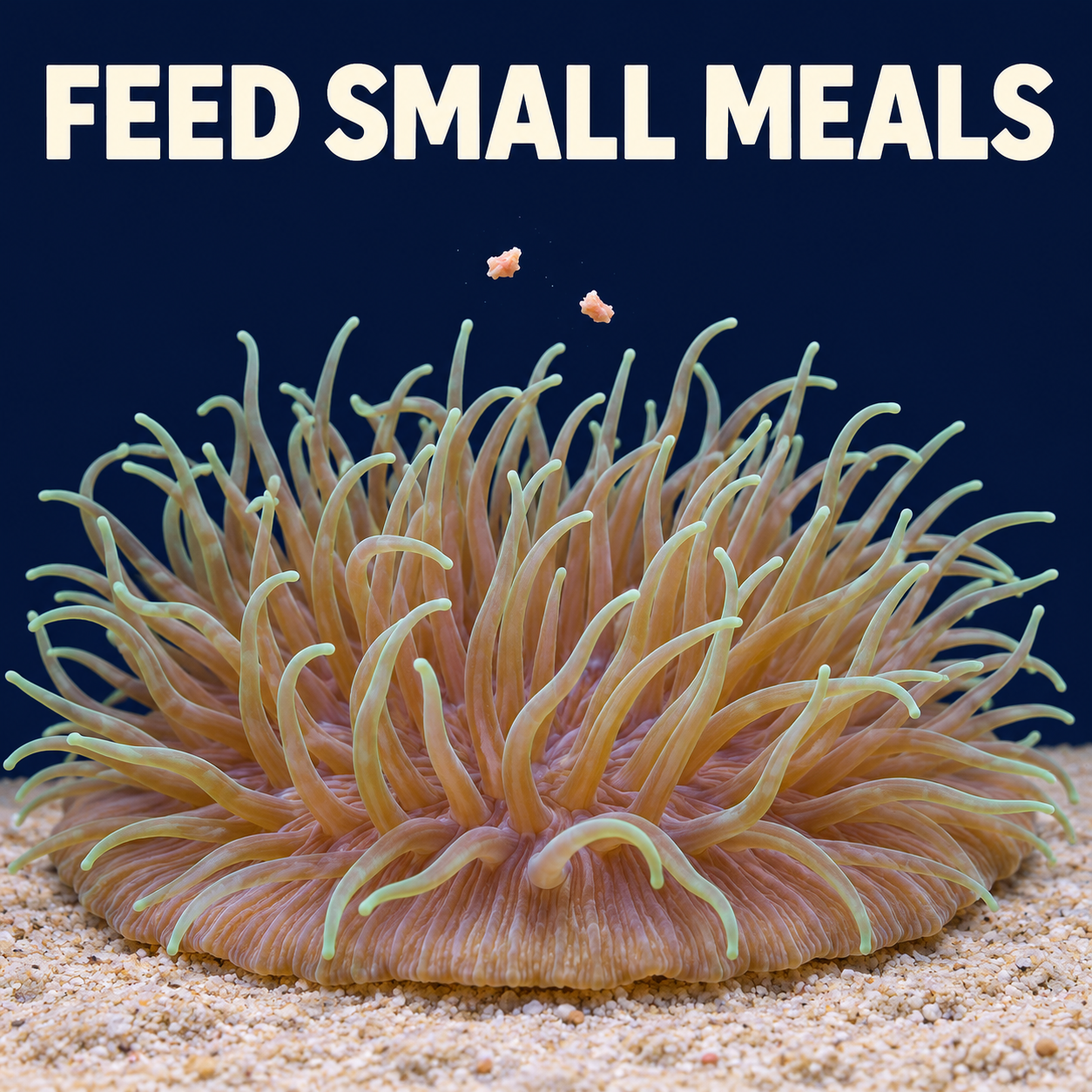
5. Feed the mouth, protect the flesh. Offer small mysis or finely chopped marine food at least weekly. Let the tentacles carry it inward. Keep temperature and salinity steady, and test calcium and alkalinity regularly. Check for tissue pulling away from the skeleton. Keep persistent fish pickers away.
Field notes — what keepers report
6. General Heliofungia experiences. One keeper reported about three years of success with periodic target feeding. Another lost two specimens as their tissue slowly receded. A successful keeper eventually sold a coral that was harming neighbors. These are general species reports, not a history of this photographed animal.
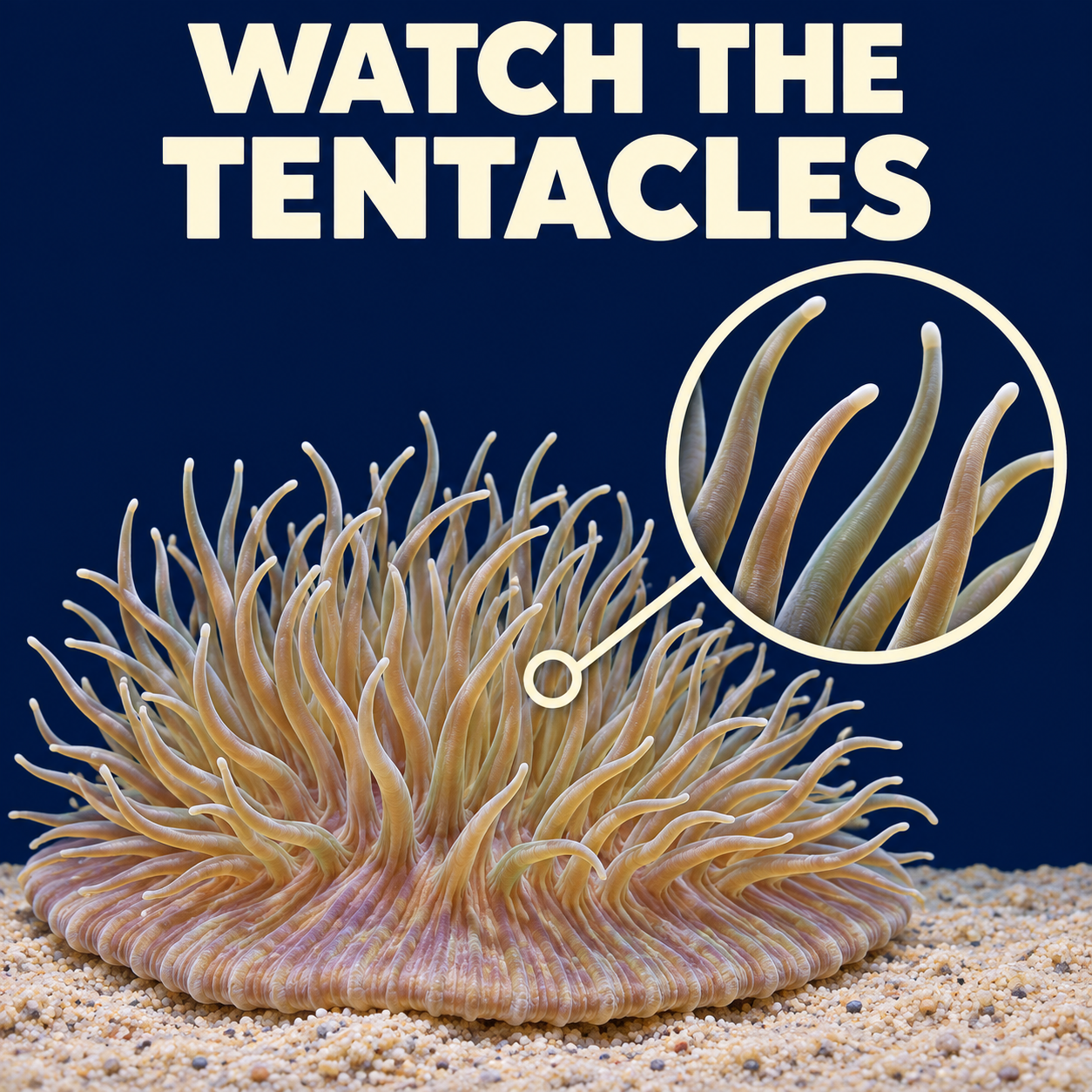
Let the tentacles do the dancing! A clear sand patch, gentle current and regular small meals make this coral easier to watch and care for every day.
Field Notes
Related species
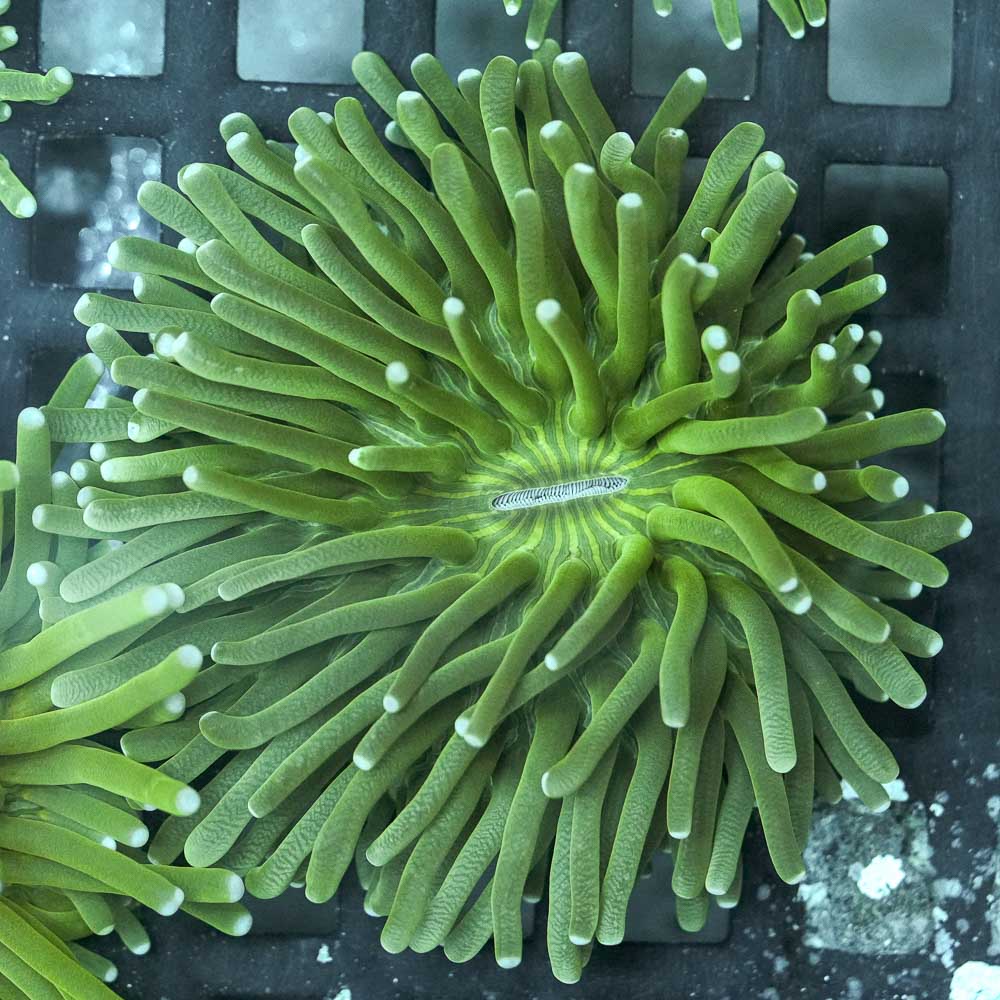
Green long tentacle plate
Heliofungia actiniformis
Same genus

Acanthastrea Echinata
Acanthastrea echinata
Similar care · LPS

Bubble Coral
Plerogyra sinuosa
Similar care · LPS
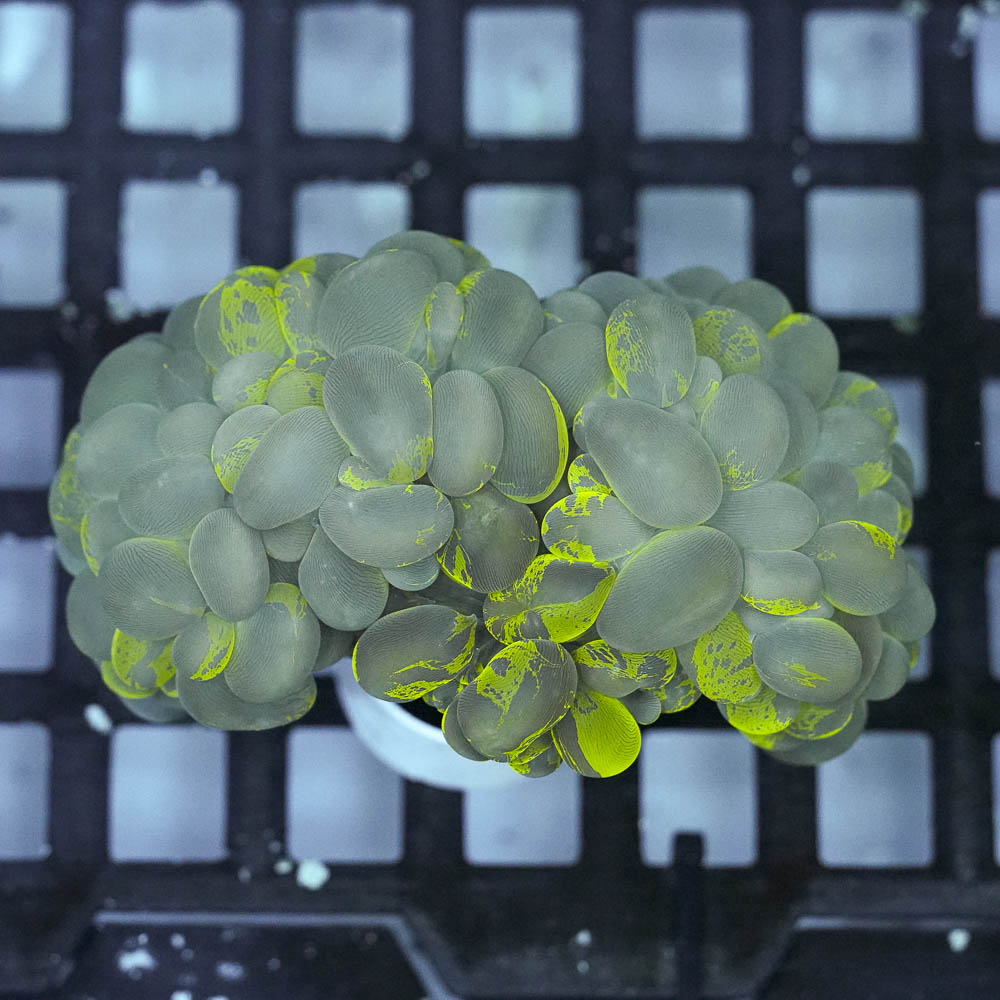
Cat’s eye bubble coral
Plerogyra sinuosa
Similar care · LPS

Echinophyllia Chalice
Echinophyllia tarae
Similar care · LPS
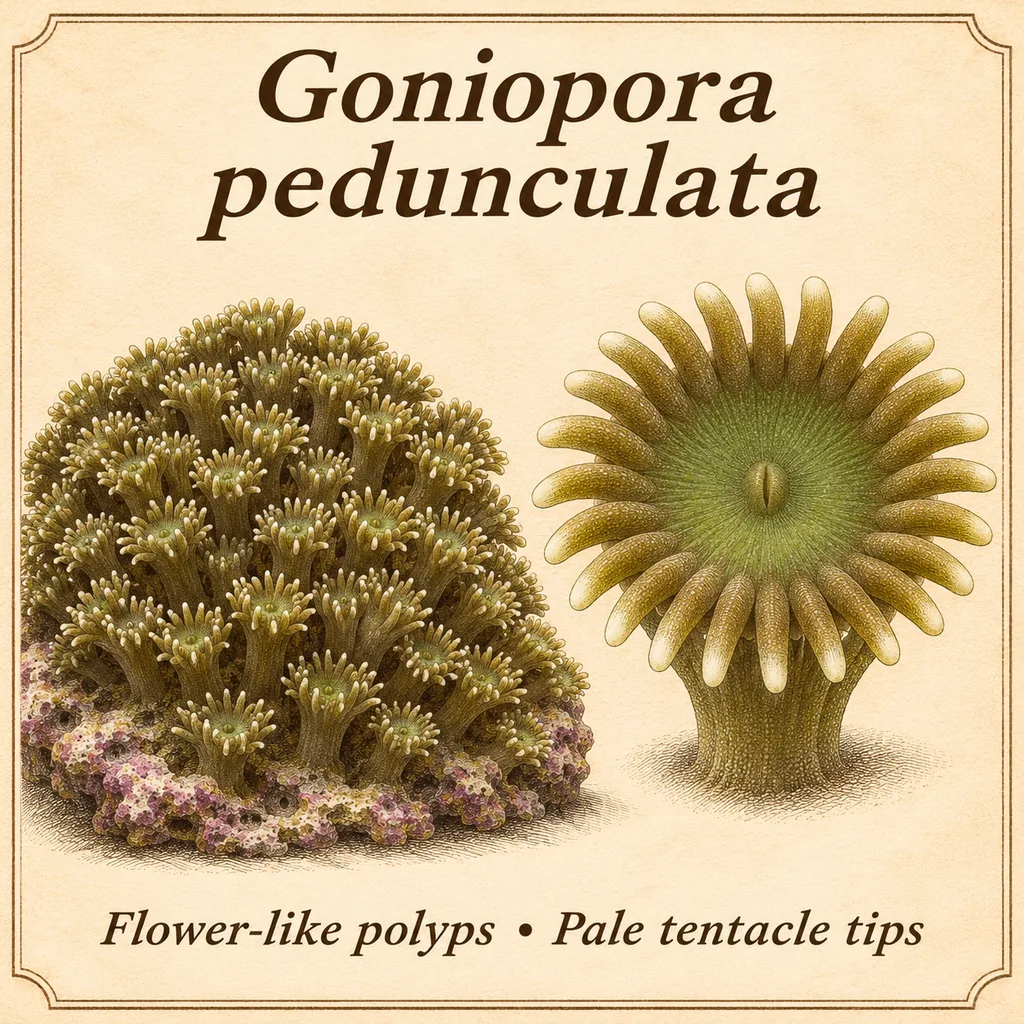
Goniopora pedunculata
Goniopora pedunculata
Similar care · LPS

Lobophyllia Corymbosa
Lobophyllia corymbosa
Similar care · LPS

Pearl Bubble Coral
Physogyra lichtensteini
Similar care · LPS