Gallery
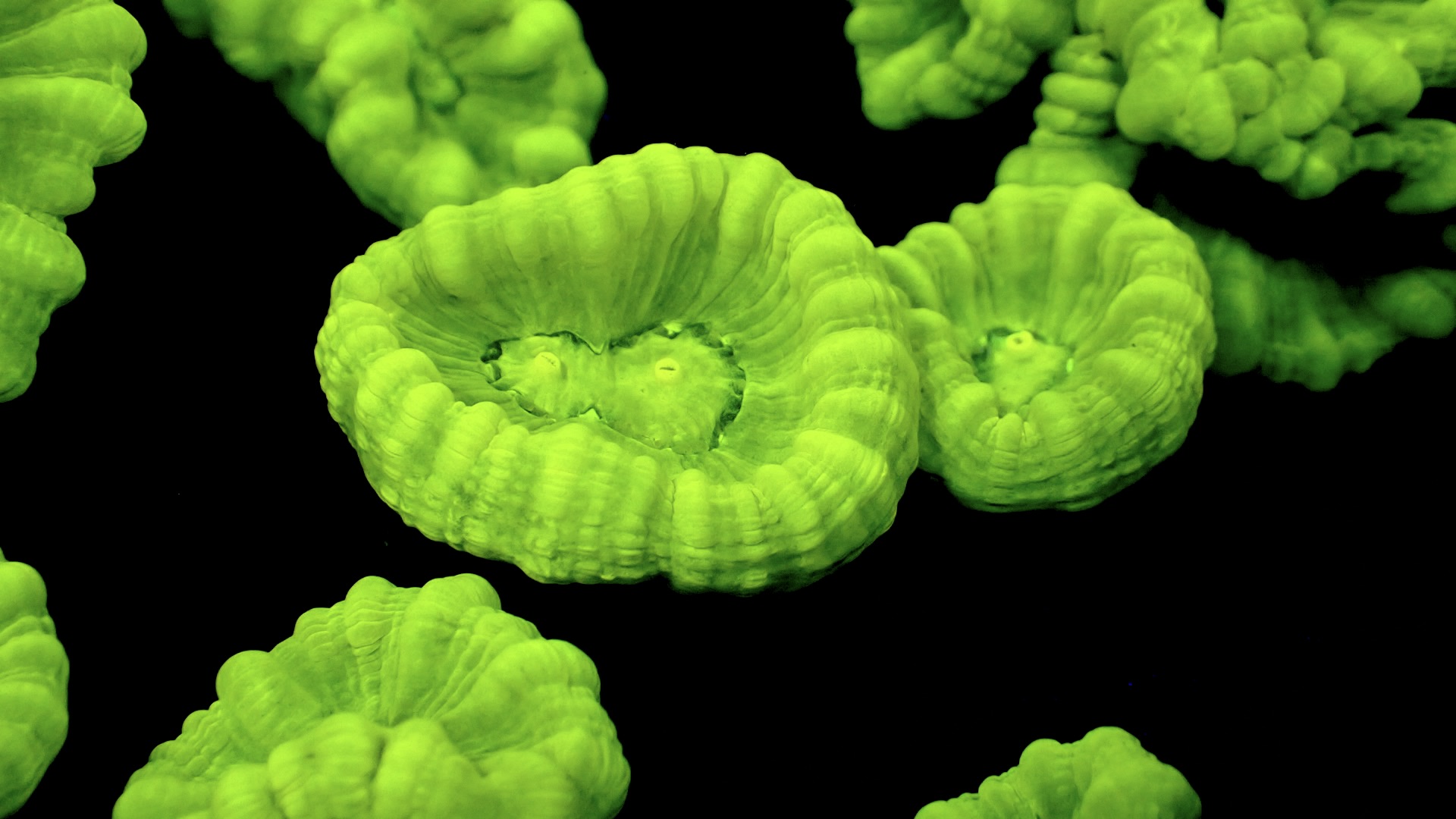
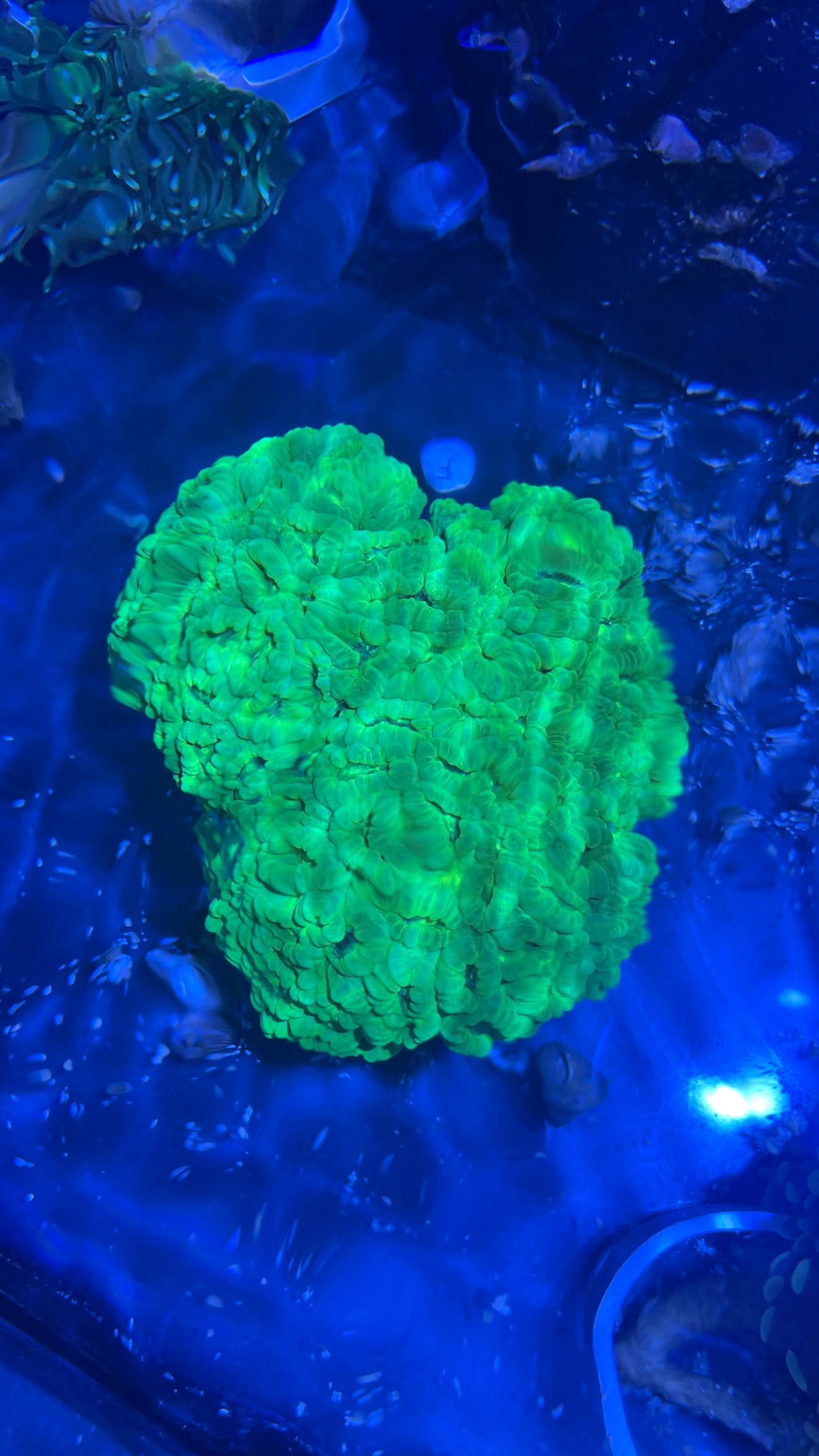
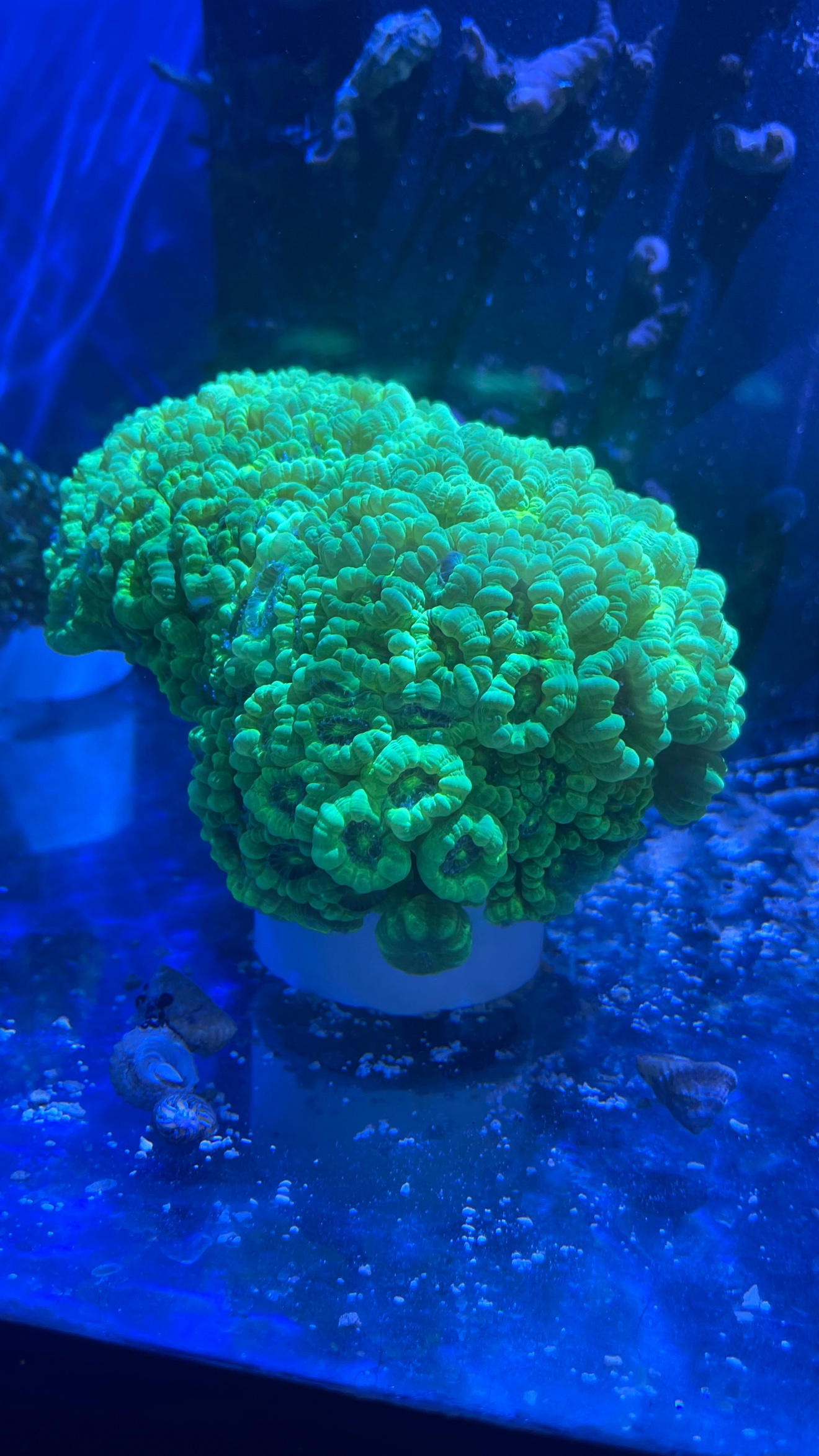
Kryptonite candy cane is a bright green form of candy cane coral, listed as Caulastrea sp. Candy canes grow branching stalks topped with round, fleshy heads. Each head has a mouth at the center and short feeding tentacles that appear mainly after lights dim. The kryptonite name comes from the vivid neon green tissue that glows strongly under blue light when the heads are inflated and healthy.
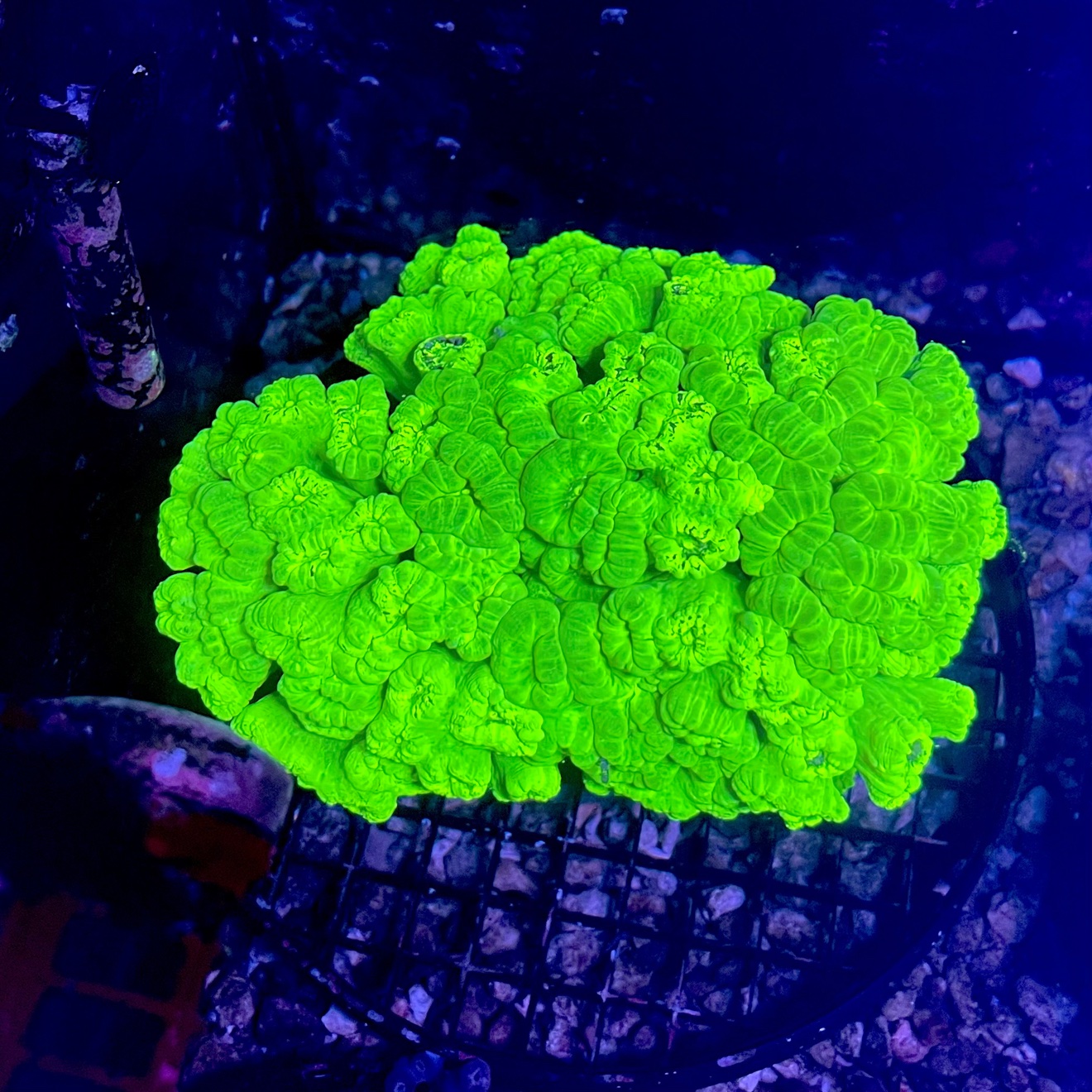
The entry lists beginner care, low light, low flow, middle placement, moderate aggression, and moderate growth. That makes this a forgiving first LPS for many tanks. Place it in the middle of the rockwork to start, with the stalks secure so heads face upward. Low to moderate light keeps the green saturated. Acclimate slowly if moving it higher, because a sudden jump in light can pale the tissue and shrink the heads for days.
Low flow suits the fleshy heads. A gentle sway is enough. Strong direct flow presses tissue against the sharp skeleton rim inside each head and can cause recession at the edge. Still corners collect detritus between stalks, so aim for calm movement that still clears waste. A settled colony inflates well beyond the skeleton in the morning and holds that fullness through the day.
At night the feeding tentacles extend and can sting close neighbors. The moderate rating earns respect in a crowded tank. Leave a few inches around the colony, measured from the inflated heads rather than the stalks. Keep it away from stronger LPS sweepers that can reach it first. Its own growth also needs room upward and outward as heads split and stalks branch.
Feeding speeds growth in a visible way. Offer small meaty food or LPS pellets to the heads once or twice a week after tentacles appear, with flow lowered for a short window. Each head feeds on its own, so spread food across the colony rather than loading one head. Light still supplies much of its energy, and overfeeding a small colony only fouls the base.
Growth is moderate. A healthy head plumps, then pinches at the center as it splits into two heads, and the stalk below lengthens over time. Stable calcium, alkalinity, and magnesium support that skeleton building. Tissue recession that exposes white skeleton, heads that stop inflating, or color fading across the whole colony usually trace back to light shock, harsh flow, or a chemistry swing.
Common pitfalls are mounting the frag loosely so it tips into the sand, placing it under a ledge where it gets no light at all, and feeding large pieces the heads cannot take in. Secure the stalk, start low and calm, and let daily inflation guide small adjustments.
Field notes — what keepers report
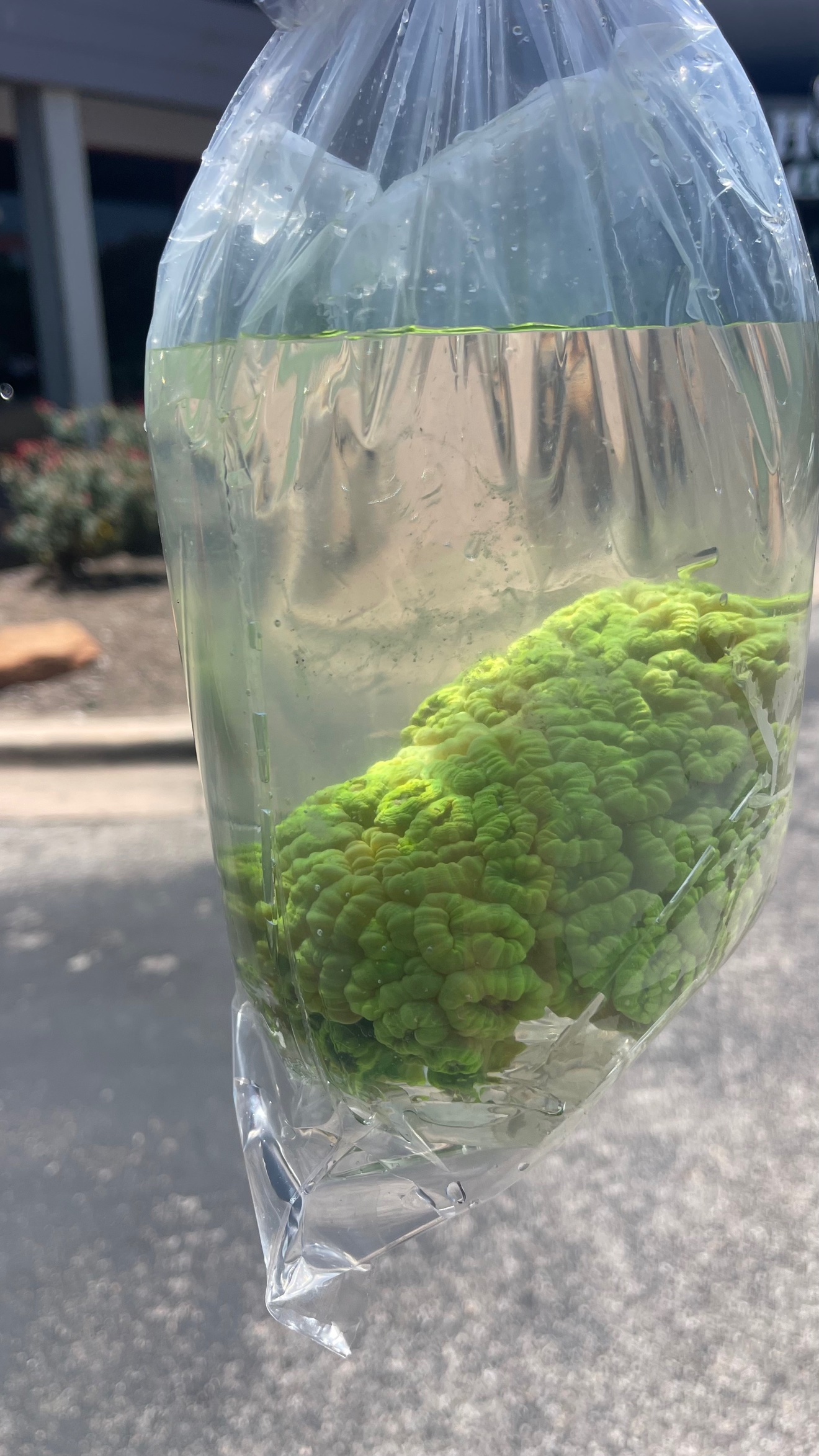
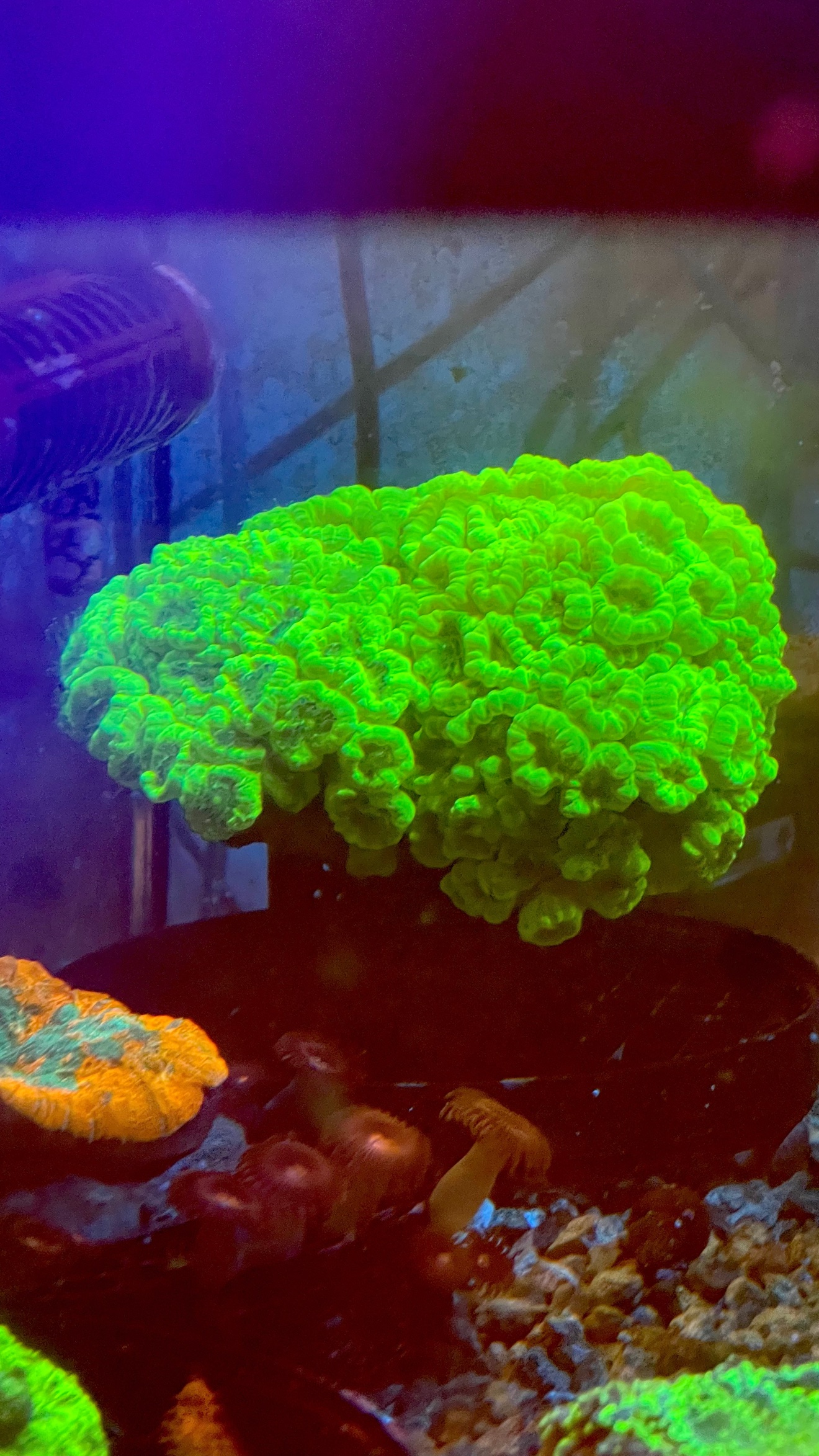
- Keepers widely describe this coral as a good early indicator. Reports say heads inflate fully in a settled tank and pull in early when flow turns harsh or chemistry drifts, which makes the colony a useful daily visual check alongside test results.
- Color reports vary with light level. Keepers under blue-heavy light describe an intense neon glow, while keepers under whiter or lower light describe a softer green. Reports from keepers who moved the coral higher too fast describe paling that reversed after a return to gentler light over the following weeks.
- Growth reports split on feeding. Keepers who target-feed describe faster head splits, while keepers who rely on light and broadcast feeding describe slower but steady growth with full, healthy tissue. Both approaches get described as successful when placement stays calm and stable.
Field Notes
Related species
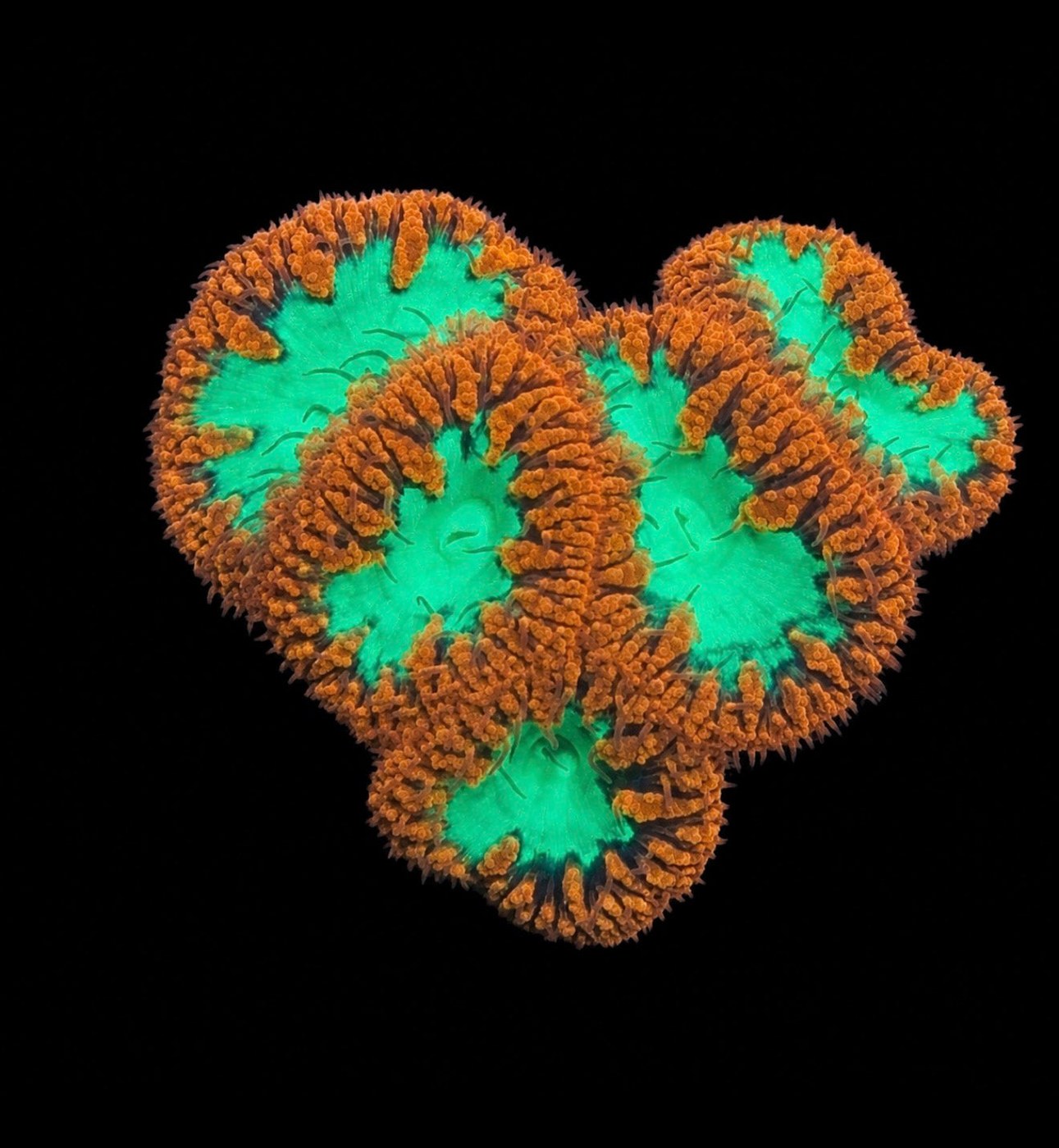
Aussie Blastomussa wellsi
Blastomussa wellsi
Similar care · LPS
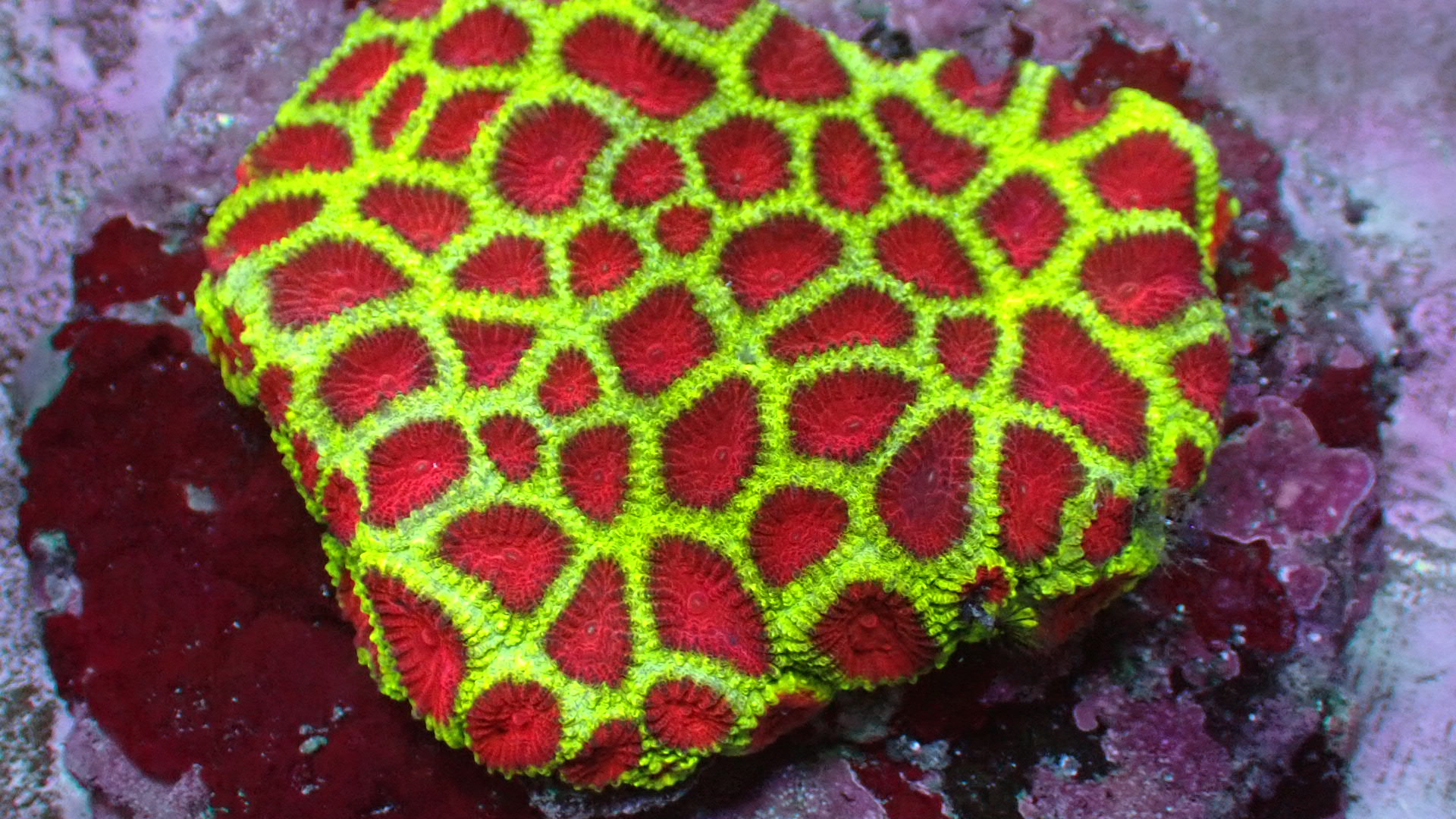
Watermelon favia
Similar care · LPS

Artichoke Coral
Scolymia cubensis
Similar care · LPS
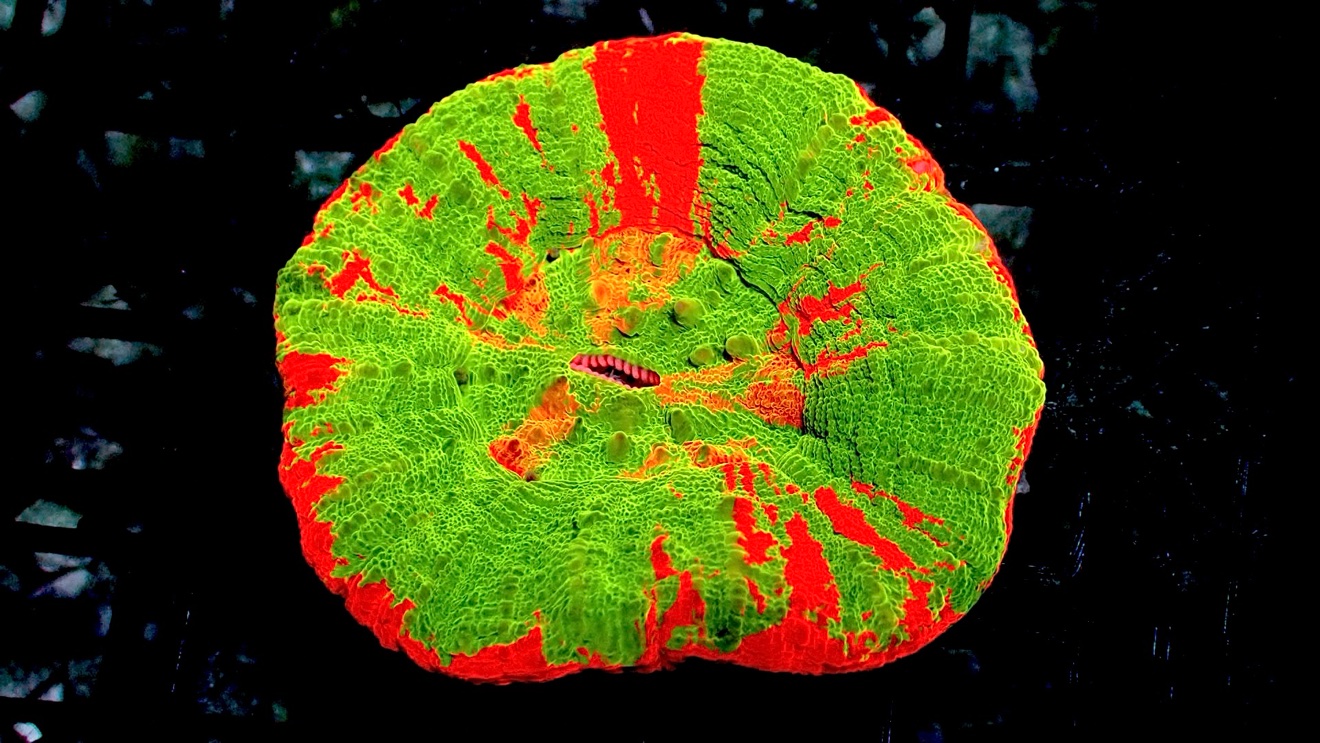
Bleeding Apple Scolymia
Scolymia australis
Similar care · LPS

Blue mouth Duncan
Duncanopsammia axifuga
Similar care · LPS

Candy Apple scolymia
Scolymia sp
Similar care · LPS

Open Brain Coral
Trachyphyllia geoffroyi
Similar care · LPS
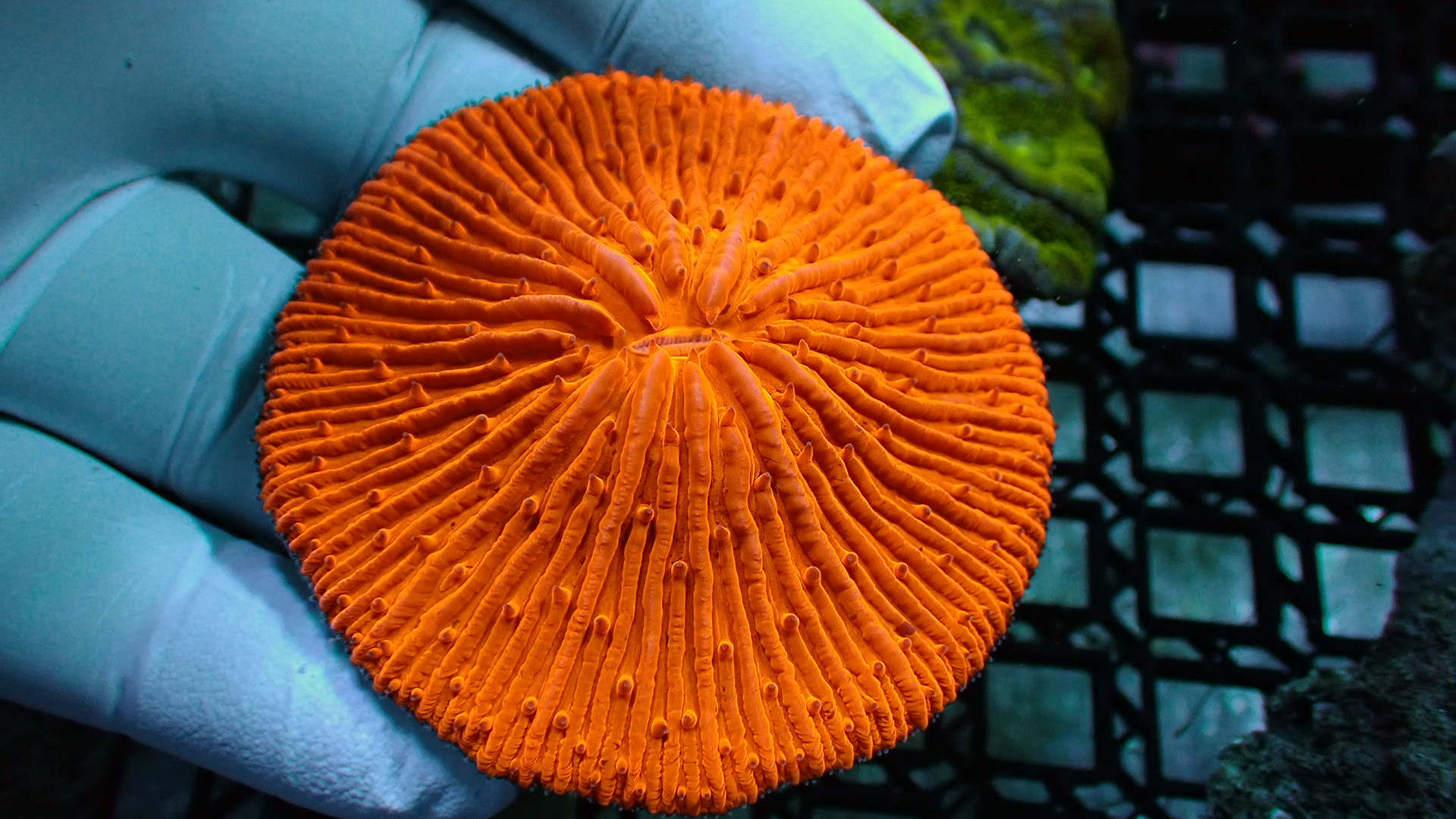
Orange plate coral
Fungia sp.
Similar care · LPS