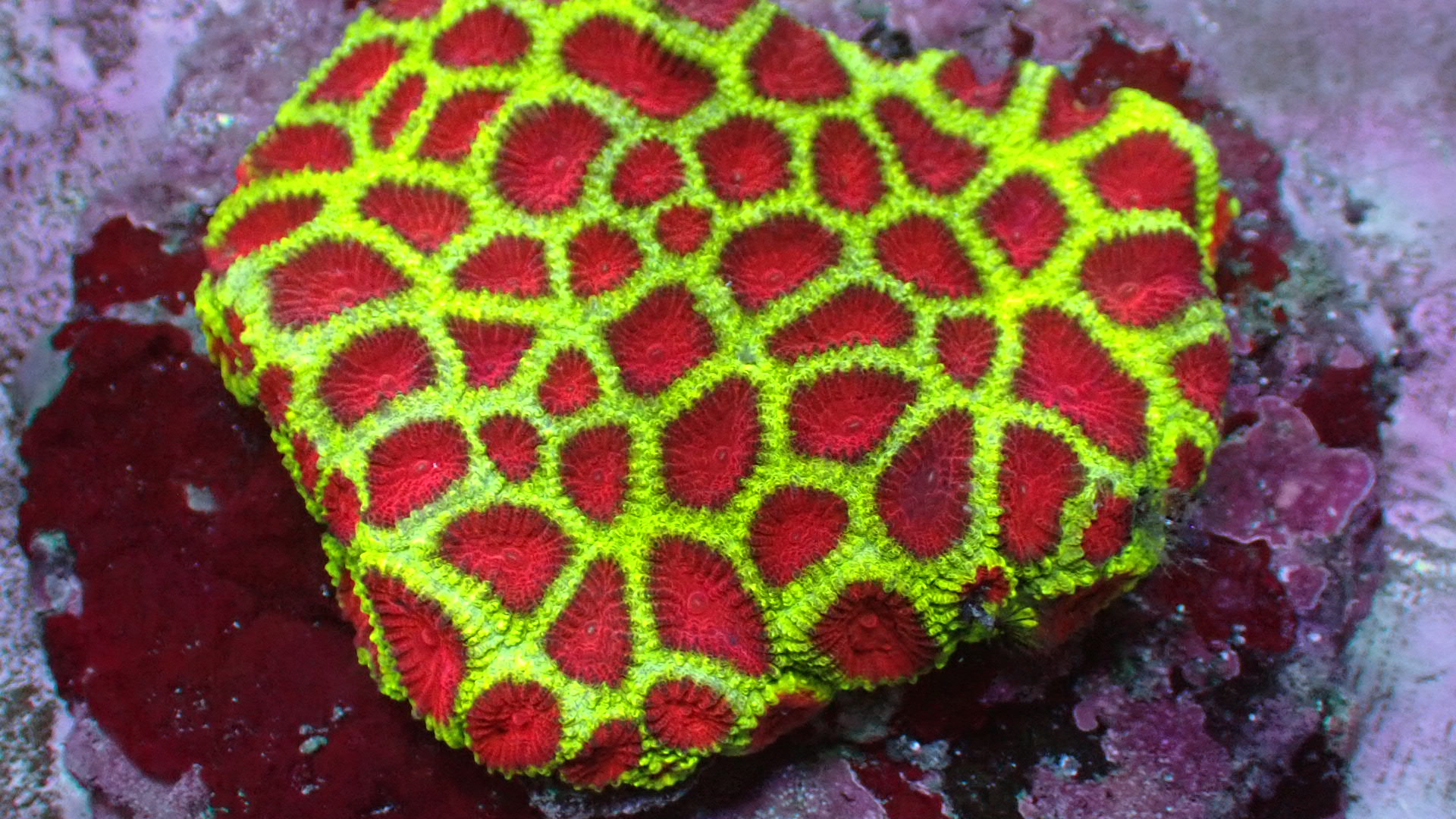
Gallery
Watermelon favia is a two-tone Favia, listed with no scientific name in the original record and kept in the hobby among the favia and brain-coral group of LPS. Colonies grow as a crust of separate, raised polyps over a heavy skeleton, each polyp with its own mouth and walls shared with its neighbors. The watermelon name follows the pairing keepers look for: a pink to red center and tissue set against a green outer rim, so a settled colony reads as a field of bright centers ringed in green, in the pattern of the fruit the name comes from.

The entry lists beginner care, low light, and low flow. The care fields for placement, aggression, and growth were blank in the original record and are set here to the standard for this type: bottom placement, moderate aggression, and slow growth. Place it low on stable rockwork or on a flat base near the sand bed, with the polyps facing upward. Low light at that placement protects both colors. Strong light can pale the centers, shrink the polyps through the day, and bleach the rim, so any move upward should run in very small steps, guided by how fully the polyps inflate.
Low flow suits the fleshy polyps. A gentle drift clears waste from the grooves between polyps without pressing tissue against the skeleton. Direct flow can cause recession where flesh meets skeleton, and still corners let detritus settle into the colony, which irritates the tissue and invites algae along the margins. Calm movement that still lifts debris during maintenance is the balance to aim for.
Favias extend sweeper tentacles at night that reach well beyond the daytime polyps, which is why the aggression is set to moderate. Give the colony clear space on all sides, several inches from other corals, and remember that the nighttime reach is longer than the daytime footprint suggests. Keep stronger LPS clear as well, because favia tissue that loses a contact fight recovers slowly. Leave room for the crust to expand at the edge without meeting a neighbor.
Feeding supports color and growth. The polyps will take small meaty foods such as mysis, finely chopped seafood, or LPS pellets when feeder tentacles show, often after lights dim. Offer food once or twice a week with flow lowered for a short window, spread across several polyps. Light supplies much of the energy, so feeding supports the colony rather than replacing good placement, and uneaten food left in the grooves should be cleared away.
Growth is slow. The colony adds polyps around the margin and thickens over its skeleton gradually over months. Stable alkalinity, calcium, and magnesium support that growth. Tissue that pulls back between polyps, centers that lose color across the whole colony, or a rim that recedes at one edge usually trace back to light that is too strong, a sting from a neighbor, or a chemistry swing.
Common pitfalls include placing the frag under bright light for stronger contrast, mounting it loosely so it tips into the sand, and crowding it against corals that its nighttime sweepers can reach. Support the skeleton from below, start low and calm, and let daily inflation guide any adjustment.
Field notes — what keepers report
- Color reports split by light level. Keepers in low, blue-leaning light describe pink-red centers with a clean green rim held across the colony, while keepers who placed the coral higher describe washed centers that recovered after a move back down. Both sides treat slow acclimation as essential for this type.
- Sweeper reports are a recurring warning. Keepers describe damage to a neighbor placed within daytime reach that happened overnight, found only the next morning. Other keepers report no incidents at all once several inches of clear space were left. The shared practice is spacing for the nighttime reach, not the daytime size.
- Feeding reports lean positive but stay modest. Keepers who target-feed describe fuller polyps and steadier edge growth, while keepers who never target-feed describe healthy colonies that grow more slowly. Reports agree that smaller offerings, cleared if uneaten, work better than heavy meals left in the grooves.

Field Notes
Related species
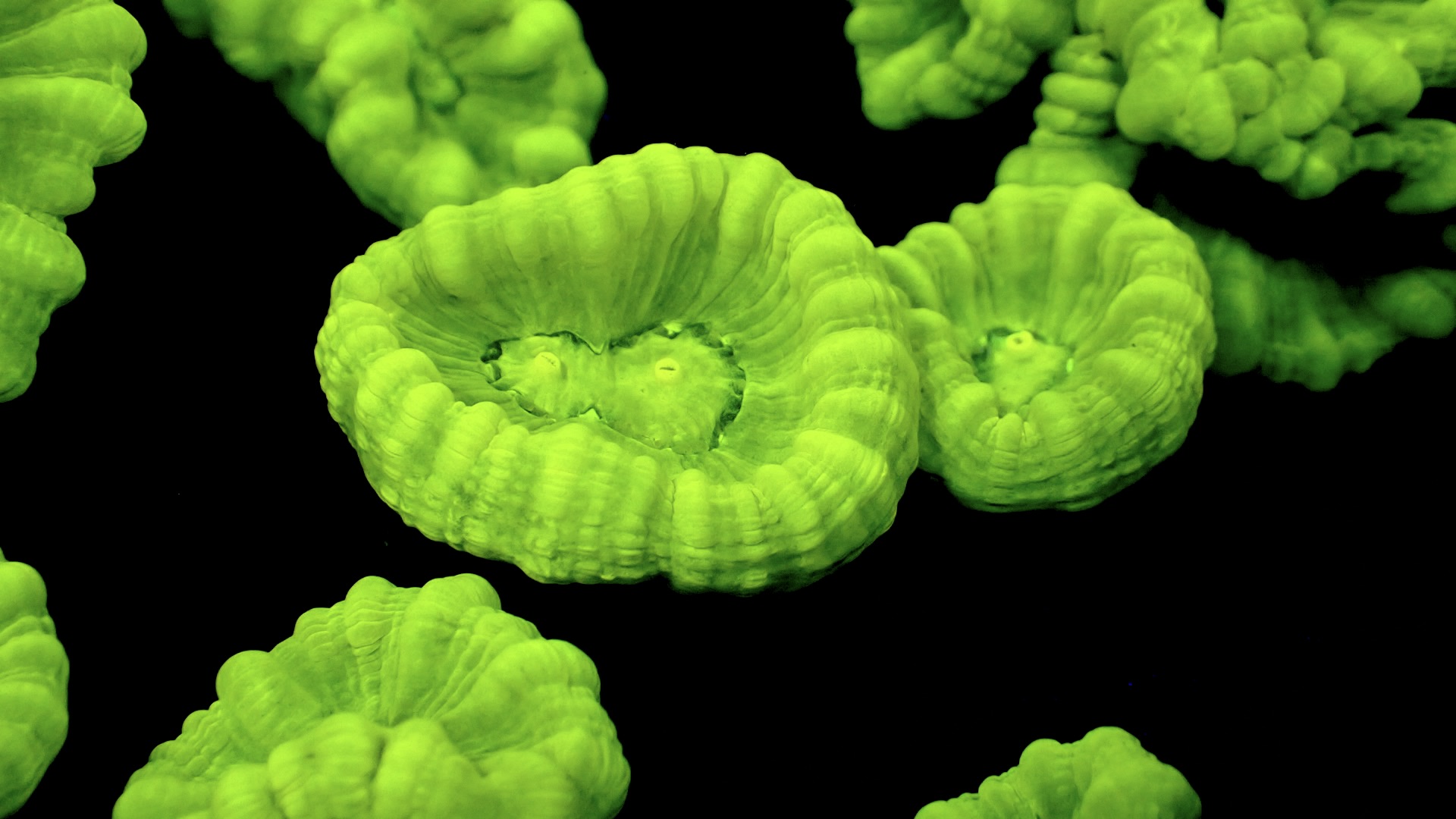
Kryptonite candy cane
Caulastrea sp
Similar care · LPS
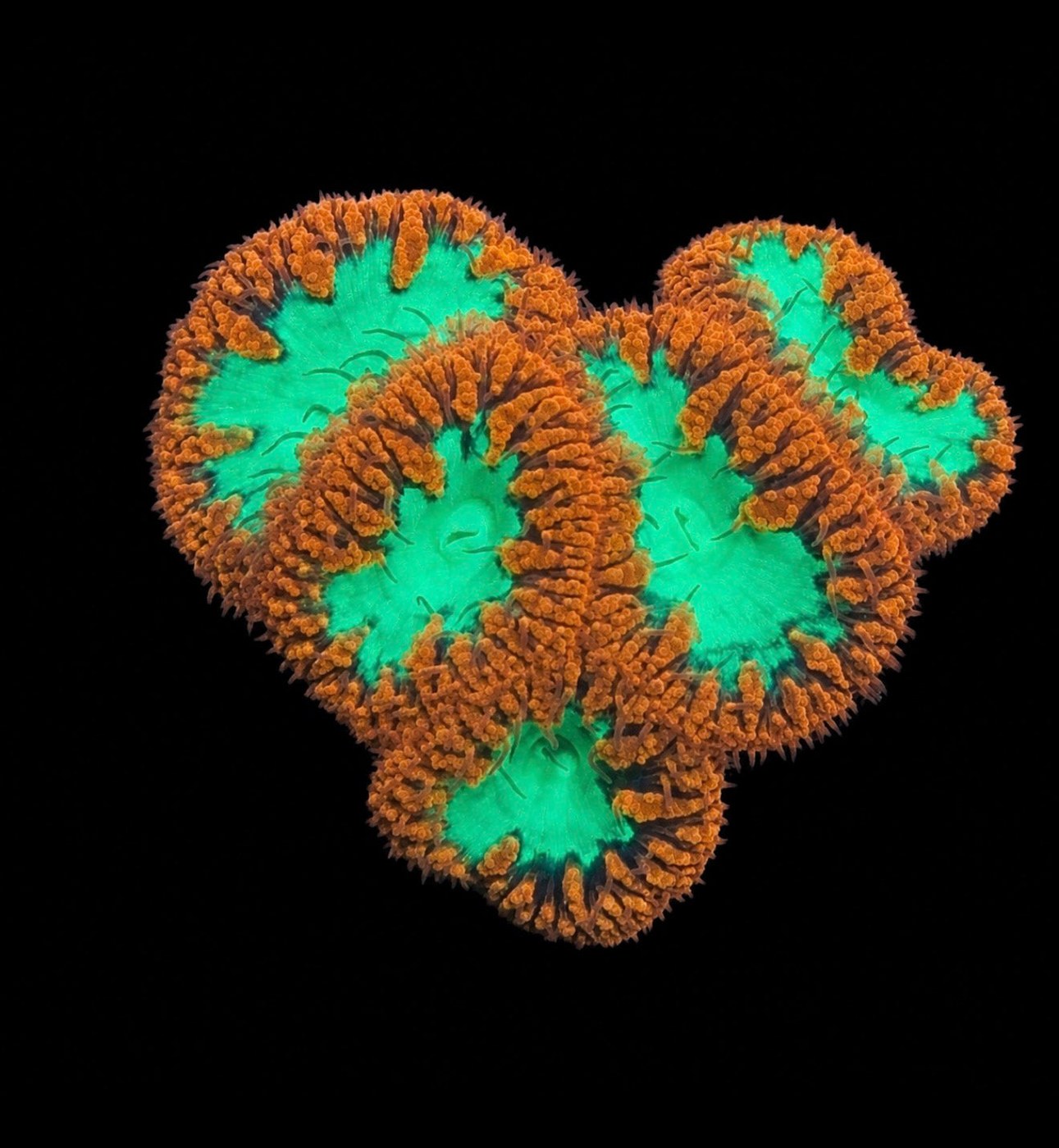
Aussie Blastomussa wellsi
Blastomussa wellsi
Similar care · LPS

Artichoke Coral
Scolymia cubensis
Similar care · LPS
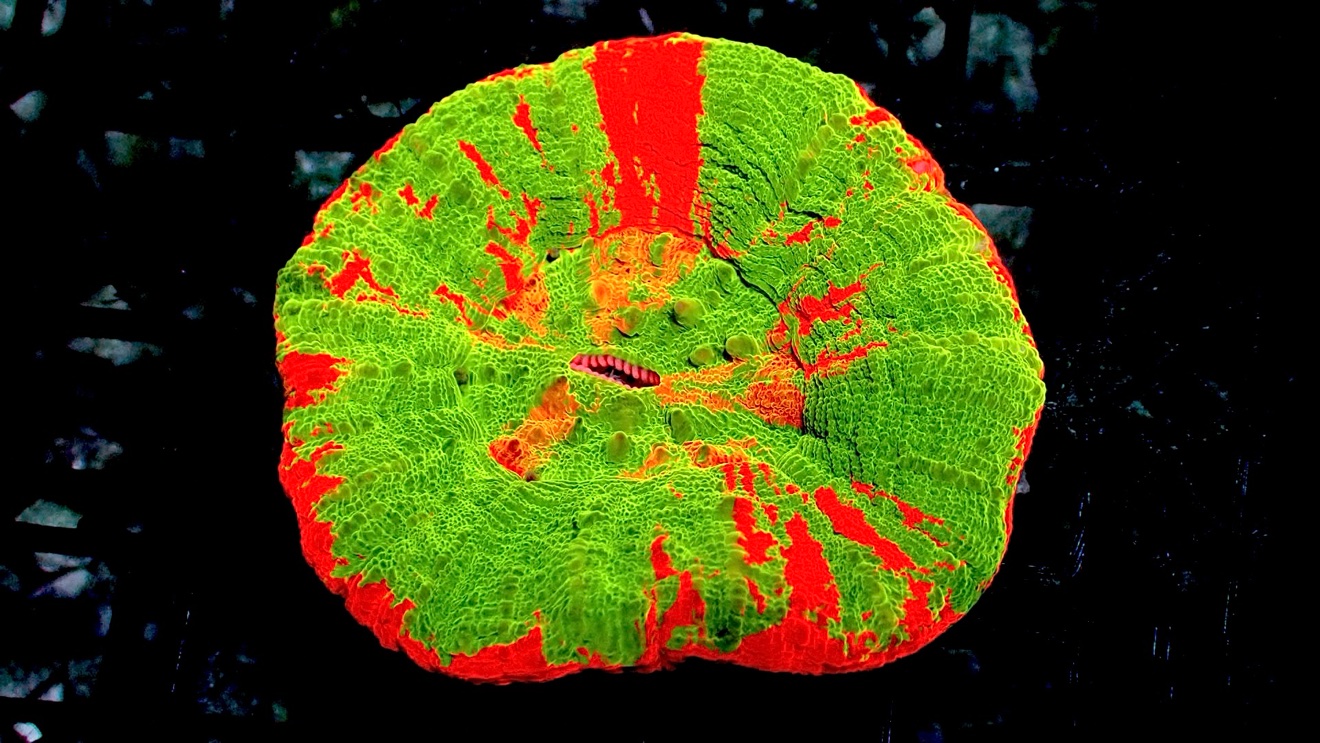
Bleeding Apple Scolymia
Scolymia australis
Similar care · LPS

Blue mouth Duncan
Duncanopsammia axifuga
Similar care · LPS

Candy Apple scolymia
Scolymia sp
Similar care · LPS

Open Brain Coral
Trachyphyllia geoffroyi
Similar care · LPS
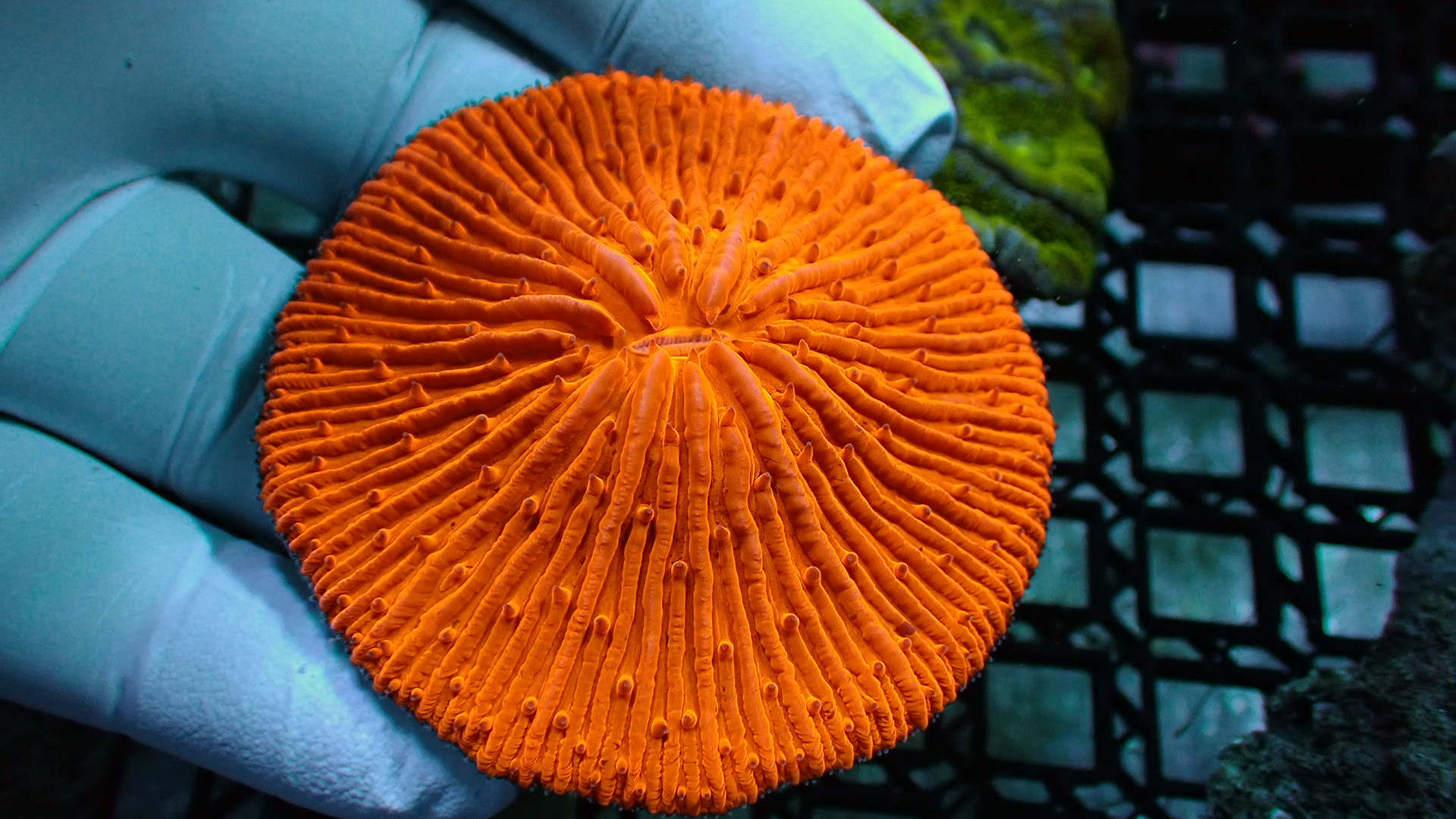
Orange plate coral
Fungia sp.
Similar care · LPS