Palytoxin safety
Some zoanthids and palythoas can contain a potent toxin. Wear sturdy waterproof gloves and eye protection, minimize handling, and keep colonies submerged when possible. Never boil, steam, pressure-wash or scrub colonized rock under running water. Keep other people and pets away during handling. If exposure is suspected, seek urgent medical advice and tell the clinician about possible palytoxin exposure.
Sources: CDC: palytoxin exposure · OATA: avoiding palytoxin poisoning
Gallery
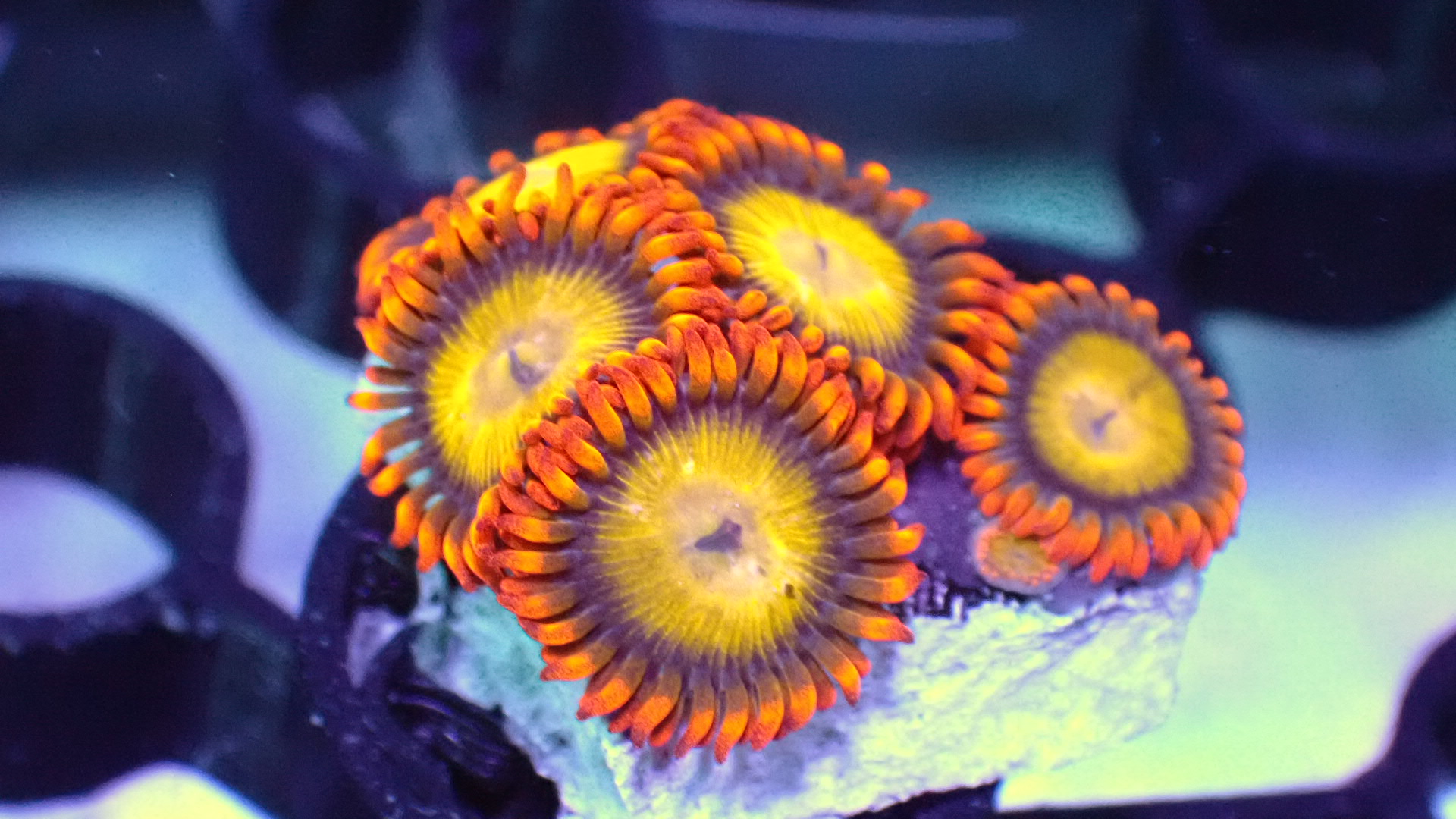
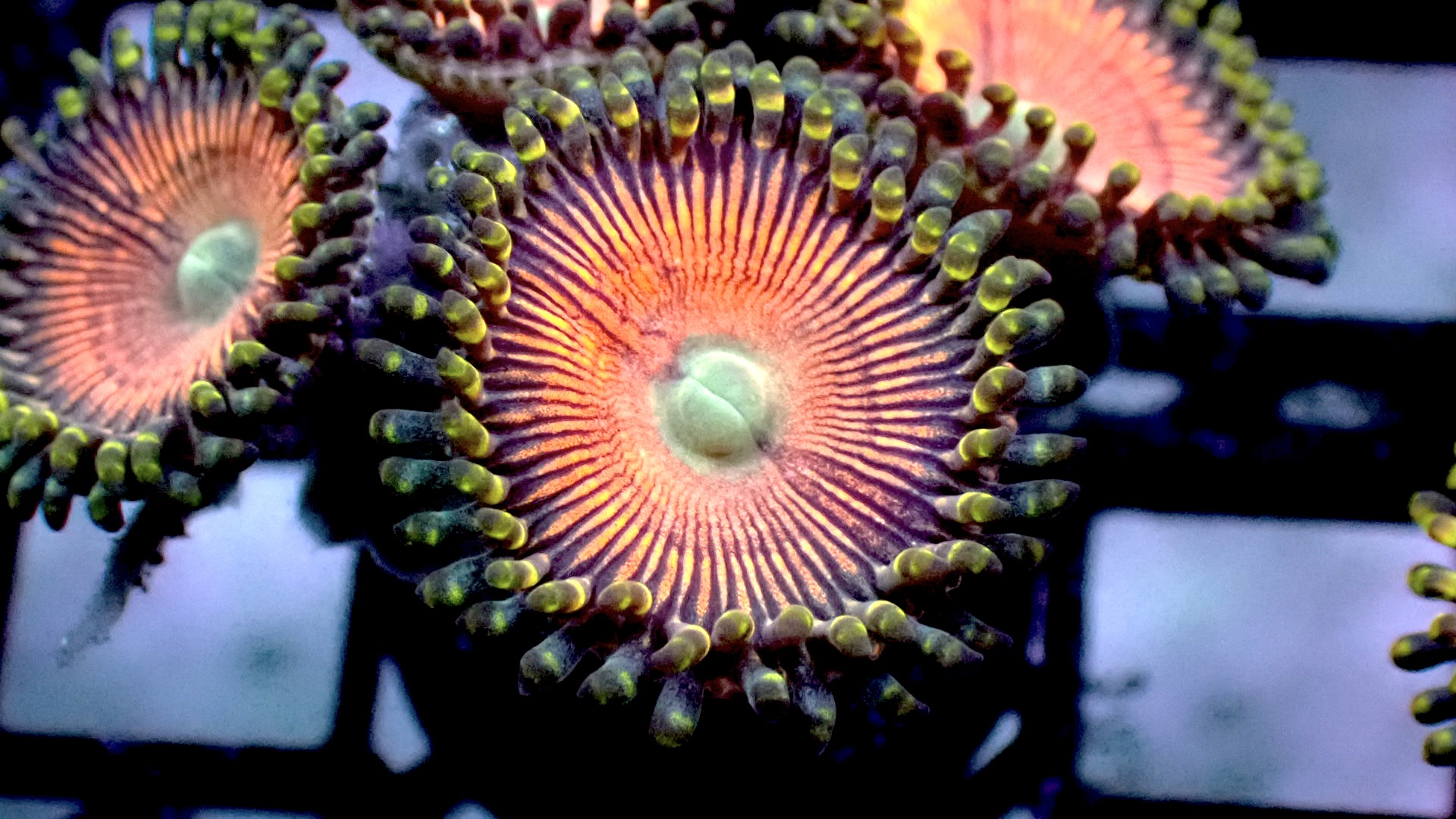
Mandarin zoanthids are a bright orange zoanthid, listed as Zoanthus sp. Zoanthids grow as a connected mat of polyps, each polyp rising on a short stalk with a round disc and a fringe of tentacles around the edge. The mandarin name follows the vivid orange face, which stands out sharply in a mixed zoanthid garden and glows strongly under blue light. A healthy colony opens flat through the day, closes at night, and spreads by budding new polyps at the edge of the mat.
The entry lists beginner care, medium light, medium flow, bottom placement, peaceful behavior, and moderate growth. Start a new frag low on the rockwork and let it settle before any move upward. Medium light at a bottom placement keeps the orange saturated. Polyps that stretch tall and thin usually want more light, while polyps that stay pinched or pale at the center often sit in more light than they prefer. Small moves over a week or two protect color better than a sudden jump to bright rock.
Medium flow keeps the mat clean. Flow should cross the colony with enough movement to clear detritus and discourage film algae between the stalks, without bending the polyps flat all day. Waste settling between polyps is a common trigger for closed clusters. A varied pattern helps the whole mat open evenly rather than only the edge that faces the current.
This zoanthid is peaceful in sting and loses direct contact fights with stronger corals. Keep LPS sweepers and aggressive neighbors well clear. Spacing is mainly about spread. A colony on main rockwork will encrust outward and can surround slower frags over time. An island rock or a defined ledge keeps that spread easy to watch, trim, and frag back when the mat reaches the edge.
Feeding is optional and indirect. The polyps may take fine particulate food and nutrients from regular reef feeding. Broadcast feeding for the tank is enough in most systems. Heavy target feeding tends to invite algae and pests around the mat rather than adding visible growth, and food left sitting on closed polyps should be cleared away.
Growth is moderate once the colony settles. New polyps fill gaps in the mat and then push outward in small runs. Closed polyps for a day after a move or a dip are common. Clusters that stay closed, shrink, or develop a film need a check for pests, algae between polyps, and fish or invertebrates nipping at the mat. Stable, present nutrients suit zoanthids well. Very clean water can slow growth, and neglected water grows algae through the colony faster than the polyps can compete.
Safety matters with every zoanthid. Some zoanthids can carry palytoxin. Handle frags with gloves and eye protection, wash hands after contact, and keep tools and rinse water away from cuts and from pets. Never boil, steam, or pressure-wash zoanthid rock, because heating or aerosolizing the tissue creates a serious exposure risk. Frag with care outside the display and dispose of trimmings safely.
Common pitfalls are placing a fresh frag in harsh light, letting algae establish inside the mat, and skipping a dip and inspection before the colony enters the display. A close look for nudibranchs, spiders, and egg strings protects the rest of the collection.
Field notes — what keepers report
- Color reports depend on light. Keepers under blue-heavy light describe a saturated orange face with strong contrast, while keepers under whiter light describe a softer orange tone. Keepers who moved colonies upward slowly describe color holding well, while sudden moves get linked to closed polyps for several days.
- Growth reports vary by tank. Some keepers describe a mat that buds steadily once settled, while others describe a colony that holds at the same size for a long stretch before spreading. Both sides describe stability and a clean mat as the common ground when growth picks up.
- Closed-polyp reports are frequent and mixed in cause. Keepers trace some closures to pests or film on the mat and others to a recent move, dip, or a fish brushing the colony. The shared practice is to inspect closely, clean gently, and give a settled colony a few undisturbed days before moving it again.
Field Notes
Related species

Blueberry Haze Zoas
Zoanthus sp.
Same genus

Burning Willow Zoas
Zoanthus sp.
Same genus
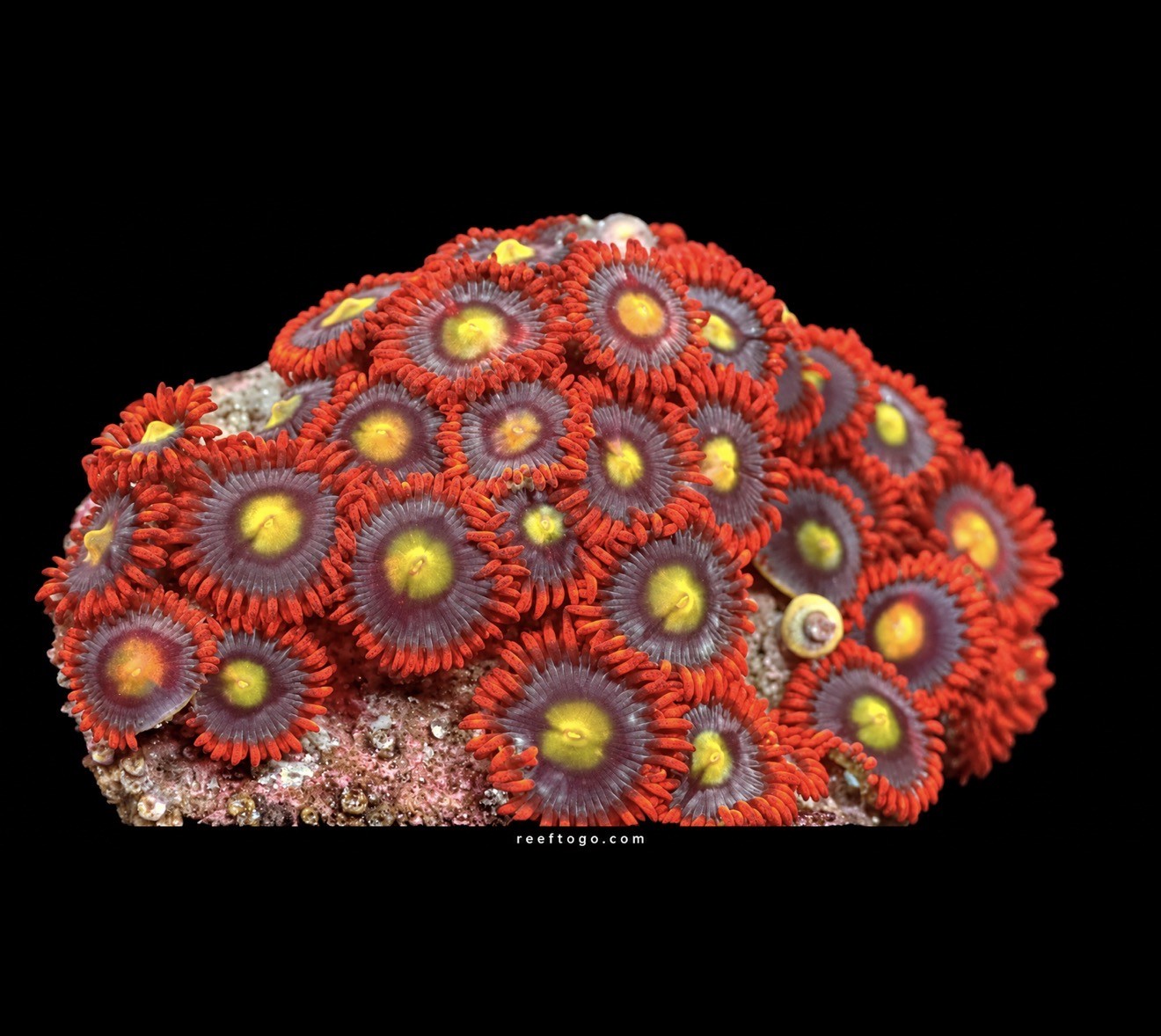
Fire and ice zoanthids
Zoanthus sp
Same genus
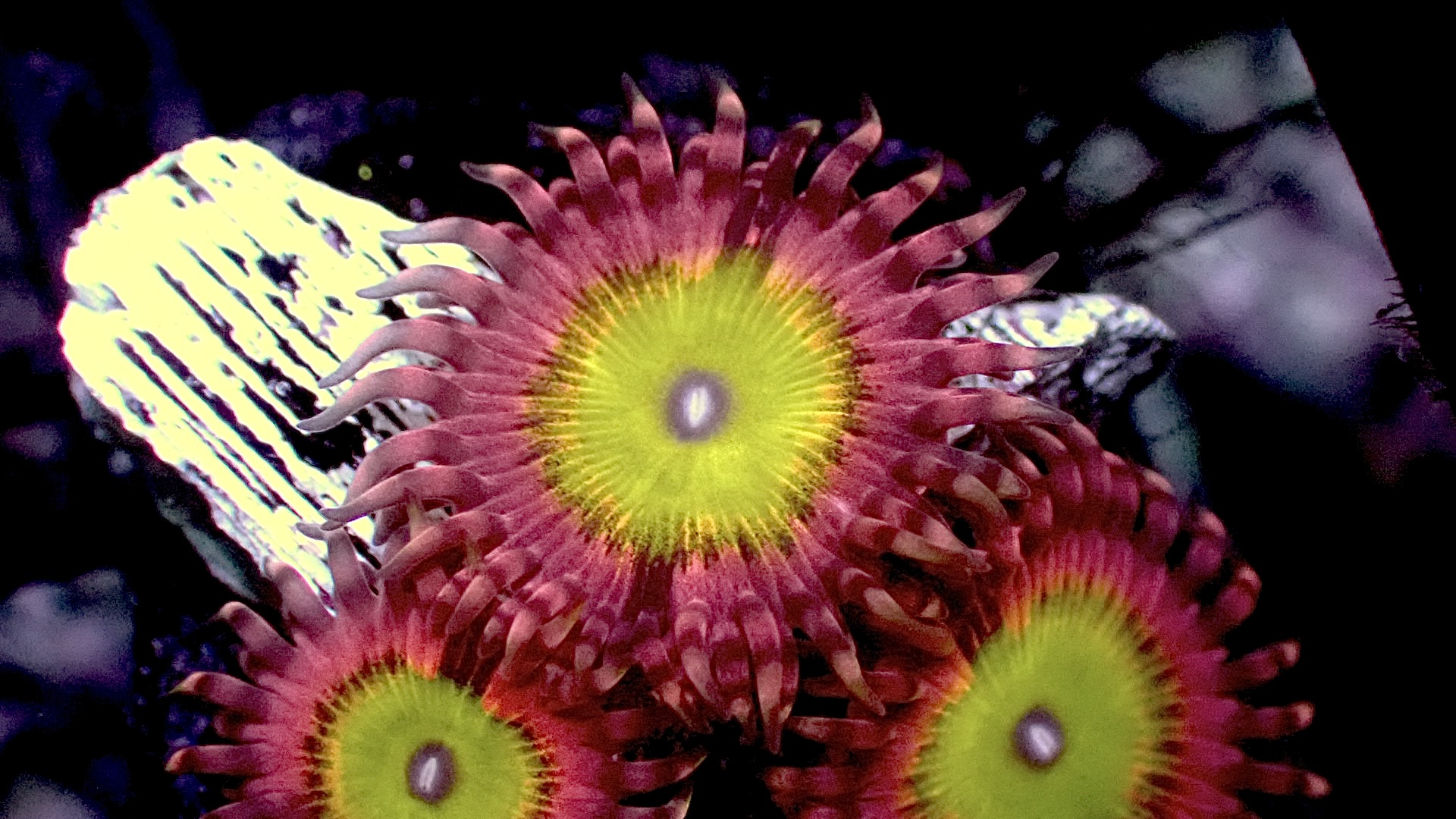
Pink hippo zoanthids
Zoanthus sp
Same genus

Purple Heart zoas
Zoanthus sp
Same genus

Radioactive dragon eyes
Zoanthus sp
Same genus
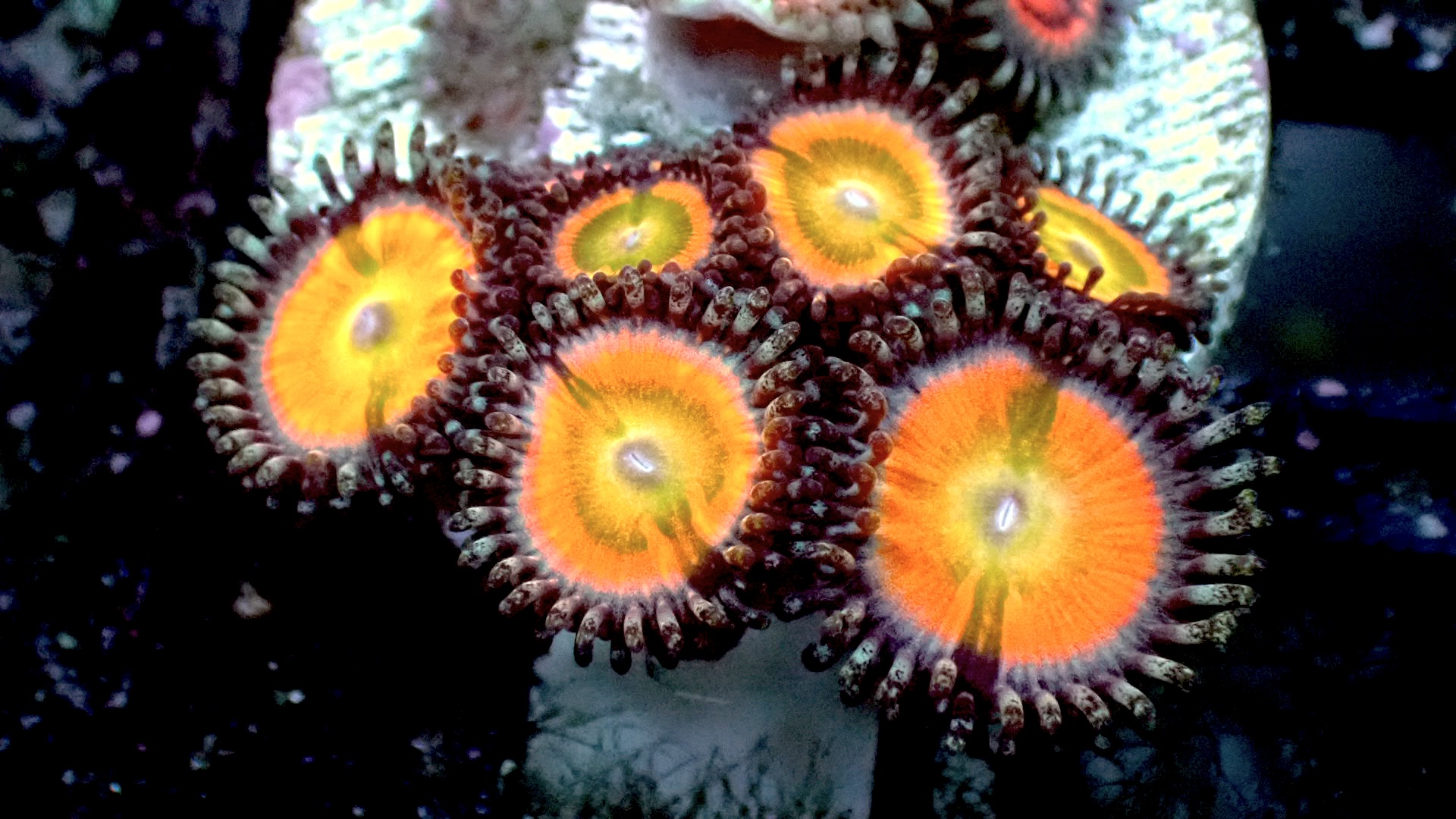
Rainbow infusion zoanthids
Zoanthus sp
Same genus
RTG peaches zoanthids
Zoanthus sp
Same genus