TNT anacropora
Anacropora sp.

Gallery
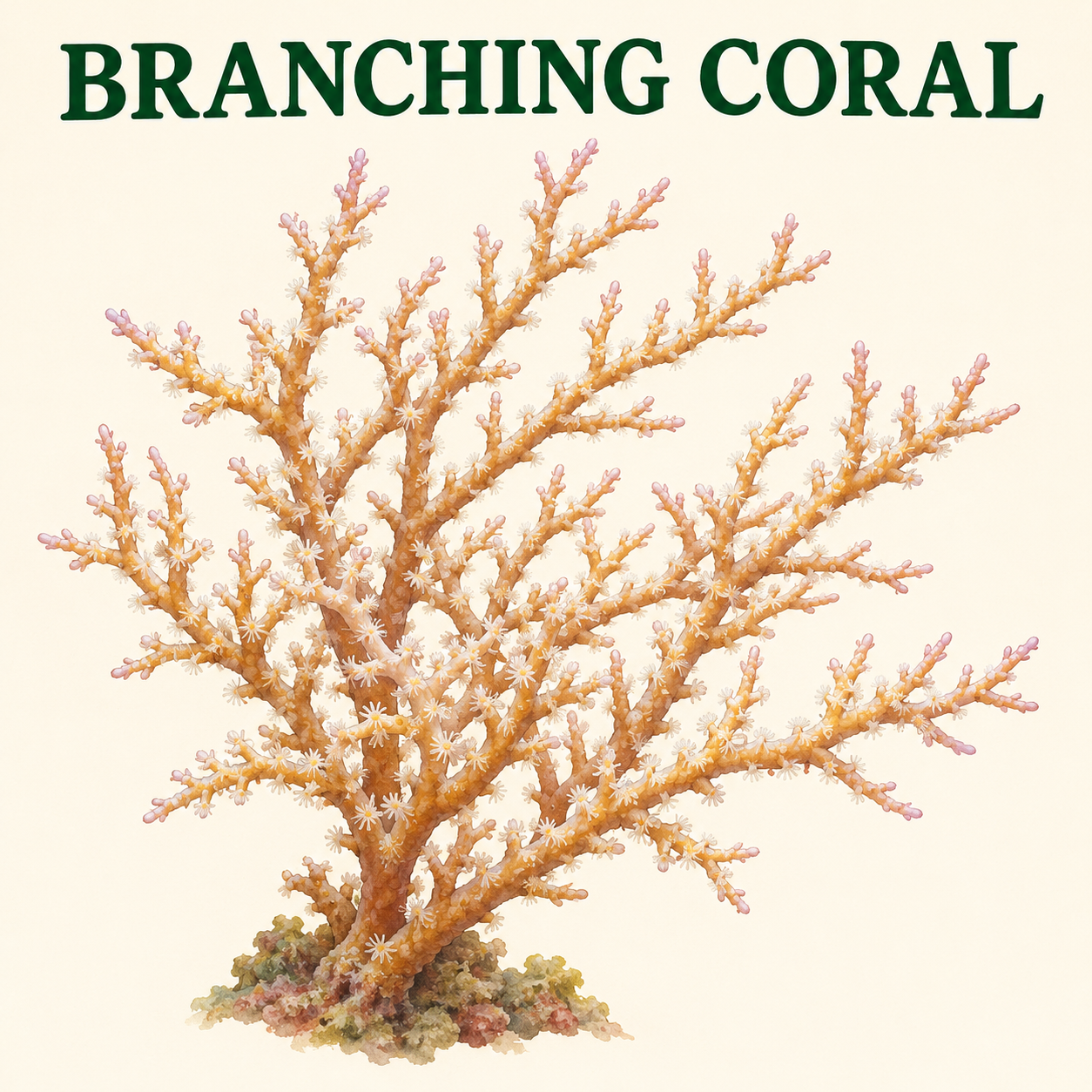
TNT Anacropora grows a tiny branching fireworks show! Its warm red-orange color and fine branches bring a different shape to the reef. This is a stony coral, not a plant. Give it a secure home, steady water and room for its branches to spread.
A branching firework
1. Little branches, big personality. TNT is a trade name for a colorful Anacropora. Anacropora and Acropora are related, but they are different genera. Keep this coral's care separate from a generic acro checklist.
2. Build upward, not outward at the base. Anacropora puts much of its growth into branches, with little encrusting at the foot. Branches can meet and fuse as a colony fills out. Do not wait for a broad crust to secure a loose frag.
A firm home for fragile branches
3. Secure the base. Attach the plug or base firmly to stable rock. Leave clearance from the glass, cleaning magnets and clumsy tankmates. Thin branches snap easily when bumped.
4. Handle the support. Move the plug or mounting rock instead of squeezing the branches. Keep the colony upright and away from unstable ledges. An open position makes inspection and maintenance easier.

Light and flow that fit
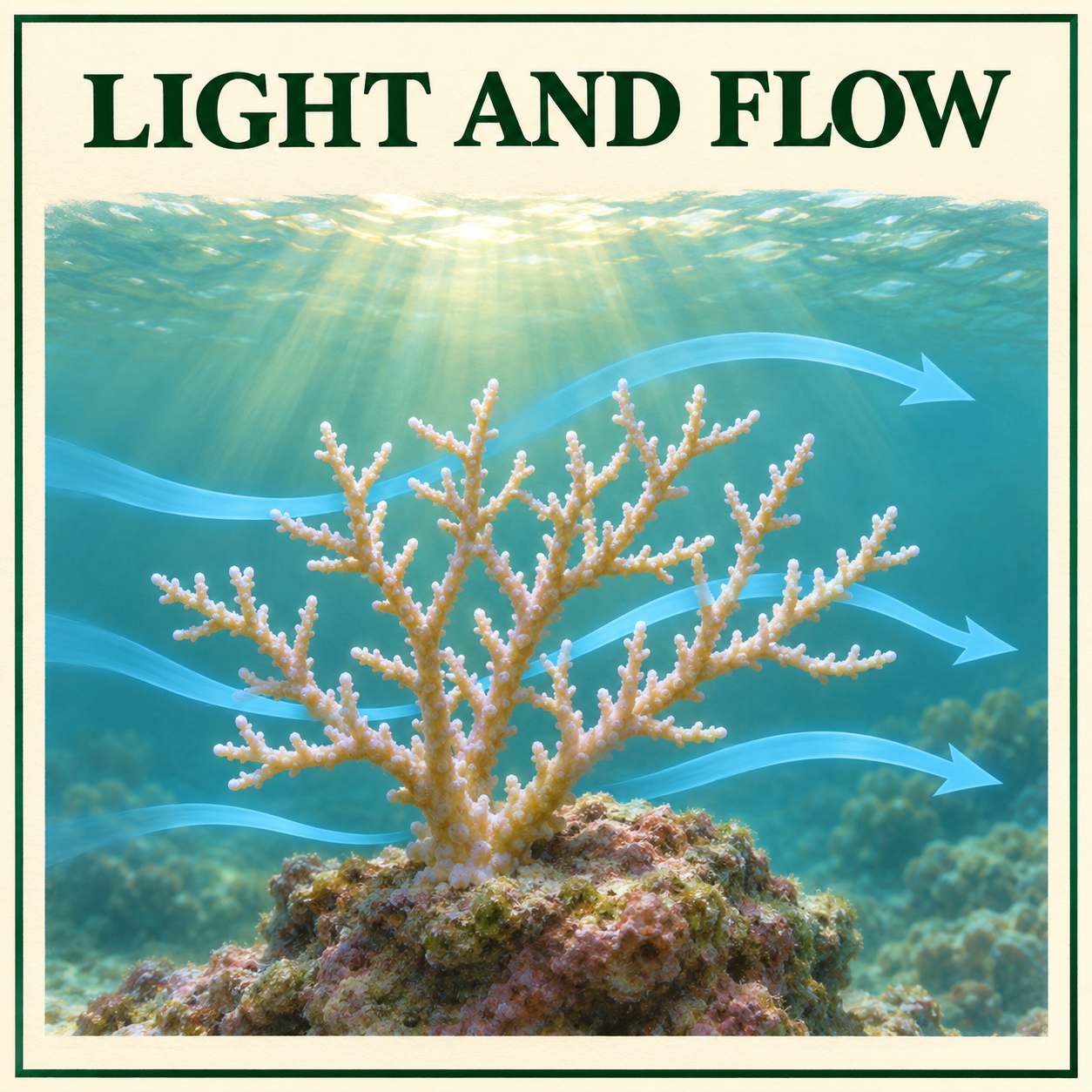
5. Start with an easy landing. Use moderate to high light, with gradual acclimation from the grower's conditions. A new frag does not need the brightest spot in the tank on day one.
6. Keep water moving. Give the coral brisk, changing circulation around its branches. Avoid aiming a narrow pump jet straight at the tissue. Watch where particles collect rather than judging flow from the pump's setting alone.
Steady water fuels growth
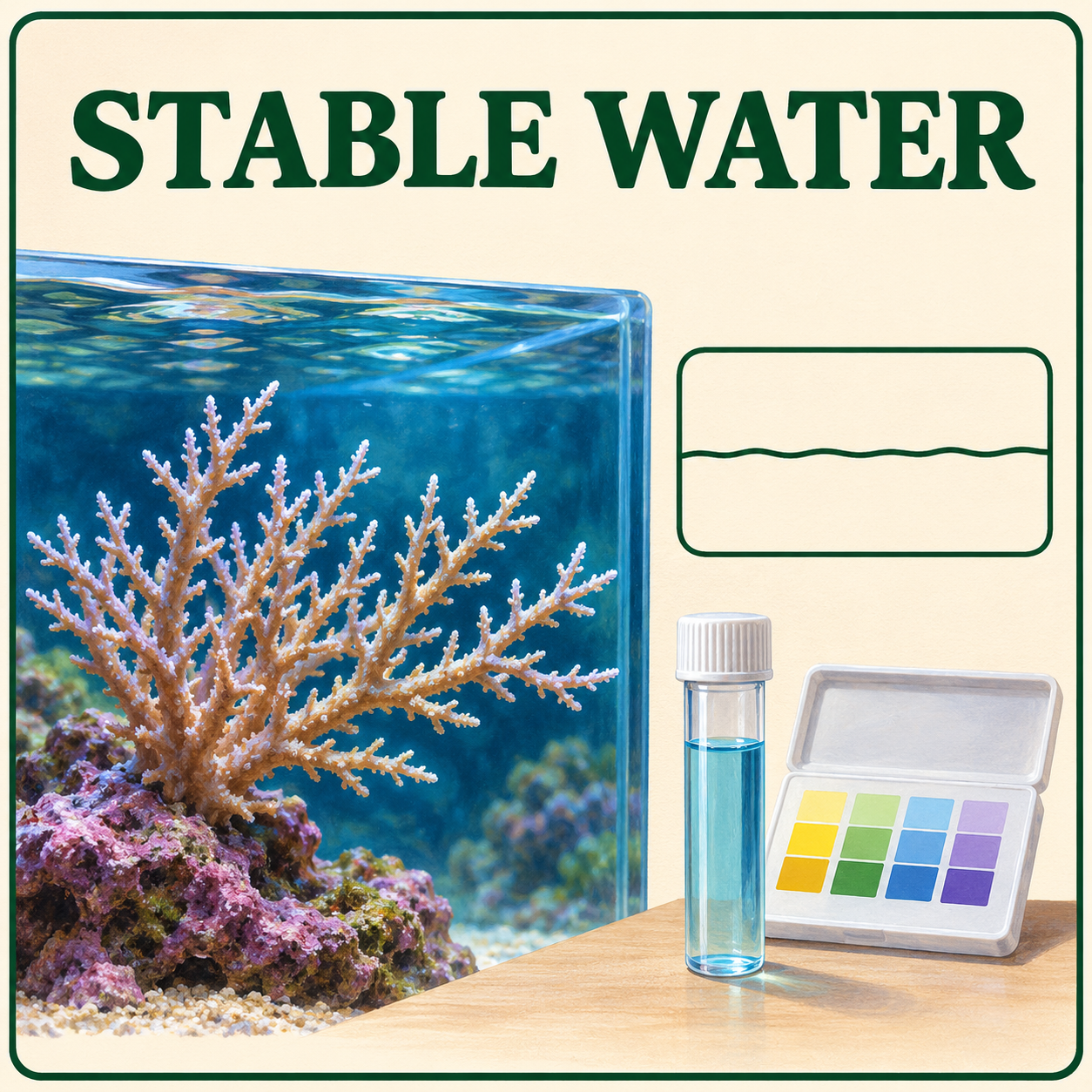
7. Test before changing the dose. Track alkalinity, calcium and magnesium. Growth changes demand over time. Adjust your routine from measurements, not from an old dosing schedule.
8. No food blizzard needed. Light supplies much of this coral's energy through algae in its tissue. Fine coral foods are optional, not a requirement to blanket every branch. Keep portions small and track nutrients.
Growth needs room
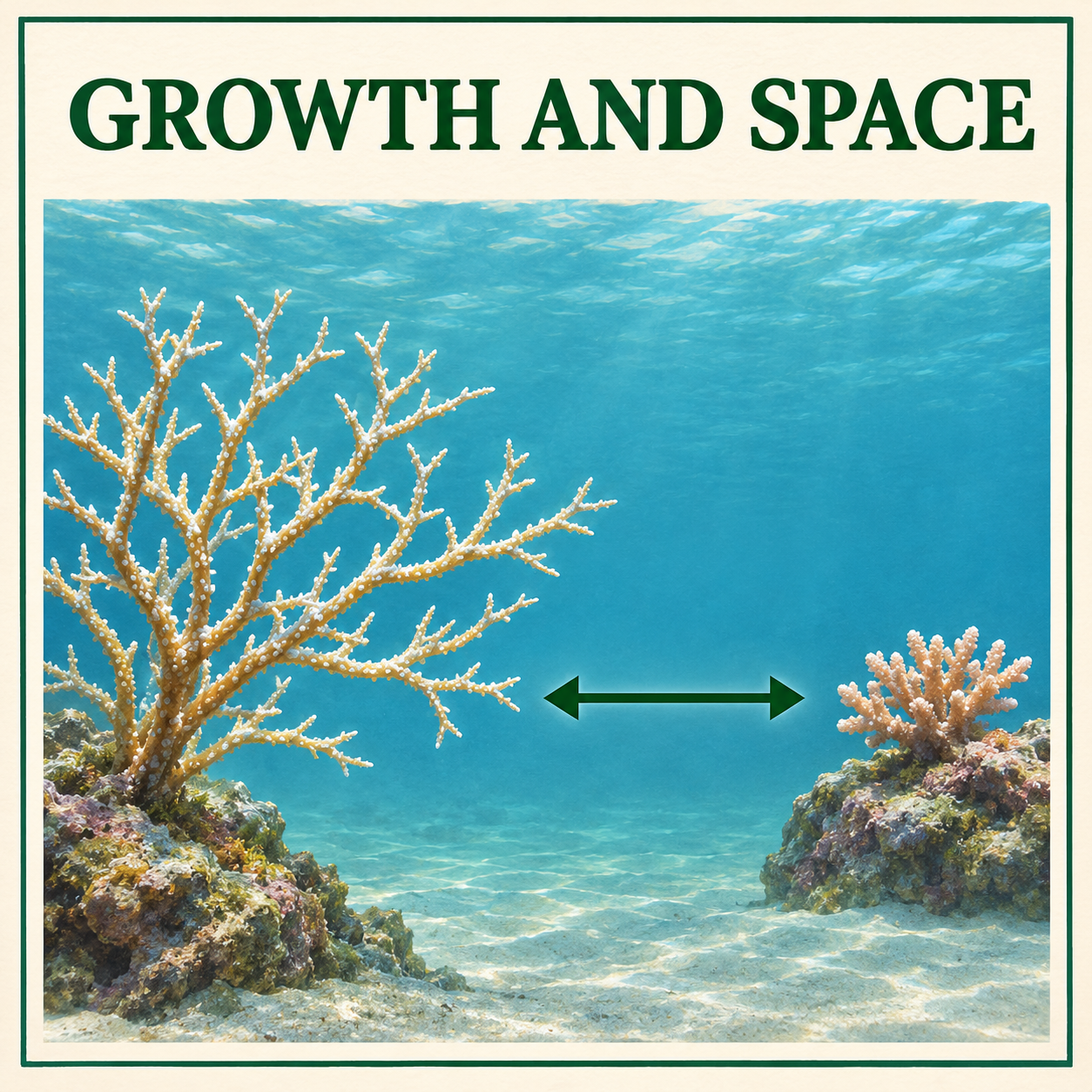
9. Leave space inside the bush. A thicker colony needs water through its middle, too. Recheck circulation as branches fill the gaps. Keep nearby stinging corals out of reach and leave room for growth.
10. Watch the whole colony. Compare color and tissue in repeat photos under the same lighting. Check water quality as well as light when color fades. One pale patch does not identify the cause.
Field notes — what keepers report
11. TNT reports show different outcomes. One keeper reported fading near 300 PAR after months of good growth, while a broken frag elsewhere stayed red. A respondent reported a colony at 400 PAR with years to acclimate. These reports do not establish that light caused the fading or that either level suits every frag.
12. General Anacropora reports: growth has pauses. Keepers of other named Anacropora describe slow starts followed by branching growth. One reported improvement after moving a small frag to gentler flow. Those are general Anacropora experiences, not verified results for this TNT lineage.

Enjoy the branching show, then look past the bright color. A firm base, clear space and a steady routine matter just as much. Make small, measured changes and give the coral time to respond.
Field Notes
Related species
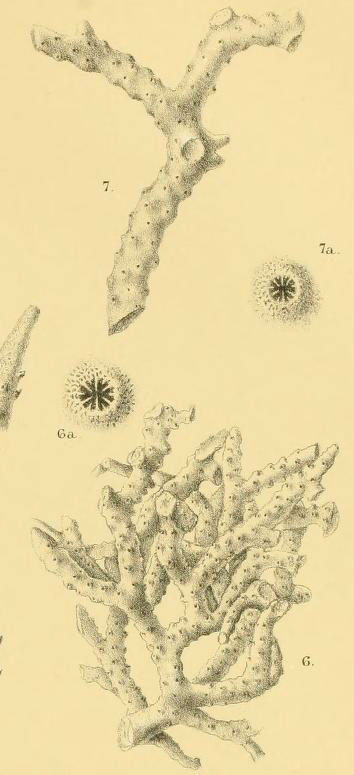
Anacropora
Anacropora gracilis
Same genus
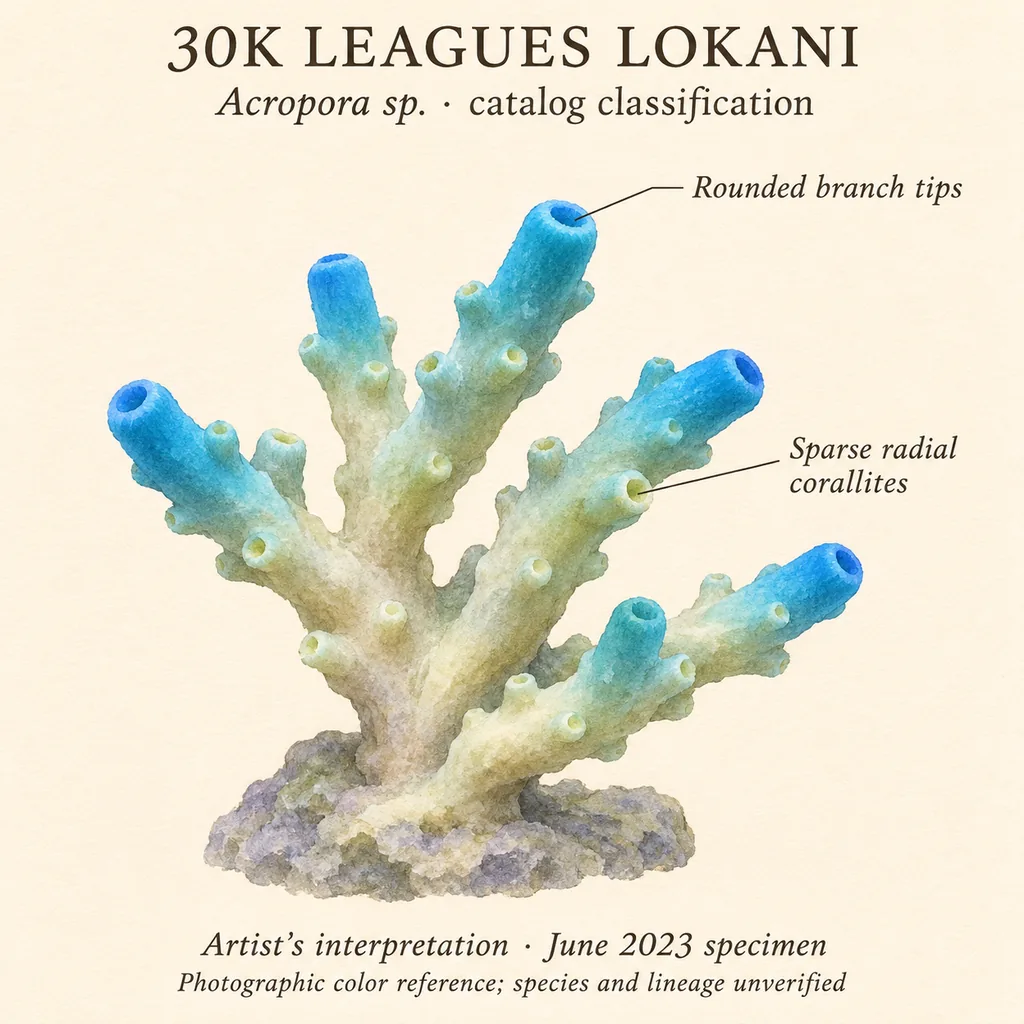
30K Leagues Lokani
Acropora sp.
Similar care · SPS
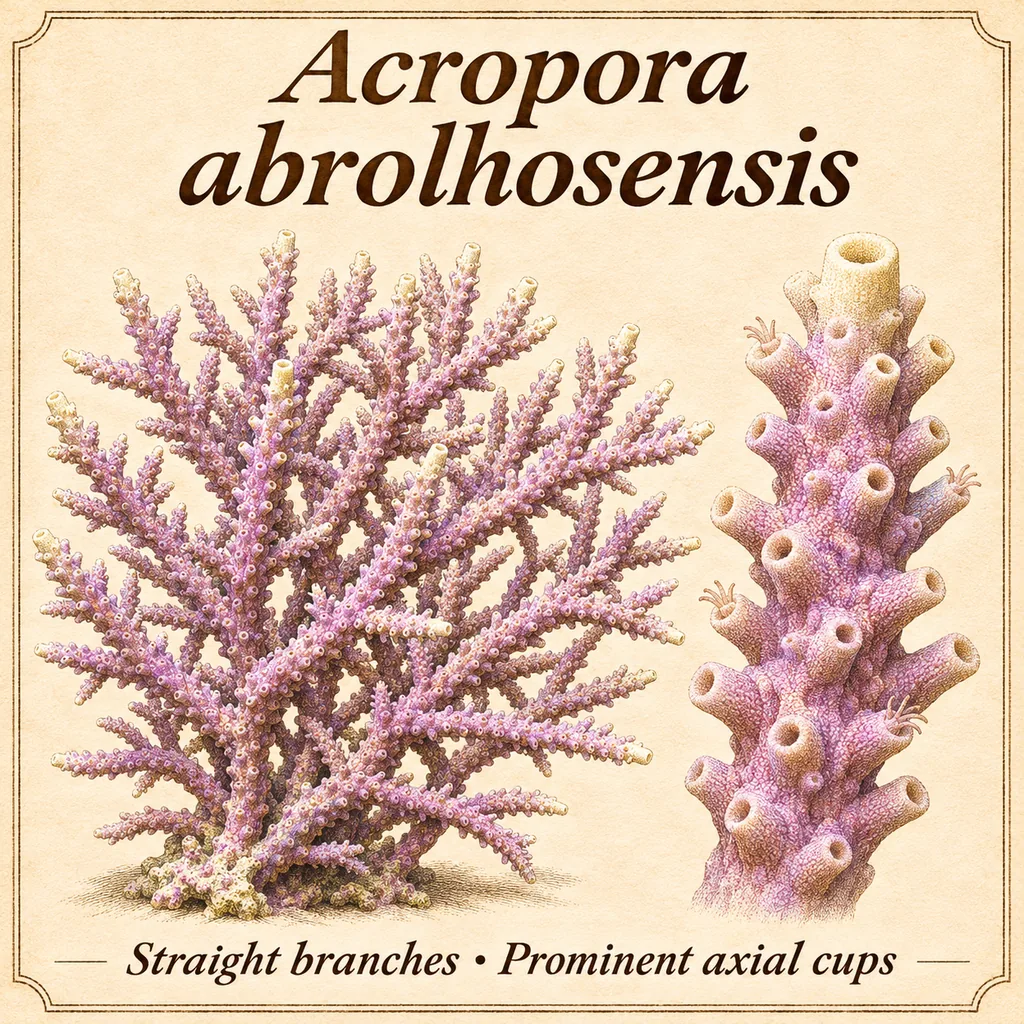
Acropora abrolhosensis
Acropora abrolhosensis
Similar care · SPS
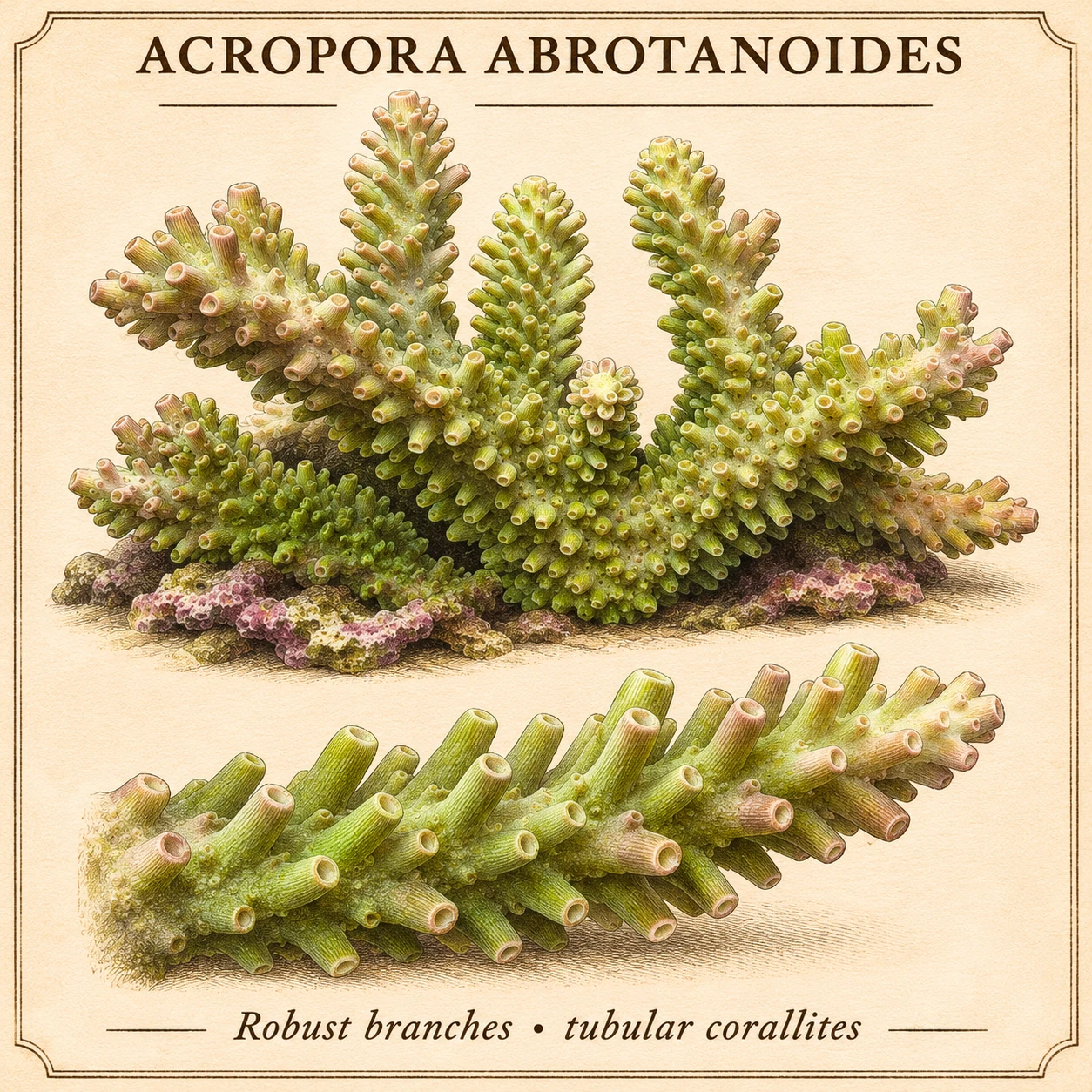
Acropora abrotanoides
Acropora abrotanoides
Similar care · SPS
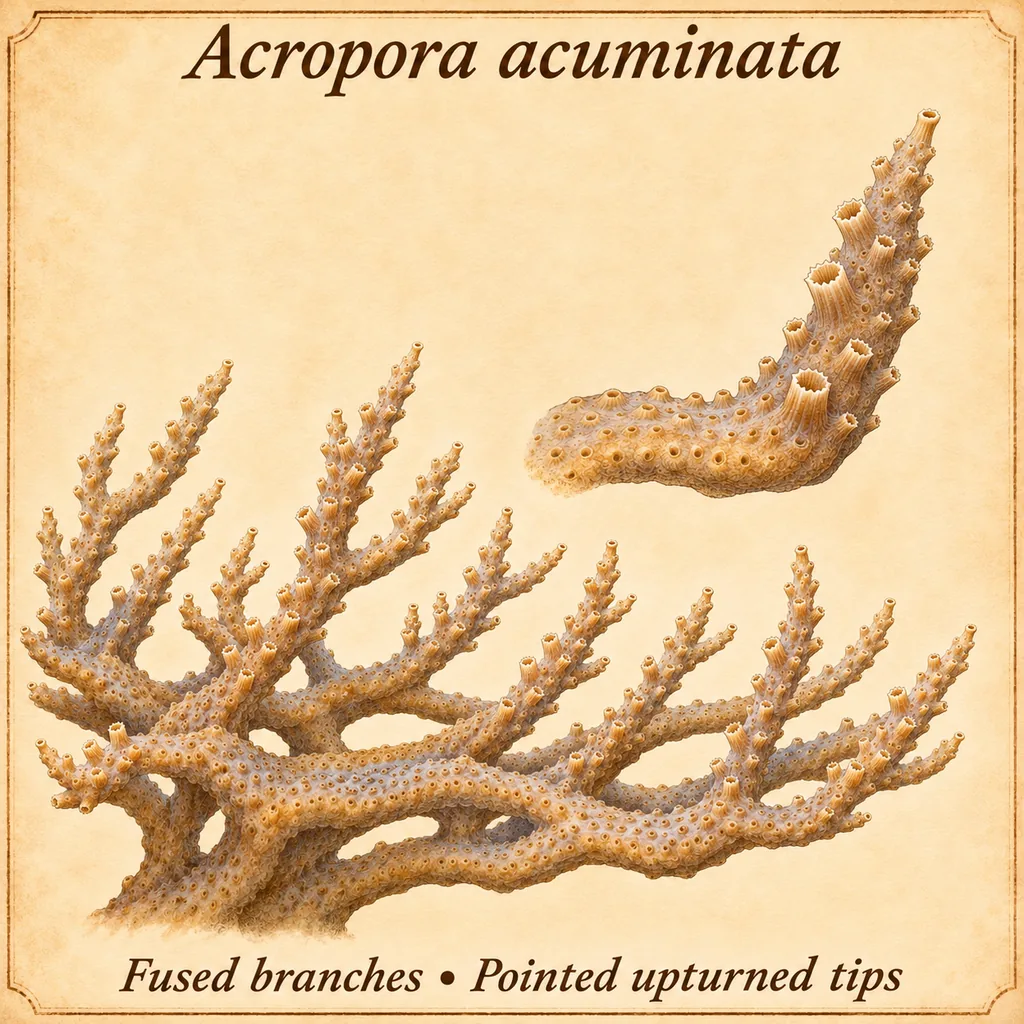
Acropora acuminata
Acropora acuminata
Similar care · SPS
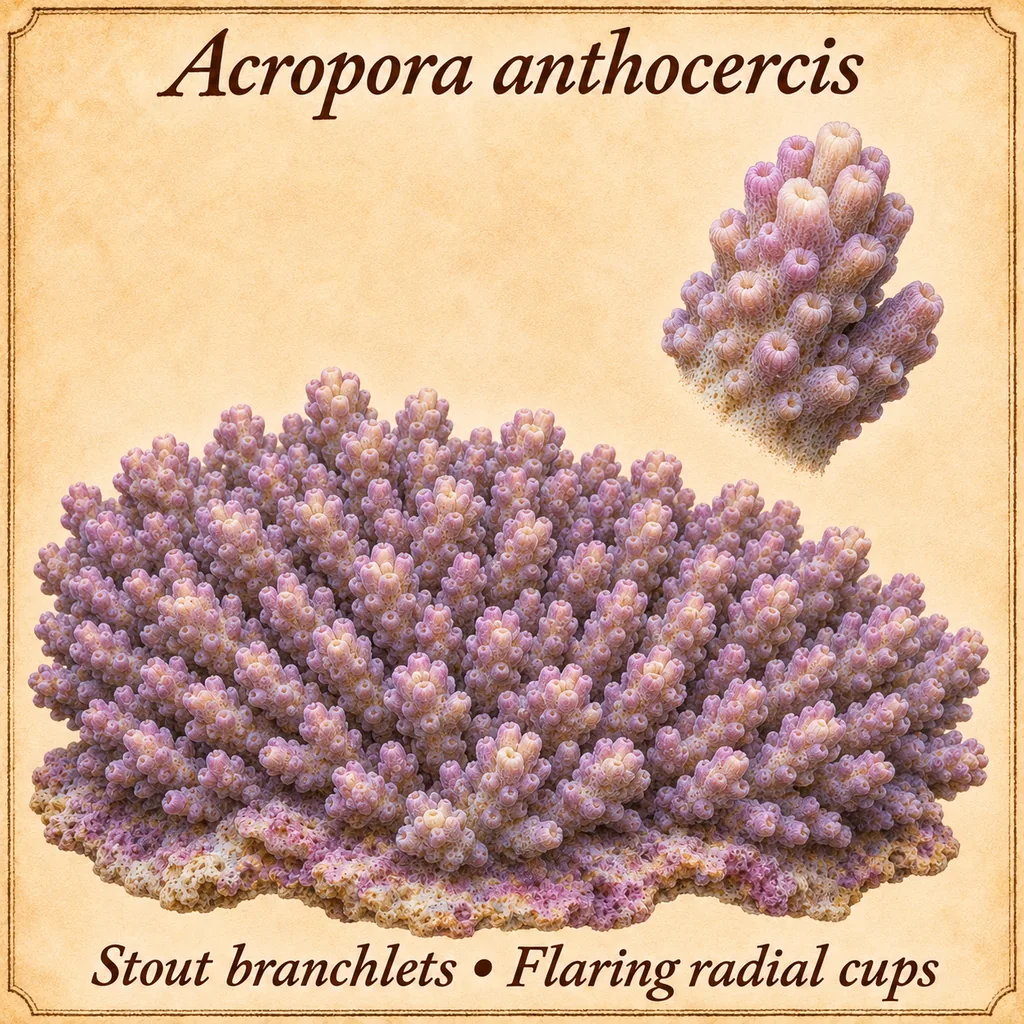
Acropora anthocercis
Acropora anthocercis
Similar care · SPS
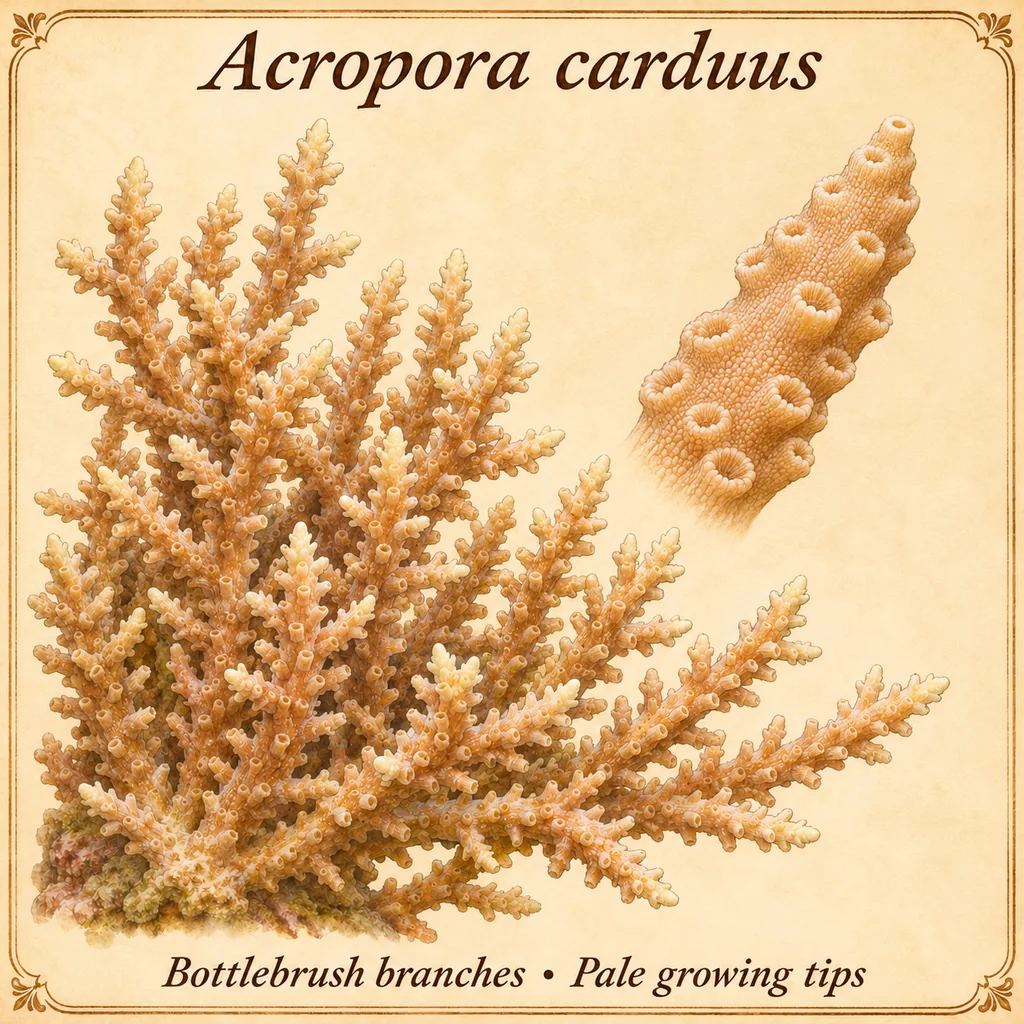
Acropora carduus
Acropora carduus
Similar care · SPS
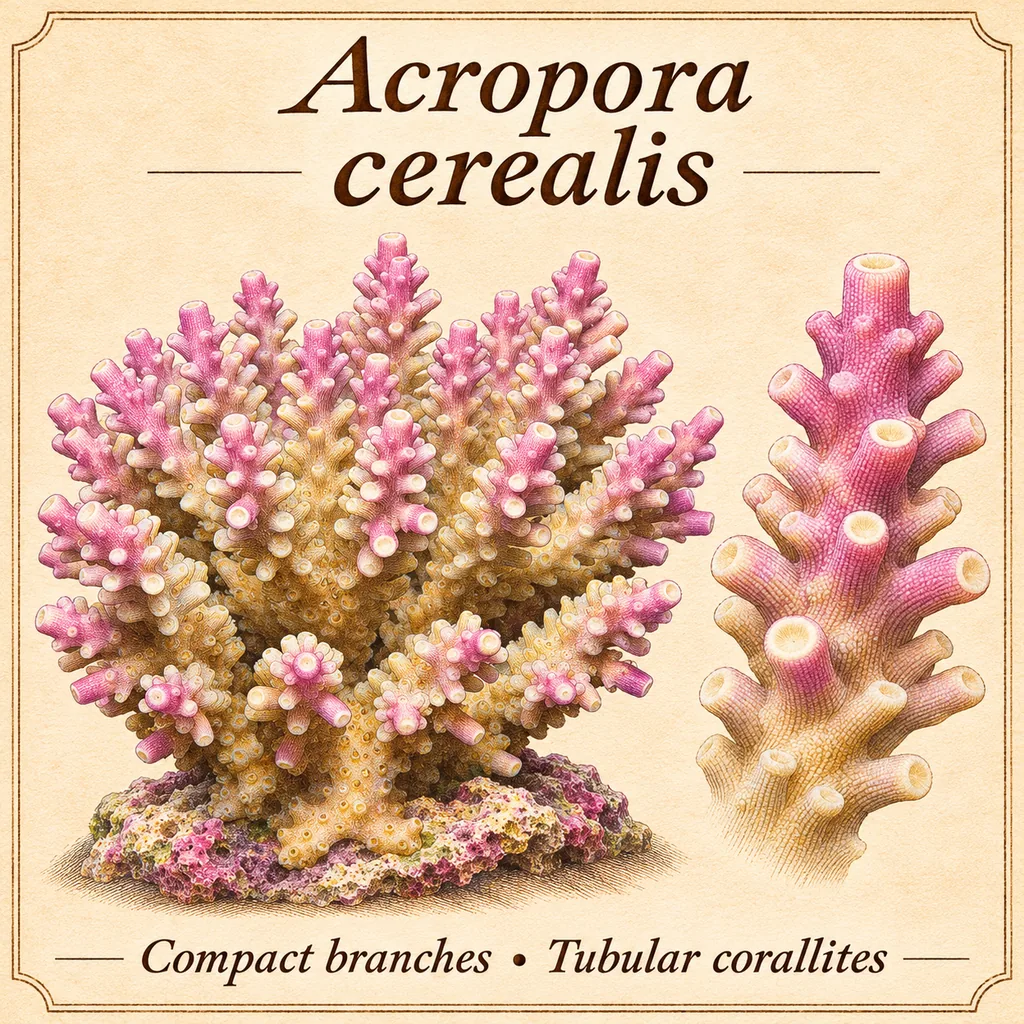
Acropora cerealis
Acropora cerealis
Similar care · SPS