

Weeping willow toadstool
Sarcophyton sp
Weeping willow toadstool is a long-polyp form of Sarcophyton, listed as Sarcophyton sp and kept among the toadstool leathers. A thick stalk rises from a base attached to rock, topped by a cap, called the capitulum, whose surface carries the polyps. In the weeping willow form those polyps extend unusually long and droop as they move in the current, hanging and swaying from the cap like willow branches. Polyp extension is the whole appeal of the form, and a settled specimen with polyps fully out reads as a soft tree in slow motion.
The entry lists beginner care, medium light, medium flow, middle placement, peaceful behavior, and moderate growth. Place the coral on stable rock in the middle of the aquascape, with open water above and beside the cap so the polyps can hang freely. Medium light supports full extension and steady growth. A toadstool kept too low may lean and stretch toward the light, while very strong light can keep the cap polyps shorter through the day. Judge placement by extension over a full week, because leathers close for stretches that have nothing to do with light.
Medium flow does two jobs here. The current makes the long polyps sway, which is the display this form is kept for, and moving water clears the cap surface. Toadstools periodically shed a thin waxy layer from the cap, and gentle flow lifts that film away as it loosens. Flow that pins the polyps flat to one side all day is too strong for the spot, and a dead corner lets the shed film and detritus sit on the cap, which can irritate the tissue underneath.
Feeding is indirect. Sarcophyton draws most of its energy from light and absorbs fine particles and dissolved nutrients from the water during regular reef feeding. No target feeding routine is needed. Stable, present nutrients suit leathers well, and very clean water can keep a toadstool closed and slow for long stretches.
This coral is listed as peaceful, with no sting to plan around. Spacing is still worth planning. The cap widens steadily and shades whatever grows below it, the stalk can lean as the cap gains weight, and leathers compete chemically with nearby corals in crowded tanks. Leave room around the cap for its mature width, keep prized SPS and LPS out of the shade line, and mount the base firmly, because a large cap makes the coral top-heavy and a fallen leather can sit on a neighbor for days before it is noticed.
Growth is moderate. The stalk thickens, the cap widens, and small offsets may appear at the base over time. A mature weeping willow can become a large centerpiece, so the spot chosen for a small frag should be judged against the size the coral will reach. Cap cuttings are the usual propagation route in the hobby, taken from the rim of a healthy, fully extending specimen.
The shedding cycle is the main behavior to learn. Every so often the cap closes, takes on a shiny, waxy look, and stays shut for several days before the surface layer lifts away and the polyps extend again, often looking cleaner and larger than before. A shed that runs long, a cap that develops holes, or tissue softening at the stalk points to a real problem worth checking, starting with flow across the cap and recent changes in the tank.
Common pitfalls include mistaking a normal shed for decline and moving the coral mid-cycle, which restarts its settling clock, placing it where the cap gets no flow and shed film sits on the tissue, and crowding the cap before its mature width arrives. Set it once in moving water, leave sheds alone, and plan the space for the adult coral.
Field notes — what keepers report
- Polyp-length reports vary with flow and light. Keepers in medium flow describe the long, drooping extension the form is named for, while keepers in still or shaded spots describe shorter, upright polyps on the same type of toadstool. Reports treat full extension over a settled week as the sign the spot suits the coral.
- Shedding reports split on how to handle the closed days. Some keepers leave the coral entirely alone and describe it reopening on its own, while others describe gently directing flow across the cap to help the film lift. Both sides agree that repeated moving during a shed prolongs the closure.
- Growth reports describe a slow start and a steady finish. Keepers describe small frags taking months to gain visible size, then caps widening noticeably season over season once the stalk thickens. Base offsets get reported on older colonies, appearing beside the main stalk without any cutting.
Field Notes
Related species
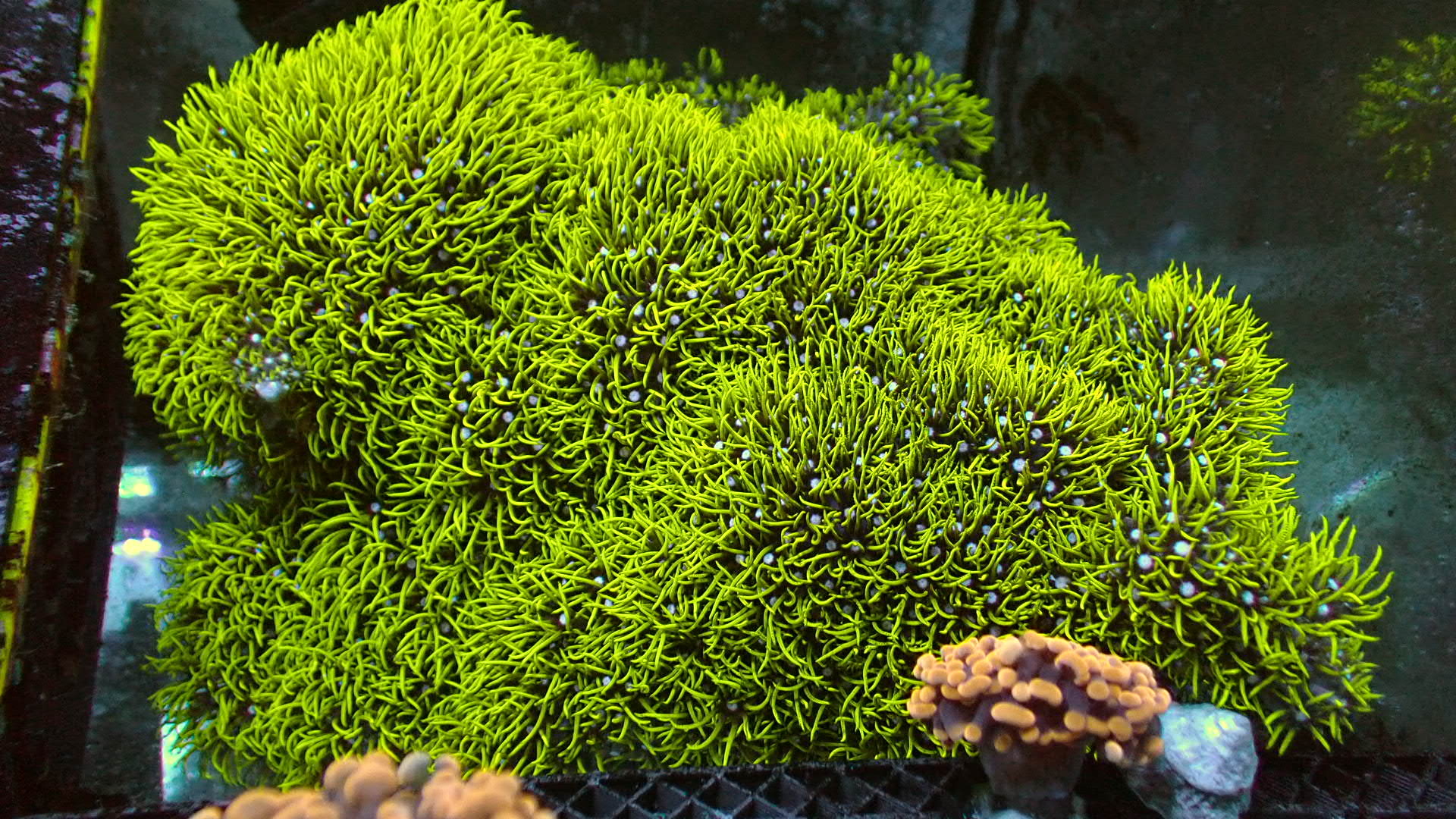
Green star polyps
Pachyclavularia violacea
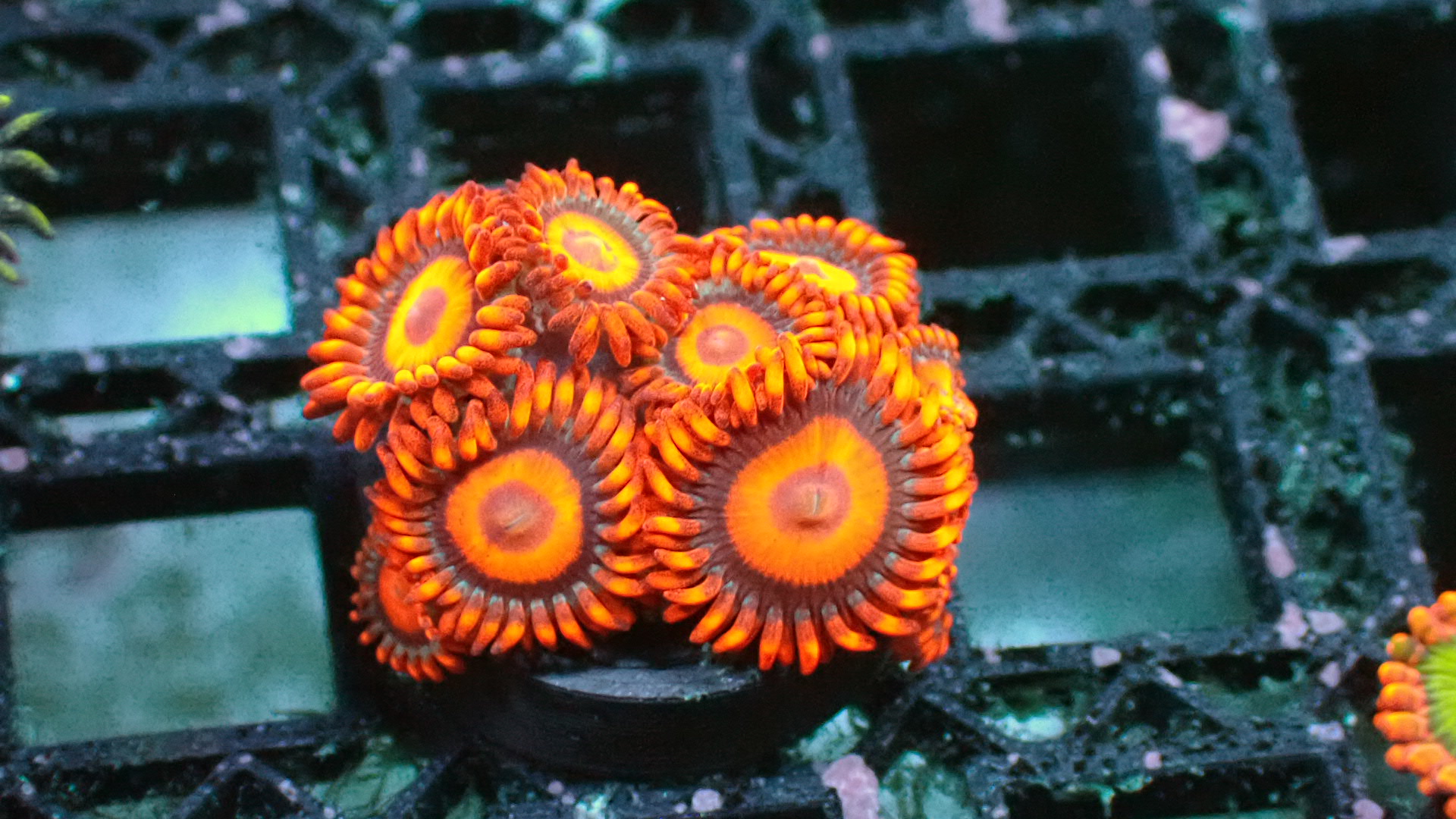
Orange oxide zoanthids
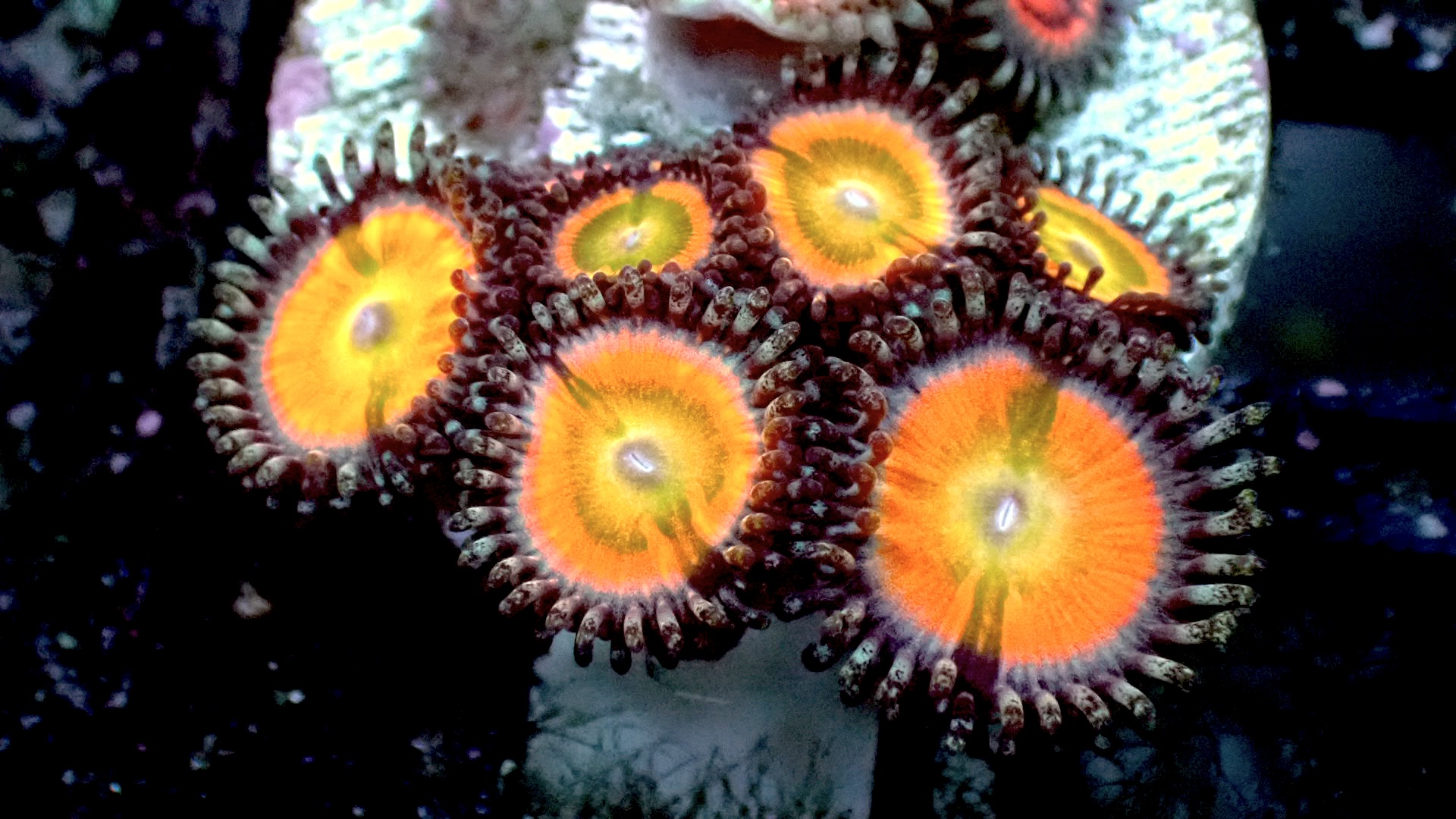
Rainbow infusion zoanthids
Zoanthus sp

Rasta zoanthids

Sunny d zoanthids
Zoanthus sp
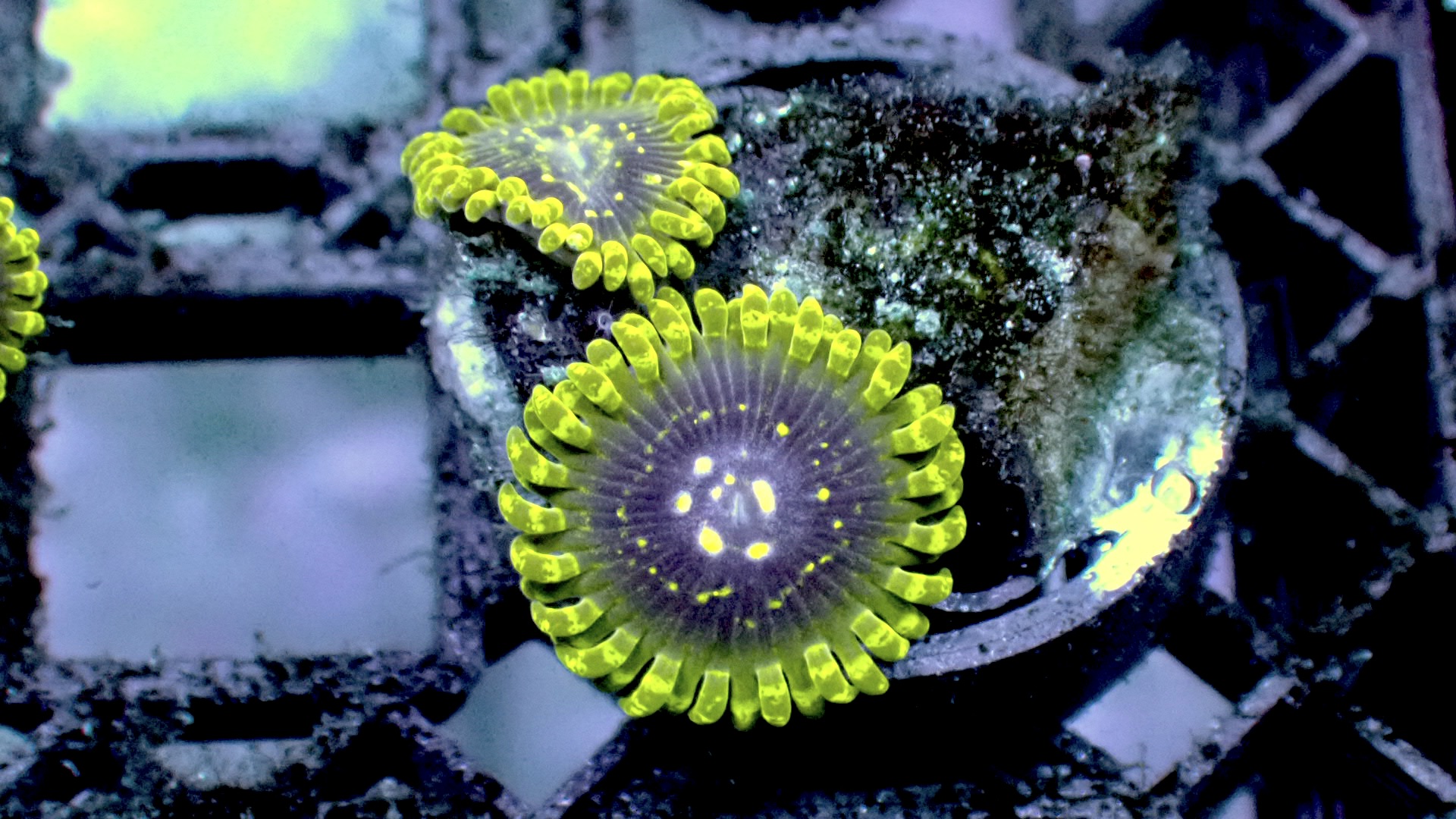
Exosphere zoanthids
Zoanthus sp
Magician zoanthids

Duncan coral
Duncanopsammia axifuga
Recommended from the shop


Love this species? No tank needed.
Reef art from the shop — for the wall, not the tank.


Get notified when Reef To Go has Weeping willow toadstool in stock or up for auction. One email when it's in — no spam.