Care facts
- Care
- Intermediate
- Light
- Medium
- Flow
- Medium
- Place
- Mid
- Space
- Peaceful
- Growth Rate
- Slow
Palytoxin safety
Some zoanthids and palythoas can contain a potent toxin. Wear sturdy waterproof gloves and eye protection, minimize handling, and keep colonies submerged when possible. Never boil, steam, pressure-wash or scrub colonized rock under running water. Keep other people and pets away during handling. If exposure is suspected, seek urgent medical advice and tell the clinician about possible palytoxin exposure.
Sources: CDC: palytoxin exposure · OATA: avoiding palytoxin poisoning
Gallery
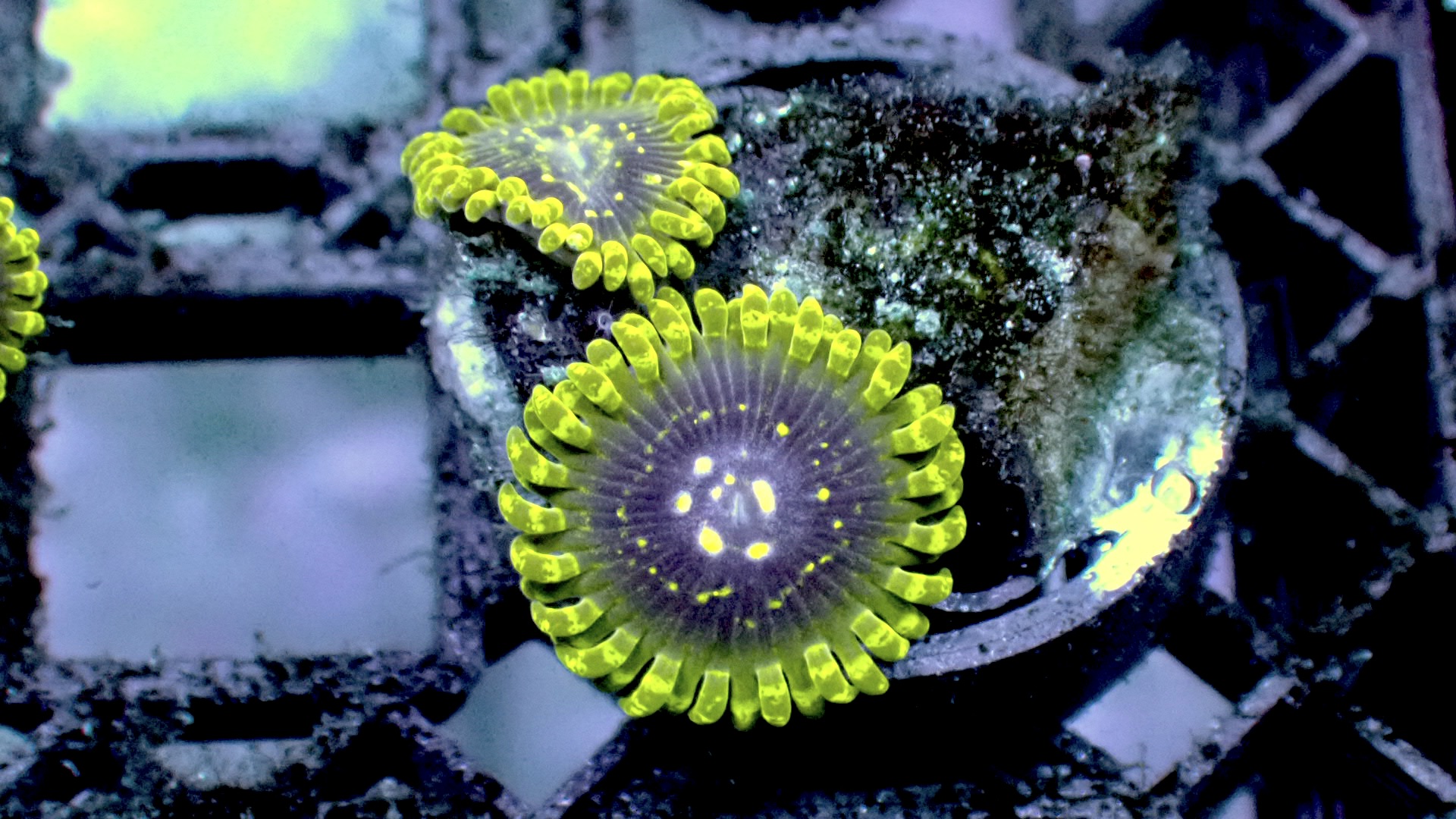
Exosphere zoanthids are a named Zoanthus morph kept for the pattern and contrast across each polyp face. Named zoanthid morphs are identified by their color pattern under blue light, and a single frag with a few polyps only hints at the finished look. A grown mat, with dozens of polyps opening together, shows the character that gives the morph its name and its following among zoanthid collectors.
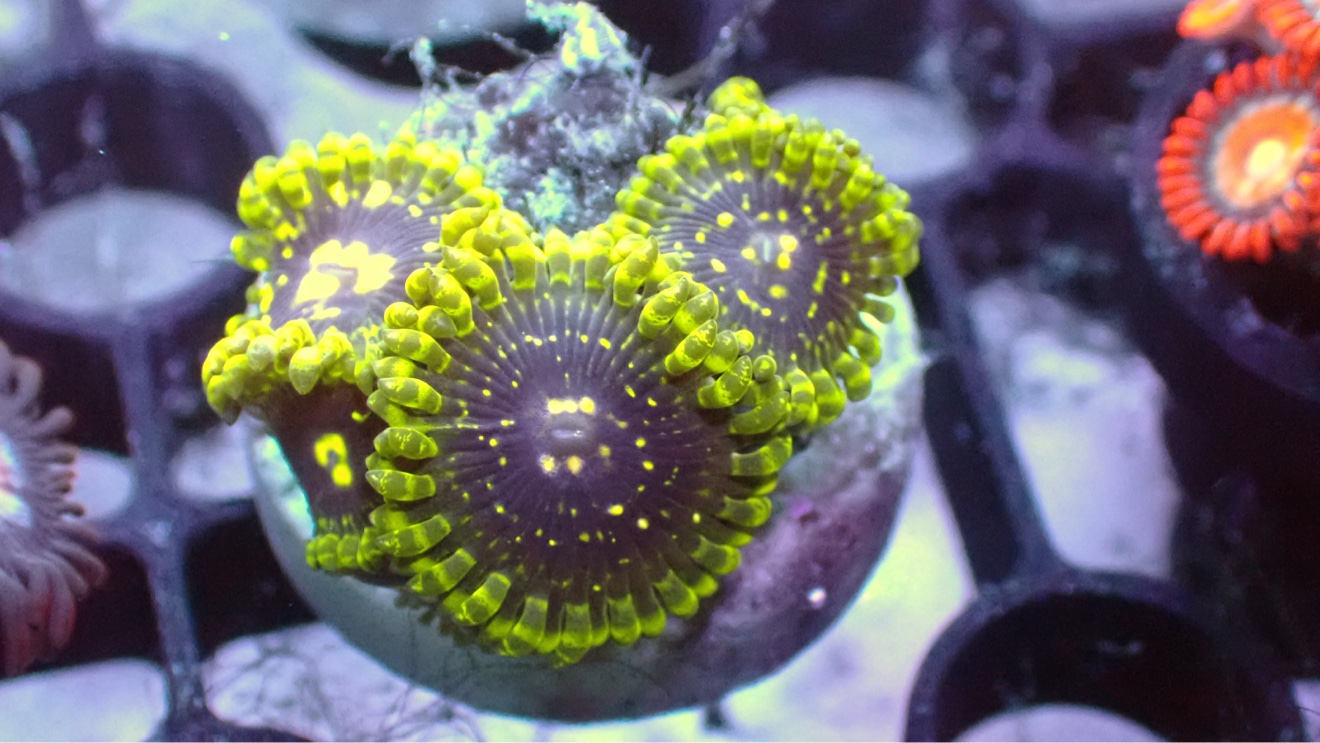
The entry lists intermediate difficulty, medium light, medium flow, mid placement, peaceful behavior, and slow growth. Start the frag where it gets steady medium light and enough flow to keep the polyps clean without bending them flat. Polyps that stretch tall on thin stalks are asking for more light, while polyps that stay pinched shut through the day may be getting too much light, too much flow, or attention from a pest or fish.
Give the colony a rock of its own or a defined edge to grow against. A zoanthid mat spreads across any surface it touches and will grow over plugs, rubble, and slower neighbors. An island rock keeps the spread contained, keeps the label accurate, and makes fragging easier later. Slow growth for this morph makes containment simple, though a settled colony still creeps outward month by month.
Handle Exosphere with full zoanthid caution. Zoanthid mucus can contain palytoxin, a serious toxin. Wear gloves when handling or fragging, keep the coral away from open cuts, wash hands and tools well after any work, and never boil, steam, or pressure-wash rock that carries zoanthids. Do fragging work outside the tank on a tray, keep children and pets clear of the work area, and dispose of waste where nothing can reach it.
Feeding is light and indirect. The mat benefits from fine coral food broadcast to the tank and from the dissolved nutrients of a normally fed reef. Heavy target feeding fouls the mat and feeds algae between polyps. A gentle turkey-baster puff every few days clears settled detritus, which matters in medium flow where waste can collect at the center of a dense mat.
Growth is rated slow, so judge progress over months. New polyps bud at the mat edge once the frag has encrusted and settled. Common pitfalls are moving the frag weekly while chasing better color, letting algae establish inside the mat, and mixing a slow named morph into a garden of fast growers that shade and overrun it. Stable placement, clean polyps, and neighbor control do more for this morph than any single additive.
Field notes — what keepers report
- Color reports for named zoanthids come with a lighting caveat. Keepers describe the same morph looking vivid under blue-heavy light and far more muted under white light, and they advise judging a frag after several weeks in your own tank rather than against a vendor photo taken under different light.
- Slow-start stories are common for higher-end morphs. Keepers report frags sitting with no new polyps for a month or more, then budding steadily once fully encrusted. Reports differ on whether a small light increase or a feeding change triggered the turn, and the shared thread is that the frag started growing after a long period with no changes at all.
- Pest checks come up in nearly every zoanthid discussion. Keepers describe mats closing in patches when nudibranchs, spiders, or algae move in, and they recommend inspecting and dipping new frags before placement, then watching the mat edge at night with a flashlight during the first weeks.
Field Notes
Related species
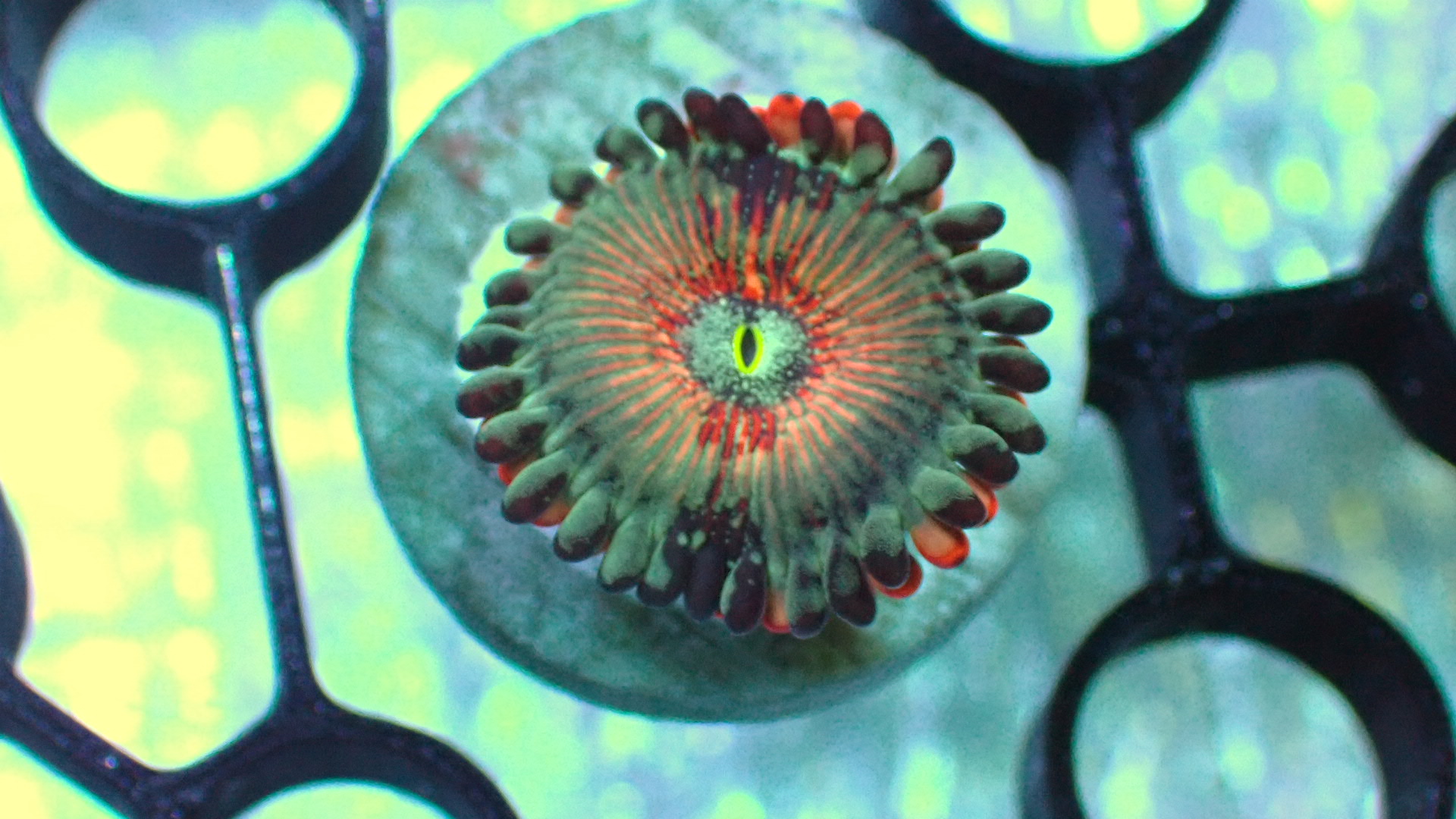
Salted agave zoanthids
Zoanthus sp
Same genus

Blueberry Haze Zoas
Zoanthus sp.
Same genus

Burning Willow Zoas
Zoanthus sp.
Same genus
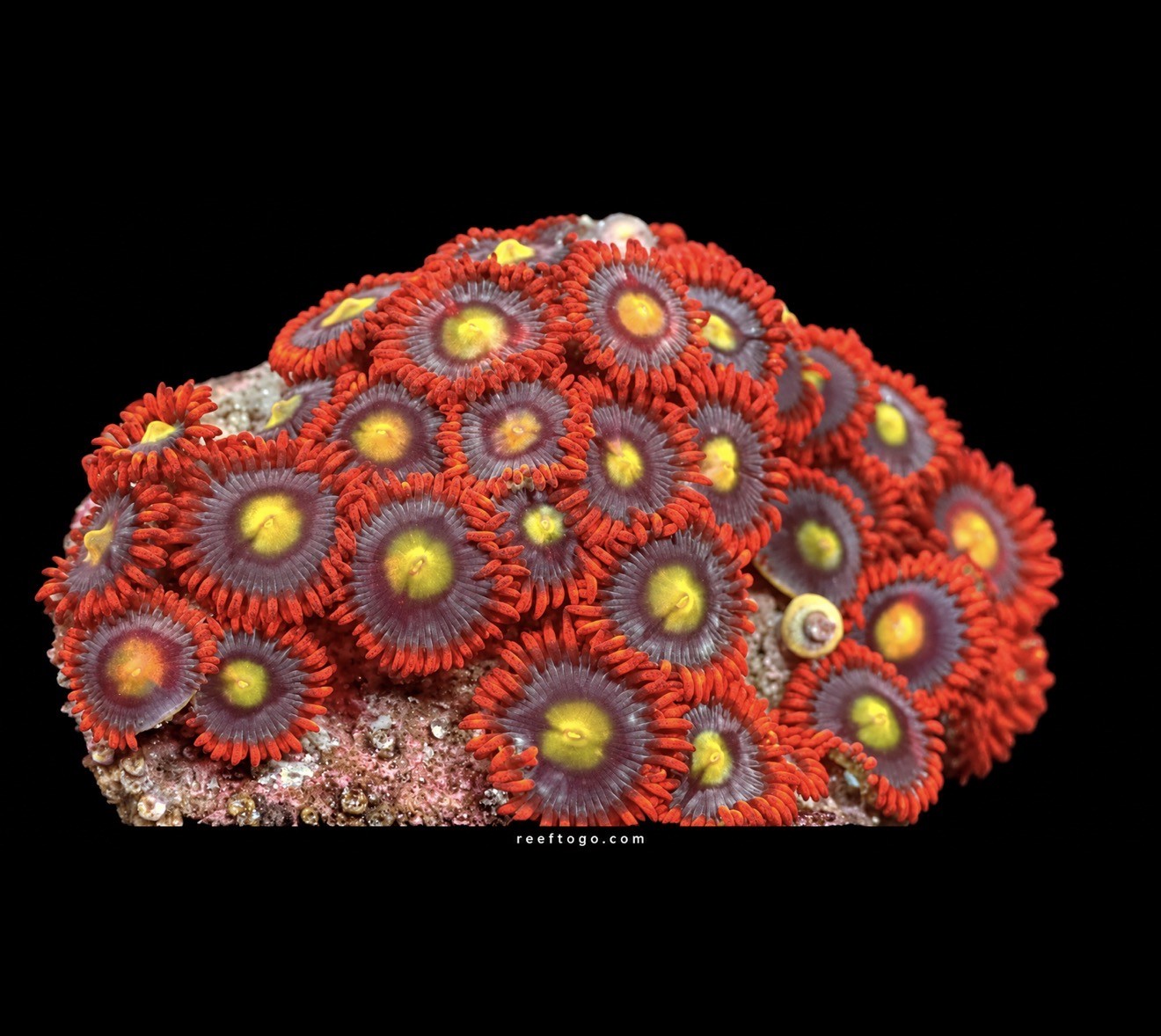
Fire and ice zoanthids
Zoanthus sp
Same genus
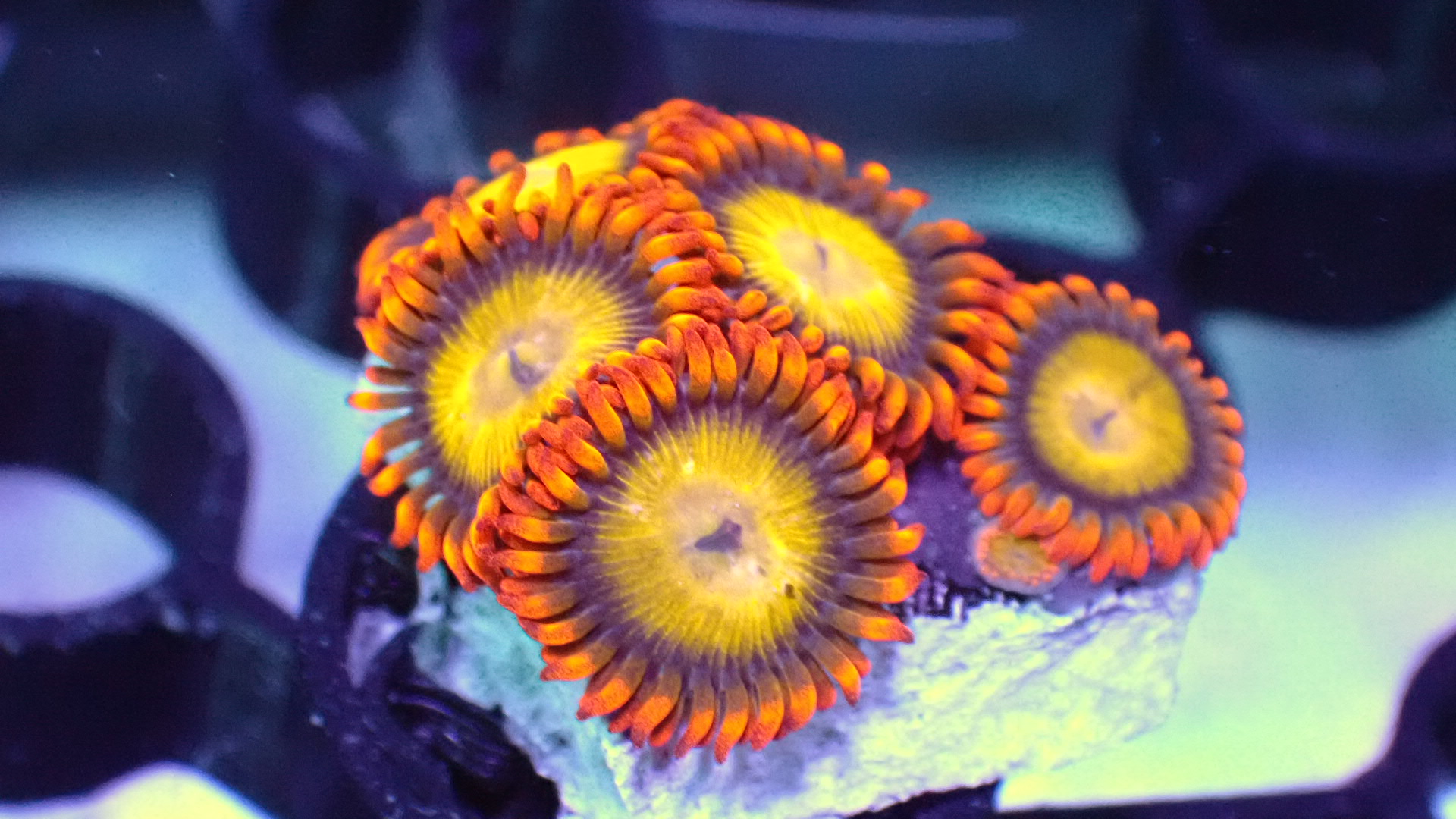
Mandarin zoanthids
Zoanthus sp
Same genus
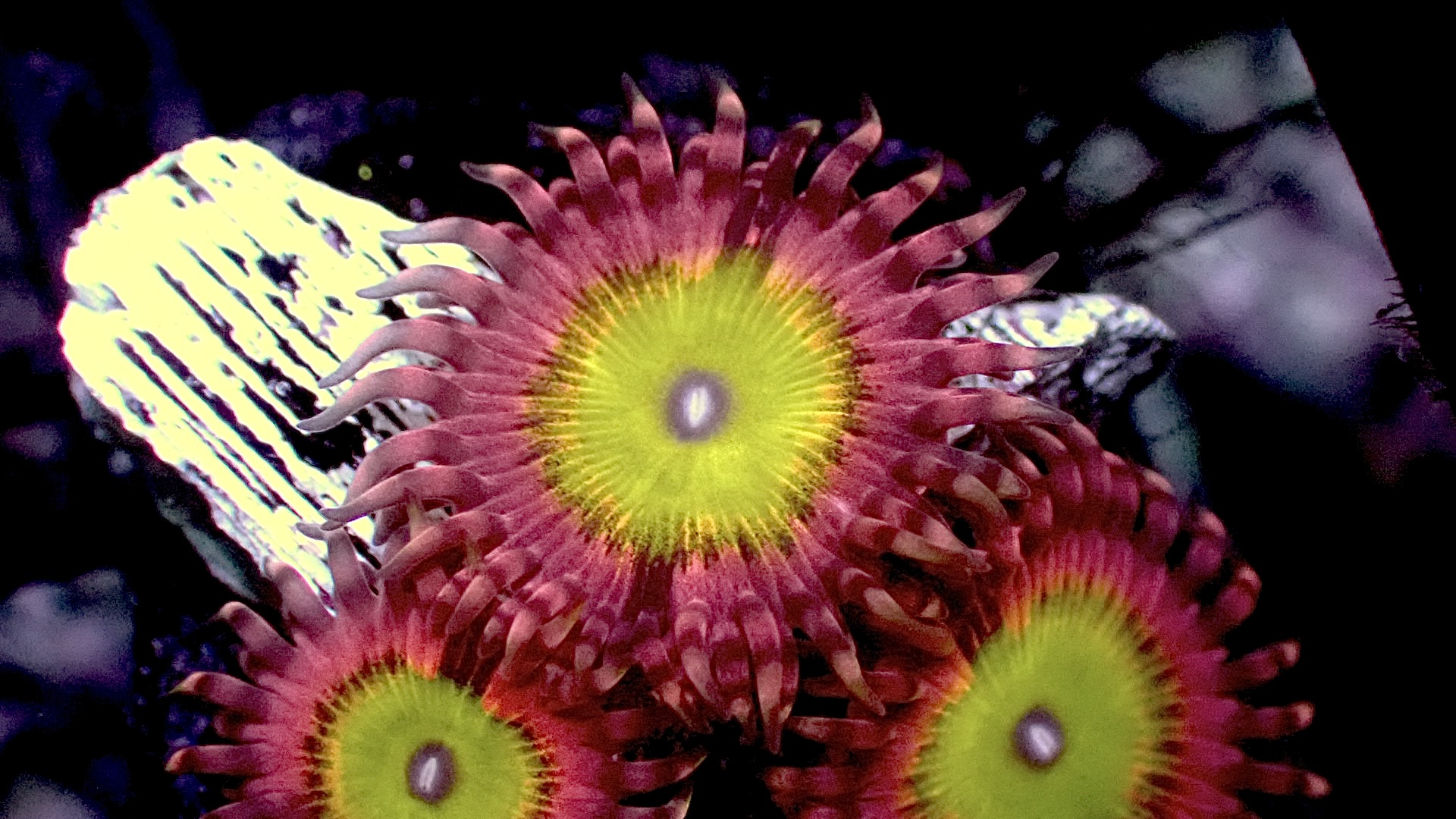
Pink hippo zoanthids
Zoanthus sp
Same genus

Purple Heart zoas
Zoanthus sp
Same genus

Radioactive dragon eyes
Zoanthus sp
Same genus