

Bling bling cyphastrea
Cyphastrea sp
Bling bling cyphastrea is an encrusting coral listed as Cyphastrea sp. The colony grows as a crust over rock, and each small polyp sits in its own raised cup in the skeleton, so the surface reads as a field of tiny, regular bumps. Polyps extend short tentacles, often most visibly under lower light or after food reaches the water. The bling bling name follows the bright, contrasting polyp color set against the body of the crust, so the polyps read as small jewels scattered across the rock face.

The entry lists beginner care, low light, medium flow, bottom placement, peaceful behavior, and moderate growth. Place the frag low, on a rock surface with room for the crust to run. Low light holds the contrast this morph is kept for. Strong light can wash out the body color and keep polyps tight, while moderate shade usually brings fuller extension. Start low even in a bright tank, and judge any change by polyp extension and color over weeks rather than days.
Medium flow should move across the crust and clear the cups. The bumpy surface holds detritus between polyps when flow runs weak, and waste sitting on the crust invites algae that competes at the growth edge. Flow does not need to be strong. It needs to reach the whole face, including the lower edge where waste gathers first. A direct jet can keep one patch retracted, so broad movement across the rock face is the better pattern.
Feeding is indirect and modest. The small polyps take fine particulate food from regular broadcast feeding, and some keepers offer fine food over the crust with flow lowered briefly. Light and stable chemistry carry most of the growth. Steady alkalinity, calcium, and magnesium support the encrusting skeleton. Cyphastrea tolerates a wider range than many stony corals, and wild swings still slow the edge and dull the color.
This coral is listed as peaceful, with short tentacles and no sweeper reach worth planning around. Spacing is a growth question. The crust advances over the rock it touches and can grow up to the base of a neighbor and over a shaded margin. Leave open rock around the frag for the colony to claim, keep it off the main face planned for slower encrusters, and watch the edge where it meets another coral, because direct contact at a growth front usually favors the advancing crust.
Growth is listed as moderate. The edge extends first as a thin film over new rock, polyps fill in behind it, and the crust thickens with time. A settled colony shows a clean advancing margin, polyps extended across the face, and contrast held between body and polyps. An edge that stalls, cups filling with waste, or color washing out across the face call for a check of light level, flow across the crust, and chemistry steadiness.
Common pitfalls include placing the frag high under strong light for faster growth and washing out the pattern, letting detritus settle into the polyp cups, and mounting it on a small rubble piece that the crust outgrows and tips over. Start low on solid rock, keep the surface clean with moving water, and give the edge room to run.
Field notes — what keepers report
- Light reports are consistent in direction. Keepers in low light describe the strongest contrast and the fullest polyp extension, while keepers who placed the same type of crust higher describe paler body color that recovered after a move down. Reports treat this as a coral that colors best away from the bright zone.
- Encrusting reports praise the coverage. Keepers describe cyphastrea claiming shaded rock faces, the undersides of overhangs, and other spots where few corals thrive, then holding that ground for a long run. Some keepers use that habit on purpose for a dim face, while others describe containing the edge once it neared a prized frag.
- Feeding reports split on value. Keepers who offer fine food describe faster edge growth and plumper polyps, while keepers who rely on broadcast feeding alone describe healthy crusts growing more slowly. Both sides agree the crust does well without heavy meals, and that waste left sitting on the surface does more harm than a missed feeding.
Field Notes
Related species
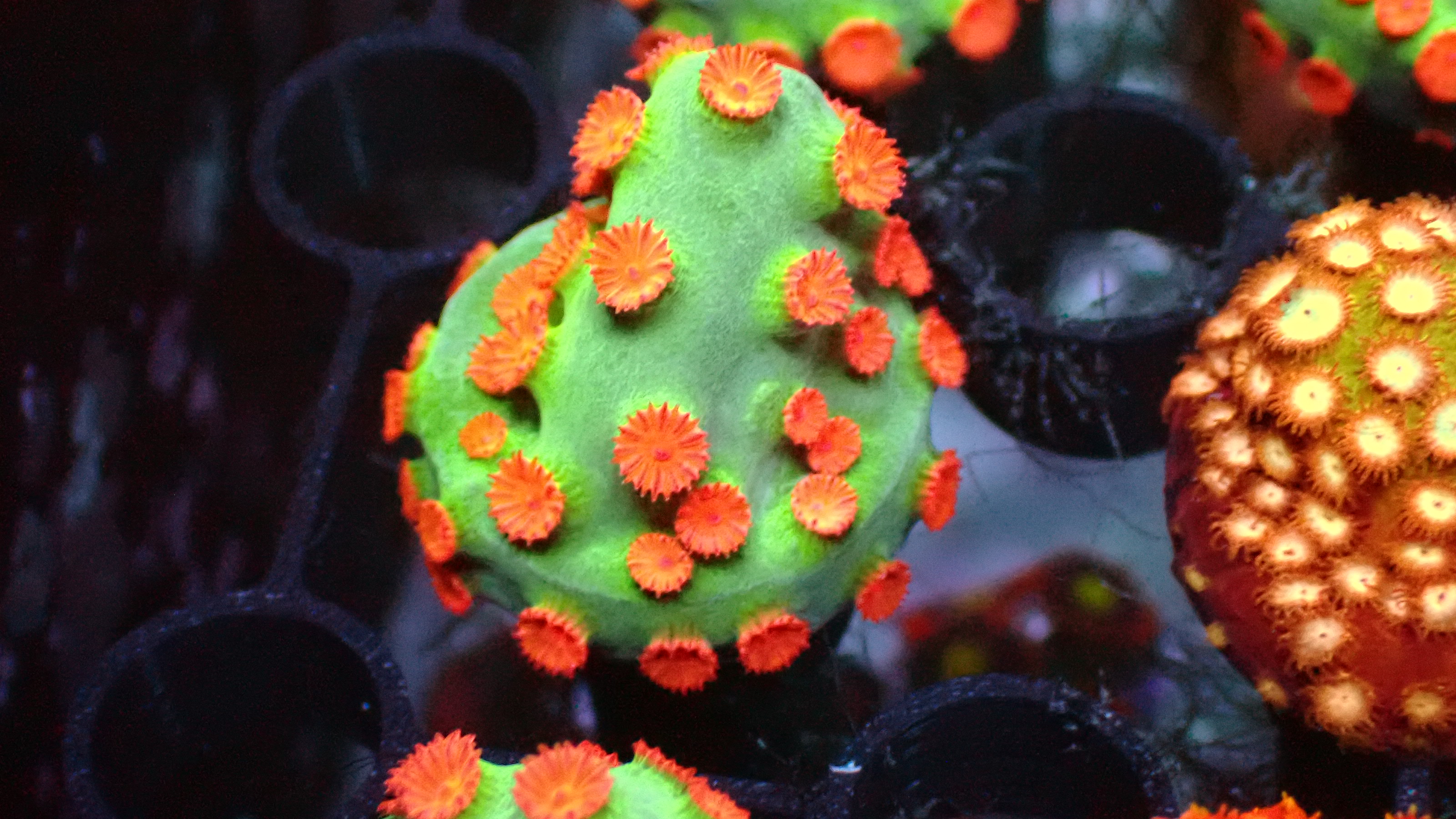
Meteor shower cyphastrea
Cyphastrea sp

Blue mouth Duncan
Duncanopsammia axifuga

Circuit Breaker Cyphastrea

Citrus Burst Cyphastrea

Duncan coral
Duncanopsammia axifuga
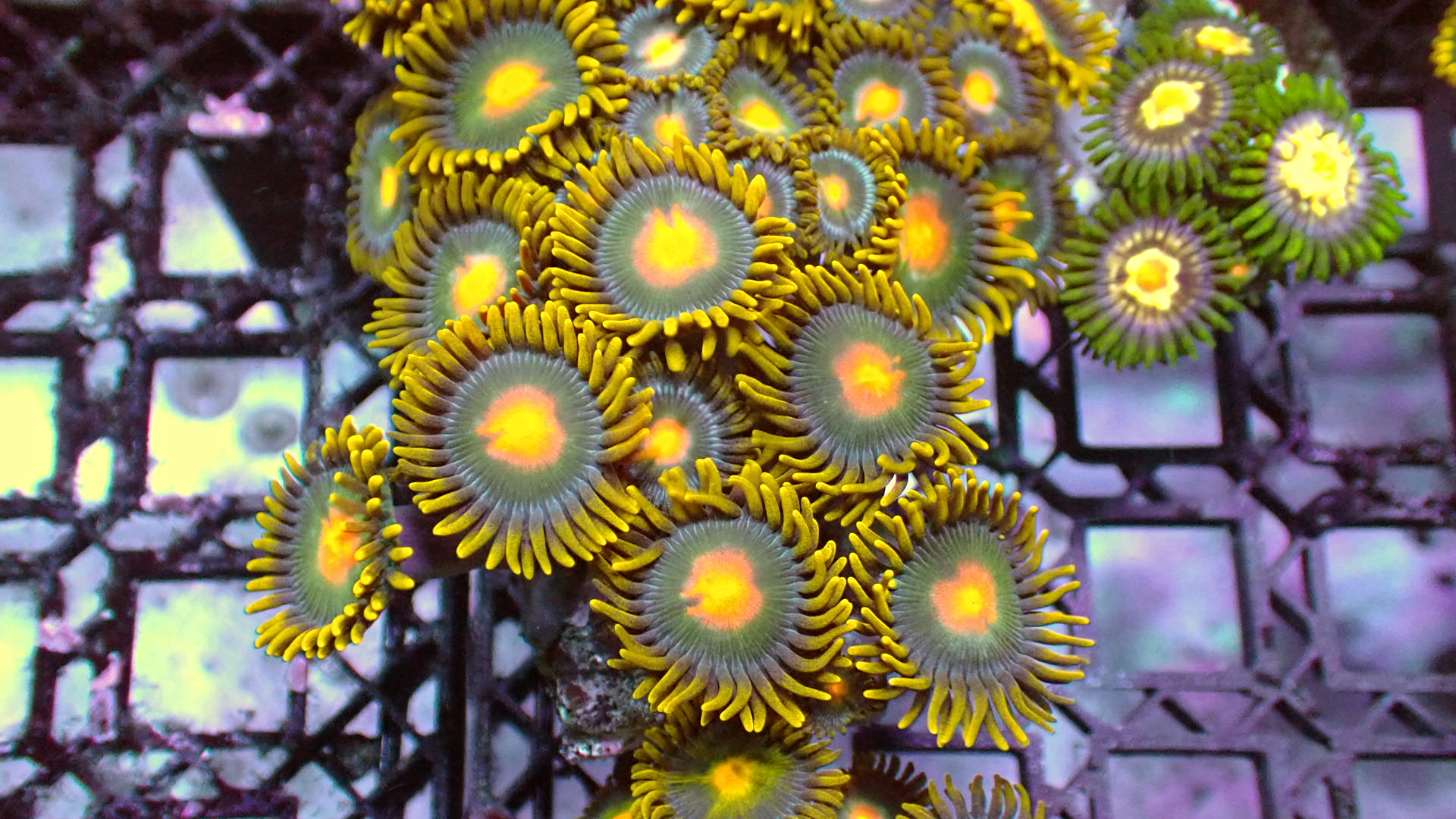
Green Bay Packers zoanthids
Zoanthus sp

Laser lemon zoanthids
Zoanthus sp.

Lobophyllia rowleyensis
Lobophyllia rowleyensis
In the shop now

Similar picks from the shop


Love this species? No tank needed.
Reef art from the shop — for the wall, not the tank.


Get notified when Reef To Go has Bling bling cyphastrea in stock or up for auction. One email when it's in — no spam.