Blow Pops zoas
Zoanthus sp
Palytoxin safety
Some zoanthids and palythoas can contain a potent toxin. Wear sturdy waterproof gloves and eye protection, minimize handling, and keep colonies submerged when possible. Never boil, steam, pressure-wash or scrub colonized rock under running water. Keep other people and pets away during handling. If exposure is suspected, seek urgent medical advice and tell the clinician about possible palytoxin exposure.
Sources: CDC: palytoxin exposure · OATA: avoiding palytoxin poisoning
Gallery
A few polyps can become a little garden. Give Blow Pops a sensible starting spot, watch how it settles, and plan for the patch you hope to grow.
Meet Blow Pops
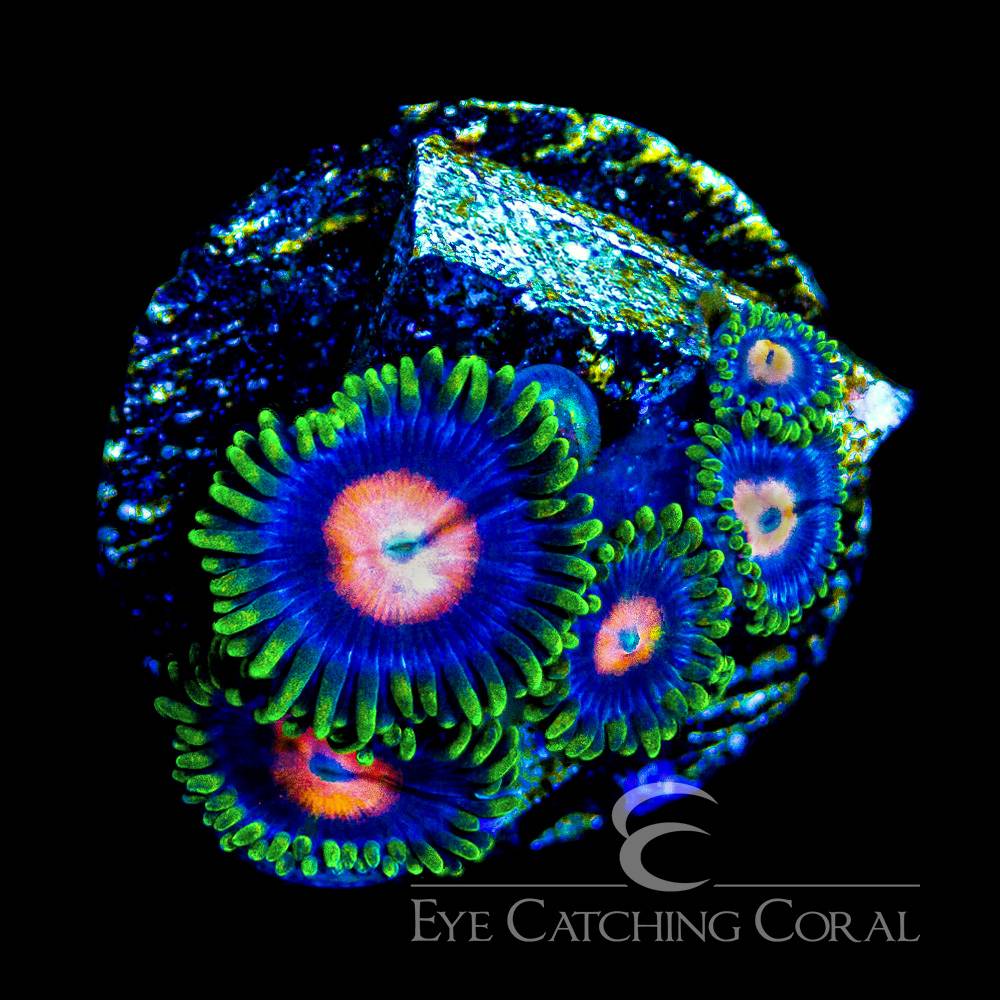
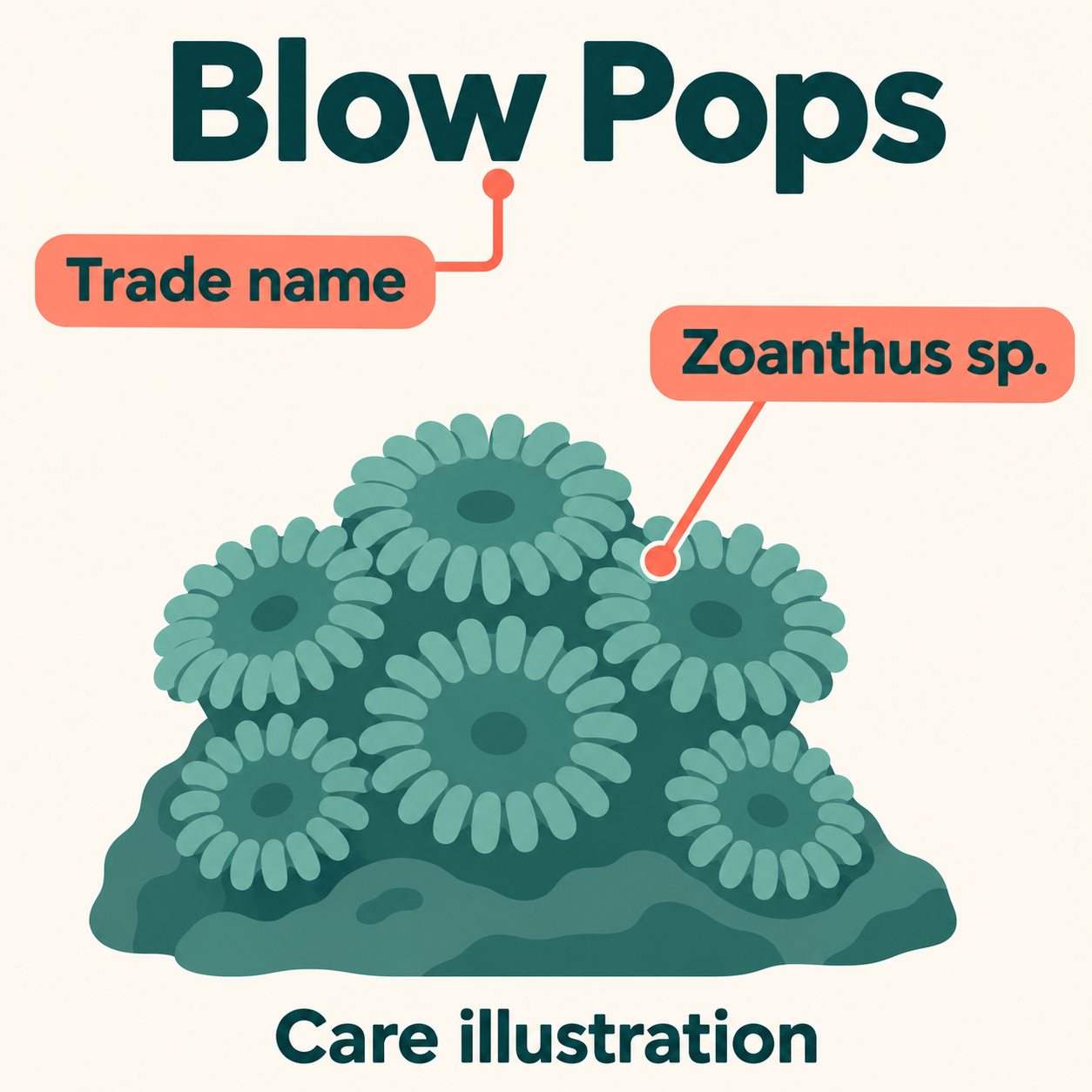
Blow Pops is an aquarium trade name. The identification stays at Zoanthus sp., as it does in the named listings from Bulk Reef Supply and Lucky Corals. The label does not establish an exact species, collection site or shared lineage for every frag sold under it. [Named-morph listing](https://www.bulkreefsupply.com/ecc-blow-pops-zoanthid-eye-catching-coral.html)
Think of a zoa colony as a growing patch of connected polyps. Each little head opens into a disc with a fringe of tentacles. New heads can fill the space around the original frag. You are choosing a home for that patch, not just somewhere to park a plug.
The illustrations here explain care. They are not identification pictures of Reef To Go's Blow Pops. Judge an offered frag from its actual photograph and history, rather than matching it to a generated drawing.
Find its light and flow
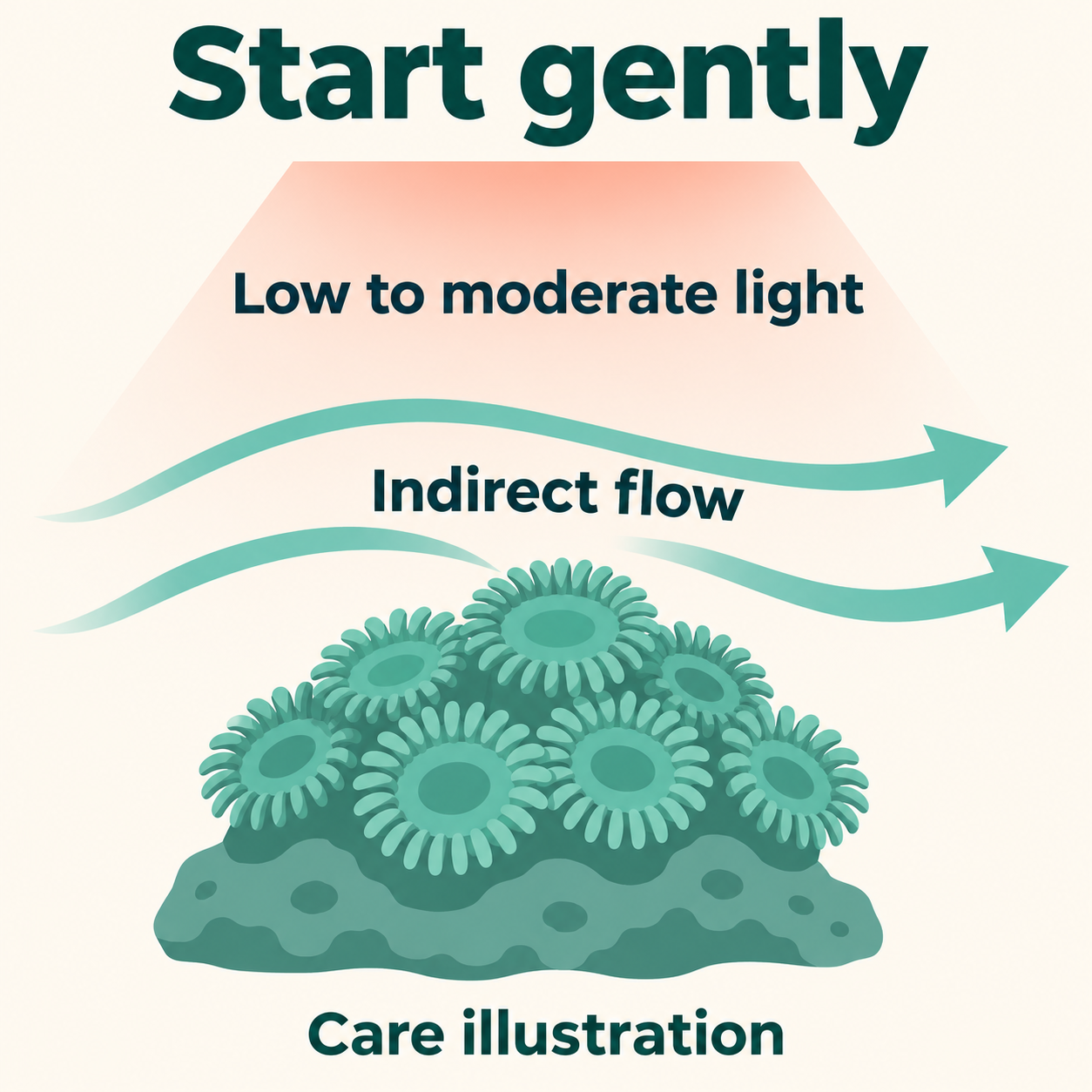
Start with low to moderate light and indirect water movement. A lower or middle rock can work, provided the colony stays clear of settling sand. Ask the seller what conditions it came from. The Mid care-card label is a starting category, not a rule that every tank's halfway point is suitable. [Blowpop placement guidance](https://luckycorals.com/collections/beginner-corals-for-sale-easy-corals-lucky-corals/products/blowpop-zoa)
Watch what the water does at the frag. You want circulation across the colony, without a narrow jet repeatedly pinning the polyps shut. Reposition the flow if debris collects between the heads. Pump percentages alone cannot tell you whether the spot works. [Flow guidance](https://www.bulkreefsupply.com/ecc-blow-pops-zoanthid-eye-catching-coral.html)
Make lighting changes slowly. In its general zoanthid guide, Tidal Gardens reports success under varied light levels, but warns that a sudden increase can bleach them. A PAR meter helps compare locations; the trade name does not come with a proven ideal number. [Lighting discussion](https://tidalgardens.com/articles/coral-care-articles/zoanthus-coral-care.html)
Keep water steady and meals small
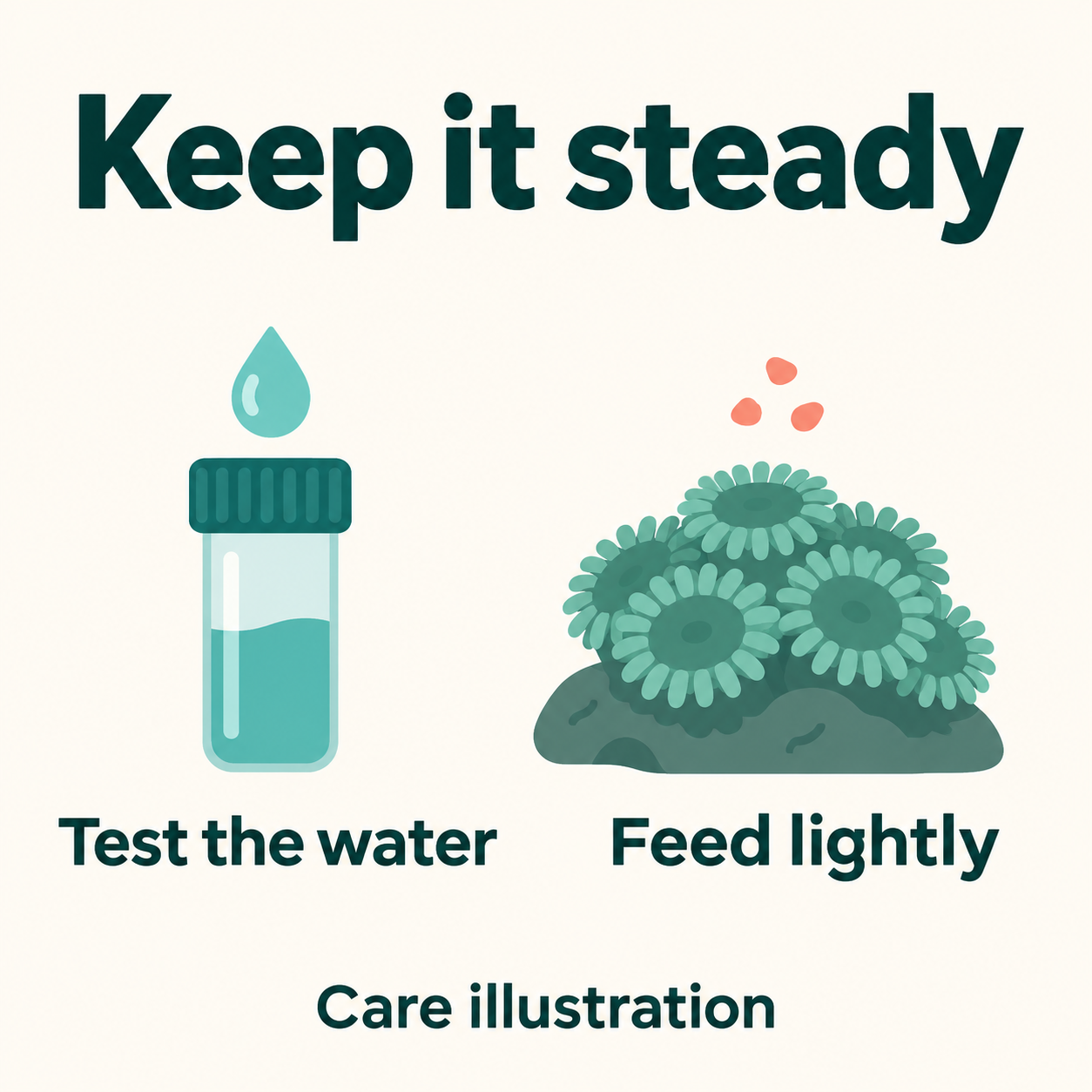
Keep temperature and salinity steady, and keep up the reef's normal testing and maintenance. Test nitrate and phosphate rather than guessing from how clear the water looks. Tidal Gardens warns that stripping these nutrients away can leave zoas struggling. That is not a reason to let waste pile up. [Water-quality discussion](https://tidalgardens.com/articles/coral-care-articles/zoanthus-coral-care.html)
Direct feeding is optional. Lucky Corals says its Blowpop zoas generally do not need it, while Corals.com describes regular feeding as beneficial. Both are practical seller advice, not controlled trials. [Lucky Corals care](https://luckycorals.com/collections/beginner-corals-for-sale-easy-corals-lucky-corals/products/blowpop-zoa) · [Corals.com care](https://www.corals.com/product/blow-pops-zoanthid-frag-aquacultured-wysiwyg-3/)
If you try a fine coral food, start small and follow its directions. Watch the coral and your nutrient tests before increasing the amount. A cloud of leftover food is a maintenance problem, not a goal. Keep the experiment simple enough to tell whether it helped.
Leave room for the patch
Corals.com describes zoanthids on its Blow Pops listing as relatively fast growing. Treat that as potential, not a promise of new polyps every week. Settling time and growth differ between colonies. [Growth description](https://www.corals.com/product/blow-pops-zoanthid-frag-aquacultured-wysiwyg-3/)
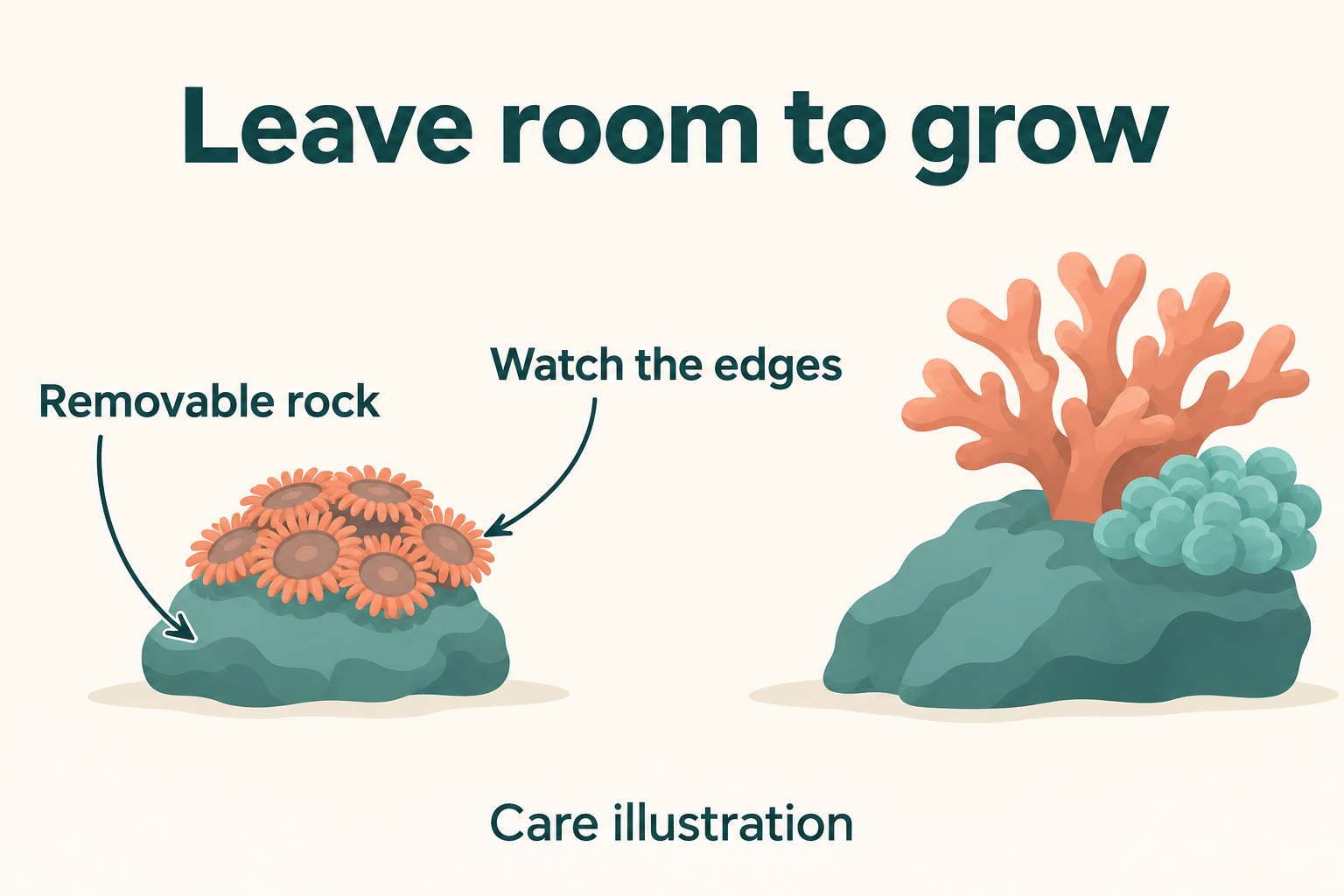
A small, removable rock makes an expanding patch easier to manage. Leave a gap from surrounding rockwork and check for new bridges as the mat spreads. Plan the boundary while the frag is small. An island is easier to inspect than a colony woven through your main reef. [Zoa garden planning](https://www.bulkreefsupply.com/ecc-blow-pops-zoanthid-eye-catching-coral.html)
A one-to-two-inch gap is not a permanent safety line. Growth and nearby corals can change the available space. Keep the colony out of contact with neighbors and leave more room where their reach demands it. Watch the edges even when the colony seems well behaved.
When the polyps stay closed
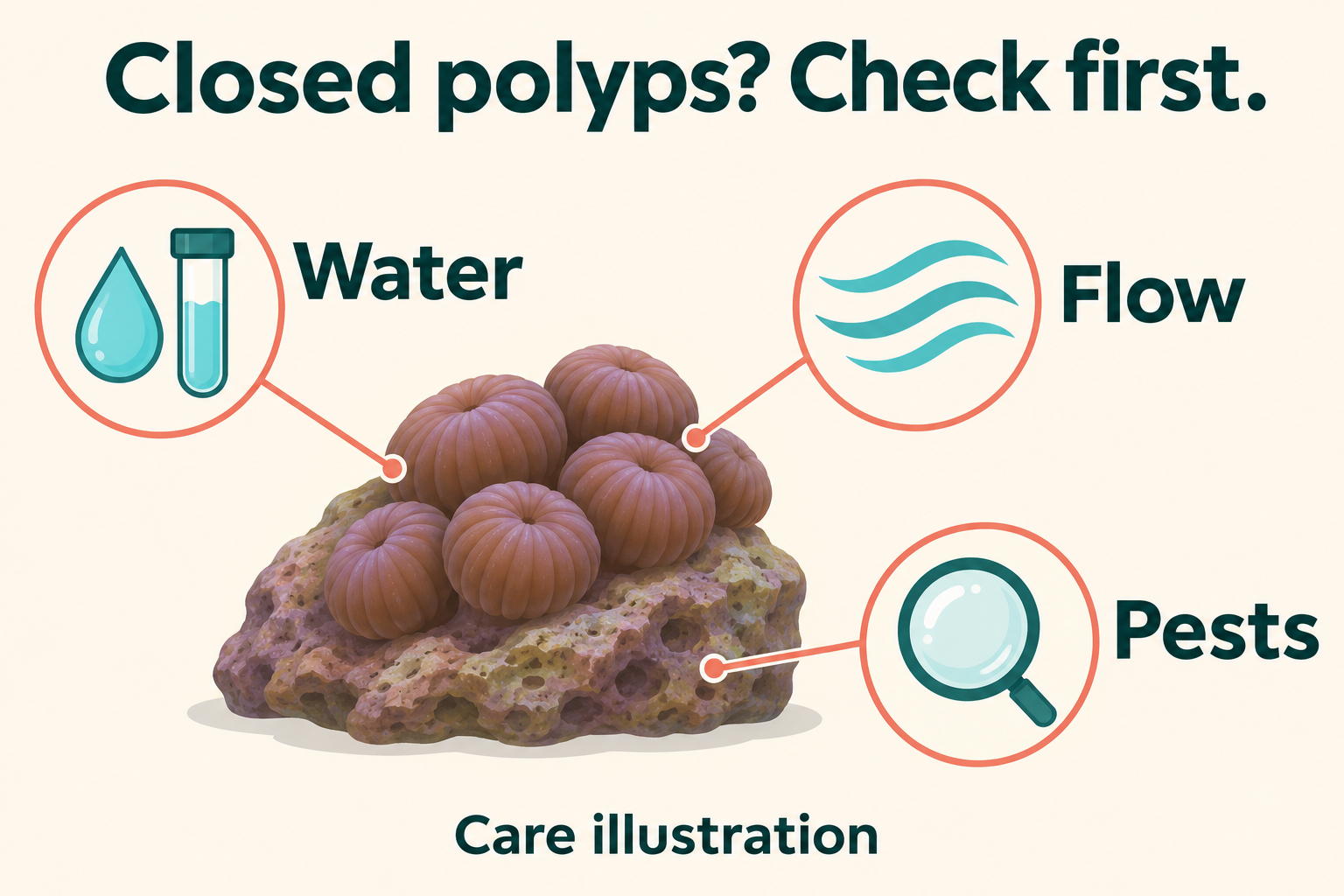
First ask what changed. Check temperature, salinity, recent dosing, lighting and pump adjustments. If several corals look unhappy, start with the tank-wide basics. If only this frag is affected, check its immediate surroundings.
Look for trapped debris, sand, contact with another coral, or an animal repeatedly bothering the polyps. Zoanthid-eating nudibranchs, sundial snails and sea spiders are among the pests discussed by Tidal Gardens. A closed head or white mark alone does not identify the cause. [Pest discussion](https://tidalgardens.com/articles/coral-care-articles/zoanthus-coral-care.html)
Take clear photos before making several changes at once. If tissue is disappearing, get experienced help promptly. Use a treatment only after identifying a likely problem, and follow coral-specific product directions. Repeated mystery dips can make it harder to see what is happening.
Protect yourself when handling
Treat zoanthids as potentially toxic. A trade name or color cannot tell you a colony's palytoxin level. CDC has documented serious aquarium-related exposure, including illness in people who were nearby rather than handling the coral themselves. [CDC investigation](https://www.cdc.gov/mmwr/preview/mmwrhtml/mm6431a4.htm)
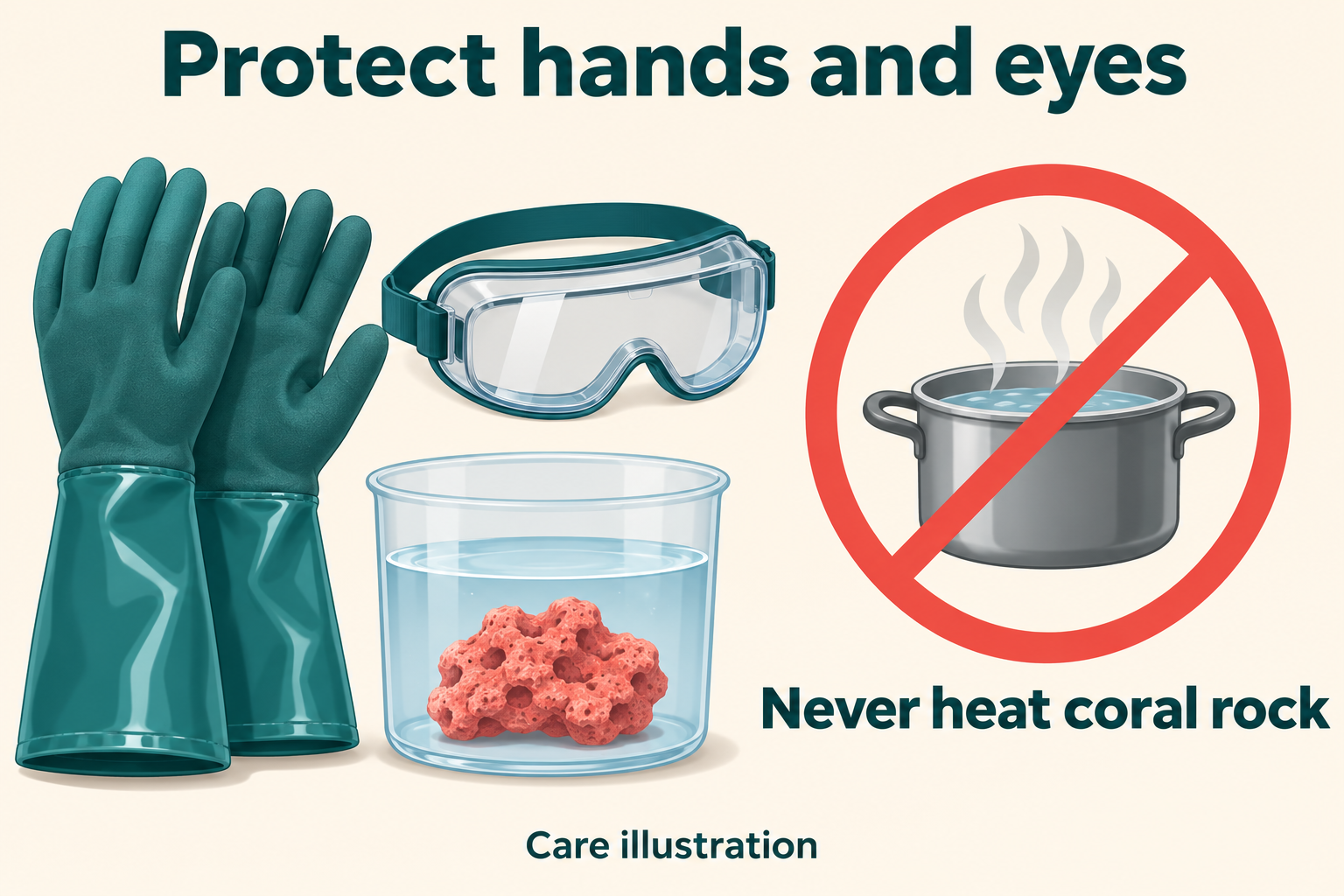
Wear sturdy waterproof gloves and eye protection. Minimize handling, keep colonies submerged where practical, avoid splashes, and keep other people and pets away. Wash your hands afterward. Never boil, steam, microwave, pressure-wash or pour hot water over colonized rock. Do not scrub it under running water. [OATA precautions](https://ornamentalfish.org/what-we-do/advice-information/care-sheets/caresheets-marine-fish/how-to-avoid-palytoxin-poisoning-if-you-keep-corals/)
If you suspect exposure, stop work and seek urgent medical advice. Tell the clinician about possible palytoxin exposure from aquarium coral. Breathing difficulty needs emergency help.
Field notes — what keepers report
Growth does not follow a single timetable. In April 2017, Reef2Reef keeper DracoKat said all their zoas grew fairly fast, but their Blow Pops were the slowest of the group. In November 2018, John3 included Blow Pops among crowded colonies they wanted to reduce. Those are different experiences, not measured growth trials. The names are the keepers' own labels. [DracoKat, post 24](https://www.reef2reef.com/threads/fastest-and-slowest-growing-zoas.302799/page-2#post-3711675) · [John3, post 1](https://www.reef2reef.com/threads/need-some-major-zoa-pruning.509415/)
Feeding gets mixed reviews too. In a February 2021 Reef2Reef discussion, Oscar47f reported good results with very little direct feeding, while also using amino acids. In the next reply, tnewell reported their fastest growth with twice-weekly target feeding. These were general zoa experiences, not Blow Pops tests. They do not prove that either schedule will suit your tank. [Feeding discussion, posts 4–5](https://www.reef2reef.com/threads/first-zoanthids-can-feeding-them-overload-my-filter.799876/)
Give your own colony a simple record: a dated photo, taken from the same angle under the same light, plus a note of anything you changed. That makes slow progress easier to spot and keeps another keeper's success story from becoming a promise.

Field Notes
Related species
Alien Eye zoas
Zoanthus sp
Same genus
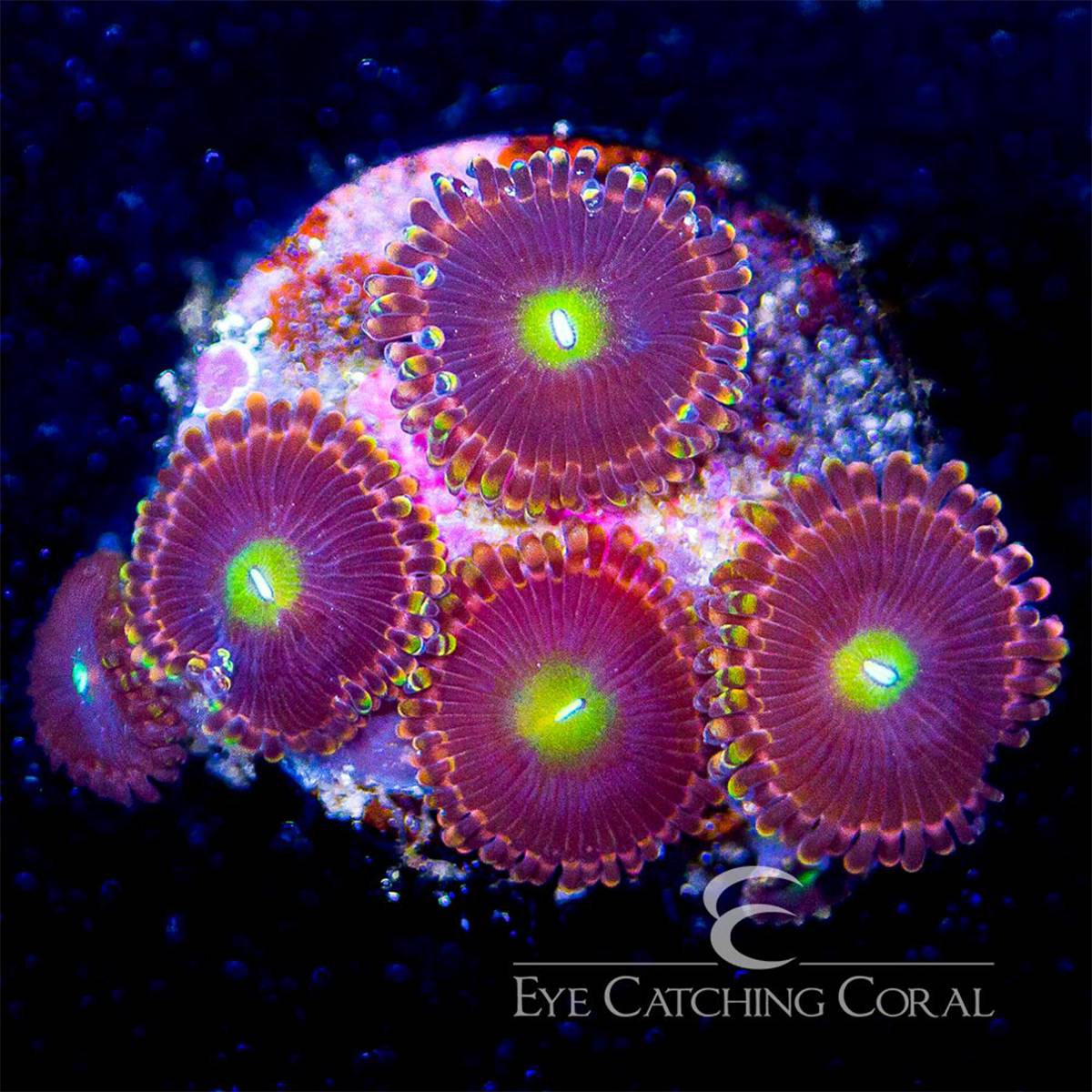
Antimatter zoas
Zoanthus sp
Same genus
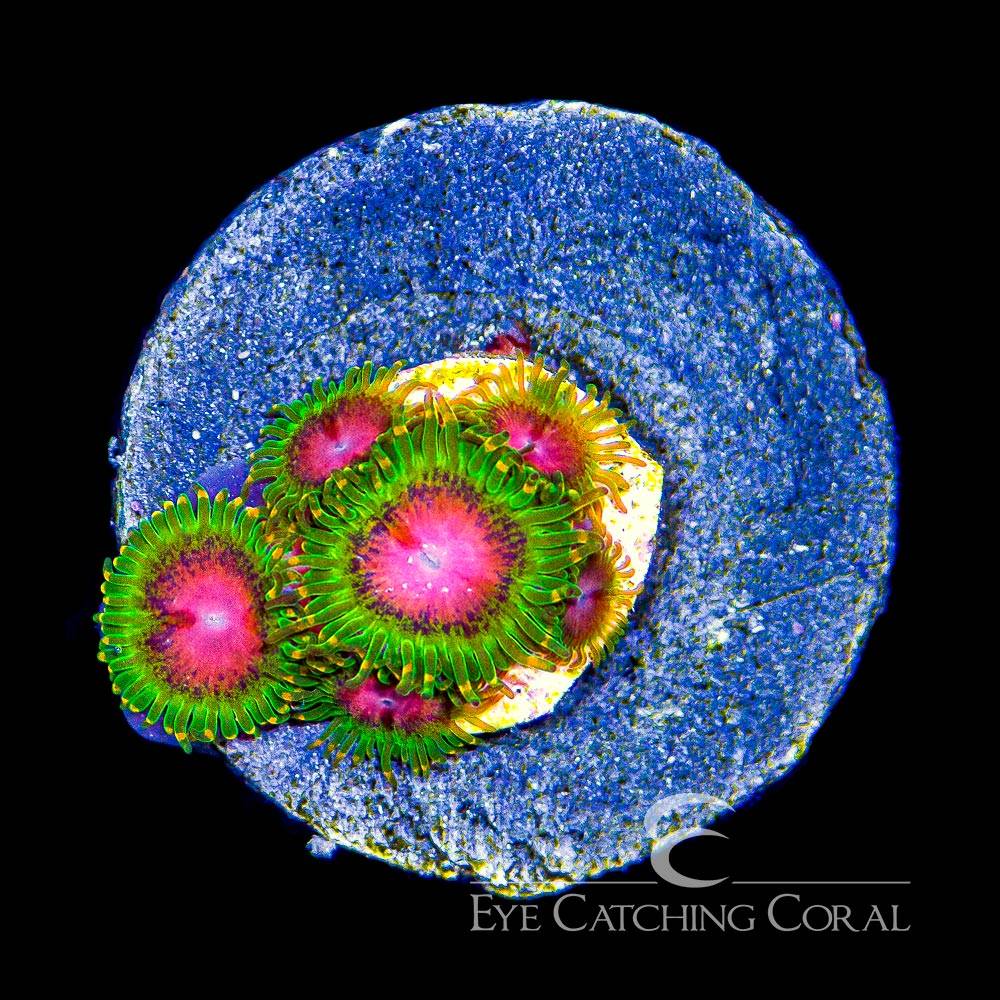
Awesome Blossom zoas
Zoanthus sp
Same genus
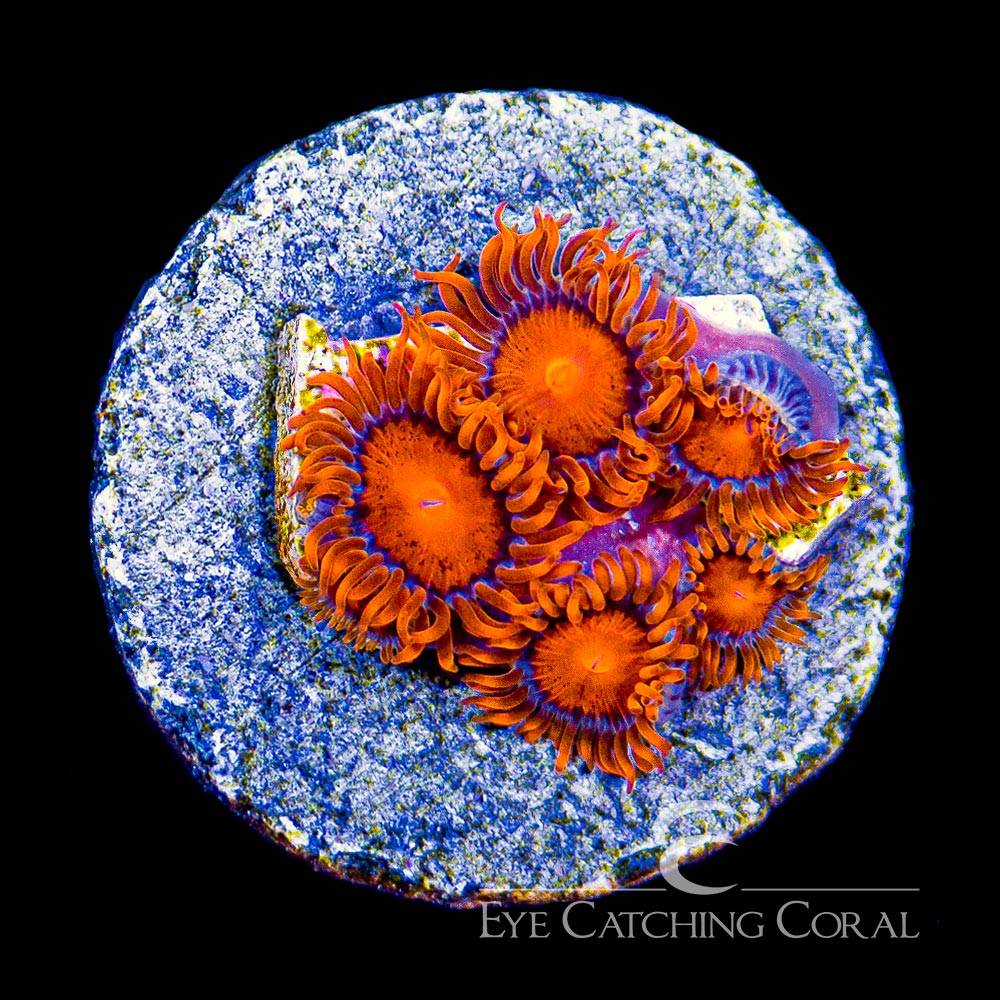
Bam Bam zoas
Zoanthus sp
Same genus
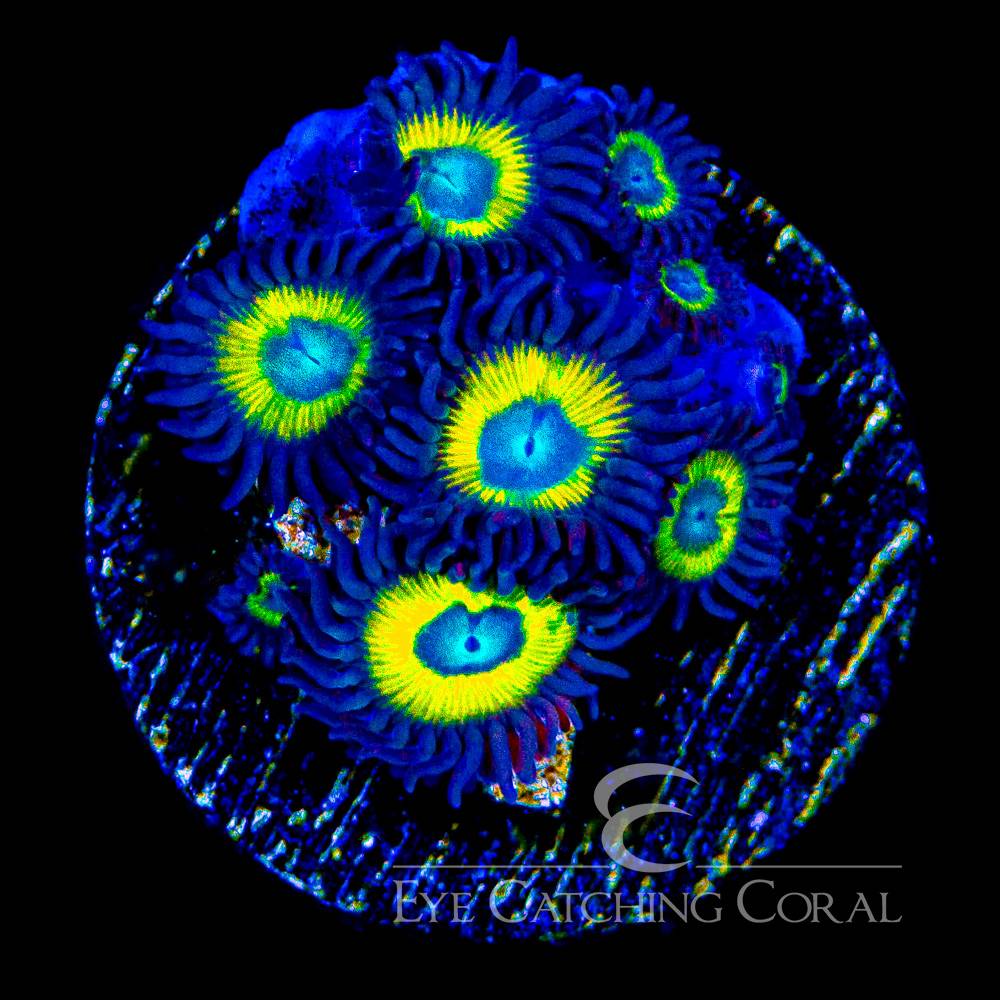
Black Bella zoas
Zoanthus sp
Same genus
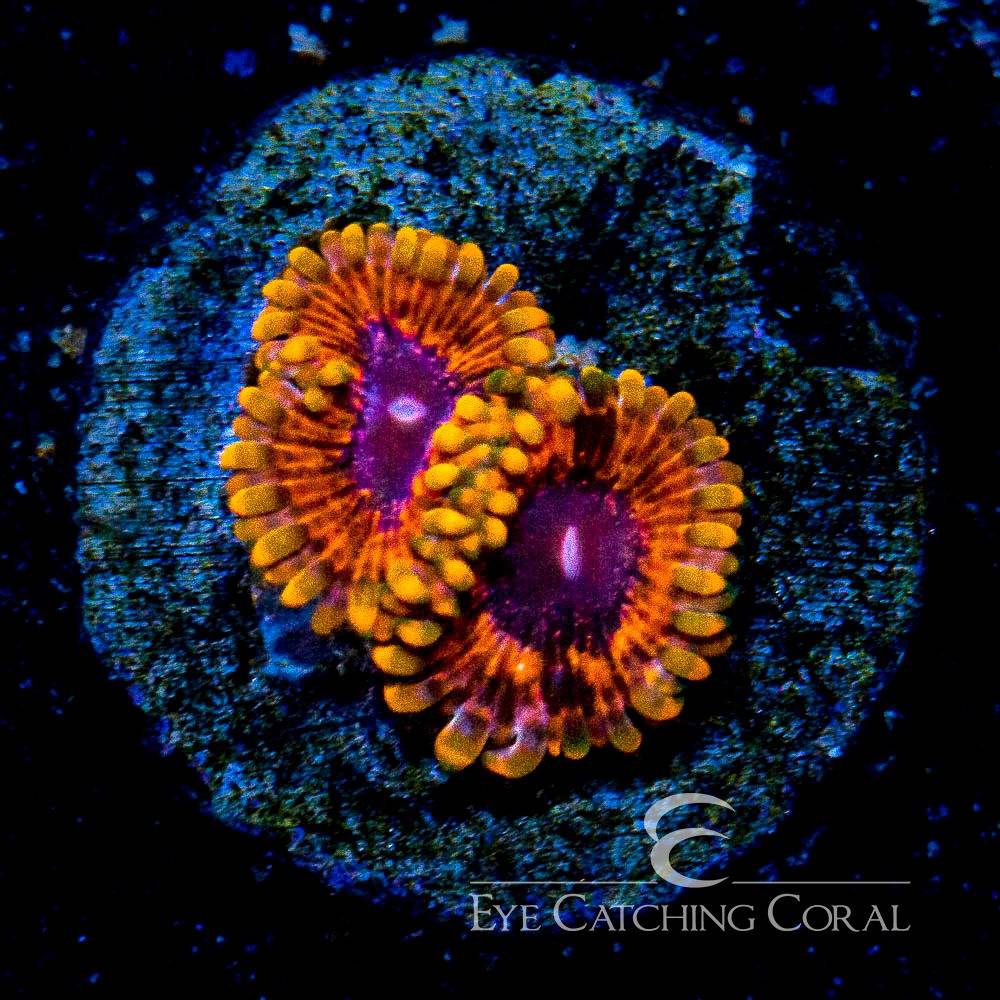
Burning Ember zoas
Zoanthus sp
Same genus
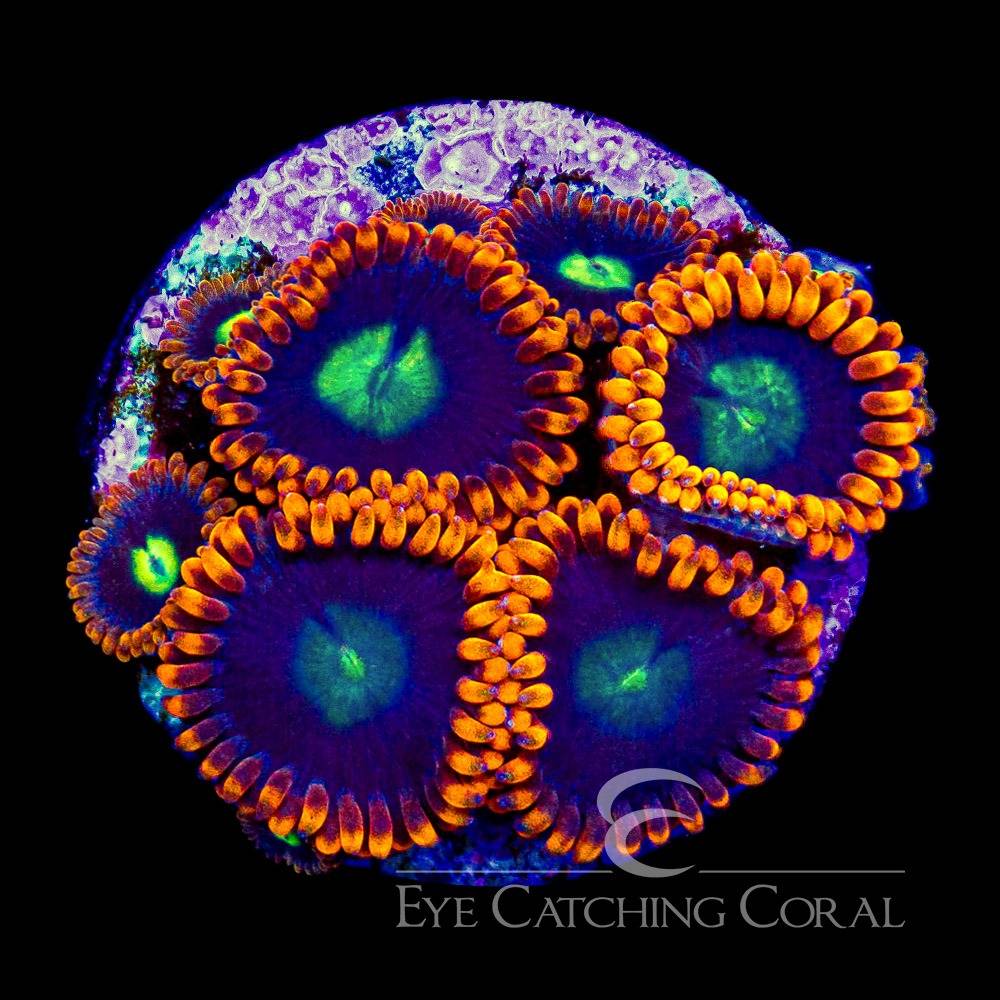
Burning Suns zoas
Zoanthus sp
Same genus
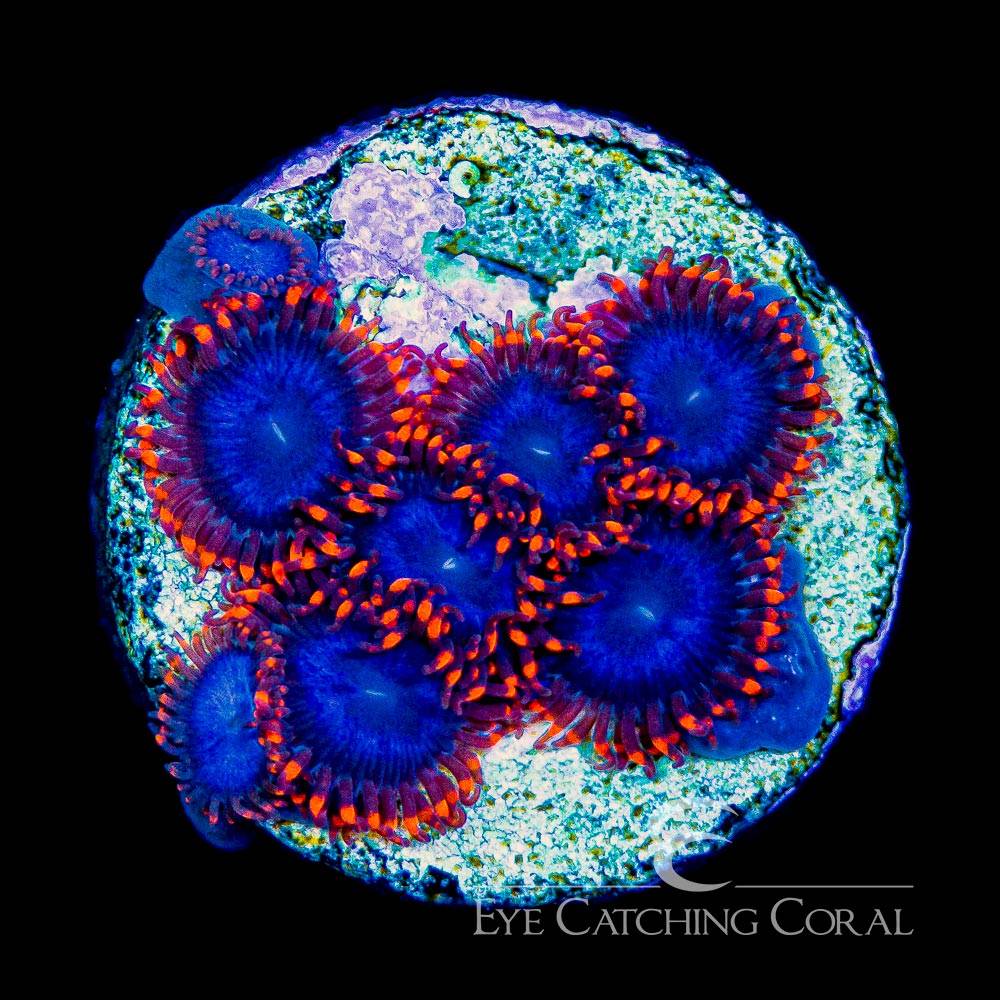
Captain Falcon zoas
Zoanthus sp
Same genus