Burning Suns zoas
Zoanthus sp
Palytoxin safety
Some zoanthids and palythoas can contain a potent toxin. Wear sturdy waterproof gloves and eye protection, minimize handling, and keep colonies submerged when possible. Never boil, steam, pressure-wash or scrub colonized rock under running water. Keep other people and pets away during handling. If exposure is suspected, seek urgent medical advice and tell the clinician about possible palytoxin exposure.
Sources: CDC: palytoxin exposure · OATA: avoiding palytoxin poisoning
Gallery
# Burning Suns zoas
Care at a glance: CARE Beginner · LIGHT Low-Med · FLOW Med · PLACE Mid · SPACE Moderate · GROWTH Fast
Scientific name: Zoanthus sp. Burning Suns is a trade name, not a confirmed species or family tree.
Meet Burning Suns zoas
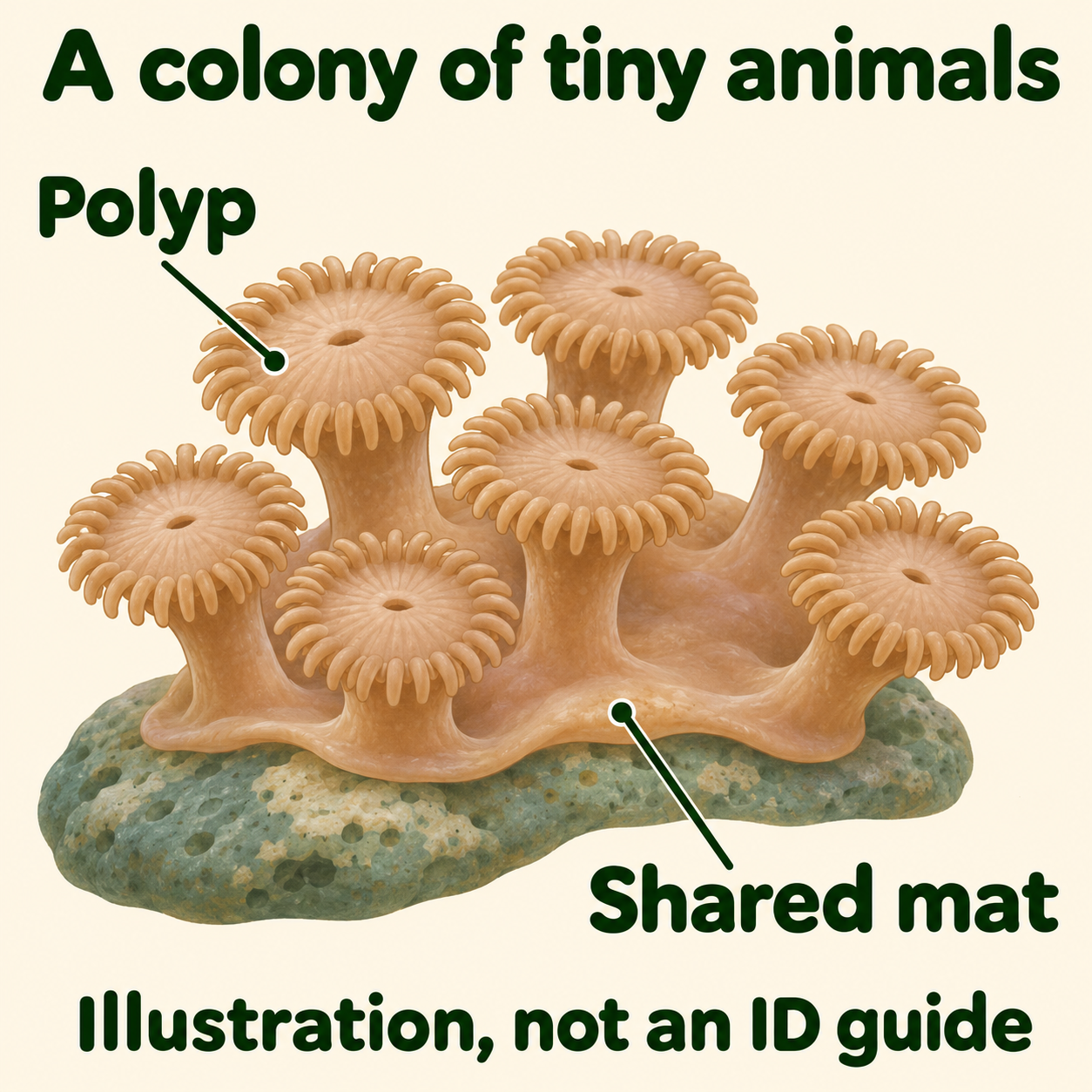
A zoa frag is a tiny neighborhood. Each button is an animal called a polyp. Look closely through the glass: a mouth sits in the middle, with tentacles around the edge. Living tissue can join the polyps into a spreading colony. This is an animal garden, not a patch of flowers. [About zoanthid polyps](https://www.practicalfishkeeping.co.uk/features/a-trip-to-the-zoa/)
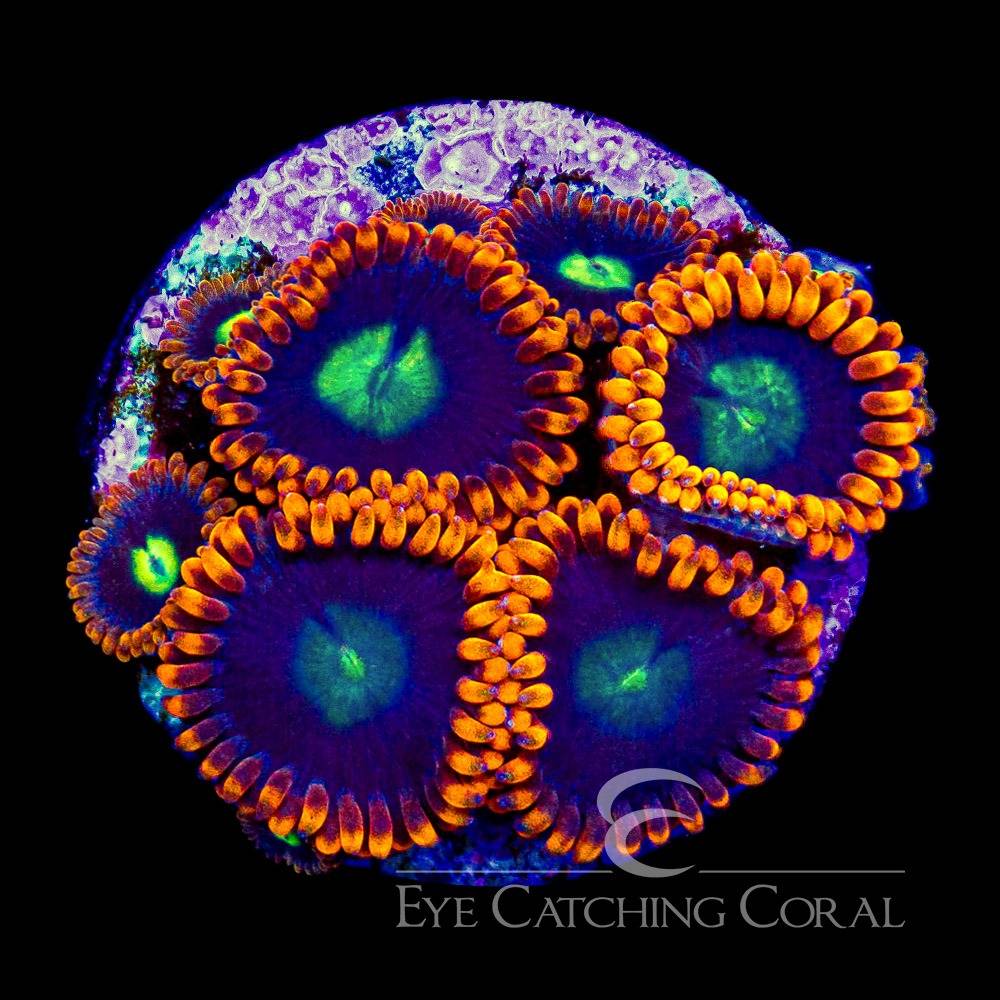
Burning Suns is the name on this Reef To Go entry. It also appears in Eye Catching Coral's catalog. That confirms the name is used in the trade. It does not prove this particular frag came from that seller or shares a documented lineage. We keep its identity at Zoanthus sp. [Trade-name record](https://eyecatchingcoral.com/aquaculture/aquacultured-frags/)
Enjoy the pattern you can see in your own tank. Blue aquarium lights and camera settings can change how a coral looks. A bright sales photo is not a color chart, and a similar-looking polyp is not proof of identity. [Light and appearance](https://tidalgardens.com/articles/coral-care-articles/zoanthus-coral-care.html)
Young reef explorers can watch and keep notes. An adult should handle this coral. Read the safety section before moving it.
Light, flow and a place to settle
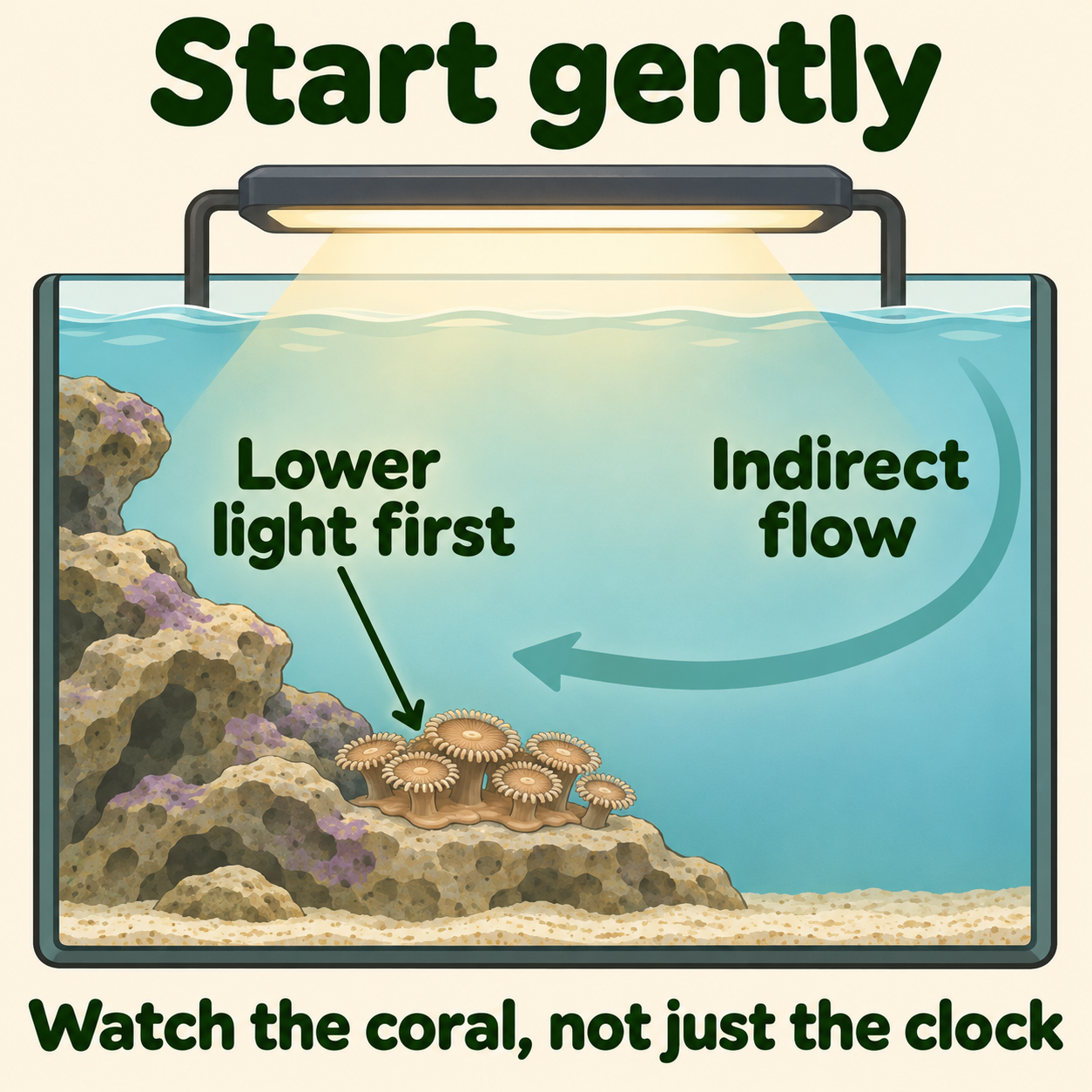
Give a new frag a gentle start. If its previous lighting is unknown, begin in lower light and adjust gradually. Mid is a broad zone, not a guarantee that every tank is equally bright halfway up. [General zoanthid placement](https://www.bulkreefsupply.com/content/post/coral-care-guide-zoanthids)
Use indirect flow that carries waste away while polyps can open. Check both extremes: a jet that keeps them folded, or a quiet pocket collecting debris. [Flow guidance](https://www.bulkreefsupply.com/content/post/coral-care-guide-zoanthids)
Watch the coral over time. One closed polyp is not a light meter. Check the whole colony, the water and recent changes before moving it again. If you measure light, measure at the frag's actual spot. This guide does not claim a tested Burning Suns PAR target.
Water and feeding
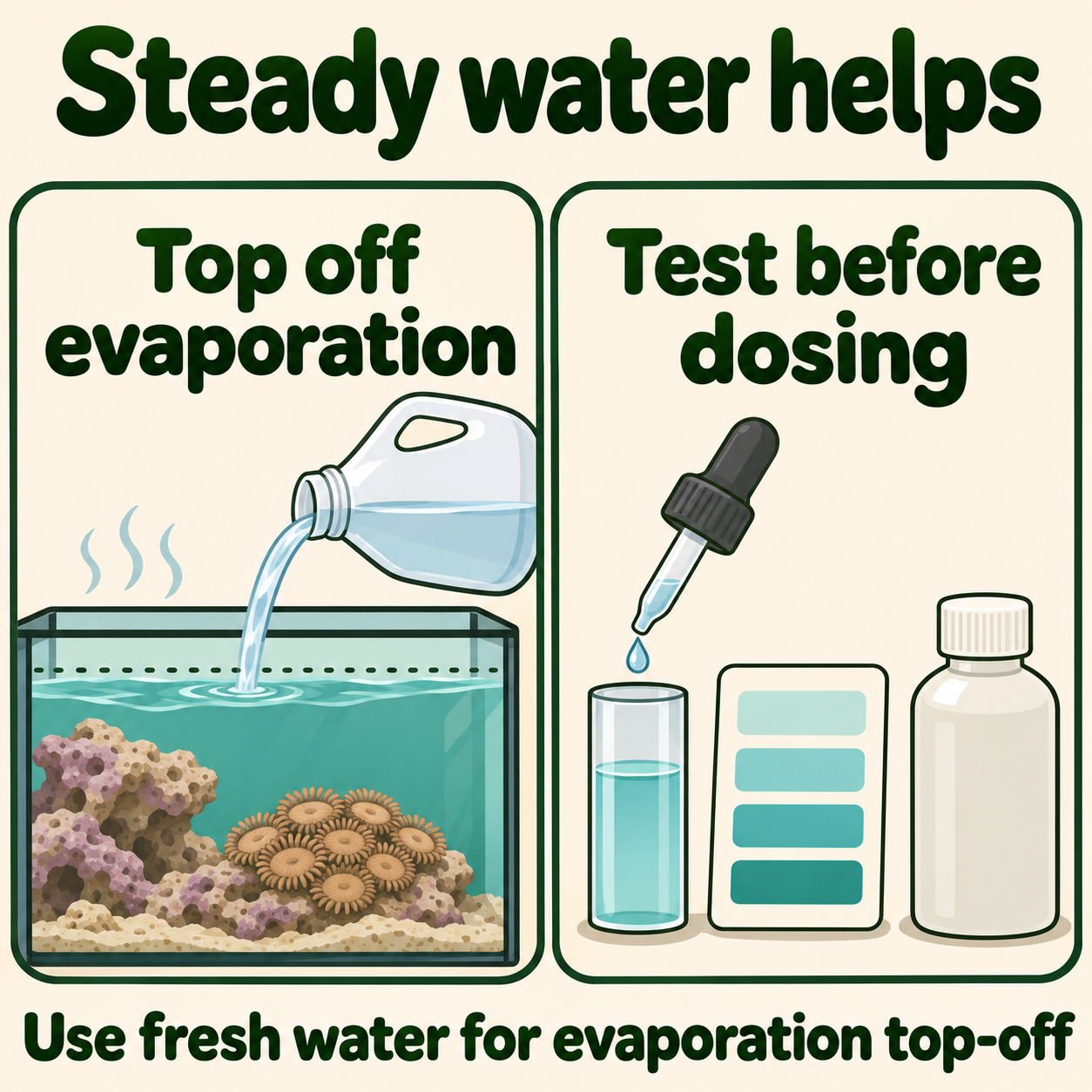
The best reef trick is often a steady routine. Check temperature and salinity. Keep up water tests and regular water changes. Test before dosing. [Water-care basics](https://www.bulkreefsupply.com/content/post/coral-care-guide-zoanthids)
Here is an easy mistake to dodge. When water evaporates, the salt stays behind. Replace that lost water with fresh purified water, ideally RO/DI water. Adding saltwater for evaporation top-off makes the tank saltier. Replacing saltwater removed during a water change is a different job. [Why top-off uses fresh water](https://www.bulkreefsupply.com/content/post/5-minute-saltwater-aquarium-guide-ep20-evaporation)
Tiny algae living inside zoa tissue turn light into food. Fine coral foods can add to that supply, but feeding responses vary. If you try one, start small. Watch what happens instead of covering the colony in a heavy cloud of food. Follow nitrate and phosphate trends as part of your routine. Chasing zero nutrients is not the goal, and extra food can fuel unwanted algae. [Light, food and nutrients](https://tidalgardens.com/articles/coral-care-articles/zoanthus-coral-care.html)
There is no verified feeding schedule for Burning Suns in the sources read here. A bottle's promise is not a promise from your coral.
Arrival and trouble signs
Before opening the bag, have a clean coral container ready. Wear waterproof gloves and eye protection. Handle the plug rather than squeezing the polyps. Acclimate the coral to its new water and light, and keep shipping water out of the display. [Acclimation and handling](https://www.bulkreefsupply.com/content/post/acclimation)
Inspect the base and the spaces between polyps. Zoanthid-eating nudibranchs are small sea slugs that can hide remarkably well. Their eggs may survive a dip. That is why inspection and a separate observation setup matter even after dipping. Not every tiny animal on a frag is a pest. Get a reliable identification before choosing a treatment. [Zoanthid pest checks](https://www.bulkreefsupply.com/content/post/md-2021-02-reef-tank-pest-and-remedy-guide)
If you use a coral dip, follow the label on that exact product for the dose, time and rinse. Use a separate container. More dip is not better care. Do not pour used dip into the reef or keep repeating treatments without a reason. [Dipping cautions](https://www.bulkreefsupply.com/content/post/acclimation)
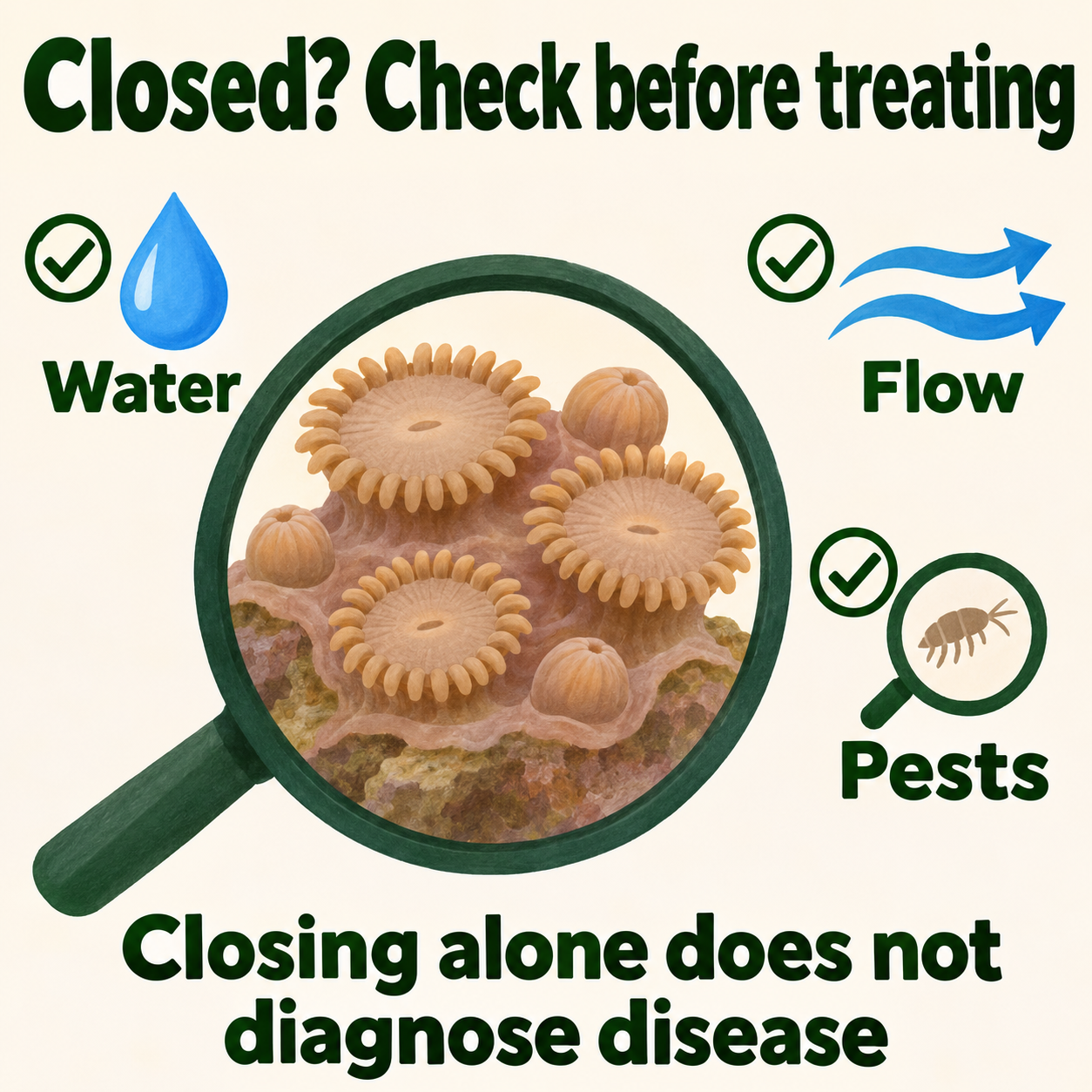
Polyps may close at night or after a disturbance. Closure alone does not name a disease. [Normal polyp behavior](https://www.practicalfishkeeping.co.uk/features/a-trip-to-the-zoa/)
If closure continues, check water readings, recent light or flow changes, debris and possible pests. Tissue breaking down, polyps disappearing or a growing patch of damage deserves prompt help from an experienced reef keeper or aquatic veterinarian. Take clear photos and share your water readings. Avoid guessing a disease from one blurry image.
Growth and neighbors
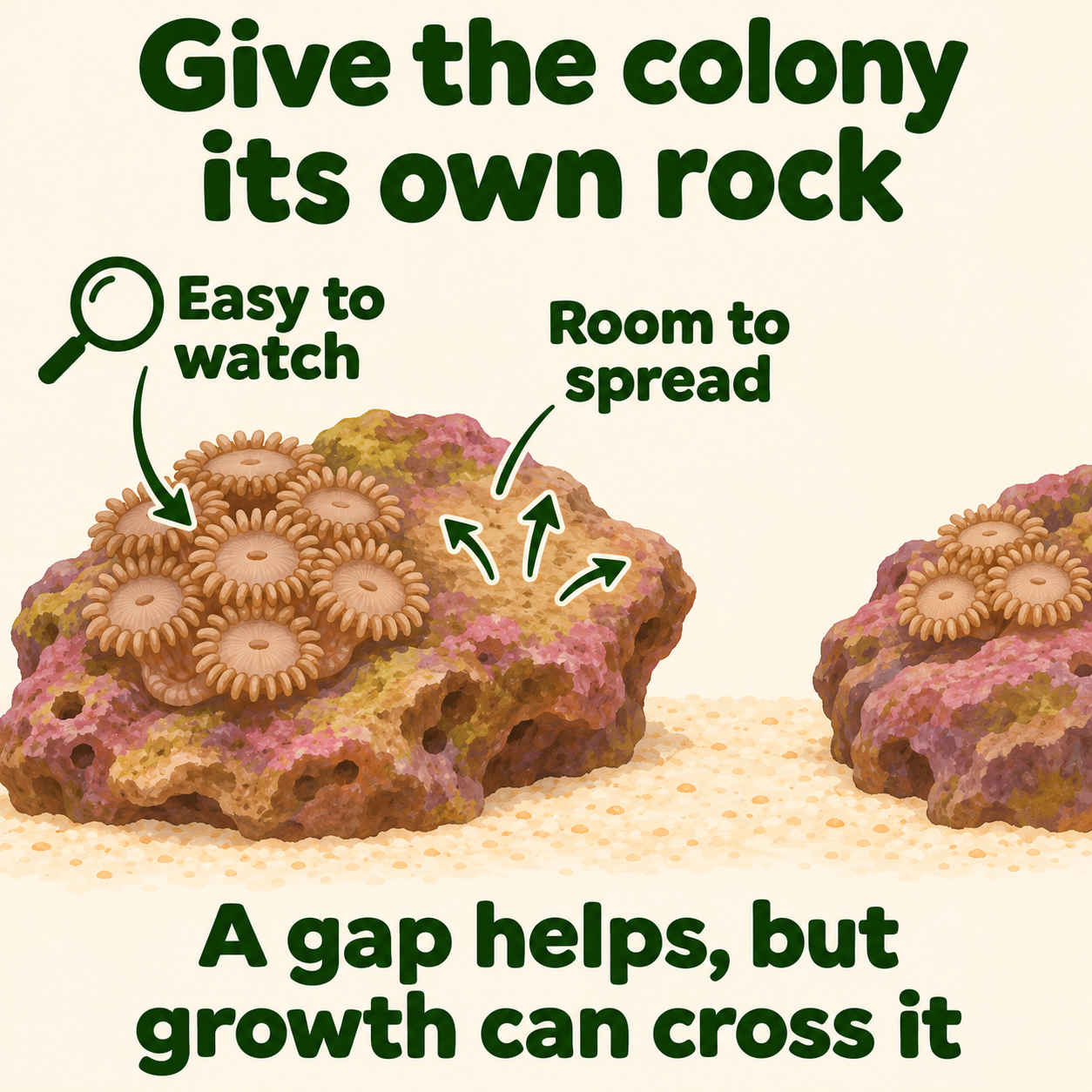
Plan for tomorrow's colony. A separate rock makes spreading zoas easier to watch. Leave room from neighbors and keep checking as both sides grow. An island helps, but it is not a permanent fence. [Growth and rock islands](https://www.bulkreefsupply.com/content/post/coral-care-guide-zoanthids)
The card stays at Fast for growth and Moderate for SPACE. Fast is not a deadline for new polyps. Moderate is not a distance in inches. The old note's 1 to 2 inches is not a universal safe gap, especially beside a coral with long-reaching tentacles. Use the neighbor's needs as well as the zoa colony's growing edge when choosing a spot. [Existing care record](https://database.reeftogo.com/coral/burning-suns-zoas-a84d8bf0)
Keep a photo from the same angle and compare it later. Spotting the first new polyp is far more useful than chasing someone else's growth chart.
Safe handling and propagation
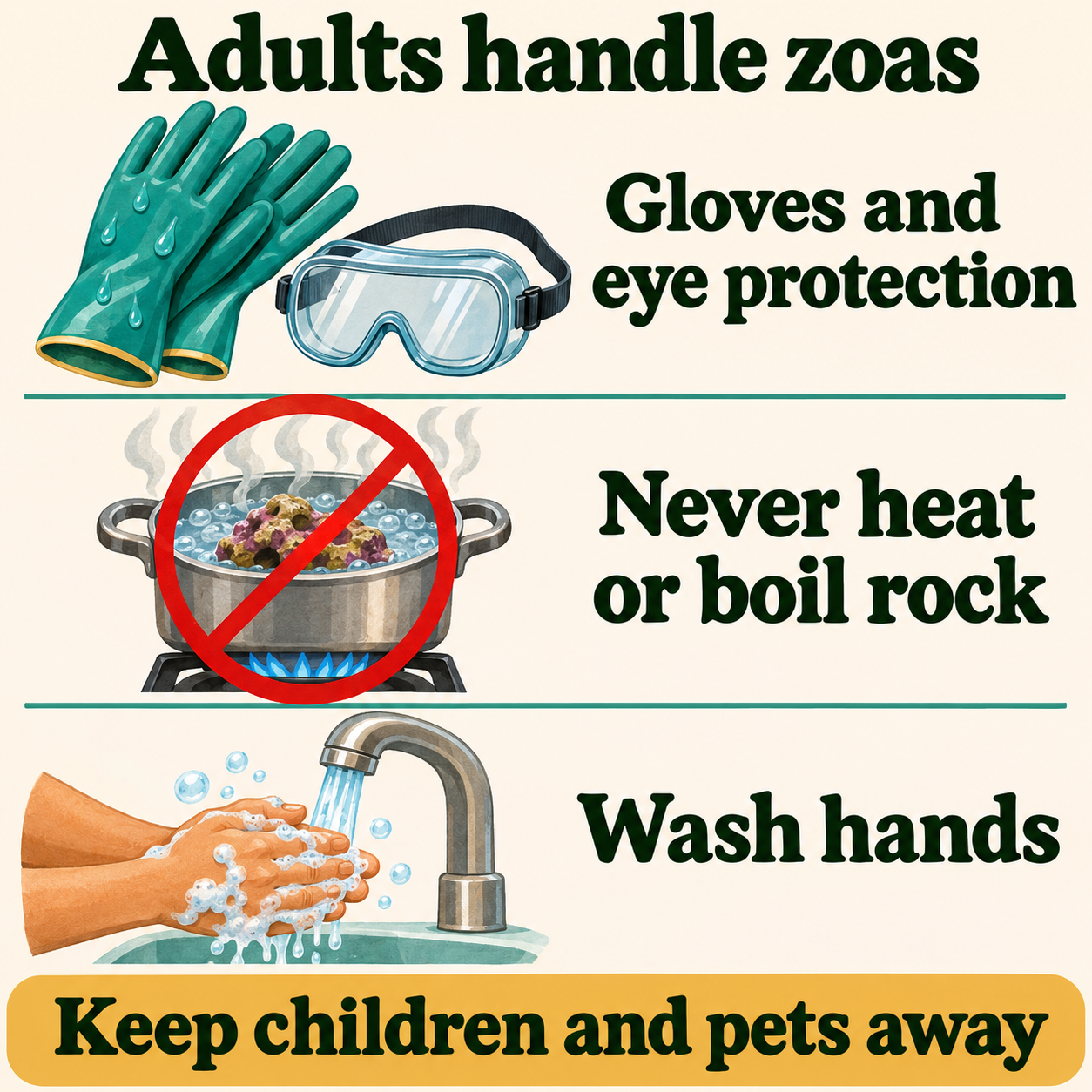
These little polyps deserve big respect. Some zoanthids and palythoas contain palytoxin, a powerful poison. A trade name or photo cannot tell you whether a colony is safe. Beginner care does not mean bare-hand handling. [Palytoxin safety](https://ornamentalfish.org/what-we-do/advice-information/care-sheets/caresheets-marine-fish/how-to-avoid-palytoxin-poisoning-if-you-keep-corals/)
Keep children, pets and other people away during handling. Wear sturdy waterproof gloves and eye protection. Minimize handling and keep the colony underwater when possible. Keep hands away from your face, then wash them well after aquarium work. [Handling precautions](https://ornamentalfish.org/what-we-do/advice-information/care-sheets/caresheets-marine-fish/how-to-avoid-palytoxin-poisoning-if-you-keep-corals/)
Never boil, heat, steam, pressure-wash or scrub colonized rock under running water. Do not mouth-siphon tank water. Disturbing tissue can expose the handler and people nearby. Protective equipment does not make risky methods safe. [CDC exposure investigation](https://www.cdc.gov/mmwr/preview/mmwrhtml/mm6431a4.htm)
Fragging is an adult job for someone trained to handle these animals safely. For a first colony, let it grow and ask an experienced propagator for help instead of cutting or scraping it yourself.
If exposure is suspected, stop work, keep others away and seek urgent medical advice. Tell the clinician about possible palytoxin exposure. Breathing trouble is an emergency. Do not wait for a coral forum to diagnose it. [Existing safety warning](https://database.reeftogo.com/coral/burning-suns-zoas-a84d8bf0) · [CDC](https://www.cdc.gov/mmwr/preview/mmwrhtml/mm6431a4.htm)
Field notes — what keepers report
Reefers do not all get the same answer from a feeding pipette. In a January 2021 Reef2Reef discussion, ssavatt reported that crushed pellets made their zoas release slime. Mike weymers reported success with fine coral foods. Another keeper, danschoenherr, saw little response to several powders but a visible response to a finely chopped frozen mix. These are different observations, not a vote for one magic food. [Read the keeper discussion](https://www.reef2reef.com/threads/how-can-i-encourage-my-zoas-to-eat.792906/)
In a July 2020 discussion, Dsanchez1221 described strong growth while using Reef Chili. They also made a useful point: they could not know whether the same growth would have happened without it. That is a good reef-keeping habit, noticing a result without pretending to know its cause. [Read the growth observation](https://www.reef2reef.com/threads/feeding-zoas-whats-best.744437/)
These reports concern zoanthids generally, not verified Burning Suns colonies. They do not prove this morph needs target feeding or will grow at a set speed.
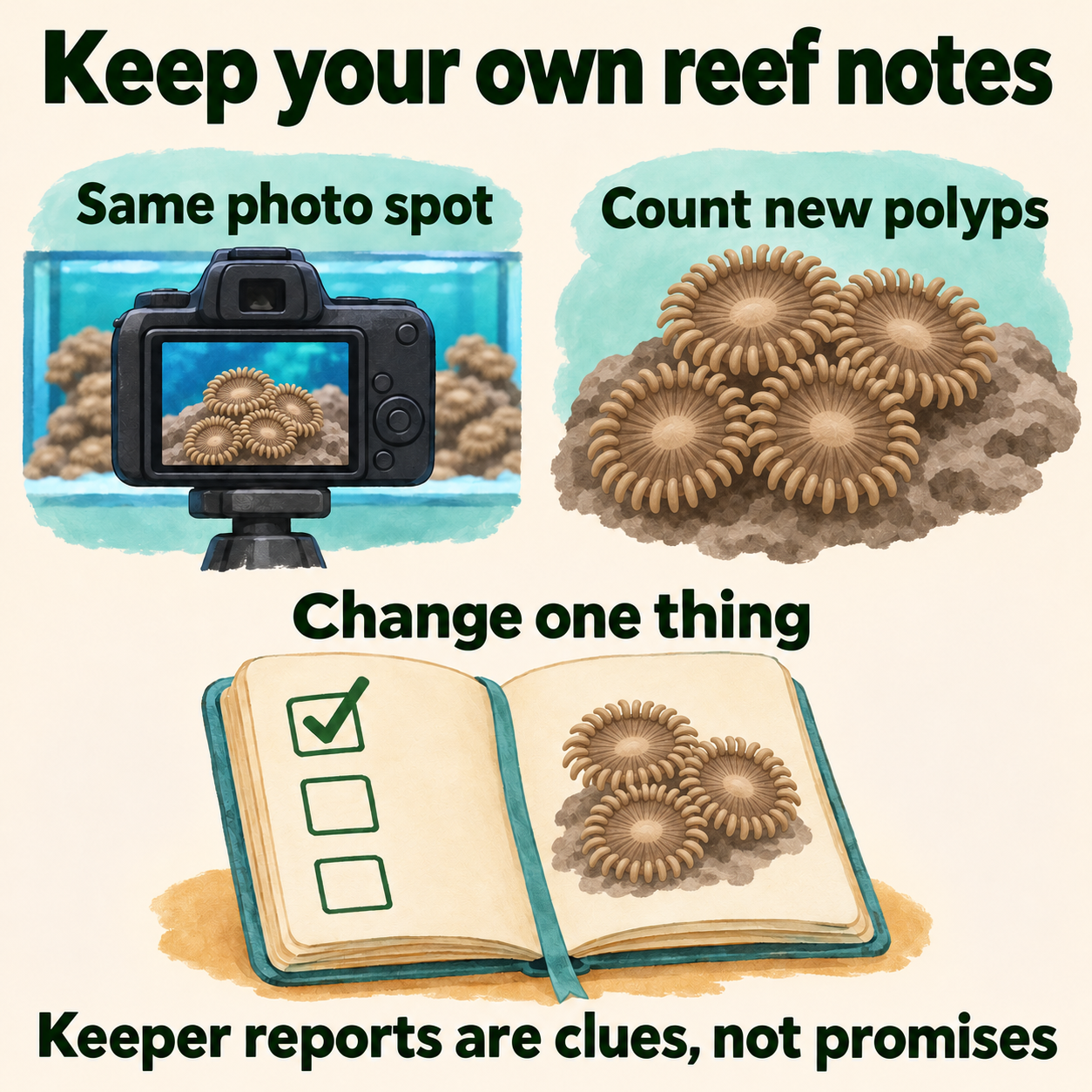
Start your own small reef notebook. Photograph the same spot under the same light. Count visible polyps. Note changes to food, flow or lighting. Change one thing at a time when practical. You are learning what works in your tank, and the coral is giving you the clues.
Sources
1. Reef To Go, Burning Suns zoas. https://database.reeftogo.com/coral/burning-suns-zoas-a84d8bf0
2. Eye Catching Coral, Aquaculture Facility / Aquacultured Frags. https://eyecatchingcoral.com/aquaculture/aquacultured-frags/
3. Felicia McCaulley, Practical Fishkeeping, A trip to the Zoa. https://www.practicalfishkeeping.co.uk/features/a-trip-to-the-zoa/
4. Tidal Gardens, Zoanthus Coral Care. https://tidalgardens.com/articles/coral-care-articles/zoanthus-coral-care.html
5. Adam Monte, Bulk Reef Supply, Zoanthid Coral Care Guide, updated May 7, 2026. https://www.bulkreefsupply.com/content/post/coral-care-guide-zoanthids
6. Robert Farnsworth, Bulk Reef Supply, Get saltwater tank evaporation right!, updated May 18, 2021. https://www.bulkreefsupply.com/content/post/5-minute-saltwater-aquarium-guide-ep20-evaporation
7. Robert Farnsworth, Bulk Reef Supply, Reef Tank Pests: Identification & Remedy Guide, updated January 17, 2022. https://www.bulkreefsupply.com/content/post/md-2021-02-reef-tank-pest-and-remedy-guide
8. Bulk Reef Supply, How To Acclimate Live Fish & Corals Into A Saltwater Aquarium, updated November 14, 2025. https://www.bulkreefsupply.com/content/post/acclimation
9. Ornamental Aquatic Trade Association, How to avoid palytoxin poisoning if you keep corals. https://ornamentalfish.org/what-we-do/advice-information/care-sheets/caresheets-marine-fish/how-to-avoid-palytoxin-poisoning-if-you-keep-corals/
10. Hamade and colleagues, CDC MMWR, Suspected Palytoxin Inhalation Exposures Associated with Zoanthid Corals in Aquarium Shops and Homes, Alaska 2012 to 2014, August 14, 2015. https://www.cdc.gov/mmwr/preview/mmwrhtml/mm6431a4.htm
11. Reef2Reef, How can I encourage my zoas to eat?, January 12, 2021. https://www.reef2reef.com/threads/how-can-i-encourage-my-zoas-to-eat.792906/
12. Reef2Reef, Feeding Zoas: what's best?, July 2020. https://www.reef2reef.com/threads/feeding-zoas-whats-best.744437/
Field Notes
Related species
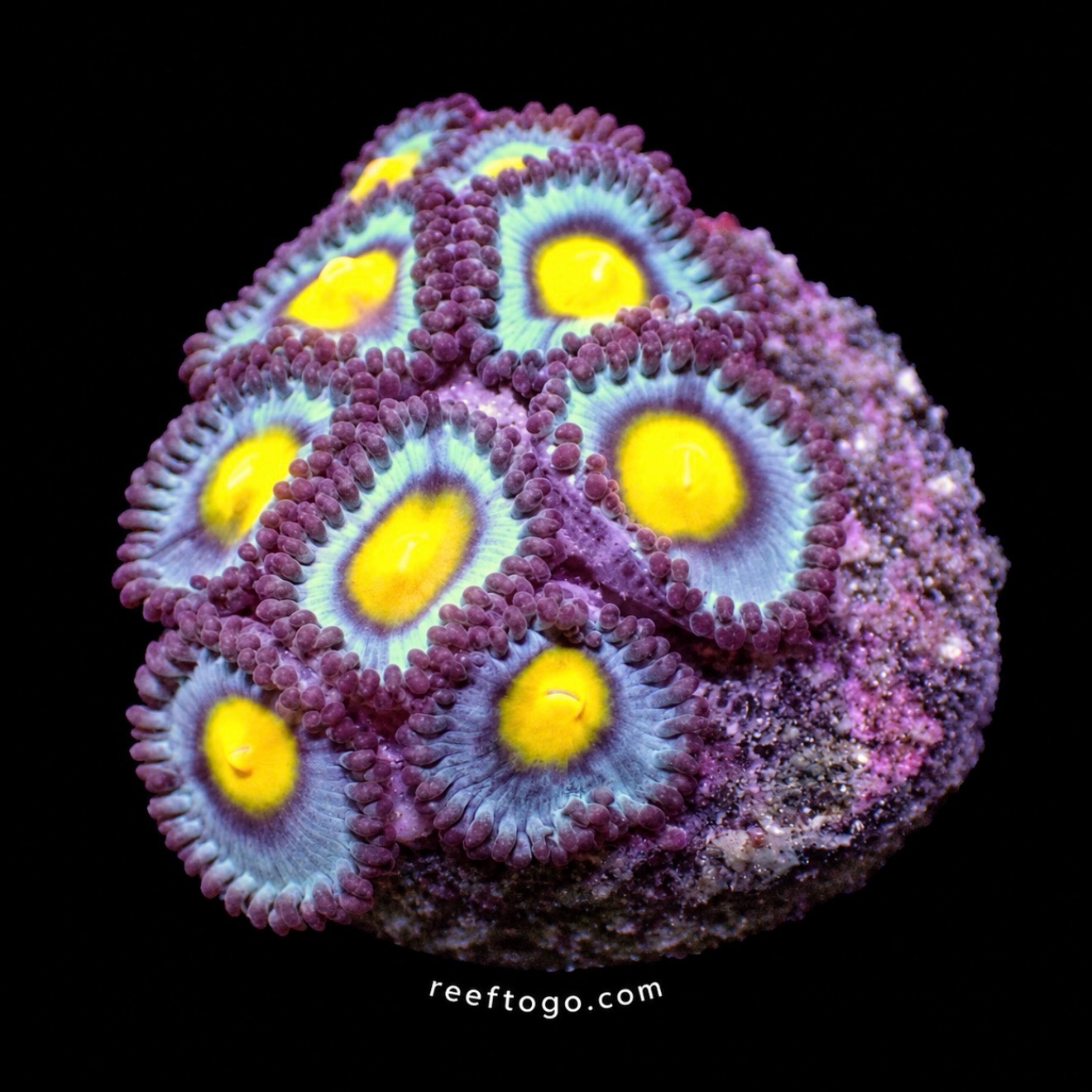
Alien Eye zoas
Zoanthus sp
Same genus
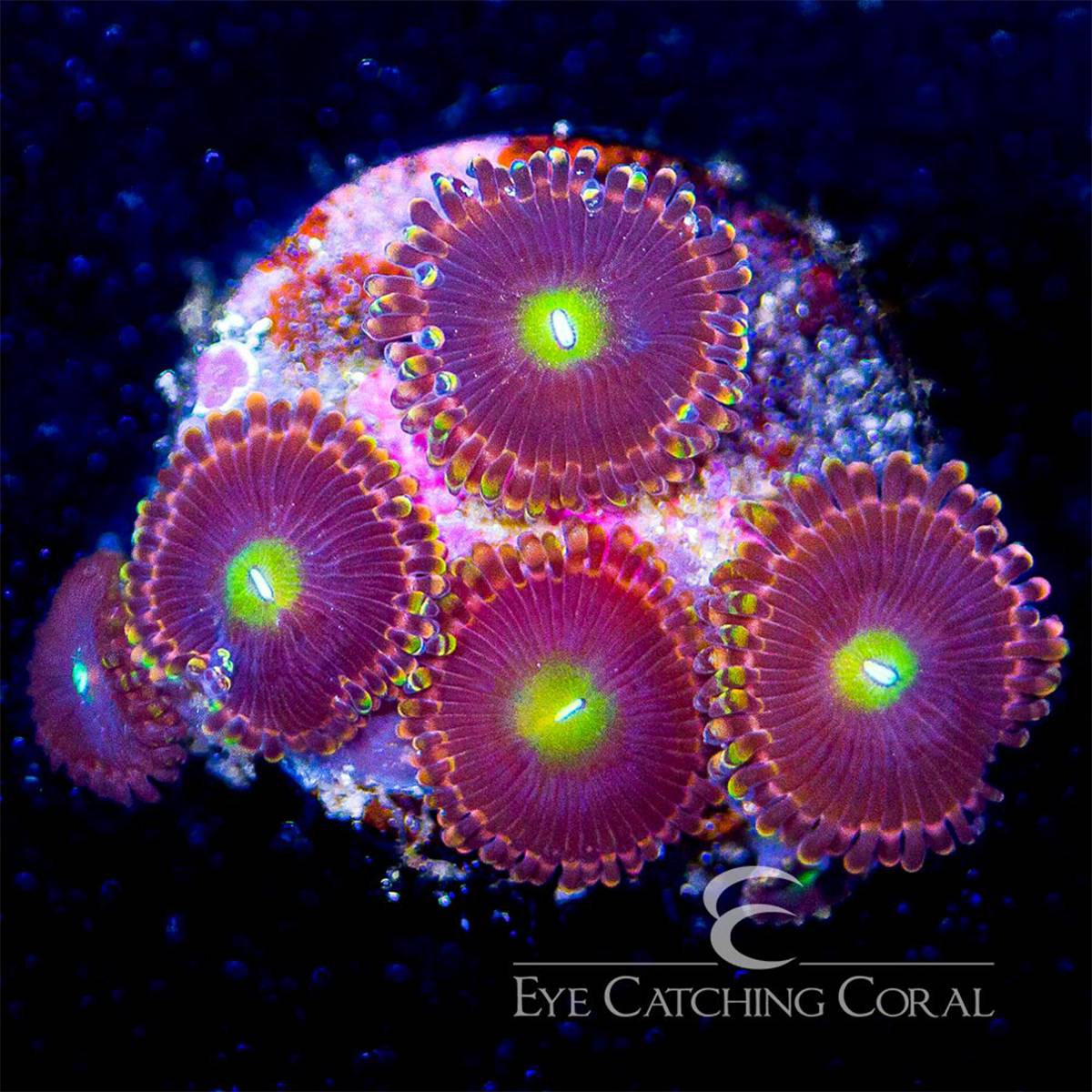
Antimatter zoas
Zoanthus sp
Same genus
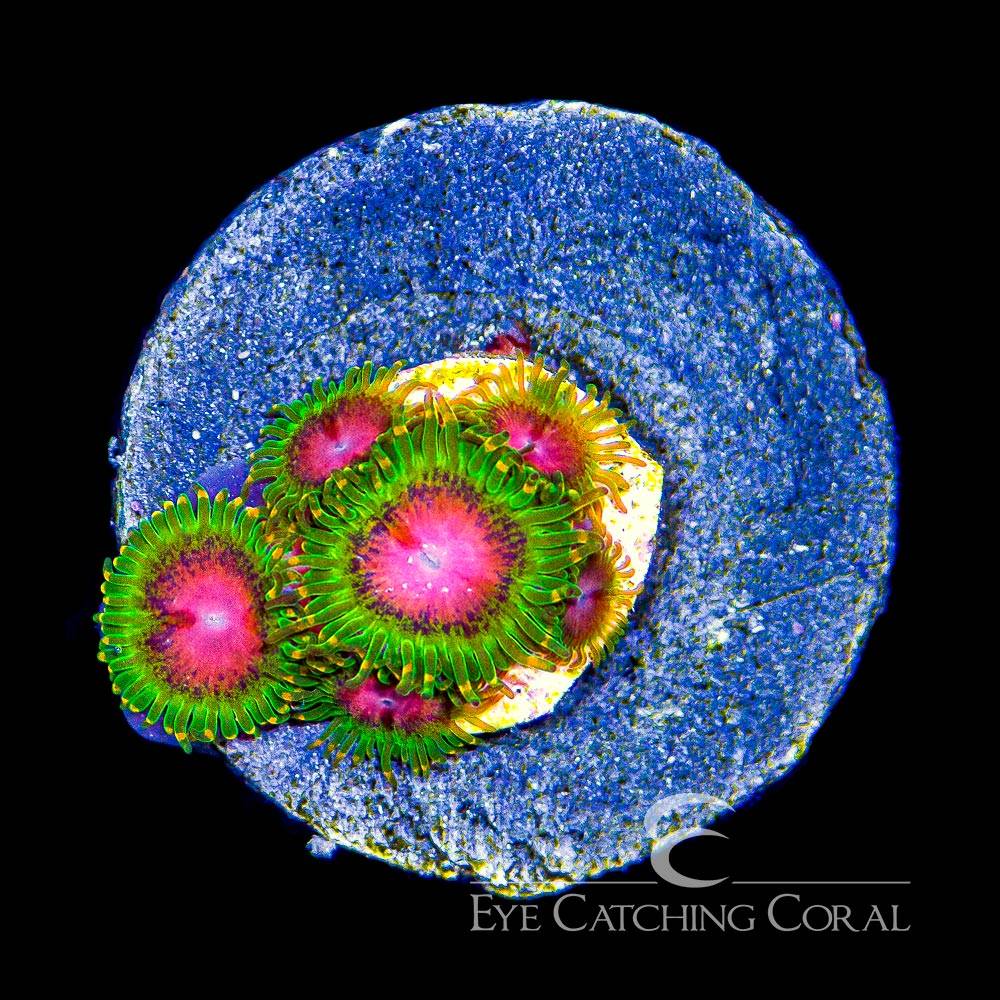
Awesome Blossom zoas
Zoanthus sp
Same genus
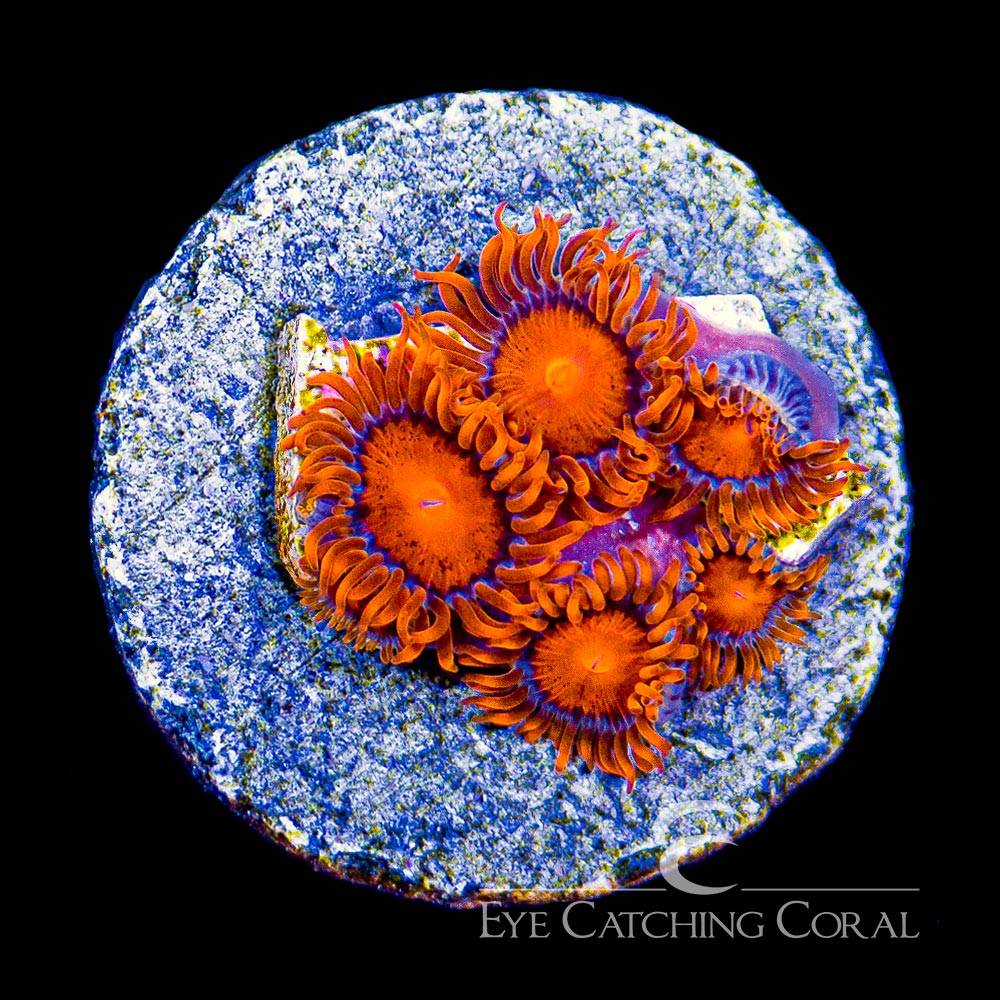
Bam Bam zoas
Zoanthus sp
Same genus
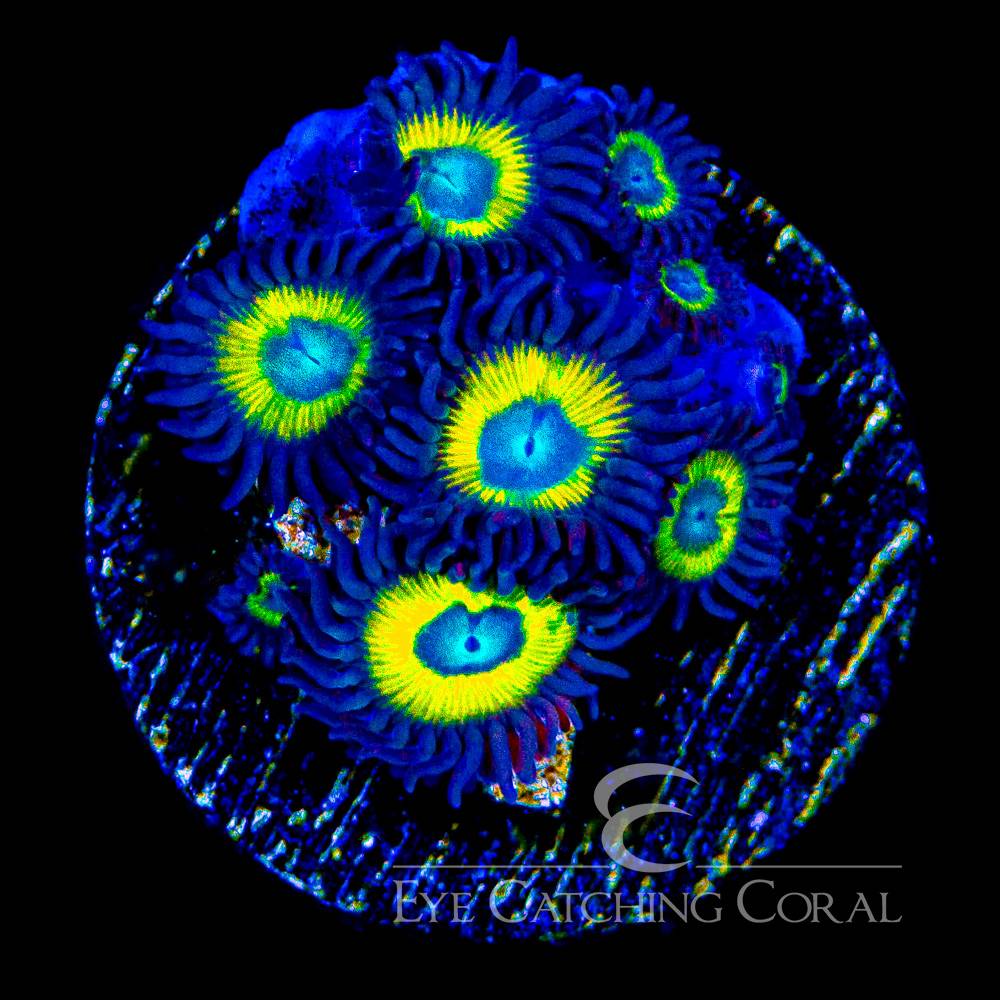
Black Bella zoas
Zoanthus sp
Same genus
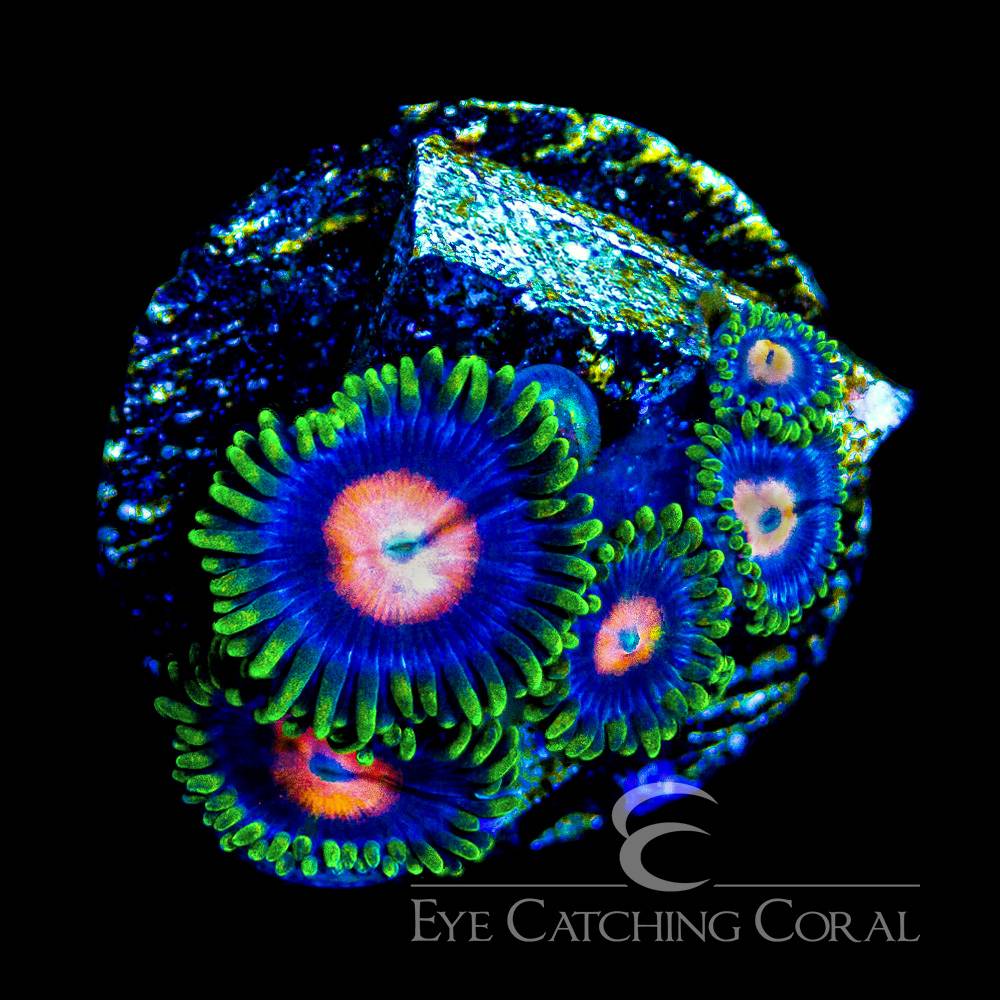
Blow Pops zoas
Zoanthus sp
Same genus
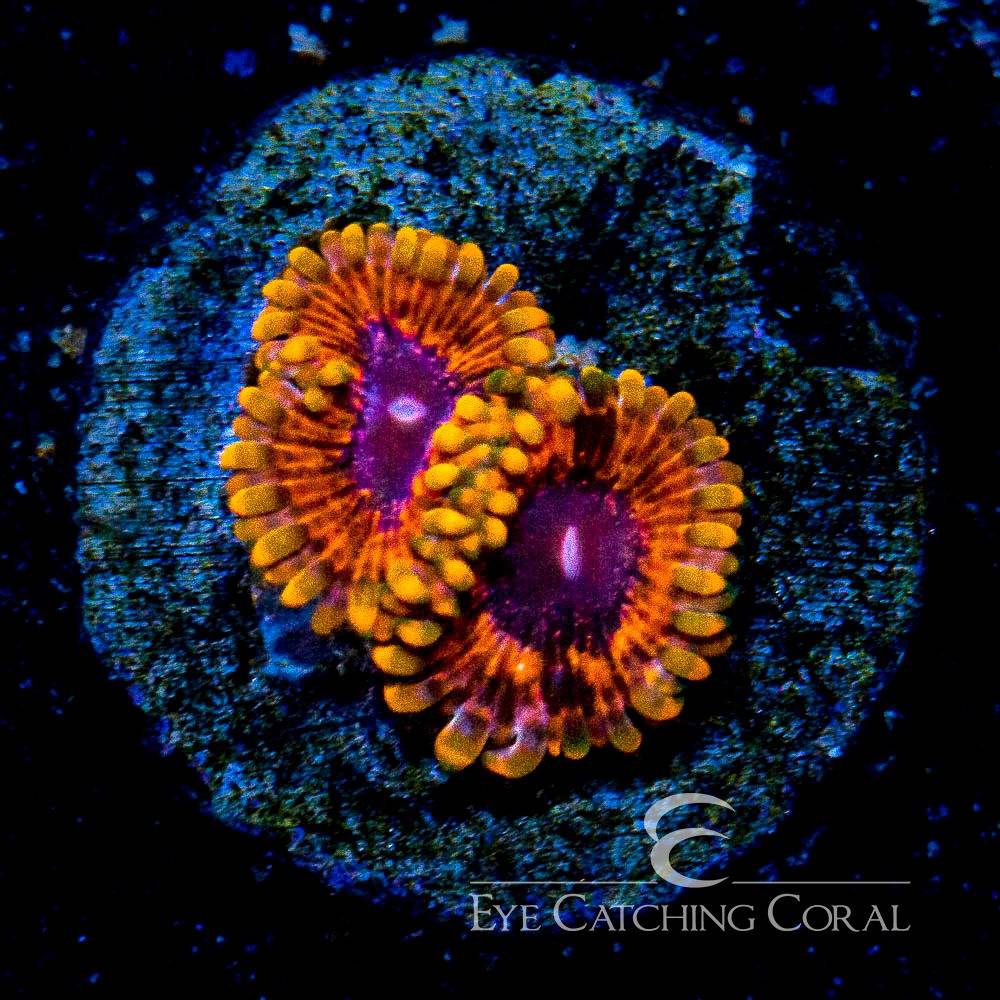
Burning Ember zoas
Zoanthus sp
Same genus
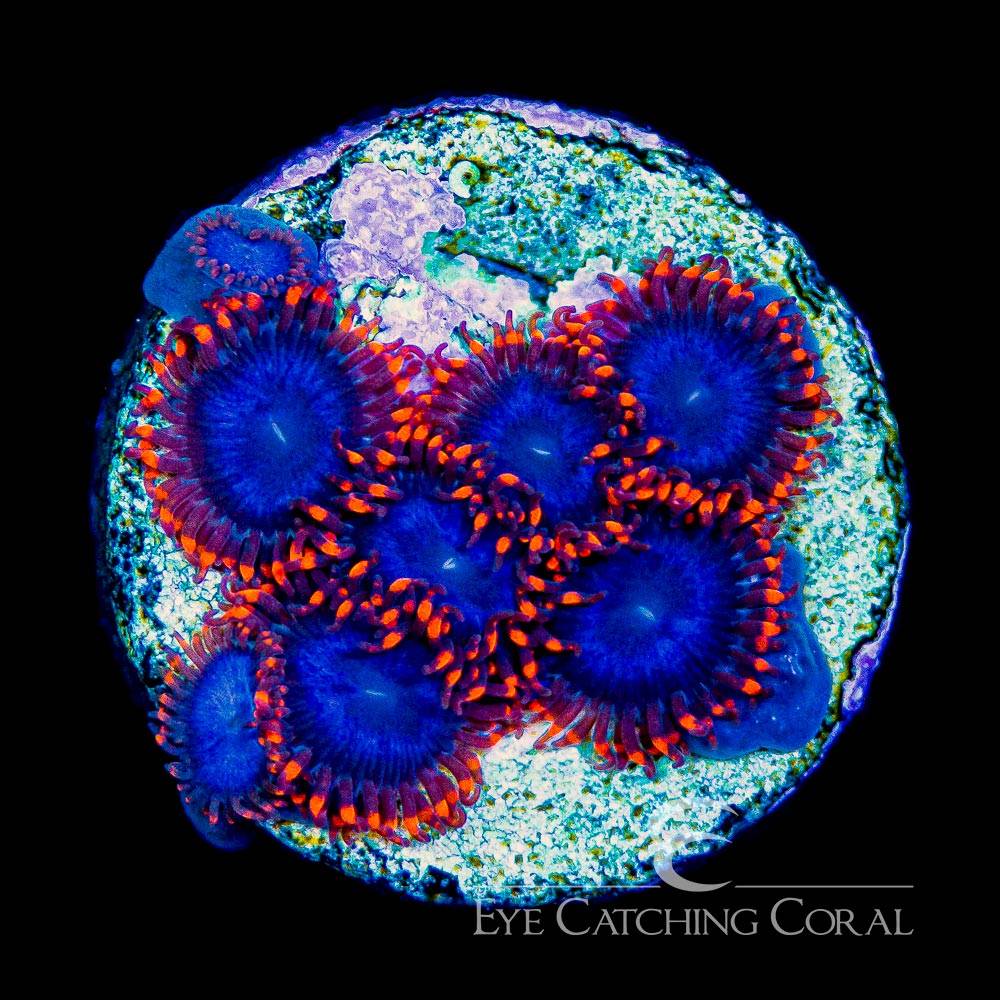
Captain Falcon zoas
Zoanthus sp
Same genus