Gallery
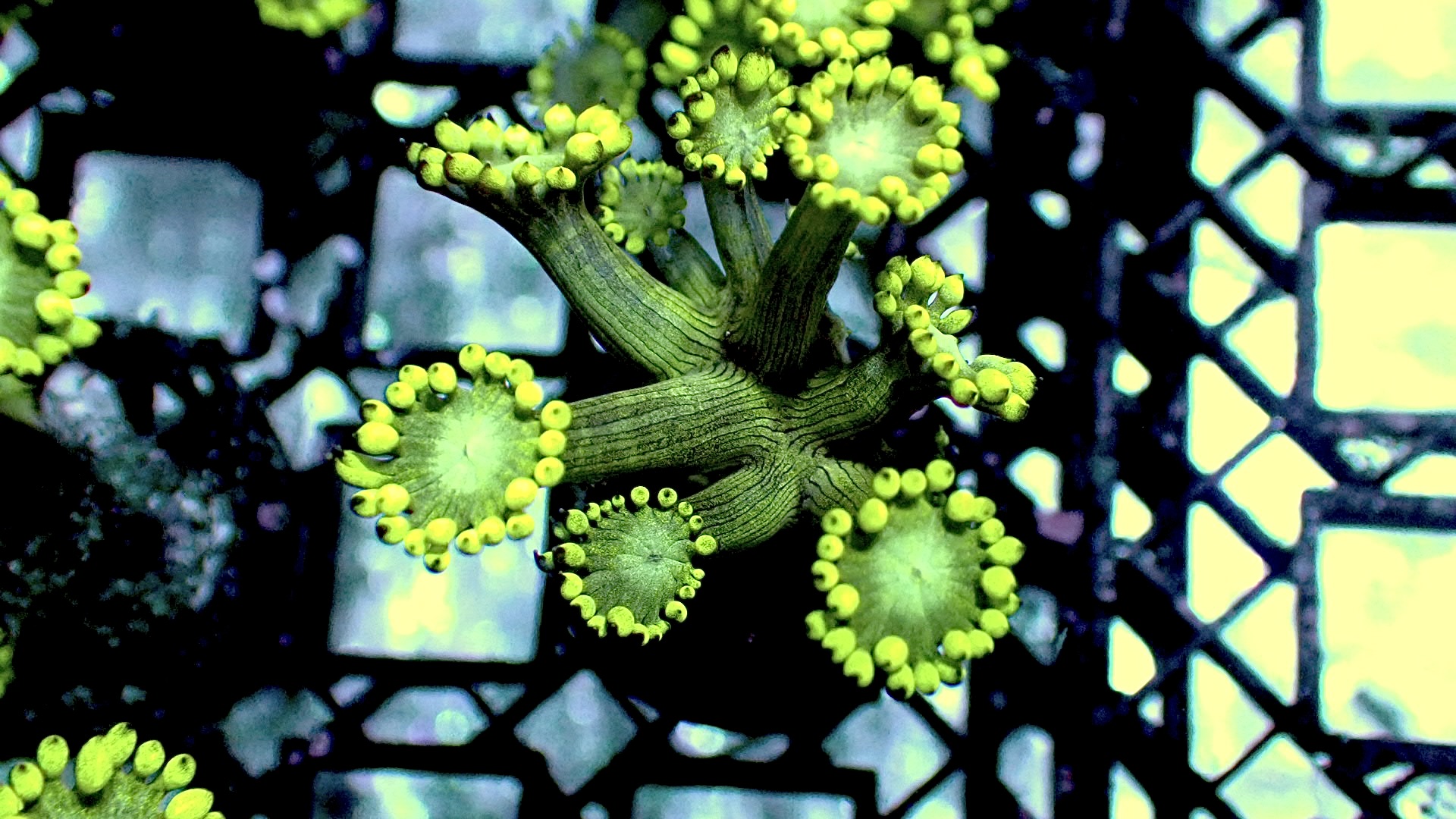
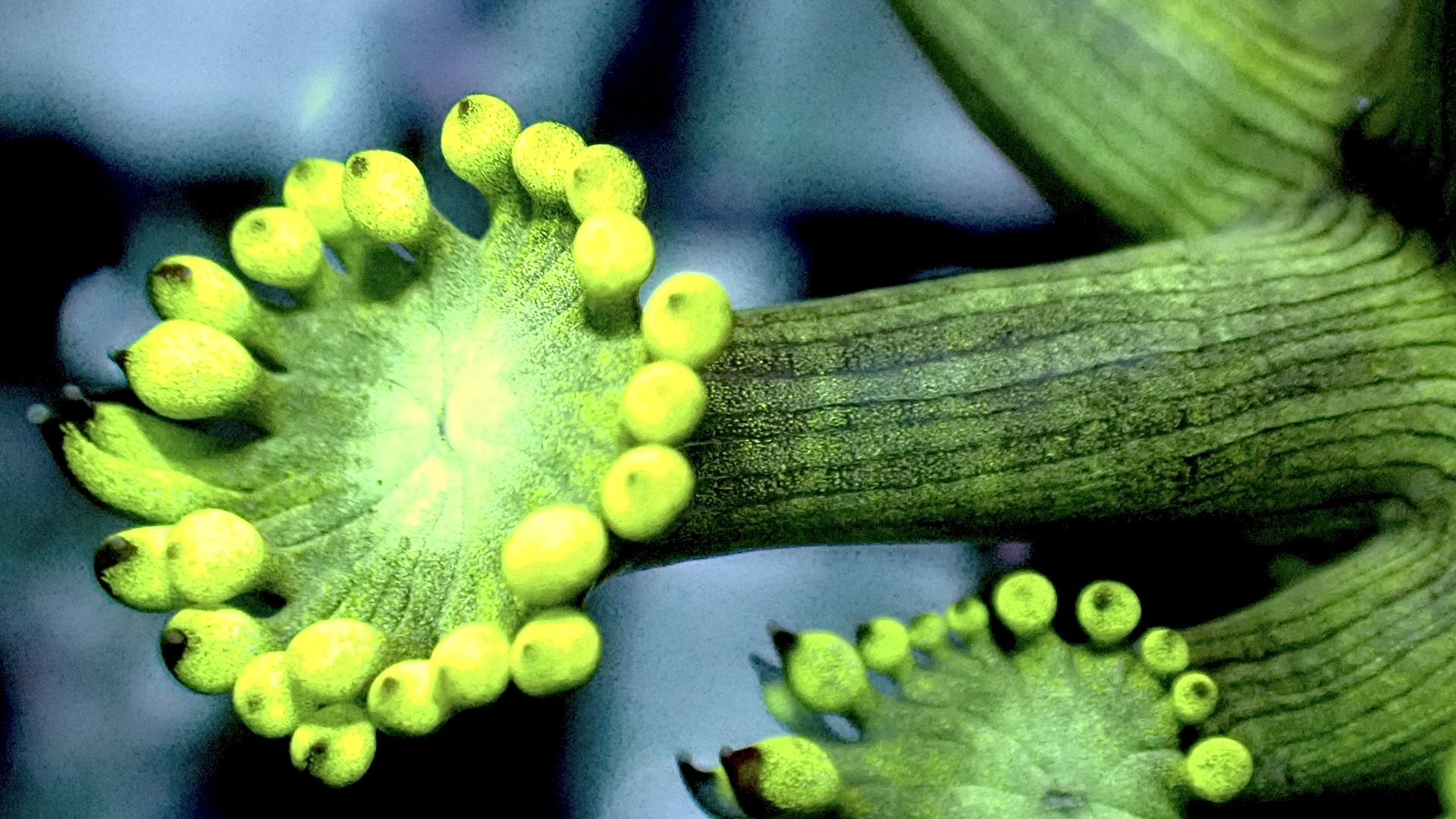
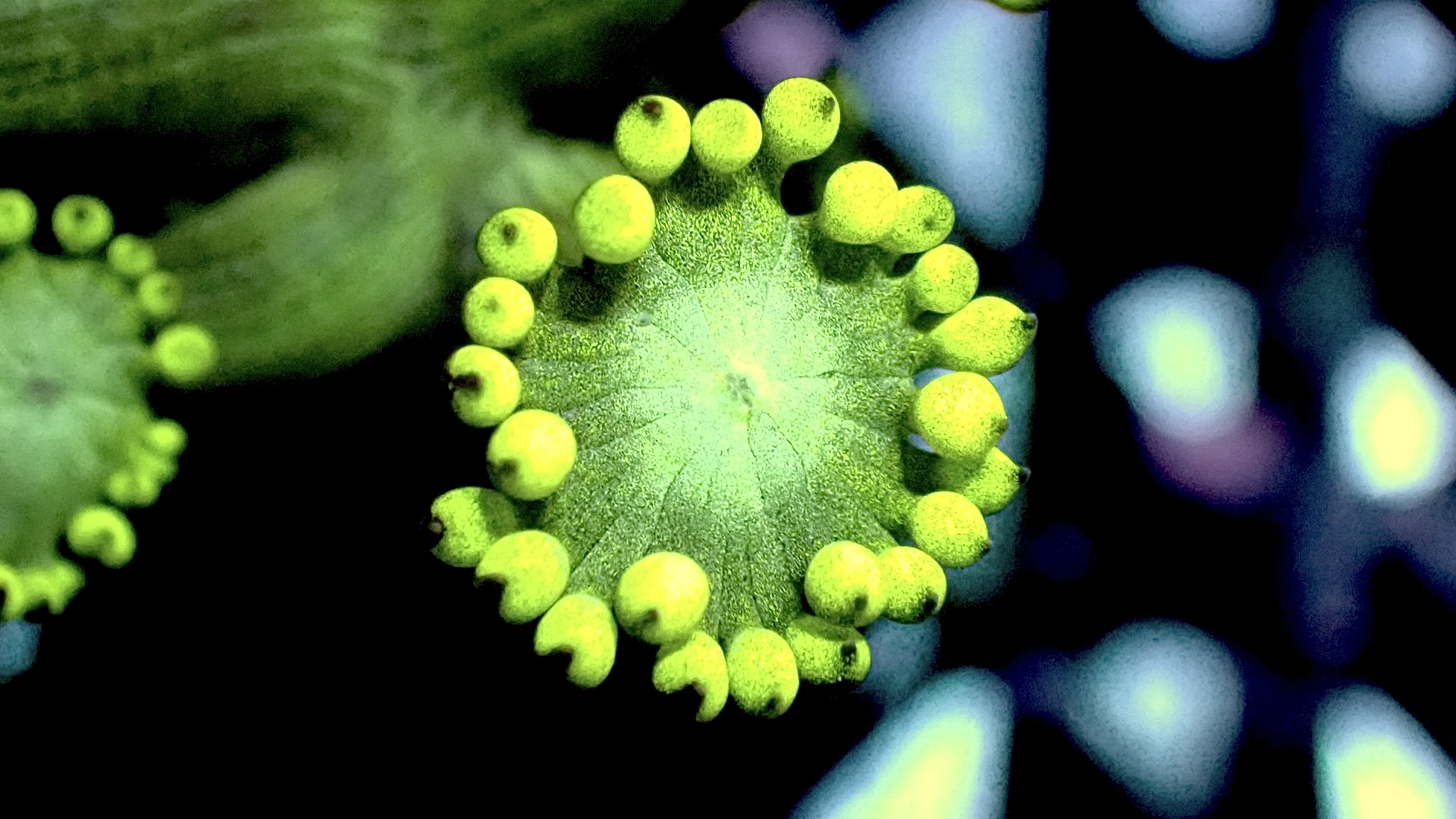
Bulbasaur goniopora is a named Goniopora kept for its green-toned, flower-like polyps that extend well beyond the skeleton when the coral is comfortable. Goniopora polyps are long and fleshy, each one ending in a rounded tip, and a settled colony moves constantly in the current. The name is a hobby label for this color form, and appearance shifts with light, so a new frag can take weeks to show its settled look.
The entry lists advanced difficulty, medium light, medium flow, mid placement, moderate aggression, and slow growth. That advanced rating deserves respect. Goniopora has a long record of doing well for months and then declining in tanks where water chemistry drifts, so stable alkalinity, calcium, magnesium, and nutrient levels matter more for this coral than for most LPS.
Place it where flow is gentle and alternating. Polyps should sway and lift without bending flat or whipping. Strong direct flow keeps polyps short and can tear the delicate tissue at the skeleton edge, while very still water lets detritus settle into the colony. Medium light in the middle of the tank suits the entry rating, and small moves work better than large ones.
Feeding plays a real role for Goniopora. Keepers do best when the coral gets regular offerings of fine planktonic food, rotifers, or a quality powdered LPS food, given with pumps off so the polyps can take food in slowly. A colony that extends fully and holds its size month after month is the goal. A colony that extends less each week is asking for a review of food, flow, and chemistry.
Give the colony clear space on all sides. Extended polyps reach farther than the skeleton suggests, and the moderate aggression rating means contact with neighbors can damage both corals. Keep it clear of stinging LPS sweeper range and away from fast encrusters that could grow up the skeleton base.
Growth is slow. New polyps bud around the edge of the skeleton over long periods, and a happy colony mainly gains density and extension before it gains size. Common pitfalls are buying a freshly imported colony that has not settled, starving the coral in very clean water, and moving it repeatedly while chasing better extension. Pick a spot, feed on a schedule, and let stability do the work.
Field notes — what keepers report
- Feeding reports are the strongest theme for Goniopora. Many keepers credit regular target feeding with long-term success, while others report colonies holding on for a year or more on broadcast feeding alone in nutrient-rich tanks. Both sides agree that a coral shrinking week by week needs a feeding and chemistry review rather than another move.
- Extension varies by time of day in keeper reports. Colonies often extend longest a few hours into the light period and after feeding, then shorten toward evening. Keepers advise judging health by the weekly trend in extension and tissue fullness, since a single closed day after a water change is common and usually passes.
- Trace element talk comes up often, with keepers debating manganese and iron dosing for this genus. Some report better extension after starting a routine, while others report no change and warn against dosing anything that cannot be tested. The cautious shared position is to fix the basics first: food, flow, and stable major elements.
Field Notes
Related species
Citrus goniopora
Goniopora sp
Same genus
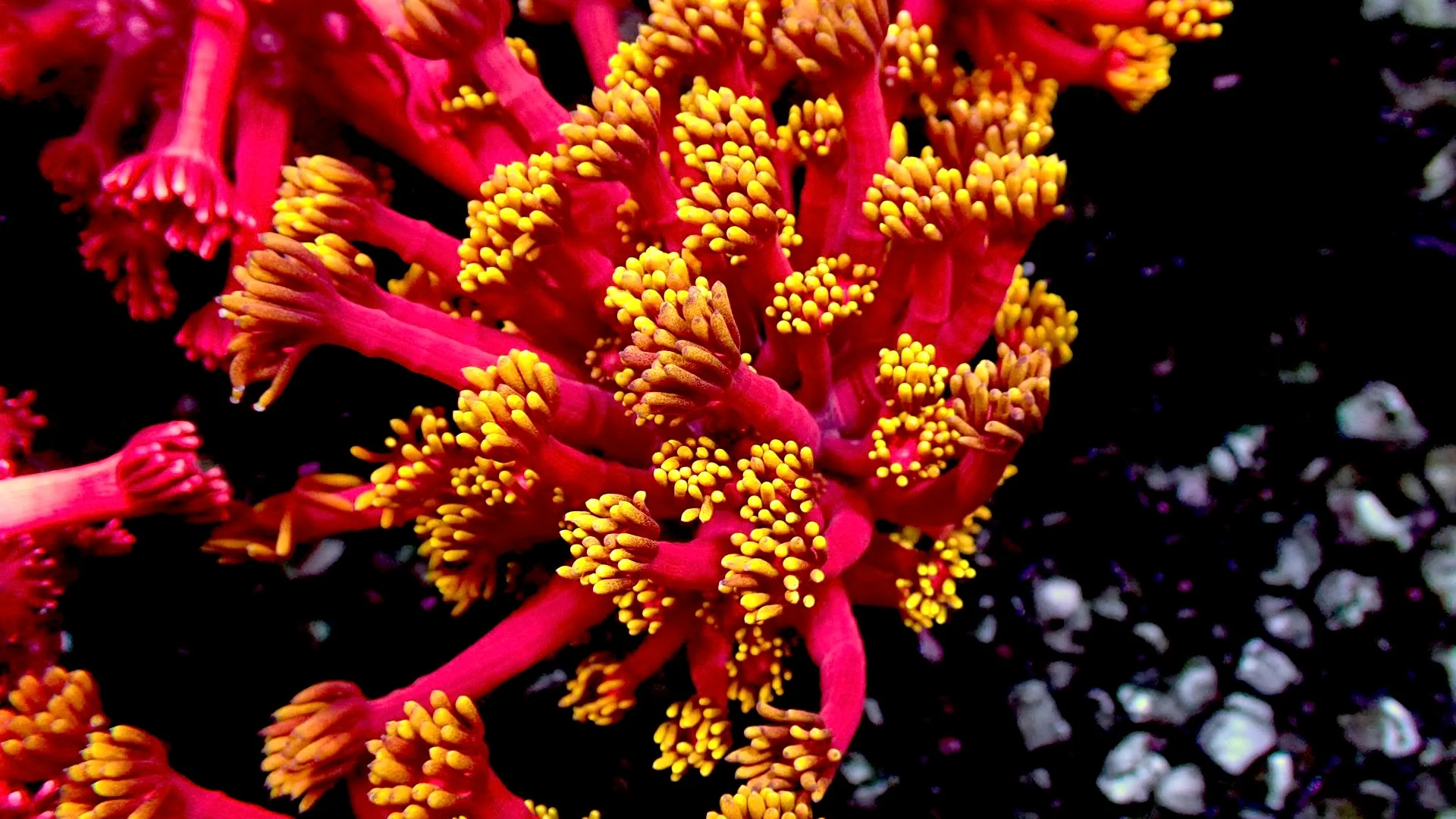
Iron Man Goni
Goniopora sp
Same genus
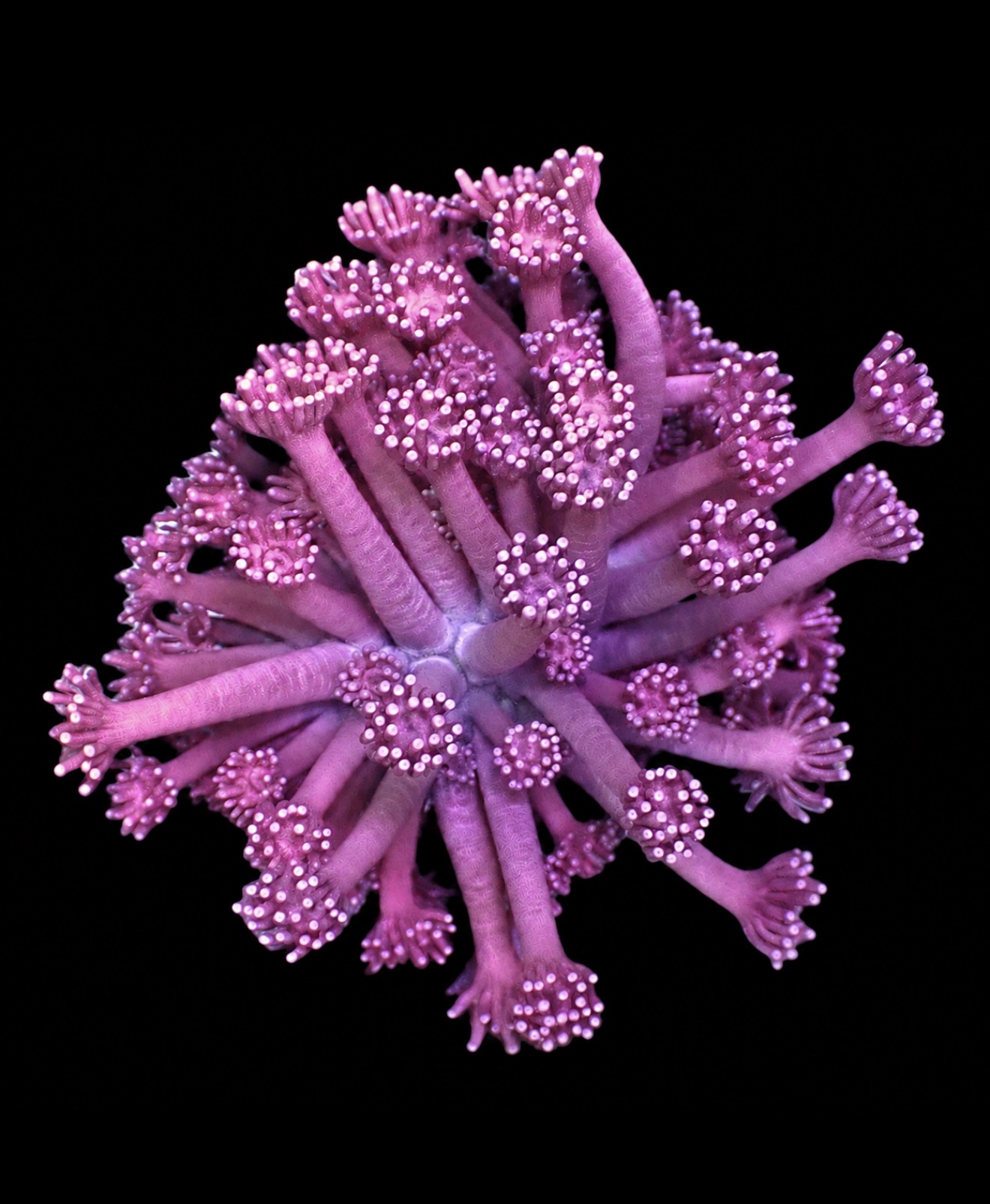
Barney the dinosaur Goni
Goniopora sp.
Same genus
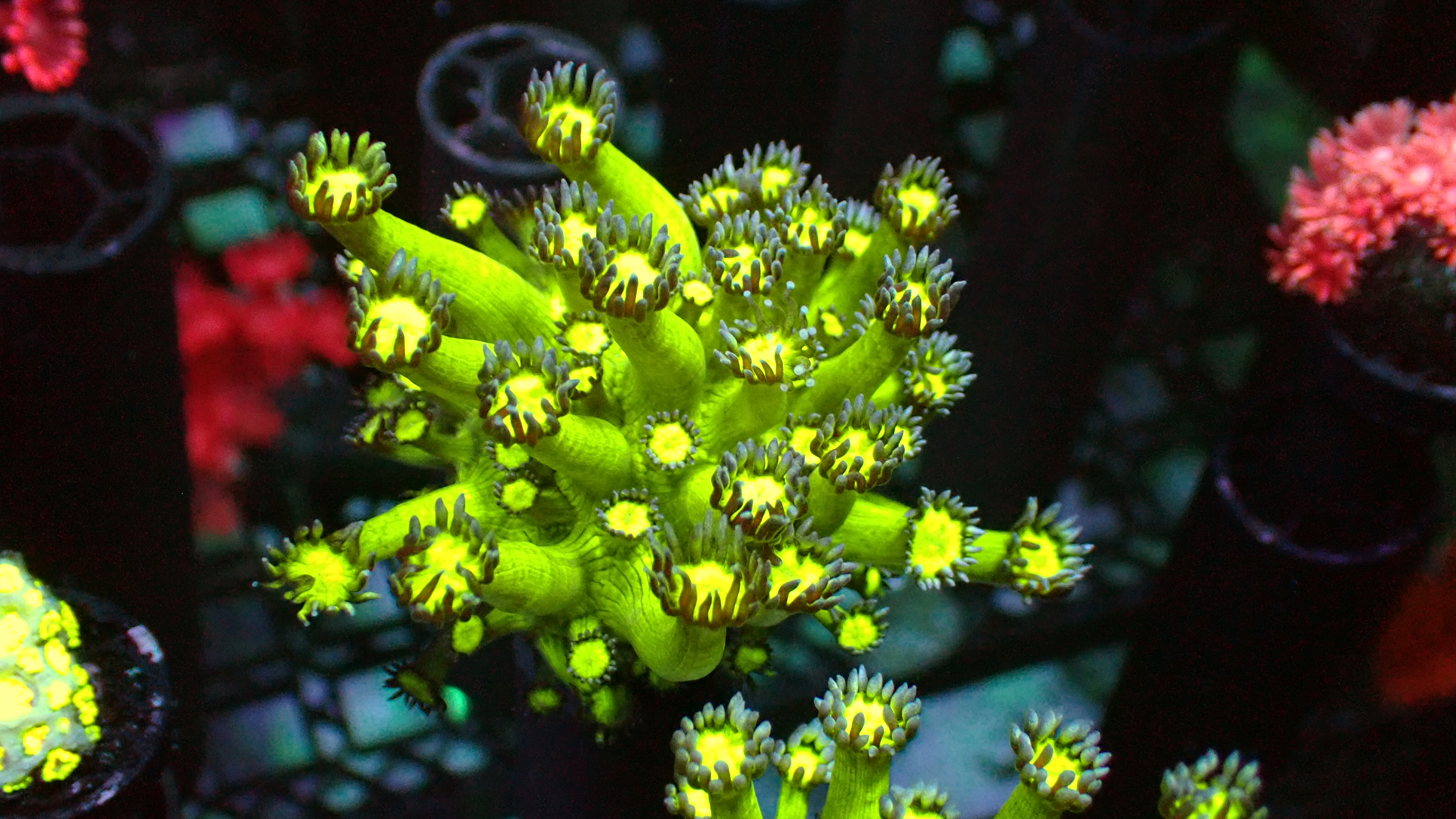
Bootleg glitter Goni
Goniopora sp
Same genus

Column Flowerpot Coral
Goniopora columna
Same genus

Flowerpot Coral
Goniopora djiboutiensis
Same genus

Lava lamp goniopora
Goniopora sp
Same genus

Lavender Goni
Goniopora sp
Same genus