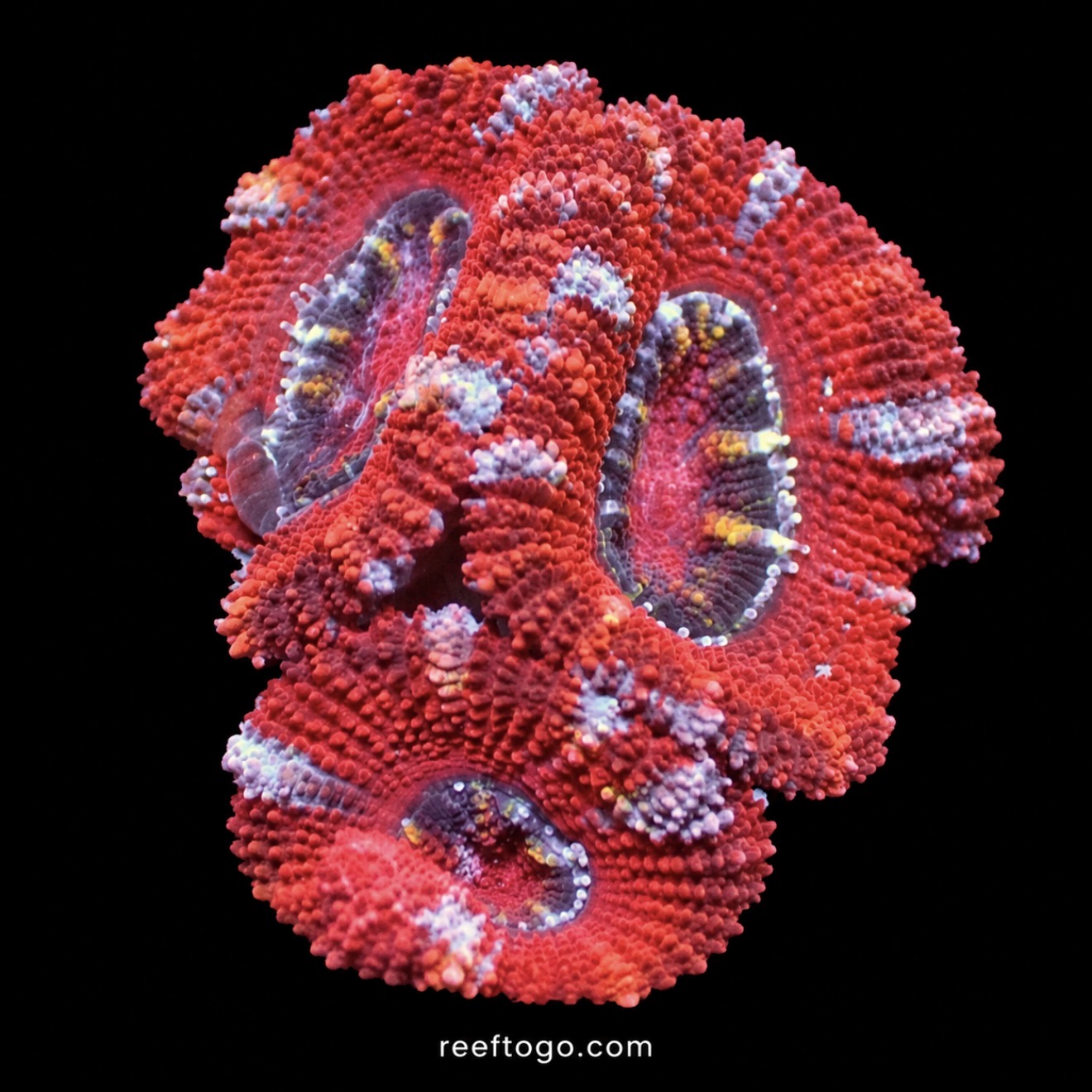
Bulls eye acan lord
Micromussa lordhowensis
Care facts
- Care
- Beginner
- Light
- Low-Medium
- Flow
- Low
- Place
- Bottom
- Space
- Semi-Aggressive
- Growth Rate
- Slow
Gallery
Meet a coral with a cushion around every mouth! Bulls Eye acan lord builds a colony of fleshy polyps over a hard skeleton. Give those hungry little mouths gentle light, room to puff up and a steady reef to call home.
Soft cushions, hard skeleton
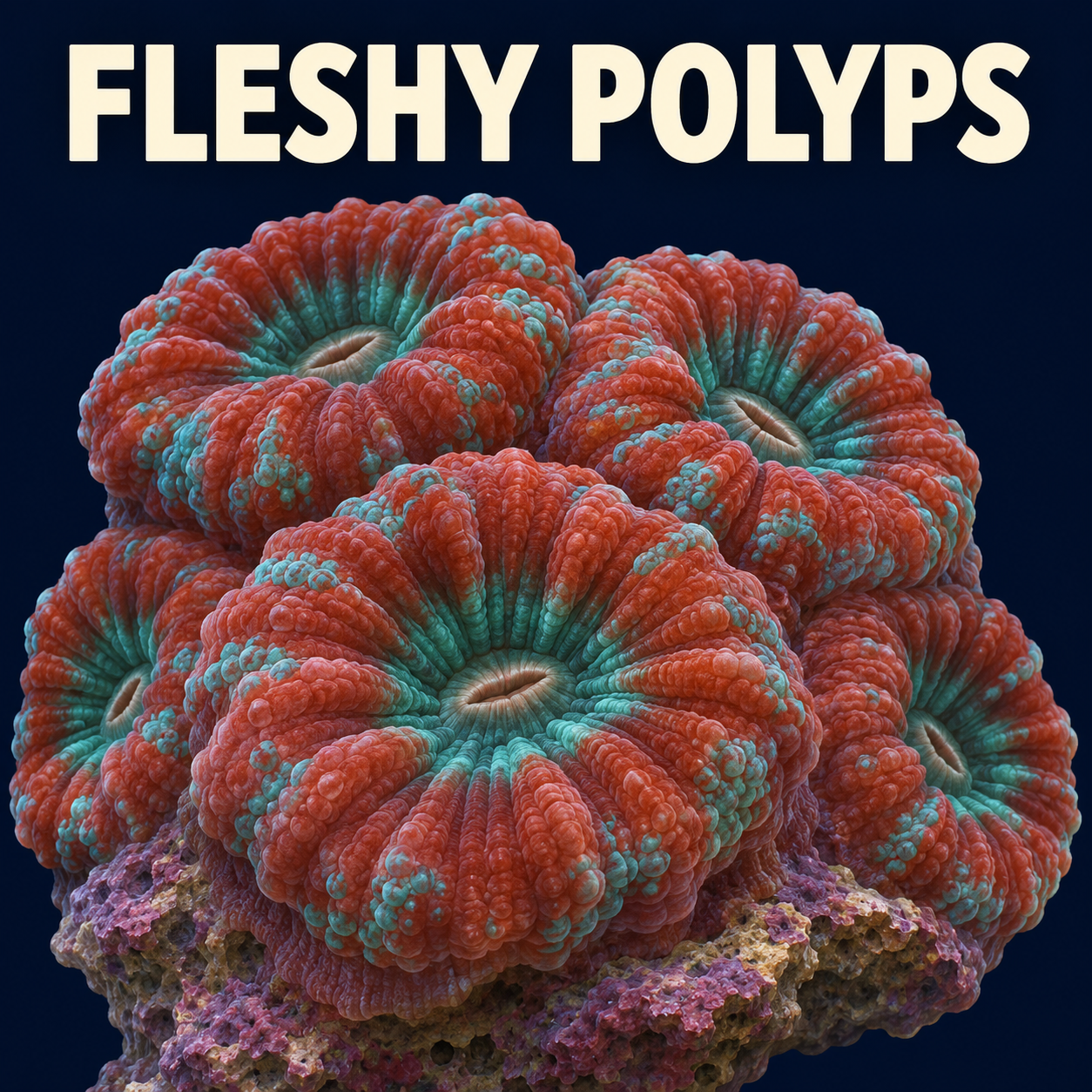
1. A puffed-up polyp! Each fleshy polyp is a tiny animal with a central mouth. Beneath the soft tissue sits a stony skeleton. Handle the plug or base gently and keep fingers off the living flesh.
Take the gentle-light route
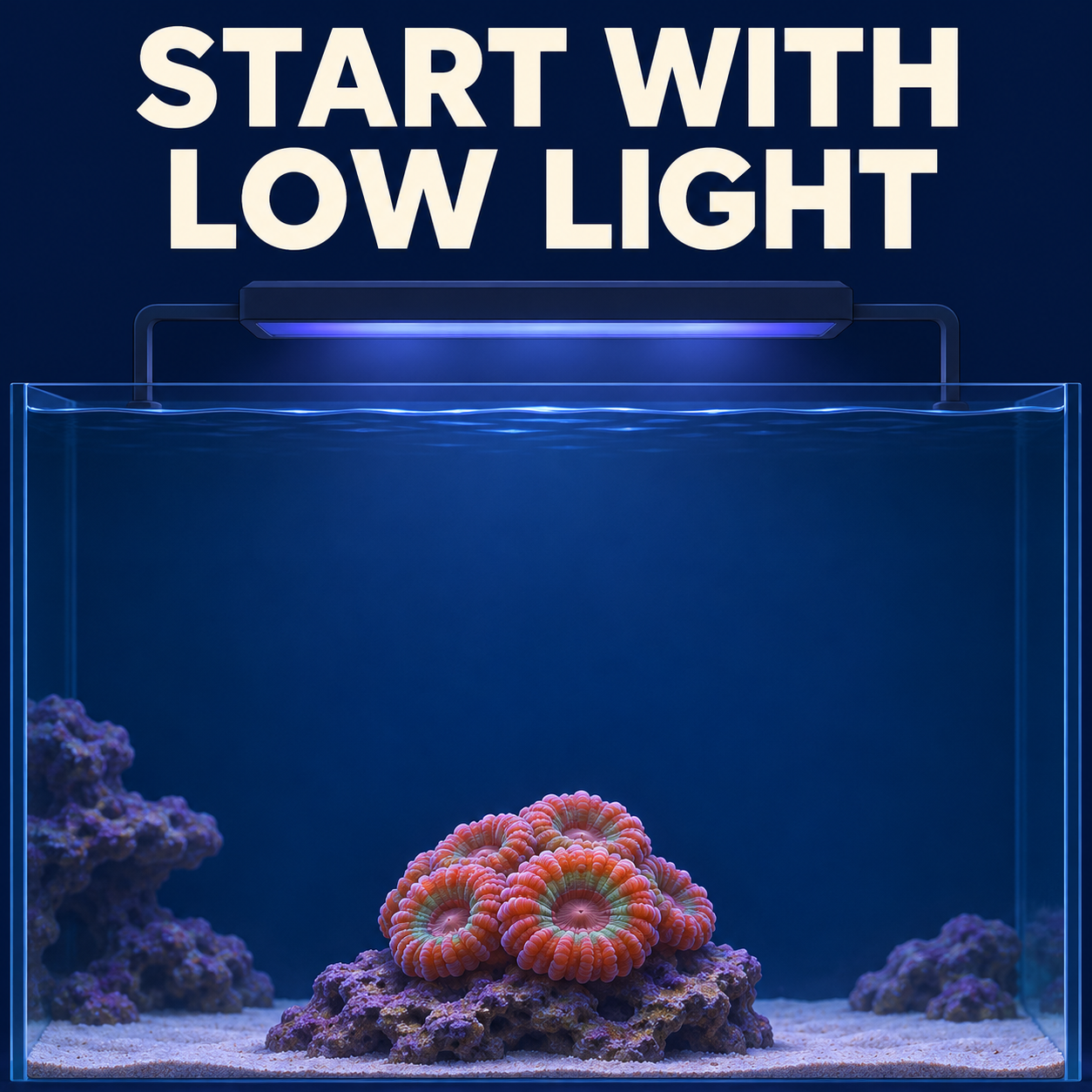
2. Start on the dim side. Use low to medium light and increase it gradually. Check the light at the coral itself. Bottom placement alone does not guarantee shade. Keep the lighting schedule steady as the coral settles.
A calm spot near the bottom
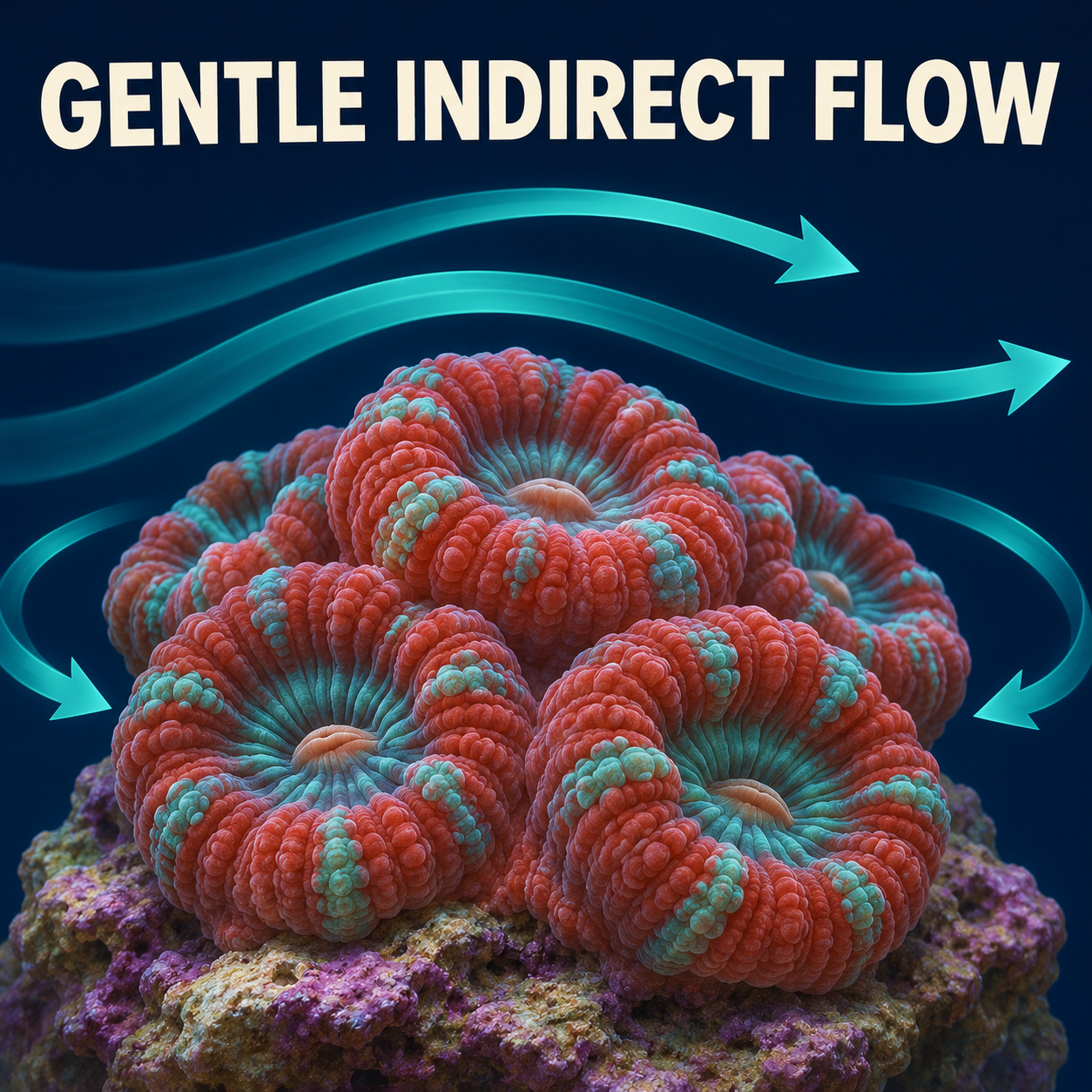
3. Keep the cushions moving gently. Set the base securely on lower rockwork or a stable bottom spot. Aim for indirect circulation that clears debris. Redirect any jet that flattens the polyps or keeps food blowing away. Keep sand off the flesh.
Leave a clear border
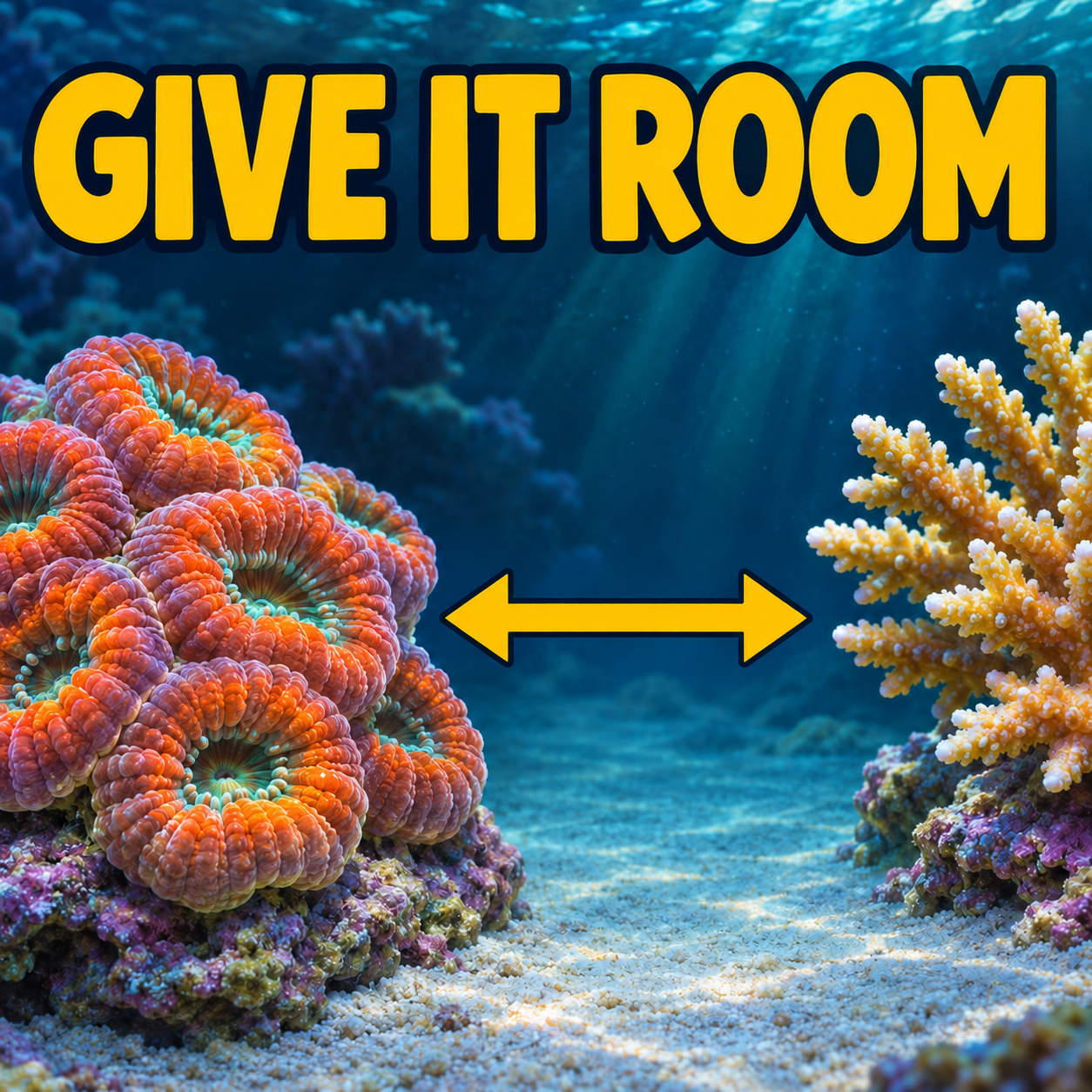
4. Room to puff, room to grow. Keep neighboring corals beyond the fully expanded tissue. Check the gap after dark, when feeding tentacles reach out. Acan lords can harm nearby corals. Recheck spacing as both colonies grow.
Tiny meals, steady chemistry
5. Feed the mouths, then watch. Offer small meaty morsels when tentacles are out. Let each polyp swallow and clear leftovers. Keep temperature and salinity steady. Test alkalinity and calcium, then replace what the growing reef uses. Check water and recent changes if tissue keeps shrinking or receding.

Field notes — what keepers report
6. General acan lord experiences. No Bulls Eye-specific keeper report was verified. One keeper saw rapid new-head growth with frequent feeding. Another saw fuller tissue from feeding without faster growth. Track your own colony with photos and patient observation.
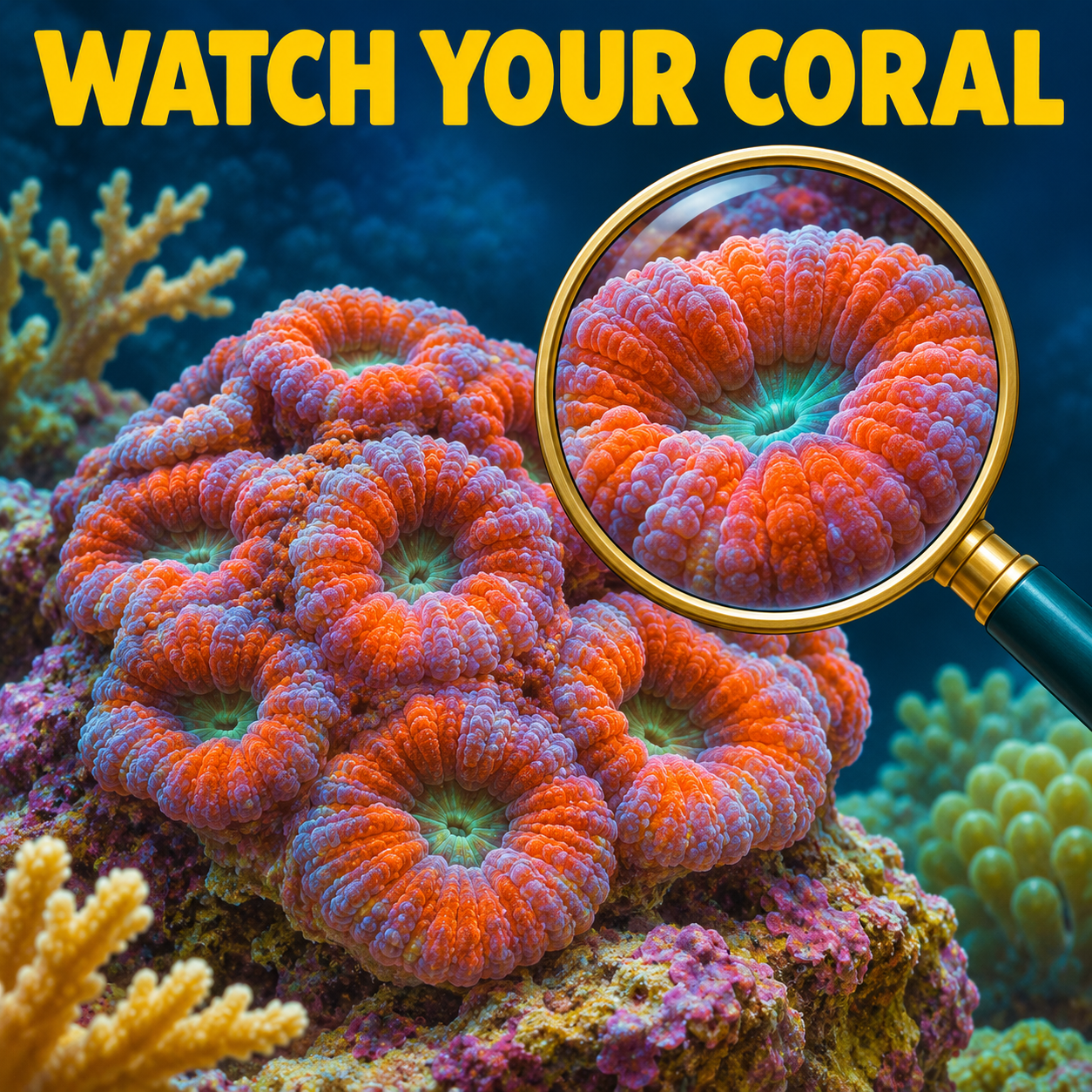
Let this little colony settle into a predictable routine. Watch its mouths, tissue and growing edges. A healthy acan garden starts with space, small meals and steady care.
Field Notes
Related species
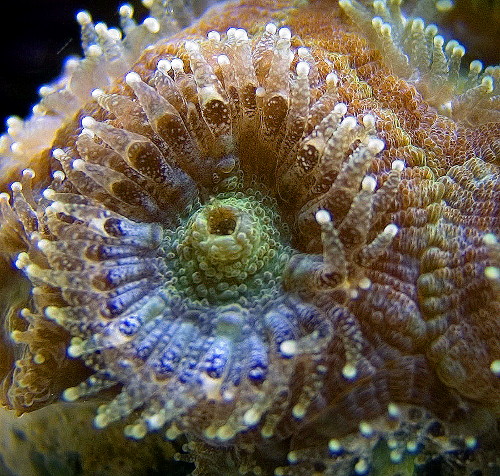
Lordhowensis Acan
Micromussa lordhowensis
Same genus
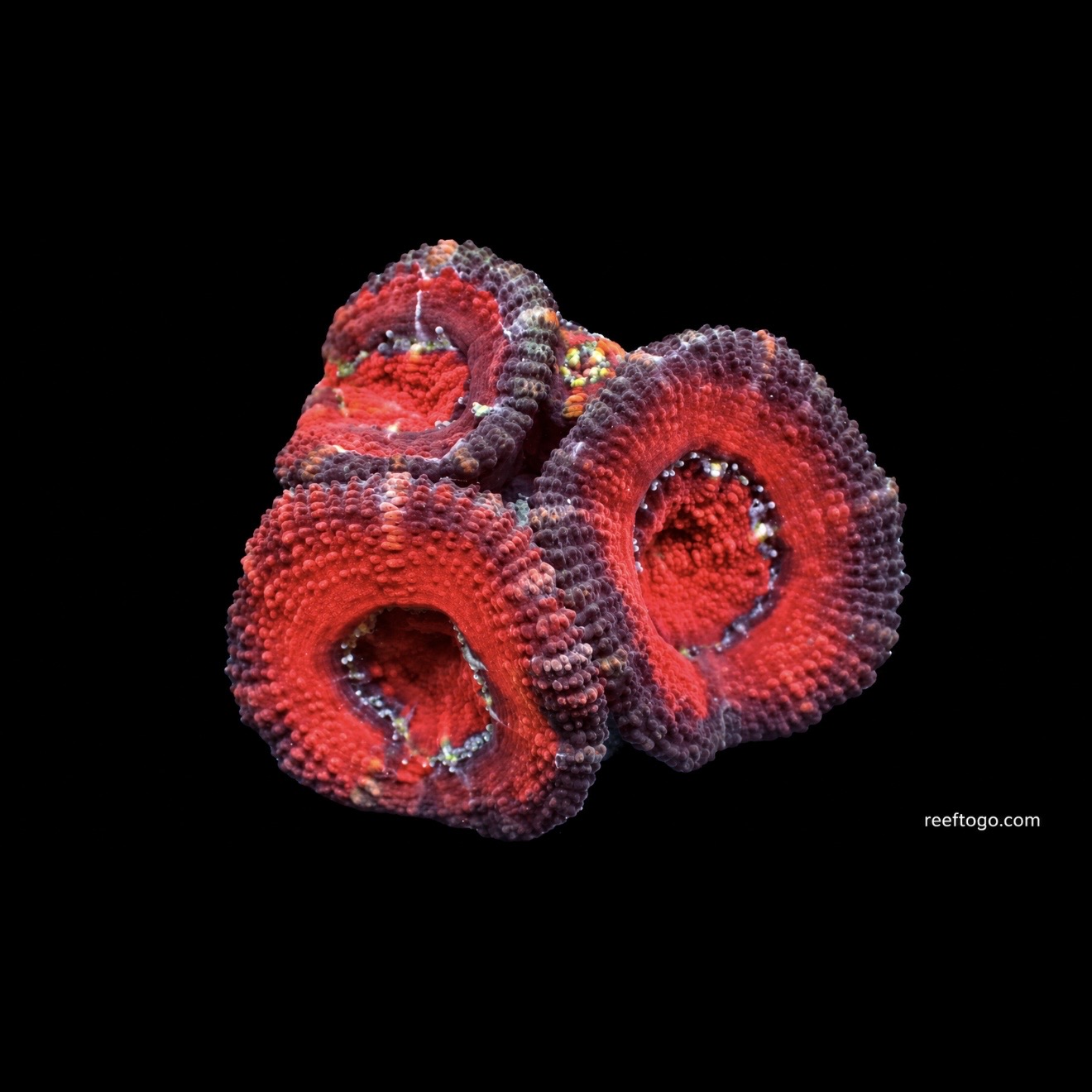
Darth Maul acan
Micromussa lordhowensis
Same genus

Gold Coast acans
Micromussa lordhowensis
Same genus
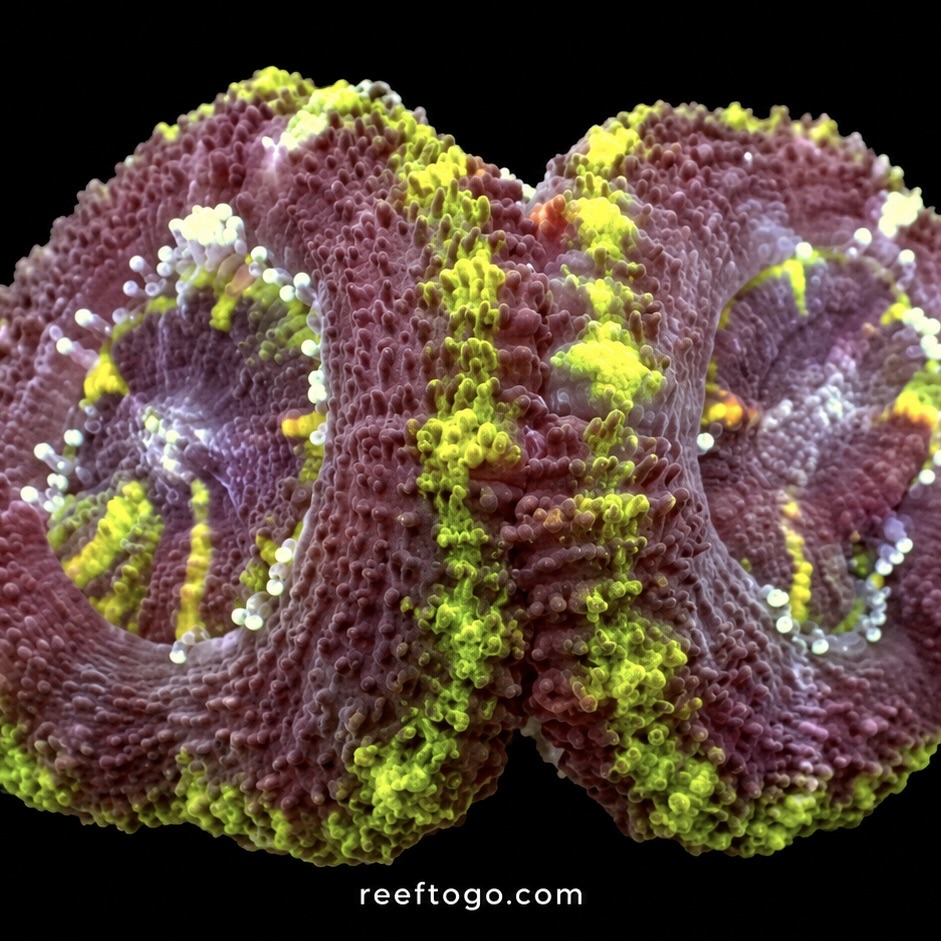
Green acan lord
Micromussa lordhowensis
Same genus
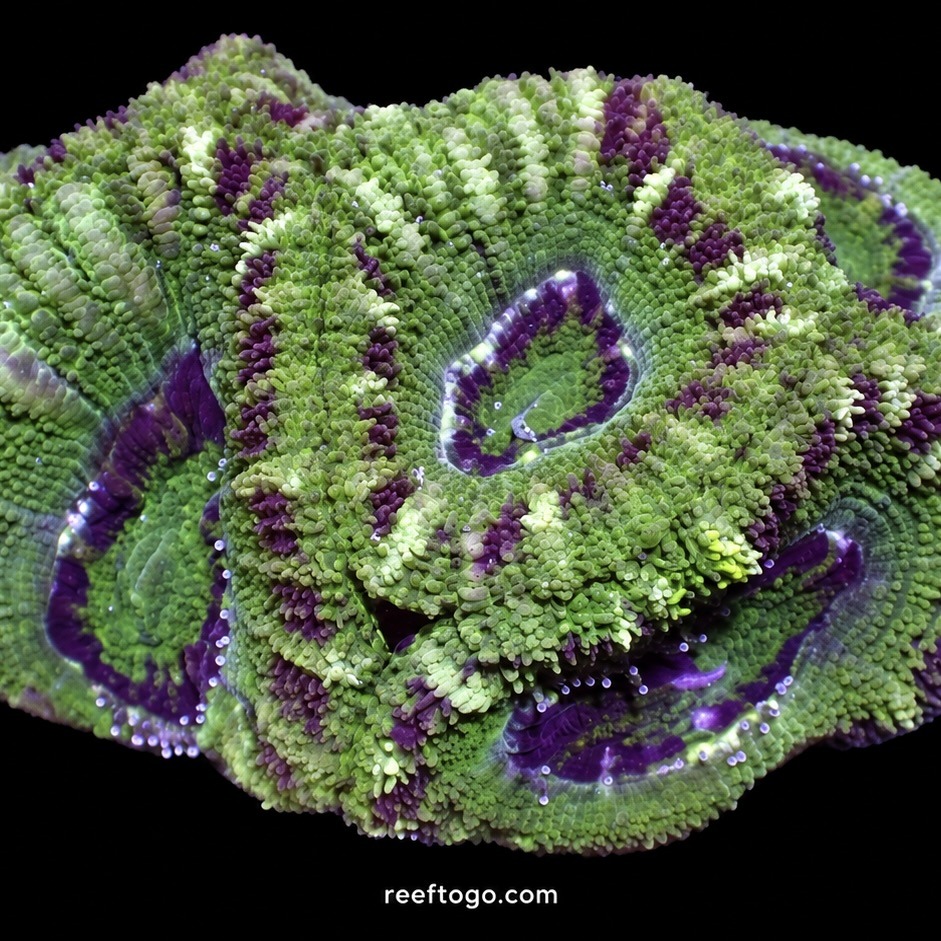
Green tiger acan lord
Micromussa lordhowensis
Same genus
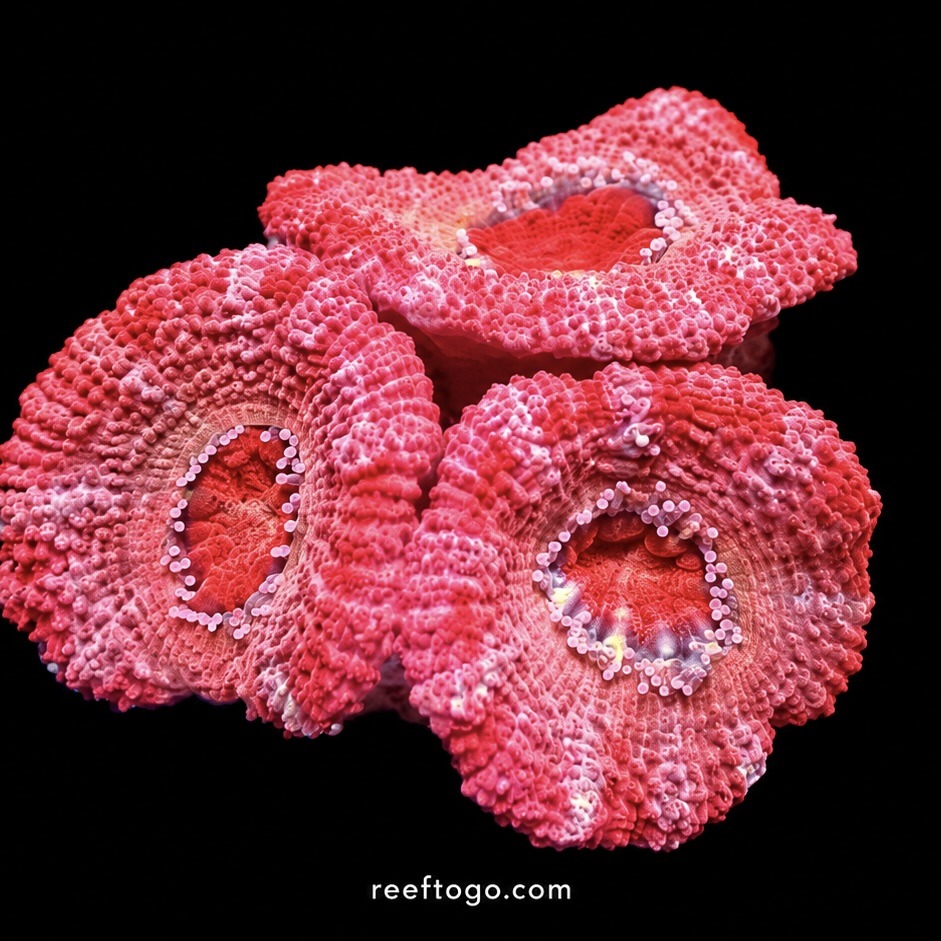
Red candy acan lord
Micromussa lordhowensis
Same genus

Red tiger Asian acan
Micromussa lordhowensis
Same genus
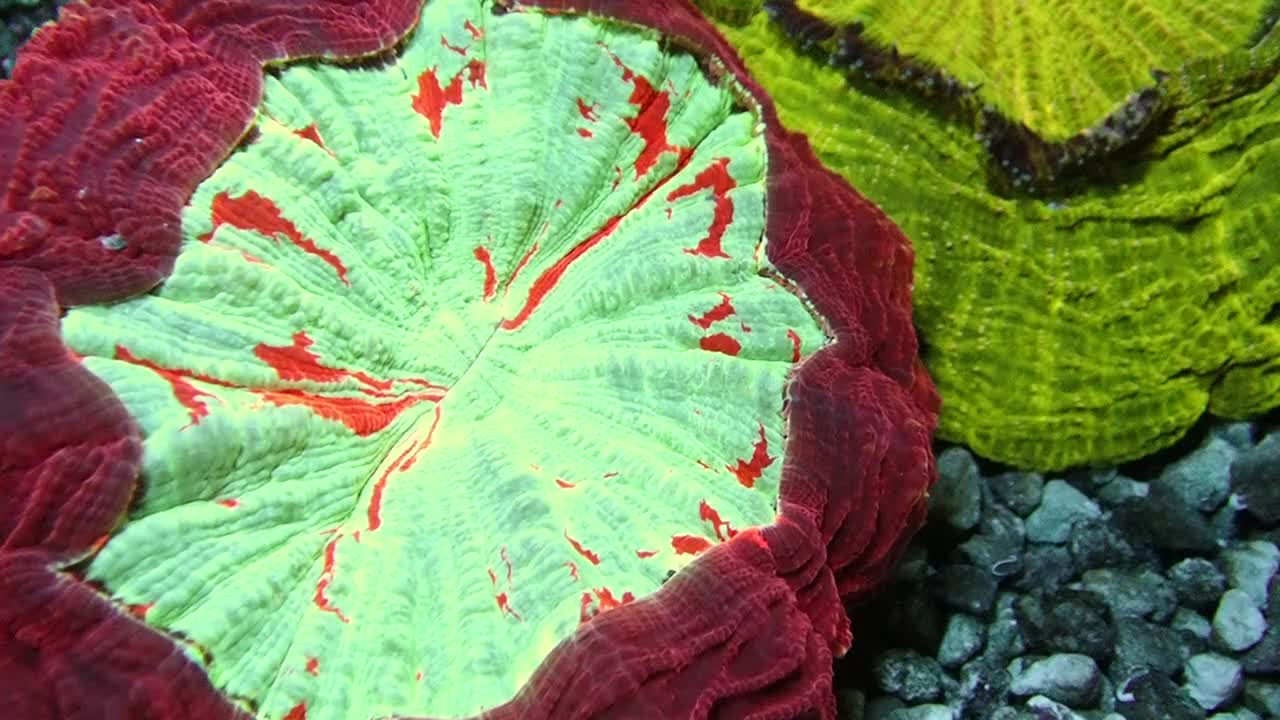
Acanthophyllia
Acanthophyllia sp.
Similar care · LPS