Care facts
- Care
- Intermediate
- Light
- Medium
- Flow
- Medium
- Place
- Bottom
- Space
- Peaceful
- Growth Rate
- Slow
Palytoxin safety
Some zoanthids and palythoas can contain a potent toxin. Wear sturdy waterproof gloves and eye protection, minimize handling, and keep colonies submerged when possible. Never boil, steam, pressure-wash or scrub colonized rock under running water. Keep other people and pets away during handling. If exposure is suspected, seek urgent medical advice and tell the clinician about possible palytoxin exposure.
Sources: CDC: palytoxin exposure · OATA: avoiding palytoxin poisoning
Gallery
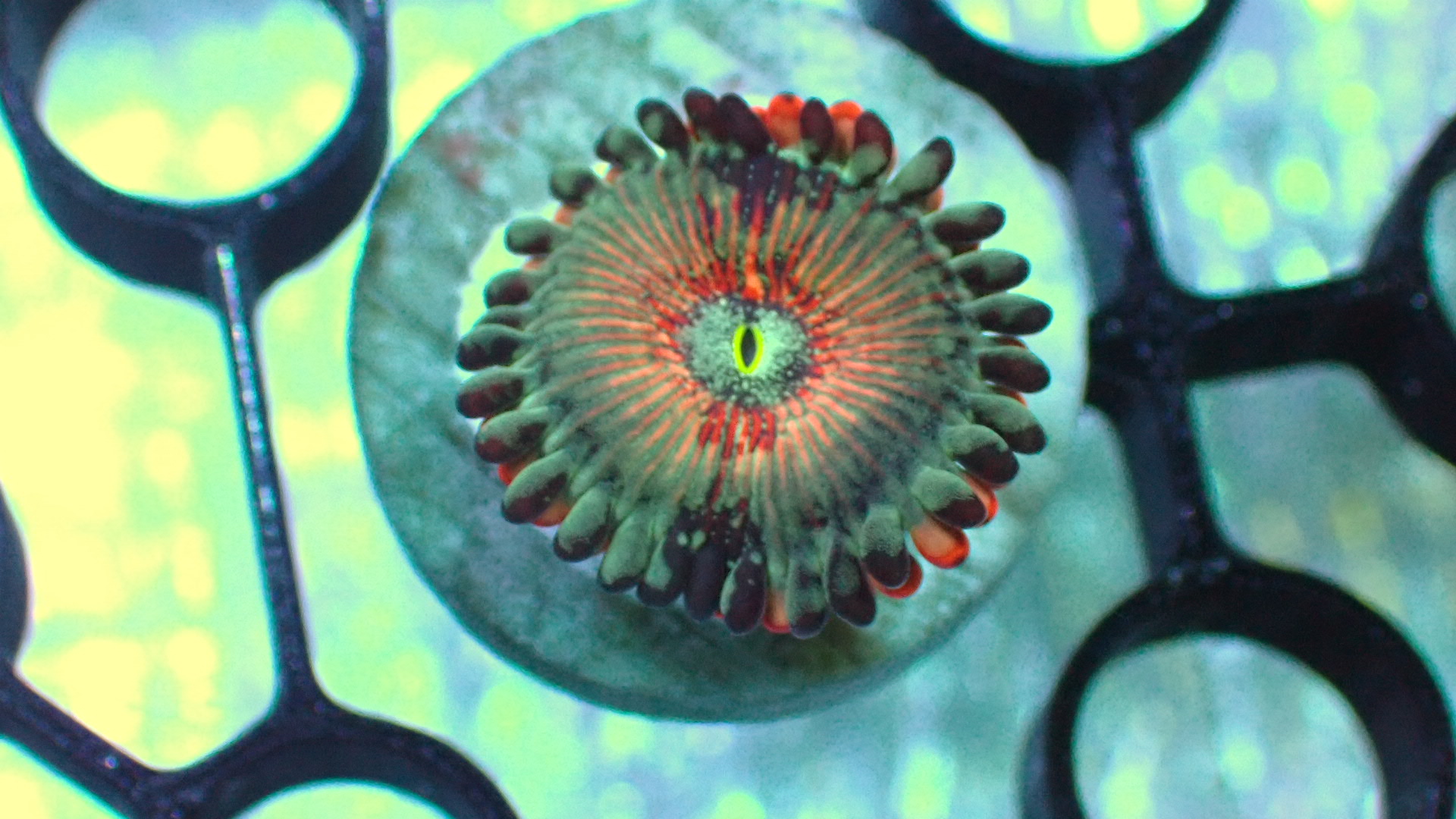
Salted Agave Zoanthids are a collector morph with cool-toned blue-green coloration and strong contrast between the skirt and center — the agave reference is accurate, and the color palette stands apart from the warm-toned named morphs that dominate the hobby.
Bottom placement with medium light and moderate flow; the intermediate rating reflects this morph's sensitivity to water quality rather than lighting or flow complexity.
Slow growth means individual polyp losses feel significant — keep water quality impeccable and don't house them near aggressive neighbors that might cause polyp retraction through chemical or physical stress.
Feed weekly with fine coral food and be patient with division — slow zoa morphs build their best colonies in tanks that have been running stably for a year or more, and Salted Agave is worth the wait for the color payoff.
Field Notes
Related species
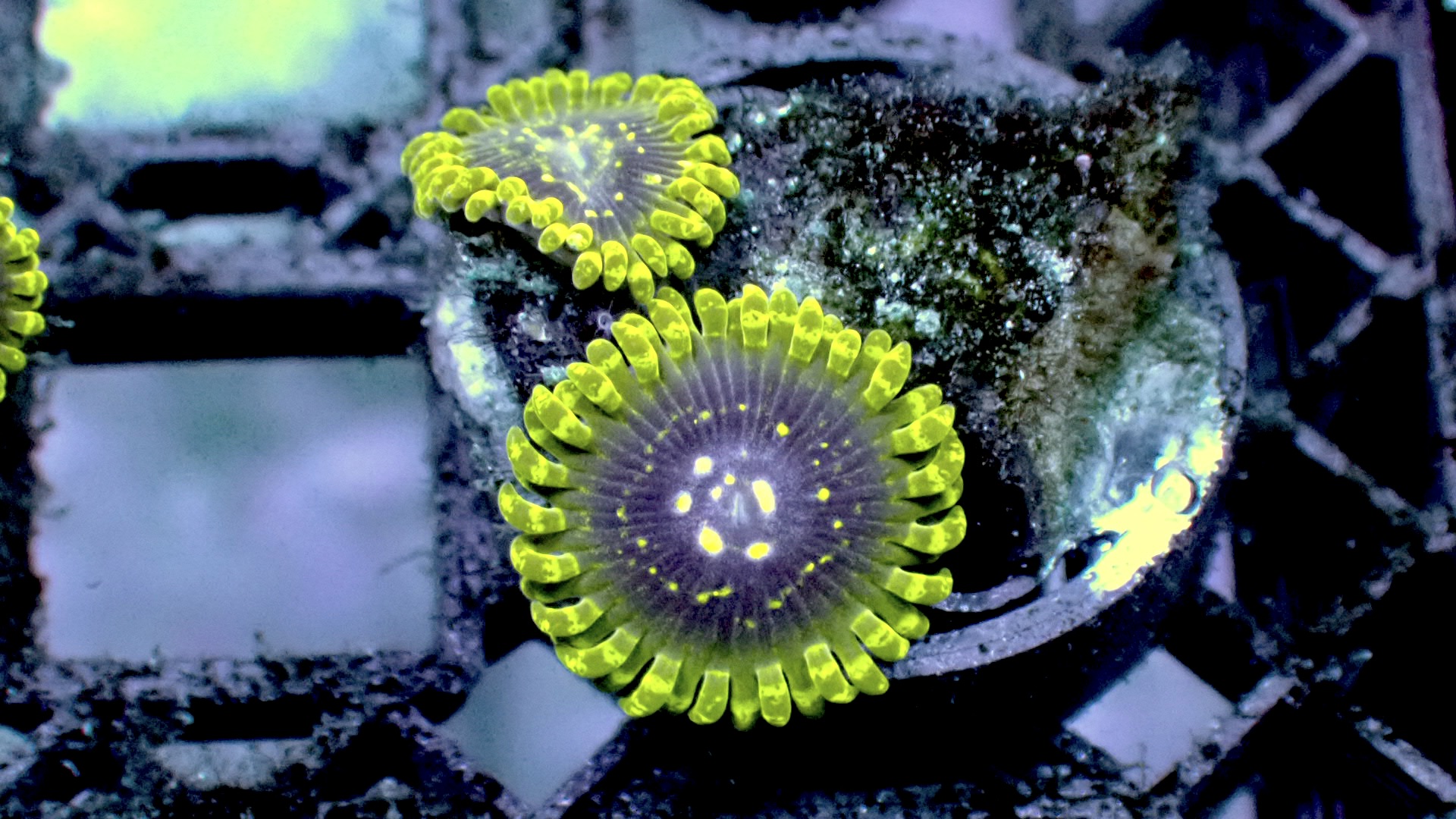
Exosphere zoanthids
Zoanthus sp
Same genus

Blueberry Haze Zoas
Zoanthus sp.
Same genus

Burning Willow Zoas
Zoanthus sp.
Same genus
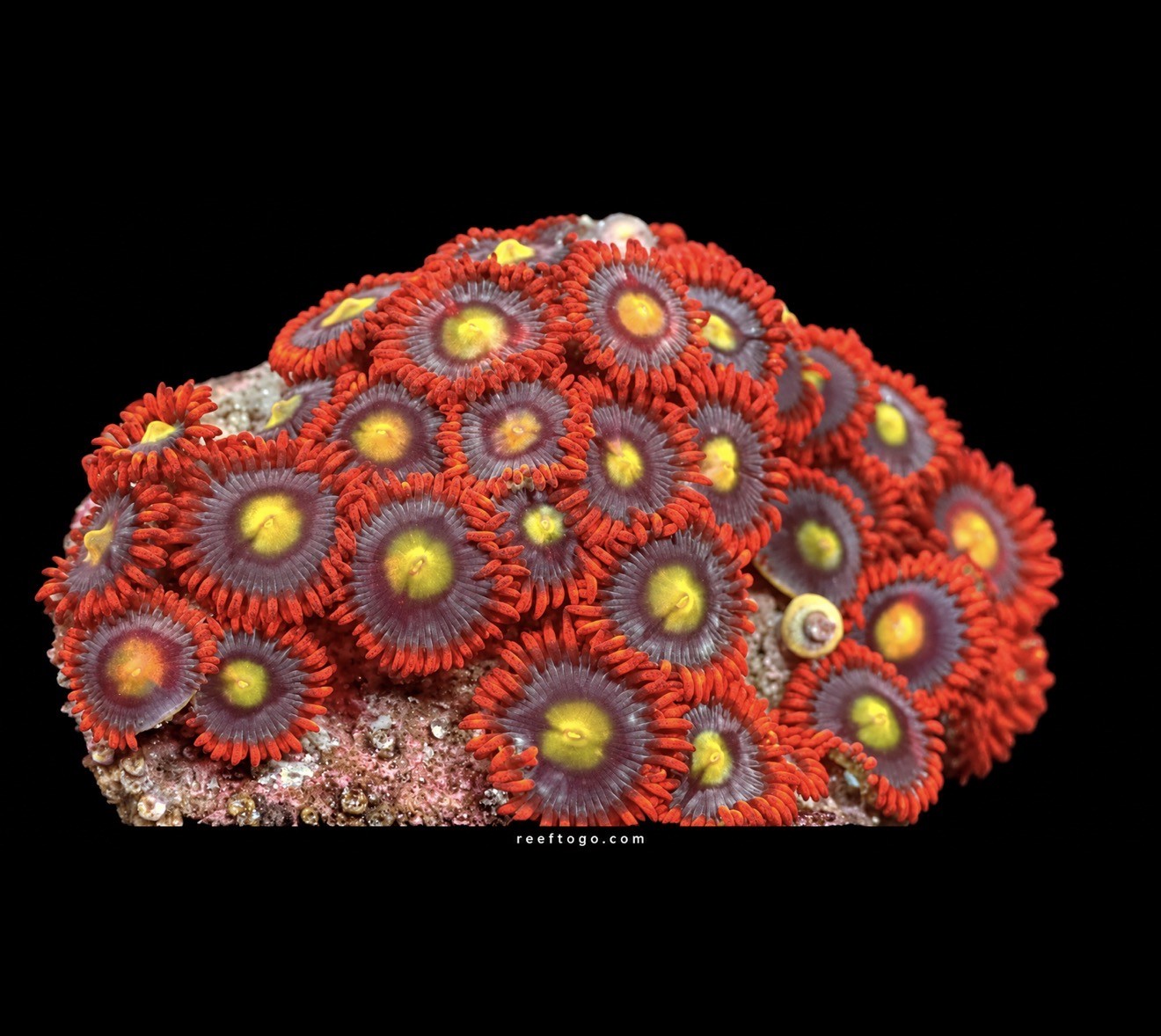
Fire and ice zoanthids
Zoanthus sp
Same genus
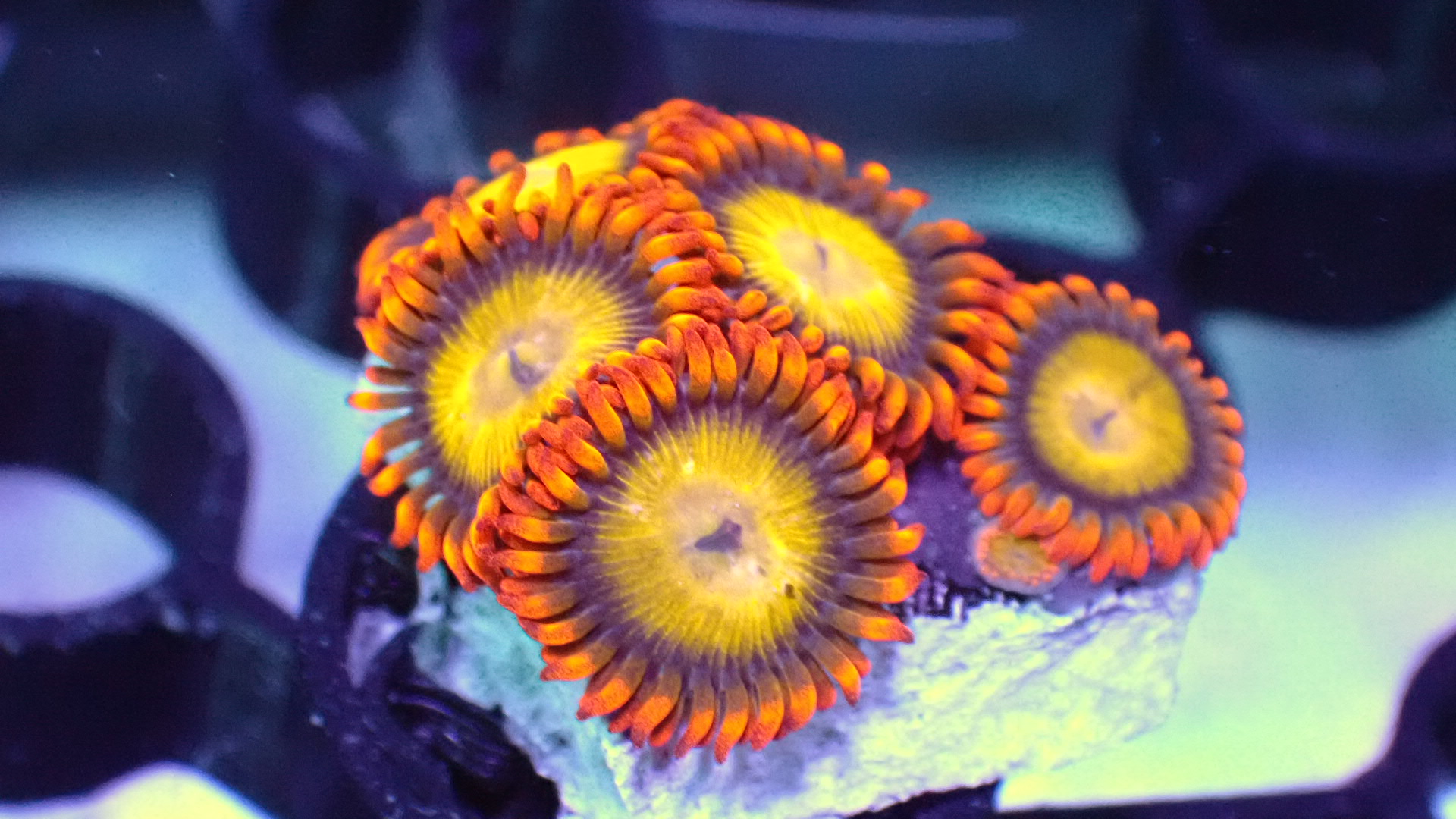
Mandarin zoanthids
Zoanthus sp
Same genus
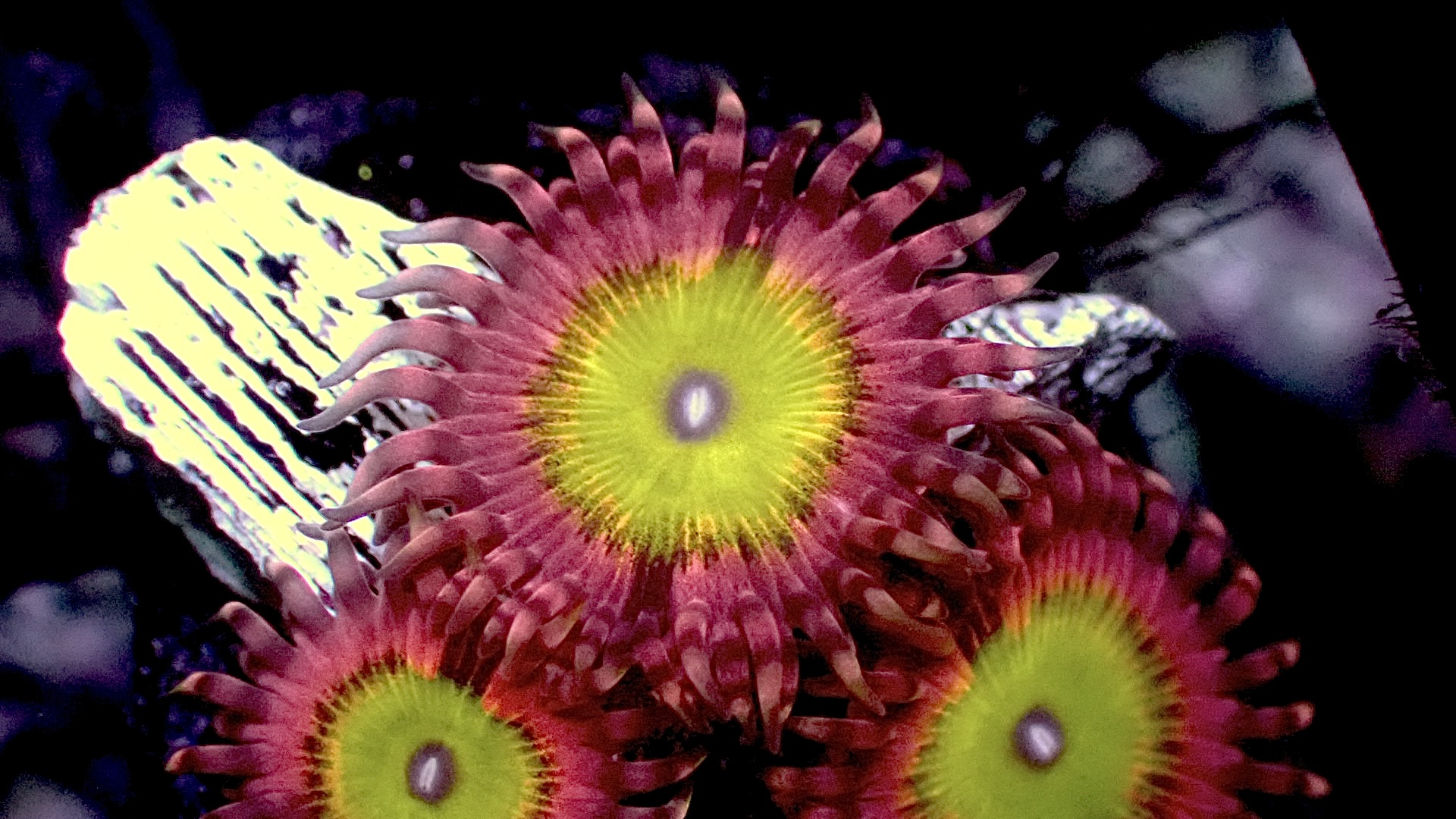
Pink hippo zoanthids
Zoanthus sp
Same genus

Purple Heart zoas
Zoanthus sp
Same genus

Radioactive dragon eyes
Zoanthus sp
Same genus