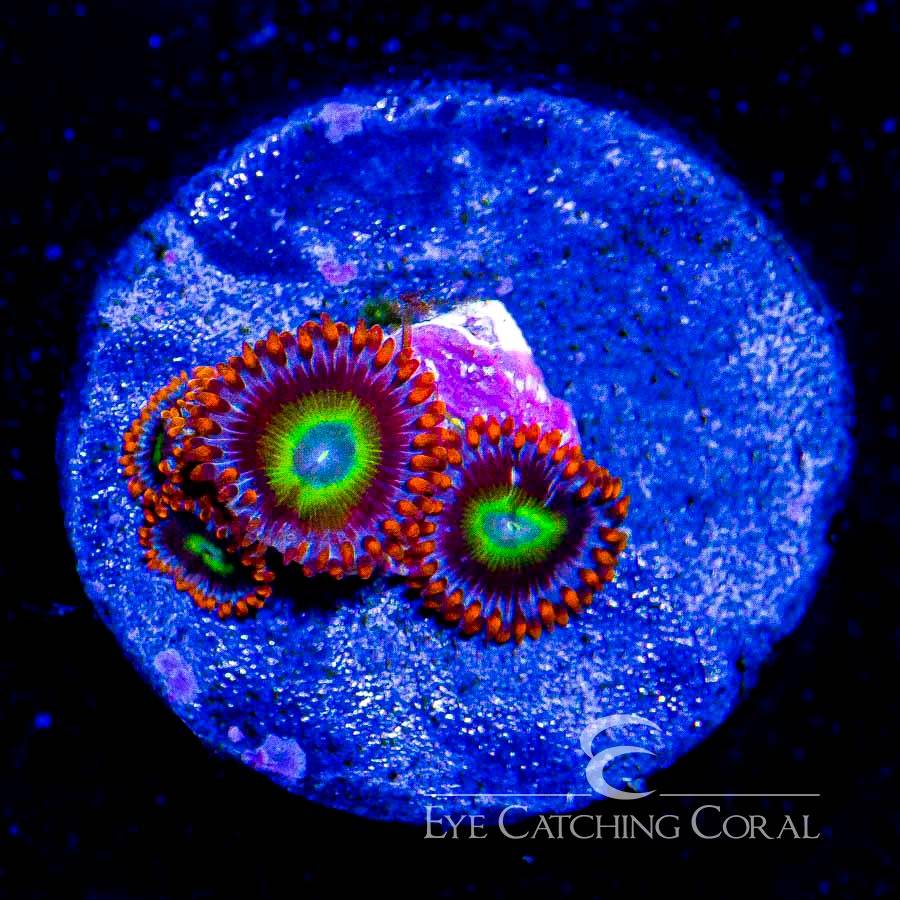
Fruitopia zoas
Zoanthus sp
Palytoxin safety
Some zoanthids and palythoas can contain a potent toxin. Wear sturdy waterproof gloves and eye protection, minimize handling, and keep colonies submerged when possible. Never boil, steam, pressure-wash or scrub colonized rock under running water. Keep other people and pets away during handling. If exposure is suspected, seek urgent medical advice and tell the clinician about possible palytoxin exposure.
Sources: CDC: palytoxin exposure · OATA: avoiding palytoxin poisoning
Gallery
# Fruitopia zoas
Care at a glance: CARE Beginner · LIGHT Low-Med · FLOW Med · PLACE Mid · SPACE Moderate · GROWTH Fast
1. A tiny garden that is alive
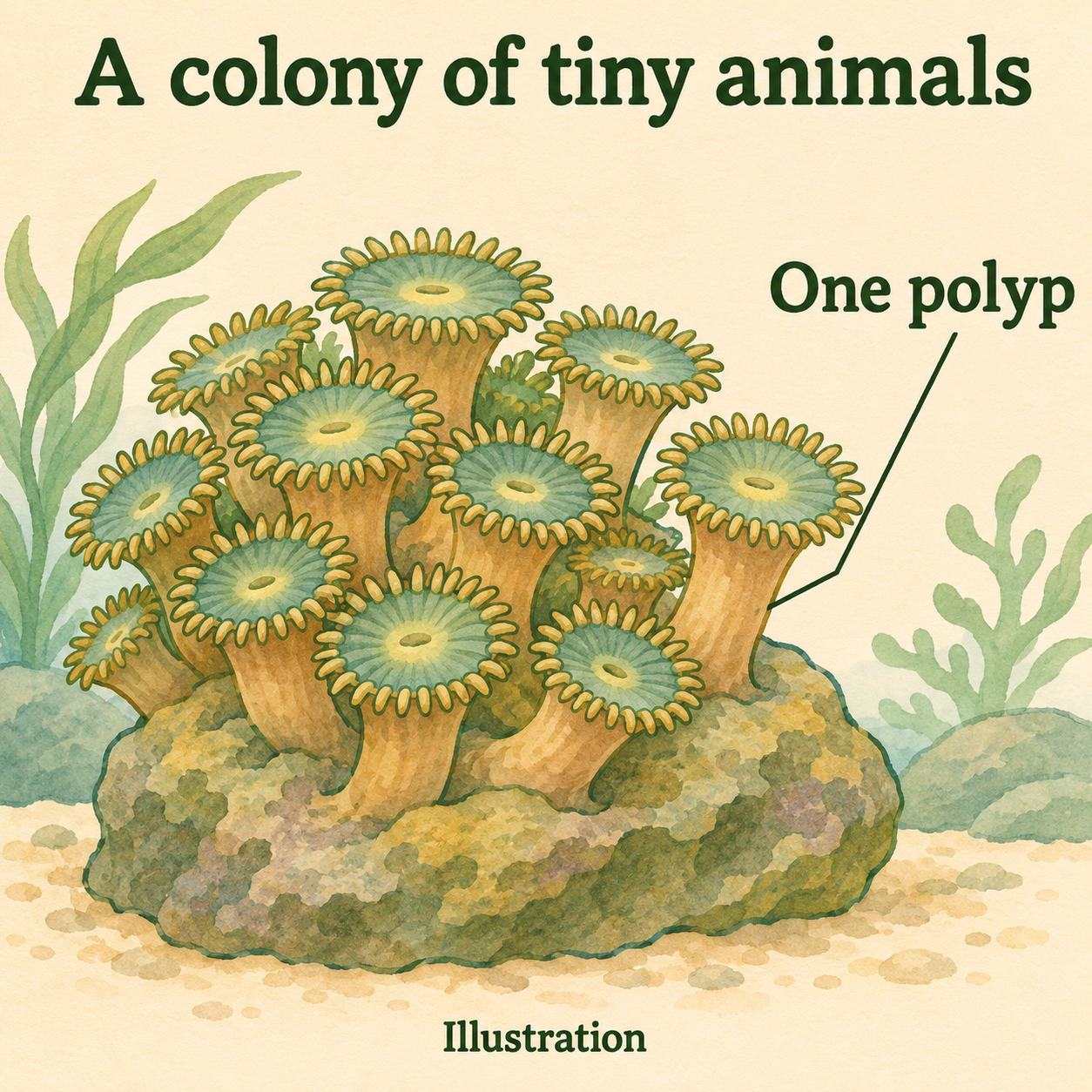
Watch a zoa frag for a moment. Each little button is a separate animal called a polyp. A group of these animals makes a colony. New polyps can bud beside older ones, slowly turning a small patch into a living carpet.
Fruitopia is this coral's trade name. Reef To Go records it as Zoanthus sp, which leaves the exact species open. The name does not prove a wild collection site, a breeder's family tree, or a special care recipe. This guide uses general zoa care where Fruitopia-specific evidence is missing. It does not identify the animal from its photograph.
The care card stays: CARE Beginner, LIGHT Low-Med, FLOW Med, PLACE Mid, SPACE Moderate, GROWTH Fast. Think of that as a starting map. A real colony still needs a steady reef tank and a keeper who notices changes. Beginner care does not mean safe to handle bare-handed. Read the safety section before moving it.
[About colony polyps](https://www.liveaquaria.com/products/colony-polyp) · [This entry's record](https://database.reeftogo.com/coral/fruitopia-zoas-b883e425)
2. Let the light change slowly

Zoas have tiny living partners inside their tissue that use light to make food. You supply the light. The coral and its partners do the rest.
Start with low to medium light, as the care card says. Ask the seller what the frag was used to. A new lamp, a higher perch, or a longer lighting day can all change its light exposure. Make small changes rather than moving straight into the brightest spot.
Mid means a useful starting zone, not a fixed height that works in every tank. Rock shadows, lamp settings and water depth matter too. A PAR meter can help you compare spots, but this guide has no tested Fruitopia-specific PAR target.
If the colony becomes much paler after a lighting change, check that change first. Closed polyps alone cannot tell you whether light is the problem. Flow, water conditions and pests can also matter. Keep notes so you can connect a change with what happened next.
[Light and acclimation guidance](https://www.bulkreefsupply.com/content/post/coral-care-guide-zoanthids)
3. Moving water and room to grow
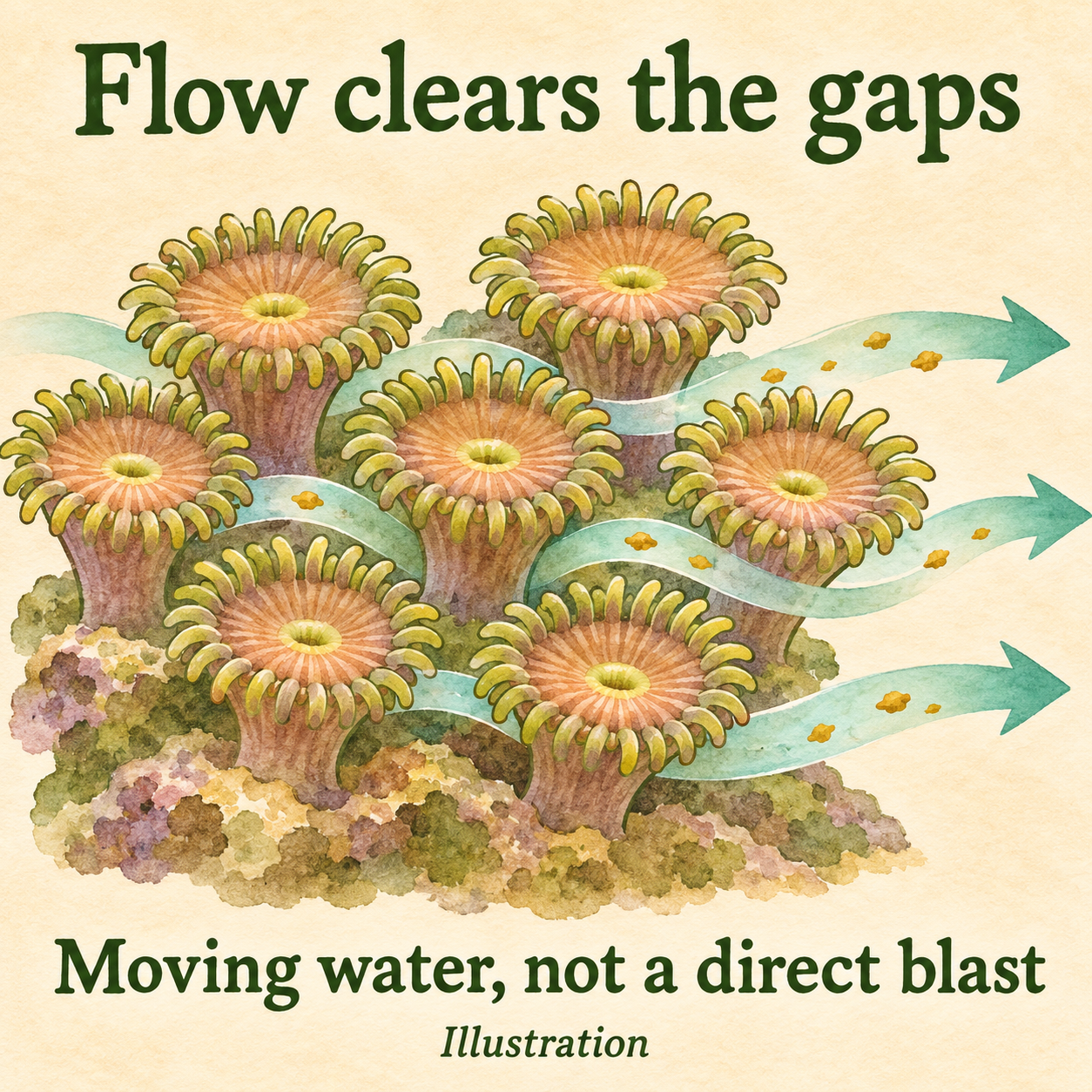
A zoa colony has lots of little gaps. Waste can collect there if the water hardly moves. Aim for moderate water movement across the colony, with enough flow to carry loose bits away. Avoid pointing a hard jet straight at the polyps. If they stay squeezed shut in the stream, adjust the flow and watch again.
Choose a secure spot on rock where sand will not keep landing on the colony. A loose frag that tips over or rubs against rock cannot settle well. Move it by its base, with the safety precautions below, rather than squeezing the living polyps.
Give the colony its own growing room. Zoas spread across surfaces and can crowd their neighbors. Other corals may sting them in return. The SPACE value Moderate is a care category, not an inch measurement or a promise that two corals can touch safely.
A separate small rock can make the growing edge easier to watch. Check that edge as the colony spreads. Keep a gap suited to the actual neighbors rather than treating one distance as safe for every coral. Fast on the card means growth can be quick in suitable conditions. It does not promise a certain number of new heads each week.
[Flow and spreading mats](https://tidalgardens.com/articles/coral-care-articles/zoanthus-coral-care.html) · [Neighboring coral contact](https://www.liveaquaria.com/products/colony-polyp)
4. Steady water, thoughtful feeding

The best tank day may look much like yesterday. Keep temperature and salinity steady. Test the water regularly, keep up with maintenance, and check a surprising result before chasing it with additives.
Nitrate and phosphate deserve attention. Food and waste add nutrients. Too much can encourage unwanted growth, while stripping nutrients down too far can also cause trouble. Aim for a stable, managed reef rather than trying to make every nutrient test read zero. The sources checked do not establish special water requirements for Fruitopia.
Light supplies much of a zoa's energy through its tiny partners. Some keepers also offer small coral foods. Feeding response varies, so a closing polyp is not proof that it swallowed a meal. Try a modest amount only when the colony is settled, and watch both the coral and the water tests. More food is not automatically more growth.
Do not keep adding food to a shrinking colony just because you hope it will recover. First check the conditions and look for the cause. The keeper reports at the end show why feeding results can differ.
[Stable reef conditions](https://www.bulkreefsupply.com/content/post/coral-care-guide-zoanthids) · [Nutrition and nutrients](https://tidalgardens.com/articles/coral-care-articles/zoanthus-coral-care.html)
5. A careful welcome, then a close look
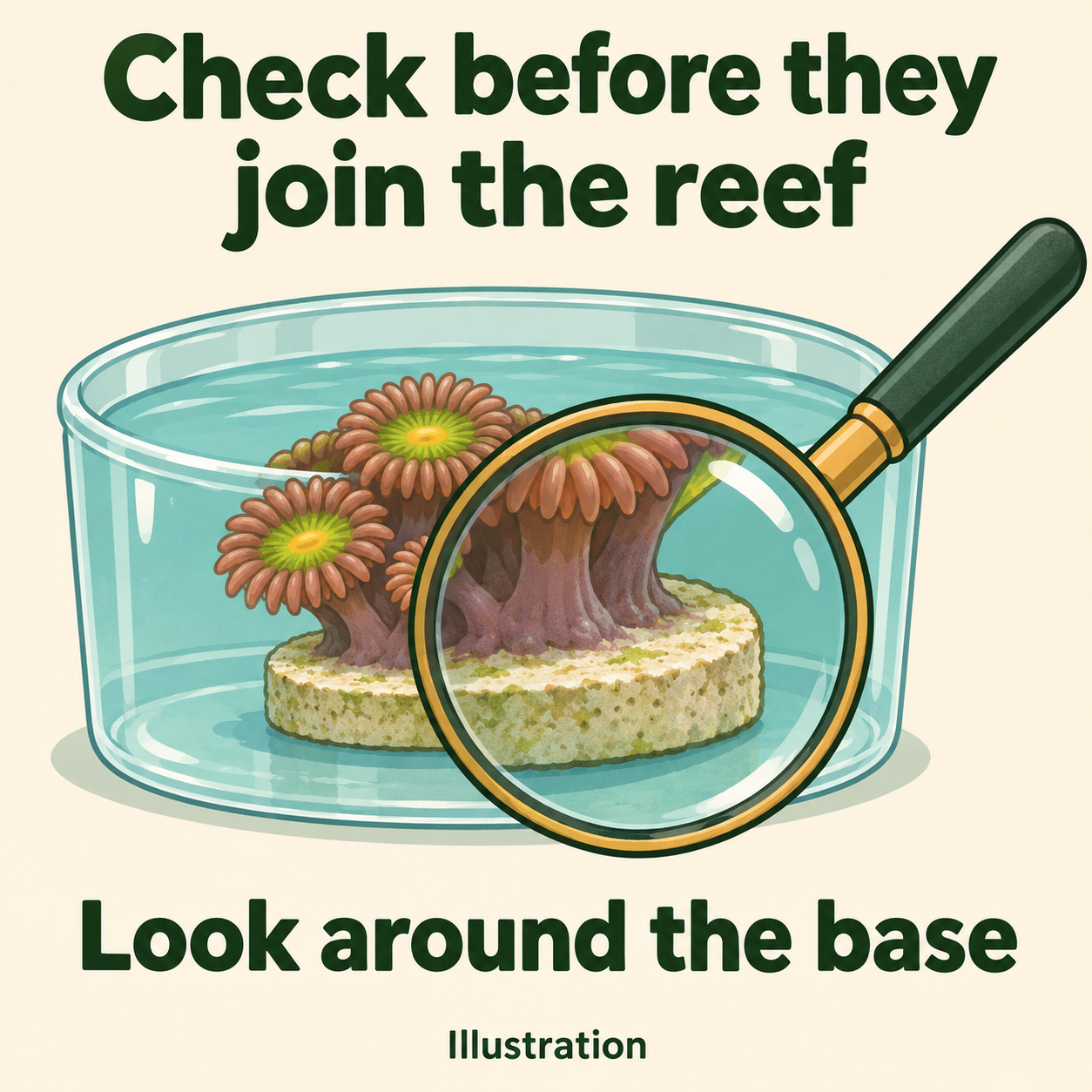
Before a new frag joins the display, inspect the plug, the spaces between polyps and the underside of its base. Look for damage, egg clusters and tiny hitchhikers. Zoanthid-eating nudibranchs can blend in surprisingly well. A magnifier helps you look without poking the colony.
Quarantine gives you time to observe a coral away from the main reef. Use a suitable established system with stable conditions. A dip can reduce some pests, but it is not a force field. Eggs and hidden pests may survive. Keep checking during quarantine.
Choose a coral dip labeled for zoanthids and follow that product's directions for mixing, time and rinsing. Use a separate container. Do not guess a dose or make it stronger. For example, the manufacturer of ReVive includes zoanthids in its intended uses, but that does not make every coral dip interchangeable.
A badly stressed arrival may need a different plan from a settled frag. Ask the seller for advice before adding more handling or treatment. There is no single dip schedule here that overrides the coral's condition or the product label.
If the colony stays closed, check the basics before reaching for a bottle: temperature, salinity, recent changes, water movement and debris. Look again for pests. Tissue loss, repeated shrinking or a spreading problem needs prompt attention, even if a test kit looks normal. Take a clear photo and ask an experienced keeper or the seller to help investigate. A closed polyp alone is not a diagnosis.
[Pest inspection](https://www.bulkreefsupply.com/content/post/md-2021-02-reef-tank-pest-and-remedy-guide) · [Quarantine and dip limits](https://www.bulkreefsupply.com/content/post/md-2016-02-how-to-build-a-coral-quarantine-tank) · [Shipping stress and dipping](https://www.bulkreefsupply.com/wwc-acclimate) · [ReVive manufacturer information](https://twolittlefishies.com/products/revive%C2%AE-coral-cleaner-500-ml)
6. Enjoy the view. Handle with care.
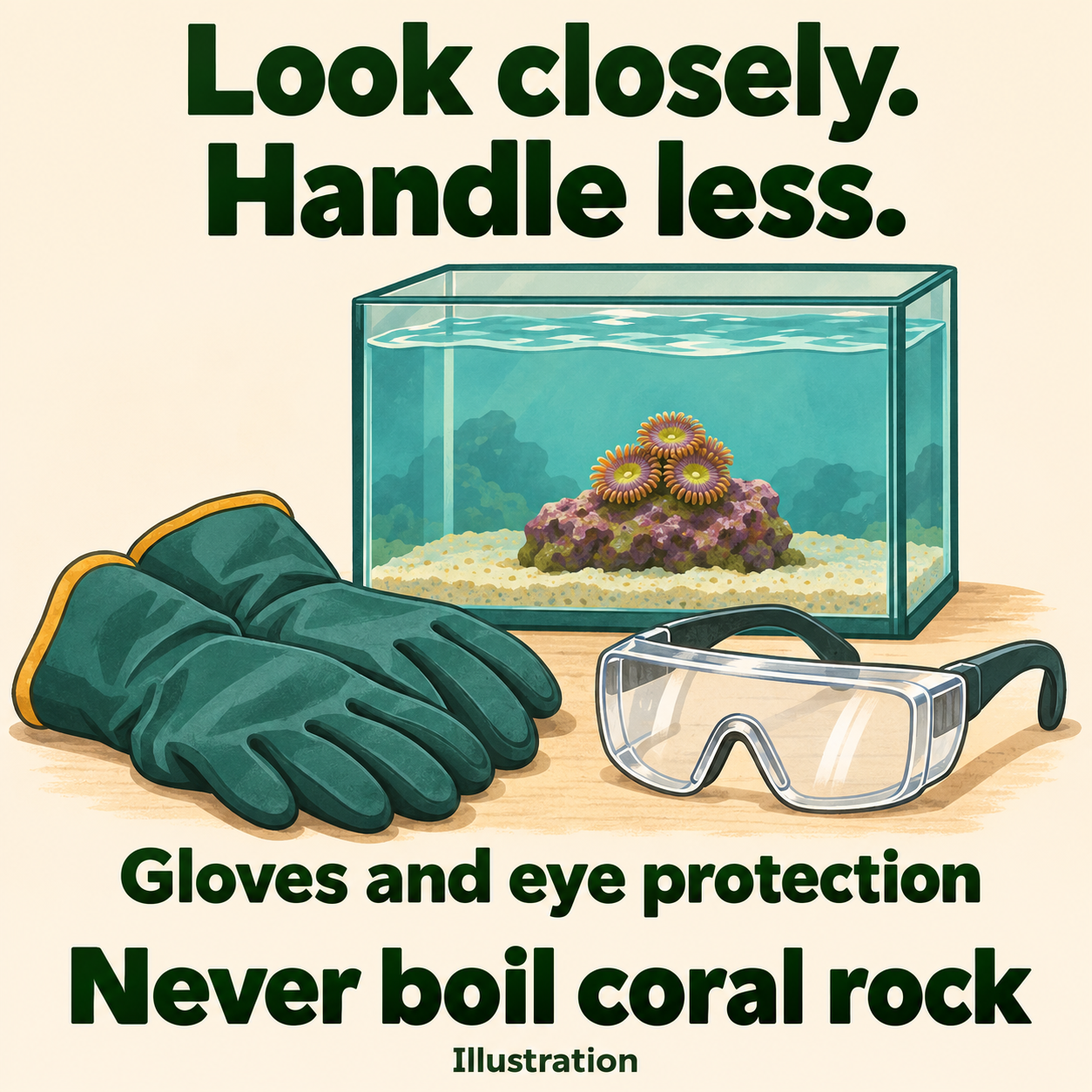
These are animals to admire through the glass. Some zoanthids and palythoas can contain palytoxin, a powerful toxin. A trade name or a bright color cannot show that a colony is safe. No toxin-test result was found for this Fruitopia entry, so treat it as potentially toxic.
Leave handling to a responsible adult. Wear sturdy waterproof gloves and eye protection. Keep colonies underwater when possible, avoid unnecessary handling, and keep other people and pets away from the work. Do not touch your face while working. Wash your hands afterward.
Never pour hot water over coral rock or boil, steam, microwave or pressure-wash it. Do not wash or scrub colonized rock under running water. Heating, spraying or damaging colonies can create serious exposure risks. Gloves and goggles do not make those activities safe.
Watch new polyps grow instead of rushing to cut a tiny frag. If a colony needs dividing or removing, get experienced help and a proper safety plan. This is not a do-it-yourself fragging lesson.
If exposure is suspected, stop the work and seek urgent medical advice. Tell the clinician about possible palytoxin exposure. Breathing trouble or severe symptoms need emergency help. Other people nearby can also be affected, even if they did not touch the coral.
[OATA handling precautions](https://ornamentalfish.org/what-we-do/advice-information/care-sheets/caresheets-marine-fish/how-to-avoid-palytoxin-poisoning-if-you-keep-corals/) · [CDC aquarium exposure investigation](https://www.cdc.gov/mmwr/preview/mmwrhtml/mm6431a4.htm)
Field notes — what keepers report
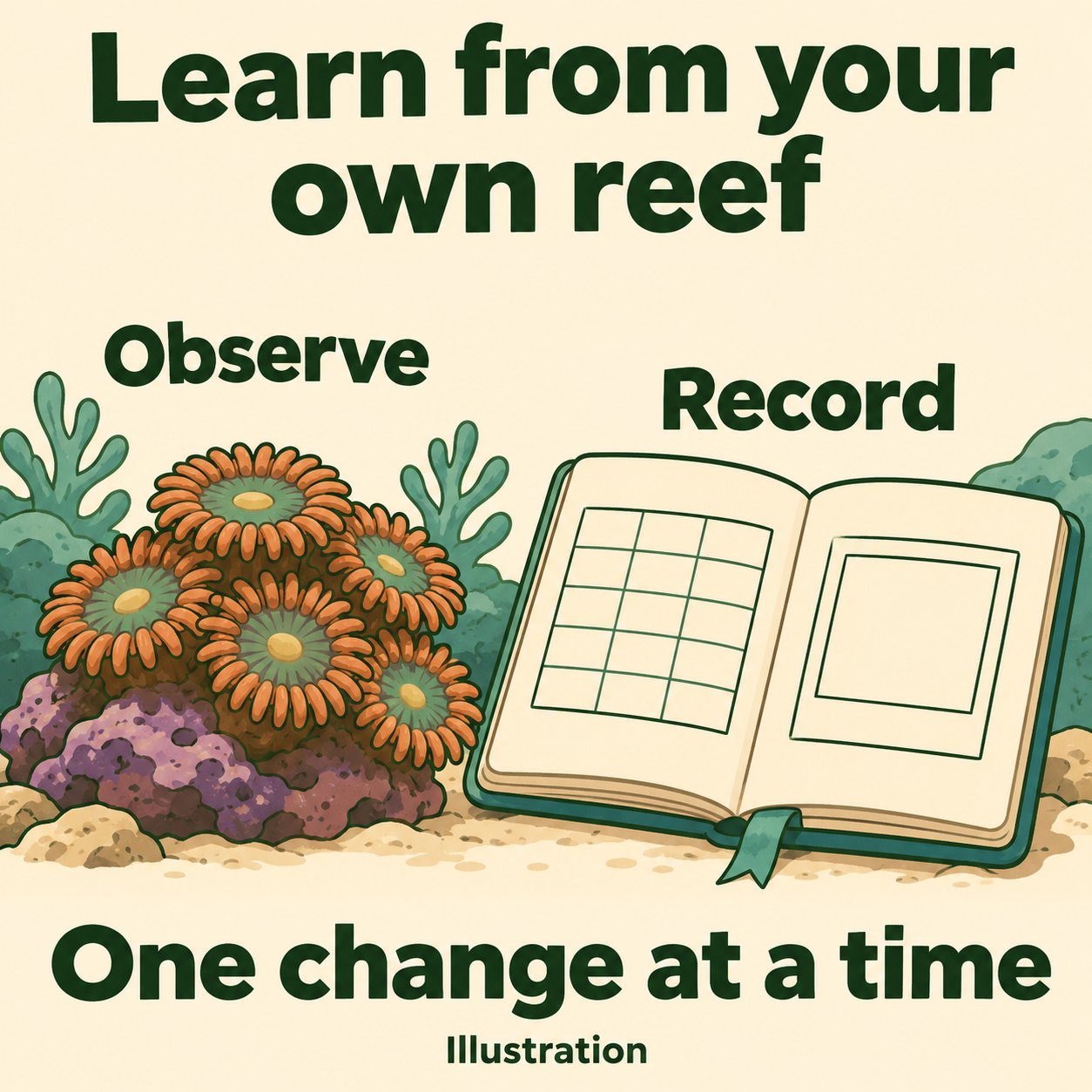
Reef keepers do not all see the same feeding results. Here are two real reports worth reading together. They describe zoas and palys generally, not verified Fruitopia colonies. They are aquarium experiences, not controlled trials.
On Reef2Reef, Hillerd86 wrote on July 29, 2020 that some zoas were opening well and making new heads after about two weeks of Reef Roids feeding. The keeper also cut back as phosphate rose, and still had two problem frags. The update shows both a hopeful response and a water-quality tradeoff. It cannot prove the food caused the growth. [Read Hillerd86's post](https://www.reef2reef.com/threads/zoa-growth.736172/#post-7777751).
In another Reef2Reef discussion, blasterman wrote on December 12, 2020 that larger palys seemed to benefit from target feeding. Smaller zoas, in that keeper's experience, closed in irritation without a noticed growth change. A food that appeared useful for one group did not appear useful for another. [Read blasterman's post](https://www.reef2reef.com/threads/reef-roids.783871/#post-8317674).
Use keeper stories as clues, not promises. Start a little reef notebook of your own. Take a photo from the same angle, record the water tests, and write down what you changed. Change one thing at a time when it is safe to do so. Your notes can turn a guess into a much better question.
Field Notes
Related species
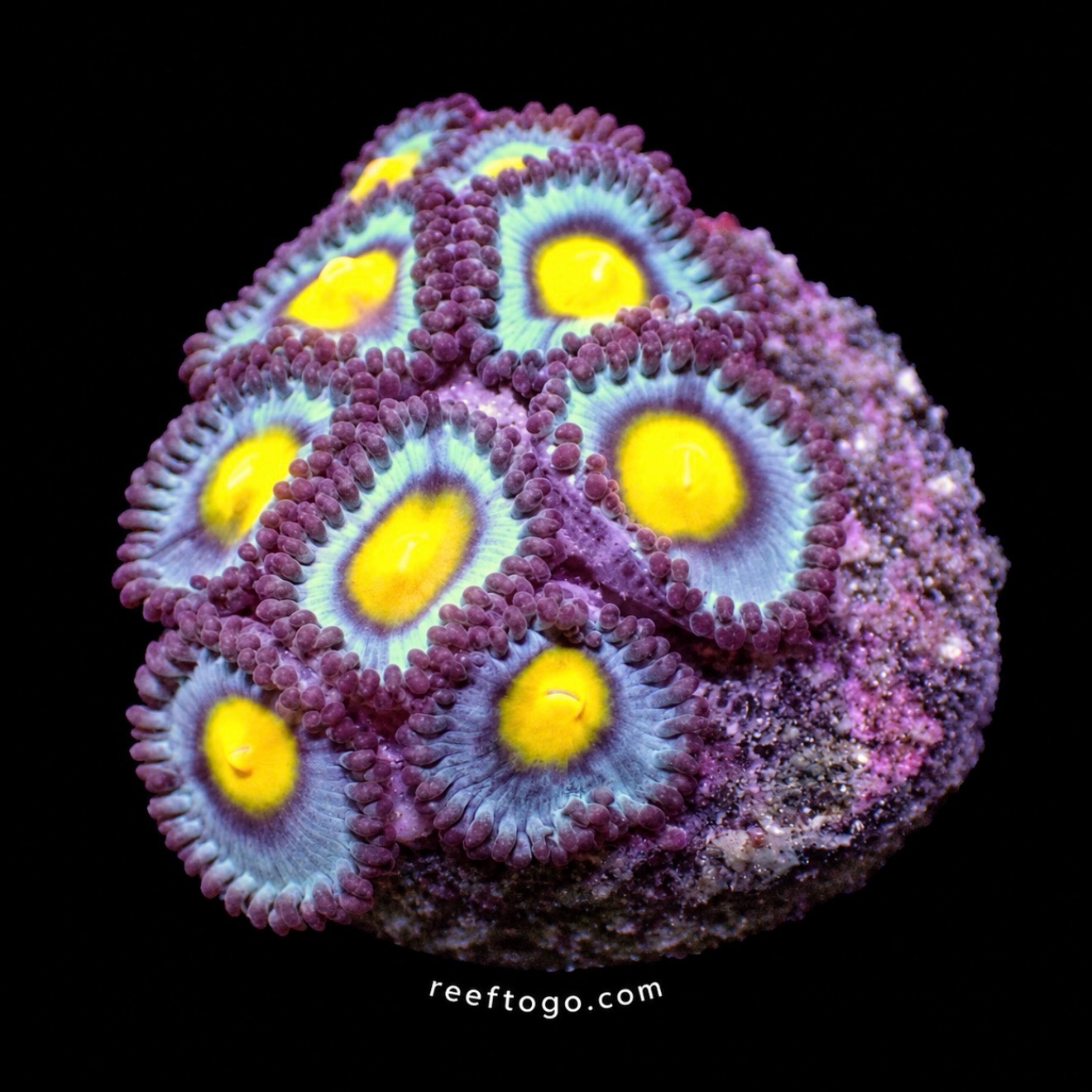
Alien Eye zoas
Zoanthus sp
Same genus
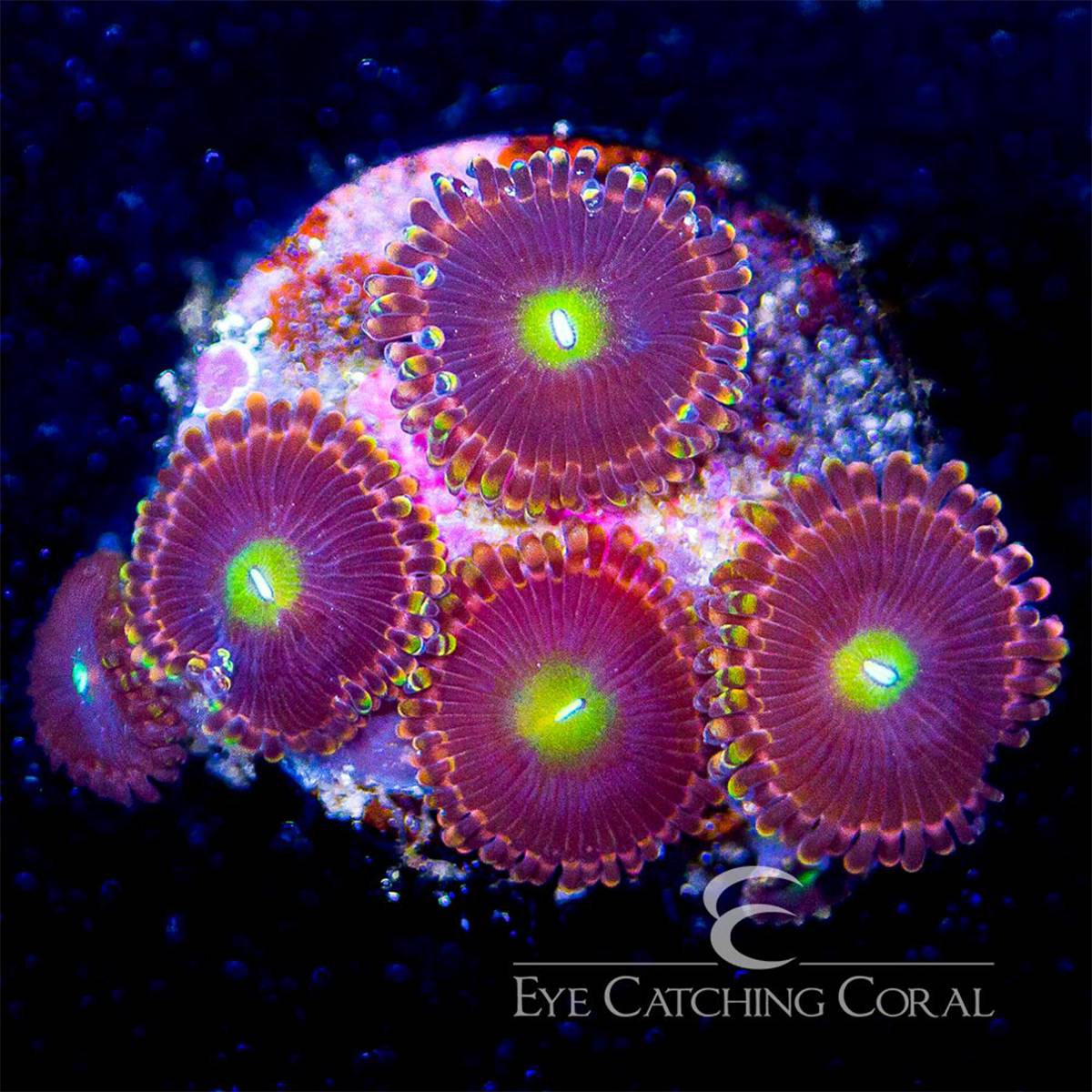
Antimatter zoas
Zoanthus sp
Same genus
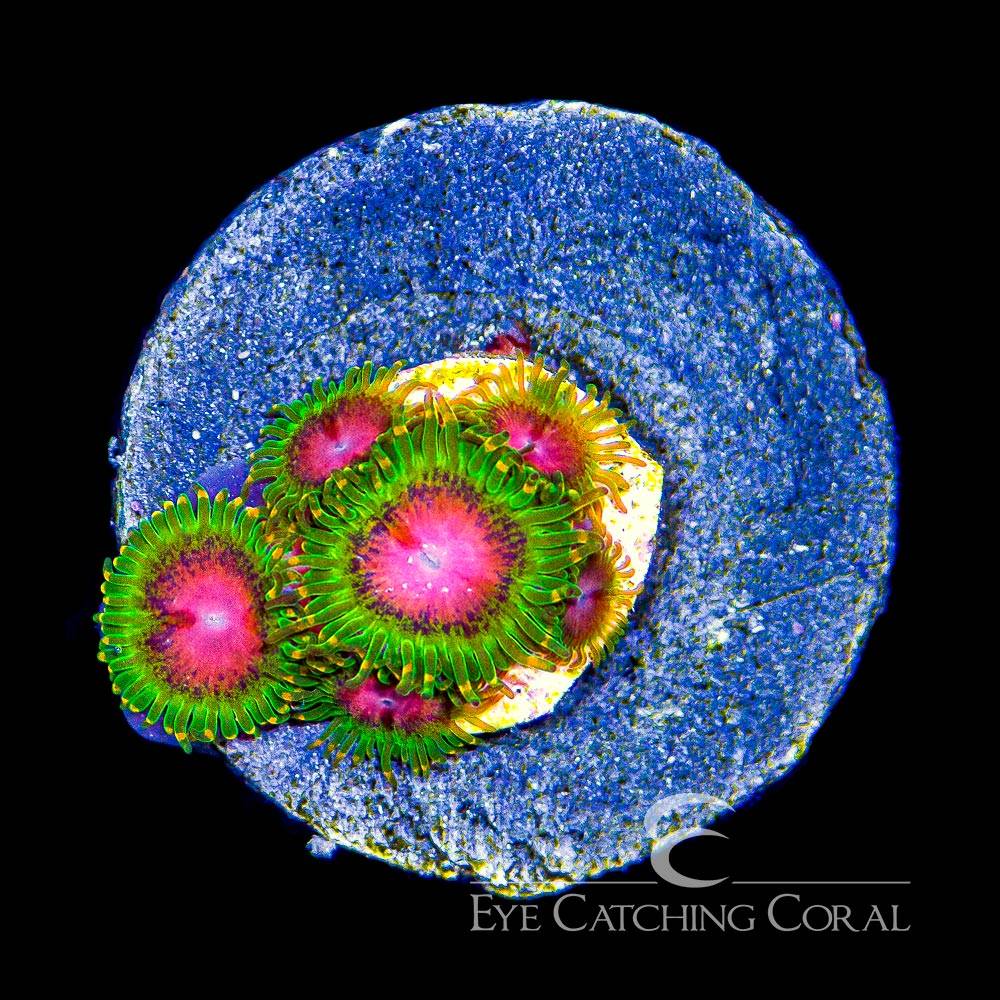
Awesome Blossom zoas
Zoanthus sp
Same genus
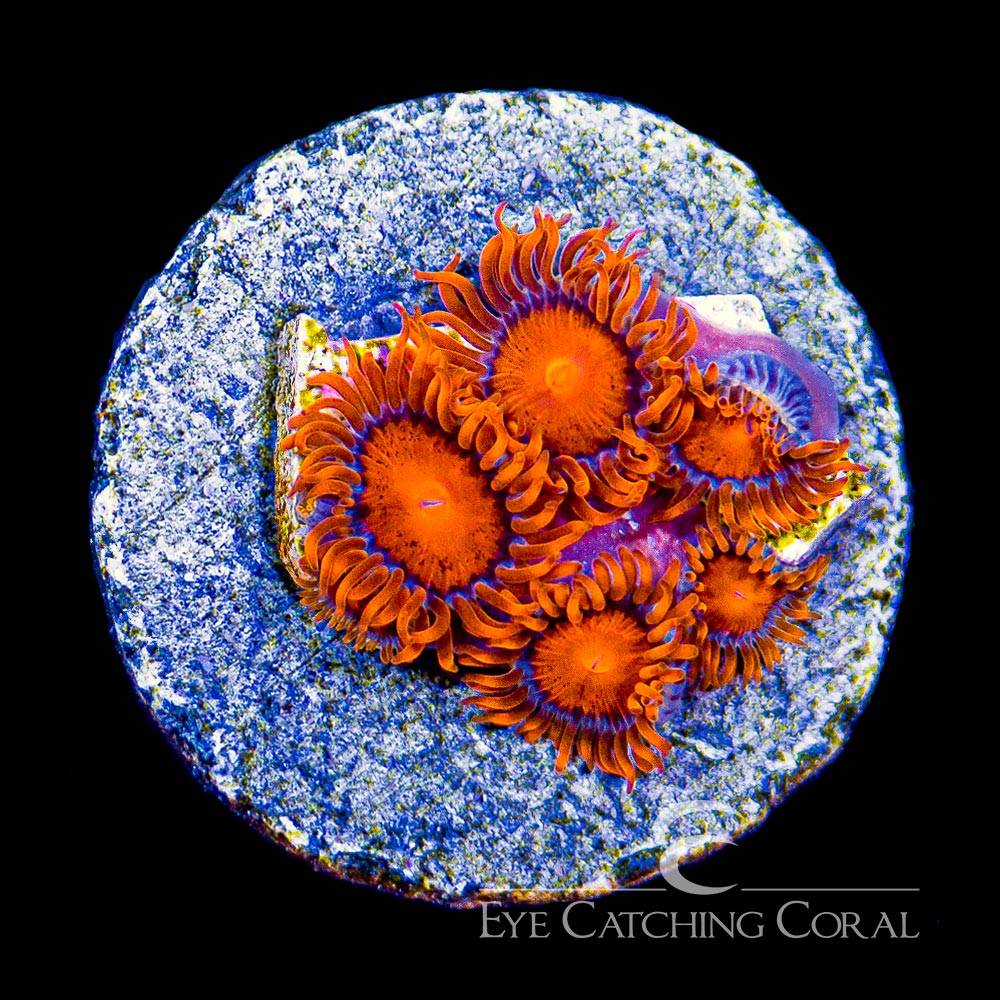
Bam Bam zoas
Zoanthus sp
Same genus
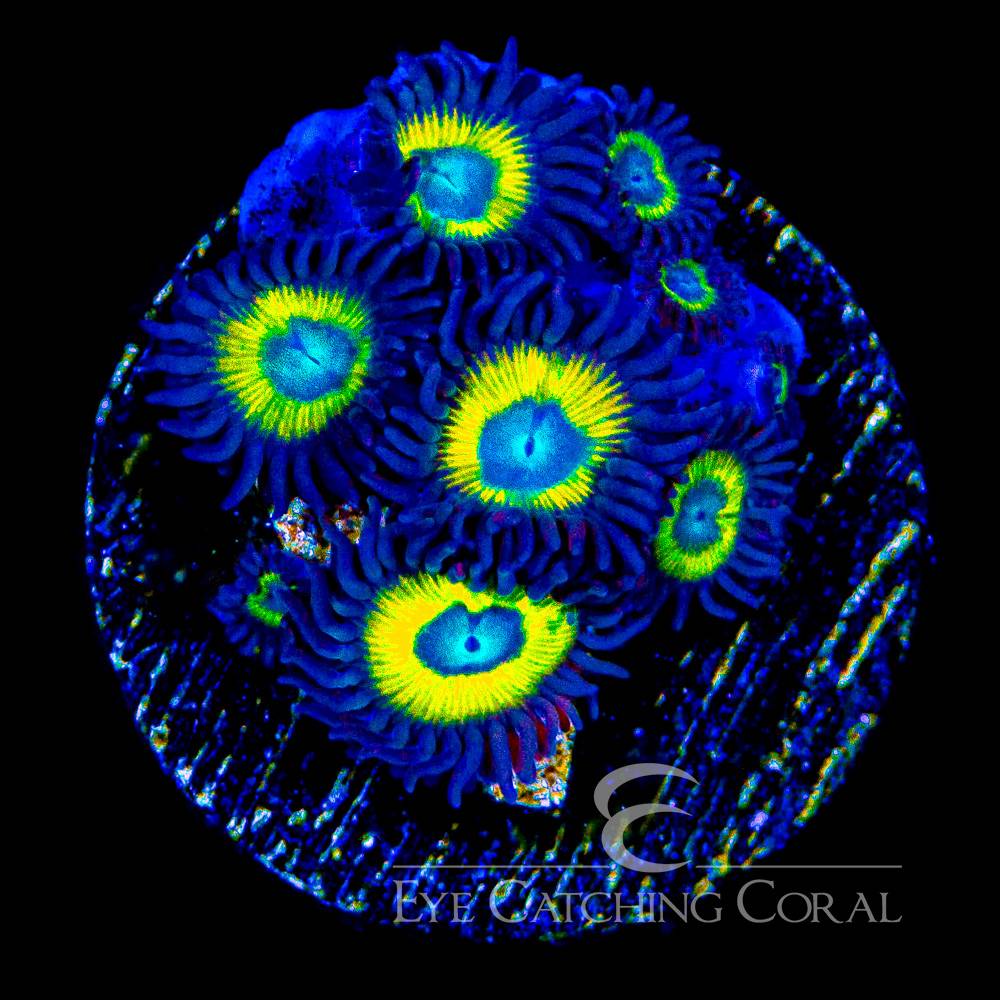
Black Bella zoas
Zoanthus sp
Same genus
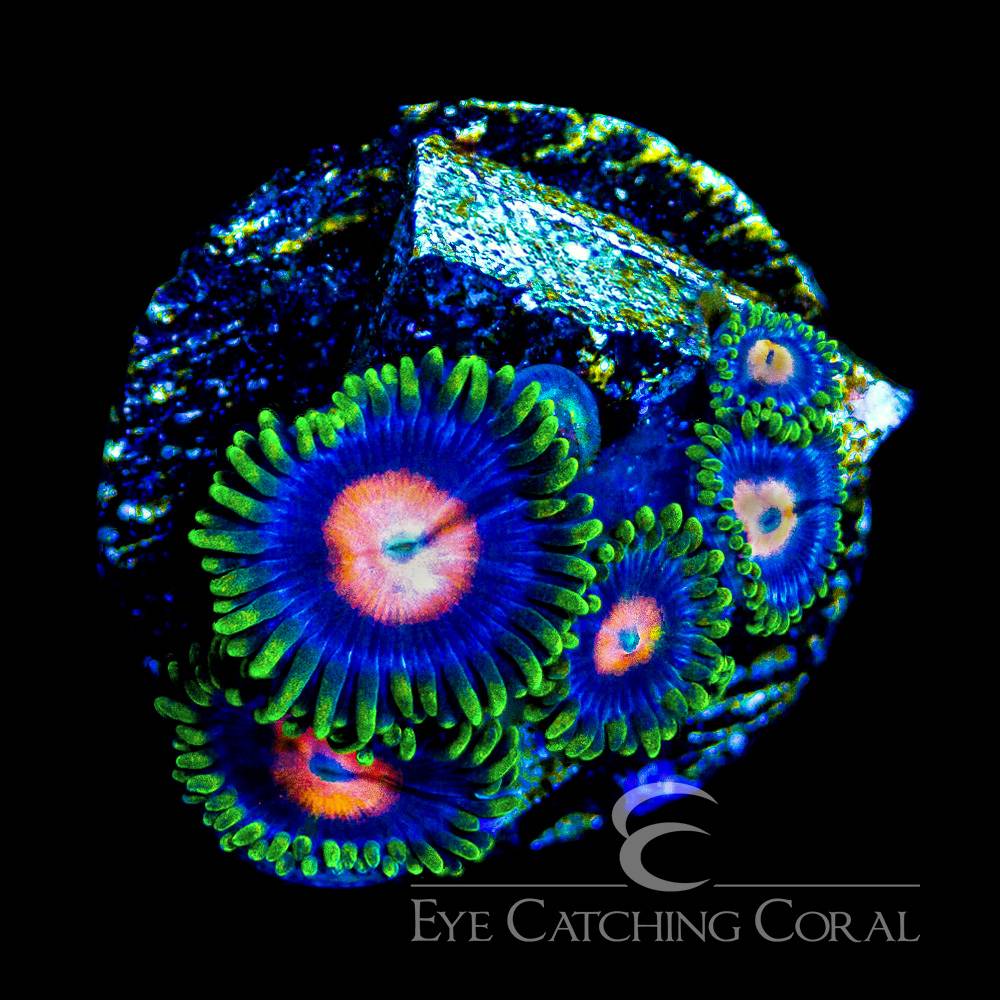
Blow Pops zoas
Zoanthus sp
Same genus
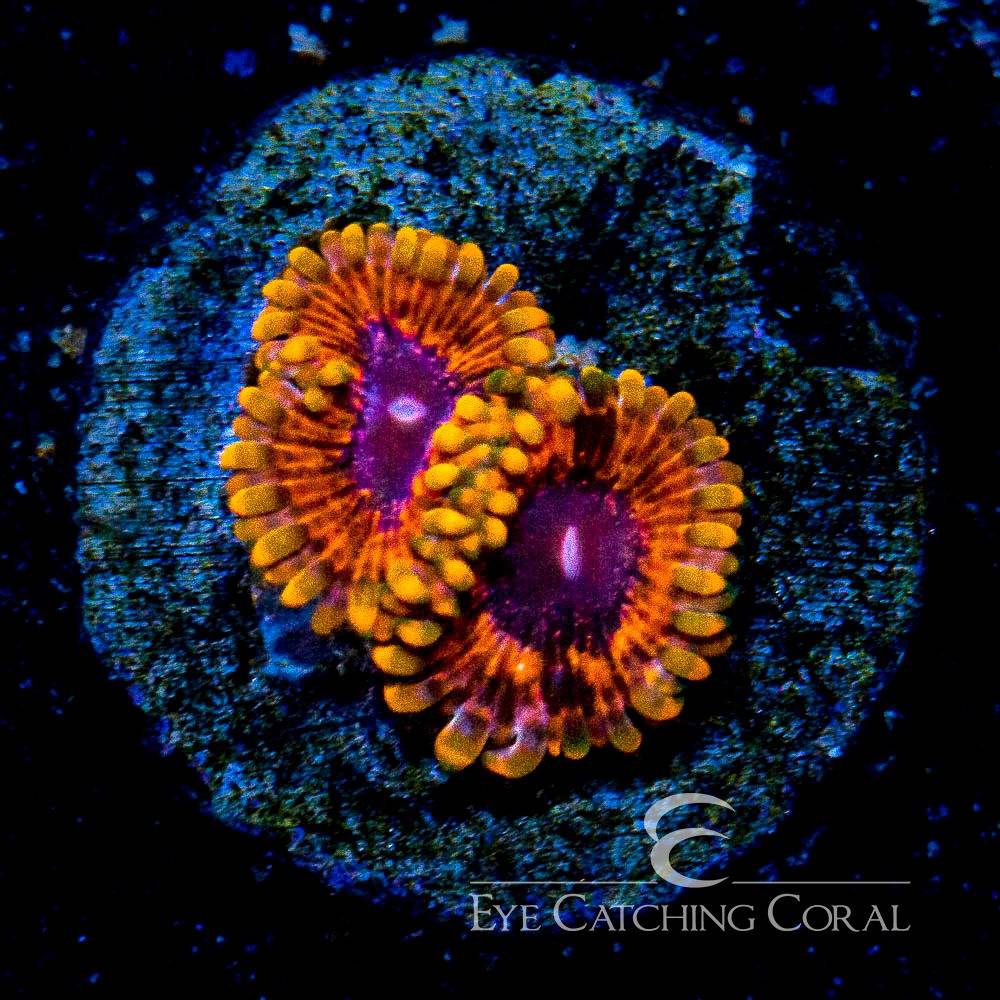
Burning Ember zoas
Zoanthus sp
Same genus
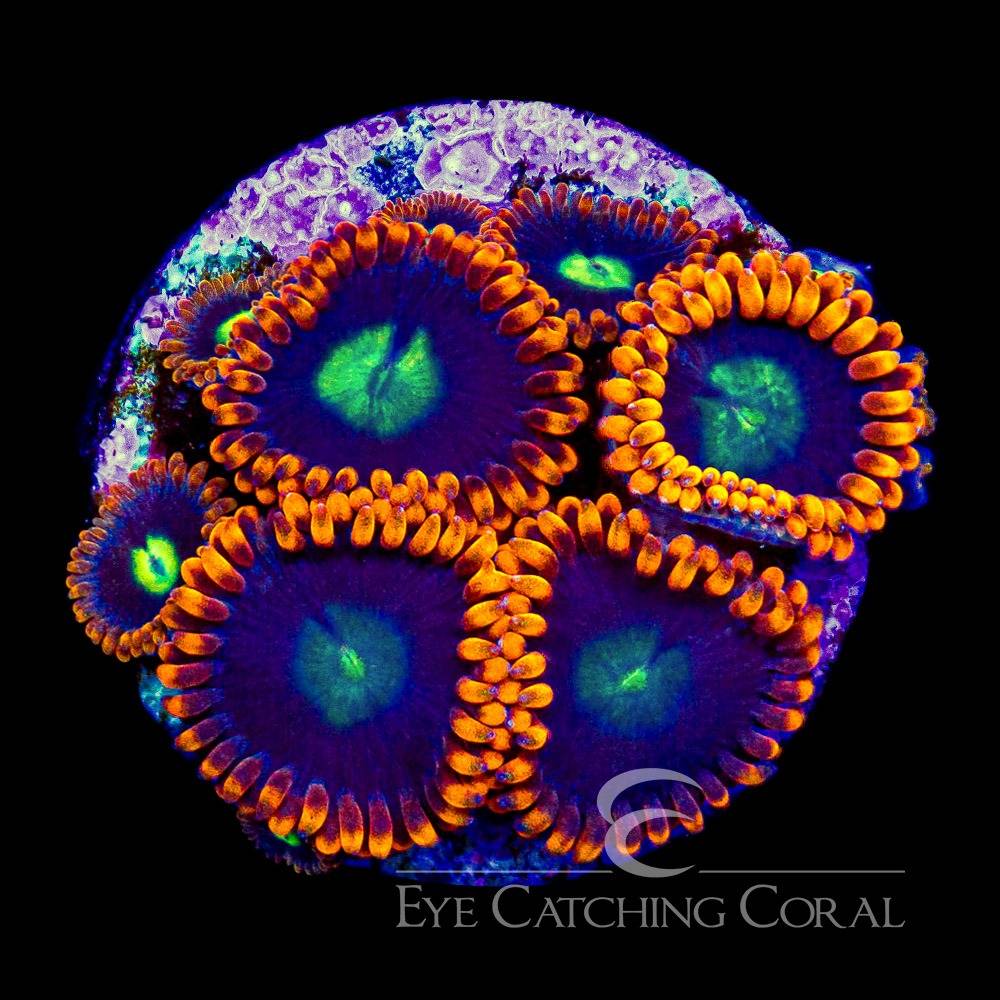
Burning Suns zoas
Zoanthus sp
Same genus