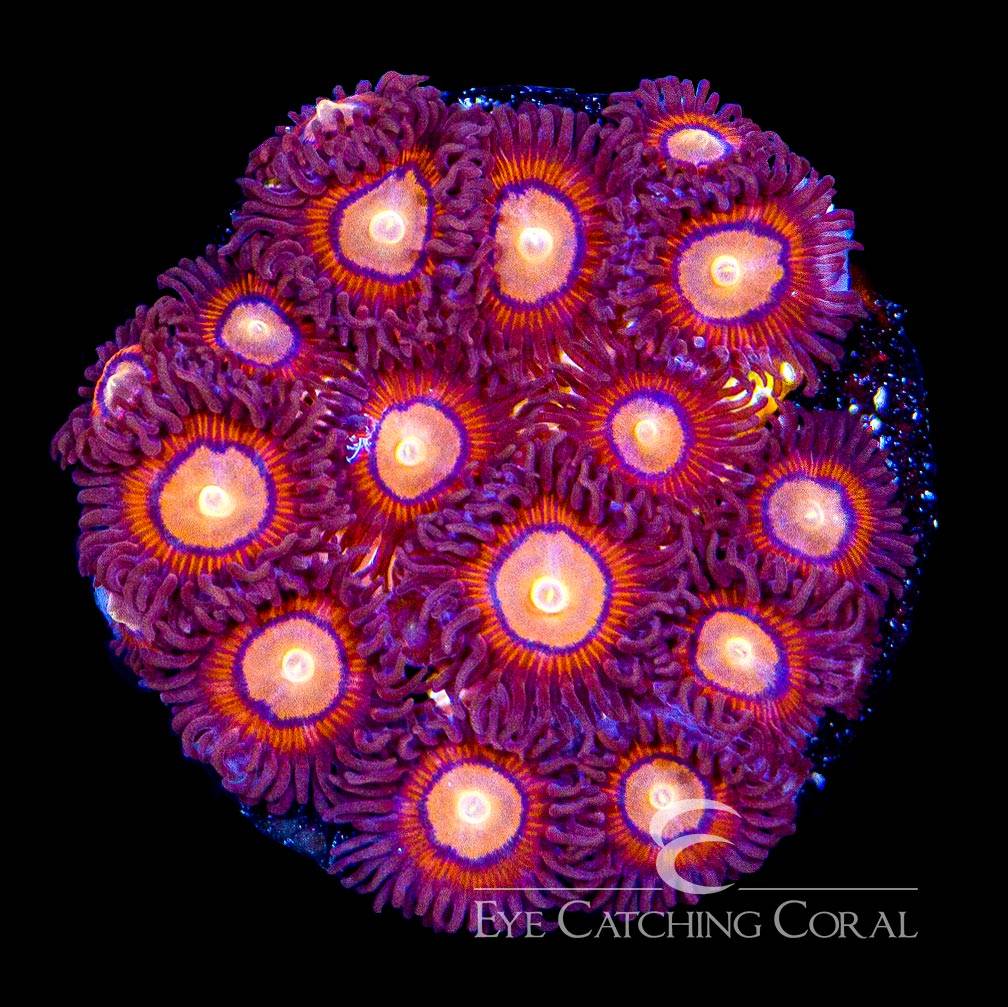
Halo Monster zoas
Zoanthus sp
Palytoxin safety
Some zoanthids and palythoas can contain a potent toxin. Wear sturdy waterproof gloves and eye protection, minimize handling, and keep colonies submerged when possible. Never boil, steam, pressure-wash or scrub colonized rock under running water. Keep other people and pets away during handling. If exposure is suspected, seek urgent medical advice and tell the clinician about possible palytoxin exposure.
Sources: CDC: palytoxin exposure · OATA: avoiding palytoxin poisoning
Gallery
# Halo Monster zoas
Care at a glance: CARE Beginner · LIGHT Low-Med · FLOW Med · PLACE Mid · SPACE Moderate · GROWTH Fast
These are the existing care-card values. They are starting points for a settled reef, not a promise about every frag. Read the handling warning before touching any zoa.
1. Meet a tiny colony
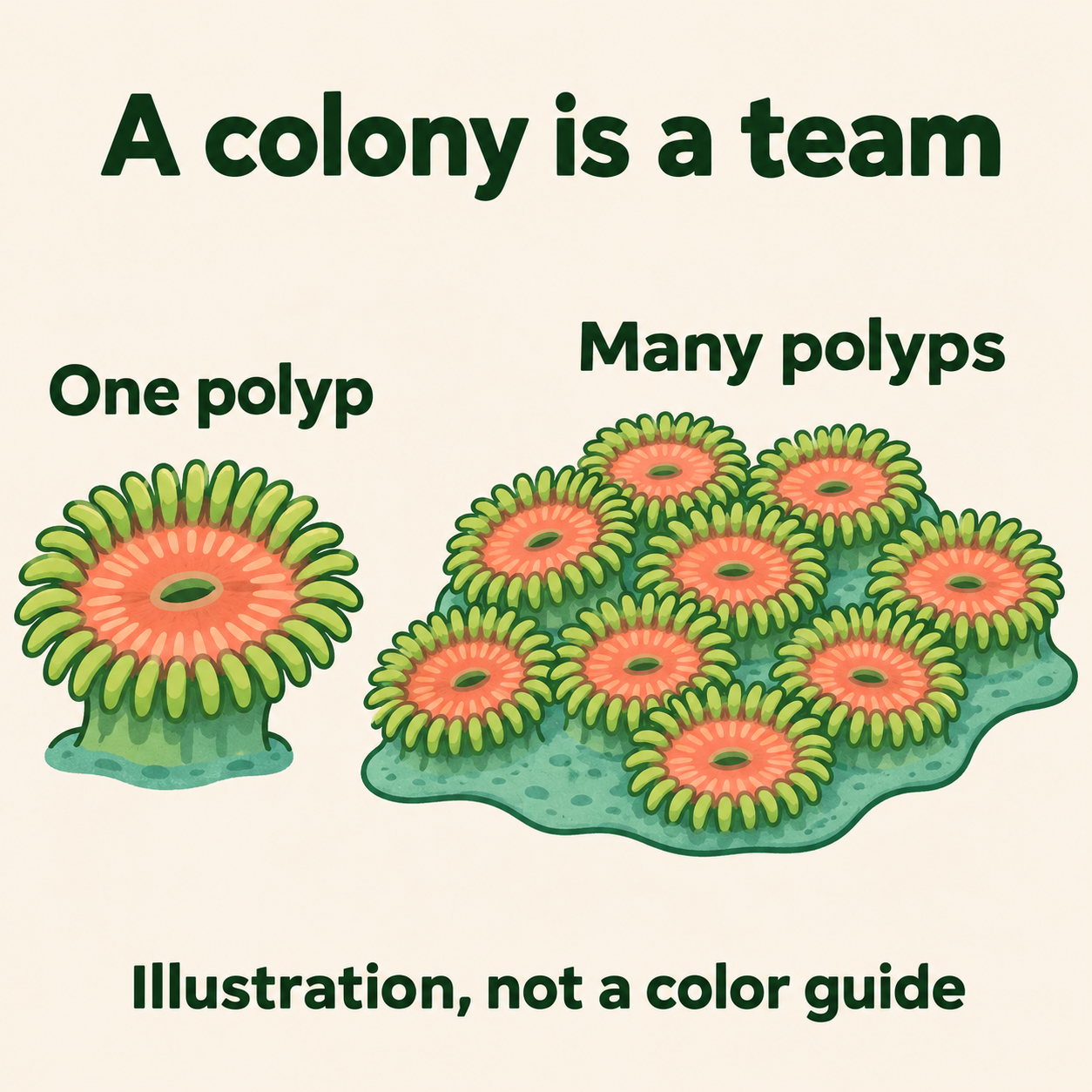
A zoa frag is a little crowd of animals. Each button-like polyp has a mouth in the middle and a fringe of tentacles. Watch quietly as the colony opens. What looked like a few dots can become a patch of busy mouths.
Halo Monster is a trade name. Reef To Go records this coral as Zoanthus sp. That means the genus is recorded, but the species has not been pinned down. Keep the seller's label with the frag. A photograph cannot prove its species or family tree.
Bulk Reef Supply sells an ECC Halo Monster zoanthid under the same trade name. That confirms the name is used in the trade. It does not prove that Reef To Go's colony shares that seller's lineage. No dependable Halo Monster-specific growth trial or color standard was found for this guide.
Enjoy the real colony in front of you. Lighting and camera settings can change how a photo looks. The drawings here explain care. They are not a color chart or an identification test.
Sources: [Reef To Go record](https://database.reeftogo.com/coral/halo-monster-zoas-7ec1db02), [OATA coral polyps](https://ornamentalfish.org/what-we-do/advice-information/care-sheets/corals/how-to-look-after-coral-polyps/), [BRS Halo Monster listing](https://www.bulkreefsupply.com/ecc-halo-monster-zoanthid-eye-catching-coral.html).
2. Find a comfortable spot
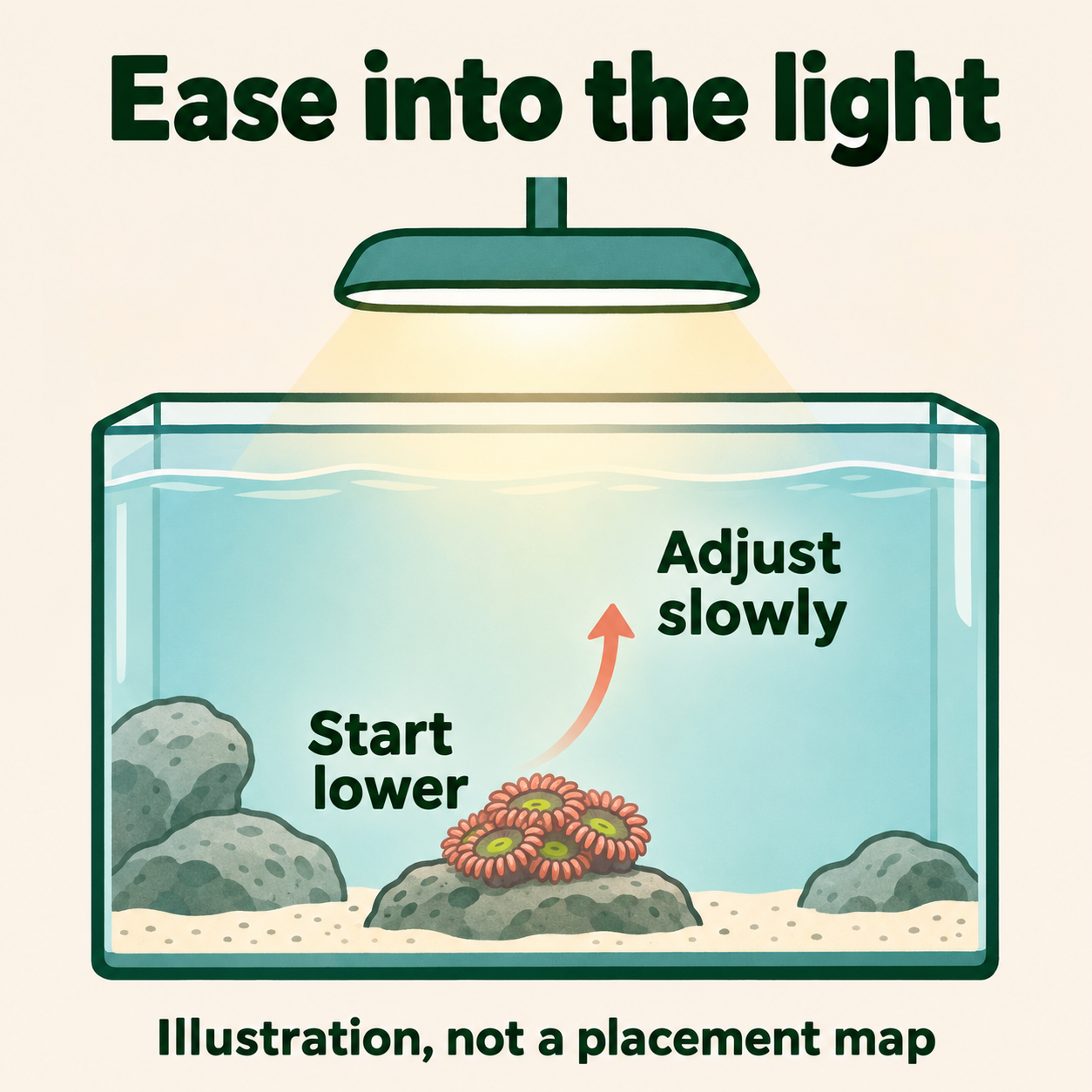
Think of new light like bright sunshine after a dark journey. Start the frag in a lower-light spot. Make later changes slowly, rather than moving it up and down every day. Low-Med stays the card's light setting. There is no verified light target just for this trade morph.
Mid means a starting area on the rockwork. It does not tell you how bright that spot is. The lamp, shade and shape of the rock all matter. Ask what light the frag came from. A PAR meter can help compare spots without guessing from how bright they look to your eyes.
Keep water moving around the polyps so waste does not collect between them. Med stays the flow setting. The goal is a clean colony that can open, not a frag flattened by a narrow pump jet.
Growers do not all use the same flow. Tidal Gardens describes stronger flow for established colonies. BRS recommends moderate flow. Both make waste removal important. Let that shared goal guide you, and make sure the frag is secure before increasing movement.
Sources: [Tidal Gardens zoanthid care](https://tidalgardens.com/stock-space-gator-zoanthids.html), [BRS Halo Monster listing](https://www.bulkreefsupply.com/ecc-halo-monster-zoanthid-eye-catching-coral.html).
3. Steady water, sensible feeding
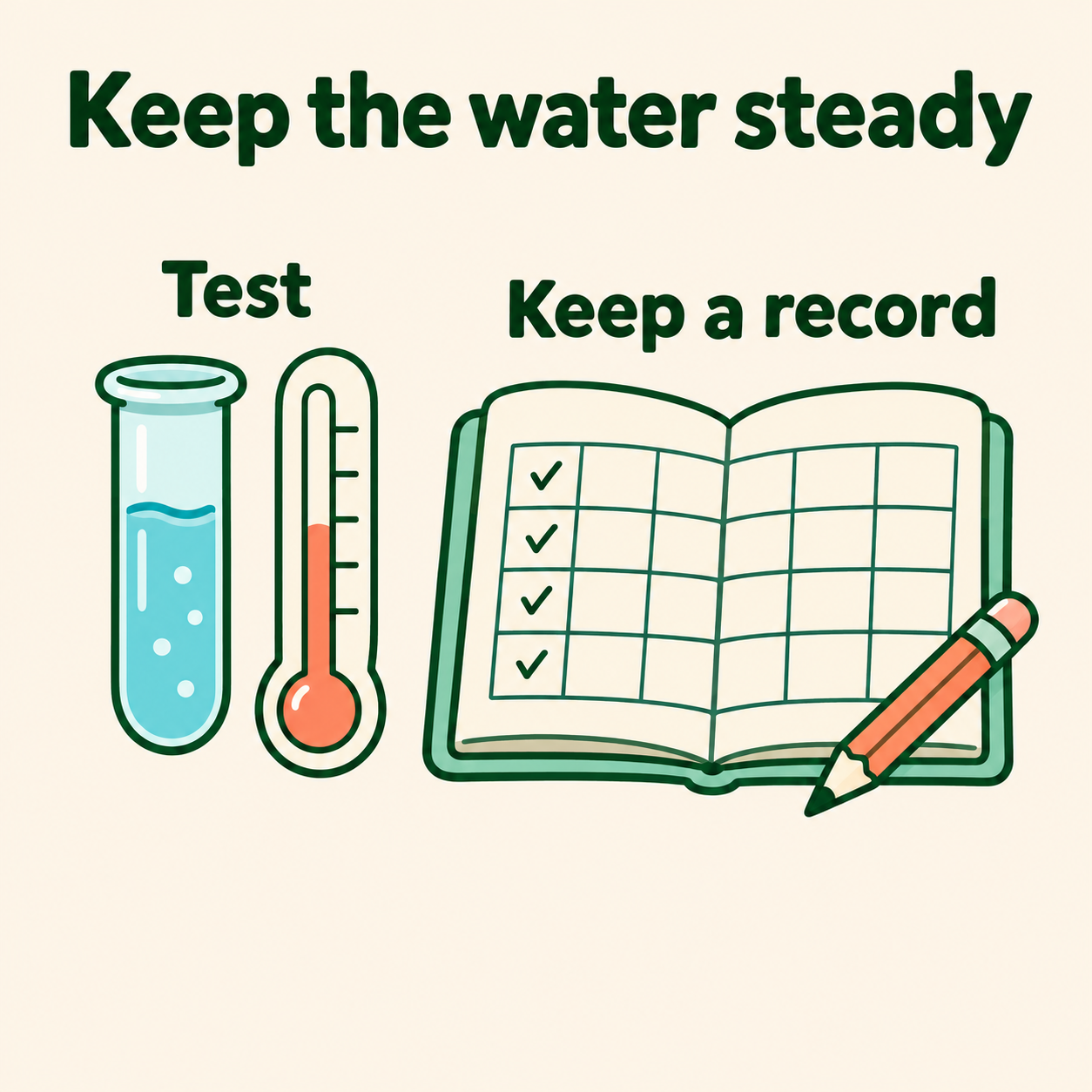
The most useful trick is a tank that does not keep changing. Check temperature and salinity. Keep up with water tests, water changes and filter care. Write down results so you can spot a trend instead of chasing one odd reading.
Replace water lost to evaporation with suitable fresh top-off water, not more salt water. The salt stayed behind. Check the tank's salinity rather than guessing from the waterline.
Zoas house tiny algae that use light and supply much of their energy. Food can play a part too, but a cloud of powder is not a shortcut to a healthy colony. Different zoas respond differently. If you try a suitable fine coral food, use a small amount and watch what happens. Stop adding food that simply settles and decays.
Watch nutrient tests as well as the polyps. Extra food can change the water faster than it changes the coral. Do not copy another keeper's feeding schedule without checking your own tank. There is no Halo Monster-specific feeding dose in this guide.
Sources: [OATA coral polyps](https://ornamentalfish.org/what-we-do/advice-information/care-sheets/corals/how-to-look-after-coral-polyps/), [Tidal Gardens zoanthid care](https://tidalgardens.com/stock-space-gator-zoanthids.html), [Petco soft coral care](https://assets.petco.com/petco/image/upload/caresheet-soft-coral-2016.pdf).
4. Welcome the frag, then watch it
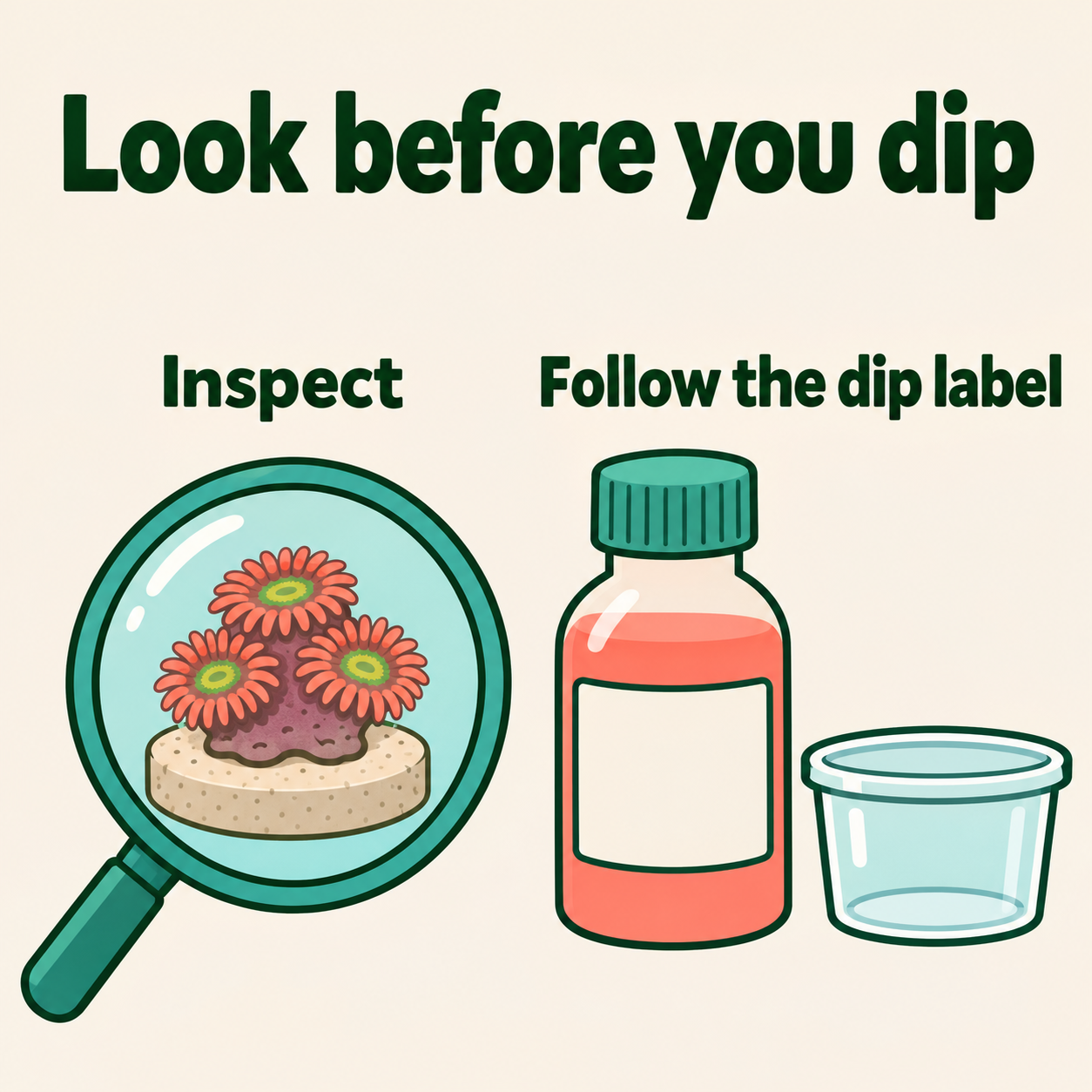
Before the frag joins your reef, have an adult inspect it with gloves and eye protection. Look between the polyps, under the plug and around the glue. A magnifying glass helps you see tiny passengers. Do not pick up or scrape a zoa with bare fingers.
A separate, stable coral quarantine tank gives you time to watch for pests. A dip is one tool, not proof that a frag is pest-free. Eggs can escape notice and hatch later. Keep checking after the first inspection.
Use a dip intended for corals, following the label on the exact product you have. Use a separate container and a timer. Rinse in clean tank water or suitable clean salt water afterward. Keep used dip out of the display and quarantine tanks. Do not combine products or guess a stronger dose.
Closed polyps are a clue to investigate, not a diagnosis. Check the water and look for debris, irritation or pests. Look at the whole colony too. Tissue shrinking away, lasting loss of color or a patch getting worse deserves prompt attention. Take a clear photo and ask an experienced coral keeper or aquatic professional for help before trying several treatments at once.
Sources: [Coral Rx dipping instructions](https://coralrx.com/effectively-dip-corals-in-coral-rx/), [Coral Rx quarantine guidance](https://coralrx.com/why-you-need-to-dip-in-coral-rx-and-quarantine/), [Petco soft coral warning signs](https://assets.petco.com/petco/image/upload/caresheet-soft-coral-2016.pdf).
5. Leave room for the garden
A tiny frag can become a much wider colony. New polyps bud beside older ones, and the colony spreads over the surface beneath it. Fast stays on this entry's card. It describes growth potential, not a deadline. A frag can settle slowly even when the group has a fast-growing reputation.
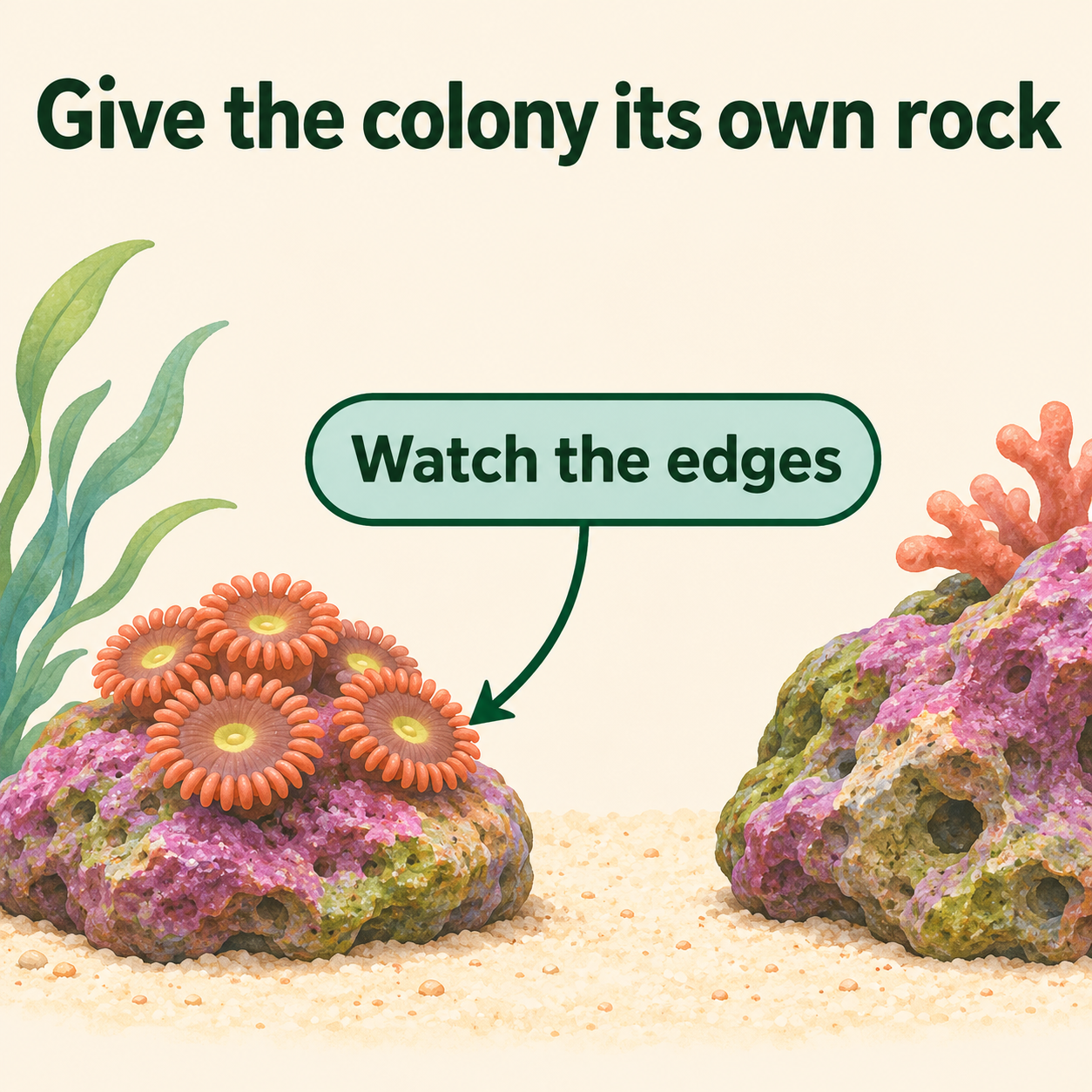
Try a separate rock if you want a zoa patch you can watch easily. Check the edge as it approaches nearby corals. An open gap makes the boundary easier to see, but it is not a permanent fence.
Space labels differ between sellers. BRS calls its Halo Monster listing Peaceful. LiveAquaria calls its general Zoanthus listing Semi-Aggressive and warns about crowding. Neither settles the behavior of this exact colony. This guide keeps Reef To Go's SPACE value Moderate and focuses on the practical point: let neighbors stay apart and watch for contact.
There is no proven universal inch rule here. The old short note's 1 to 2 inch gap is not a guarantee against overgrowth or a neighbor's reach. Choose space for both corals, then revisit it as they grow.
If the patch outgrows its place, plan ahead with an experienced adult. Fragging can spread a colony, but it also adds a handling hazard. Do not cut zoas as a casual craft project.
Sources: [LiveAquaria colony polyps](https://www.liveaquaria.com/products/colony-polyp), [BRS Halo Monster listing](https://www.bulkreefsupply.com/ecc-halo-monster-zoanthid-eye-catching-coral.html), [Tidal Gardens zoanthid care](https://tidalgardens.com/stock-space-gator-zoanthids.html).
6. Palytoxin safety: look, do not touch
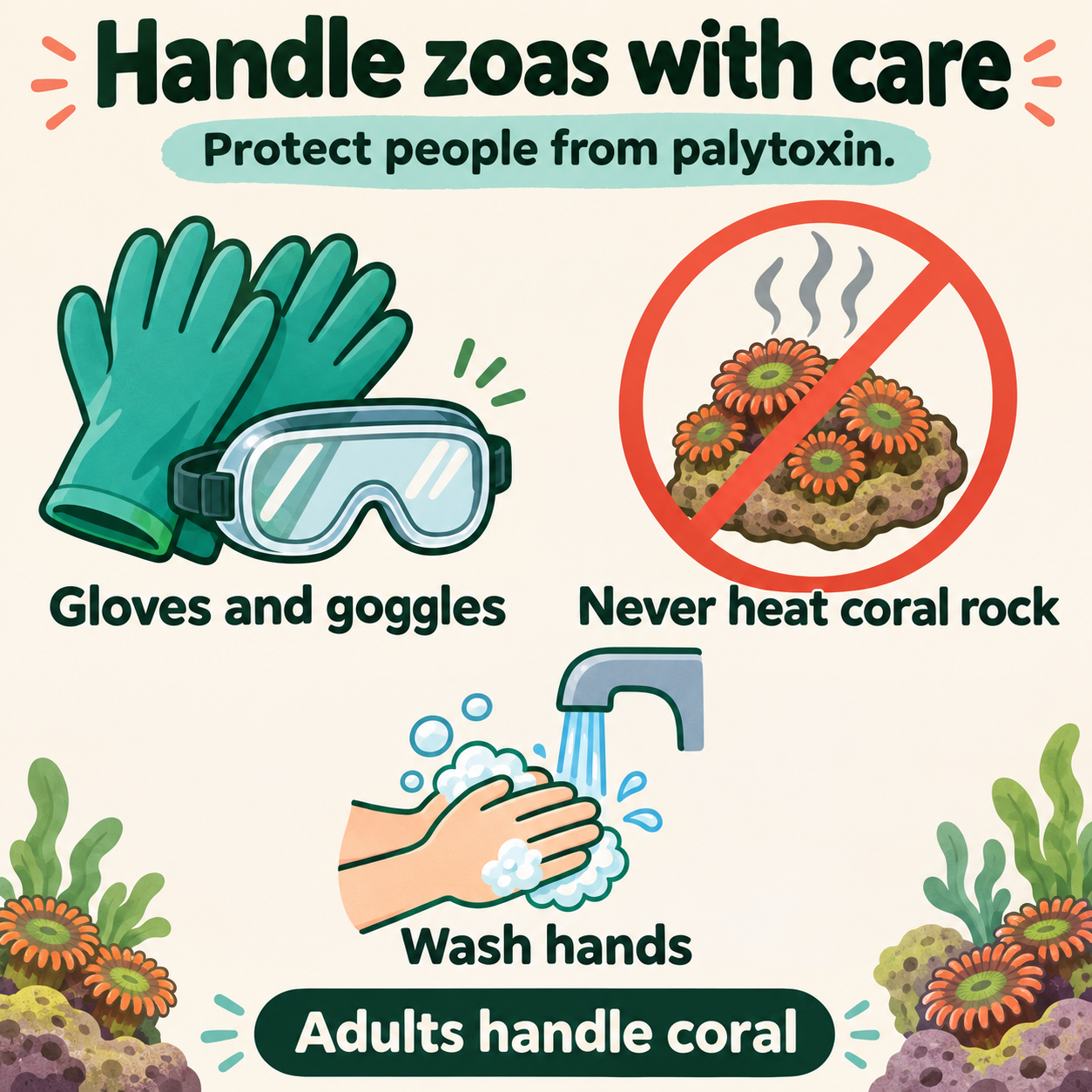
Some zoanthids and palythoas can contain palytoxin, a powerful poison. You cannot use a trade name, color or photo to decide that a colony is safe. No toxin-test result was found for this entry. Handle it as potentially toxic.
Beginner on the care card does not mean safe for bare hands. Children can enjoy watching the reef. An informed adult should handle zoas and their rocks.
- Wear sturdy waterproof gloves and eye protection. Cover cuts and avoid splashes.
- Minimize handling. Keep colonies underwater when practical and use a submerged container for transfers.
- Keep children, other bystanders and pets away from the work area. Never start a siphon with your mouth.
- Never boil, steam, microwave or pour hot water over colonized rock. Never pressure-wash it or scrub it under running water.
- Wash and dry your hands after aquarium work, even when you wore gloves. Do not touch your eyes or eat while handling coral.
Gloves and goggles reduce some exposure routes. They do not make cutting, heating or creating spray safe. Leave fragging, removal and disposal to someone prepared for those risks. Do not improvise a home treatment for exposure.
If exposure is suspected, seek urgent medical advice and say that a zoanthid or palythoa and possible palytoxin were involved. Trouble breathing or a severe reaction is an emergency. Move away from a suspected airborne exposure and keep others clear.
Sources: [OATA palytoxin safety](https://ornamentalfish.org/wp-content/uploads/How-to-avoid-palytoxin-poisoning-Oct-2023.pdf), [CDC aquarium exposure report](https://www.cdc.gov/mmwr/preview/mmwrhtml/mm6431a4.htm). Keep the page's existing safety warning in place too.
7. Field notes
Real tanks do not all tell the same story. These reports concern zoas and palys generally, not verified Halo Monster colonies. They are aquarium observations, not controlled trials or promises.
Food helped some polyps, but came with a cost. On Reef2Reef on July 29, 2020, Hillerd86 reported that some zoas opened well and made new heads after feeding Reef Roids. The keeper also reduced feeding because phosphate was rising. The same post still asked about two colonies that were not opening fully. This was a mixed result, not a cure for every frag.
Another keeper saw a different response. On December 12, 2020, blasterman reported better growth in larger palys after target feeding, but smaller zoas closed in irritation and showed no noticed growth improvement. That is one keeper's comparison, not proof that all small zoas reject food.
Read those stories together. A feeding change can help in one tank and be unhelpful in another. Water quality, the animals and the starting conditions differ. A new mouth is exciting. A rising nutrient test still deserves attention.
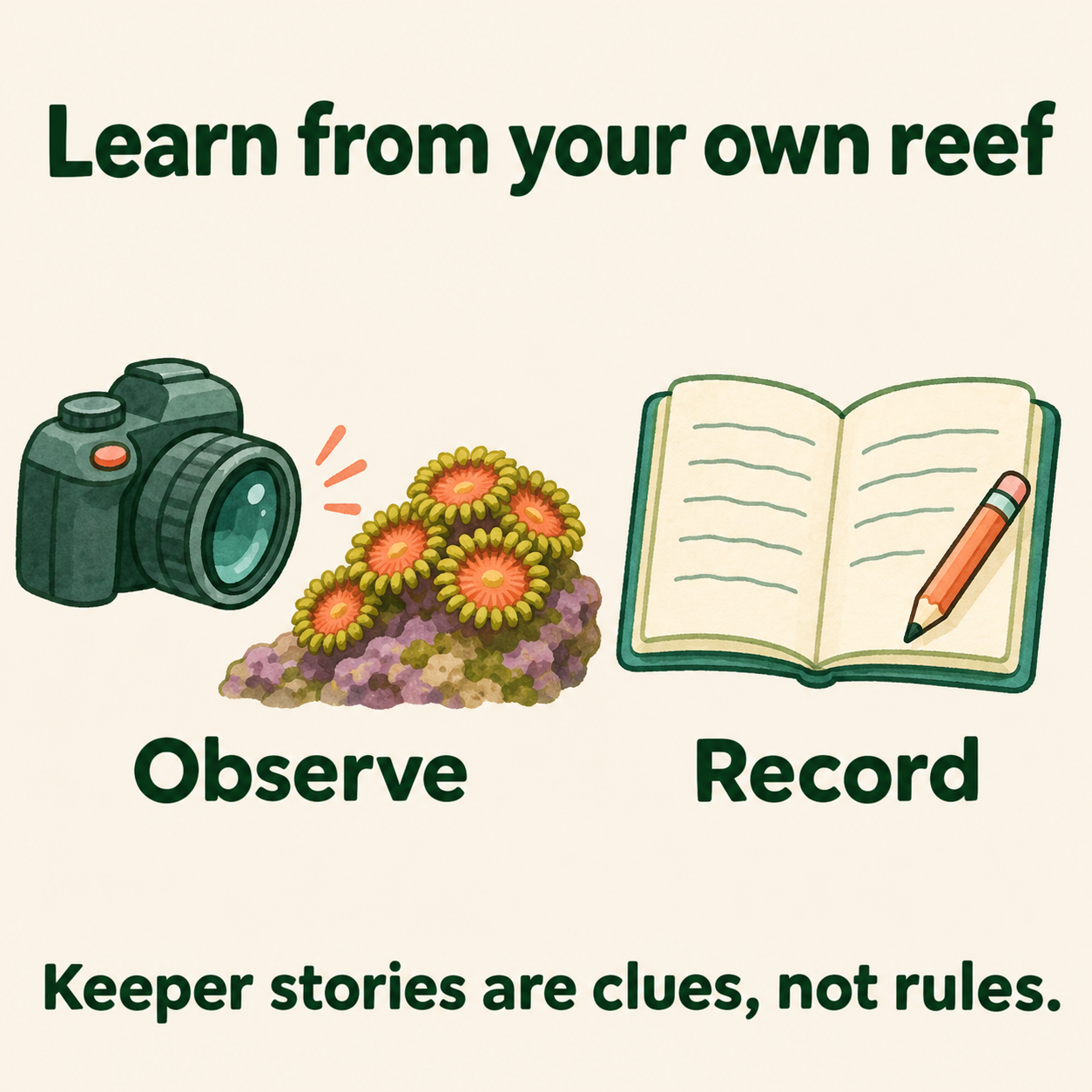
Give your own reef a tiny notebook. Photograph the same patch from the same spot. Note food, light or flow changes beside your test results. Change one thing at a time when it is safe to do so. That way, the next good idea has a trail you can follow.
Sources: [Hillerd86, July 29, 2020, post 20](https://www.reef2reef.com/threads/zoa-growth.736172/#post-7777751), [blasterman, December 12, 2020, post 10](https://www.reef2reef.com/threads/reef-roids.783871/#post-8317674).
Field Notes
Related species
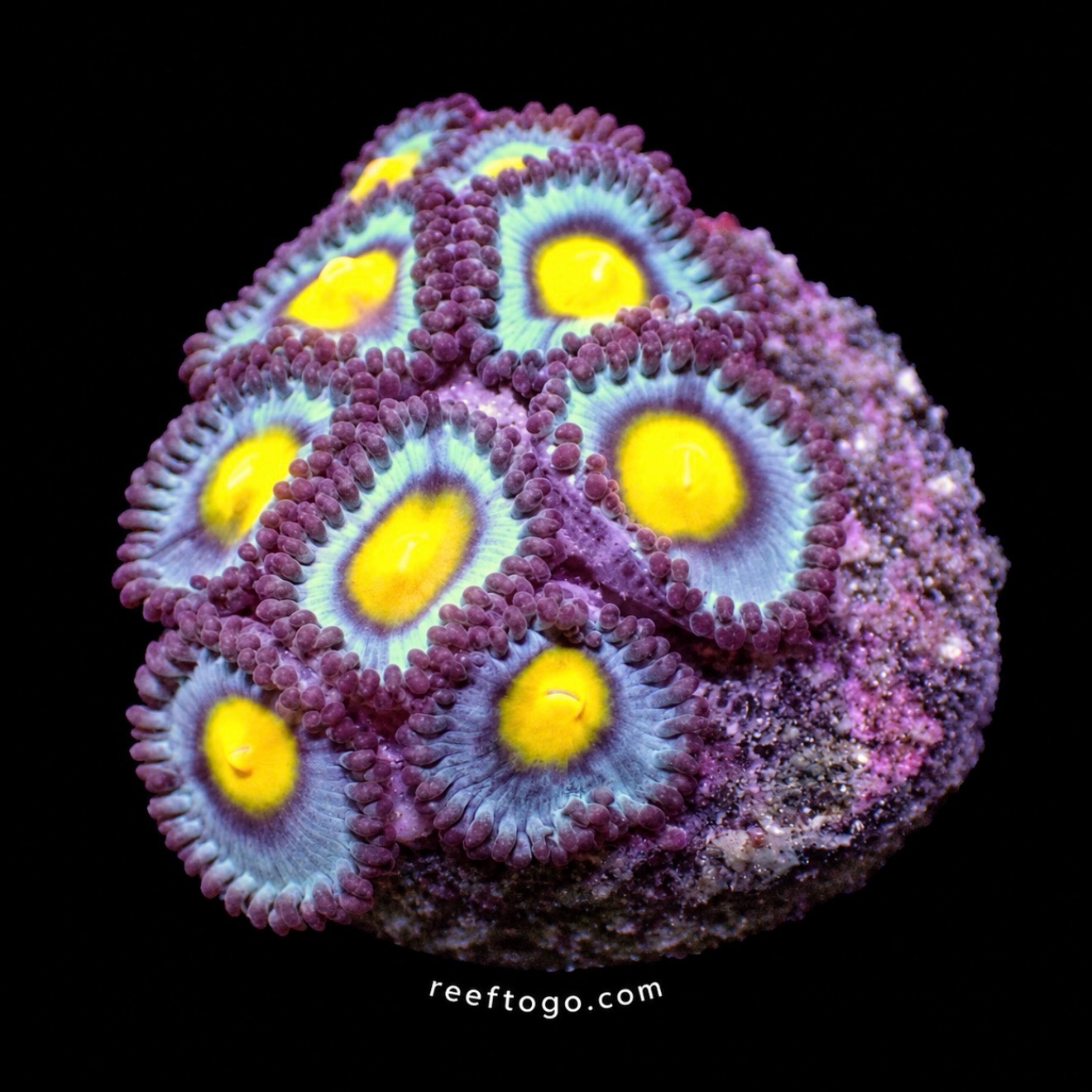
Alien Eye zoas
Zoanthus sp
Same genus
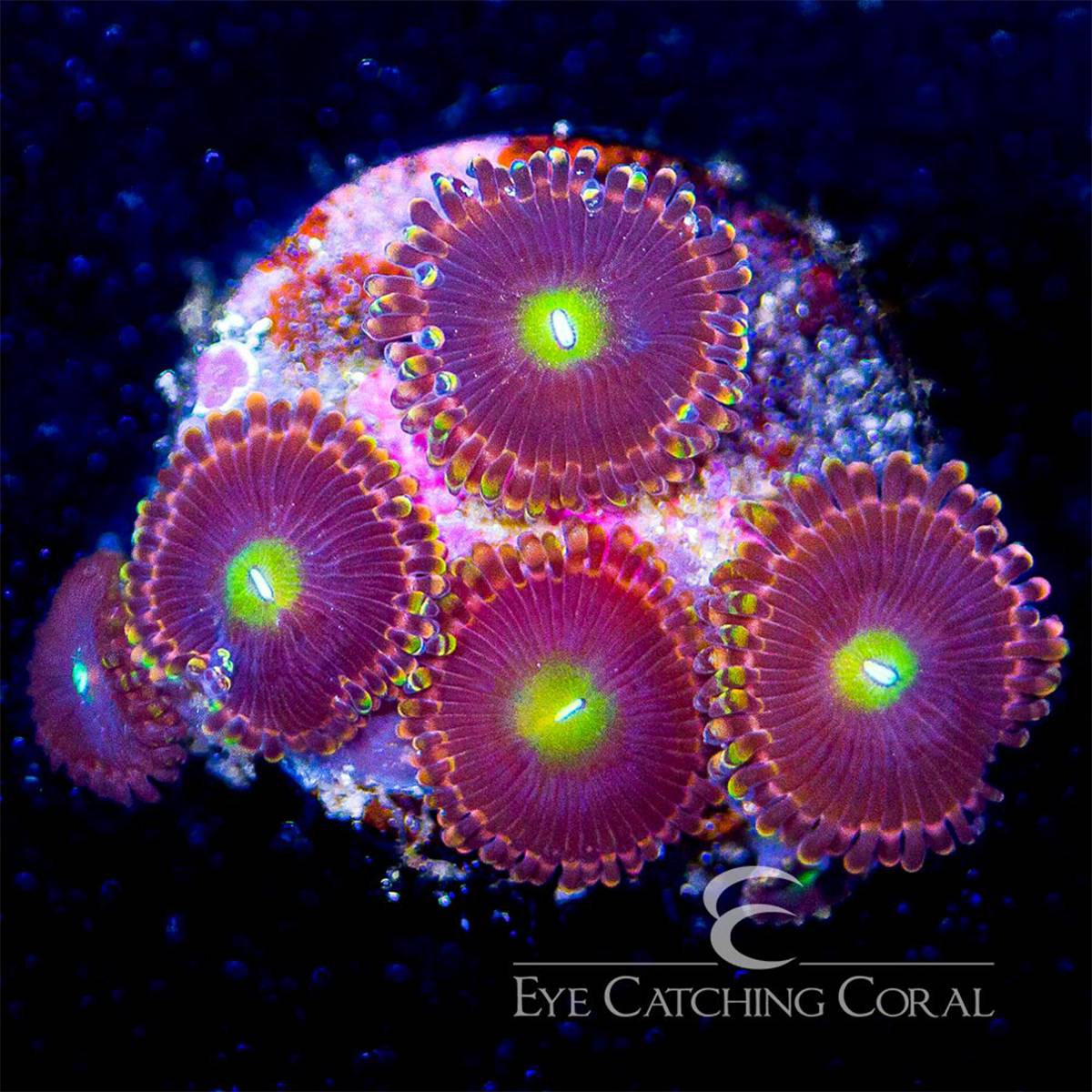
Antimatter zoas
Zoanthus sp
Same genus
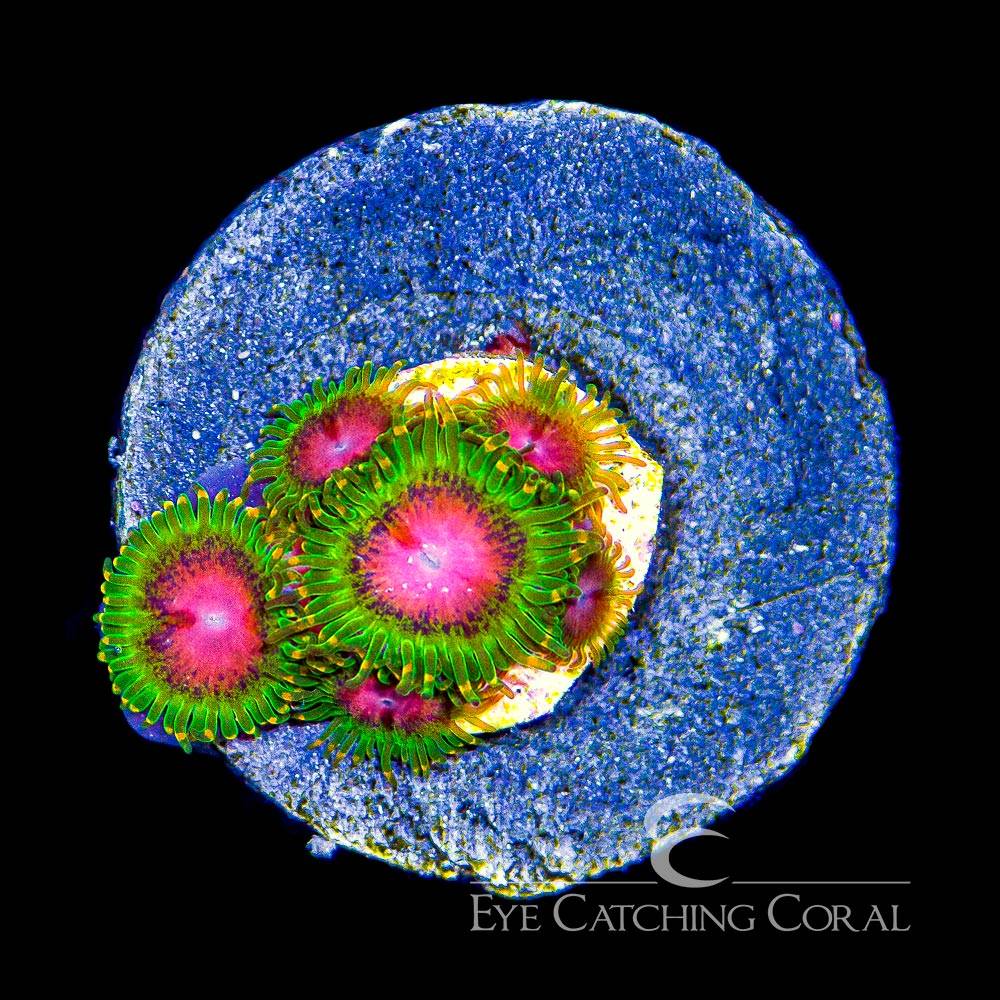
Awesome Blossom zoas
Zoanthus sp
Same genus
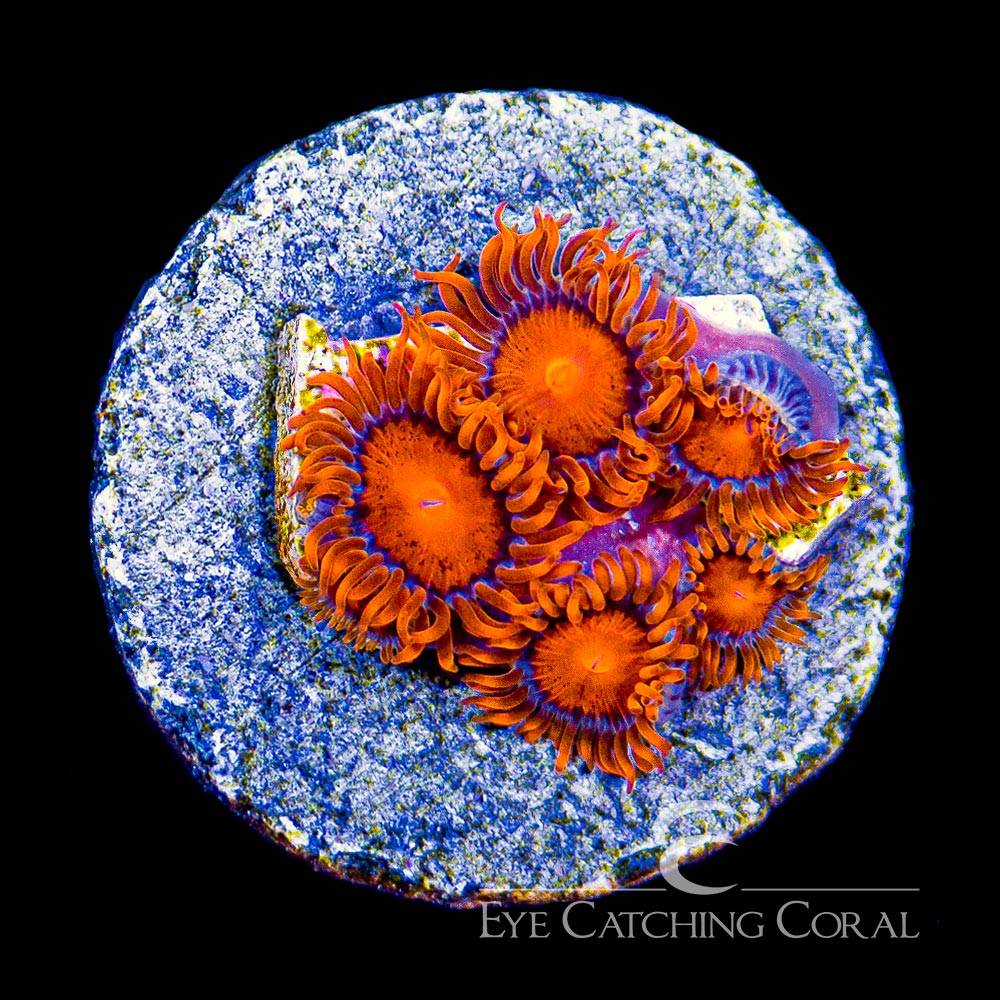
Bam Bam zoas
Zoanthus sp
Same genus
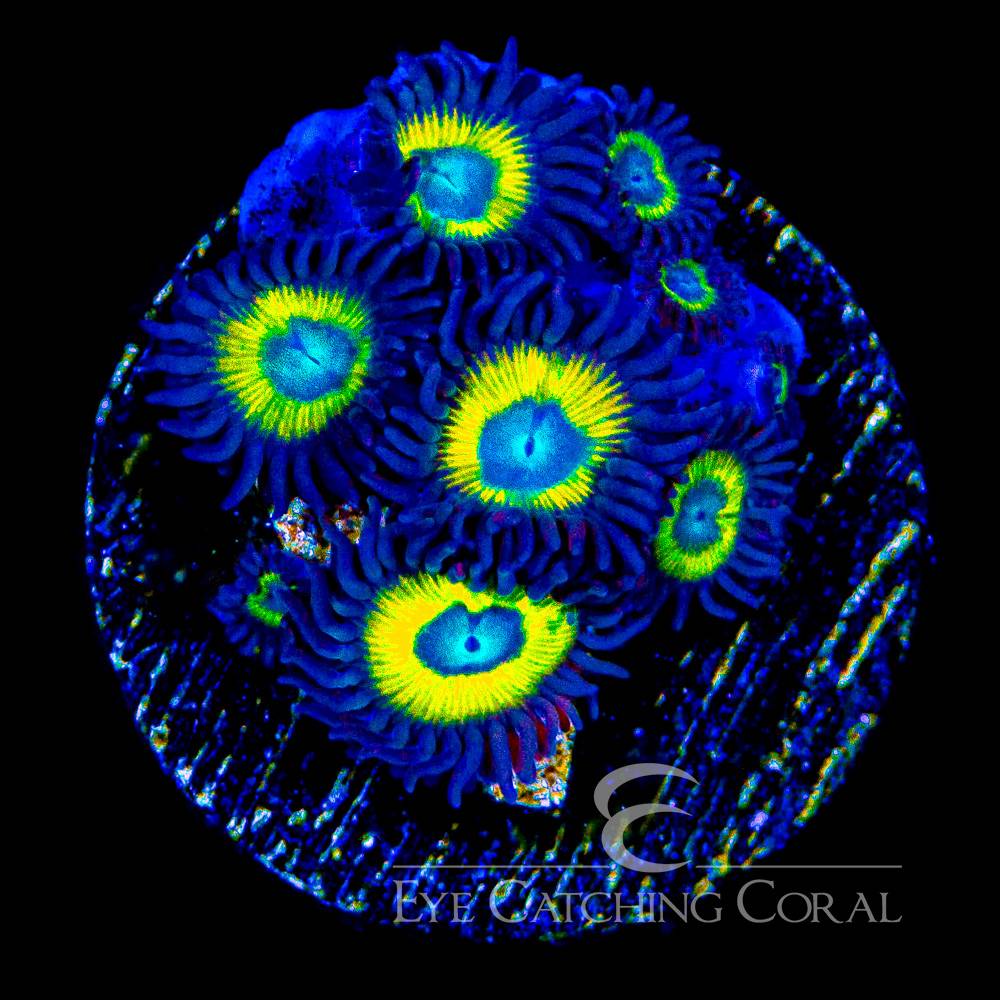
Black Bella zoas
Zoanthus sp
Same genus
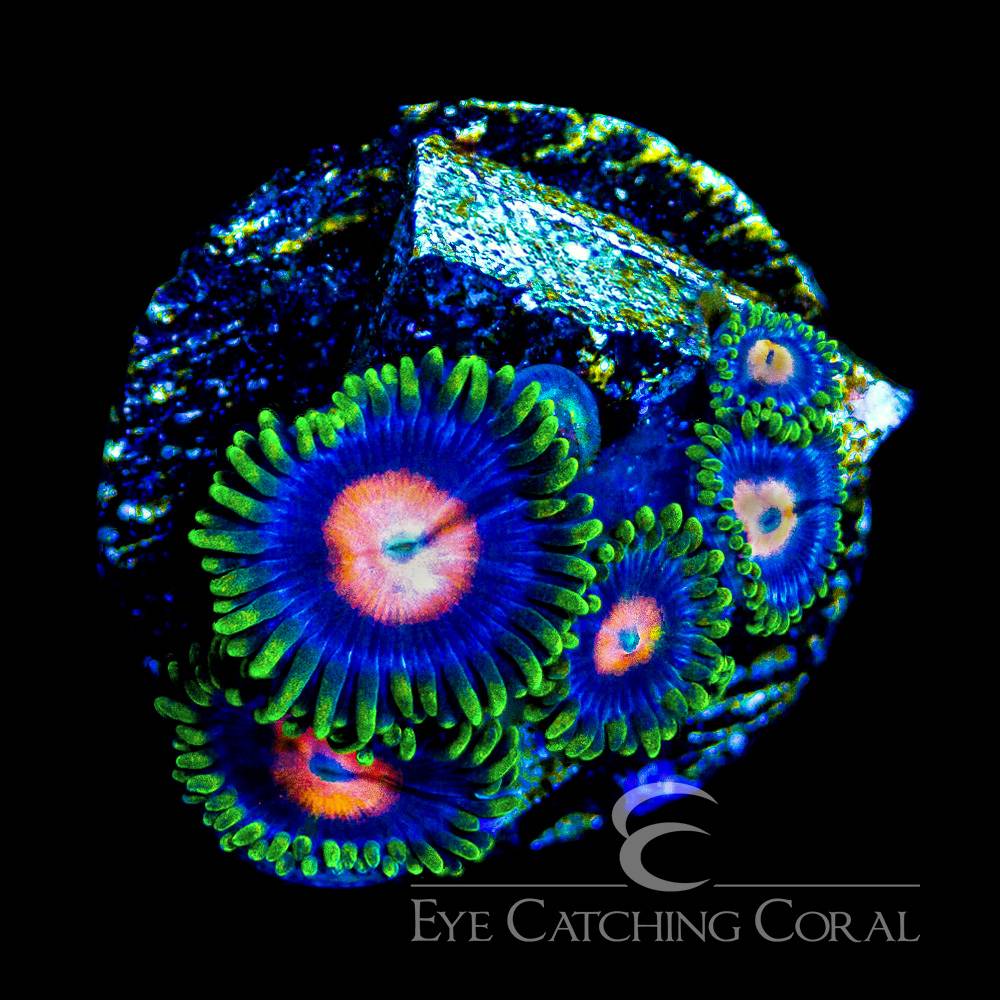
Blow Pops zoas
Zoanthus sp
Same genus
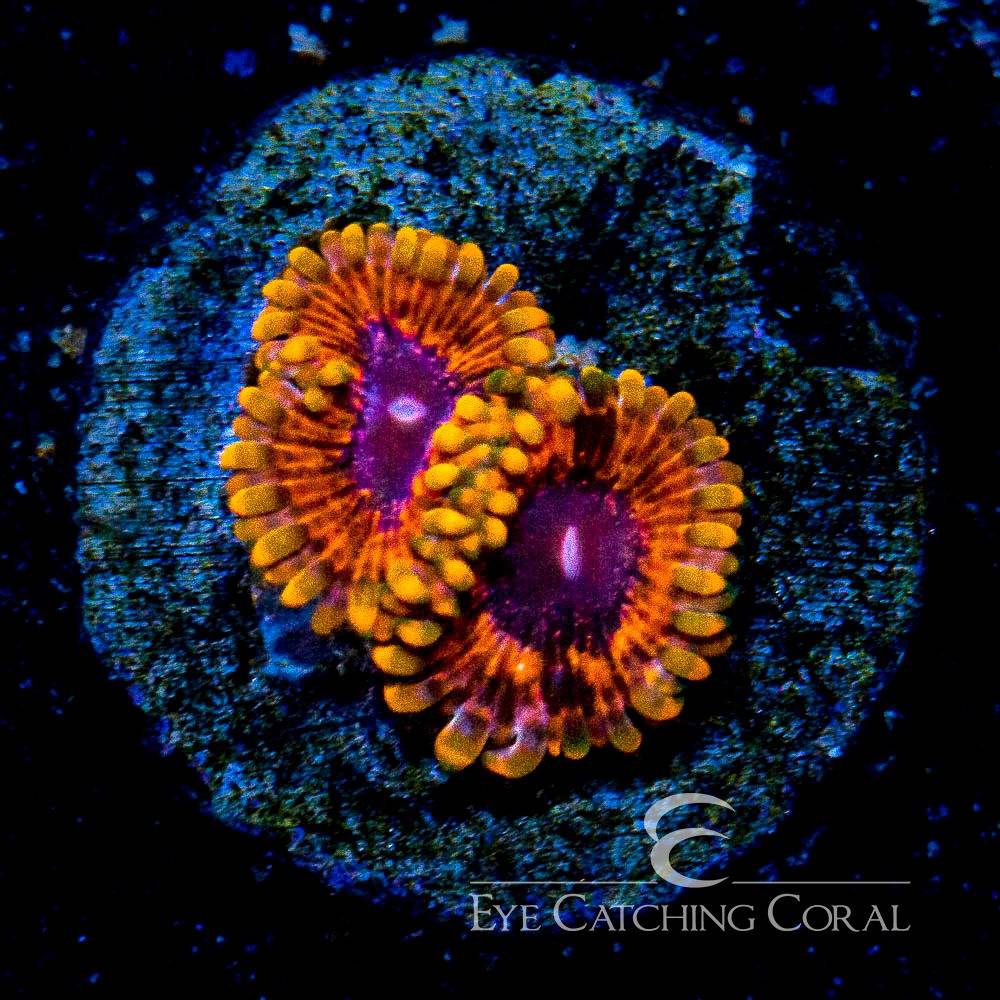
Burning Ember zoas
Zoanthus sp
Same genus
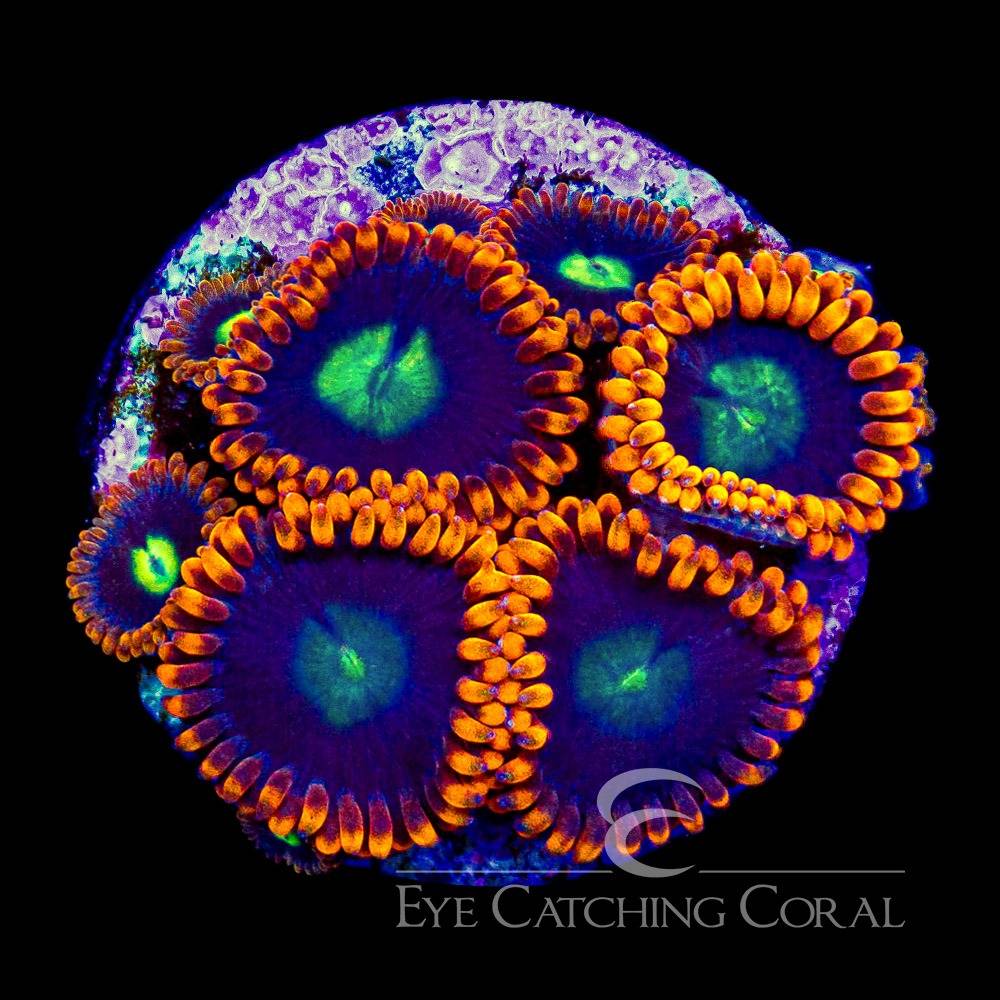
Burning Suns zoas
Zoanthus sp
Same genus