Mister Twister zoas
Zoanthus sp

Palytoxin safety
Some zoanthids and palythoas can contain a potent toxin. Wear sturdy waterproof gloves and eye protection, minimize handling, and keep colonies submerged when possible. Never boil, steam, pressure-wash or scrub colonized rock under running water. Keep other people and pets away during handling. If exposure is suspected, seek urgent medical advice and tell the clinician about possible palytoxin exposure.
Sources: CDC: palytoxin exposure · OATA: avoiding palytoxin poisoning
Gallery
Mister Twister zoas
A practical guide to a small zoanthid colony. Stored scientific name: “Zoanthus sp”. General care advice is separated from trade-name evidence and individual keeper reports.
A small colony with a big story
At first glance, a zoa frag looks like a handful of tiny buttons. Look again. Those buttons are animals called polyps, living together as a colony. When the colony grows, new polyps join the patch. A small piece of rock can become a busy little garden.
Mister Twister is the trade name on this entry. Reef To Go stores its scientific name as “Zoanthus sp”. That leaves the exact species unidentified. A colorful nickname cannot tell us a wild collection site, a family tree or a special care recipe. Keep any seller information and parent-colony records with your frag rather than guessing from its color.
Eye Catching Coral and Bulk Reef Supply both use the Mister Twister name commercially. That confirms the name is in use. It does not prove that this Reef To Go colony came from their stock. The advice here draws mainly on general zoanthid care, because reliable Mister Twister-specific care trials were not found.
The care card stays: CARE Beginner, LIGHT Low-Med, FLOW Med, PLACE Mid, SPACE Moderate, GROWTH Fast. These labels are a starting map. Your aquarium still needs stable conditions and a keeper who notices changes. Beginner care does not mean bare-handed handling is safe. Read the safety section before moving the coral.
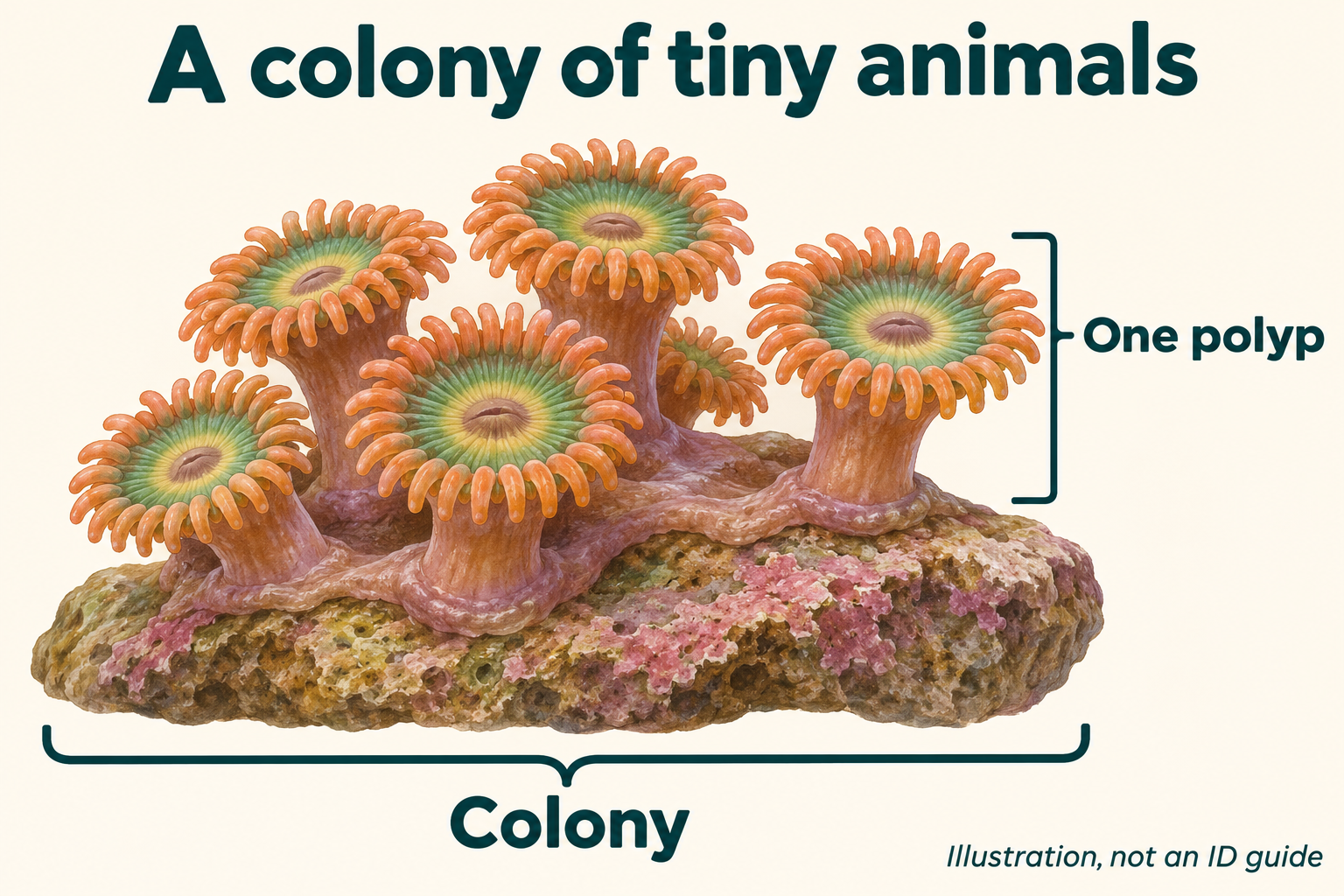
Sources: S1, S4, S5, S13.
Let the light change slowly
A frag arrives with a history. It may have lived under a different lamp, at a different depth, or in the shade of a larger colony. Give it time to settle into its new light.
Keep Low-Med as the starting category and ask the seller what the frag was used to. Make gradual changes. Moving a coral upward, increasing the lamp setting and lengthening the lighting day all change exposure. Doing all three together makes the result hard to understand.
Zoas have tiny photosynthetic partners in their tissue that use light to make food. More light is not automatically better. Watch for a change in color and how the colony opens after an adjustment. Paling after a light increase is a reason to review that change. Closed polyps alone do not identify the cause.
PLACE Mid describes a starting zone, not a fixed height. A middle shelf under a powerful lamp can be brighter than a high shelf under another lamp. Shadows matter too. A PAR meter can help compare the light reaching different spots, but this guide does not set a tested Mister Twister PAR target.
Take comparison photographs under the same lighting. A blue-lit sales picture can look very different from the same coral under whiter light. Aim for a healthy colony rather than chasing the brightest photograph.
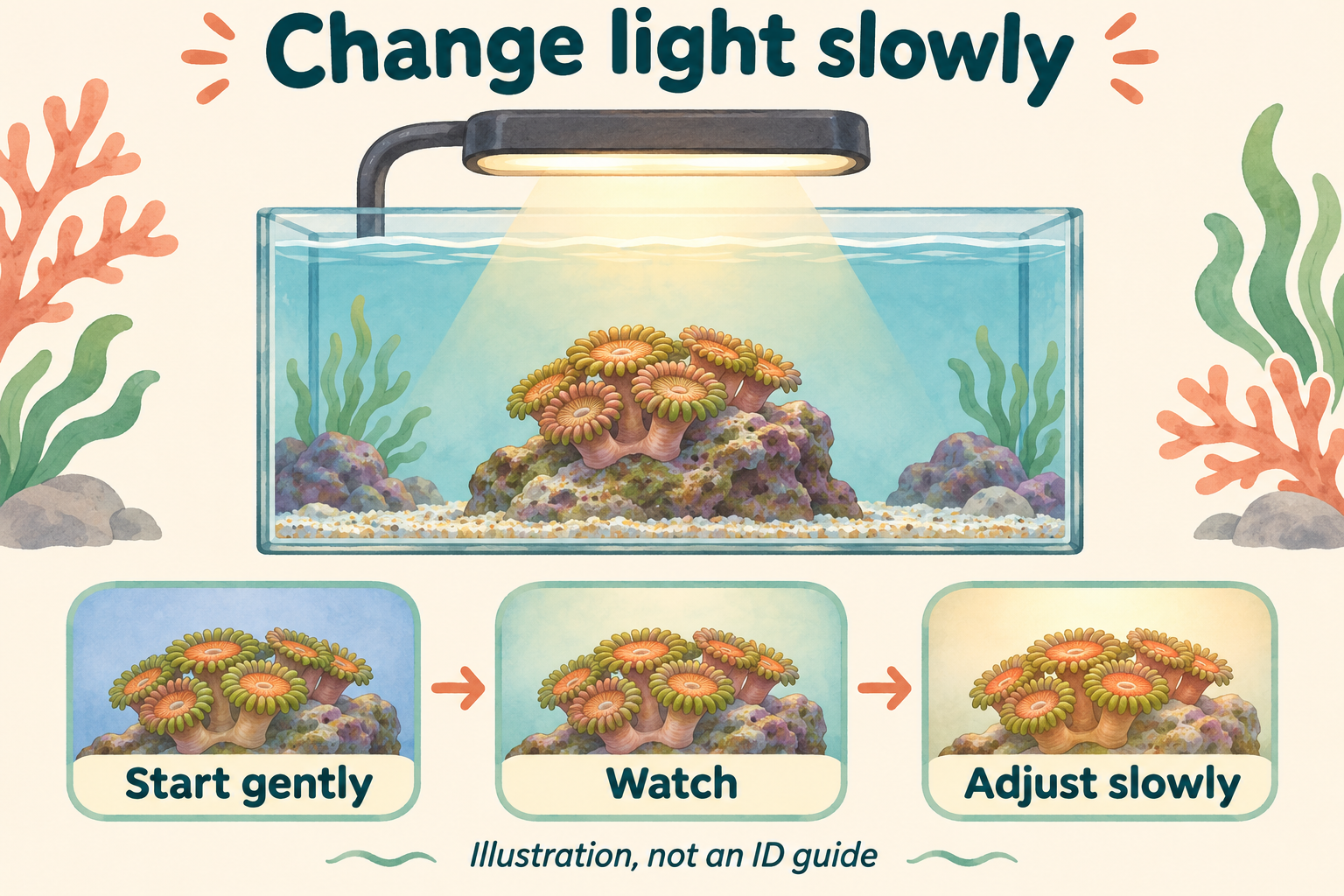
Sources: S2, S4, S8.
Make the water visit every polyp
Imagine leaves collecting in a quiet corner of a pond. Loose waste can also collect in the little gaps of a zoa colony. Water moving across the patch helps carry it away.
Start with moderate, indirect movement, matching the Med field. Look at the coral rather than the pump's percentage. Does loose debris keep settling between the polyps? Is one narrow stream pushing them over or keeping them shut? Those observations tell you more than a pump setting copied from someone else's tank.
General care sources use different flow labels. Tidal Gardens favors strong circulation to keep Zoanthus clean. Quality Marine warns about strong, constant flow. The BRS Mister Twister listing says moderate. These descriptions come from different systems, and none measures the water at your particular frag.
A useful goal is movement that clears loose debris while allowing normal opening. Redirect a concentrated jet before deciding that the whole tank needs less circulation. If a rock shelters the colony too much, adjust the flow path carefully. Avoid moving the frag to a new spot every day.
Do not turn this into a scrubbing job. Handling and cleaning zoanthid-covered rock can expose people to palytoxin. Keep the safety guidance in mind even when the task seems small.
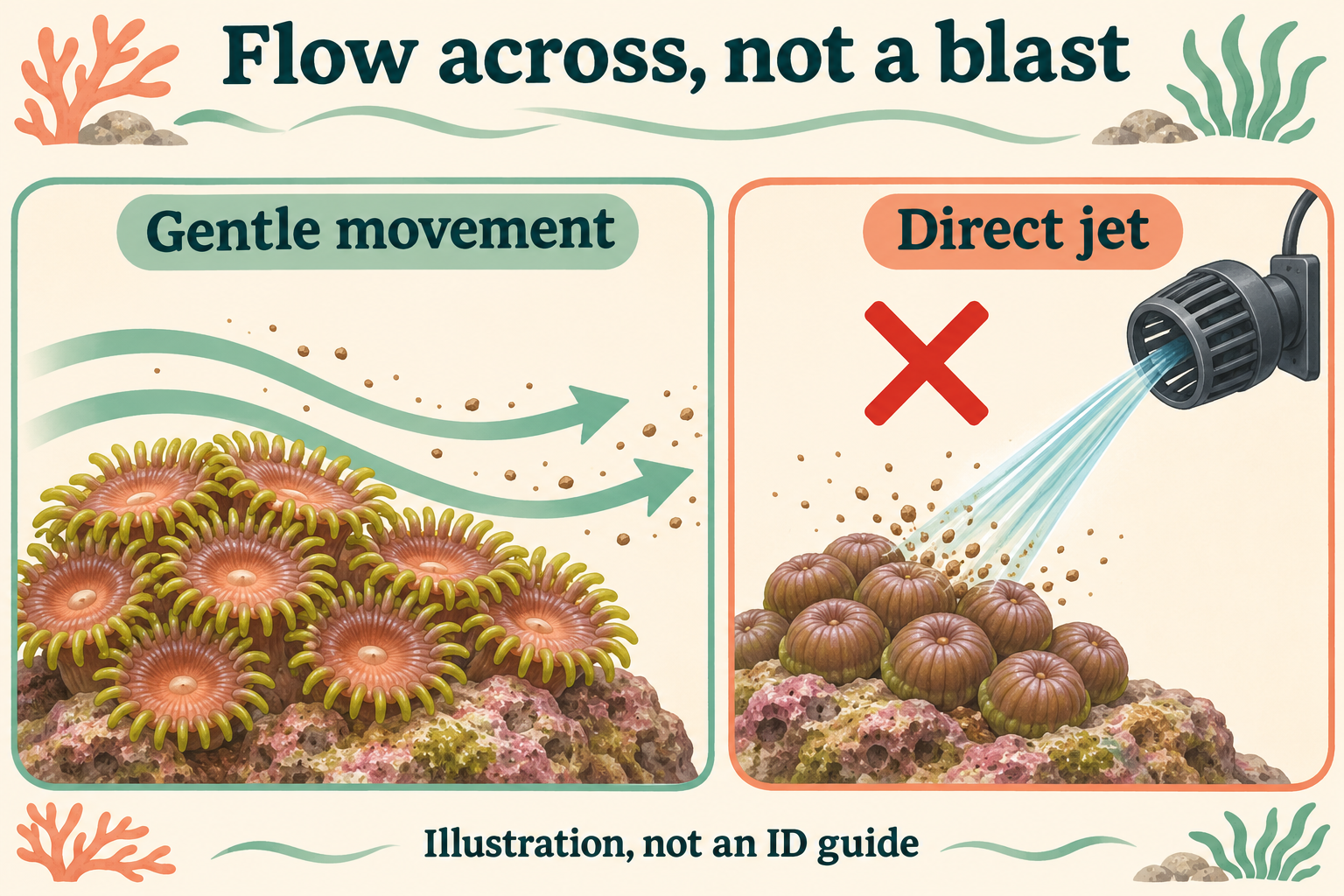
Sources: S2, S3, S4, S6.
Keep meals small and water steady
A good coral routine can be wonderfully uneventful. Check the tank, test regularly and keep a record. Stability gives you a clearer picture of what the coral is doing.
Keep temperature and salinity steady, and avoid sudden chemistry corrections. Test before adding a supplement. If a result looks surprising, check the test and the recent tank history before making a large change. A notebook is cheaper than a shelf of bottles bought to solve an unidentified problem.
Suitable light supplies much of a zoa's energy through its photosynthetic partners. Extra feeding is an option, not a requirement to buy a particular powder. If you try a suitable fine coral food, use a small amount and observe. A polyp closing around passing particles is not, by itself, proof that it ate them. Do not bury a closed colony in food.
Food that is not used becomes part of the tank's waste load. Watch water quality and algae as well as the coral. The general sources disagree on preferred nitrate levels, so this guide does not tell you to chase one grower's number. It also does not recommend forcing nitrate and phosphate to zero.
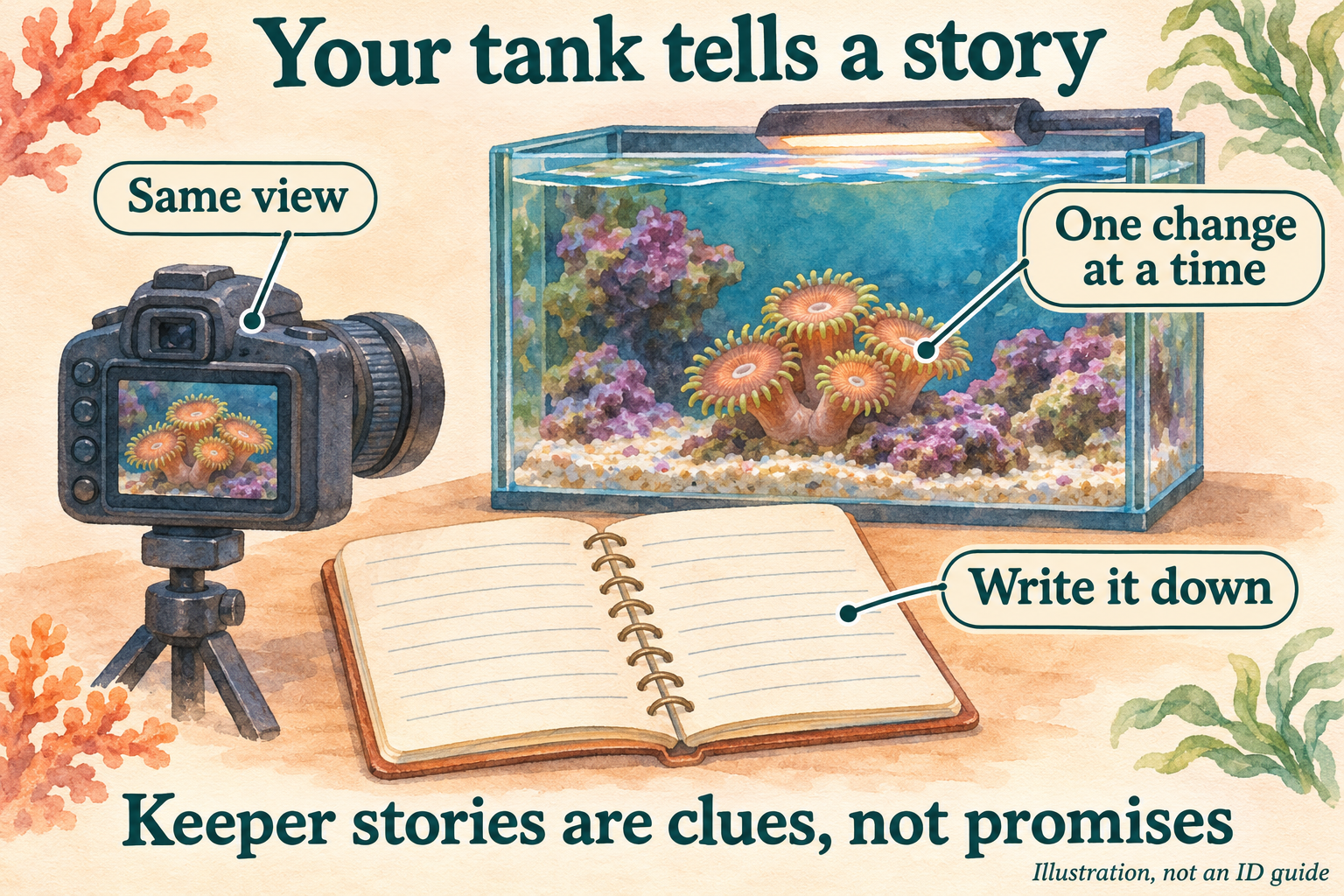
For a simple record, write the date, what you fed or changed, and what happened. When practical, change one thing at a time. You will have a much better chance of knowing which change mattered.
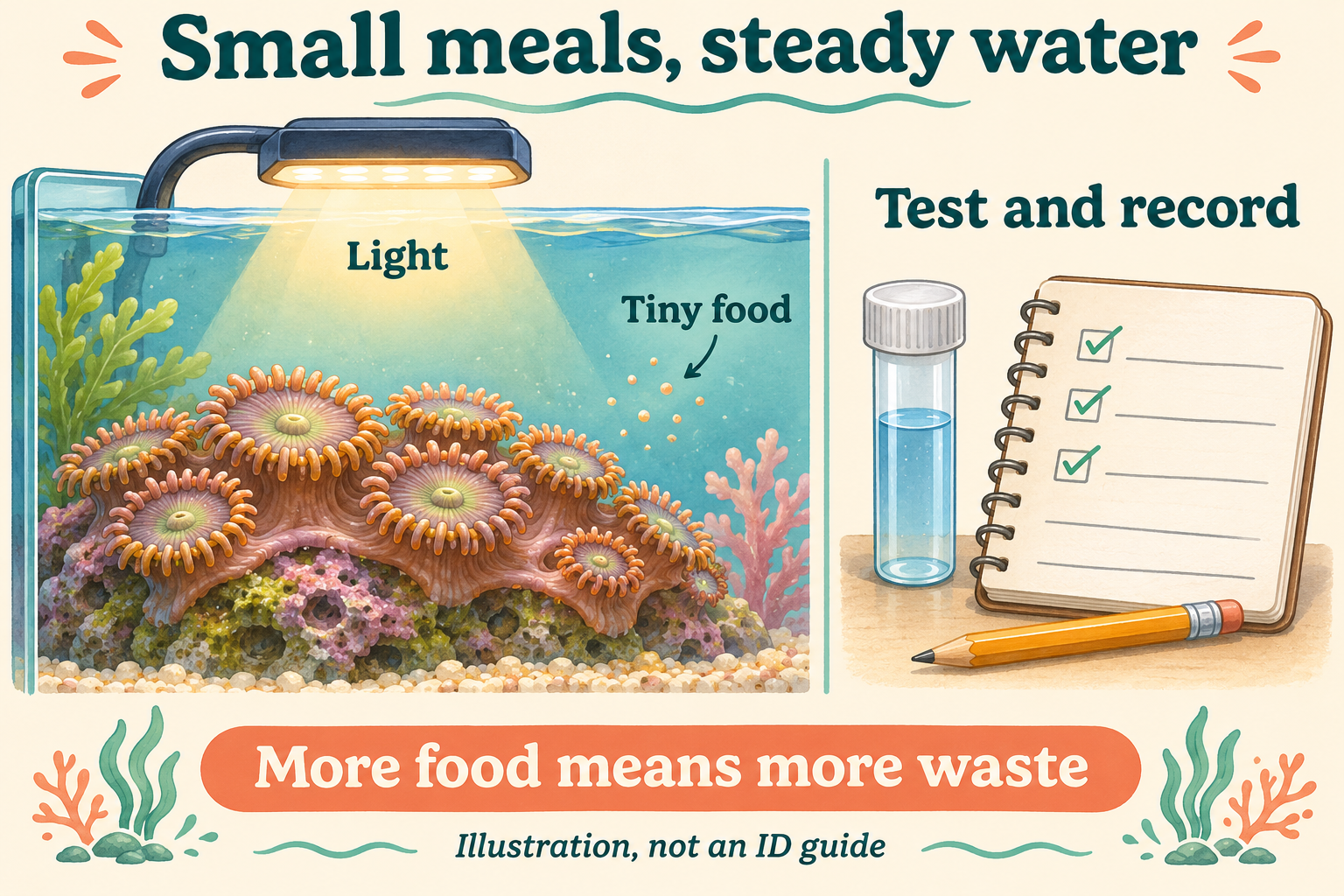
Sources: S2, S3, S8, S11, S12.
Watch the edge of the garden
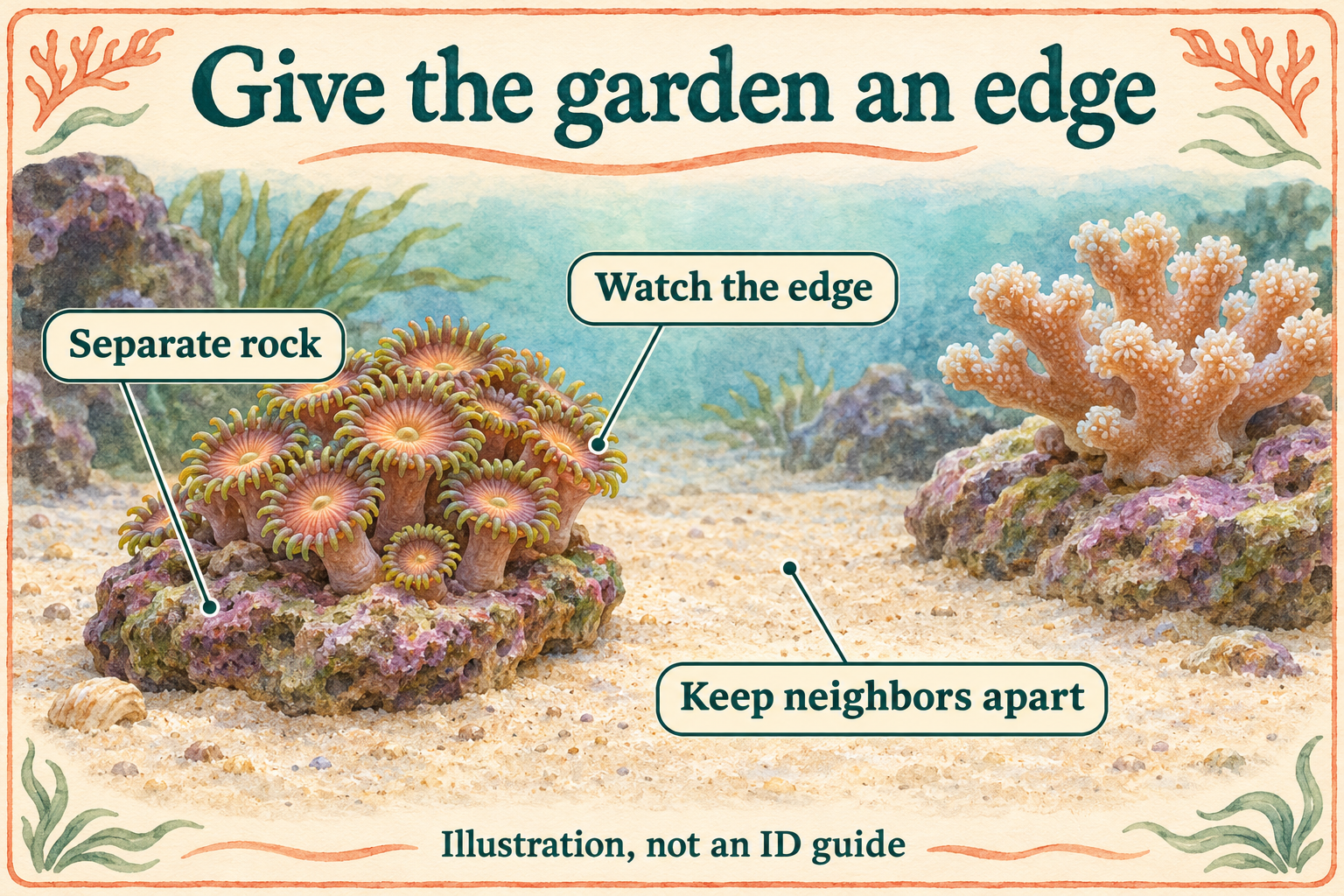
The edge of a zoa colony is worth watching. New polyps can spread across a surface and bring the colony closer to its neighbors. A tidy arrangement today may look crowded later.
A separate, removable rock makes that boundary easier to follow. Leave room for the zoas to expand and for neighboring corals' own reach. Watch the gap as both animals grow. A fixed one- or two-inch rule cannot promise that every pair of corals will stay out of trouble.
SPACE stays Moderate on this entry's care card. It describes aggression and competition, not a measured distance. A coral does not need dramatic long tentacles to create a crowding problem. Spreading tissue can occupy another animal's space, and the neighboring coral may be the stronger stinger.
GROWTH stays Fast as a broad planning label. It is not a promise of a certain number of new polyps each week. A new frag may spend time settling before obvious growth appears. Keep a photo of the colony's edge so you can notice slow changes without handling it.
If the patch outgrows its home, make a plan before touching it. Cutting or removing zoanthids is a handling hazard. Ask an experienced propagator for help and follow specialist safety guidance rather than treating the colony like a houseplant to trim.
Sources: S2, S4, S6, S13.
Be a coral detective
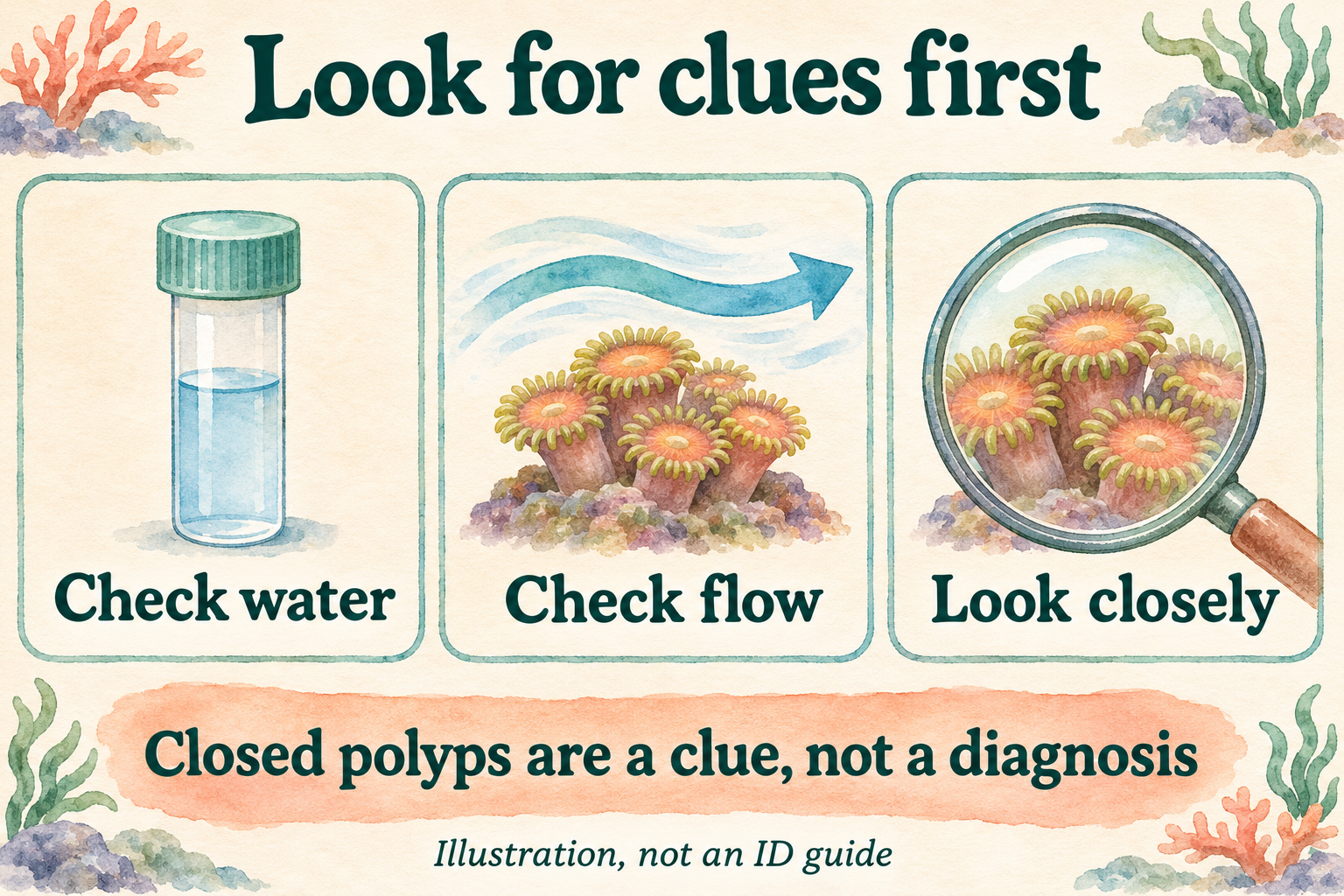
A closed polyp is a clue. It cannot tell you, on its own, whether the problem is light, water, a passing animal or something else.
Start with the timeline. Did the colony close after a move, a pump change or a new light setting? Check water conditions and recent test results. Look for fresh shade, loose sediment, algae around the base or a neighboring coral making contact. A fish or crab repeatedly bothering the patch is useful information too.
Inspect new frags before placing them, and look carefully at the base and between the polyps. Use a magnifier if needed. Do not assume every tiny hitchhiker is a pest. A clear photograph and a reliable identification are better starting points than a treatment chosen from a blurry shape.
Persistent closure, shrinking tissue or continuing decline deserves help from an experienced reef keeper or coral-health professional. Repeated blind dips and several chemistry changes at once can make the story harder to untangle. If a treatment is needed, use a coral-appropriate product and its current instructions. This guide does not supply a dip recipe.
Write down what you saw and what you changed. Watching from outside the glass is useful. Repeatedly poking or lifting the colony is not necessary, and every handling job needs the precautions below.
Sources: S3, S6, S8, S9, S10.
Enjoy the view and handle with care
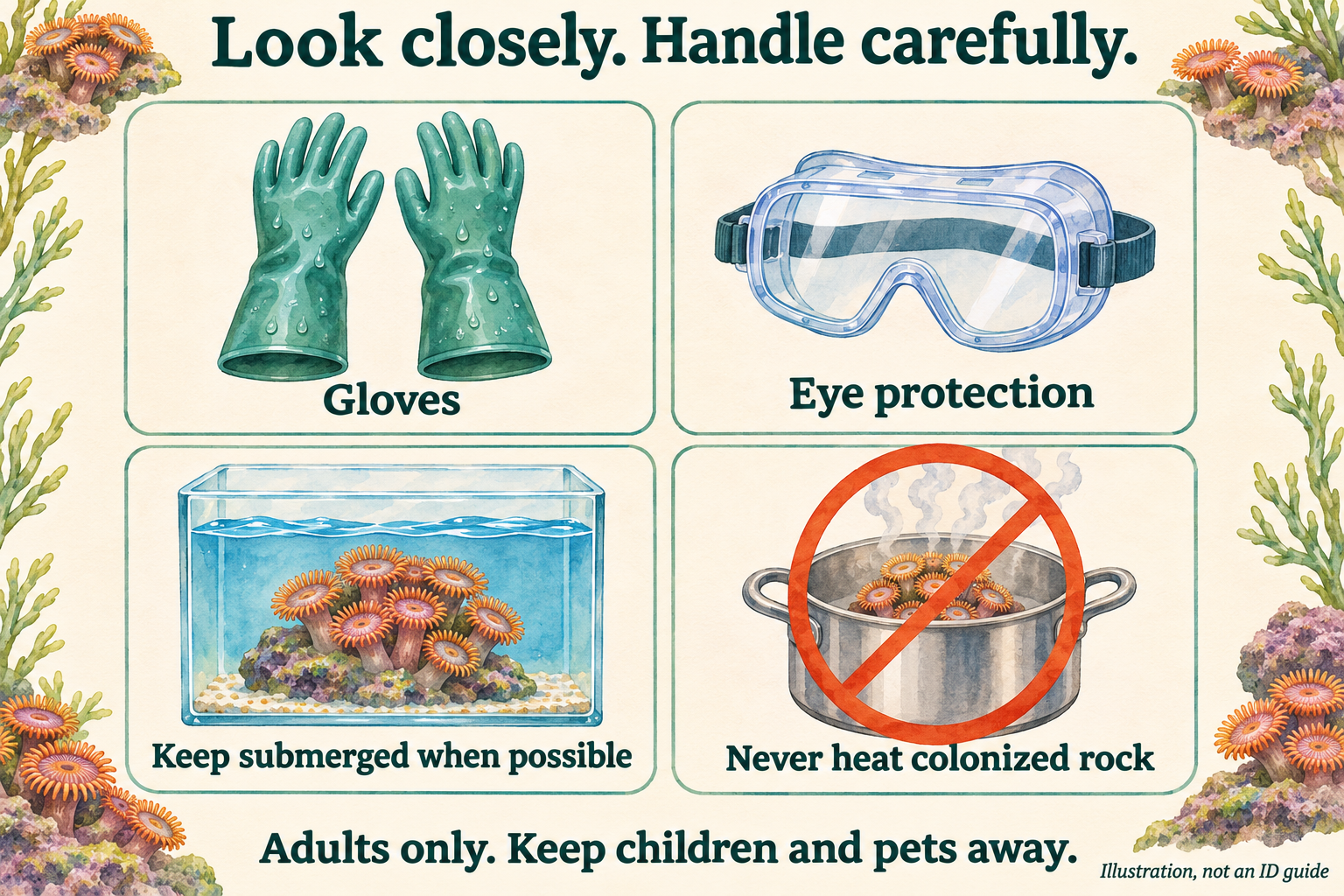
For children, this is a look-and-learn coral. Let an informed adult handle it. Some zoanthids and palythoas can contain palytoxin, a powerful poison. This Mister Twister colony has not been toxin-tested, and its trade name or appearance cannot certify that it is safe.
Minimize handling. Wear sturdy waterproof gloves and eye protection, keep hands away from your face and wash them afterward. Keep colonies submerged when possible. Keep children, pets and other bystanders away from the work area. For fragging or removal, seek experienced help and the full specialist guidance.
Never boil, steam, microwave, pressure-wash or heat colonized rock. Do not scrub it under running water. Heated water and spray can create dangerous exposure. Gloves and goggles do not make those actions safe.
If exposure is suspected, stop and seek urgent medical advice. Tell the clinician about aquarium coral and possible palytoxin exposure. Breathing trouble or other severe symptoms require emergency help. CDC investigations document serious illness associated with aquarium zoanthids, although that does not establish the toxin level of this particular colony.
The existing palytoxin safety panel must remain on the entry. This explanation adds context and does not replace it.
Sources: S6, S7.
Field notes — what keepers report
Real tanks sometimes tell different stories. These reports are about zoanthids generally, not verified Mister Twister colonies. They are individual observations, not controlled experiments.
- Luckki, February 11, 2024, Reef2Reef post 3 in “Will Diatoms keep Zoanthids closed”: their frags had gained about three polyps each after a little over a month, then remained closed for five to seven days. Recent growth did not make later closure impossible. The post does not establish what caused the problem or a growth rate to expect in your tank.
- danschoenherr, January 12, 2021, Reef2Reef post 5 in “How can I encourage my zoas to eat?”: they saw a response to finely chopped frozen food, but little visible response to several powdered foods. This is one keeper's experience, not a controlled food comparison or a recommendation to buy a brand.
- blasterman, February 3, 2021, Reef2Reef post 13 in “First Zoanthids - can feeding them overload my filter?”: larger palys swallowed prey, while smaller zoas closed and reopened quickly around powdered food. The keeper interpreted that closure as irritation rather than feeding. That interpretation is not proof that small zoas never eat.
Together, these reports suggest a useful habit: describe what you see before deciding what it means. Use the same camera view and lighting. Record opening, color and the colony's edge alongside any change you made. Your own notes will help you ask better questions and make more careful decisions.
Sources: S10, S11, S12.
Source list
S1. Reef To Go, Mister Twister zoas https://database.reeftogo.com/coral/mister-twister-zoas-fd268280
S2. Tidal Gardens, How to care for your Zoanthus coral https://tidalgardens.com/articles/coral-care-articles/zoanthus-coral-care.html
S3. Quality Marine Staff, The Love of Zoanthids Never Fades, April 19, 2024 https://www.qualitymarine.com/news/the-love-of-zoanthids-never-fades/
S4. Bulk Reef Supply, ECC Mister Twister Zoanthid https://www.bulkreefsupply.com/ecc-mister-twister-zoanthid-eye-catching-coral.html
S5. Eye Catching Coral, Aquaculture Facility catalog https://eyecatchingcoral.com/aquaculture/aquacultured-frags/
S6. OATA, How to avoid palytoxin poisoning if you keep corals https://ornamentalfish.org/what-we-do/advice-information/care-sheets/caresheets-marine-fish/how-to-avoid-palytoxin-poisoning-if-you-keep-corals/
S7. Hamade et al., CDC MMWR, Suspected Palytoxin Inhalation Exposures Associated with Zoanthid Corals in Aquarium Shops and Homes, August 14, 2015 https://www.cdc.gov/mmwr/preview/mmwrhtml/mm6431a4.htm
S8. Adam Monte, Bulk Reef Supply, Zoanthid Coral Care Guide, updated May 7, 2026 https://www.bulkreefsupply.com/content/post/coral-care-guide-zoanthids
S9. Reef News, Got Zoas: General Zoanthid Care, August 1, 2013, updated November 3, 2016 https://www.reef2reef.com/ams/got-zoas-general-zoanthid-care.101/
S10. Luckki, Reef2Reef, February 11, 2024, post 3 https://www.reef2reef.com/threads/will-diatoms-keep-zoanthids-closed.1034693/post-12187945
S11. danschoenherr, Reef2Reef, January 12, 2021, post 5 https://www.reef2reef.com/threads/how-can-i-encourage-my-zoas-to-eat.792906/post-8435520
S12. blasterman, Reef2Reef, February 3, 2021, post 13 https://www.reef2reef.com/threads/first-zoanthids-can-feeding-them-overload-my-filter.799876/post-8521653
S13. LiveAquaria, Colony Polyp https://www.liveaquaria.com/products/colony-polyp
Field Notes
Related species
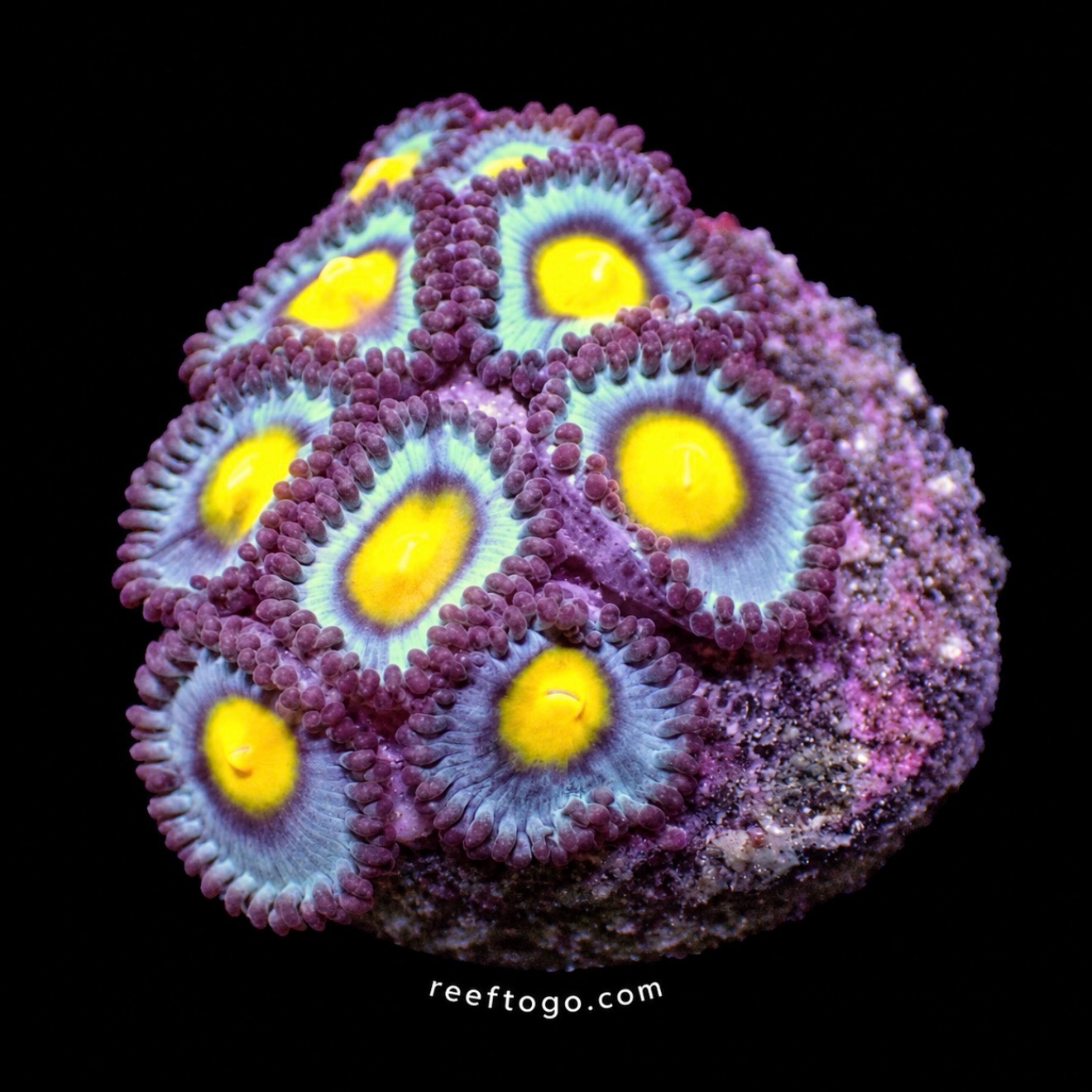
Alien Eye zoas
Zoanthus sp
Same genus
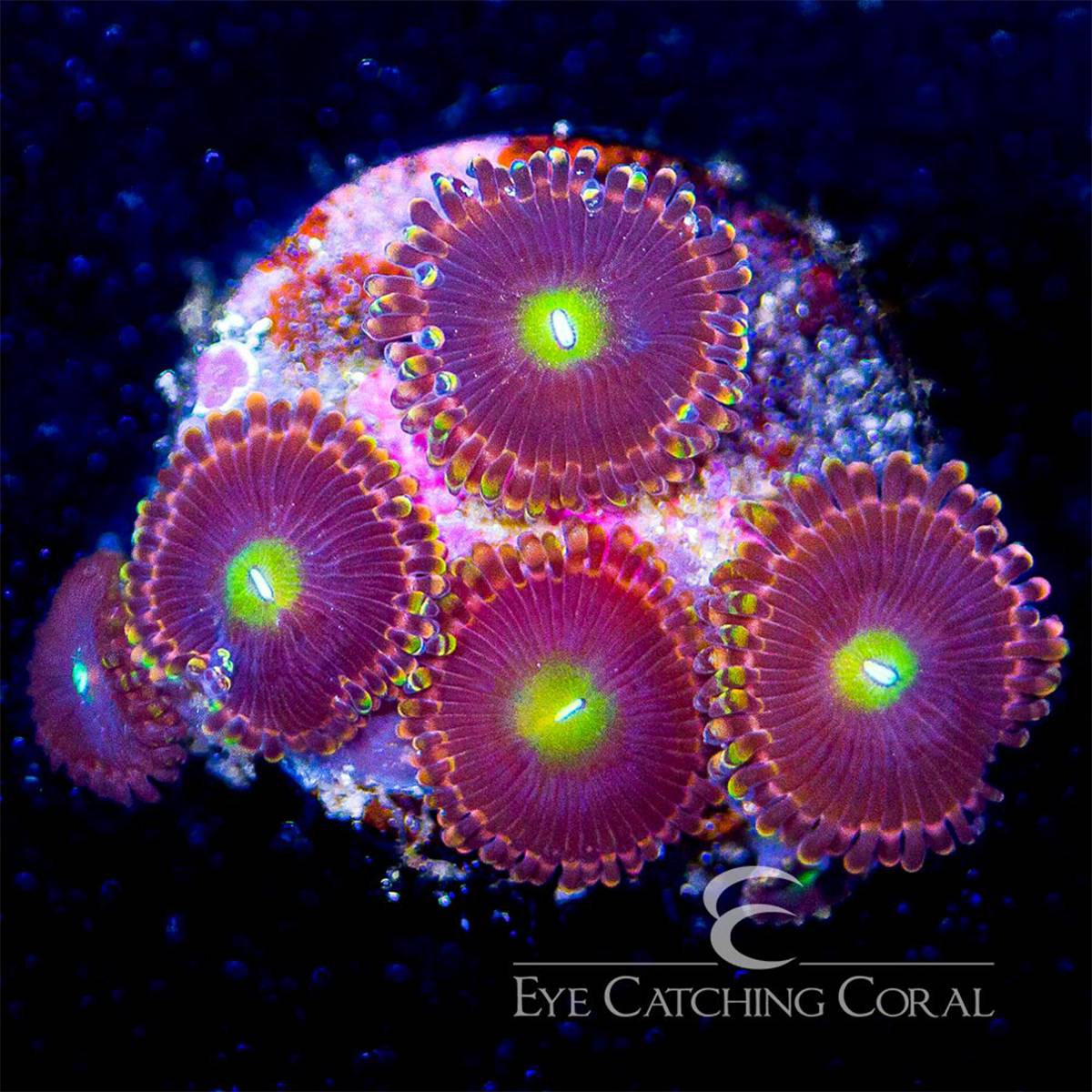
Antimatter zoas
Zoanthus sp
Same genus
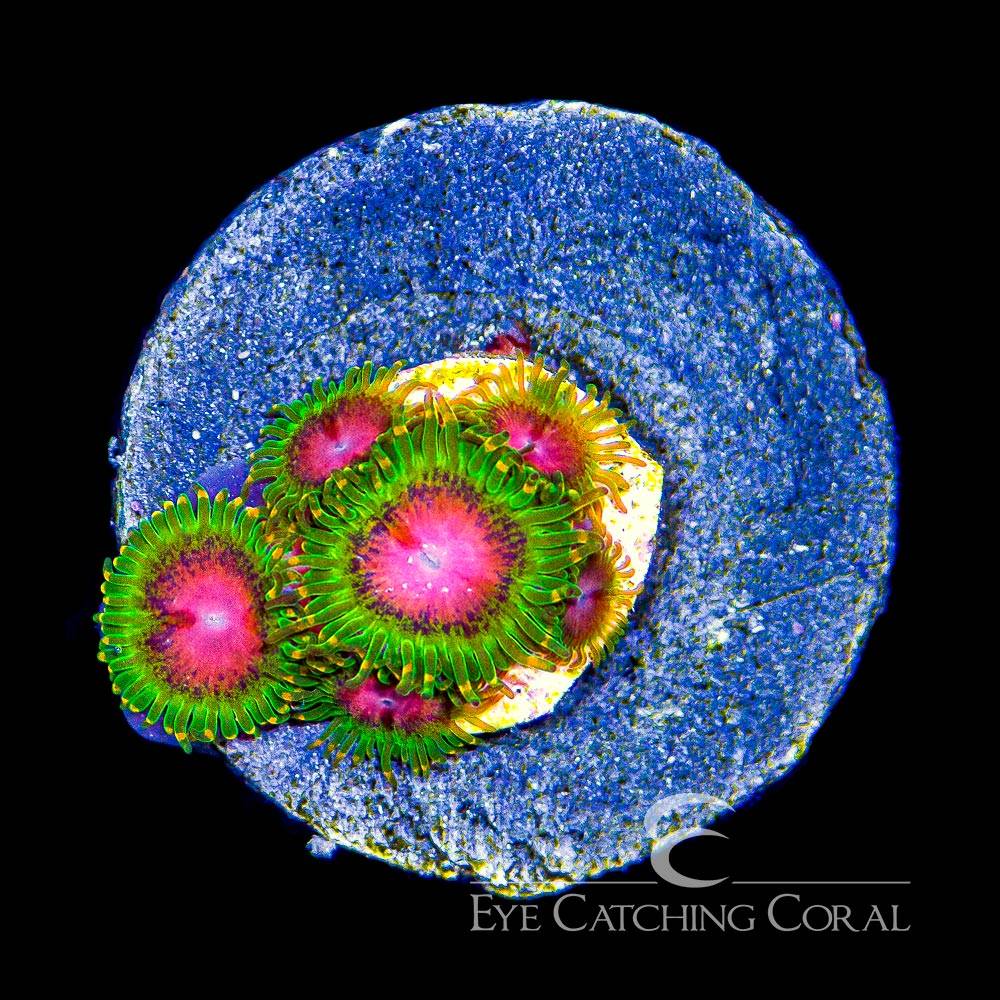
Awesome Blossom zoas
Zoanthus sp
Same genus
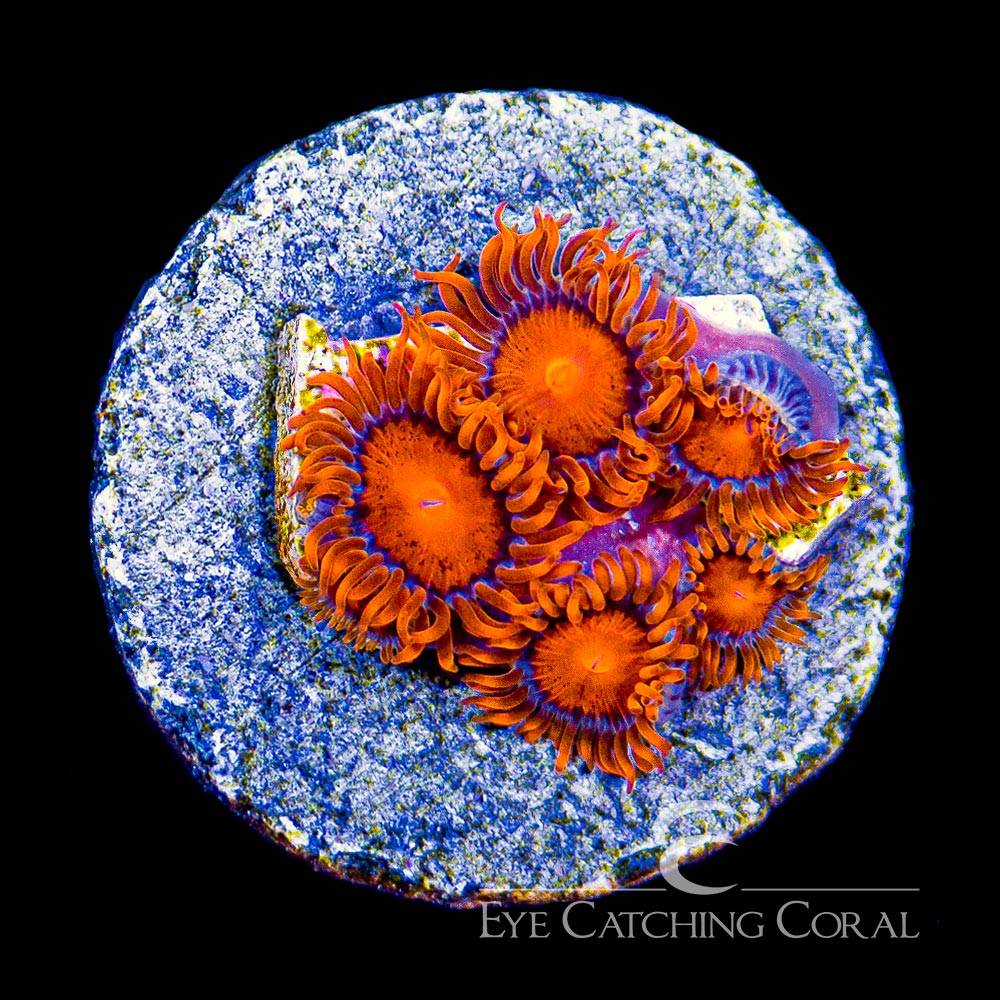
Bam Bam zoas
Zoanthus sp
Same genus
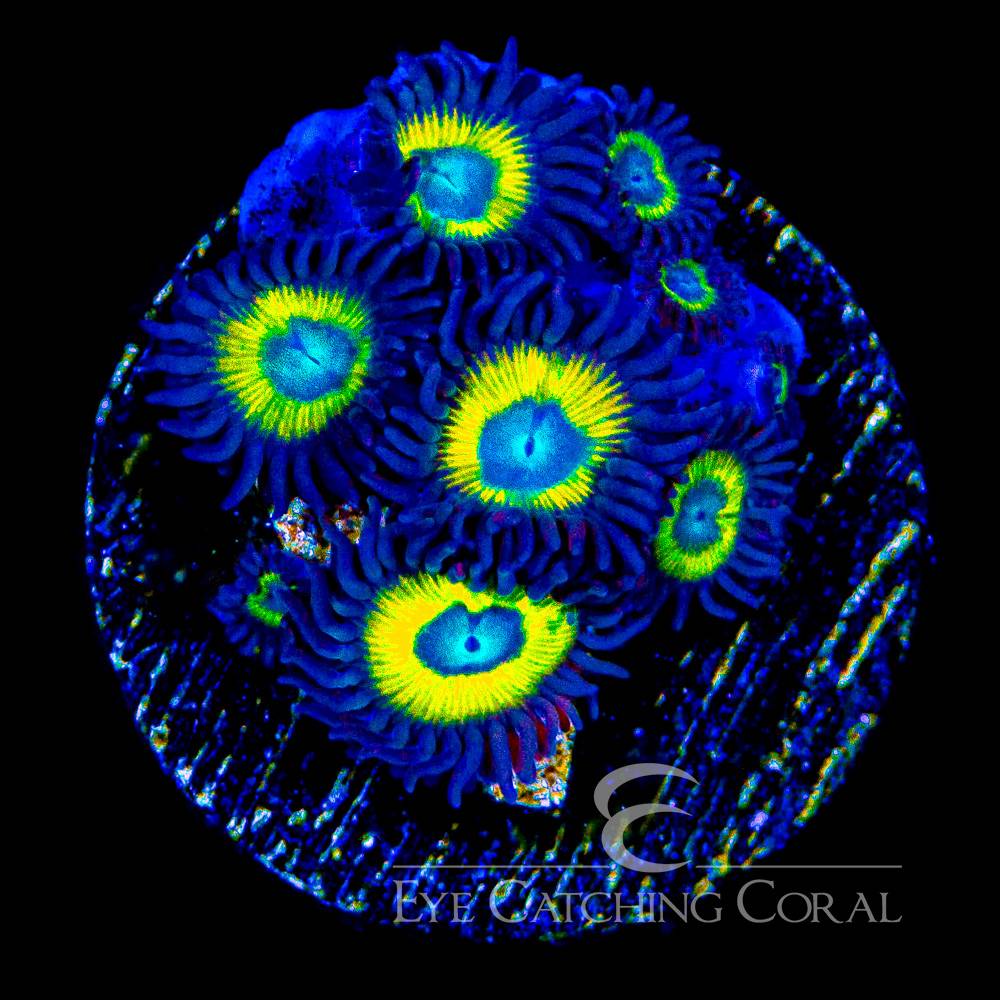
Black Bella zoas
Zoanthus sp
Same genus
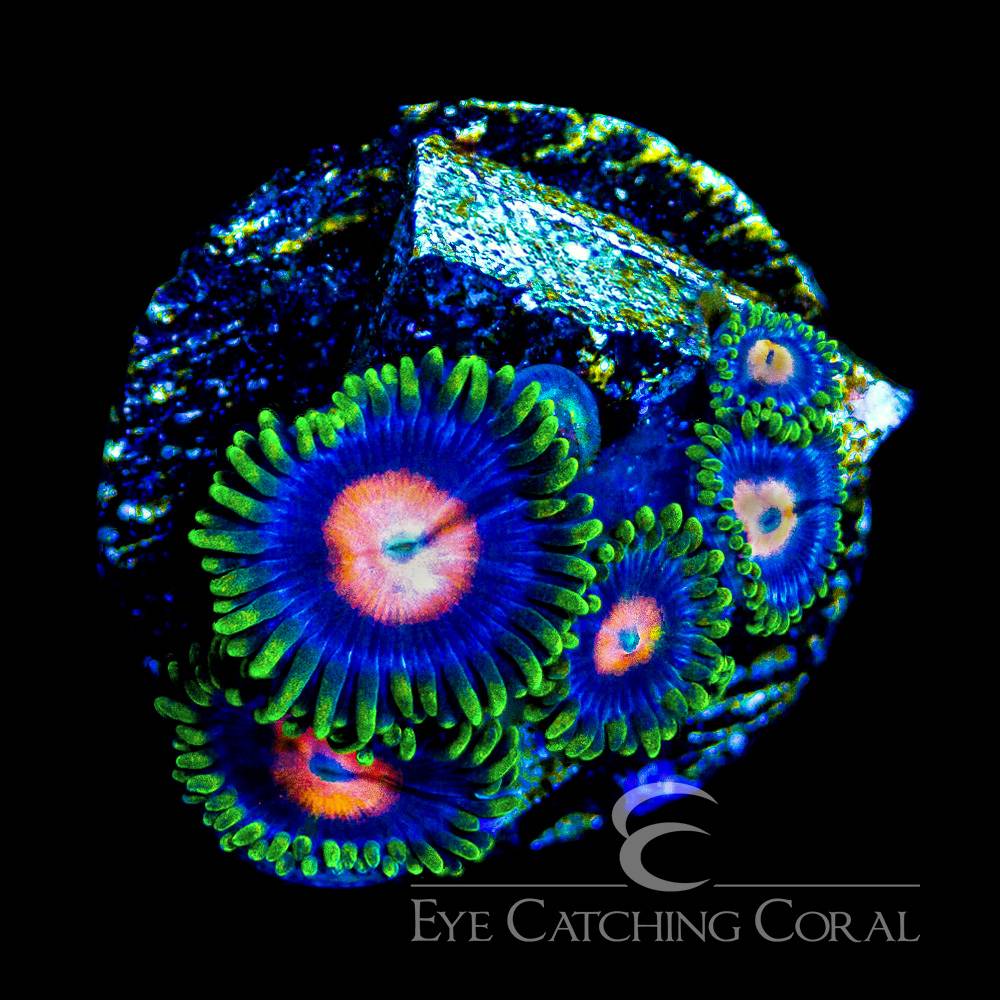
Blow Pops zoas
Zoanthus sp
Same genus
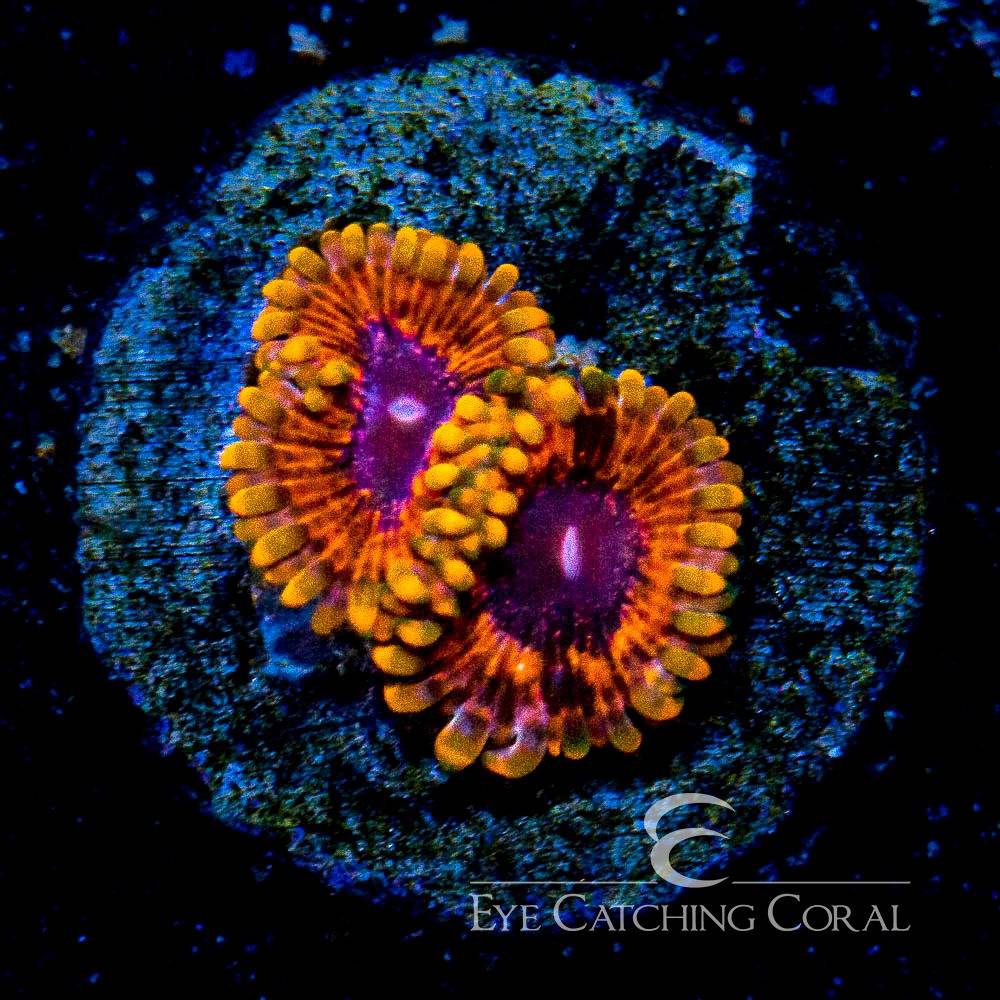
Burning Ember zoas
Zoanthus sp
Same genus
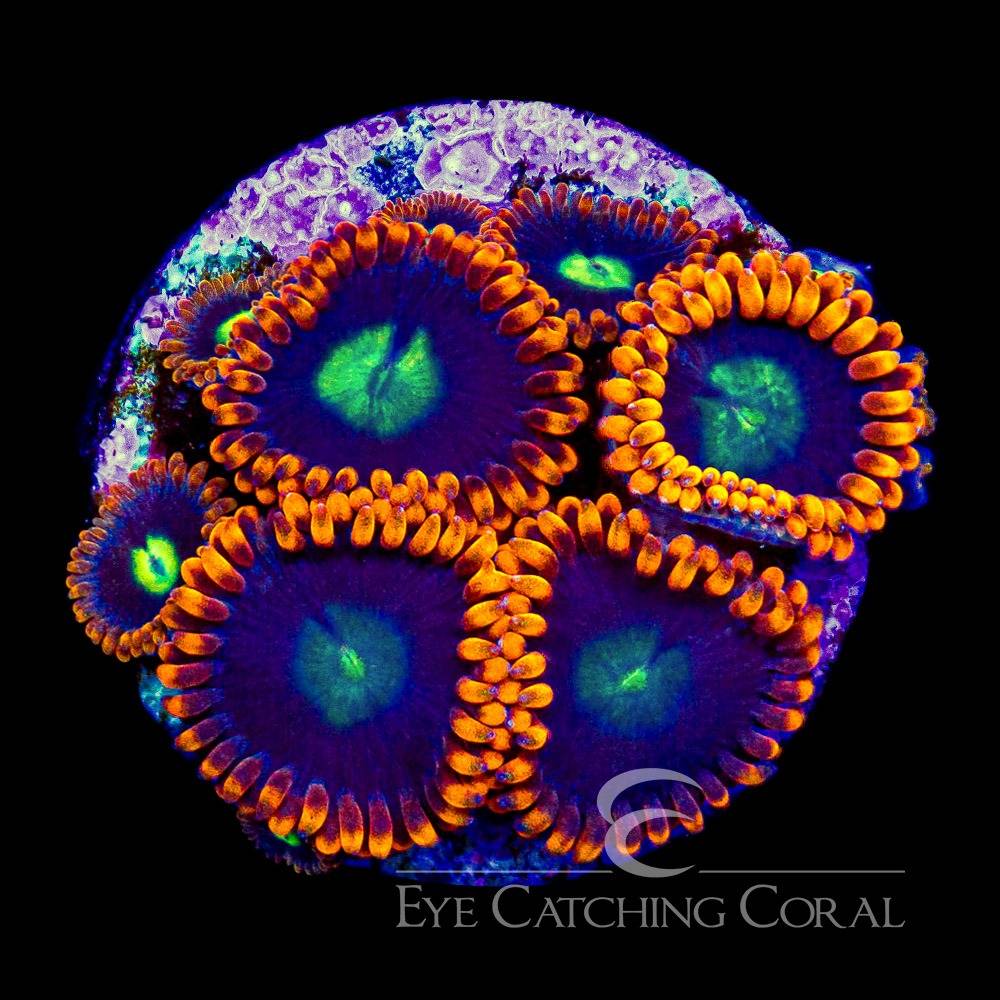
Burning Suns zoas
Zoanthus sp
Same genus