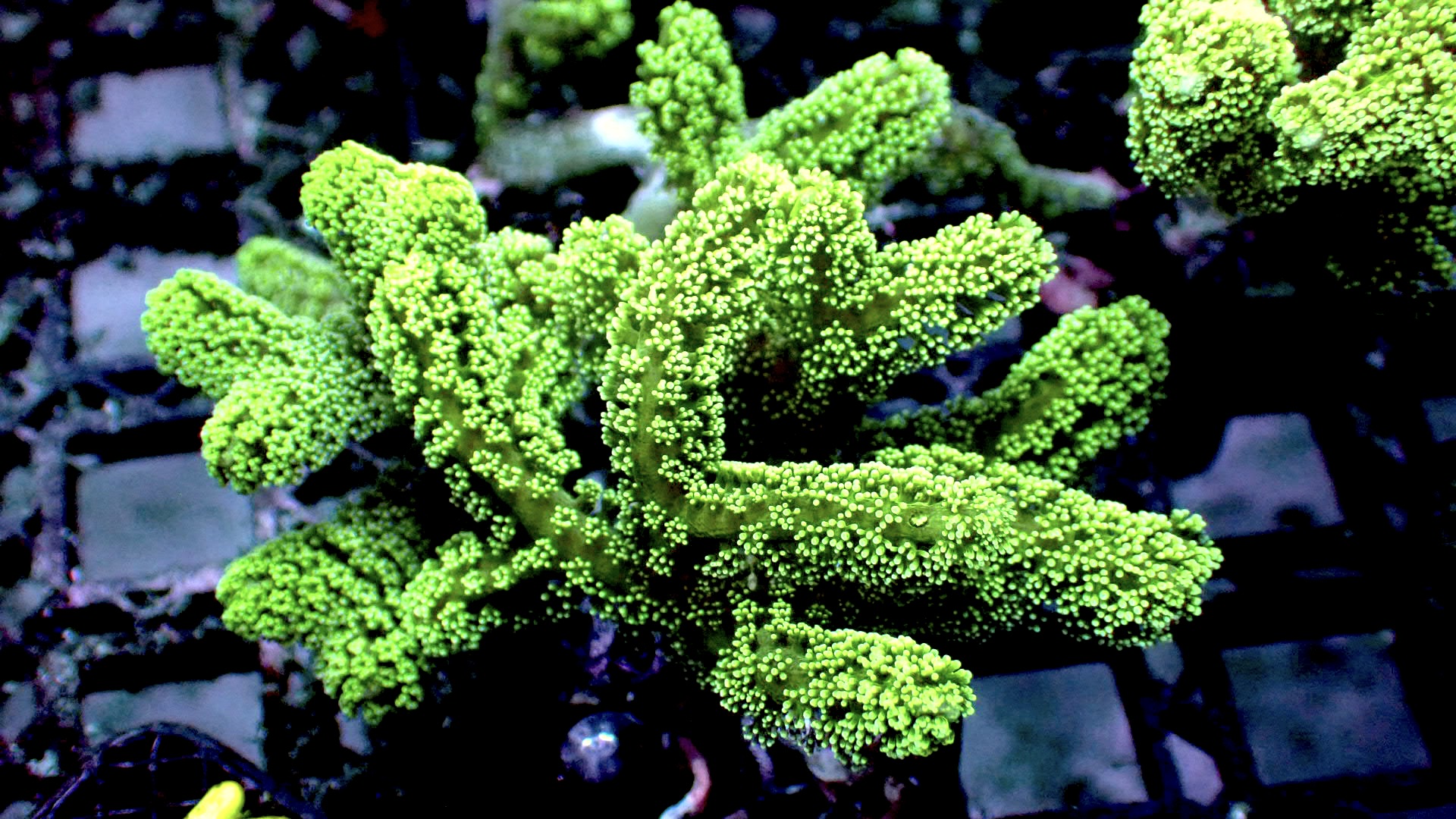
Gallery
Imagine a tiny green thicket with no leaves at all. Every fuzzy dot is a little animal. ORA Green Birdsnest builds a branching home from stone, one small layer at a time. Your job is to give those busy builders steady water, gentle changes and room to grow.
Care at a glance: Beginner care. Medium light. High flow. Mid placement. Peaceful. Fast growth. These are this entry's care-card values. Beginner means an approachable stony coral in a stable reef tank, not a coral for a brand-new aquarium.
Meet the tiny builders
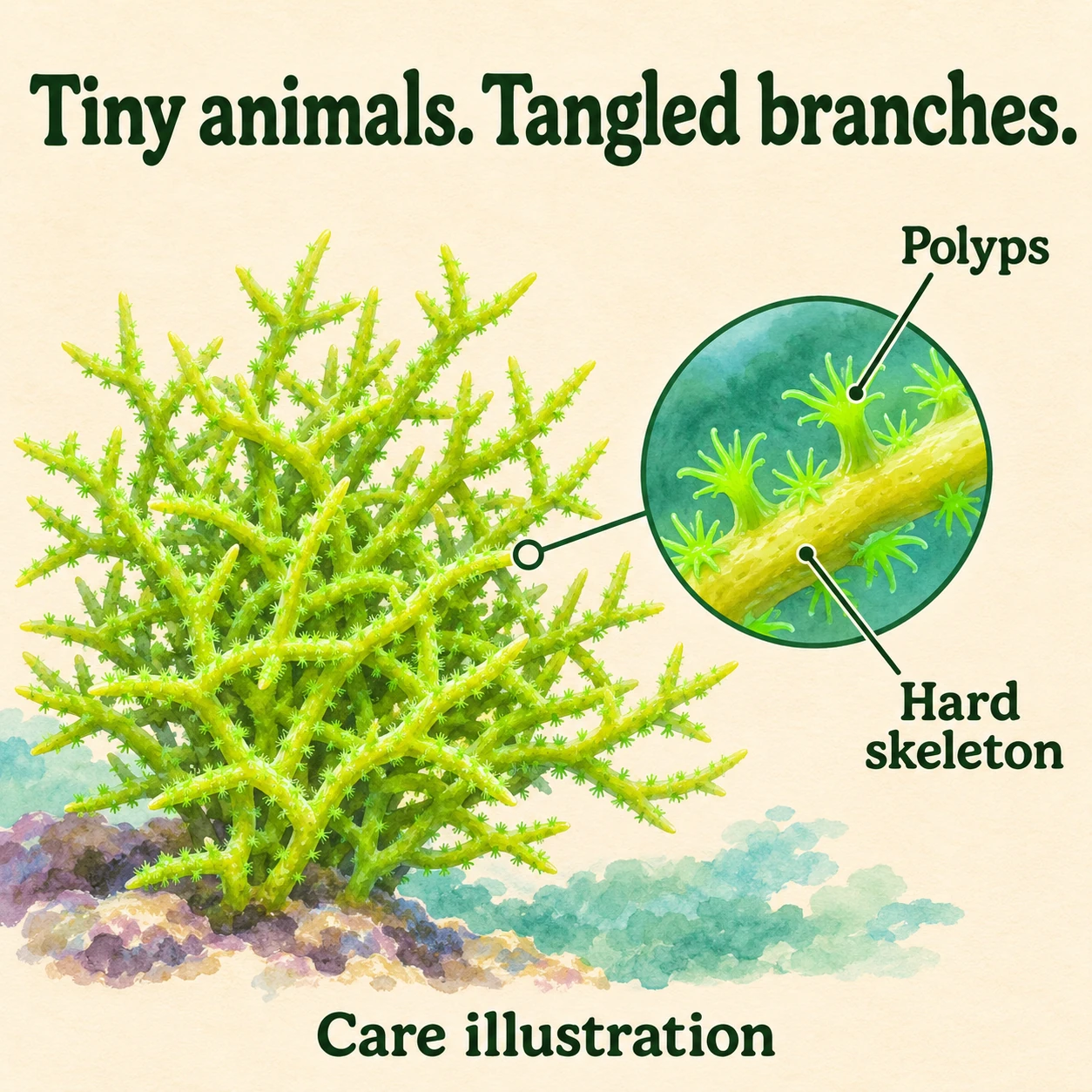
A coral colony is a crowd of animals called polyps. Their soft living tissue covers a hard skeleton. In this birdsnest, slender branches weave into a bushy shape. The branches stay rigid, while the tiny polyps give them a fuzzy look.
ORA markets Green Birdsnest as Seriatopora guttatus. Its profile describes green polyps over a yellow-green background. The submitted coral's exact scientific identification has not been confirmed here. A green color alone cannot prove a coral's species or its ORA family history.
ORA raises birdsnest corals in aquaculture, which means growing them in managed systems. That does not make a frag indestructible. Think of this coral as a willing builder that still needs a reliable home. The original submitted photograph is kept with this entry. The drawings below explain care.
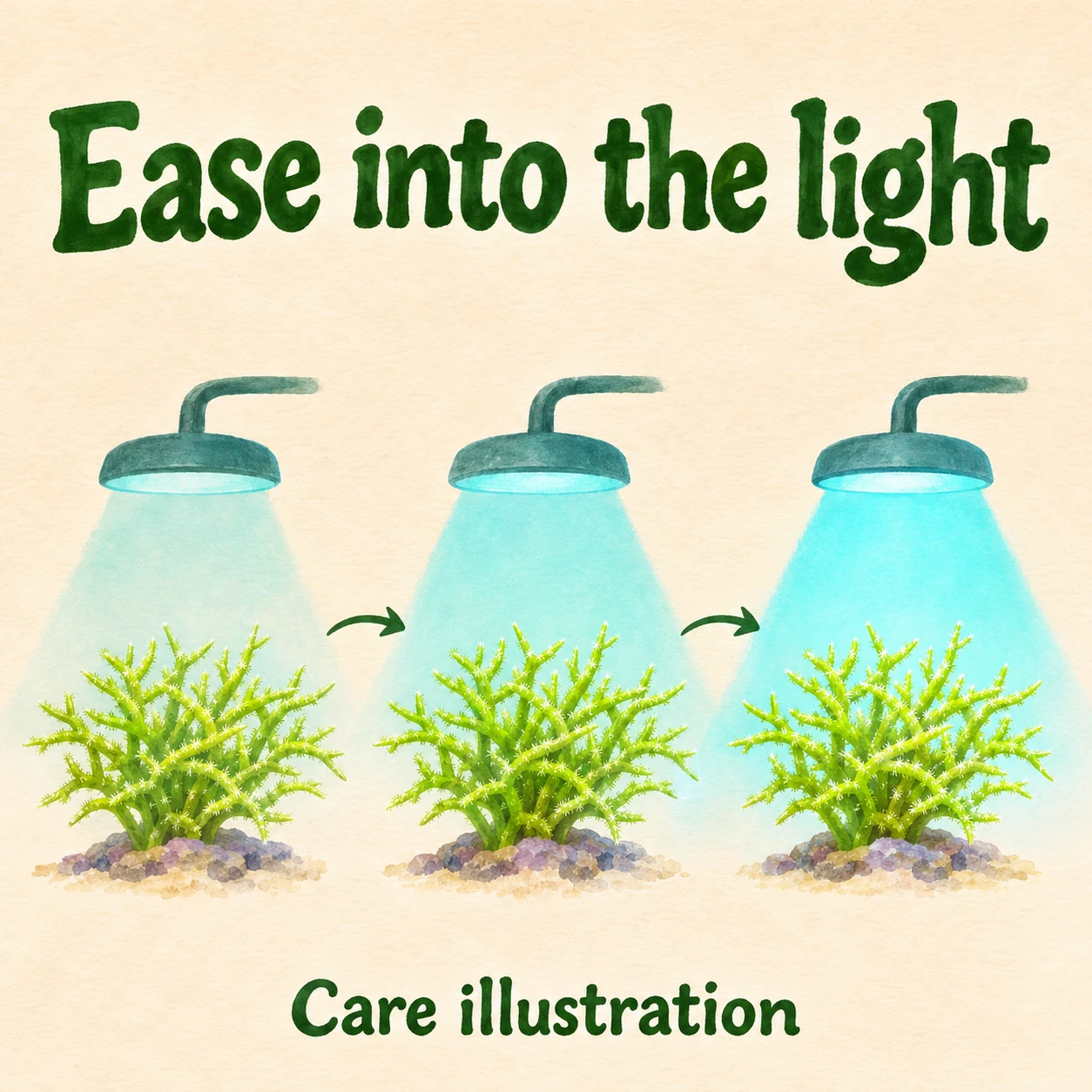
Ease into the light
Tiny algae living inside coral tissue use light to make food. The coral benefits from that partnership. Brighter is not always better, especially on the first day home.
Ask the seller how the frag was lit. Start with gentler exposure and change it gradually while watching the coral. A light meter helps you compare real conditions. Tank height alone cannot tell you how much light reaches a branch.
The card says medium light and mid placement. ORA gives a broad range, from low to high light, and bottom to middle placement. Those descriptions leave room for different lamps and tanks. They are not instructions to move a new frag straight into the brightest spot. Avoid repeatedly moving it while chasing a greener color.
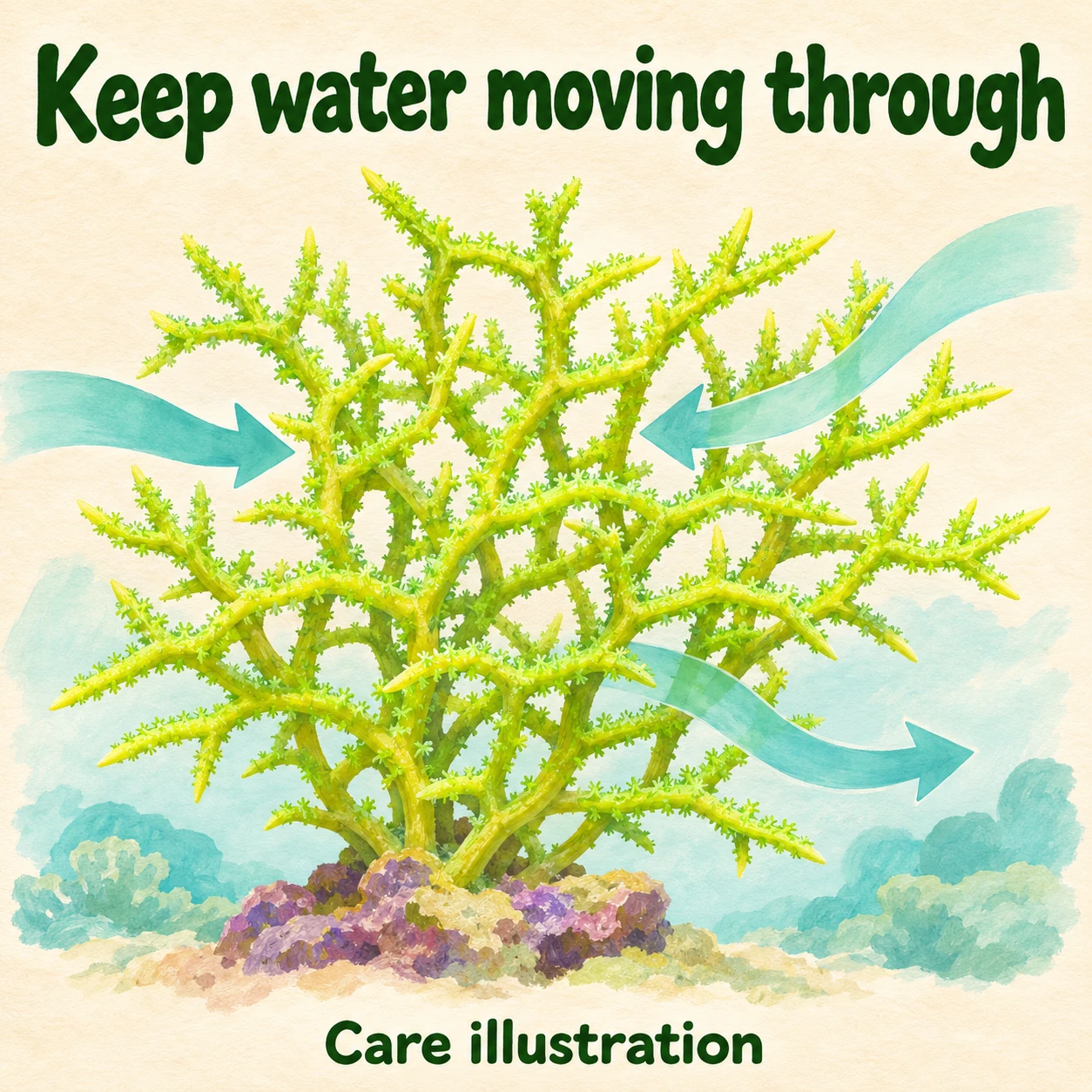
Keep the waterways open
Water carries oxygen and tiny food particles past the polyps. It also takes waste away. Aim for broad movement that changes direction and reaches between the branches.
High flow on the care card does not mean a narrow pump jet blasting one patch all day. ORA recommends moderate to strong flow. Secure the base so the coral cannot wobble, fall or scrape against rock.
A growing birdsnest can crowd its own waterways. Look into the center and around the base, not just at the bright outer tips. Settled debris is a reason to check circulation. A pump position that suited a small frag may not suit a dense colony months later. The skeleton should stay still. Watch the small polyps and drifting particles for clues about water movement.
Build a steady routine
Stone-building takes materials. This coral draws calcium and carbonate from the water to grow its skeleton. Test alkalinity, calcium and magnesium regularly. Check temperature and salinity too. Make measured adjustments instead of guessing at a dose.
Fast growth can change how much a tank uses. Keep a simple test record and review the trend as the colony grows. Let an experienced adult handle test chemicals, dosing and electrical equipment.
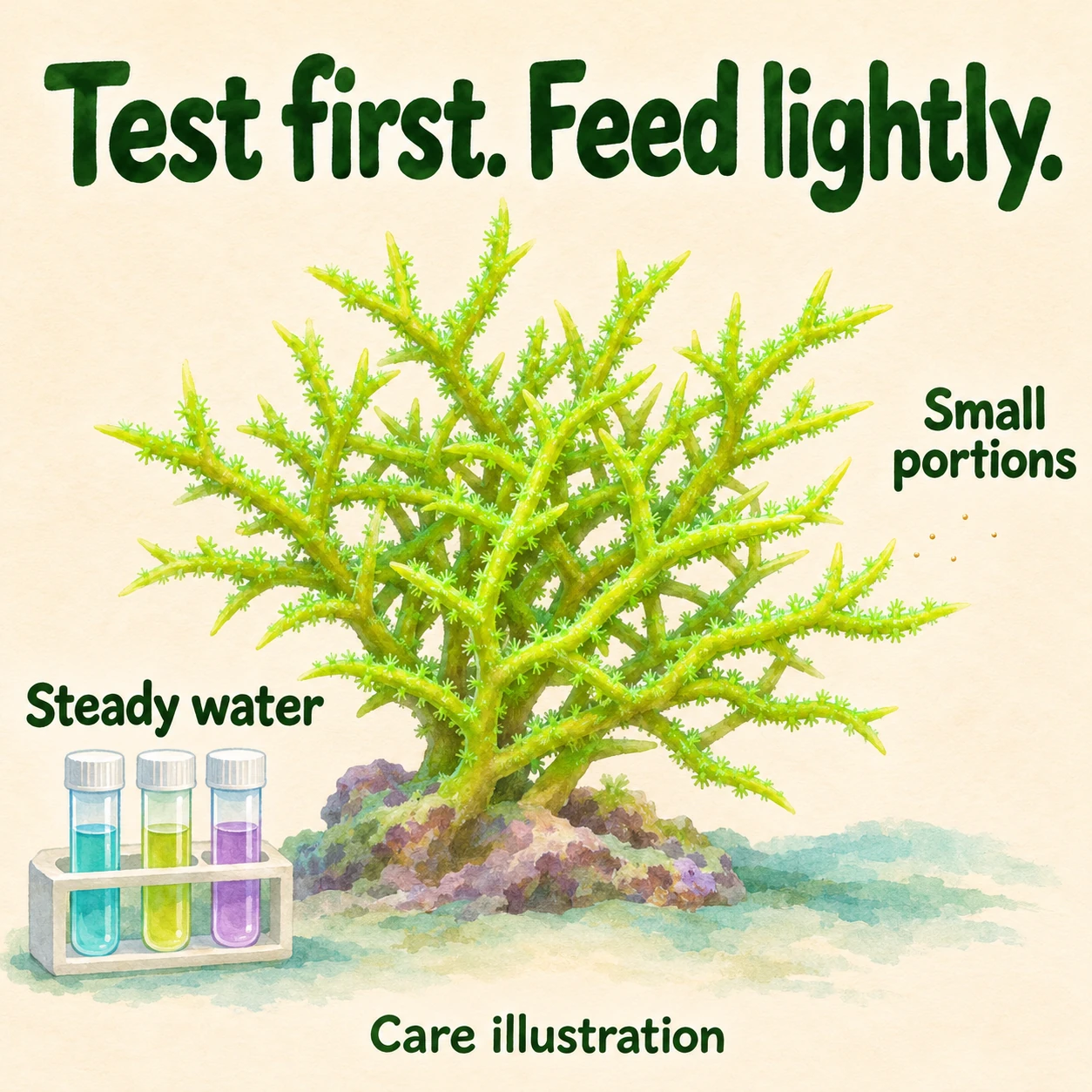
Light provides much of the coral's energy. Small suspended foods can add to its diet. If you offer fine coral food, start with a little and watch water quality. There is no universal twice-a-week feeding rule for every tank. Do not bury the branches in powder or add more because you cannot see a dramatic feeding response.
Monitor nitrate and phosphate. Trying to force both to zero can leave a reef short of nutrients. Heavy feeding can create problems too. A steady, balanced routine beats swinging between extremes.
Plan for a bigger thicket
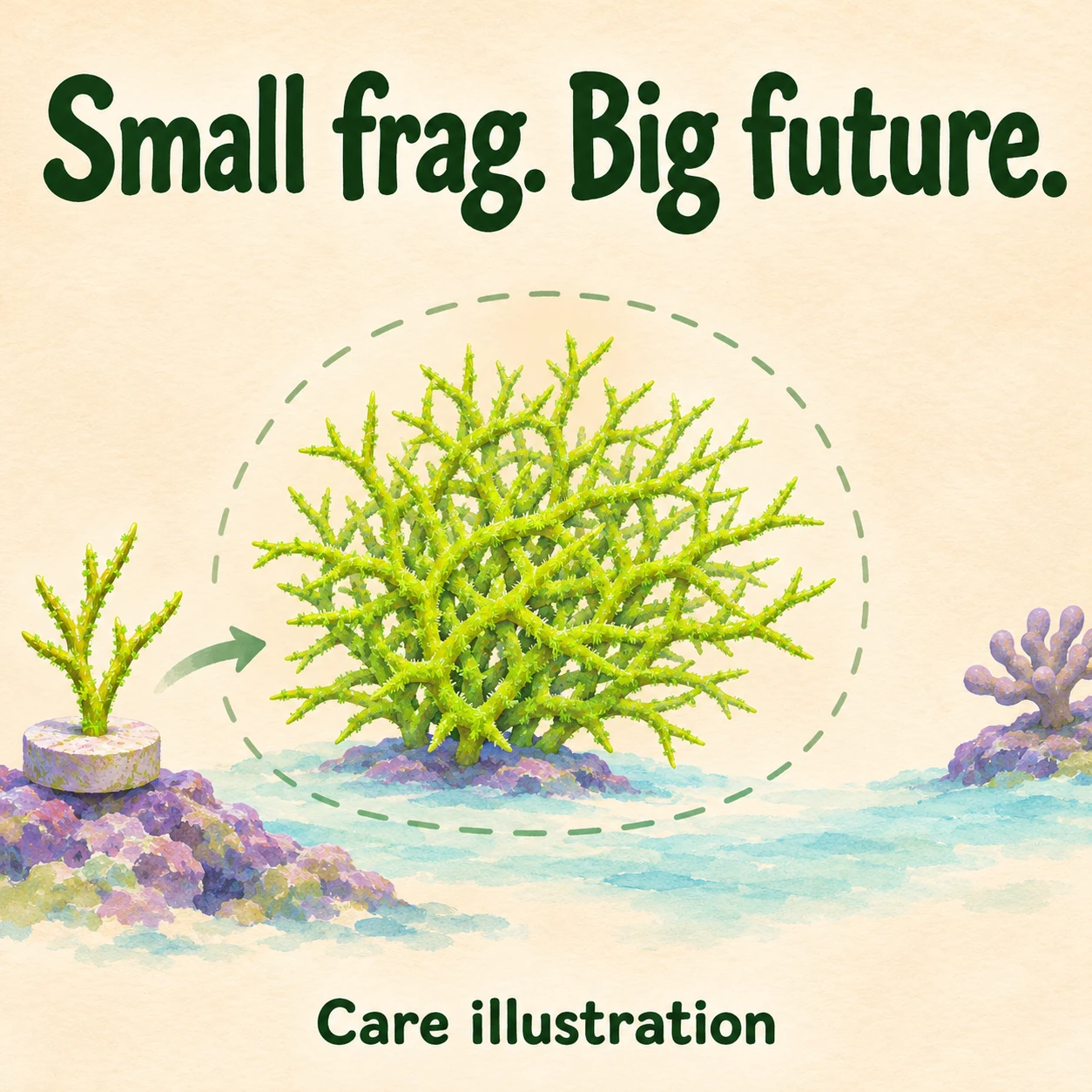
A frag is a small piece of coral, not its final size. Leave open space around it for branches, water and cleaning tools. Think about nearby corals growing toward it too.
Peaceful on the care card does not mean safe for corals to touch. Neighboring corals can sting it, and crowded colonies compete for space. Check after dark for long feeding or stinging tentacles from neighbors. There is no single gap that stays safe for every pairing forever.
Handle the plug or base rather than gripping delicate branches. An experienced keeper can trim a healthy established colony and mount the cut pieces as new frags. Cutting needs suitable tools and eye protection. Do not cut a newly arrived coral just because its care card says fast growth.
Fast is a broad description, not a deadline. A new frag may settle in before it begins building quickly.
Read the small warning signs
Take a photo soon after the coral settles. Compare later photos under similar lighting. Look for changes in tissue, polyp extension and the base of the colony.
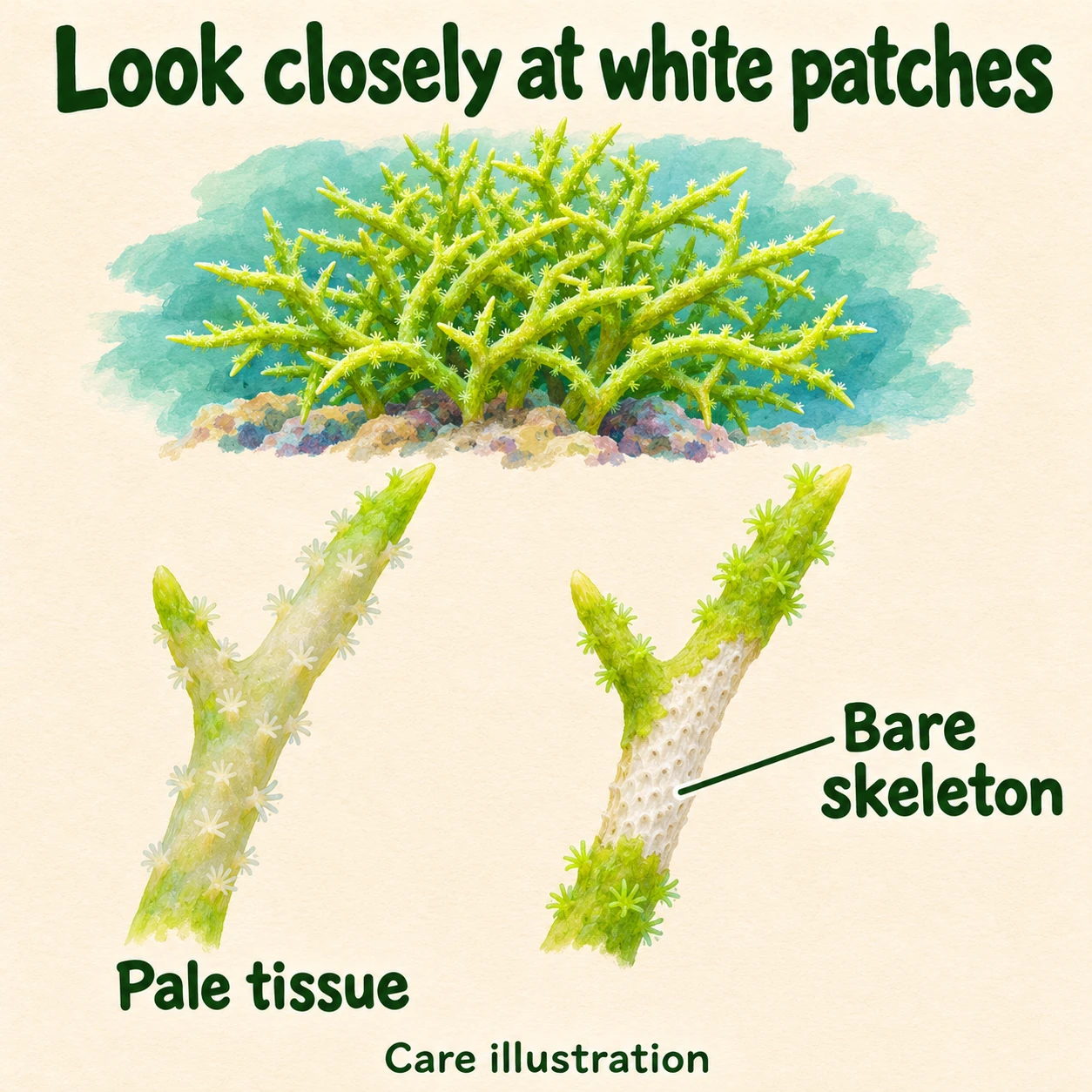
Paling and tissue loss are different clues. A bleached coral can still have living tissue. Bare white skeleton means tissue is missing. Normal lighter growth tips can also look pale, so color alone cannot diagnose the problem.
If a bare patch is spreading, check promptly. Confirm temperature, salinity, alkalinity and recent changes. Check pumps, lighting, debris and nearby stinging corals. Ask an experienced reef keeper for help if tissue keeps disappearing. Do not assume one symptom proves an infection, or reach for several treatments at once.
Aquacultured birdsnest can still decline quickly. Keep checking it even after a long stretch of healthy growth. Steady care and early observation are useful habits for every reef keeper.
Field notes: what keepers report
Reef keepers do not all get the same result. In Reef2Reef's 2017 discussion, "ORA birds nest issues," Husker reported better results under lower light and paling under stronger light or high alkalinity with low nutrients. In the 2015 discussion, "birds nest placement," Lazys Coral House reported its ORA Green doing well at about 500 PAR, a measure of light intensity. That is not a recommended starting level.
These are individual experiences, not a contest to find the highest light setting. They support a practical lesson: learn the frag's previous conditions and make changes gently. One successful tank does not set the rules for yours.
For a growth story, Acronuts shared dated ORA Green photos in the 2010 thread, "1 yr growth shots of ORA's green birds nest." That record shows what happened in one aquarium. It does not promise the same pace at home.
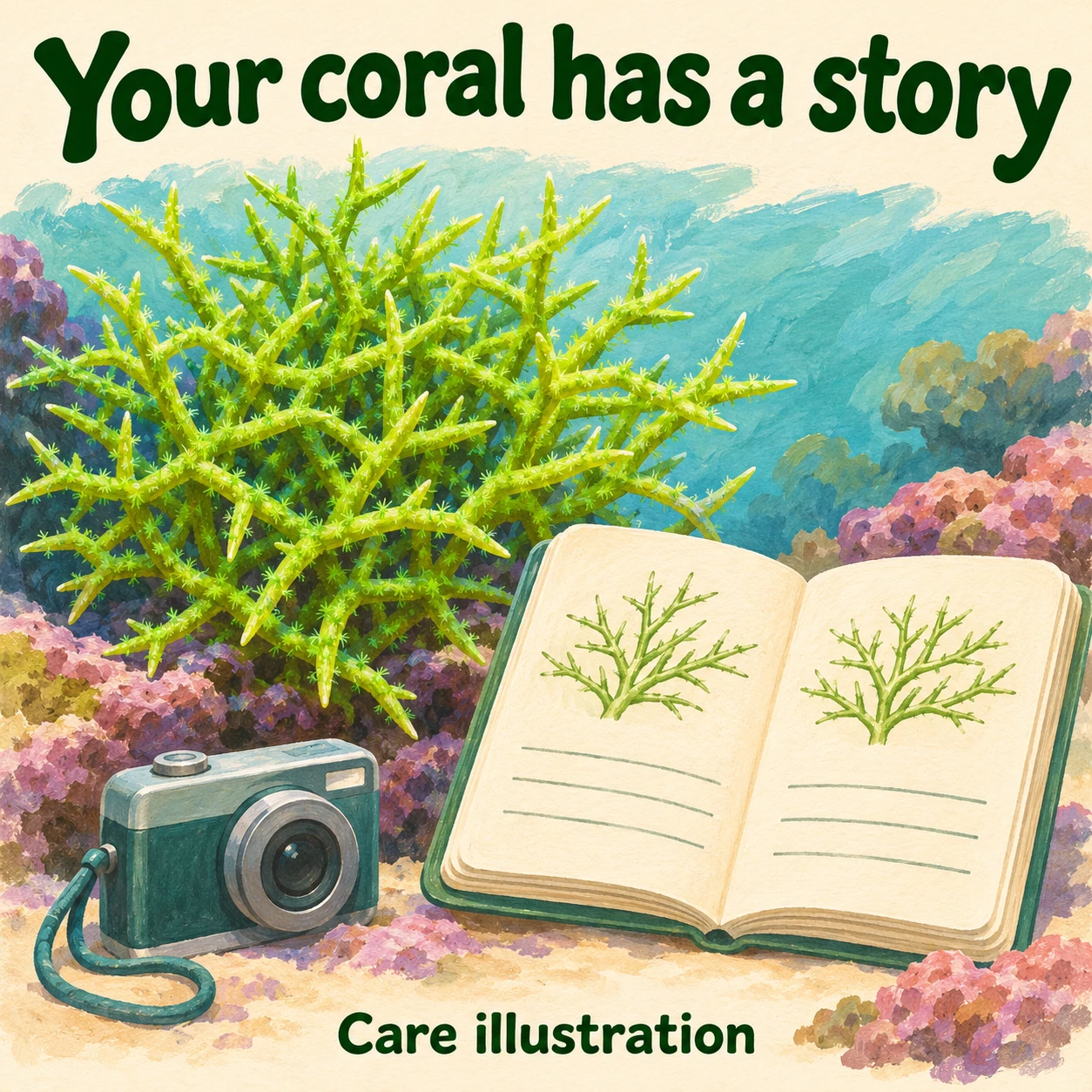
Start your own little reef notebook. Record tests, feeding, light changes and photographs. Over time, your coral's story becomes easier to read.
Care research: ORA's Green Birdsnest and Seriatopora profiles; OATA's small-polyp stony coral care sheet; Mike Rice's Birdsnest care article; Bulk Reef Supply's ORA Green profile; NOAA's coral biology and bleaching guidance; and the attributed Reef2Reef reports above. Exact source links and claim notes accompany this guide's publication files.
Field Notes
Related species
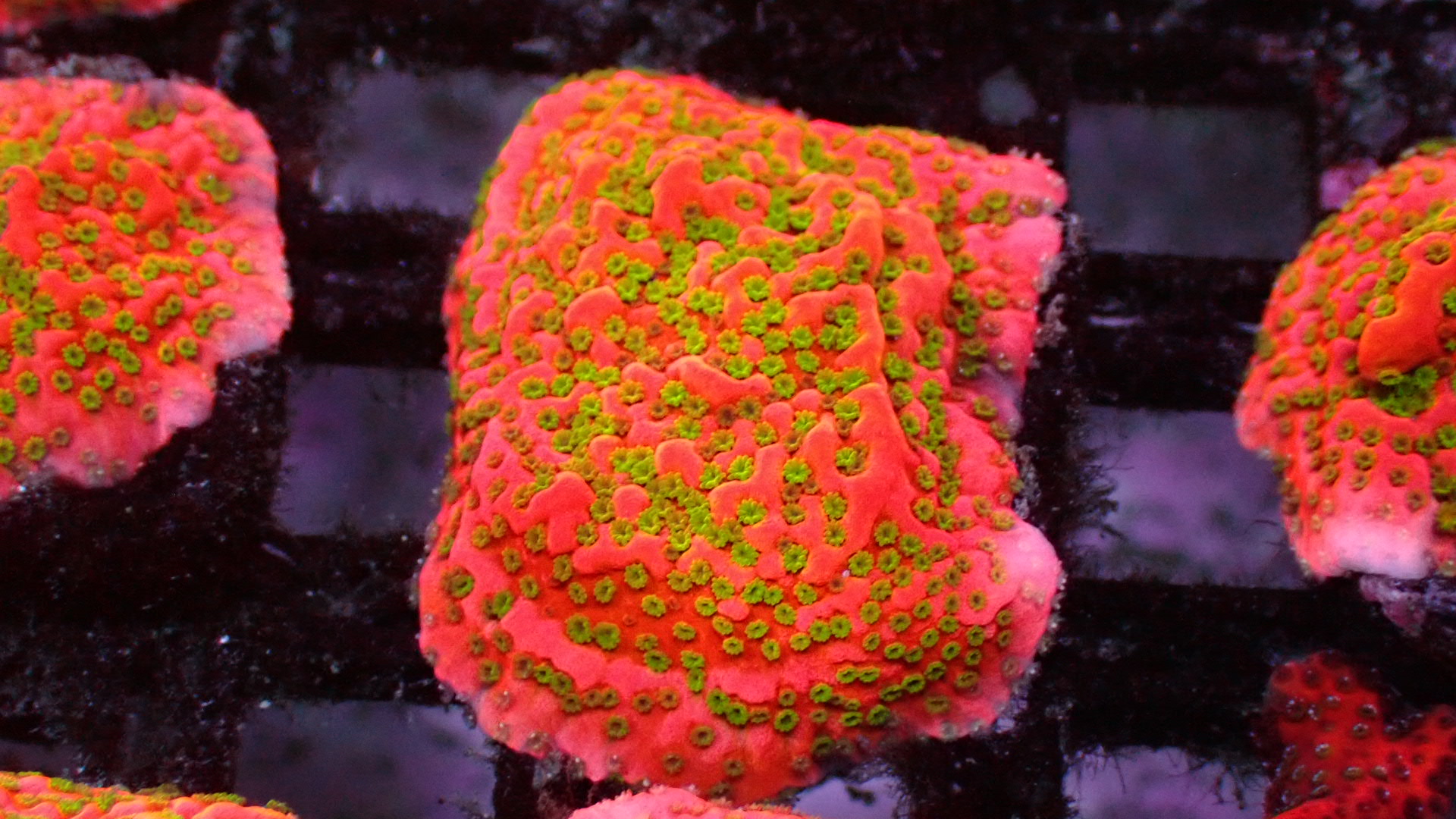
Tropic thunder monti
Montipora efflorescens
Similar care · SPS

Green poccillopora
Pocillopora sp
Similar care · SPS

Pavona Cactus coral
Pavona cactus
Similar care · SPS

Poccilopora
Pocillopora sp
Similar care · SPS
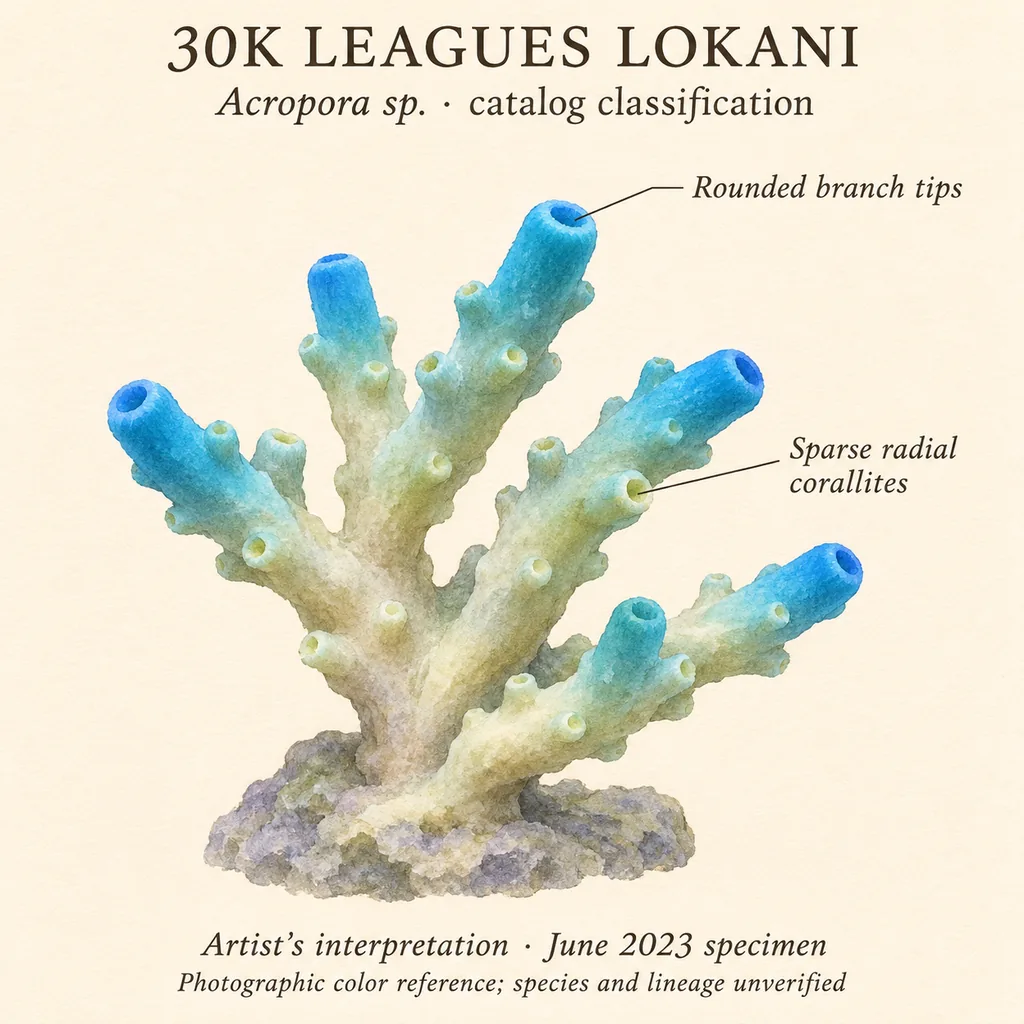
30K Leagues Lokani
Acropora sp.
Similar care · SPS
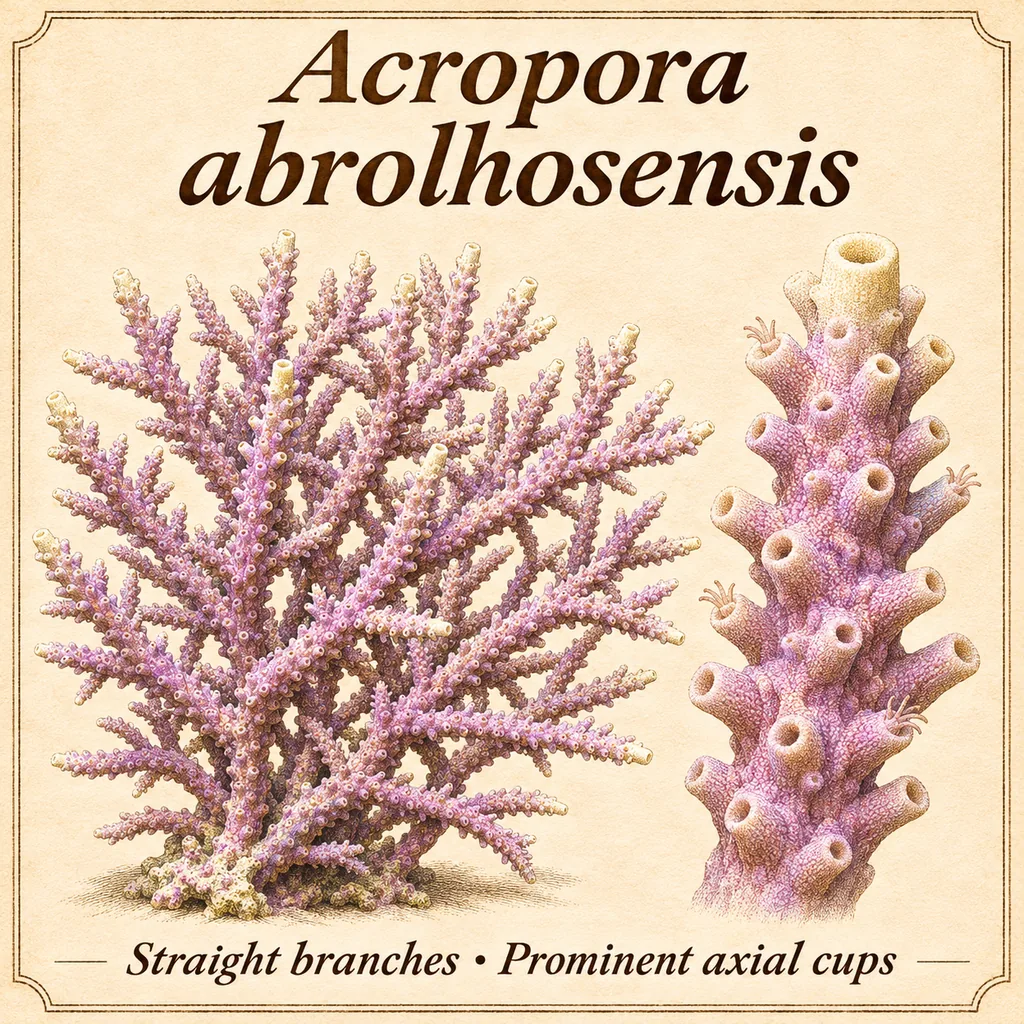
Acropora abrolhosensis
Acropora abrolhosensis
Similar care · SPS
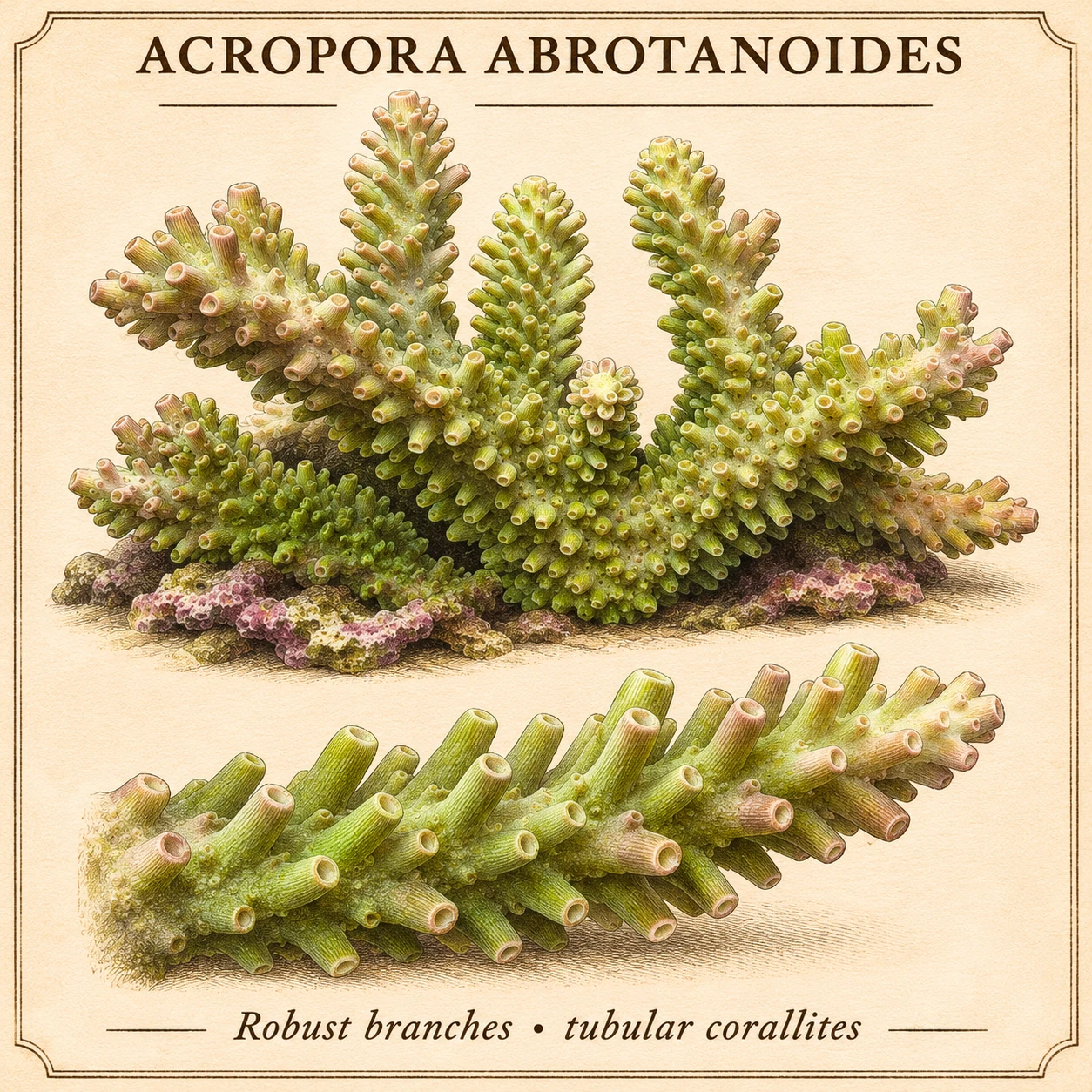
Acropora abrotanoides
Acropora abrotanoides
Similar care · SPS
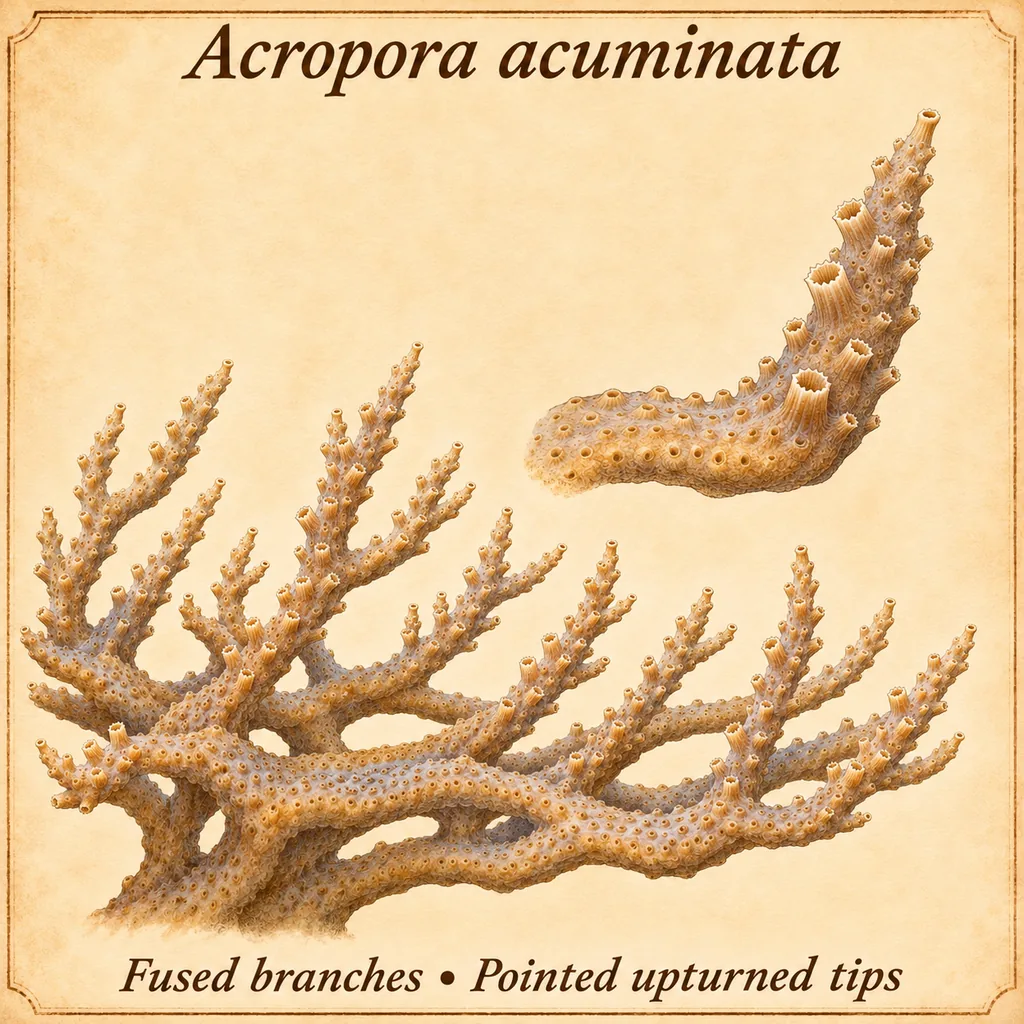
Acropora acuminata
Acropora acuminata
Similar care · SPS