

Pavona Cactus coral
Pavona cactus
Pavona cactus coral is a plating Pavona, listed as Pavona cactus, and kept in the hobby as cactus coral or lettuce coral for the shape a settled colony takes. An encrusting base spreads over rock, and thin, upright plates and folds rise from that base, with small polyps set along both faces of each plate. The folds twist and ruffle as they grow, so a mature colony reads as a cluster of pale green to olive chips standing on edge, quite unlike the mounding shape of most LPS and the branching shape of most SPS.
The entry lists beginner care, medium light, medium flow, middle placement, peaceful behavior, and moderate growth. Pavona cactus has a wide comfort range, and the middle of the rockwork suits the listed values well. Set the frag on a secure mount where the base can encrust outward and the plates have open space above them. Medium light holds the color and keeps the plates growing upright. Strong light can bleach the thin plate edges, and deep shade can stretch the colony flat and dull, so small moves guided by edge color work better than a single large change.
Medium flow should pass across both faces of the plates and through the folds. The upright form catches waste between the plates when flow runs weak, and detritus sitting against the tissue invites recession that starts at the covered patch. Varied flow that lifts debris out of the folds keeps the whole colony clean. A hard jet aimed at the plates can snap a thin edge or keep one face retracted, so broad movement around the colony is the better pattern.
Feeding is light and indirect. The small polyps take fine particulate food and nutrients from regular broadcast feeding, and light supplies most of the energy. Stable alkalinity, calcium, and magnesium support the thin skeleton. Pavona tolerates a wider nutrient range than many SPS, and keepers value the species for steady growth in tanks that run less than pristine, though wild swings still slow it down.
This coral is listed as peaceful. Spacing still deserves planning on two counts. The plates grow upward and outward and will shade whatever sits below them, and Pavona tissue wins most direct-contact meetings with a neighbor it grows against. Leave open rock around the base for the crust to claim, leave headroom above for the plates, and keep a clear gap from slower corals the plates could overhang. Check the shaded zone below the colony as it widens.
Growth is moderate. The base encrusts first, new folds rise along the growth front, and the cluster of plates widens over months. The thin plates are brittle. A plate snapped during cleaning or by a falling frag usually keeps growing from the broken edge, and the loose chip can encrust where it lands. A colony with clean, pale growth edges and polyps out along both faces is settled. Recession starting under a layer of detritus, or edges that crumble, call for a check of flow through the folds and recent chemistry changes.
Common pitfalls include burying the encrusting base under rubble, letting waste collect inside the folds, and handling the colony by its plates, which snap under a grip the base would shrug off. Handle it by the base or mount, keep the folds clear, and give the plates room to rise.
Field notes — what keepers report
- Hardiness reports lean strongly positive. Keepers describe Pavona cactus holding color and growth through heater swings, missed water changes, and nutrient levels that stressed fussier SPS in the same tank. A smaller set of reports describes colonies sulking closed for days after a move or a large chemistry change, then reopening once conditions settled.
- Growth-form reports vary with placement. Keepers in stronger flow describe tighter, thicker folds, while keepers in calmer spots describe wider, thinner plates that ruffle more. Keepers treat both forms as healthy when the growth edges stay clean and pale.
- Breakage reports are reassuring. Keepers describe snapped plates and knocked-off chips encrusting where they fell and growing into new colonies, and many describe the colony itself sealing a broken edge and continuing without recession. Deliberate fragging by breaking a plate edge is the propagation method most often described.
Field Notes
Related species

Duncan coral
Duncanopsammia axifuga
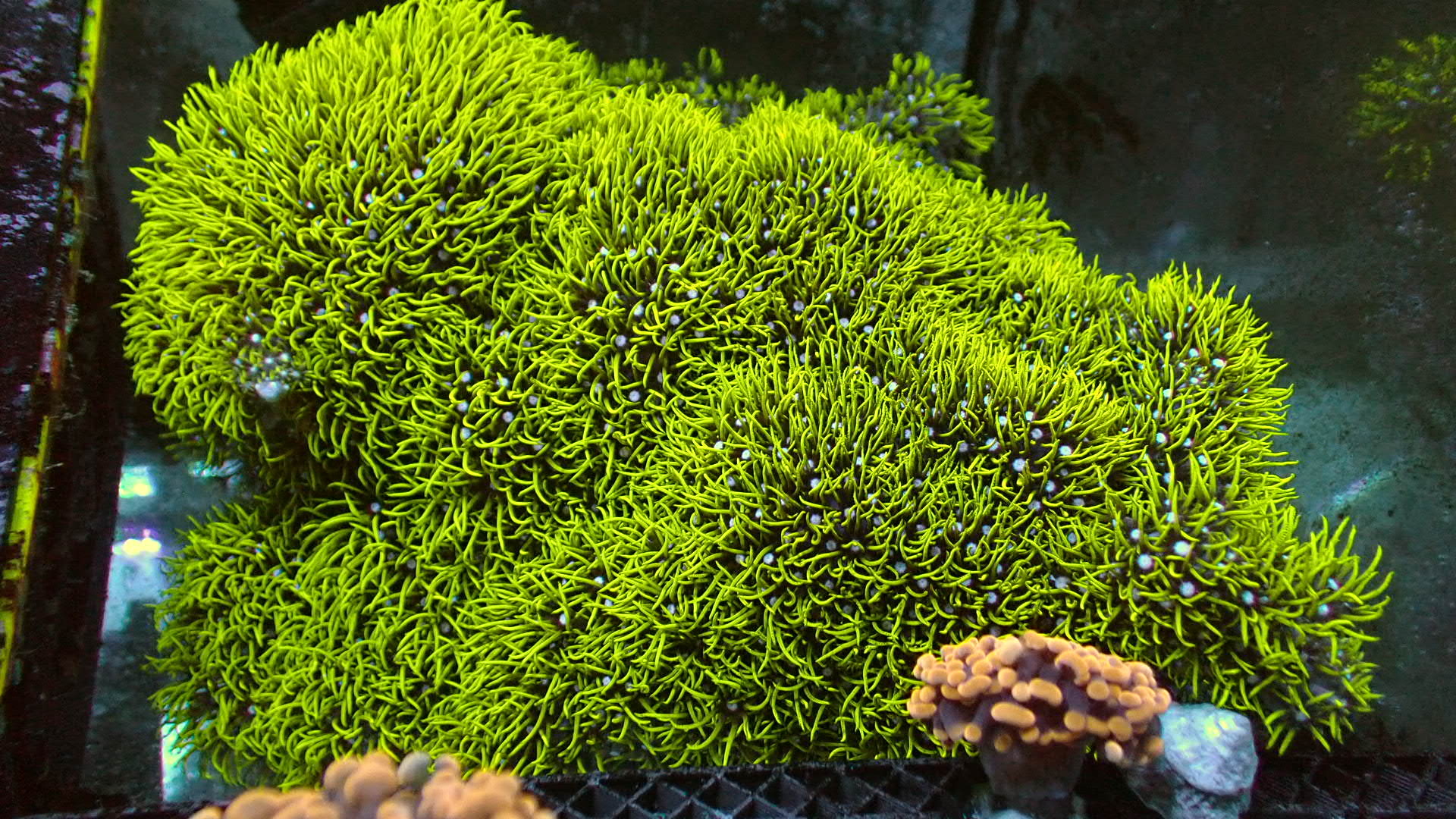
Green star polyps
Pachyclavularia violacea

ORA green birdnest
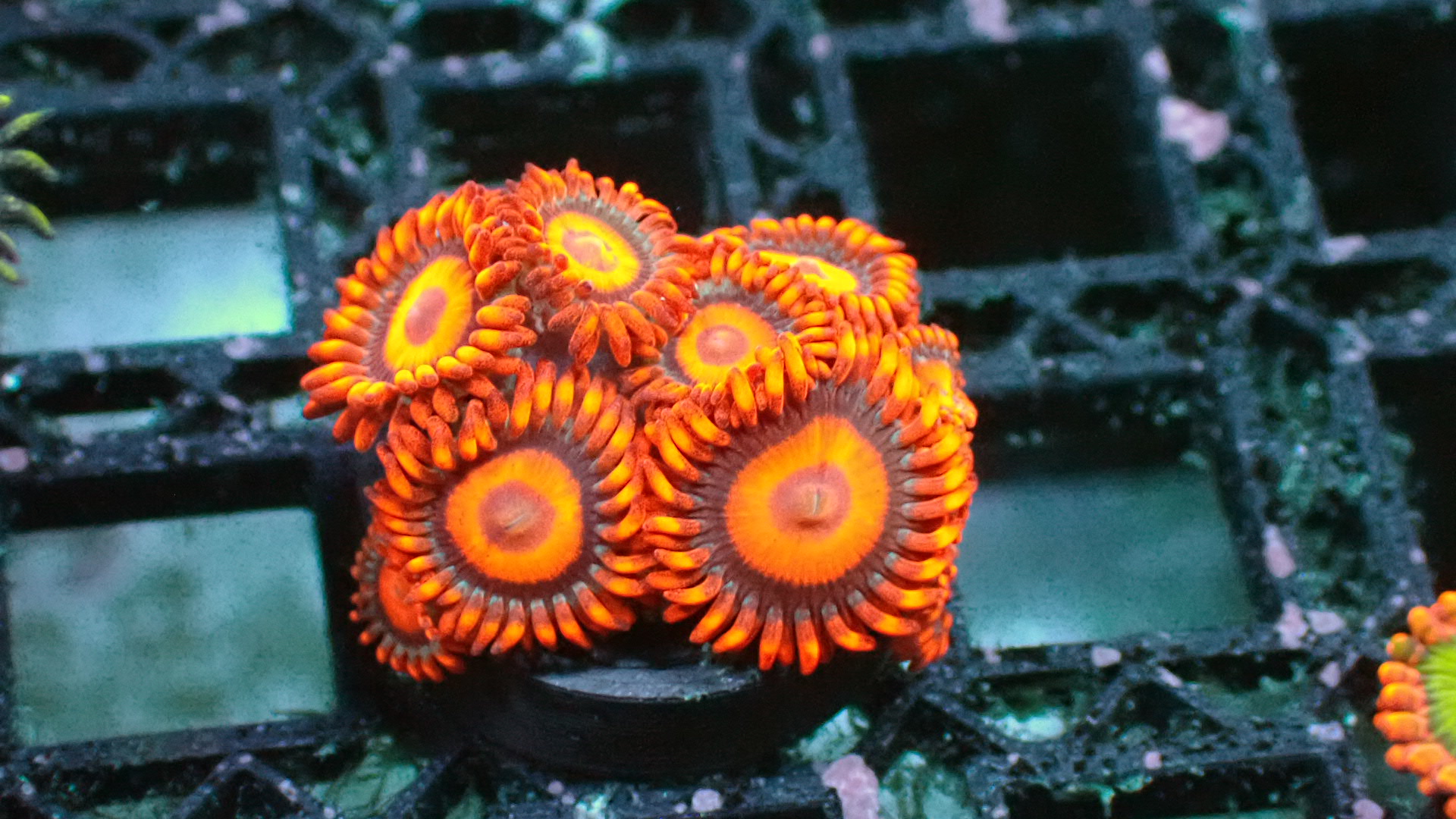
Orange oxide zoanthids
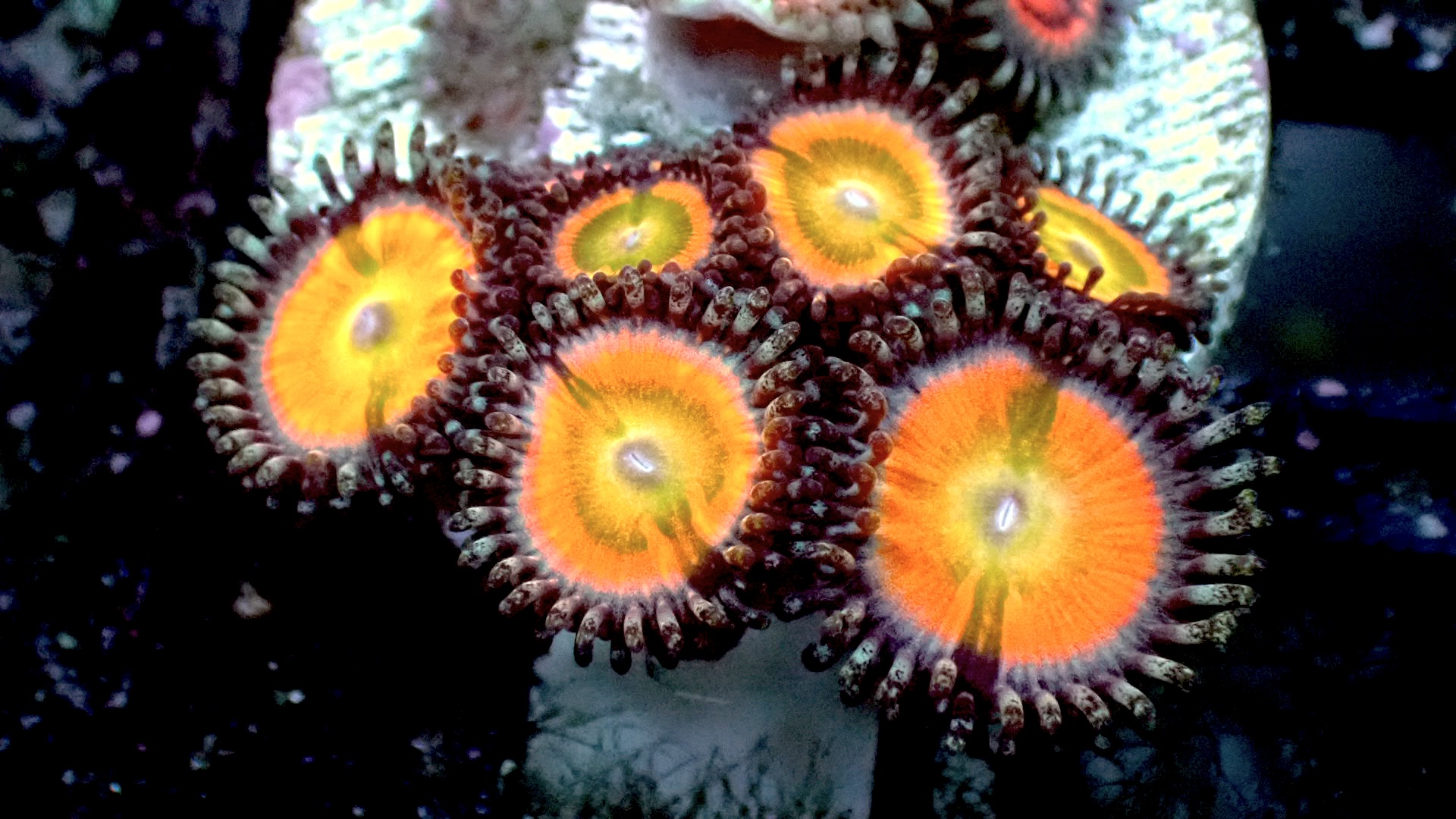
Rainbow infusion zoanthids
Zoanthus sp

Rasta zoanthids

Sunny d zoanthids
Zoanthus sp
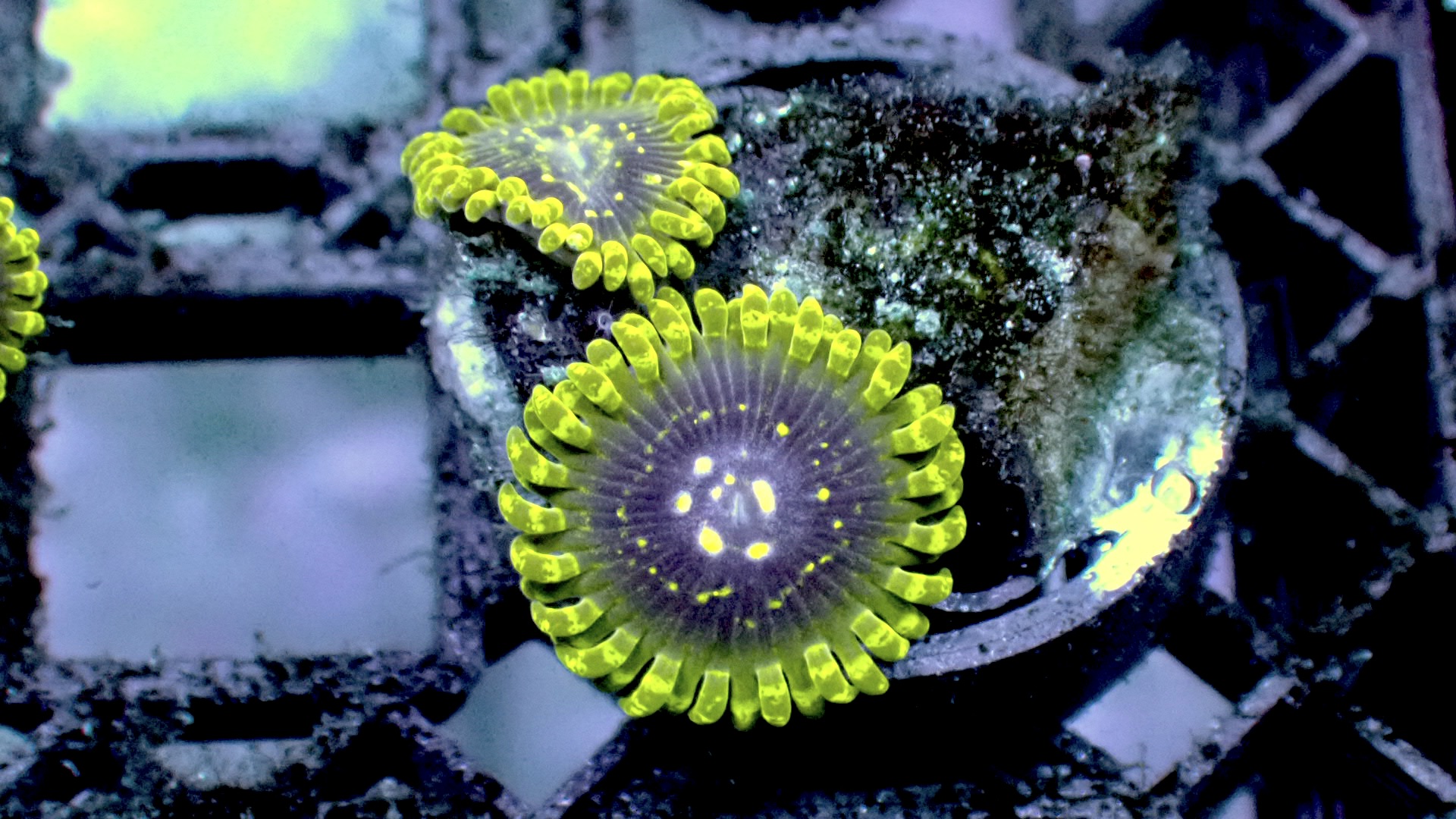
Exosphere zoanthids
Zoanthus sp
In the shop now

Love this species? No tank needed.
Reef art from the shop — for the wall, not the tank.


Get notified when Reef To Go has Pavona Cactus coral in stock or up for auction. One email when it's in — no spam.