Pandora zoas
Zoanthus sp
Palytoxin safety
Some zoanthids and palythoas can contain a potent toxin. Wear sturdy waterproof gloves and eye protection, minimize handling, and keep colonies submerged when possible. Never boil, steam, pressure-wash or scrub colonized rock under running water. Keep other people and pets away during handling. If exposure is suspected, seek urgent medical advice and tell the clinician about possible palytoxin exposure.
Sources: CDC: palytoxin exposure · OATA: avoiding palytoxin poisoning
Gallery
Pandora zoas
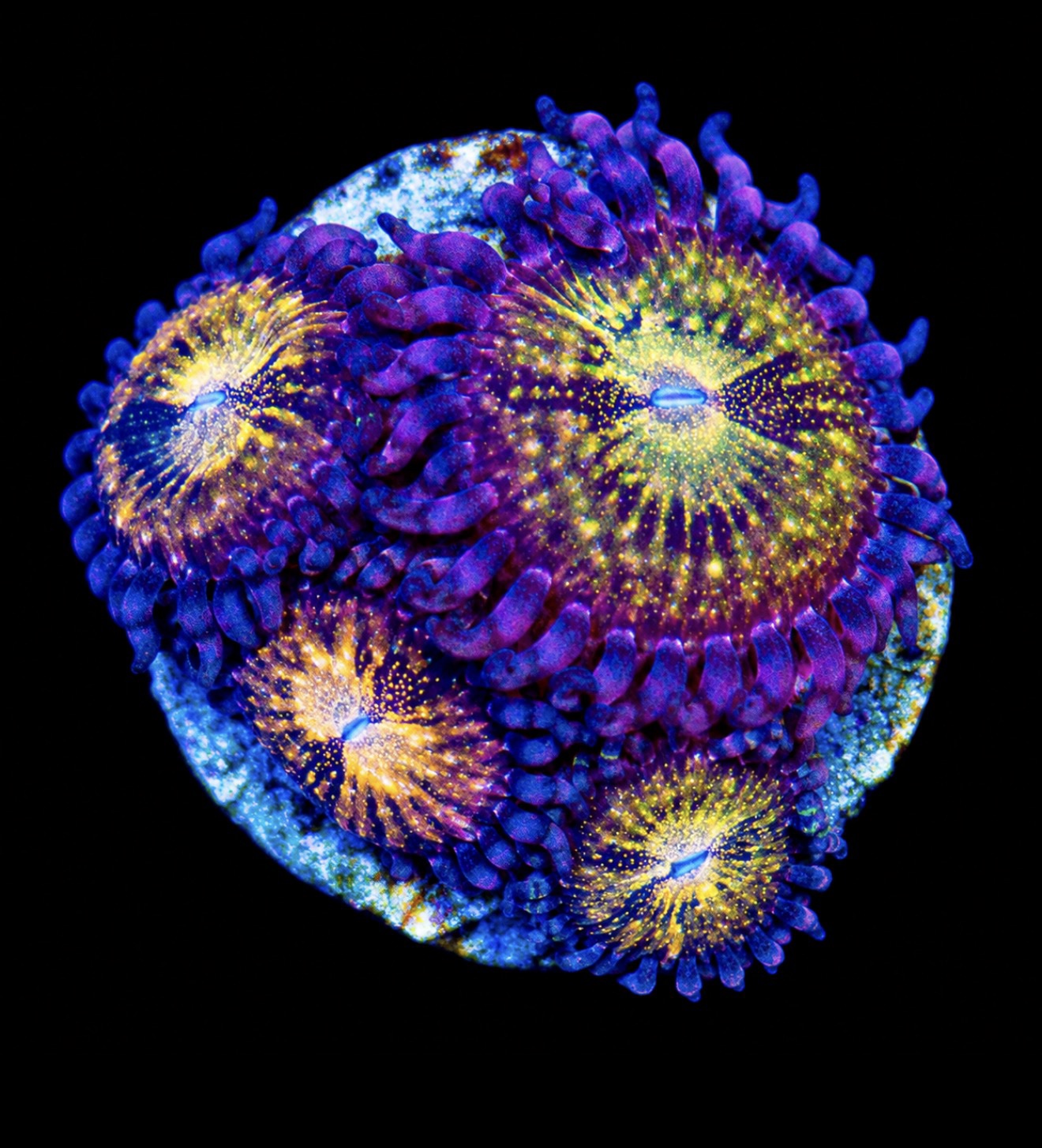
Pandora can turn a small patch of rock into a busy zoa garden. Start gently, watch the growing edge and make safe handling part of the plan. This guide covers a trade-name zoanthid, with the database identification kept exactly as Zoanthus sp.
Meet Pandora
A few open polyps can make a new frag look like a miniature flower bed. Watch for the little mouths, the fringe of tentacles and the next polyp appearing at the edge. Those observations tell you more about daily care than a glamorous photograph does.
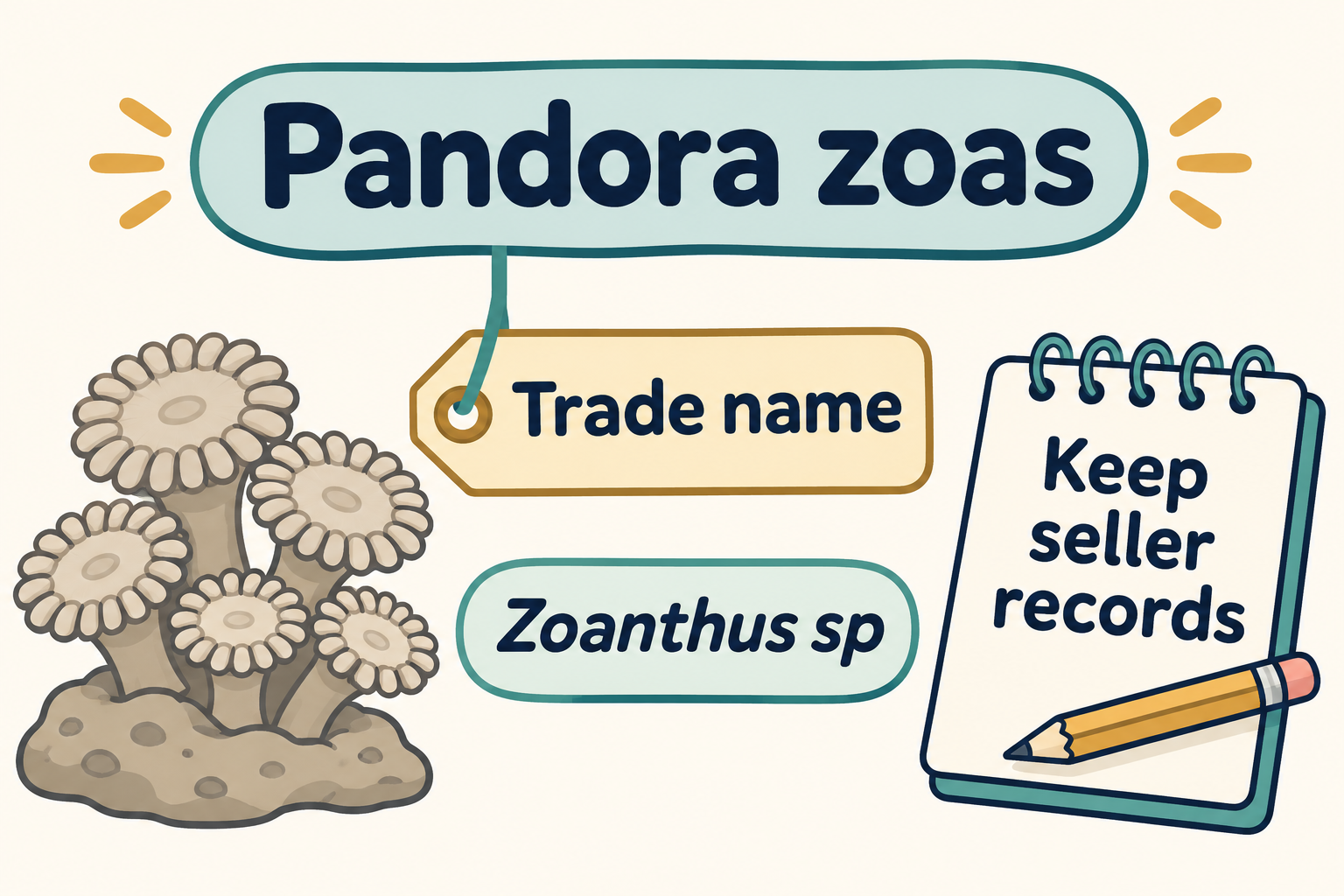
Pandora is a name used in the aquarium trade. Keep the seller's label and any parent-colony records with your own notes. Different sellers attach names such as SA or ECC to their offerings. Those labels do not establish the ancestry of this particular colony, and a similar-looking photograph cannot fill that gap. The scientific name stays Zoanthus sp, without a species claim.
Beginner is a useful care rating for a stable, maintained reef. A newly moved frag still needs time to settle, and hardy husbandry never makes zoanthids safe to handle casually. Read Handle with care before touching the animal or its rock.
For the first few days, observe from the glass. Note where the colony opens, where debris collects and whether anything nearby is touching it.
Sources: S05, S06, S09.
Settle into light and flow
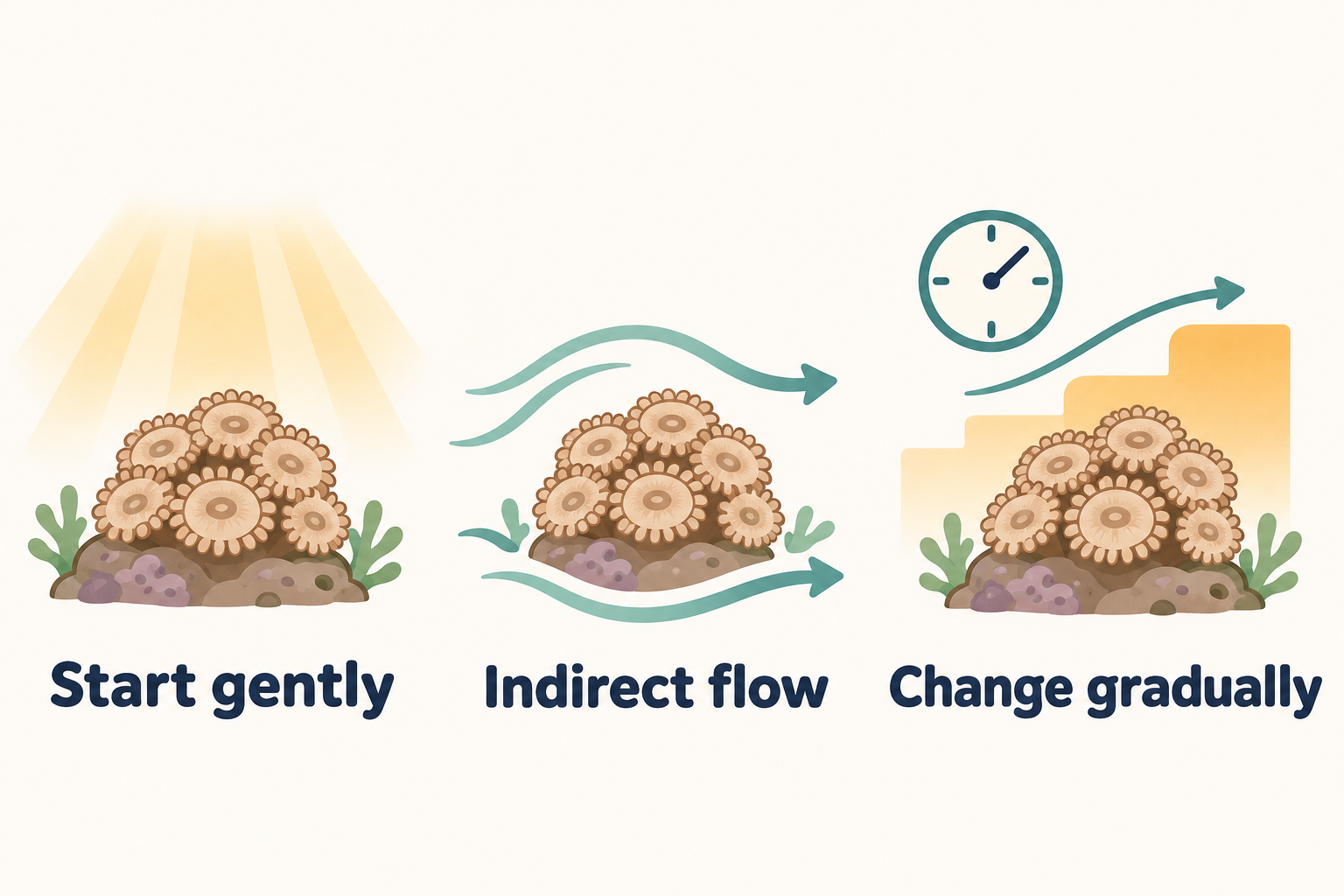
Give a new frag a gentle welcome rather than the brightest seat in the tank. Ask about the conditions it came from, begin conservatively and increase light gradually if its response calls for it.
Low-Med lighting and Med flow remain sensible starting categories. Supplier advice varies: some publish a narrower low-to-moderate light range, while others allow a much broader range. These are husbandry guides, not a measured optimum for every coral sold as Pandora. A light meter can help compare locations, but no single number guarantees a happy colony.
Mid placement is a starting position, not a light reading. Lamp height, rockwork, shading and water clarity all change what reaches the polyp. Move thoughtfully instead of shifting the frag around every day.
Aim for indirect circulation that carries loose debris away without a narrow pump jet pinning the polyps shut. Secure the frag so it cannot tumble. If sediment gathers, adjust the water's route. If closure begins after a change, check the water and nearby corals as well as the light.
Change one thing at a time, then watch. That makes the colony's response easier to understand.
Sources: S05, S06, S07, S08, S09.
Keep water and feeding steady
Much of a zoanthid's energy comes from its partnership with light-using organisms in its tissue. Suitable fine food can supplement that supply, but a bigger meal is not a shortcut to a bigger colony.
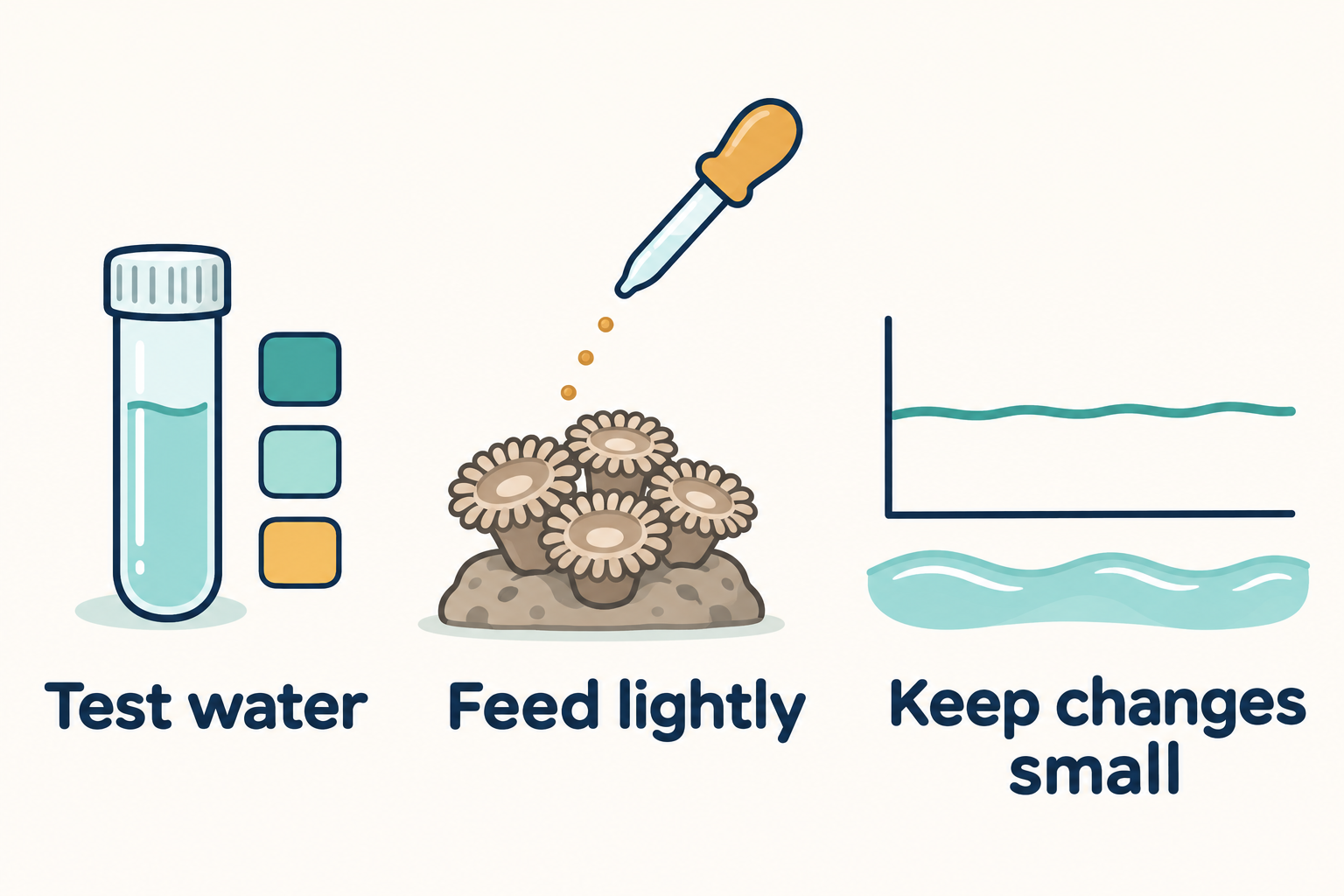
If you feed, offer a small amount and watch what happens. Avoid leaving a blanket of food on the polyps. Include coral food in the tank's total feeding budget, and check nutrient trends before increasing it. No verified Pandora-specific food, additive or feeding timetable is required by the sources reviewed here.
Keep temperature and salinity steady, use reliable tests and record changes. Routine reef testing should also track alkalinity and nutrients. The suppliers' numerical ranges are general aquarium guidance, not narrow survival limits for this trade name. Follow a stable reef-maintenance plan rather than trying to match every number from a different tank.
Nitrate and phosphate are nutrients as well as water-quality measurements. Deliberately stripping them to zero can create problems, while accumulating waste can encourage algae. Look for a workable balance and avoid abrupt corrections.
A useful weekly question is simple: what changed? A short record of feeding, maintenance and the colony's response makes the next decision easier.
Sources: S05, S06, S07, S09.
Plan for the growing edge
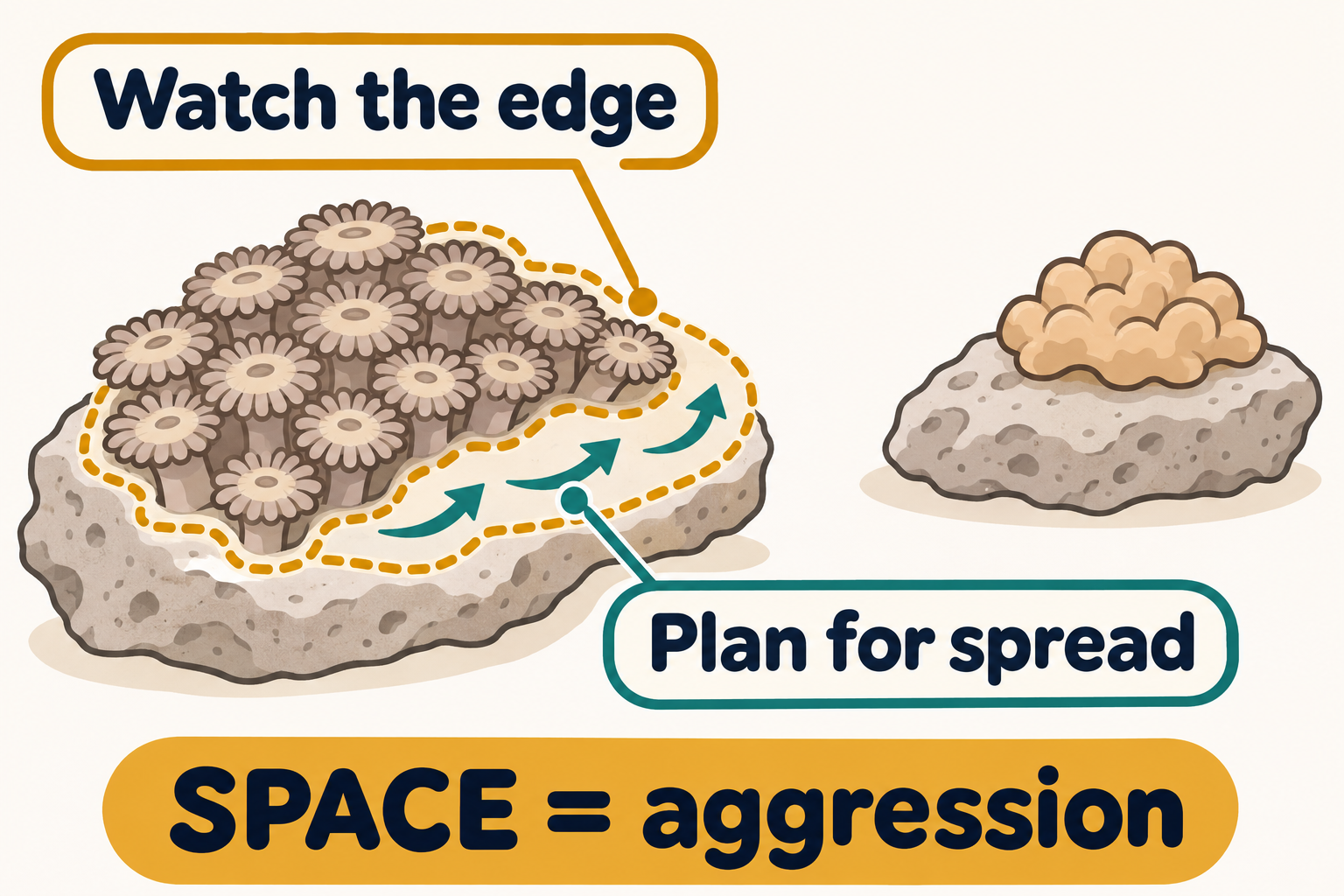
The first new polyp is a small victory. Later, the important part may be the boundary of the whole patch.
Fast growth is worth planning for. Several keepers explicitly named Pandora among their quick-growing colonies, and two described substantial expansion over roughly a year. Their reports support watching the edge, not promising a particular polyp count. One keeper reported that Pandora had still not spread beyond its plug after several months. Conditions, starting size and time to settle vary between tanks.
A separate, removable rock makes the boundary easier to see and manage. Leave room for both this colony and its neighbours to grow, and inspect the gaps regularly. Rock-to-rock contact can give a spreading colony a new route. A gap that works today may not remain open.
The care card's Moderate SPACE value is an aggression and competition rating. It is not a spacing measurement. Here, the practical concern is occupation of nearby surface and possible overgrowth of slower neighbours. The evidence does not justify claiming powerful stings or long sweeper tentacles for this colony.
A fixed one-to-two-inch gap should not be treated as a protective rule. Neighbouring corals have their own reach and growth patterns. Plan before the patch becomes crowded. Any cutting, removal or relocation requires informed handling and palytoxin precautions; this guide is not a fragging procedure.
Sources: S01, S02, S03, S05, S06, S09, S12, S14.
Look before treating
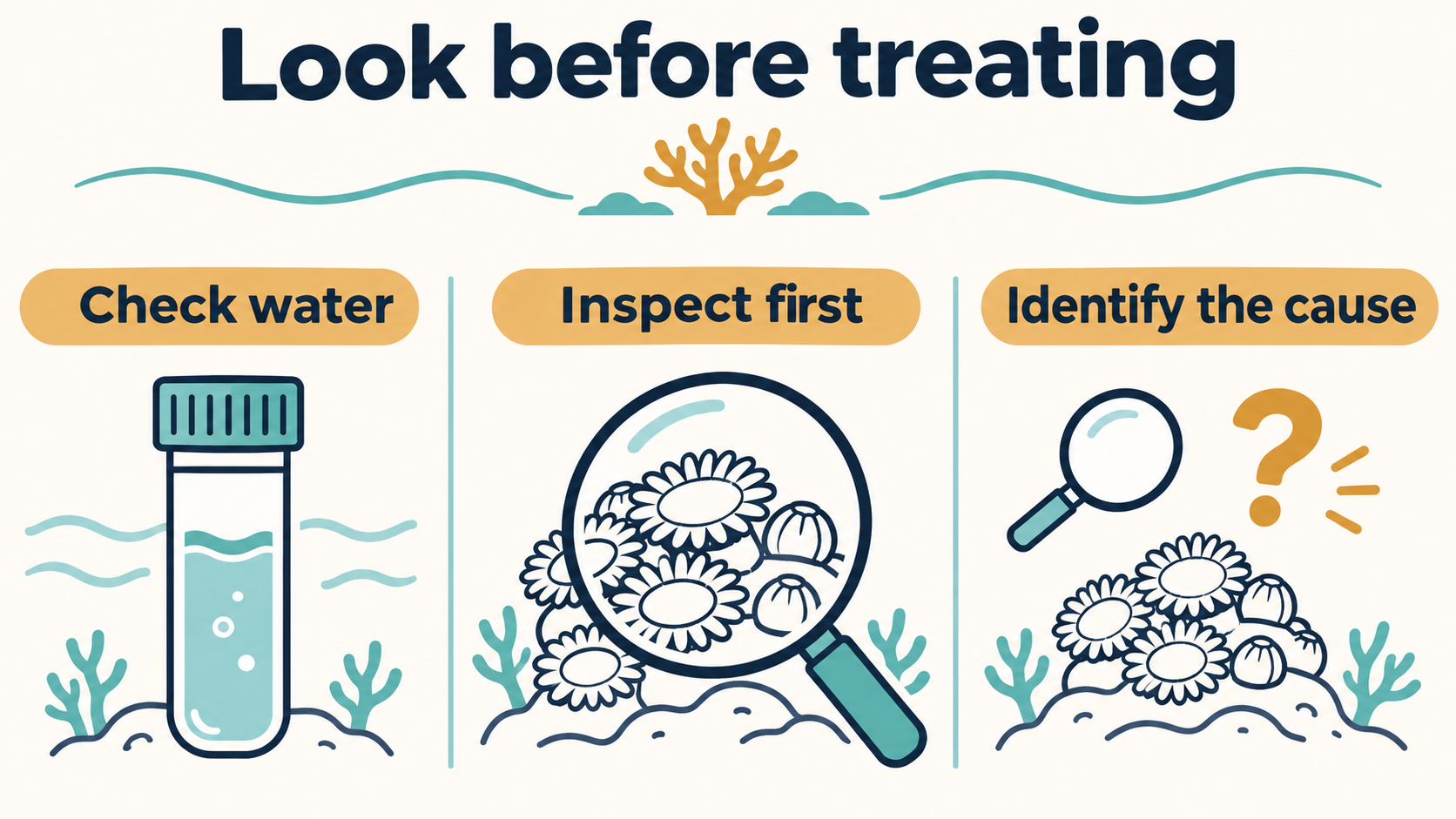
A closed polyp is a clue. Brief closure after disturbance is different from a colony that remains shut or begins losing tissue.
Start with recent changes. Check temperature, salinity and water-test trends. Look for accumulated debris, algae, a direct jet, new shade or contact from a neighbour. Inspect the plug and colony carefully without repeatedly touching them. Neutral light and a magnifier can make observation easier.
Zoanthid-eating nudibranchs, sundial snails and other pests are possible causes, but a speck or a closed polyp is not enough to identify one. Photograph what you see and seek experienced help if the cause is unclear, especially when tissue loss is progressing.
Inspect and quarantine new arrivals when possible. A coral dip does not prove that every pest or egg has been removed. Choose any treatment only after identifying the problem, and follow the current label of a suitable coral product. Avoid improvised household-chemical mixtures or copying an aggressive treatment from a forum post.
Repeated moves and repeated dips add disturbances of their own. Work through the checks, change one thing deliberately and keep a record. Follow the safety precautions whenever inspection requires handling.
Sources: S06, S09, S10, S12.
Field notes
These keepers explicitly used the Pandora name. Their firsthand accounts are useful observations from individual tanks, not controlled growth trials or verified links to this colony's lineage.
- dvgyfresh, Reef2Reef, October 22, 2021, post 5 in Fast growth: reported starting a Pandora colony with five polyps less than a year earlier and showed its later appearance. The post gives no final polyp count. It should not be confused with another keeper's seven-week account in the same thread.
- Treasure Coast, Reef2Reef, May 25, 2017, post 16 in How to get Zoas growing fast?: reported an SA Pandora growing from one polyp to more than 250 in a little over a year. The keeper also described supplement use and occasional powder added to fish food. That context prevents treating the post as proof of an additive's effect or a no-feeding experiment.
- hllb, Reef2Reef, April 21, 2021, post 1 in Which of your zoas grow fast?: included Pandora among the fast growers in their own tank and framed growth as tank dependent. No numerical growth measurement was supplied.
- Impala67, Reef2Reef, February 4, 2022, post 1 in Is there a problem or am I a impatient reefer: reported that Pandora had not spread off its plug after an August purchase. Several other corals were also growing poorly. The inspected discussion did not establish a cause, so the result cannot be blamed on one light setting or water value.
Taken together, the reports support planning for spread while allowing time for a slow start. They do not promise that a fresh frag will reach the same size or follow the same timetable.
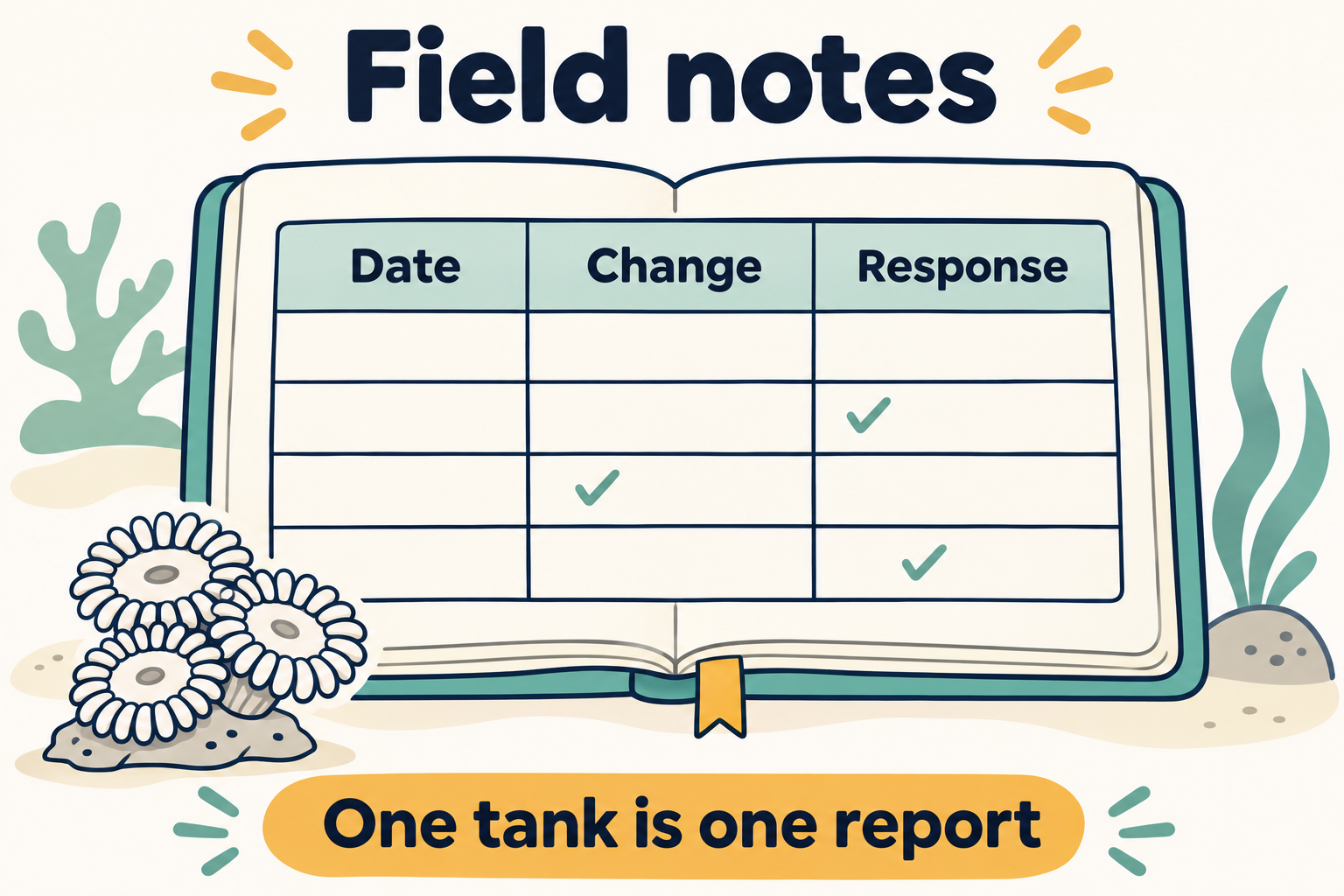
Start your own field notes with Date, Change and Response. Record the ordinary weeks too. Consistent observations make a much better guide to your aquarium than an isolated success story.
Sources: S01, S02, S03, S14.
Handle with care
Enjoy this little garden through the glass, especially with children. Some zoanthids and palythoas can contain palytoxin, a powerful poison. No toxin-test result for this colony is available here. Its trade name or appearance cannot certify that it is safe.
Before any handling, follow these precautions:
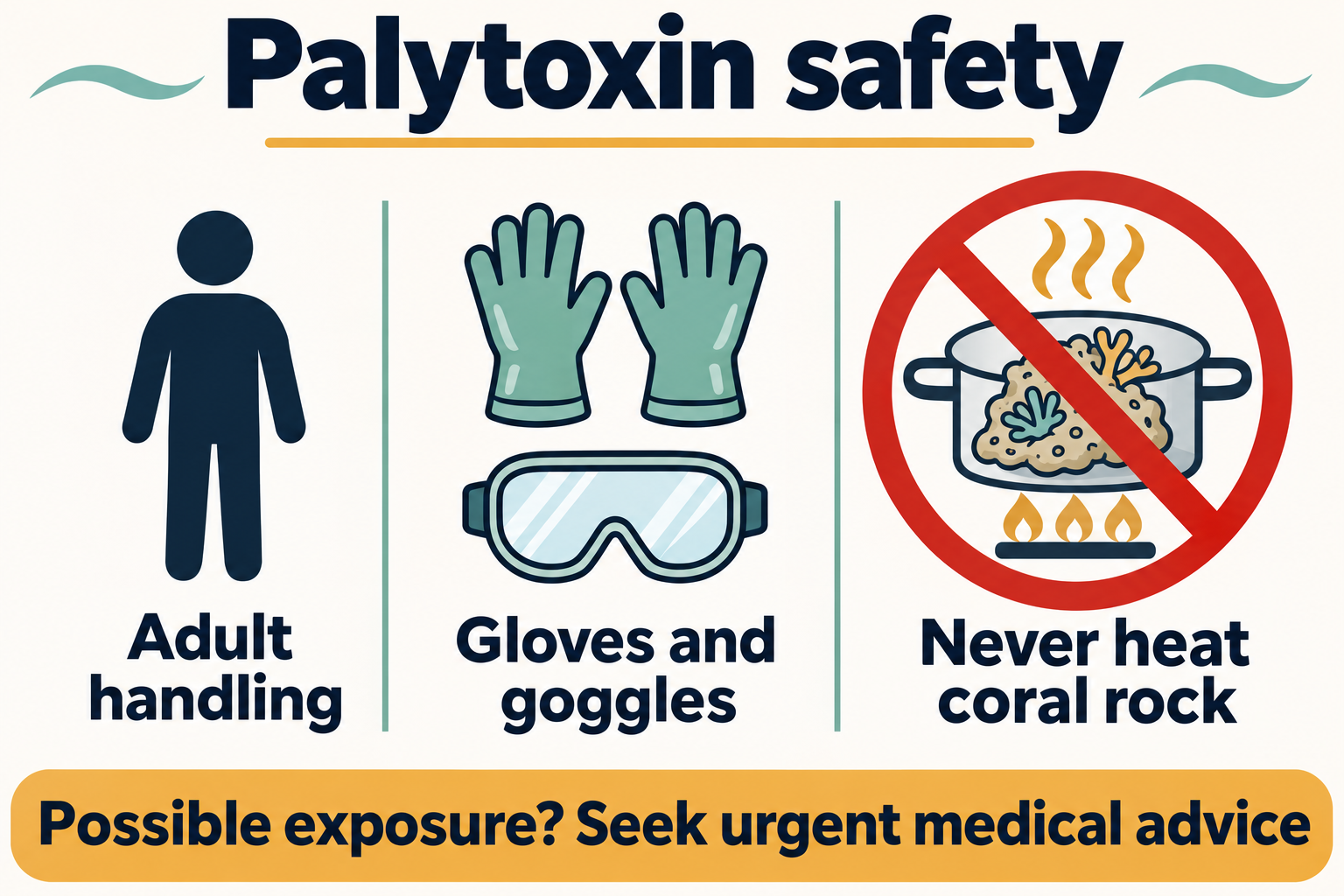
Some zoanthids and palythoas can contain a potent toxin. Wear sturdy waterproof gloves and eye protection, minimize handling, and keep colonies submerged when possible. Never boil, steam, pressure-wash or scrub colonized rock under running water. Keep other people and pets away during handling. If exposure is suspected, seek urgent medical advice and tell the clinician about possible palytoxin exposure.
Leave handling to an informed adult. Cover cuts, keep hands away from your face and wash them afterward. Never microwave coral-covered rock, pour hot water over it or mouth-siphon aquarium water. Heating or spraying can spread hazardous material; gloves and goggles do not make these actions safe.
Before fragging or removal, read OATA's full guidance, including its advice on respiratory protection, and get experienced help if needed. An ordinary face covering is not a substitute for appropriate protection. Avoid dry scraping or scrubbing as well. This is not a cleanup or disposal procedure.
If airborne exposure is suspected, leave the area and keep others away. If exposure is suspected, stop work and seek urgent medical advice. Tell the clinician about aquarium coral and possible palytoxin. Breathing difficulty or other severe symptoms require emergency help immediately.
Sources: S11, S12, S13.
Source references checked November 11, 2026. Keeper reports are individual experiences under a trade name; vendor and general zoanthid guidance is not a morph-specific trial.
S01. dvgyfresh. Fast growth, post #5. 2021-10-22. https://www.reef2reef.com/threads/fast-growth.867494/post-9489789
S02. Treasure Coast. How to get Zoas growing fast?, post #16. 2017-05-25. https://www.reef2reef.com/threads/how-to-get-zoas-growing-fast.307226/post-3774954
S03. hllb. Which of your zoas grow fast?, post #1. 2021-04-21. https://www.reef2reef.com/threads/which-of-your-zoas-grow-fast.823776/post-8857356
S05. Top Shelf Aquatics. Pandora Zoanthids Coral Care Guide. No publication date shown. https://topshelfaquatics.com/pages/corals/pandora-zoanthids-coral
S06. Bulk Reef Supply. ECC Pandora Zoanthid. No publication date shown. https://www.bulkreefsupply.com/ecc-pandora-zoanthid-eye-catching-coral.html
S07. Top Shelf Aquatics. Pandora Zoanthids Coral – Almost WYSIWYG. No publication date shown. https://topshelfaquatics.com/products/wwc-pandoras-zoanthids-coral-almost-wysiwyg
S08. Tidal Gardens. Pandora Zoanthids. No publication date shown. https://tidalgardens.com/stock-pandora-zoanthids.html
S09. Tidal Gardens / Than Thein. Zoanthus Coral Care. No publication date shown. https://tidalgardens.com/articles/coral-care-articles/zoanthus-coral-care.html
S10. Tidal Gardens / Than Thein. Zoanthus Troubleshooting. No publication date shown. https://tidalgardens.com/articles/coral-care-articles/zoanthus-troubleshooting.html
S11. Ali K. Hamade; Sandrine E. Deglin; Joe B. McLaughlin; Jonathan R. Deeds; Sara M. Handy; Ann M. Knolhoff. Suspected Palytoxin Inhalation Exposures Associated with Zoanthid Corals in Aquarium Shops and Homes : Alaska, 2012–2014. 2015-08-14. https://www.cdc.gov/mmwr/preview/mmwrhtml/mm6431a4.htm
S12. Ornamental Aquatic Trade Association. How to avoid palytoxin poisoning if you keep corals. No publication date shown. https://ornamentalfish.org/what-we-do/advice-information/care-sheets/caresheets-marine-fish/how-to-avoid-palytoxin-poisoning-if-you-keep-corals/
S13. Shirra Freeman / National Collaborating Centre for Environmental Health. Palytoxin: A potent but poorly understood marine toxin found on aquarium coral. 2019-10-30. https://ncceh.ca/resources/evidence-briefs/palytoxin-potent-poorly-understood-marine-toxin-found-aquarium-coral
S14. Impala67. Is there a problem or am I a impatient reefer, post #1. 2022-02-04. https://www.reef2reef.com/threads/is-there-a-problem-or-am-i-a-impatient-reefer.890340/post-9861828
Field Notes
Related species
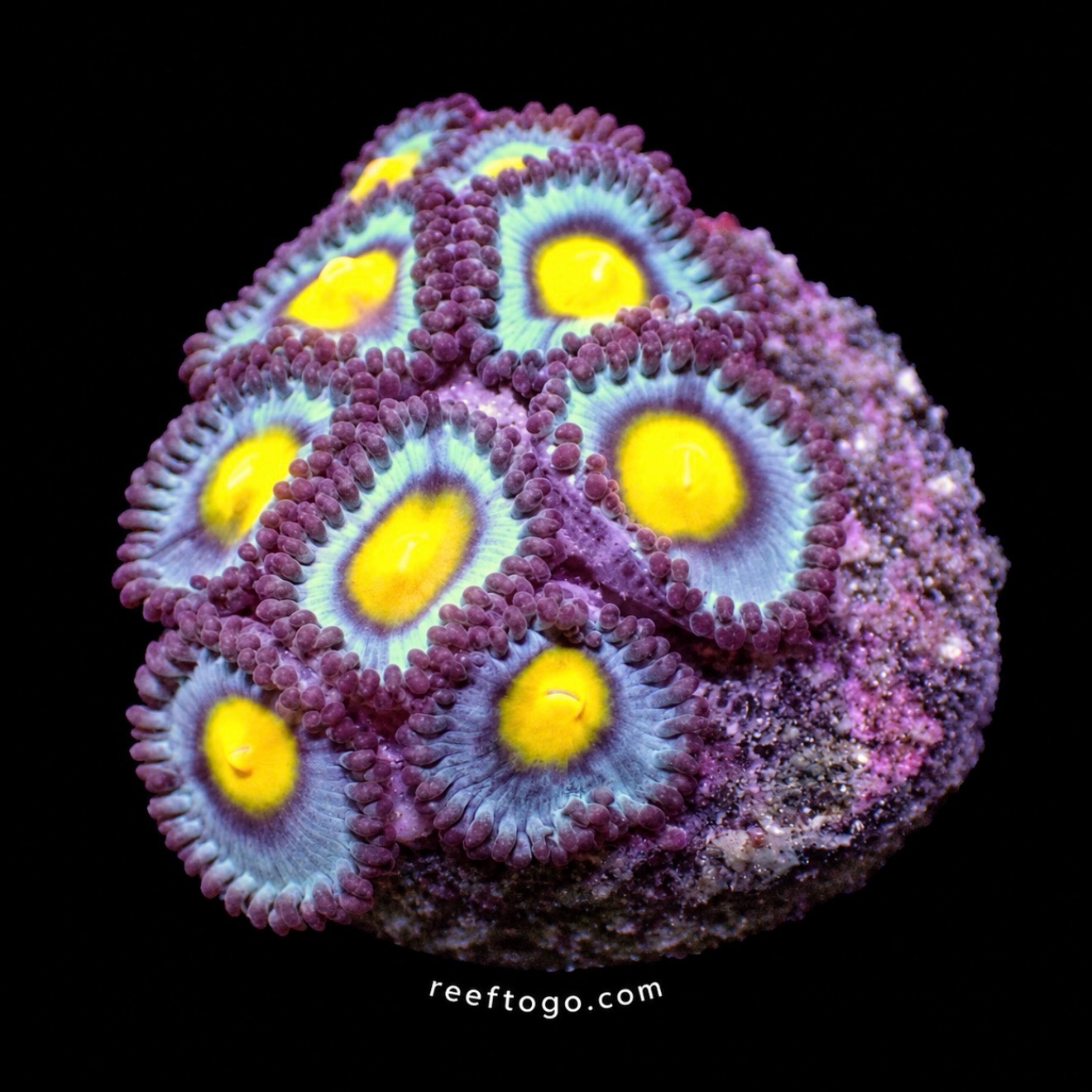
Alien Eye zoas
Zoanthus sp
Same genus
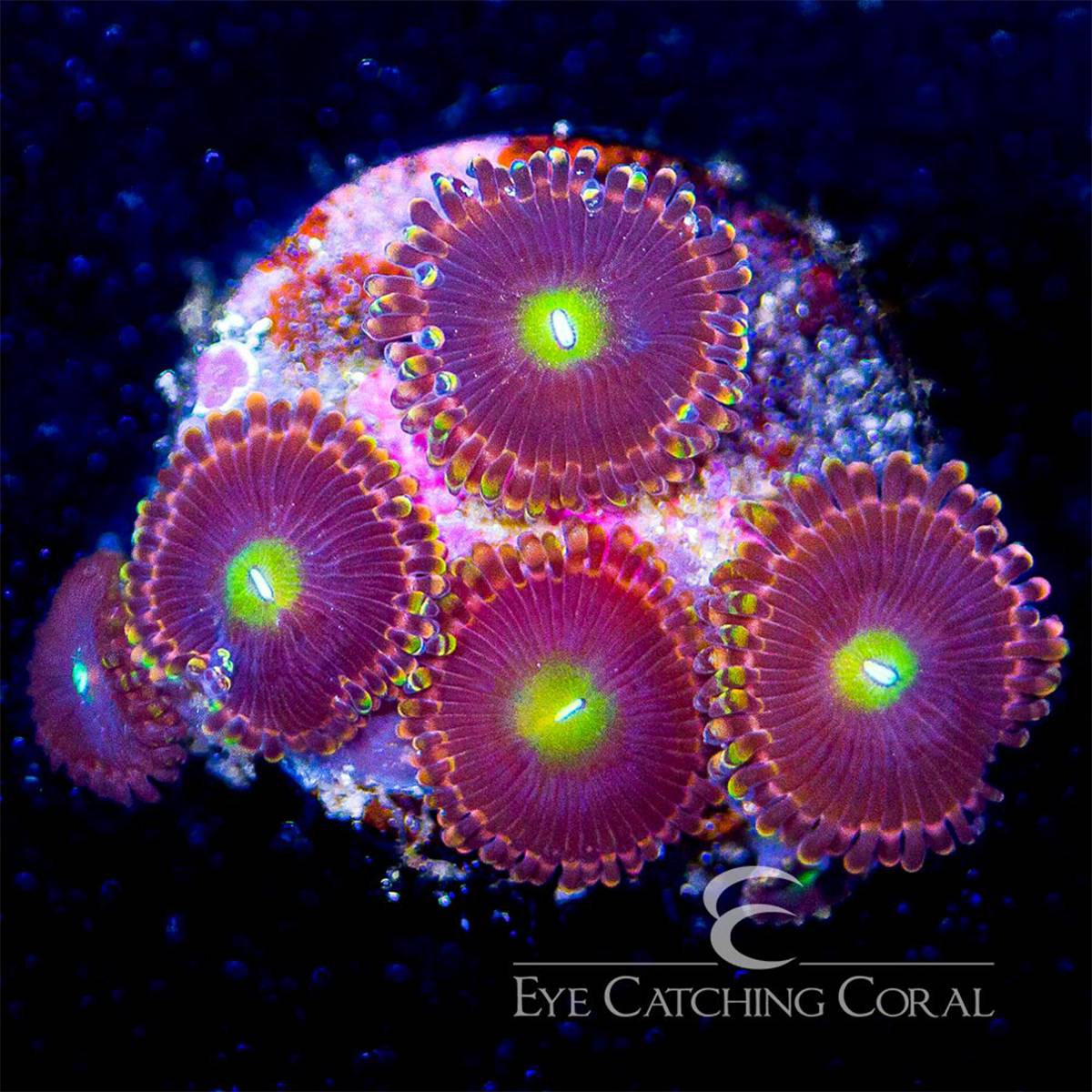
Antimatter zoas
Zoanthus sp
Same genus
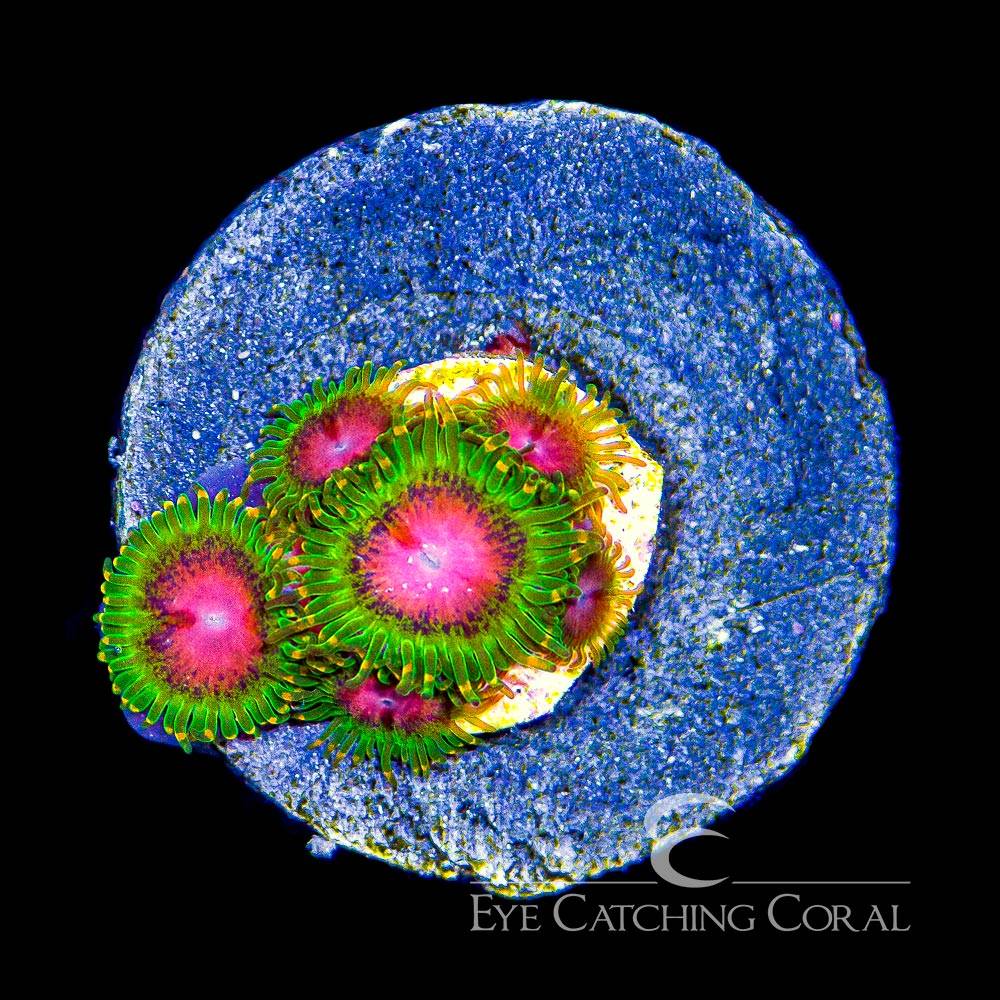
Awesome Blossom zoas
Zoanthus sp
Same genus
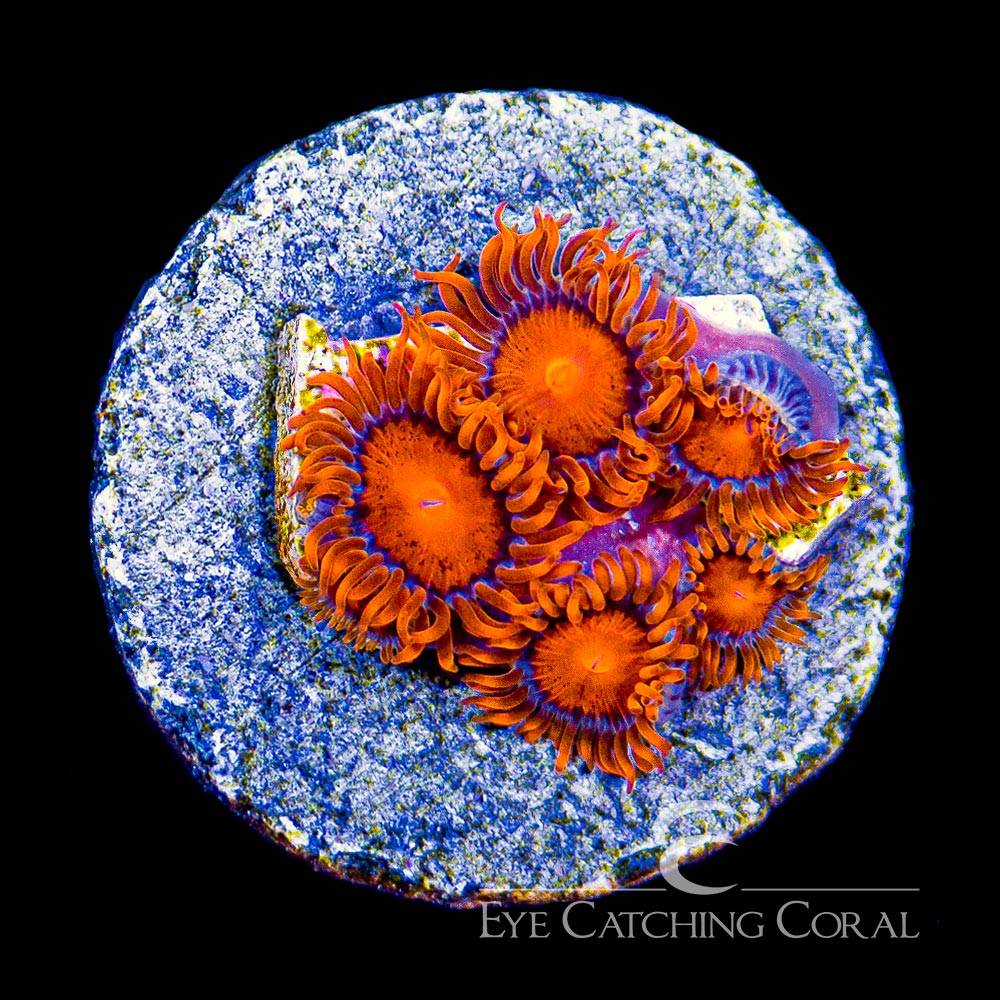
Bam Bam zoas
Zoanthus sp
Same genus
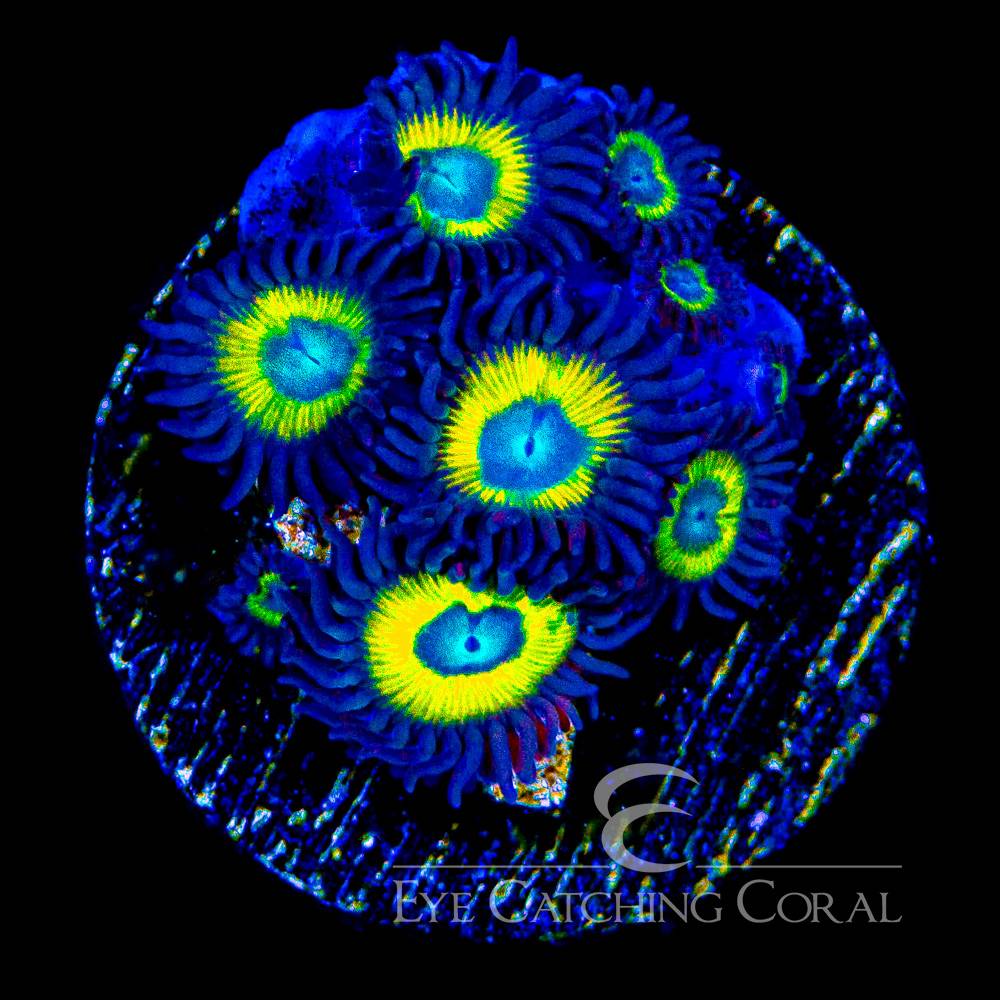
Black Bella zoas
Zoanthus sp
Same genus
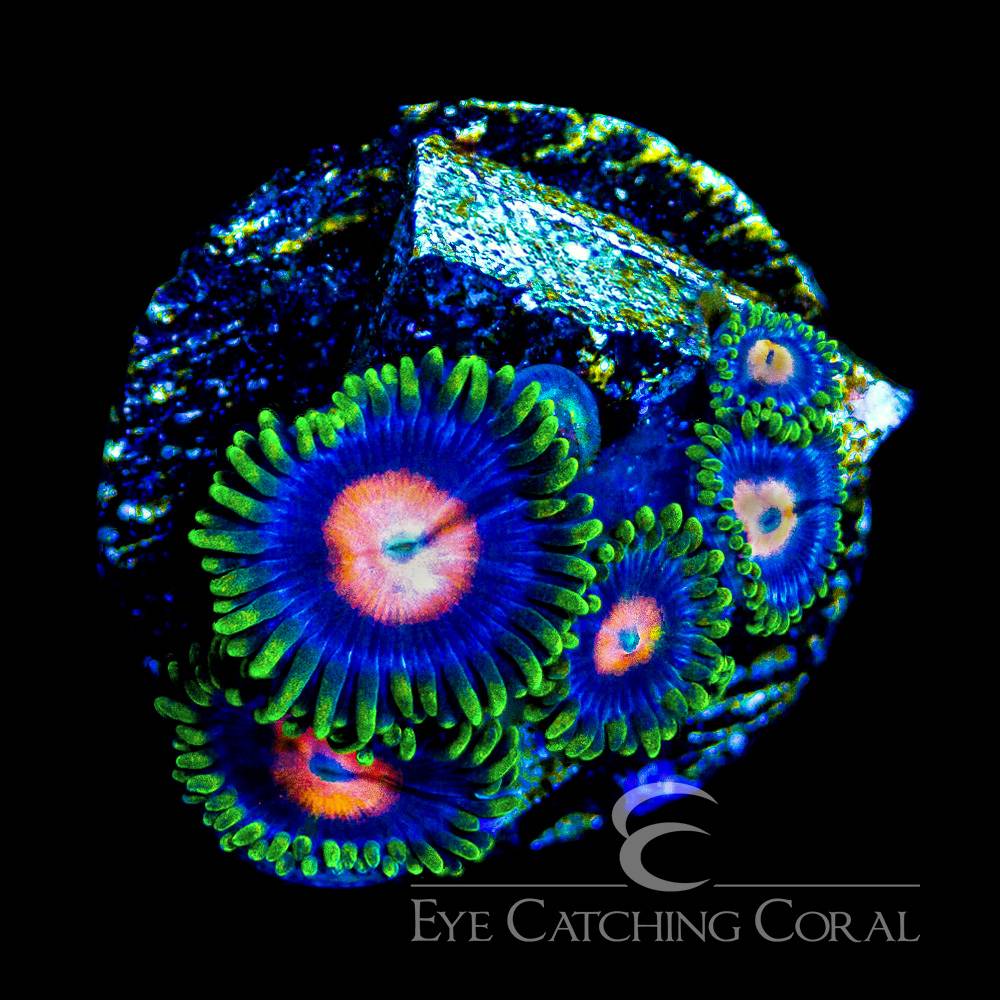
Blow Pops zoas
Zoanthus sp
Same genus
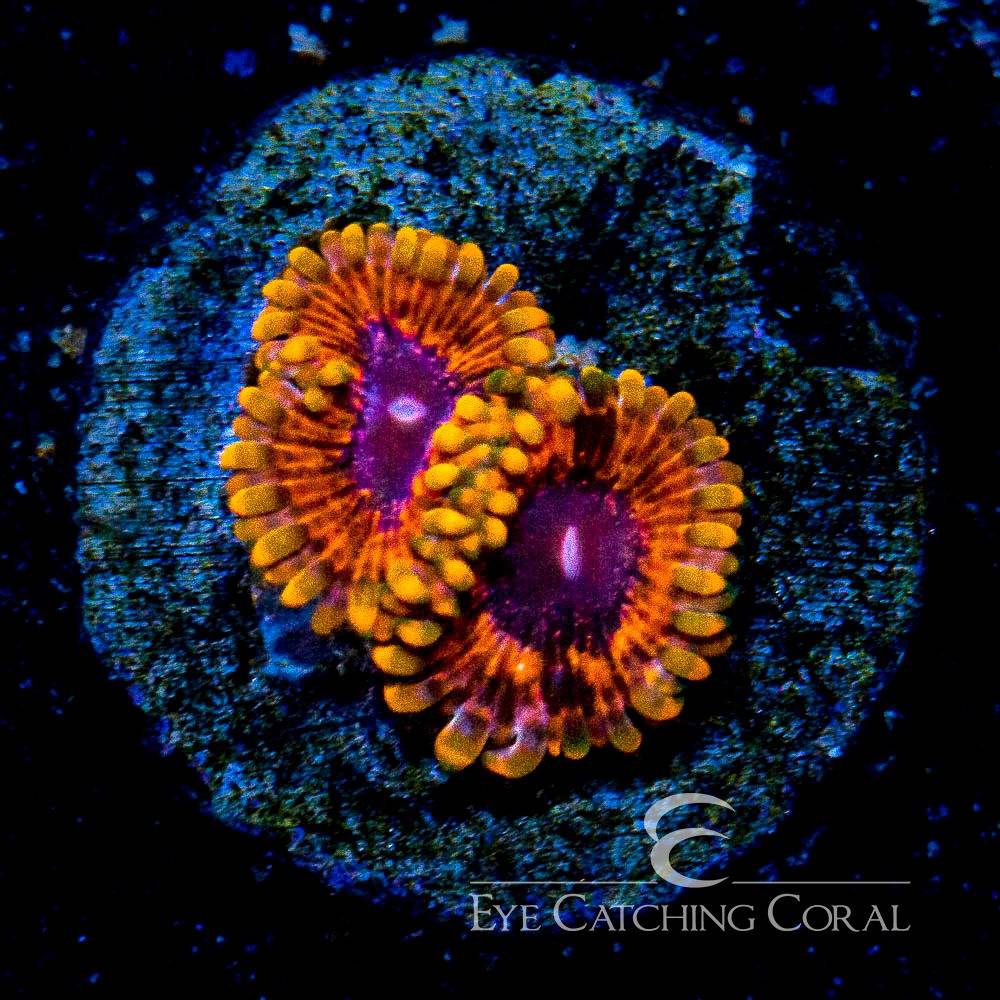
Burning Ember zoas
Zoanthus sp
Same genus
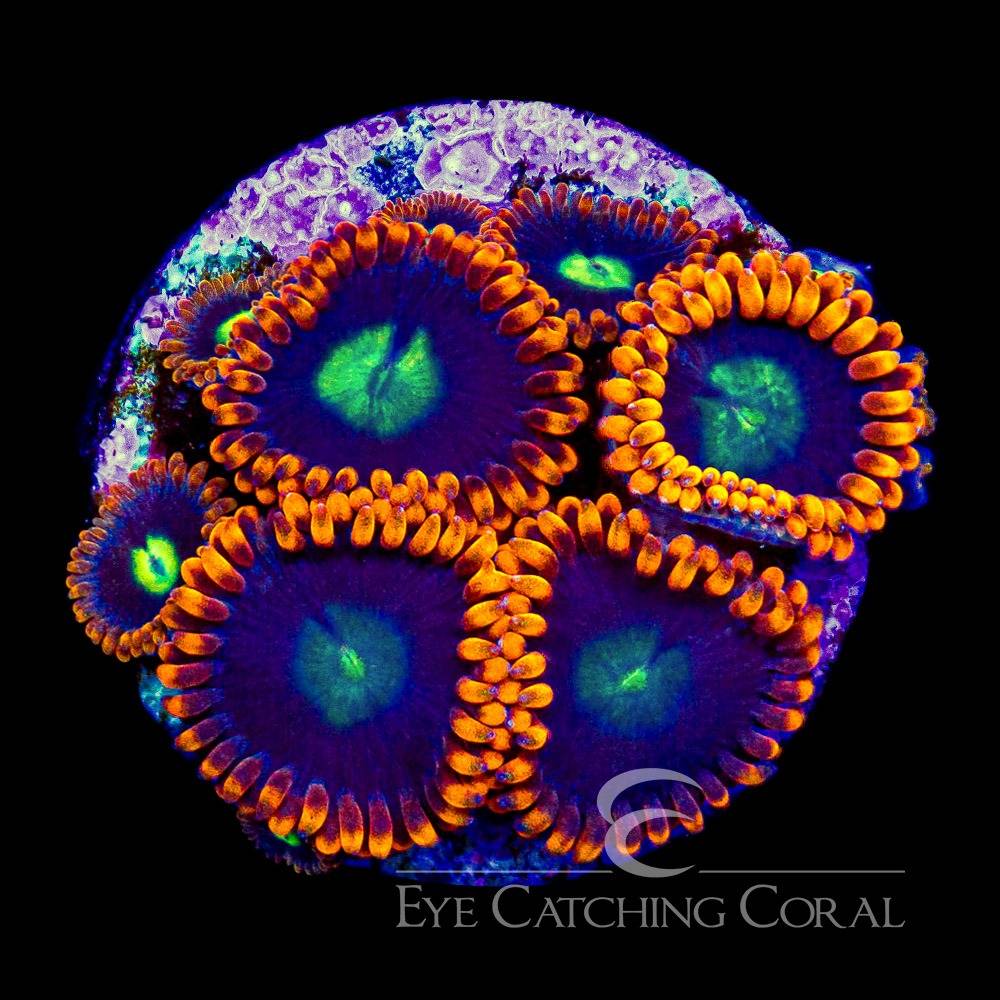
Burning Suns zoas
Zoanthus sp
Same genus