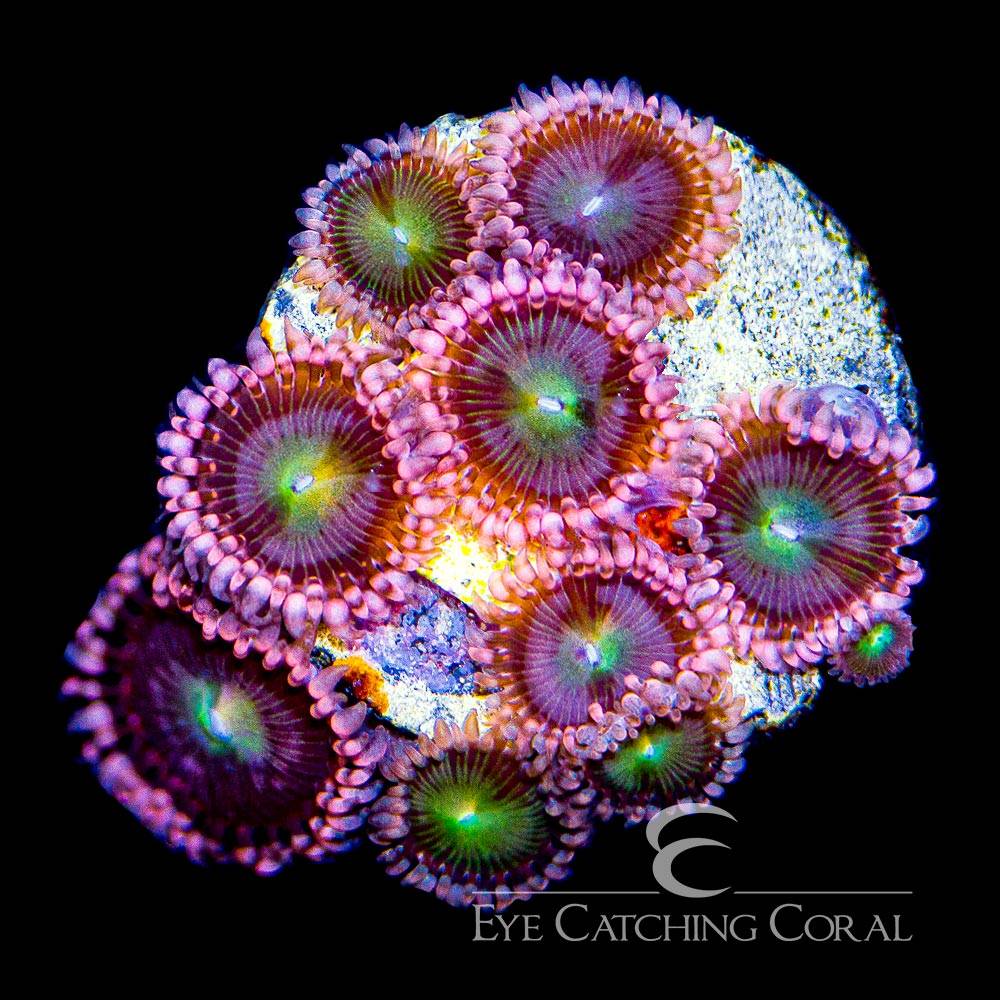
Pink Taffy zoas
Zoanthus sp
Palytoxin safety
Some zoanthids and palythoas can contain a potent toxin. Wear sturdy waterproof gloves and eye protection, minimize handling, and keep colonies submerged when possible. Never boil, steam, pressure-wash or scrub colonized rock under running water. Keep other people and pets away during handling. If exposure is suspected, seek urgent medical advice and tell the clinician about possible palytoxin exposure.
Sources: CDC: palytoxin exposure · OATA: avoiding palytoxin poisoning
Gallery
Pink Taffy zoas care guide
A little island of color
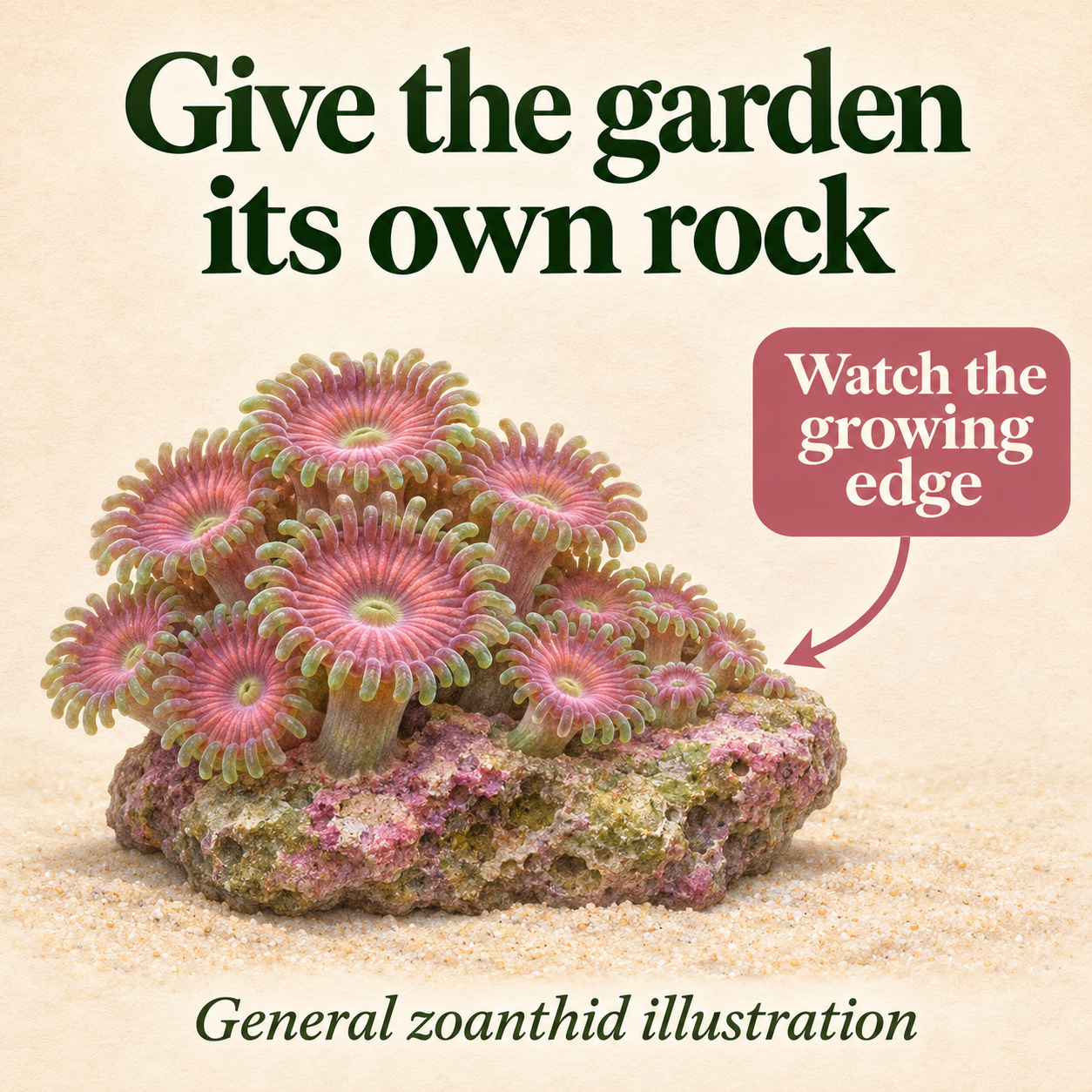
The lights come on, and a few closed buttons unfold into a small garden. A new zoa frag looks easy to tuck into an empty corner. Before you do, picture that corner covered in polyps.
Pink Taffy is a trade name, not a species diagnosis. This guide follows the entry's Zoanthus sp. identification and the ECC Pink Taffy listing, not similarly named zoas.
Give it secure rockwork and a boundary you can watch. A separate rock makes spreading easier to manage. The Fast growth label is a planning cue, not a promise of new polyps on a schedule. Keep neighboring corals out of contact and reassess the gap as the garden expands. One or two inches is not a permanent guarantee.
Find its light, then leave it be
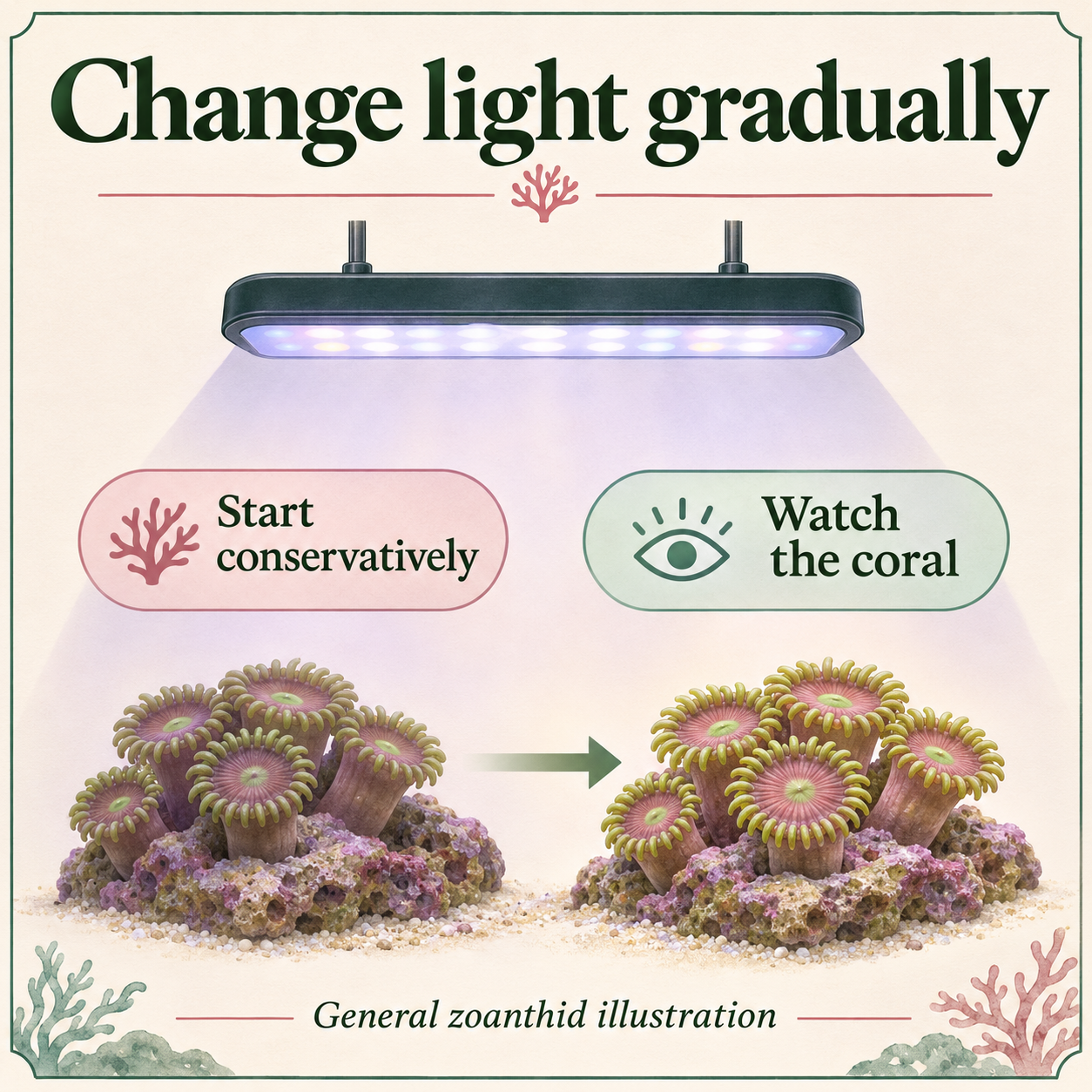
Start modestly rather than putting a new frag straight beneath the brightest part of the fixture. Mid placement is a useful map label, but the light reaching the coral matters more than its height.
The ECC listing gives a broad 75–250 PAR range. That is seller guidance, not a measured Pink Taffy optimum or an instruction to aim for the upper limit. Tidal Gardens commonly keeps zoas around 75–125 PAR. Acclimate gradually and watch the actual colony. A change in lighting can alter appearance; a brighter photograph is not a reason to rush the coral upward.
Flow that keeps the garden open
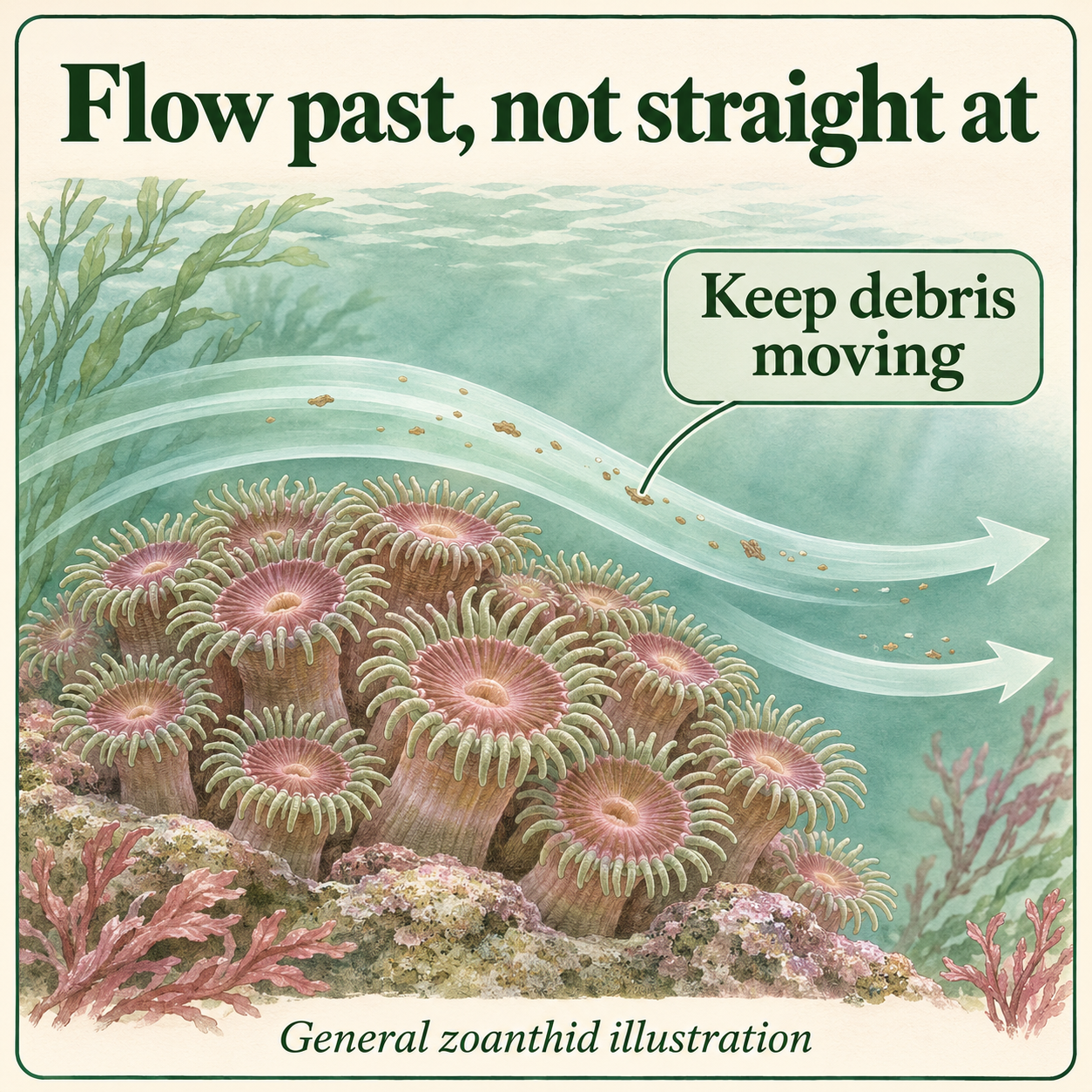
Aim for circulation that clears the spaces between polyps without keeping them pinned shut. Inspect the base, not just the open faces.
Growers differ on strength. The ECC listing recommends moderate flow; Tidal Gardens favors stronger circulation to prevent debris buildup. Both approaches depend on the result at the colony. Keep the Medium care-card setting, then adjust the local current by observation. Persistent closure deserves a wider check, not an automatic dose of food or a stronger pump.
Feed lightly, follow the trend
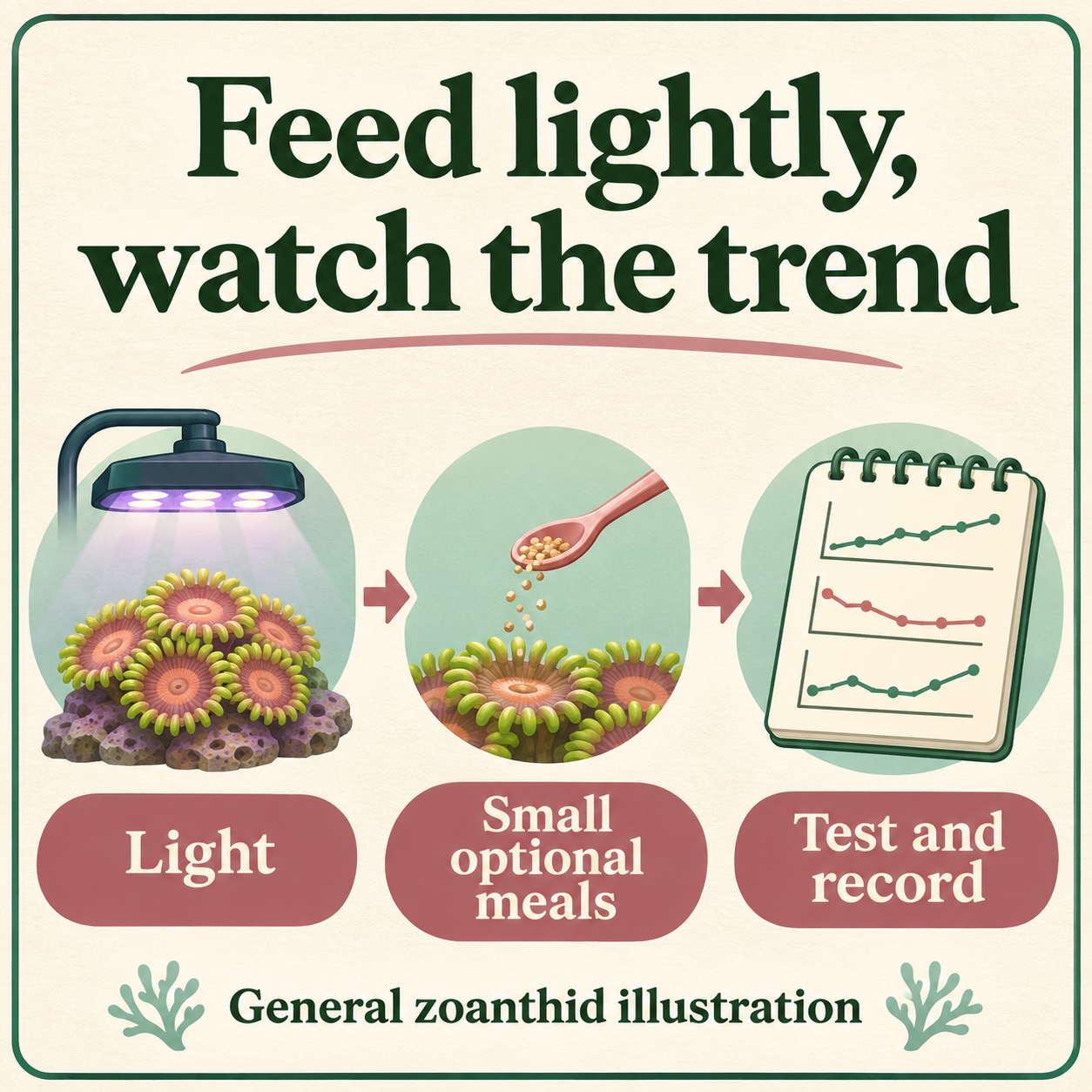
Zoanthus gets much of its energy through photosynthesis. It can also capture small food, though feeding responses vary. A modest offering is more useful than a cloud of uneaten powder.
Keep a record of nutrients and feeding rather than chasing color with extra food. Avoid stripping nitrate and phosphate to zero. Stability and the colony's response are better guides than copying someone else's dosing routine. Photograph it from the same spot so you can compare coverage and polyp opening over time.
Small coral, serious handling rules
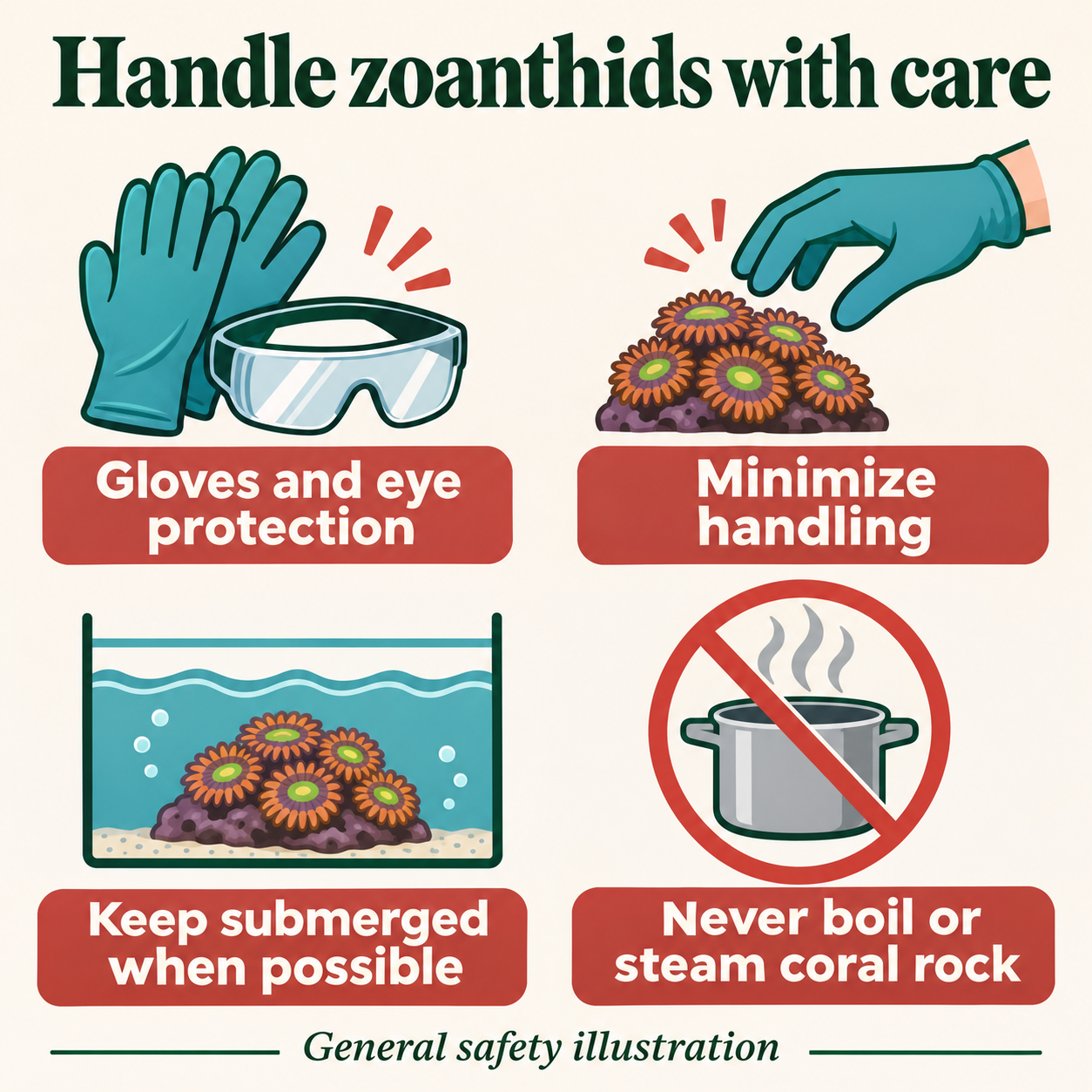
Some zoanthids can contain palytoxin. A familiar trade name or attractive color does not establish that a frag is toxin-free.
Minimize handling. Wear sturdy waterproof gloves and eye protection, and keep colonies submerged when possible. Keep other people and pets away from the work. Never boil, steam, microwave, pressure-wash or scrub colonized rock under running water. This is not a casual kitchen-cleaning job.
If exposure is suspected, seek urgent medical advice and explain that you were handling aquarium coral with possible palytoxin exposure. Do not wait for a forum diagnosis.
Field notes — what keepers report

No Pink Taffy-specific keeper reports were verified for this guide. The supplier page has no customer reviews, and the Atlas entry has no field notes yet.
General zoanthid experience is not a substitute. In a Reef2Reef color discussion, keepers recommended different morphs and described appearance changing with lighting. Those anecdotes do not establish Pink Taffy's color, growth speed or ideal placement.
The most useful next field note would be your own dated comparison: lighting, placement, flow and a photograph taken under the same settings. Record what changed, including setbacks. That will tell the next keeper more than an unsupported claim that this morph always thrives.
Field Notes
Related species
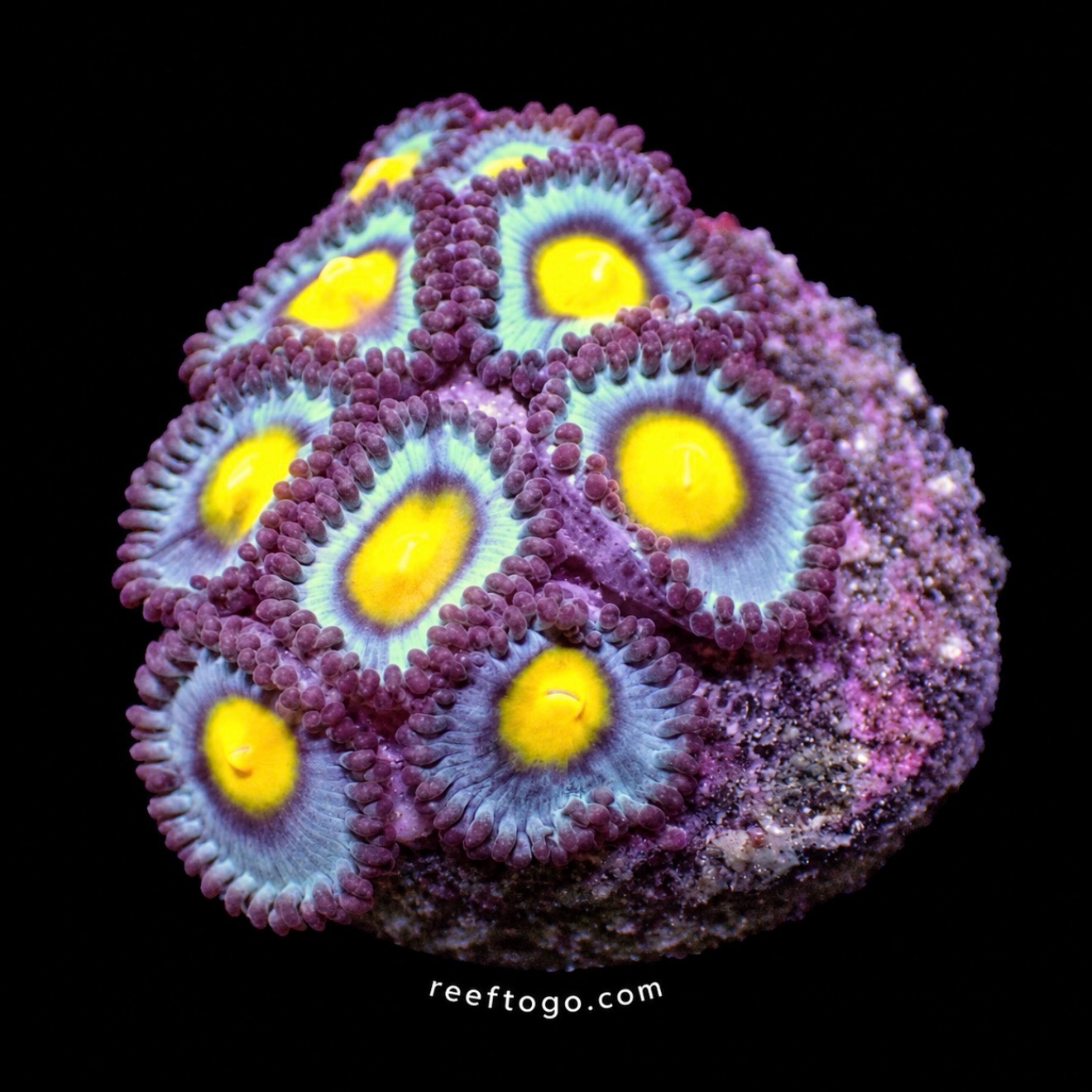
Alien Eye zoas
Zoanthus sp
Same genus
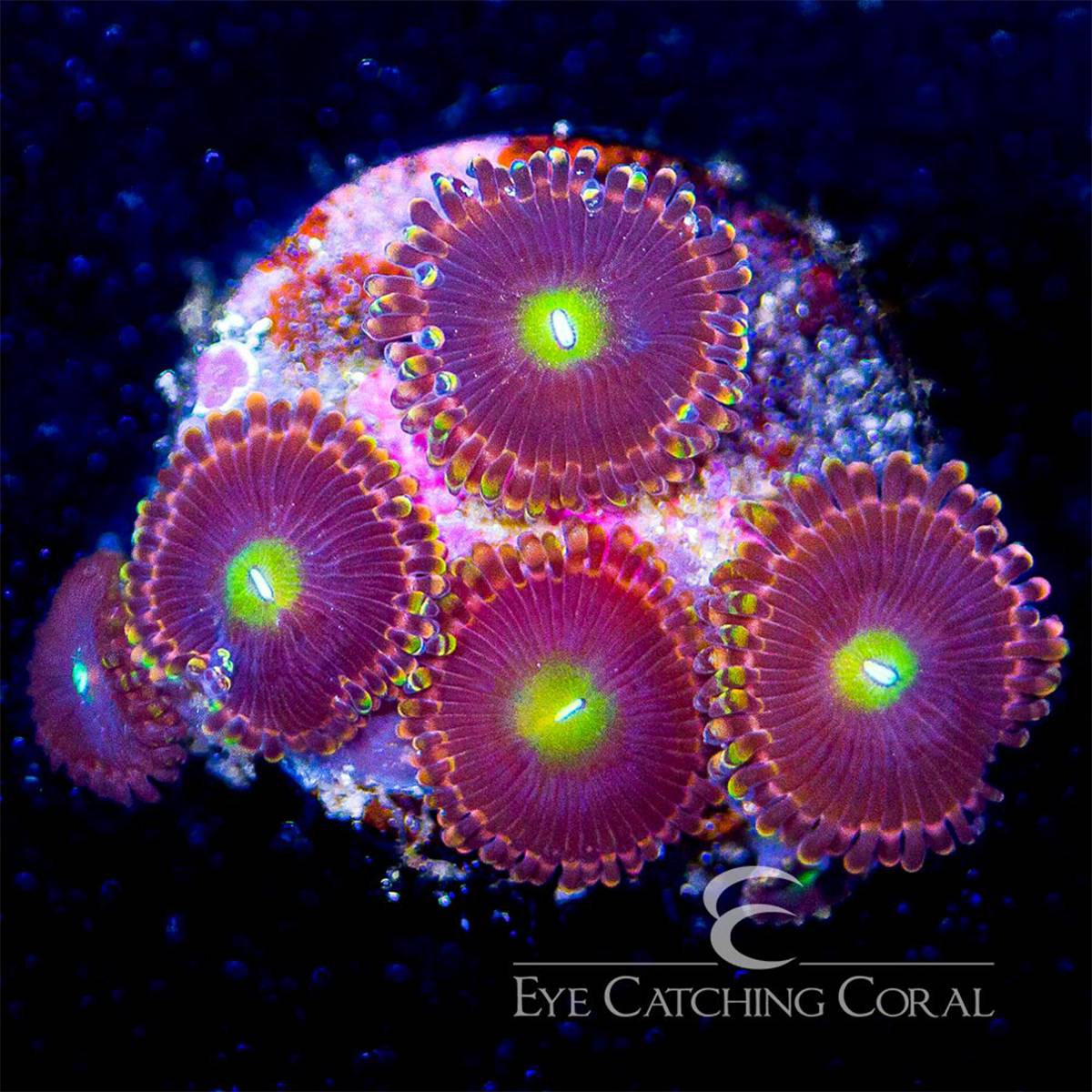
Antimatter zoas
Zoanthus sp
Same genus
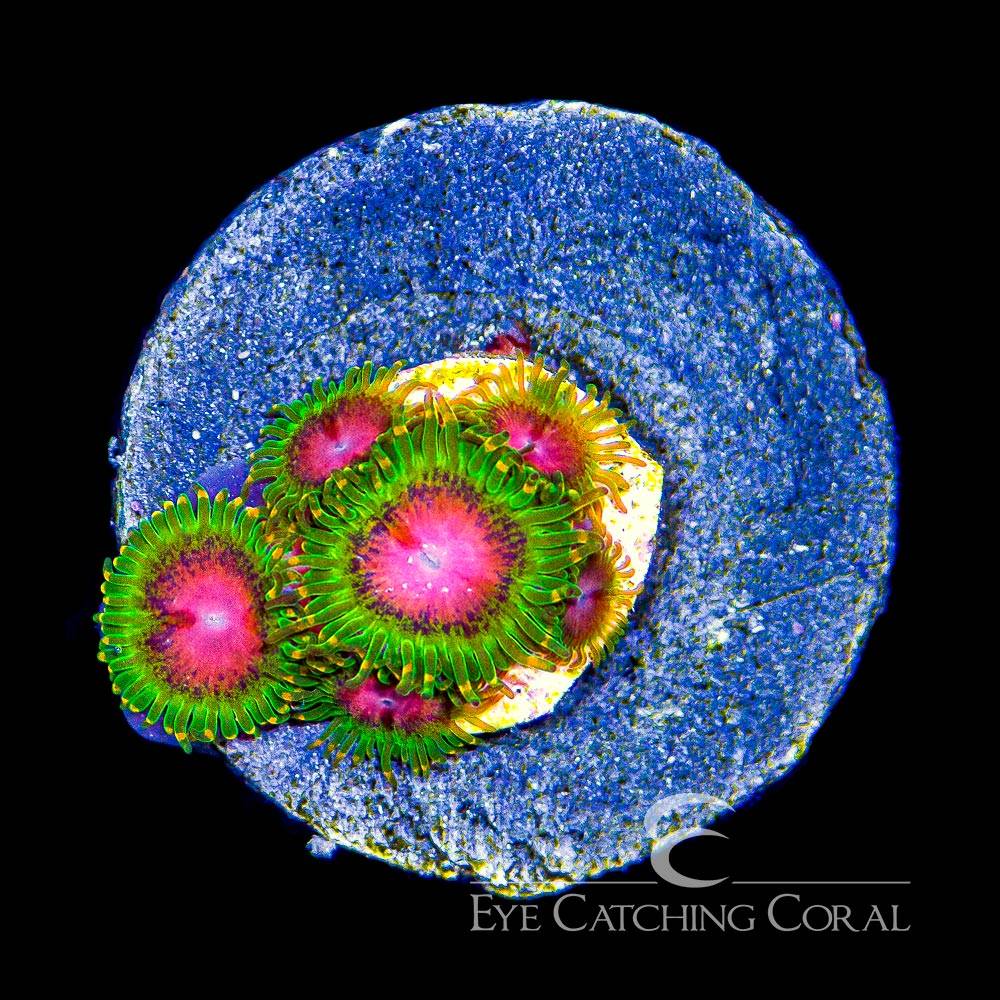
Awesome Blossom zoas
Zoanthus sp
Same genus
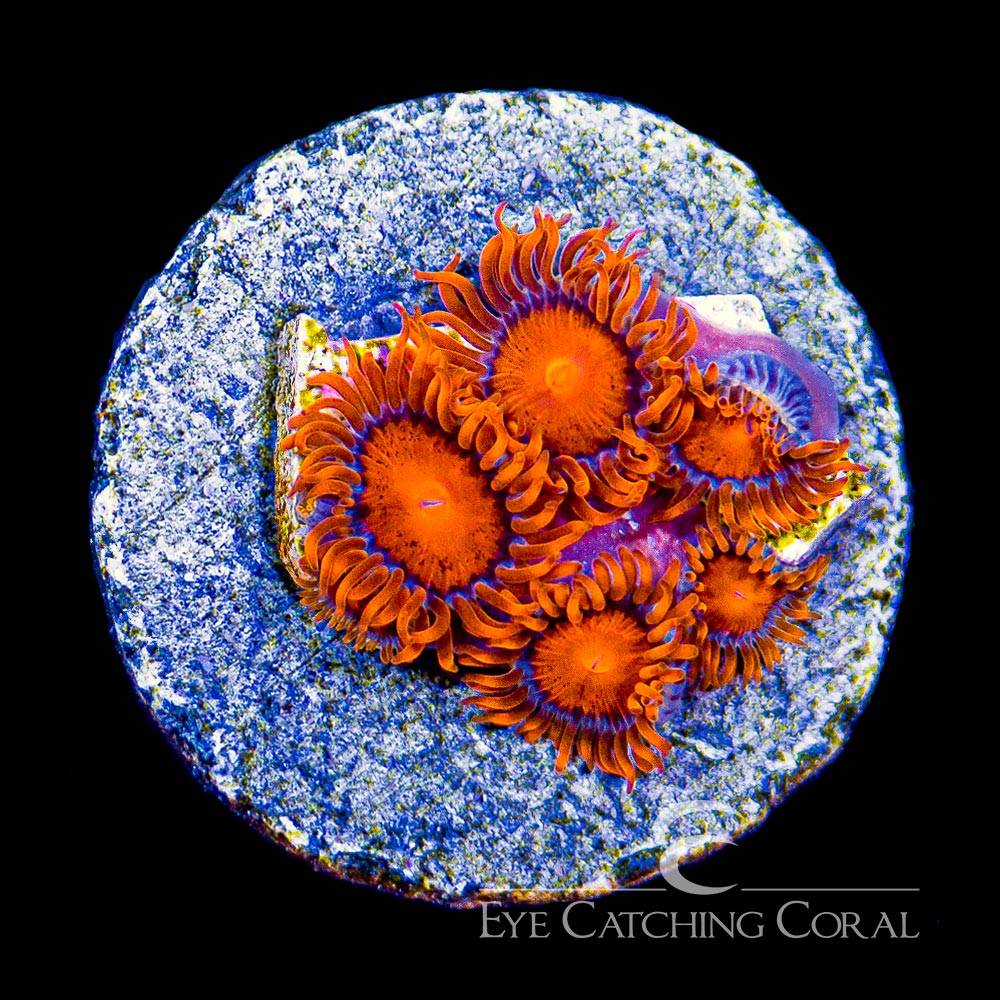
Bam Bam zoas
Zoanthus sp
Same genus
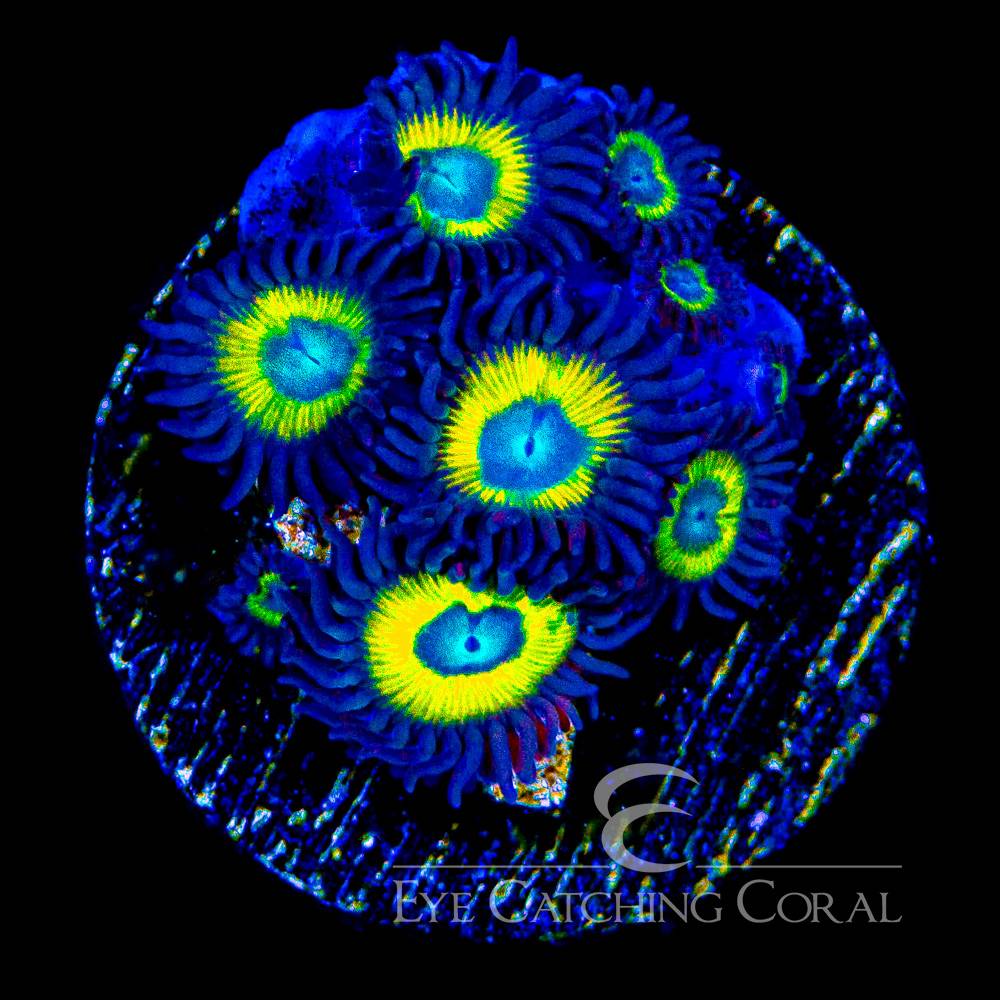
Black Bella zoas
Zoanthus sp
Same genus
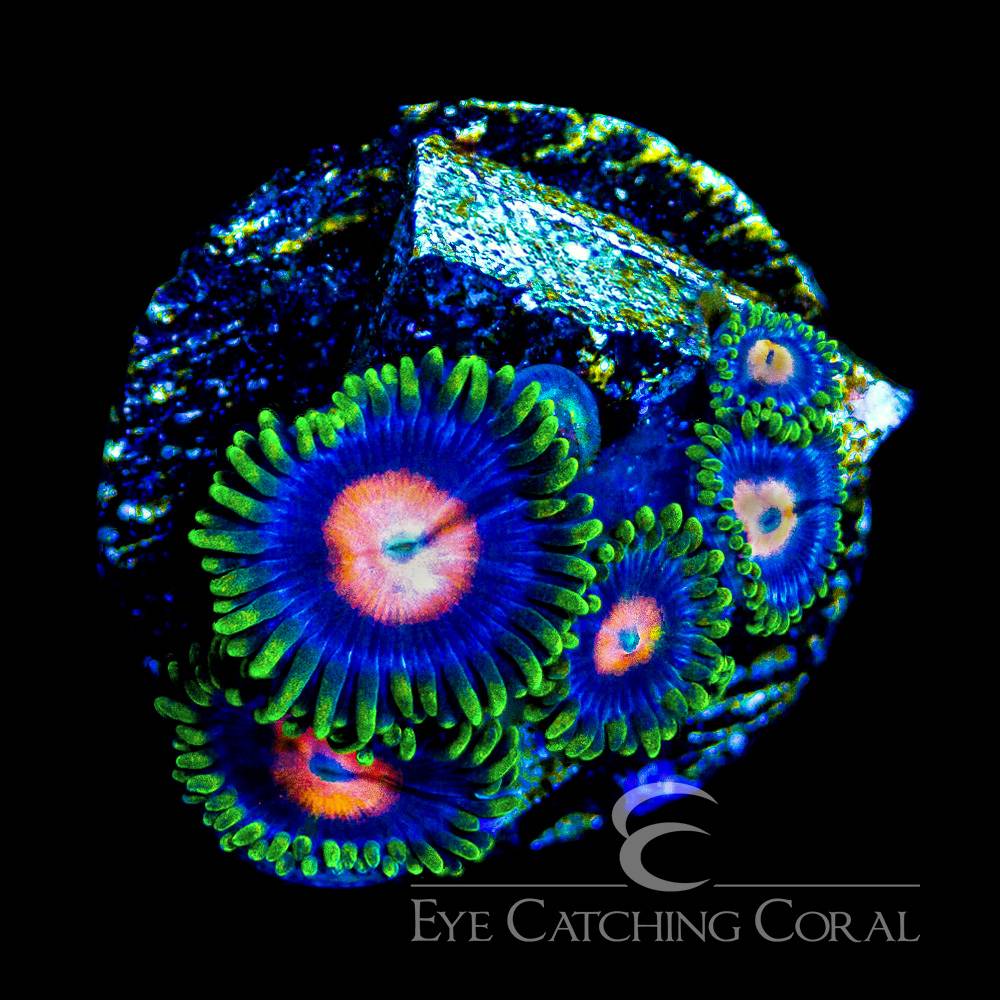
Blow Pops zoas
Zoanthus sp
Same genus
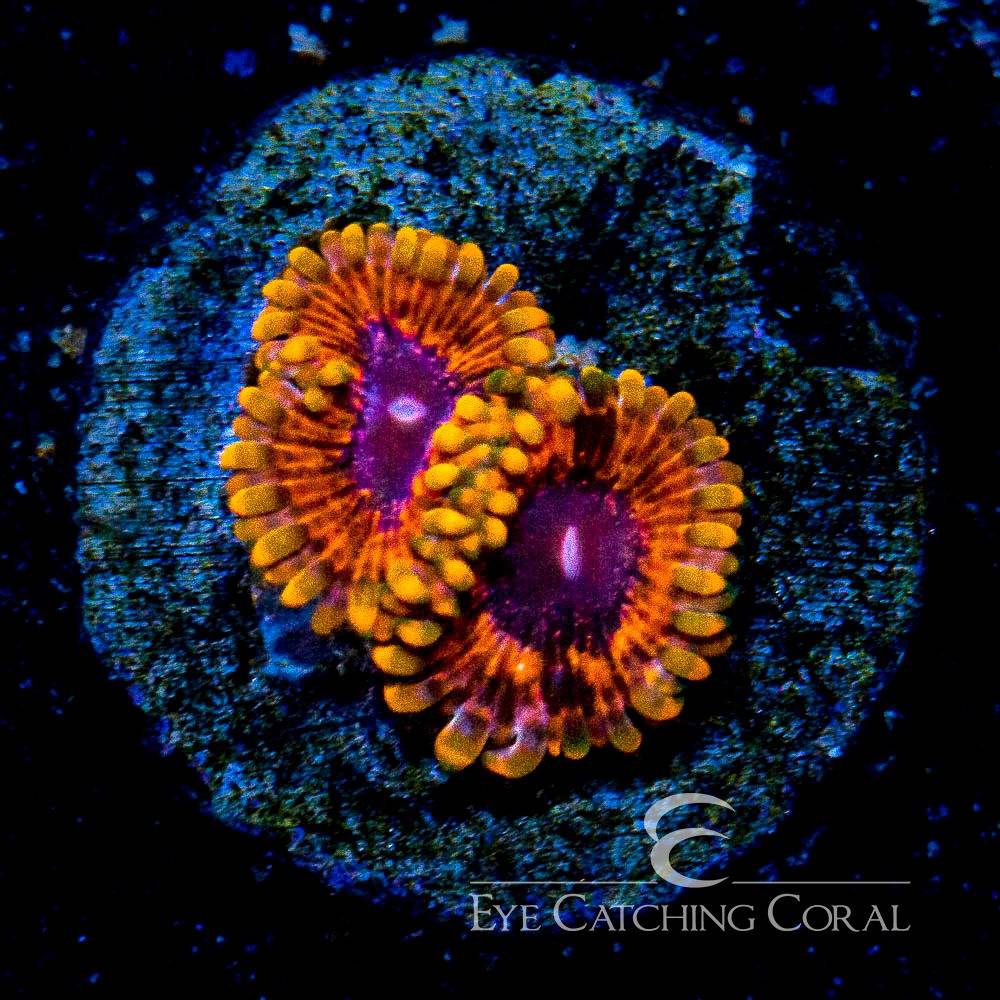
Burning Ember zoas
Zoanthus sp
Same genus
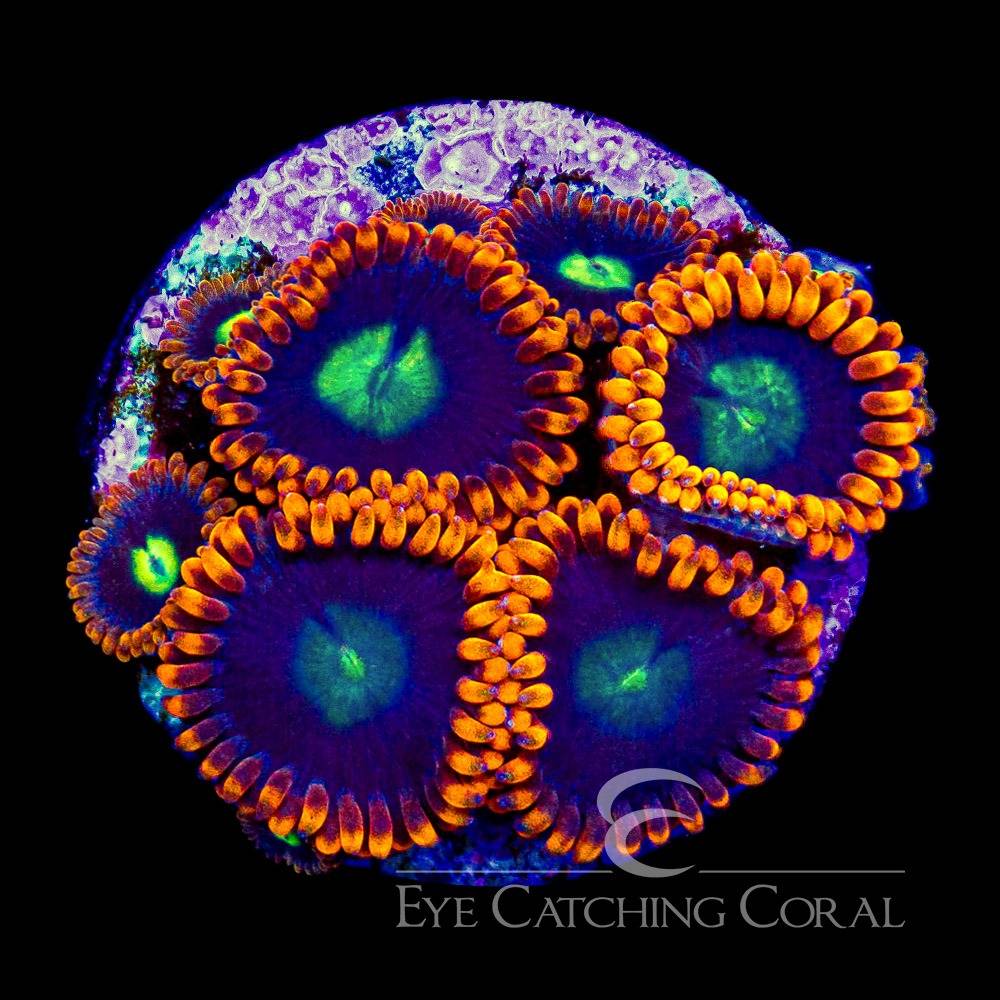
Burning Suns zoas
Zoanthus sp
Same genus