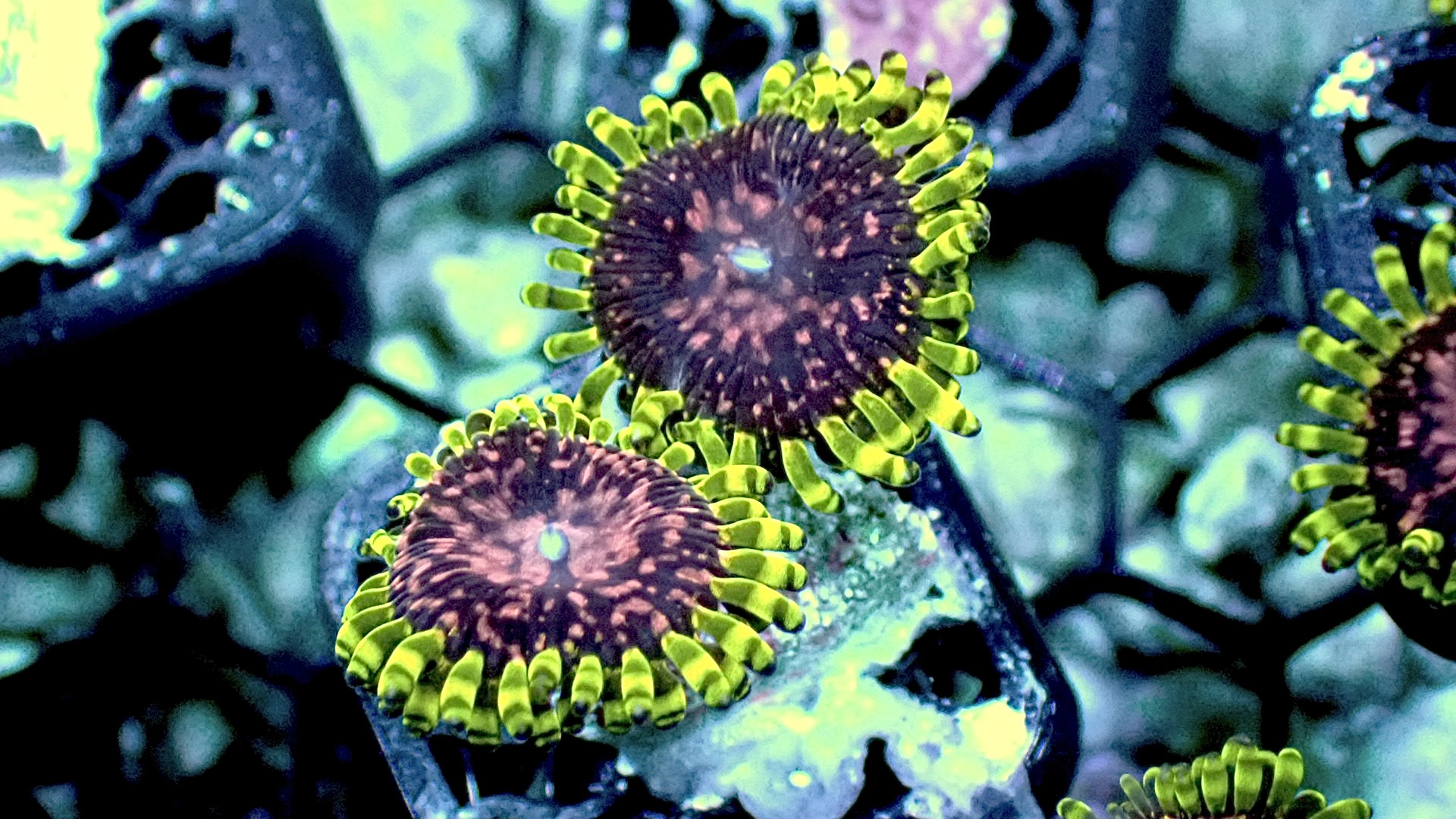
Purple monster zoanthids
Care facts
- Care
- Intermediate
- Light
- Low
- Flow
- Medium
- Place
- Not recorded
- Space
- Not recorded
Gallery
Purple Monster is a named zoanthid strain in deep, saturated purple — face, skirt, and all — and dark purple zoanthids with this much body to the color are genuinely uncommon. A settled mat reads almost black-violet in white light and glows a rich royal purple under blues. The polyps are medium-sized and grow in the tight, ground-hugging mat typical of Zoanthus.
Care basics
Care runs a step fussier than the beginner zoanthids, which is why this strain is rated intermediate. It colors best and stays deepest under low to medium light; strong light is the usual reason a purple strain washes toward brown or pale lavender, so start frags low and let them acclimate for weeks before moving up. Medium flow through the mat keeps detritus from settling between polyps. Stable alkalinity near 8–10 dKH and a tank with measurable nutrients suit it — purple strains are often the first zoanthids to sulk in ultra-clean water.
Placement, spread and safety
It will not sting neighbors, but a growing mat occupies ground and can smother slower corals at its edge, so plant it on its own rock with a couple of inches of breathing room and trim strays. Fragging works the standard way — cut the mat, glue polyps to a plug — with the standing zoanthid caution: tissue can carry palytoxin, so gloves and eye protection when cutting, a proper wash afterward, and never boil, steam, or pressure-wash zoanthid rock.
Growth and warning signs
Growth is slower than the fast green strains and picks up once a mat fully establishes. Patience is part of this strain's reputation — frags can sit nearly still for weeks, then start budding steadily. Polyps staying closed, shrinking, or a mat thinning at the edges are the early warnings worth acting on: check for pests, check nutrients, and check for light that crept up.
Field notes — what keepers report
- Purple Monster has a split reputation that shows up in nearly every thread about it. One camp calls it a notorious melter that vanishes polyp by polyp no matter what they try; the other camp describes a slow, steady mat that has grown for years without drama. The slow camp tends to share low light, stable parameters, and patience through a long settling period.
- Color loss is the most common complaint, and keepers most often trace it to light: frags placed high fade toward dull lavender within weeks, and moving them back down restores the deep purple slowly. Vendor and grower notes for purple strains echo the same advice — shade first, acclimate slowly.
- Feeding gets credited by growers who broadcast fine foods: polyp size and budding rate improve in their reports, while keepers in heavily skimmed, low-food tanks describe the slowest growth of any zoanthid they own.
Field Notes
Related species
Exosphere zoanthids
Zoanthus sp
Similar care · Soft
Stratosphere
Zoanthus sp
Similar care · Soft

Bowser zoas
Zoanthus sp
Similar care · Soft
Buzz light beer Yuma
Ricordea yuma
Similar care · Soft
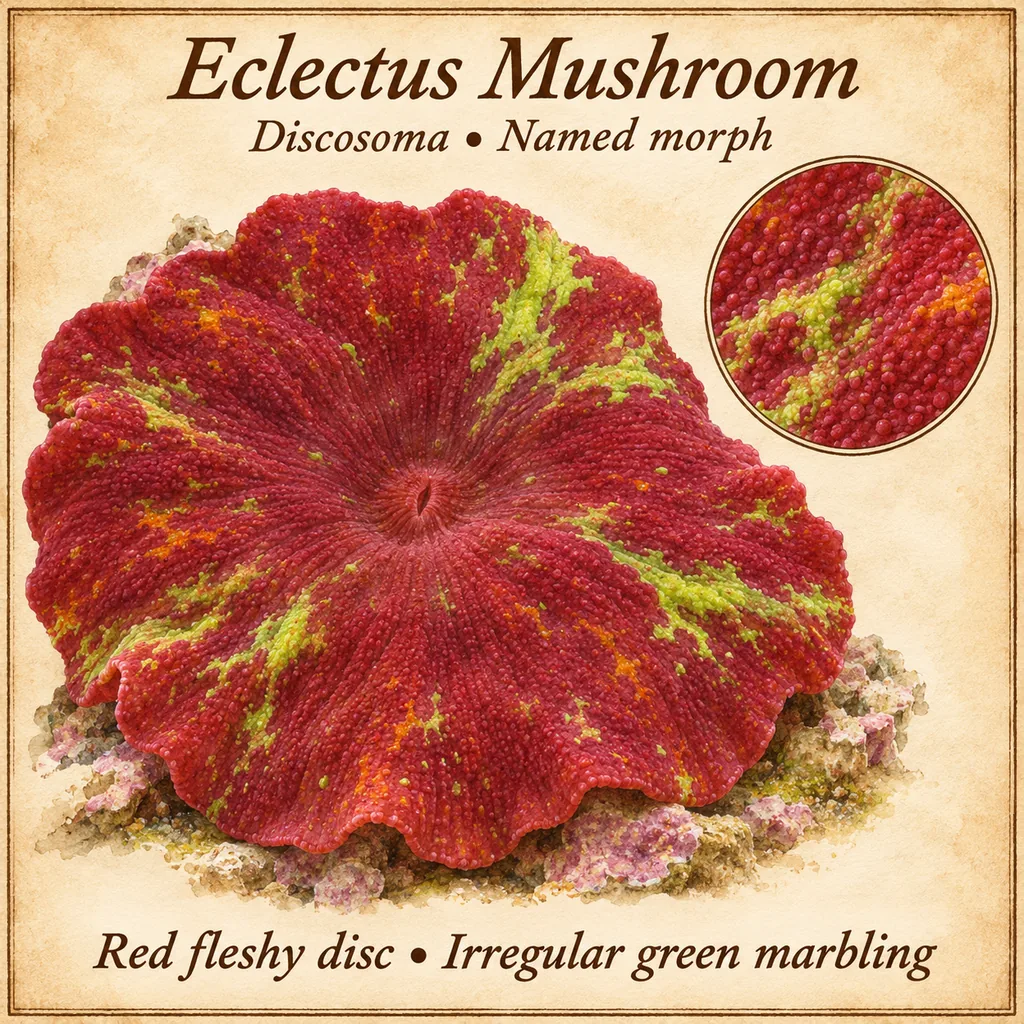
Eclectus Mushroom
Discosoma sp.
Similar care · Soft
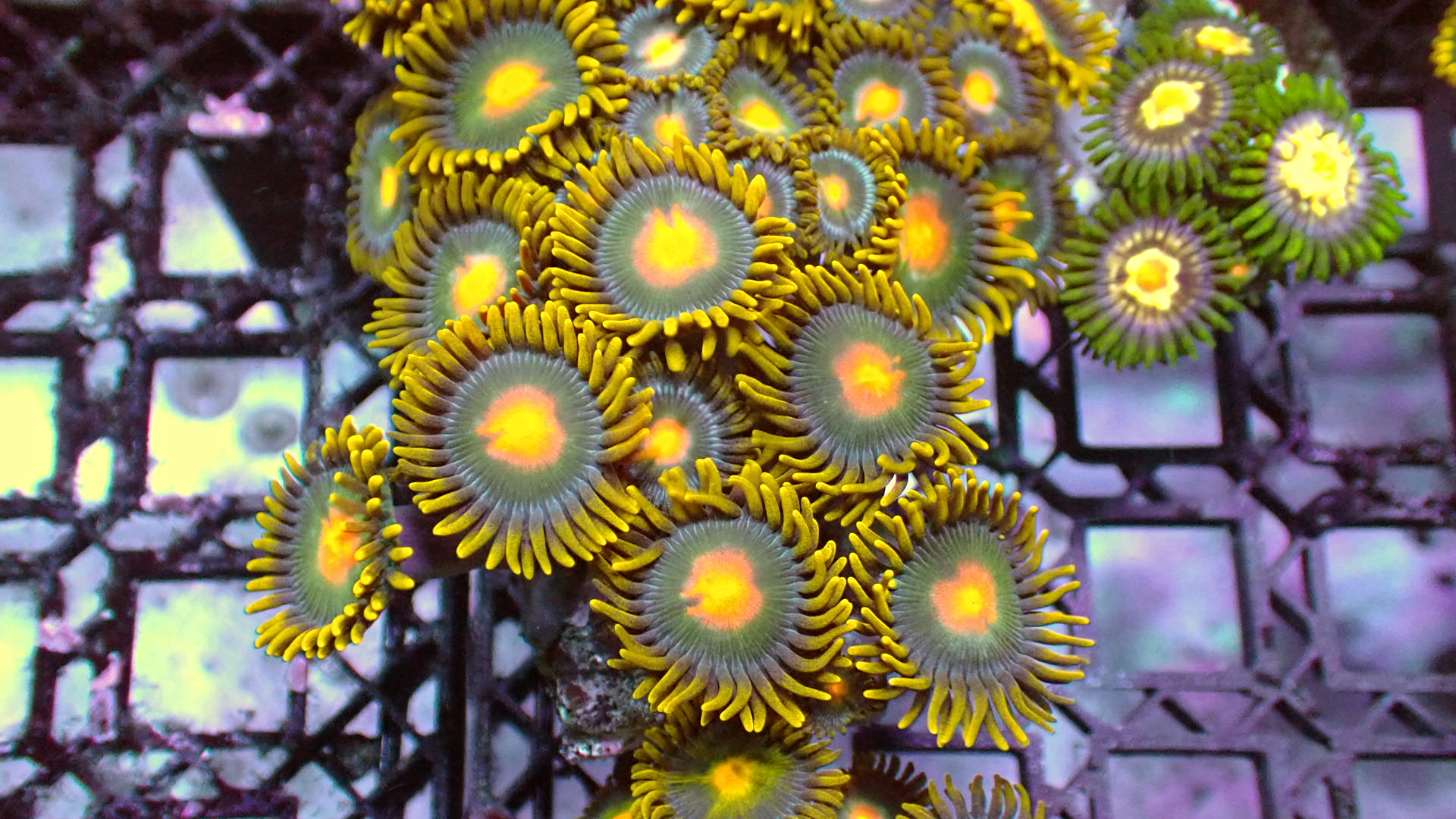
Green Bay Packers zoanthids
Zoanthus sp
Similar care · Soft
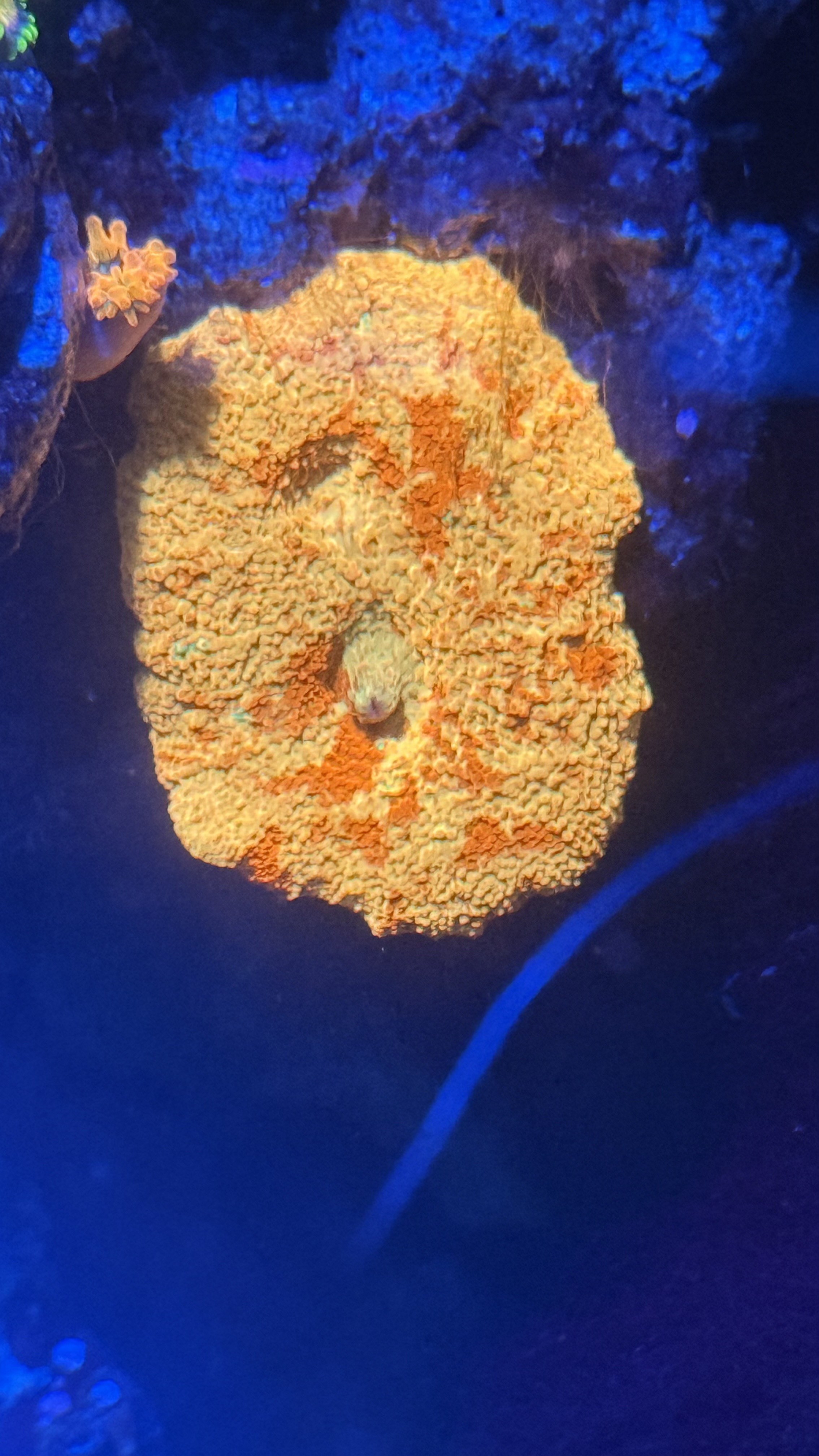
Jawbreaker mushroom
Discosoma sp.
Similar care · Soft

Kenya Tree
Capnella imbricata
Similar care · Soft