Sakura zoas
Zoanthus sp

Photo: R2G
Palytoxin safety
Some zoanthids and palythoas can contain a potent toxin. Wear sturdy waterproof gloves and eye protection, minimize handling, and keep colonies submerged when possible. Never boil, steam, pressure-wash or scrub colonized rock under running water. Keep other people and pets away during handling. If exposure is suspected, seek urgent medical advice and tell the clinician about possible palytoxin exposure.
Sources: CDC: palytoxin exposure · OATA: avoiding palytoxin poisoning
Gallery
Tiny animals, growing together! Sakura zoas build a living patchwork on reef rock. Each little polyp is an animal, and algae inside its tissue turn light into food. Give the colony a steady home and watch for new polyps around the edge.
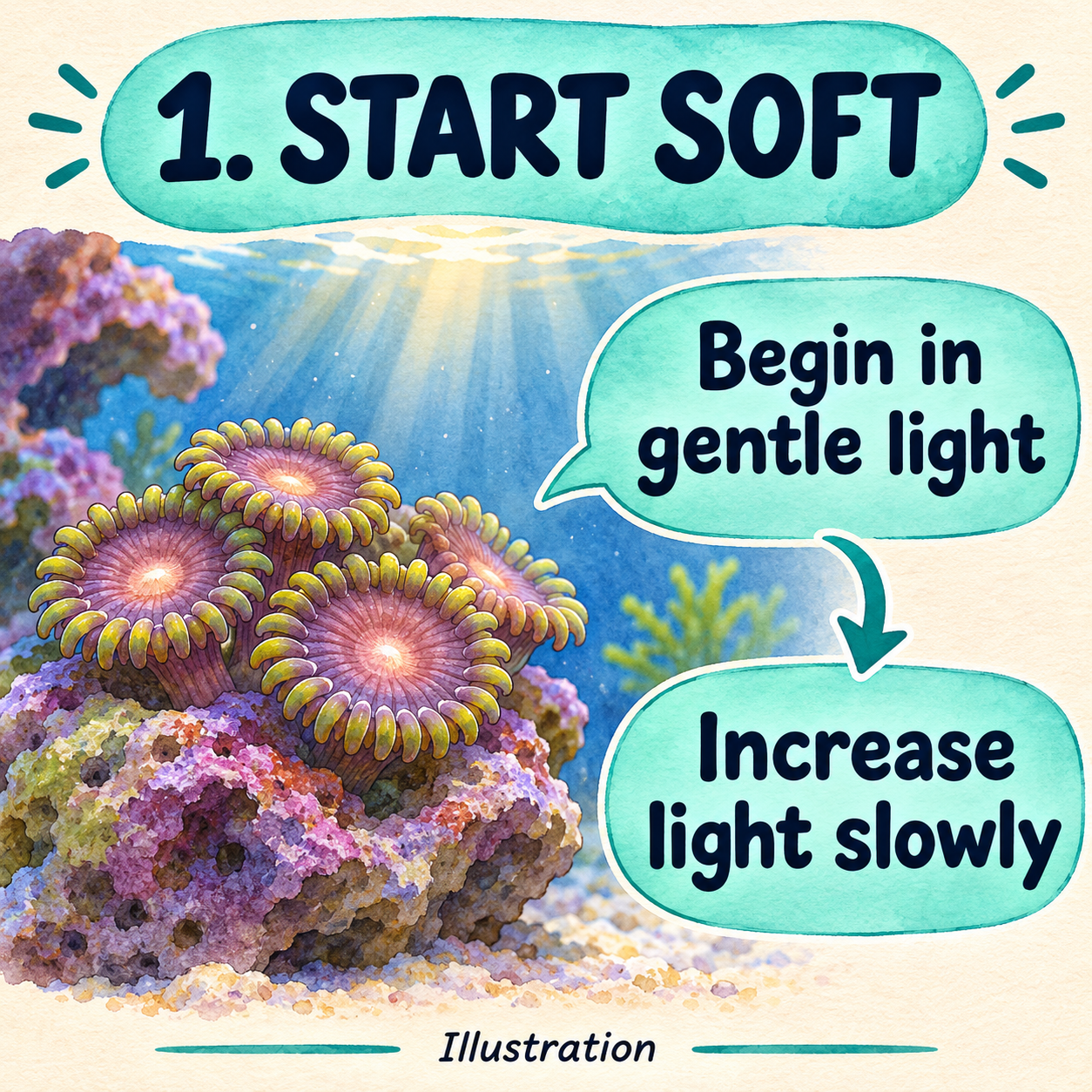
1. Start soft
Set the frag on secure lower-to-middle rockwork in gentle light. Let it settle before moving it again. Increase light in small steps over several weeks, and move it back into softer light if it starts to pale.
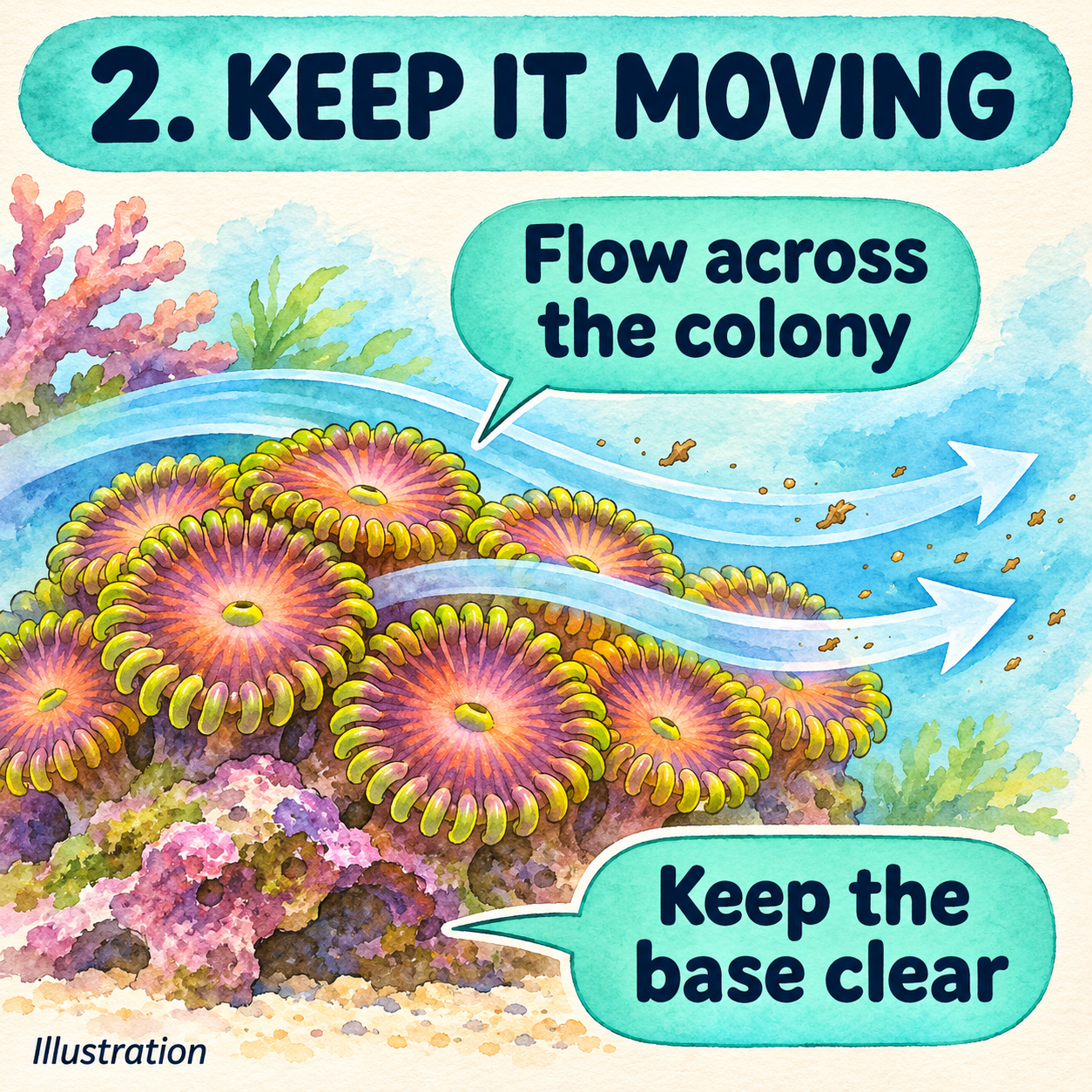
2. Keep it moving
Aim moderate, indirect flow across the colony. Water should carry loose waste away without pinning the polyps shut. Check between the polyps for trapped debris and adjust the pump direction if it keeps collecting.
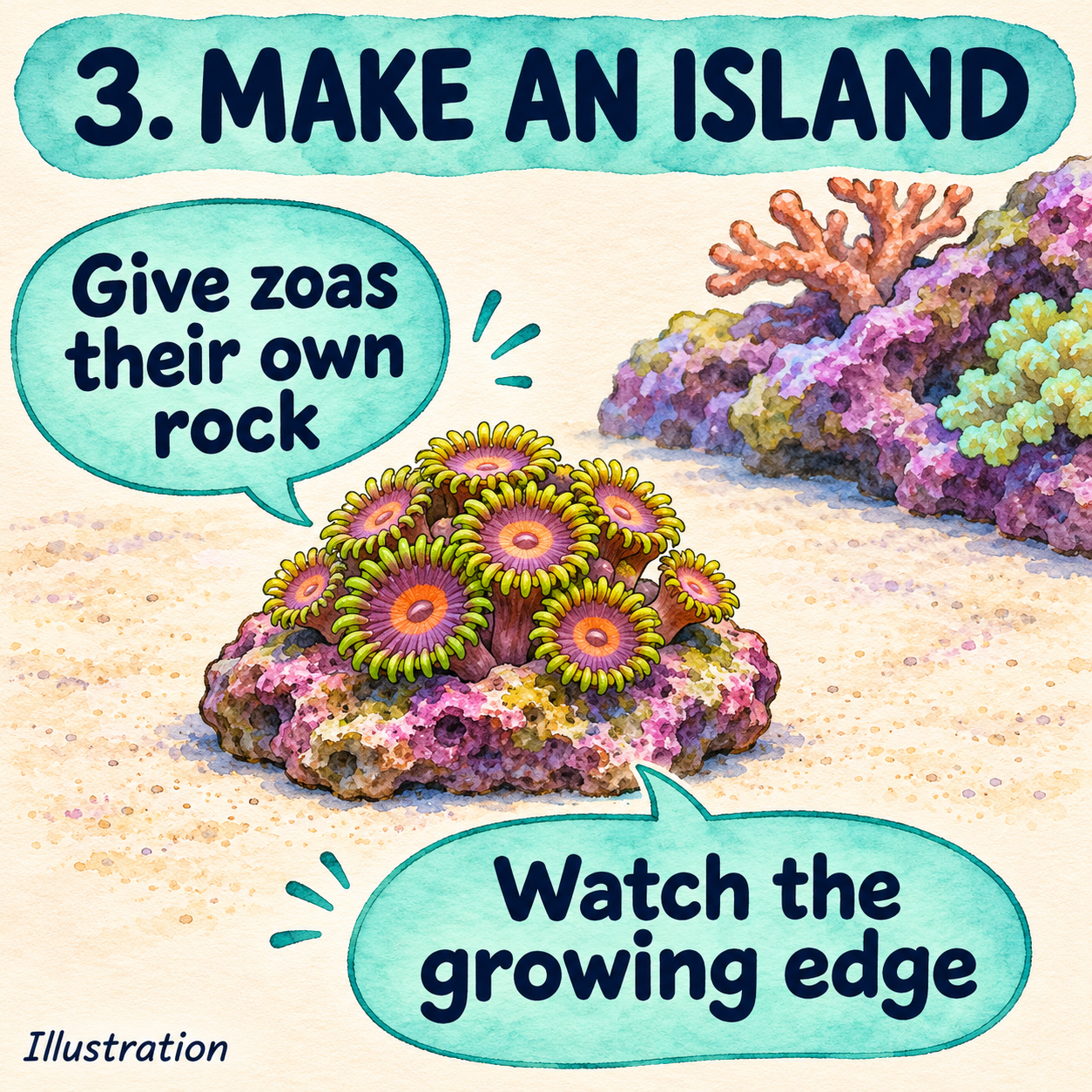
3. Make an island
Give Sakura its own small rock with a clear gap around it. Start with 1 to 2 inches from neighbors, then widen the gap as the colony spreads. Check the edge regularly so the mat cannot quietly bridge onto another coral.
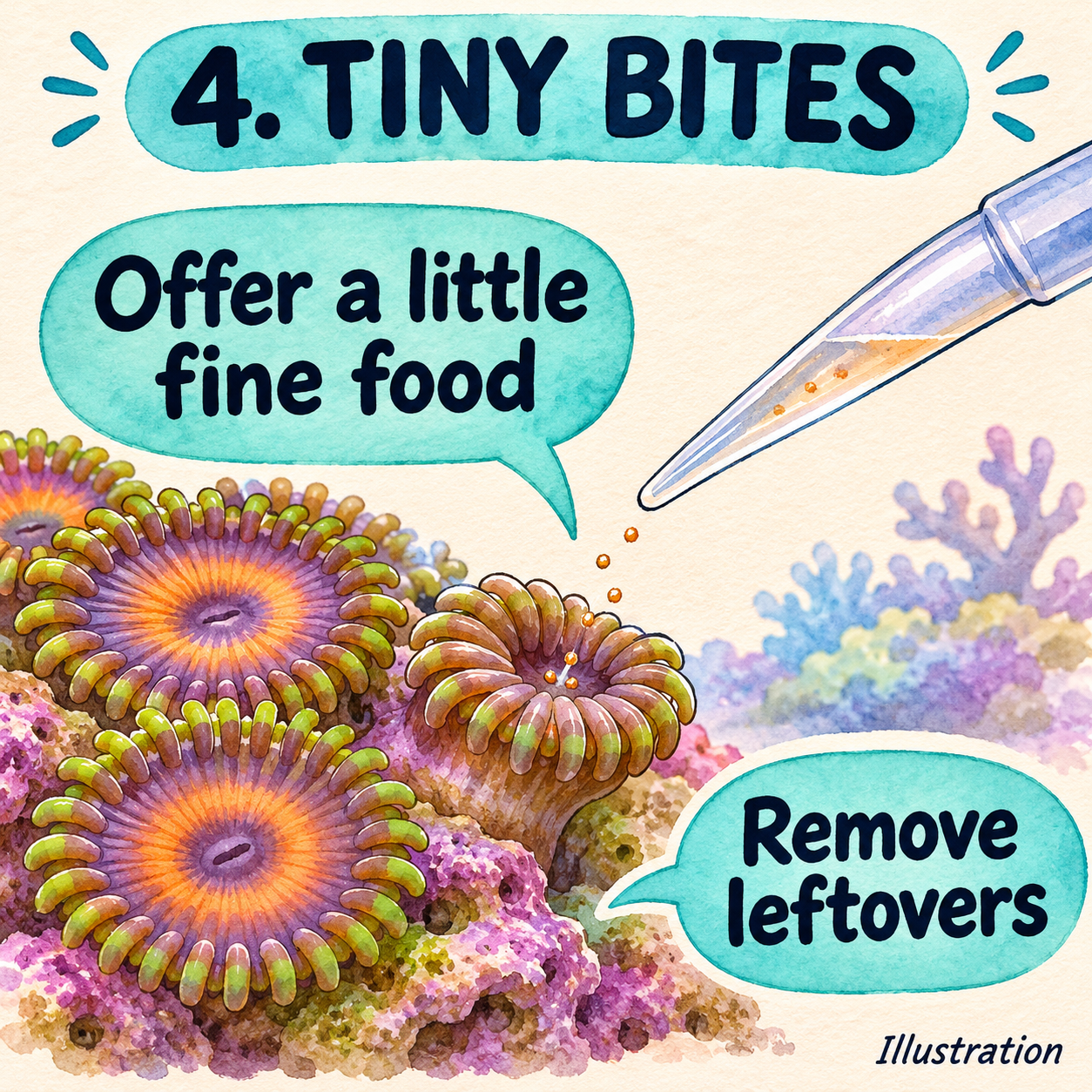
4. Tiny bites
Most of the colony's energy comes from light. Try a tiny portion of fine coral food once a week, with the flow briefly reduced. Watch for food being held and drawn toward a mouth, remove leftovers, and restore circulation.
Field notes — what keepers report
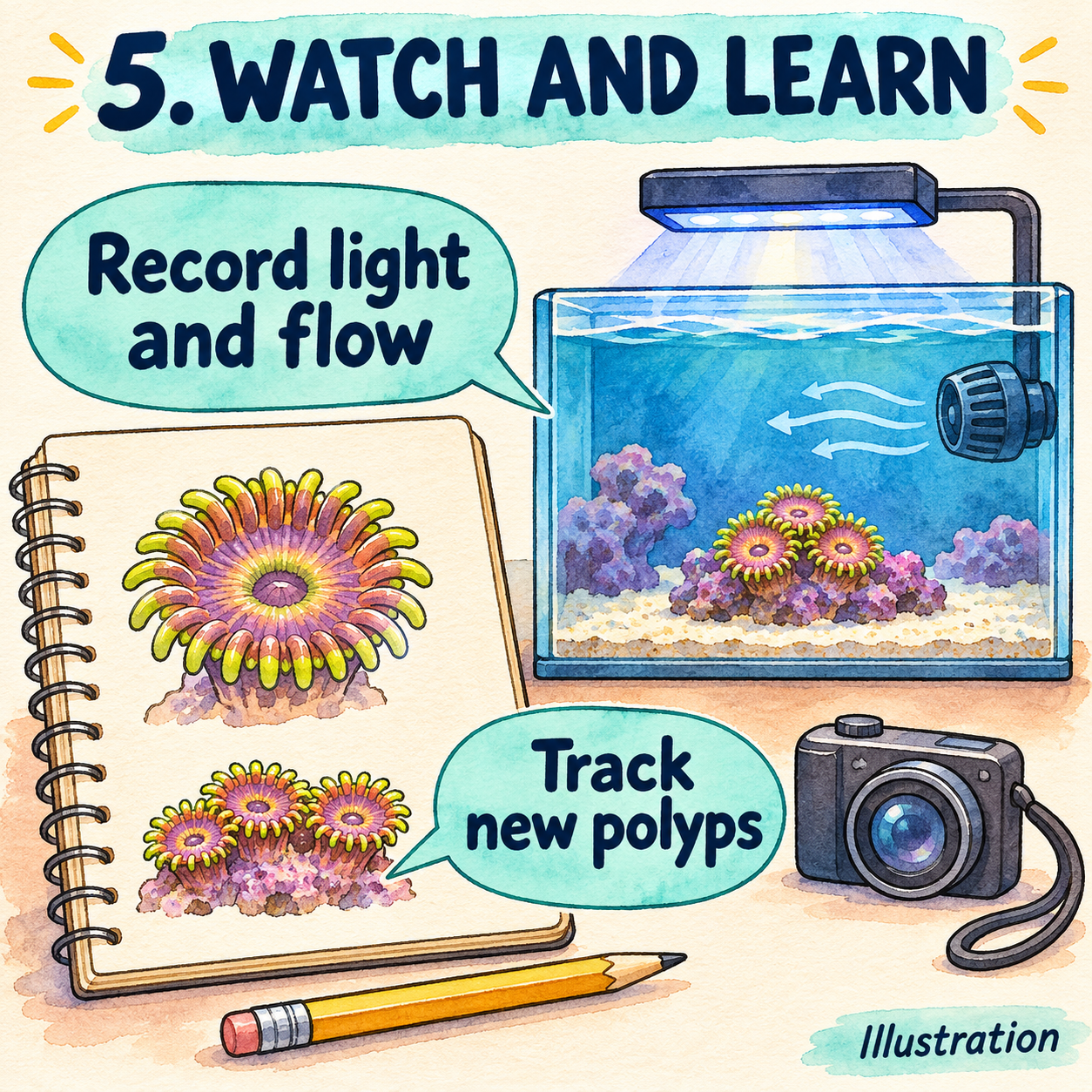
5. Watch and learn. No verified keeper report for this exact Sakura morph was found. In a general zoanthid discussion, one keeper reported mixed target-feeding responses, so track your own colony with photos and notes on light, flow and new polyps.
6. Handle with care
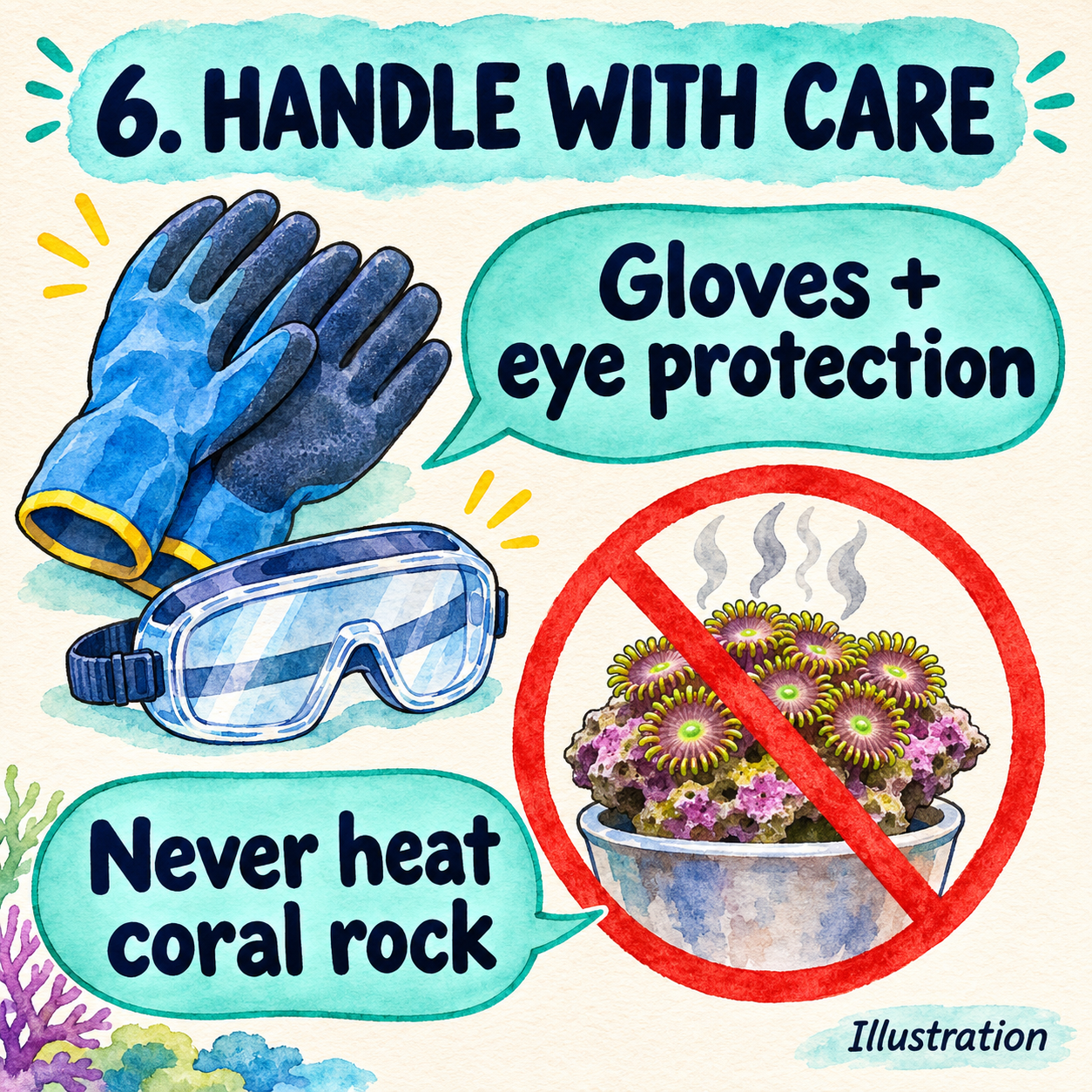
Some zoanthids contain palytoxin, a dangerous toxin. Wear gloves and eye protection, keep handling minimal, and keep the coral submerged when moving it. Never boil, steam or pressure wash coral-covered rock. If exposure is suspected, seek urgent medical help and mention palytoxin.
Small steps, steady growth. Give Sakura a clean, stable spot and room to spread. Watch the colony before changing anything. Your best tool is a few quiet minutes at the glass.
Field Notes
Related species
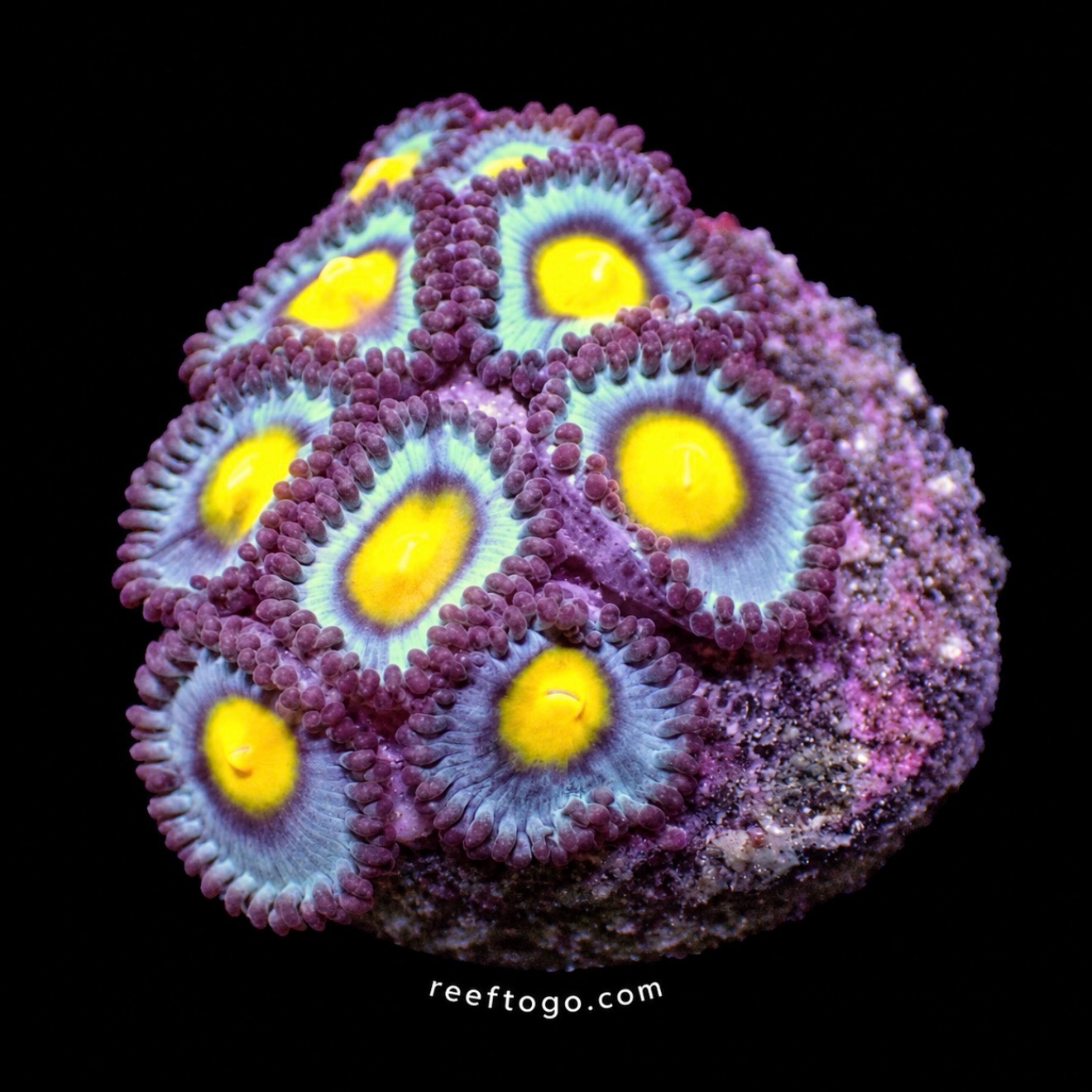
Alien Eye zoas
Zoanthus sp
Same genus
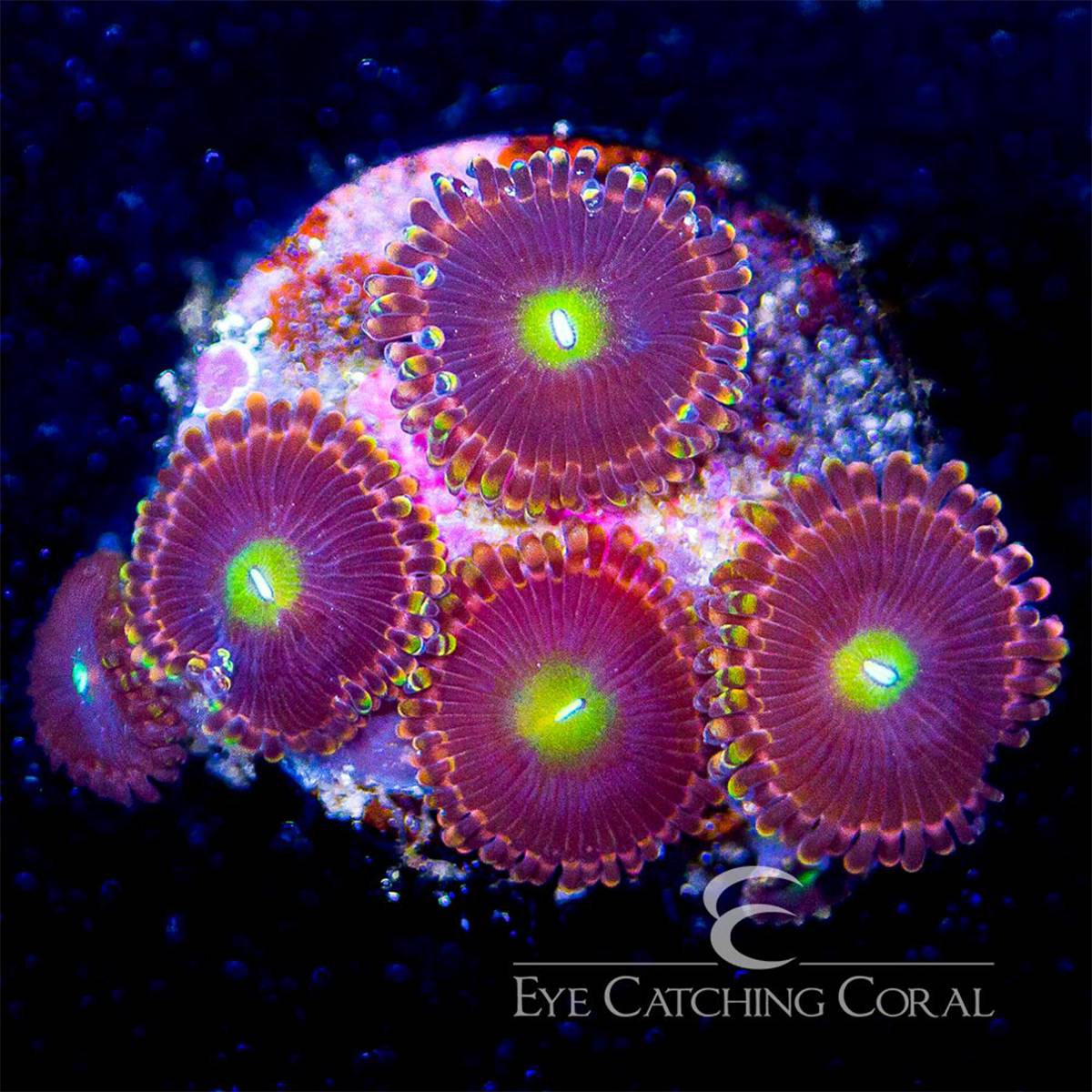
Antimatter zoas
Zoanthus sp
Same genus
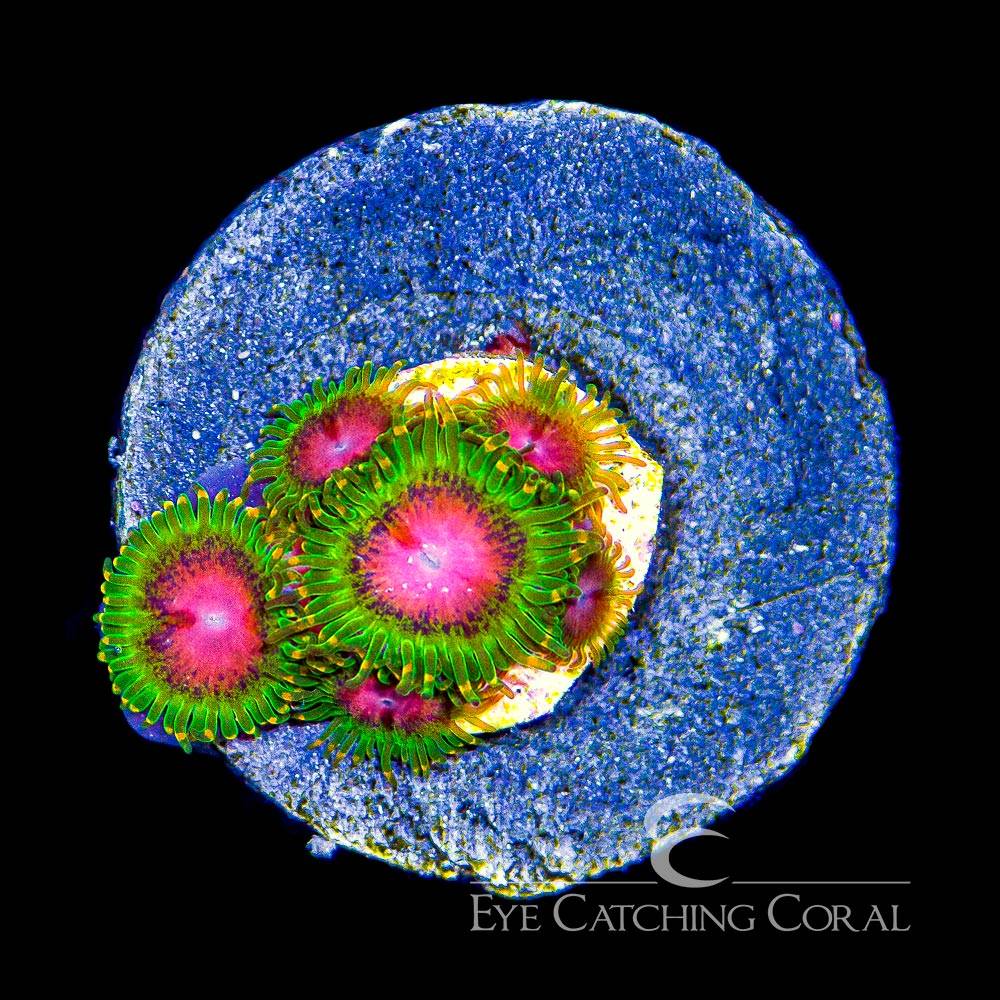
Awesome Blossom zoas
Zoanthus sp
Same genus
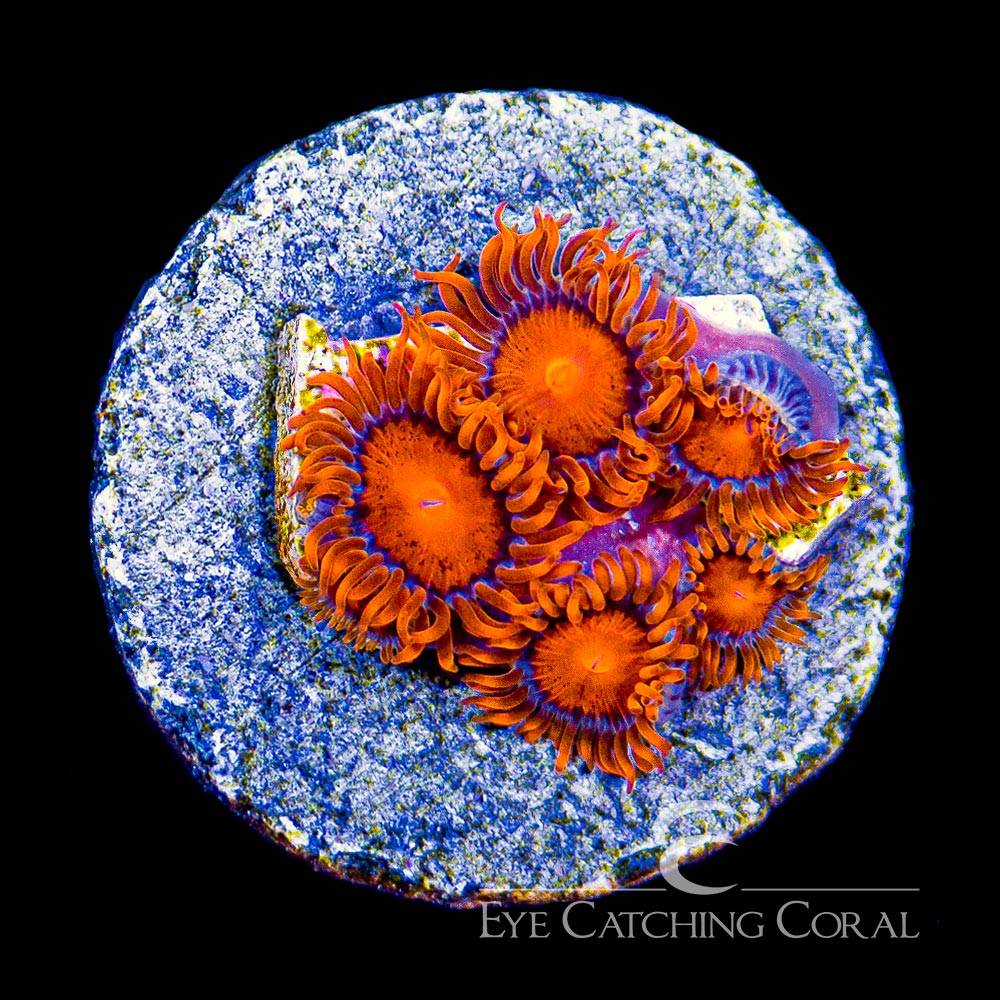
Bam Bam zoas
Zoanthus sp
Same genus
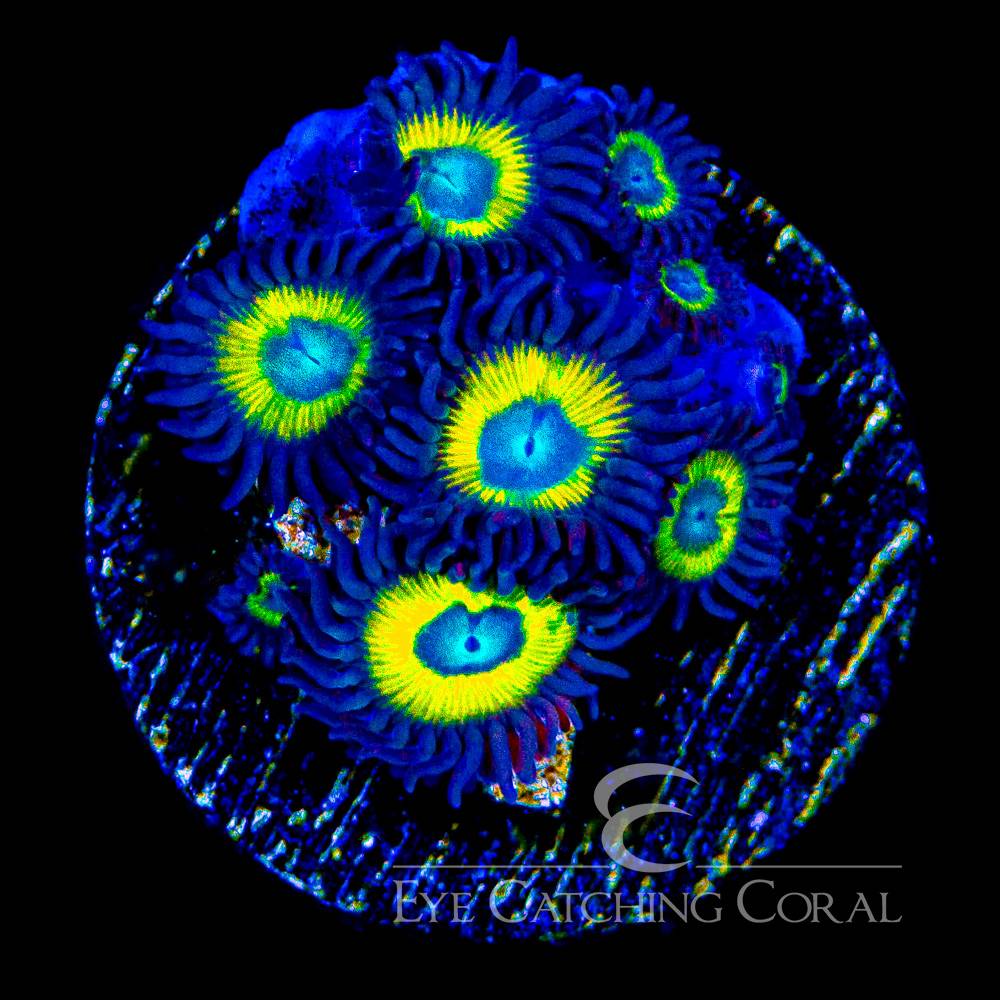
Black Bella zoas
Zoanthus sp
Same genus
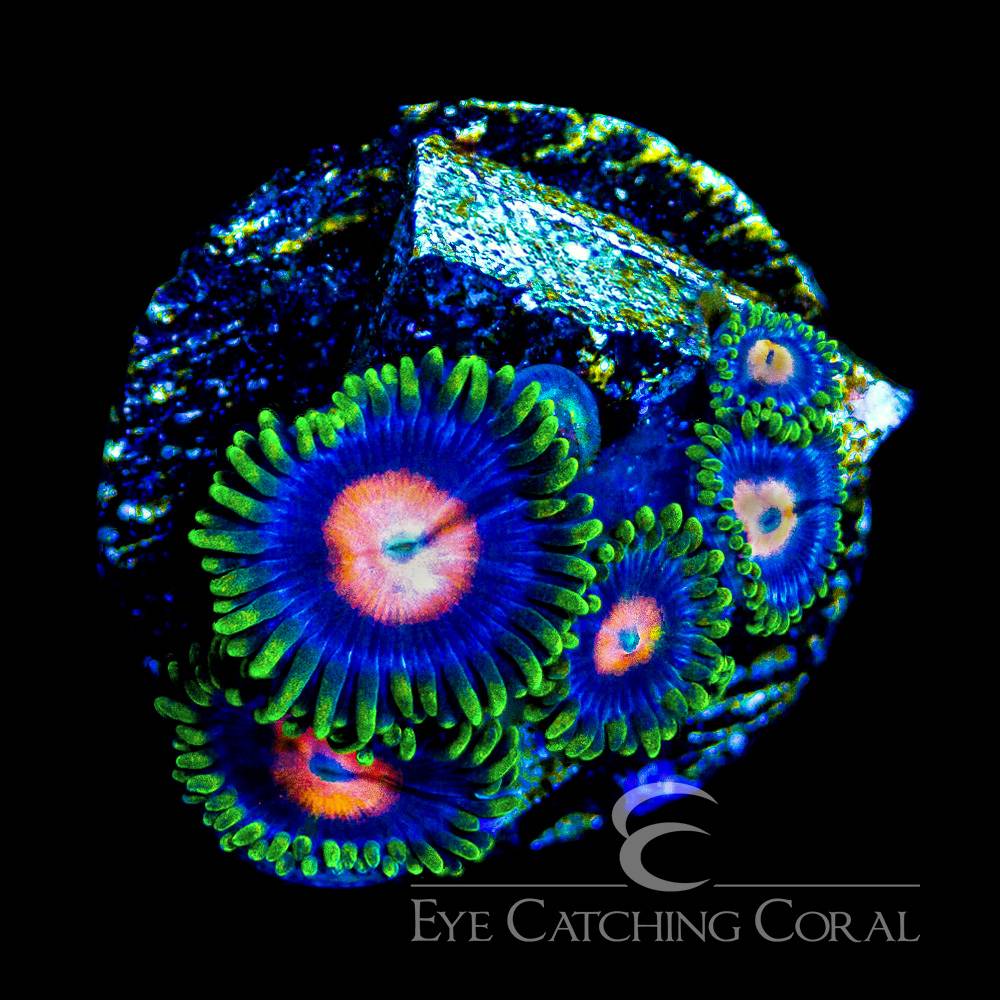
Blow Pops zoas
Zoanthus sp
Same genus
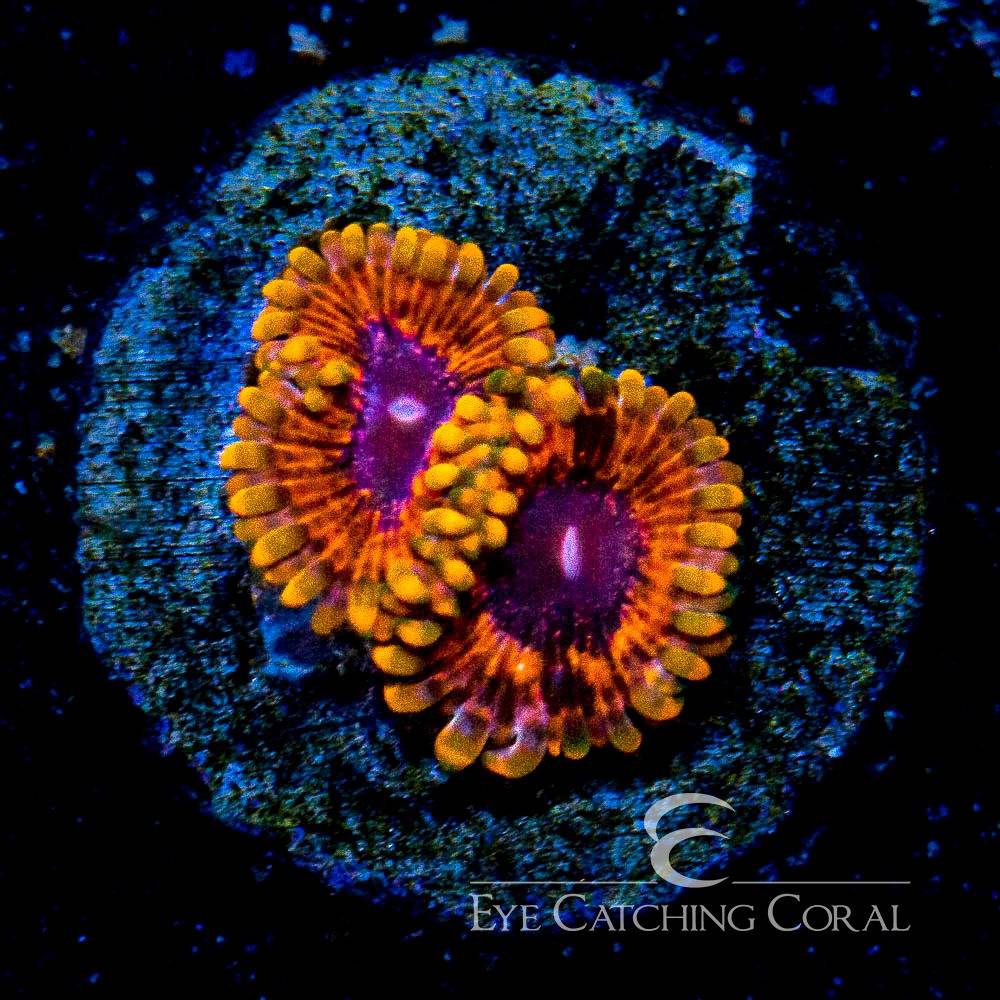
Burning Ember zoas
Zoanthus sp
Same genus
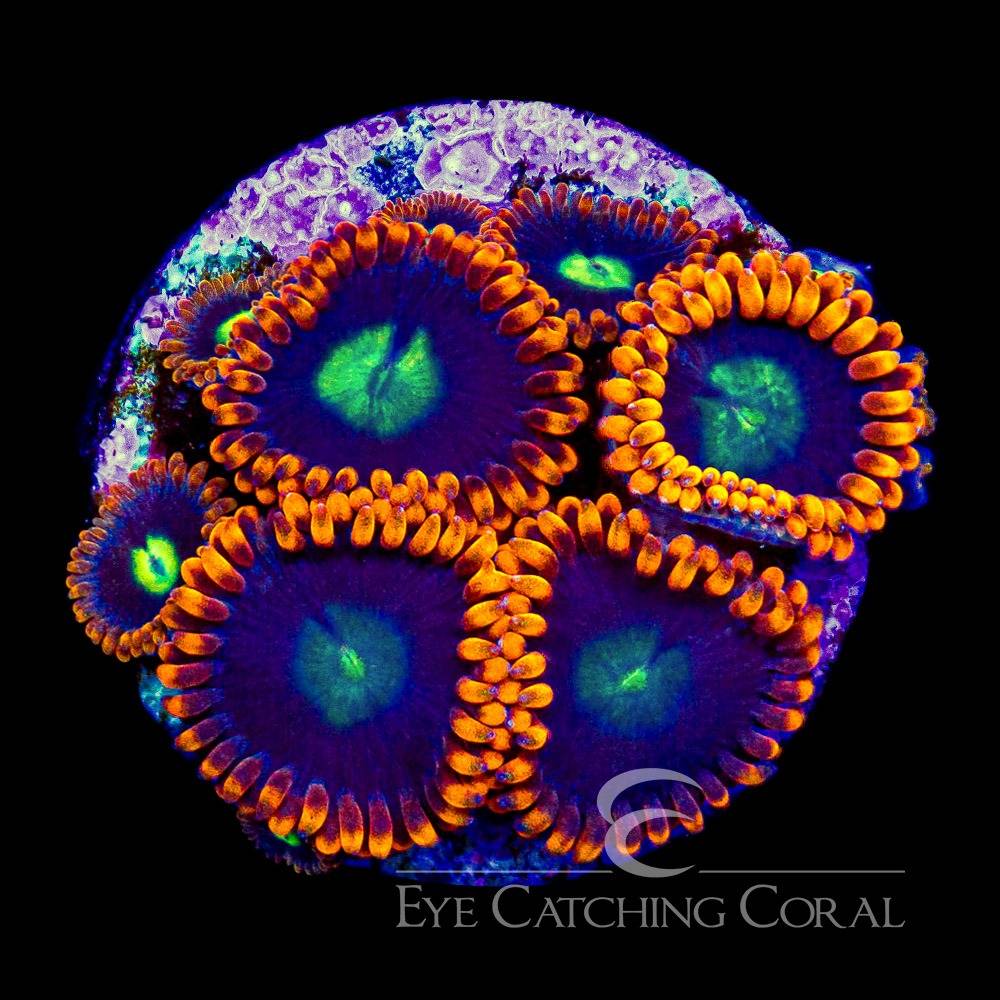
Burning Suns zoas
Zoanthus sp
Same genus