Space invader chalice
Echinophyllia sp.

Care facts
- Care
- Intermediate
- Light
- Low-Medium
- Flow
- Low-Medium
- Place
- Bottom
- Space
- Moderate
- Growth Rate
- Moderate
Gallery
Space Invader Chalice has eyes that don't see. Those bright spots are mouths set into a lime-green plate. The trick to keeping this frag is simple: protect its growing edge and give those mouths room to do their thing.
A plate with eyes
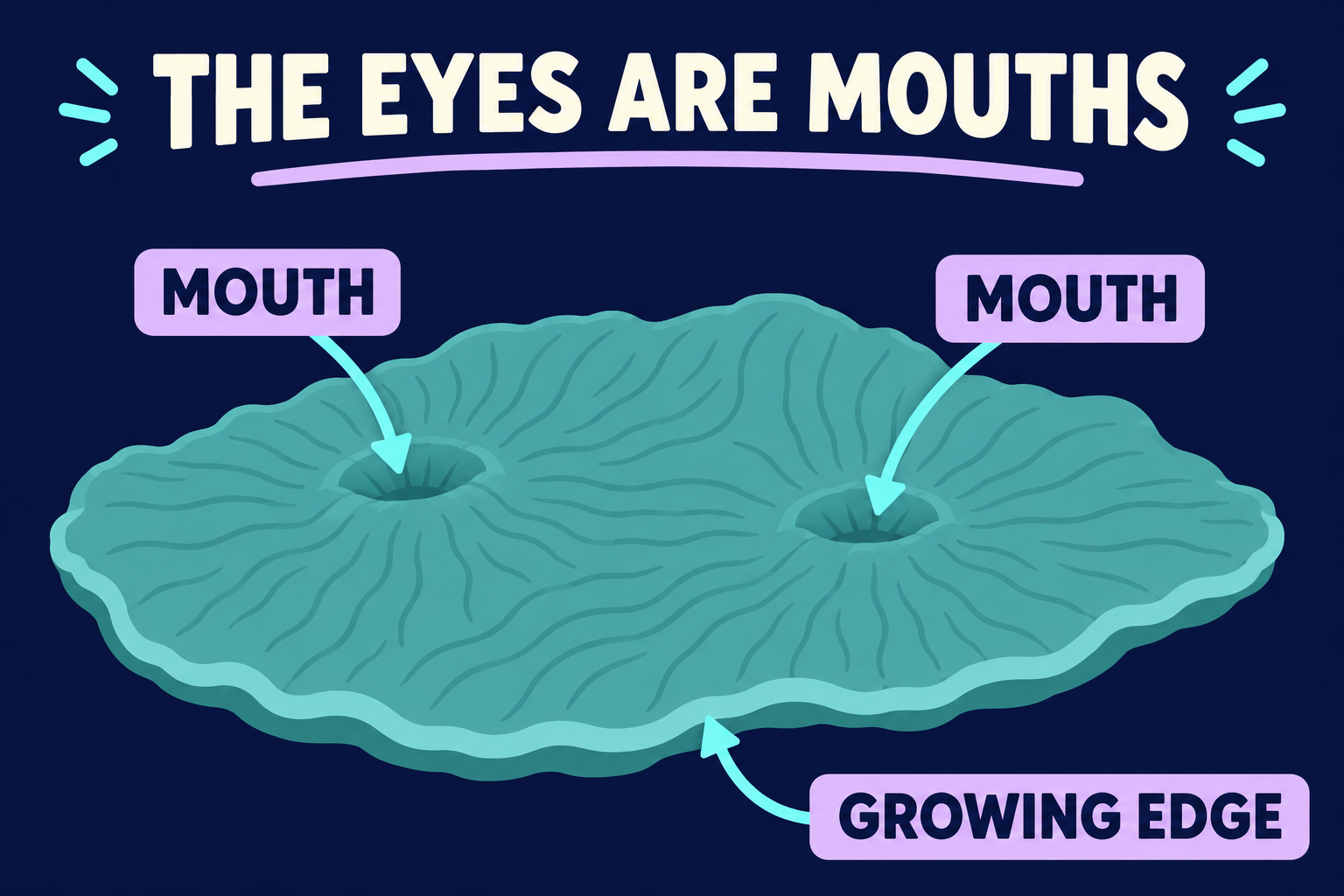
1. The eyes are mouths. Each spot marks a polyp, not an eyeball. The living tissue spreads over a hard skeleton. Look at the edge of the plate to see where the colony is expanding.
2. Read the whole name. Space Invader Chalice and Space Invader Pectinia are different corals in the shop. Don't shop by the nickname alone. This guide is for the Reef To Go chalice.
Ease into the light
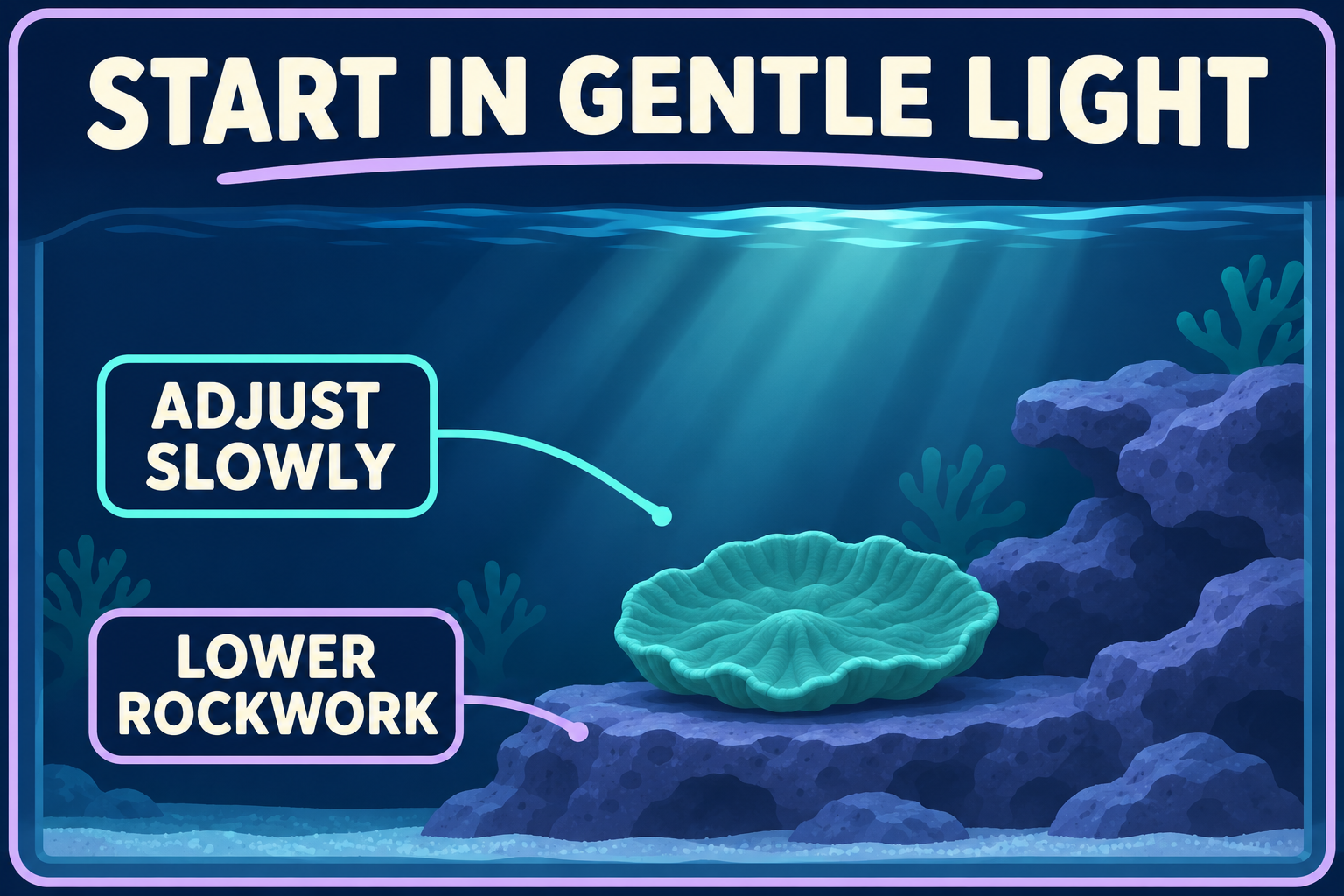
3. Start low. Set the frag on a low ledge with gentle light. Keep it out of the bright top zone while it settles. Make any changes in small steps.
4. Watch the whole plate. Check the tissue around the mouths and along the rim. If it starts to pale after a light increase, ease the exposure back. Don't chase the color you saw under the shop's blue lights.
Send the current past it
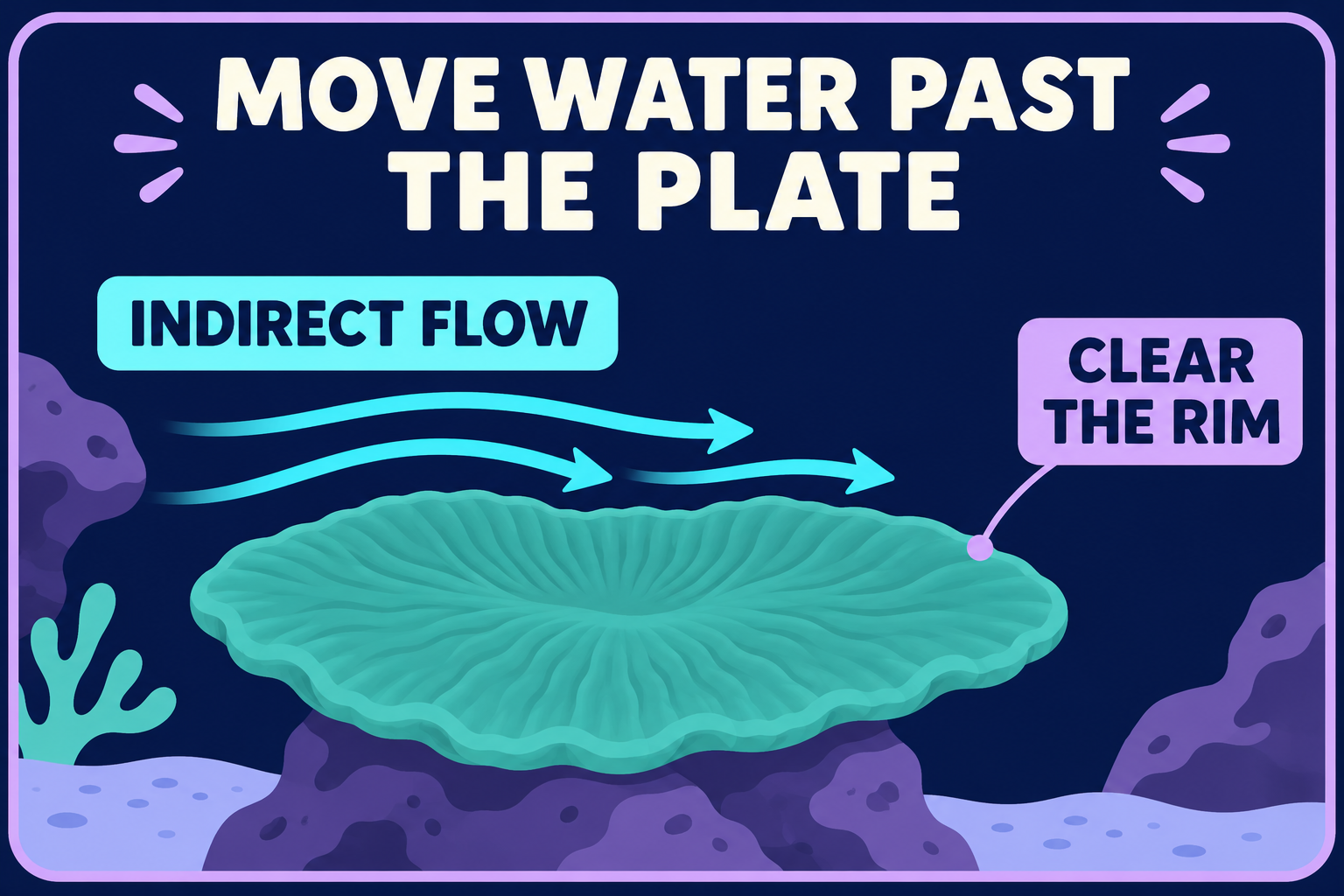
5. Aim beside the frag. Give it low to medium indirect flow. Let water pass over the plate without a jet hammering the tissue. Check that debris doesn't collect along the rim.
6. Fix the dead spot. Redirect the pumps if grit keeps settling in the same place. If the plate sits near the sand, keep it high enough that a passing fish won't bury the edge.
Leave room for the rim
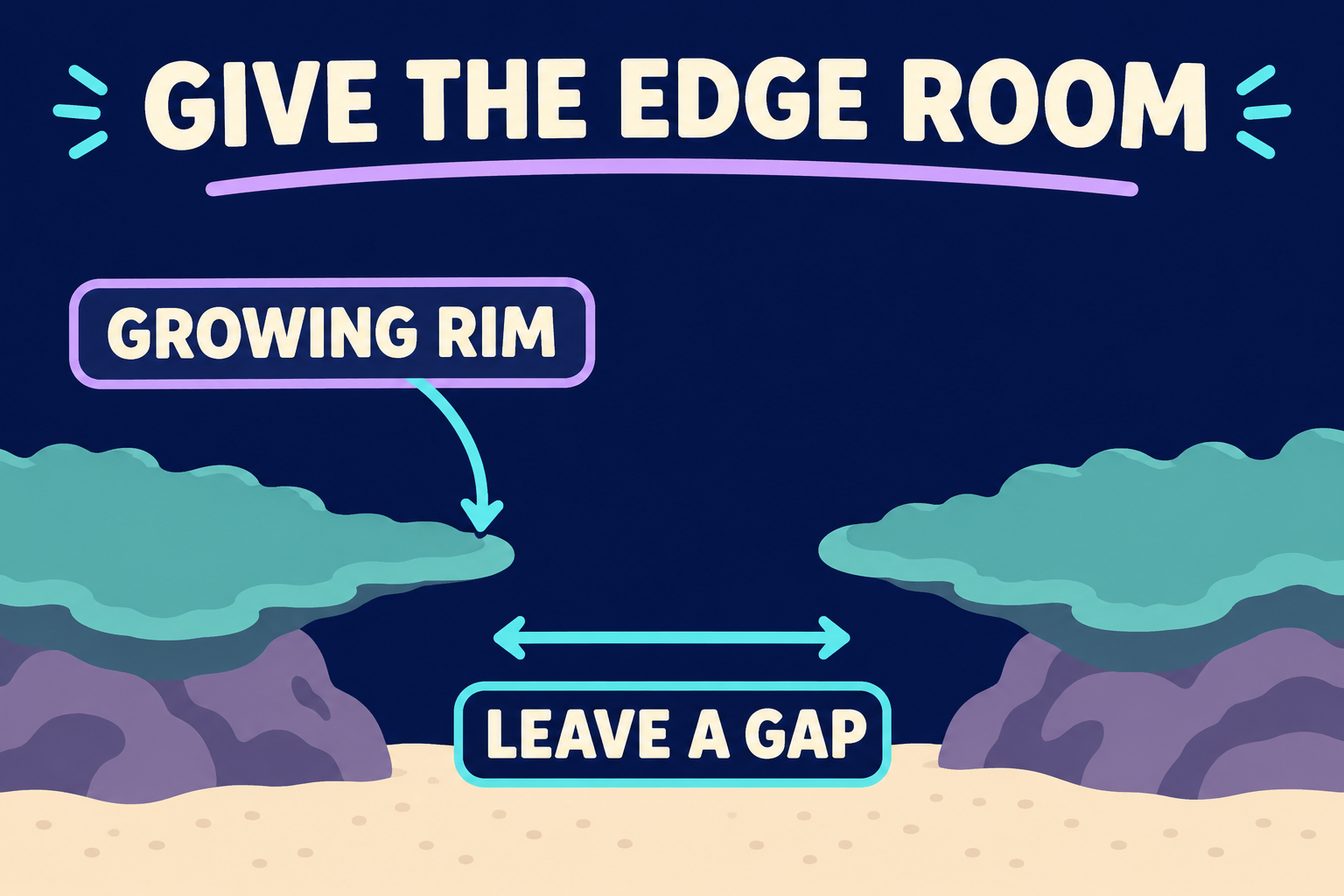
7. Make room to spread. Set the frag on a steady base with open space around its edge. Leave the living rim clear of rock faces and other corals. Think about where the plate will grow, not just where it fits now.
8. Look again after dark. A chalice can stretch stinging tentacles past its daytime outline. Check the gap at night and leave extra room downstream. If a neighbor falls within reach, move it out of the way.
Small bites and steady water
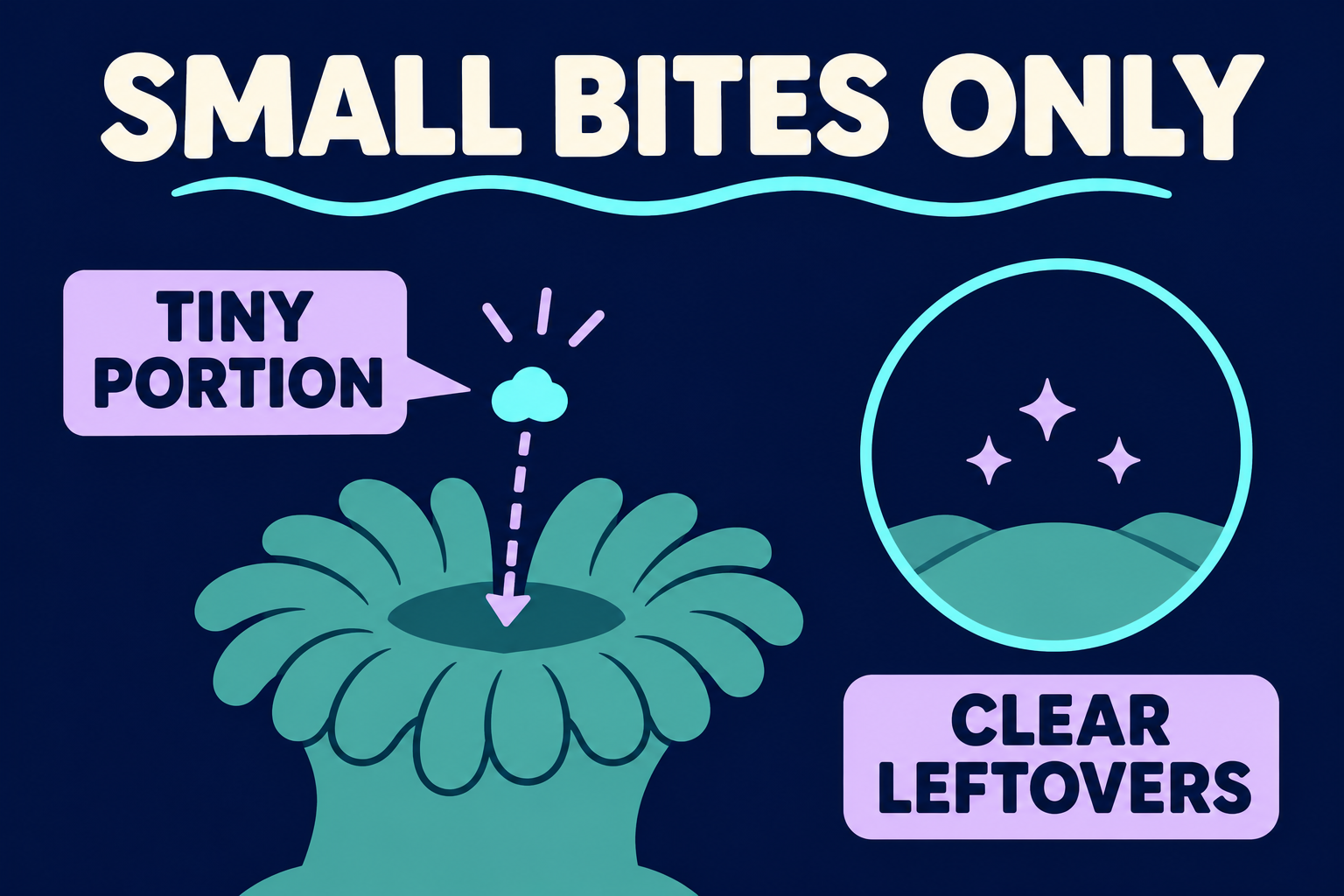
9. Offer a tiny bite. When the mouths are open for feeding, offer a small piece of meaty coral food. Give it time to take the piece in. Clear anything it doesn't eat.
10. Keep changes small. Hold salinity and temperature steady and keep an eye on alkalinity and calcium. If the rim pulls back, check recent changes, trapped debris and coral contact before moving the frag again.
Field notes — what keepers report
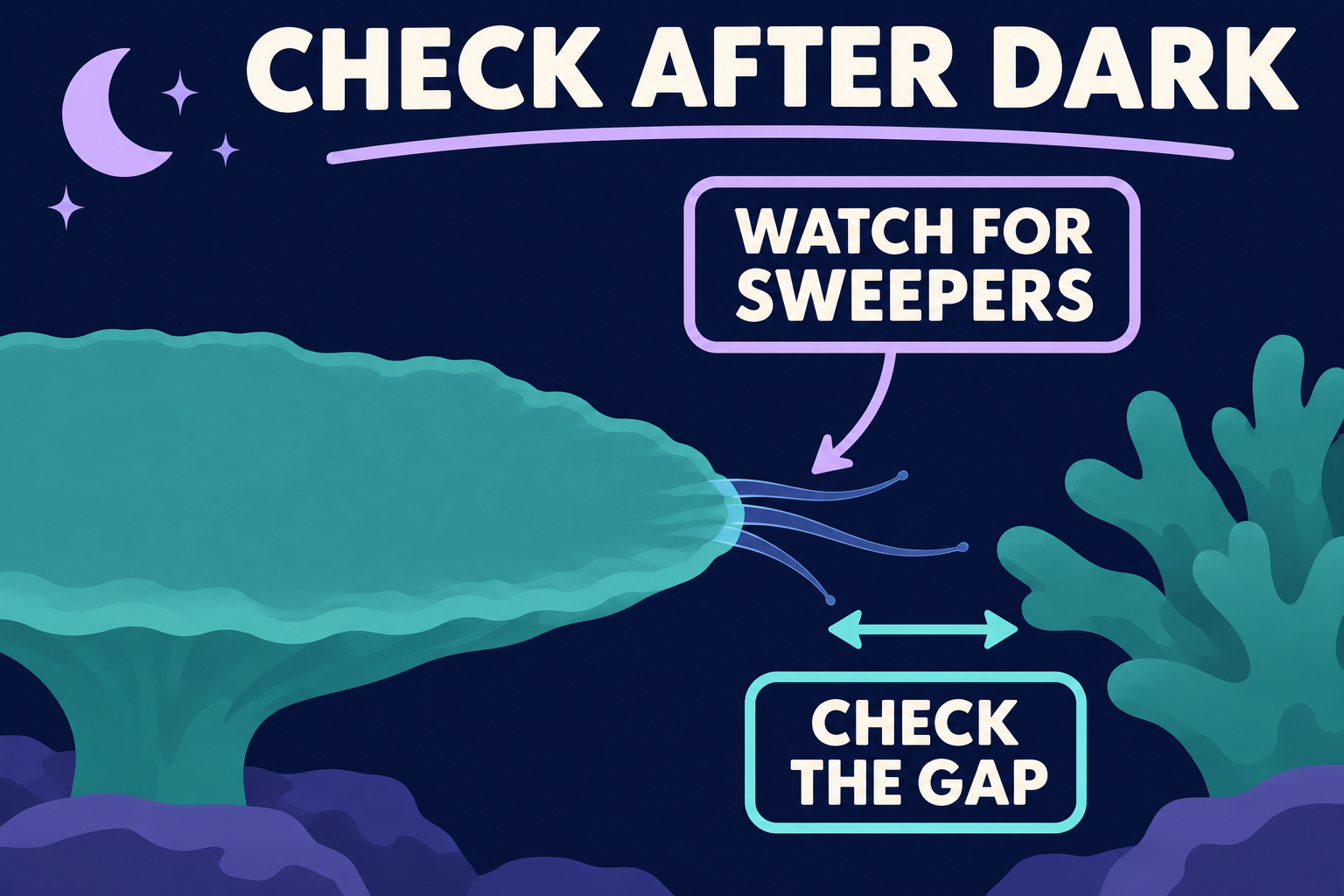
11. One keeper never saw sweepers. Their chalice looked fine after three months, but they couldn't see it take food or extend long tentacles at night. That's a general chalice report, not an observation of this line.
12. Another saw why the gap matters. A Raja Rampage keeper lost two neighbors they thought were out of reach. That's a different morph. Those two tanks tell you why it's worth watching your own colony instead of trusting a fixed spacing number.
Give this plate a low perch, a clean rim and room to grow. Check it again after the lights go out. What the colony does in your reef is more useful than a number copied from someone else's tank.
Field Notes
Related species
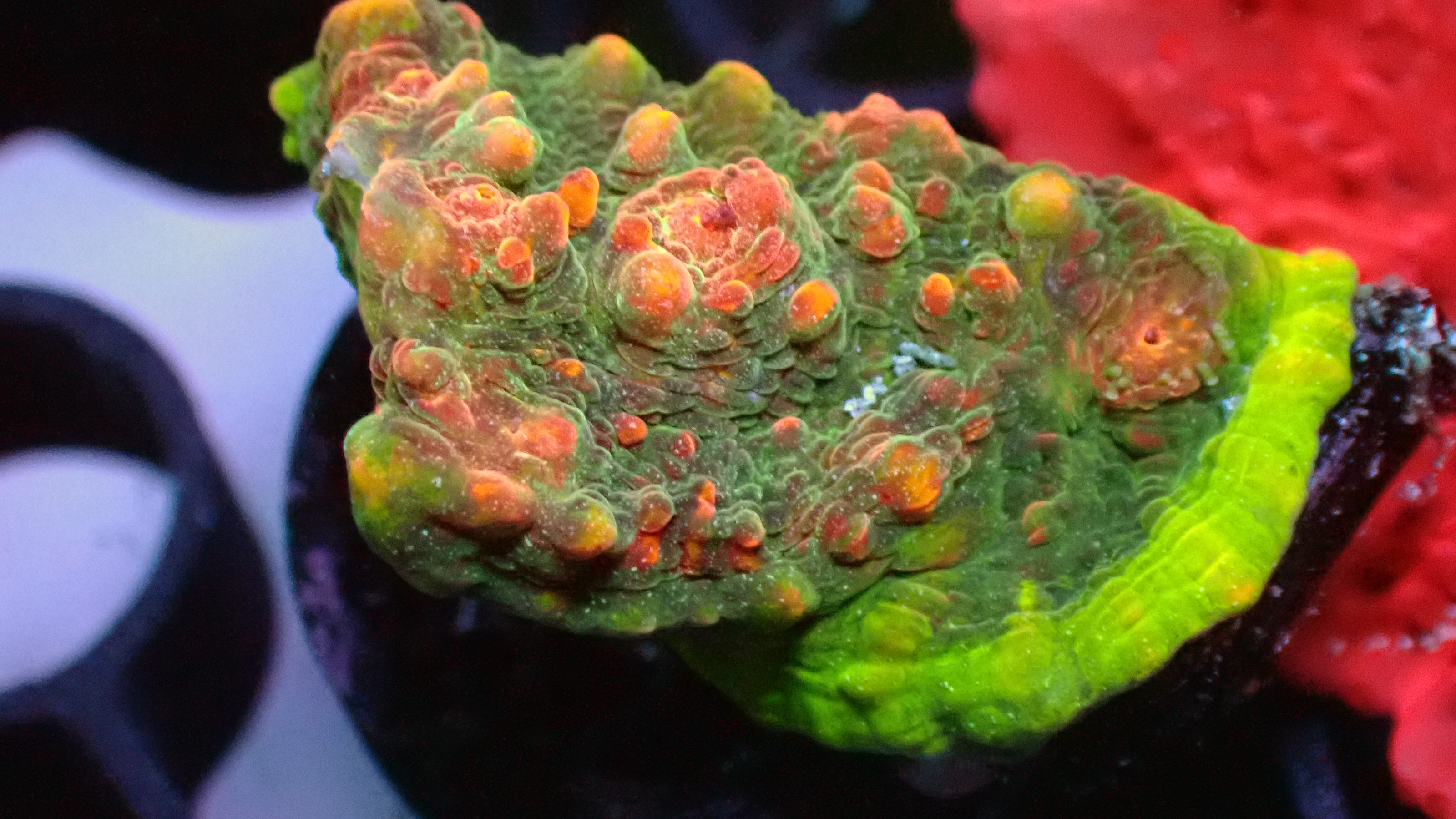
Area 51 chalice
Echinophyllia sp
Same genus
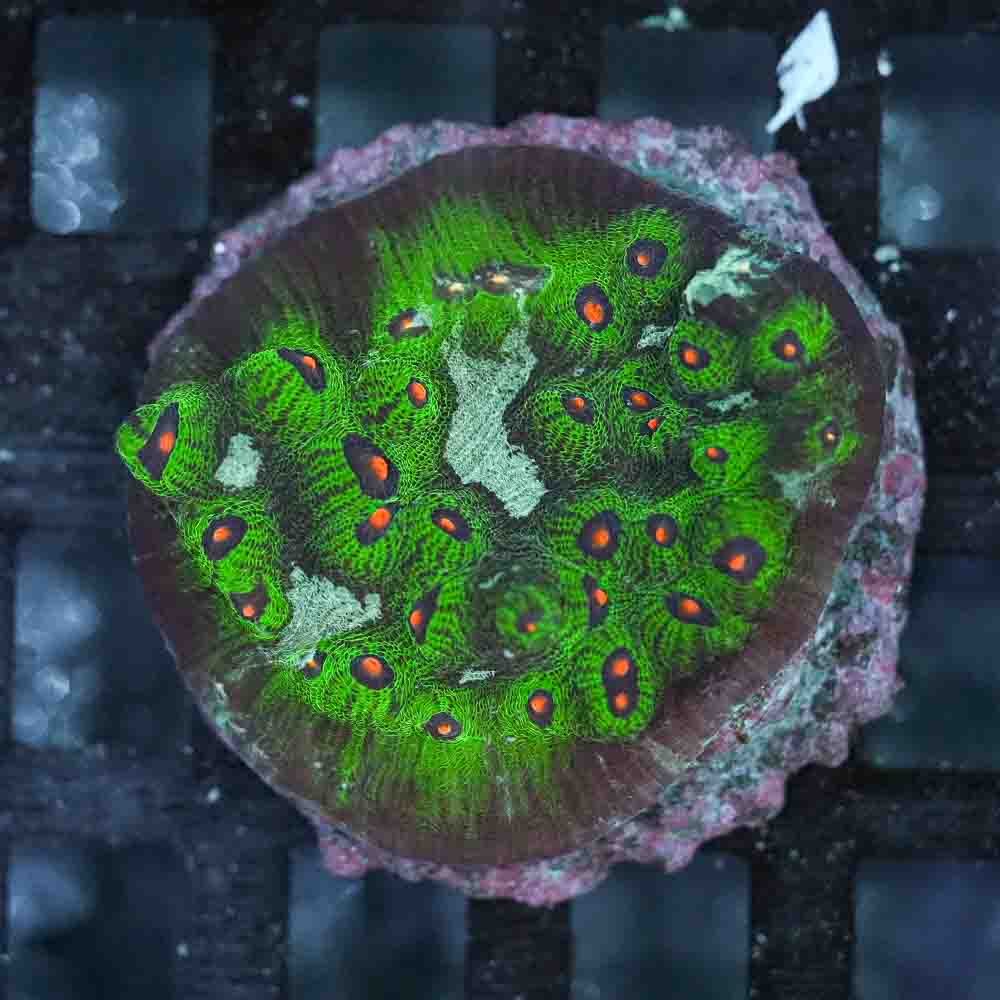
Avatar chalice
Echinophyllia aspera
Same genus

Dragon ball chalice
Echinophyllia aspera
Same genus

Echinophyllia Chalice
Echinophyllia tarae
Same genus

Mars chalice
Echinophyllia aspera
Same genus

Miami hurricane chalice
Echinophyllia aspera
Same genus
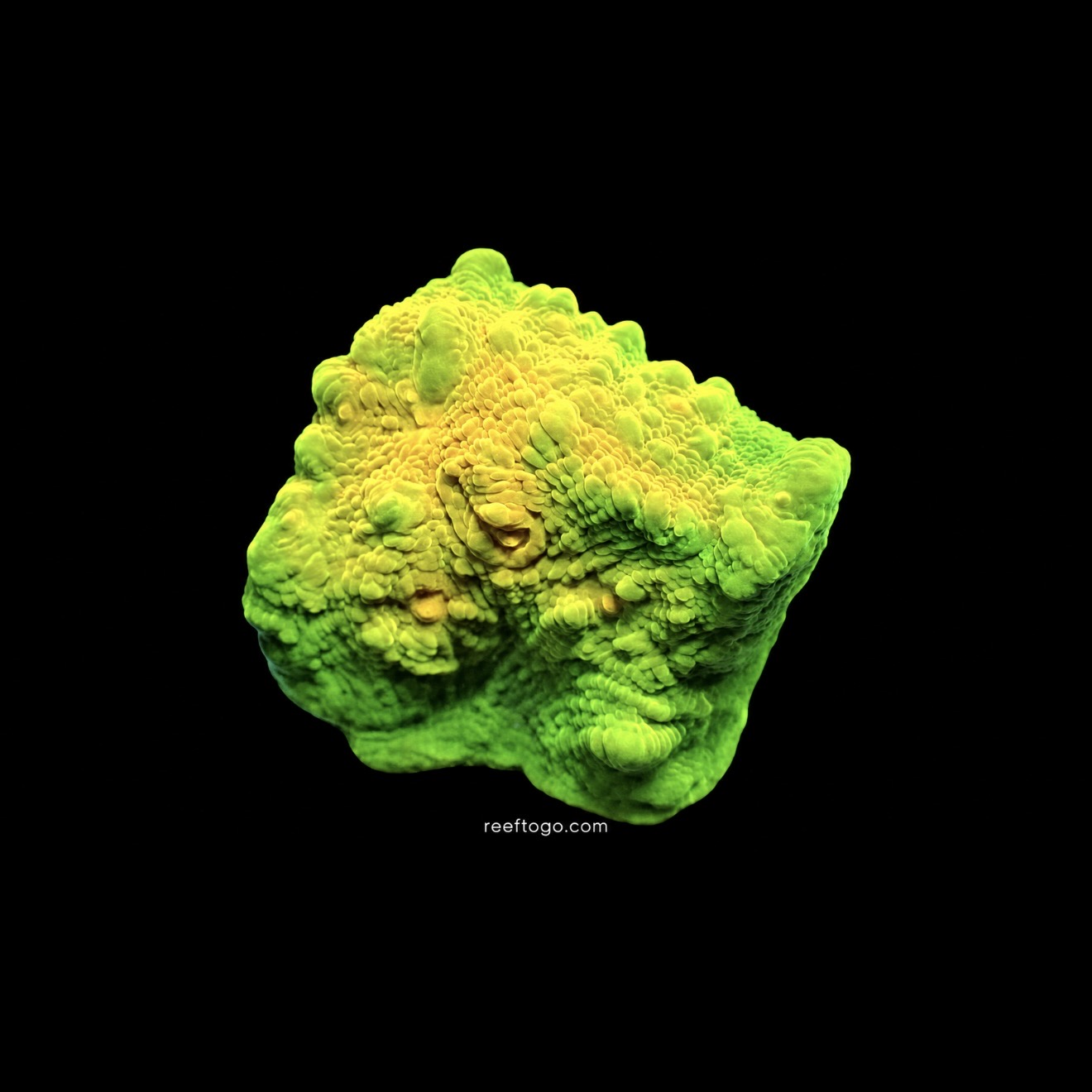
Yellow lambo chalice
Echinophyllia sp
Same genus
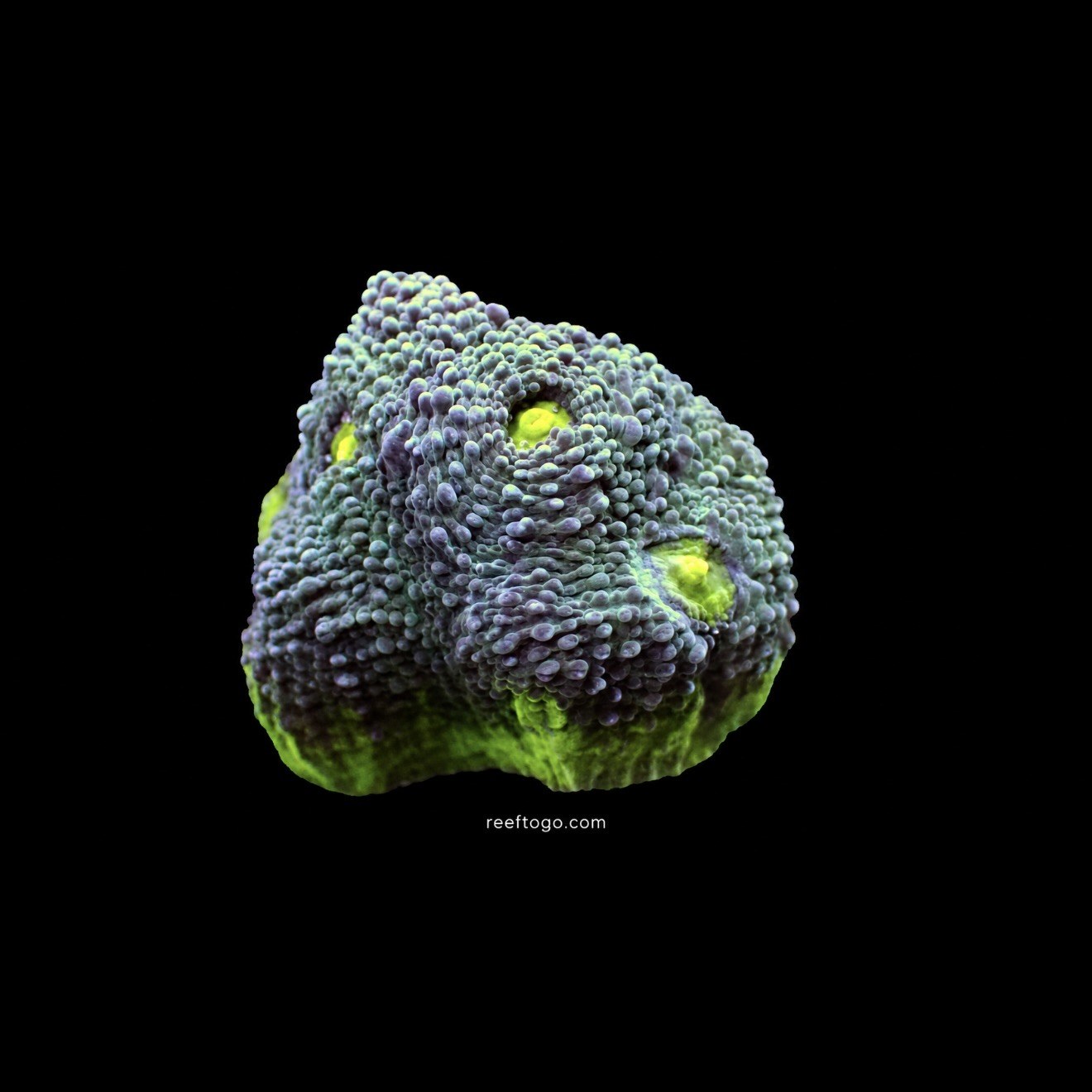
Blue boobie chalice
Echinophyllia sp.
Same genus