

Tiger torch
Euphyllia glabrescens
Tiger torch is a torch coral listed as Euphyllia glabrescens, an LPS kept for its long, flowing tentacles. Each head rises on a branching skeletal stalk, and a settled polyp extends thick tentacles that sway and pulse in the current, ending in rounded tips that stand out against the tentacle color. A multi-head colony in motion is one of the most active sights in a reef tank. The tiger name follows the bold, high-contrast patterning this morph carries through its tentacles and tips.

The entry lists intermediate care, medium flow, middle placement, aggressive behavior, and moderate growth, with light in the medium to high range. Place the colony in the middle of the rockwork with the skeleton secured and the heads facing open water. Medium to high light holds full extension and strong color. A torch kept in low light may stretch and pale, while a sudden jump in light can keep heads drawn in through the day. Step changes in stages and judge extension over a full week.
Medium flow should arrive as a gentle, changing surge. Torch tentacles want to drift and sway, and a steady one-direction stream presses tissue against the skeleton and can tear flesh at the head rim. Still water lets waste settle into the branching base. Secure the skeleton firmly, because a growing torch colony is top-heavy and a fall usually lands on the polyps.
Feeding supports growth and recovery. The heads take small meaty foods, including mysis and finely chopped seafood, offered into the tentacles once a week or so with flow lowered briefly. Light supplies much of the energy, and fed colonies tend to hold thicker tissue and divide heads more steadily. Keep offerings small and spread across heads, and clear food that drifts away rather than leaving it in the base.
Aggression is a defining trait here. Torch corals extend long sweeper tentacles that can reach several inches beyond the resting tentacles and carry a strong sting. Leave a wide clear ring on all sides, judged by sweeper reach rather than the daytime footprint, and keep other corals outside that ring. Torches can usually sit near other Euphyllia torches, and hammers and frogspawn are safer kept at a distance. Protect the torch in return from stinging neighbors and from clownfish that host rough enough to wear the tissue.
Growth is listed as moderate. Heads divide at the mouth, daughter heads form along the branch, and a small frag can build into a full colony over seasons in a settled spot. Stable alkalinity, calcium, and magnesium support the branching skeleton. A head that stays retracted for days, flesh receding at a rim, or a whole colony shrinking usually traces back to flow, a pest check worth doing, or a chemistry swing.
Common pitfalls include placing the colony in a direct stream because the frag looked sturdy, crowding it by its frag size, and mounting it loosely so it topples as heads gain weight. Start in the middle of the rockwork with gentle surging flow, space for the sweepers, and a mount that cannot move.
Field notes — what keepers report
- Flow reports track extension closely. Keepers describe long, relaxed tentacles under gentle, changing movement, and shorter, tighter heads under a steady stream. A calmer, less direct pattern is the first change described when a torch stays partly closed.
- Spacing reports carry consistent warnings. Keepers describe sweepers reaching a neighbor that looked safely distant by day, and other keepers describe torch colonies kept happily beside other torches with no damage either way. The shared practice is a wide ring for unlike corals and closer tolerance within torches themselves.
- Settling reports divide on speed. Some keepers describe new torches opening fully within days in a stable tank, while others describe a head that stayed sulky for weeks after shipping and then extended without any single change being credited. Both sides advise against repeated moves during that settling window.
Field Notes
Related species

Elegance coral
Catalaphyllia jardinei

Dragon tamer torch
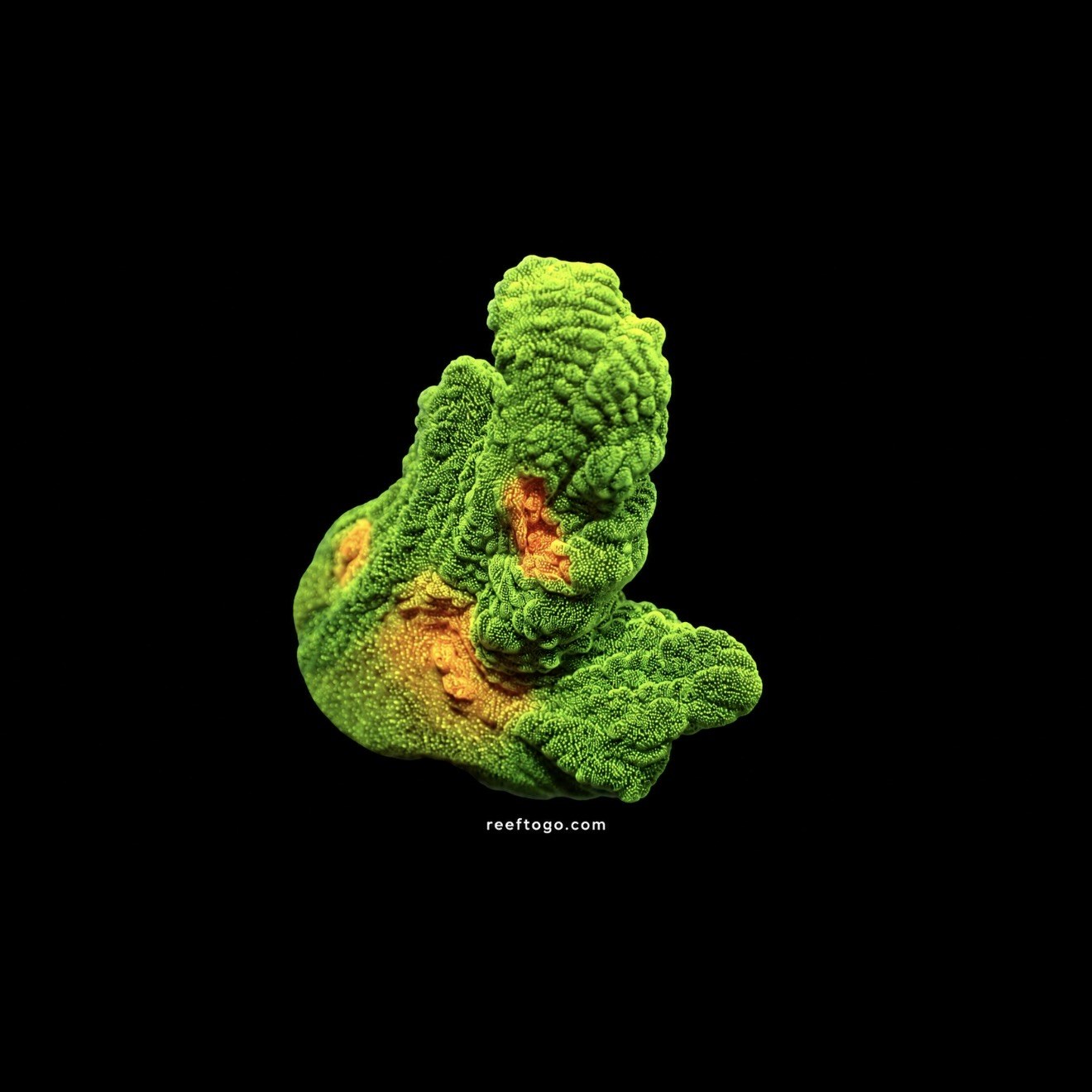
Space invader pectinia
Pectinia sp

Avatar chalice
Echinophyllia aspera

Bubble Coral
Plerogyra sinuosa
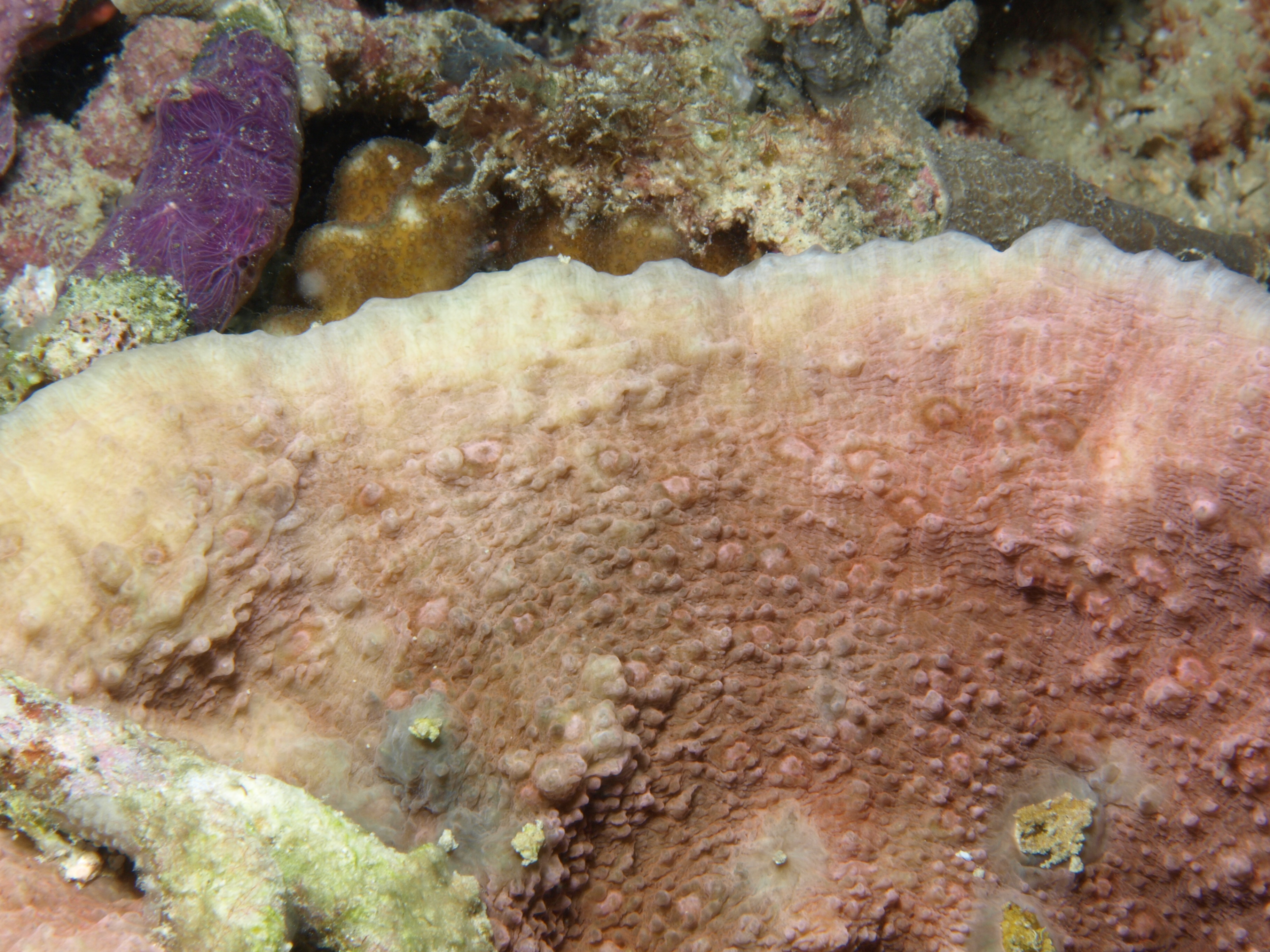
Chalice Coral
Oxypora glabra

Citrus Orange Short Polyp Goniopora

Confetti Grafted Goniopora
Recommended from the shop
 RTG Dragon Soul Torch$149.99
 Live auctionDragon Soul Torch 1" fragLive auction · Ends Sun, Nov 1, 6:00 PM CT — bid at Reef To GoLive auctionDragon Soul Torch 1" fragLive auction · Ends Wed, Oct 28, 6:00 PM CT — bid at Reef To Go
 Live auctionGold Torch · 1" FragLive auction · Ends Mon, Nov 2, 6:00 PM CT — bid at Reef To Go
Love this species? No tank needed.
Reef art from the shop — for the wall, not the tank.


Get notified when Reef To Go has Tiger torch in stock or up for auction. One email when it's in — no spam.