Corky Sea Finger
Briareum asbestinum

Karelj · Public domain · source
Photo: Karelj, public domain, via Wikimedia Commons. Cropped on Commons by AquariaNR.
Gallery
A patch of Corky Sea Finger can look like carpet. Then a few fingers rise from the same living mat. When their tiny polyps open, those plain-looking fingers turn into a fuzzy forest.
Meet the corky finger
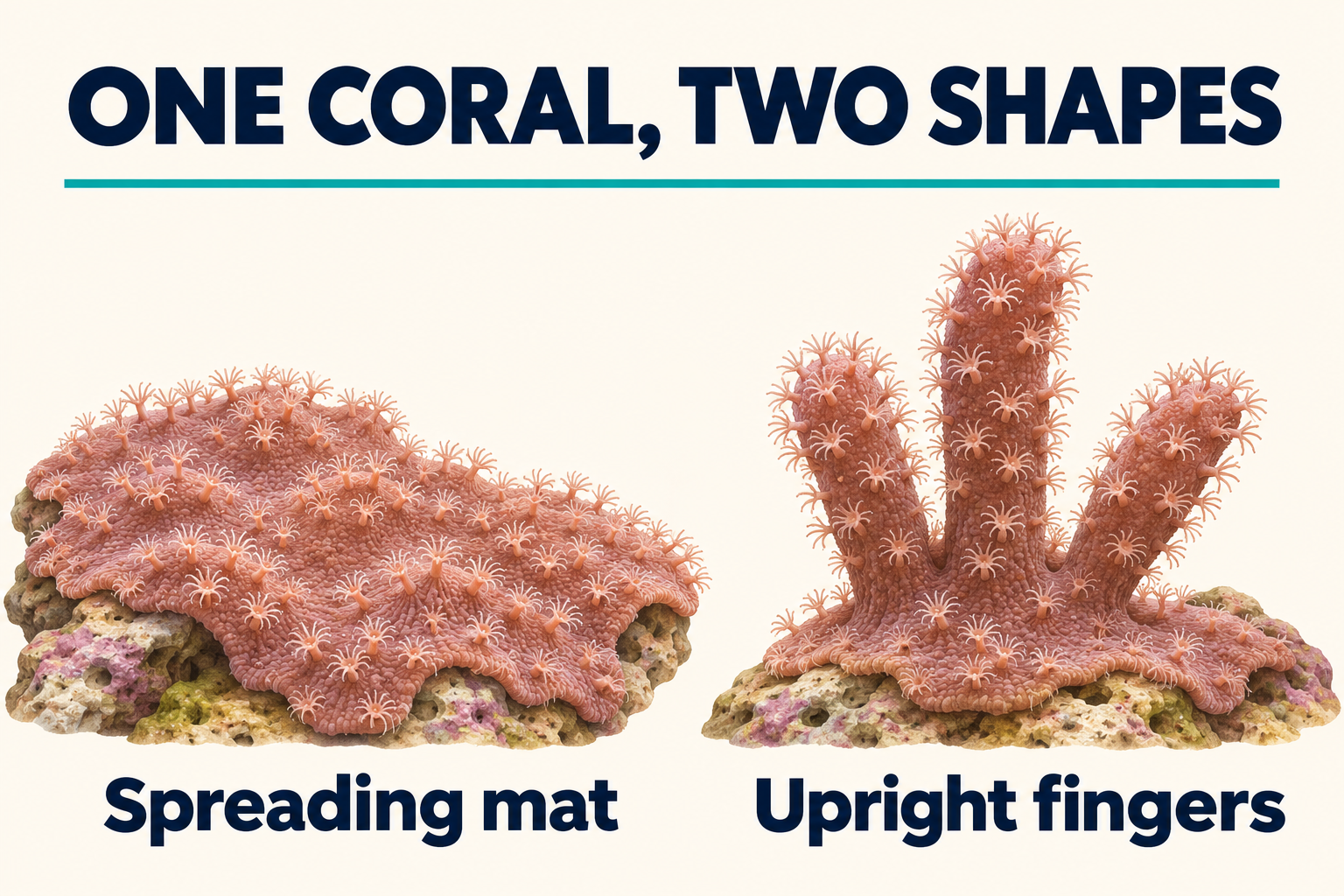
1. One coral, two shapes. Corky Sea Finger grows as a mat over hard surfaces, as upright fingers, or both. Look for the living base where the fingers meet the rock. 2. Eight tiny feathers. Each open polyp has eight feathery tentacles. This is a soft coral from the western Atlantic and Caribbean, not a hard coral building a stony skeleton.

Set the light
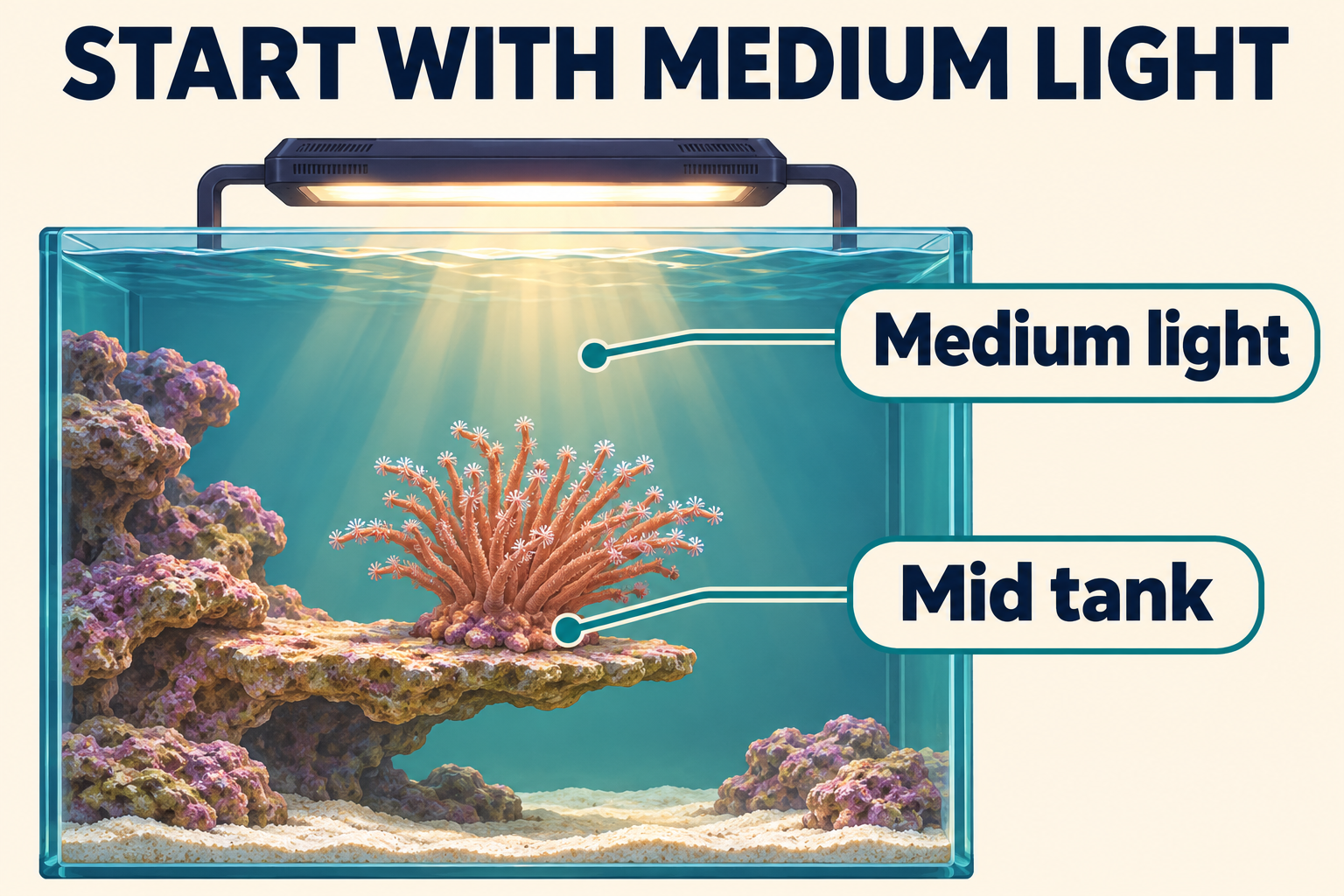
3. Start in the middle. Set it on stable rock around mid-tank with medium light. In a shallow tank, that same ledge can be much brighter than you expect. 4. Make small changes. Give a new frag time to settle. If you adjust the light, do it gradually and leave the flow alone so you can see what changed.
Keep water moving
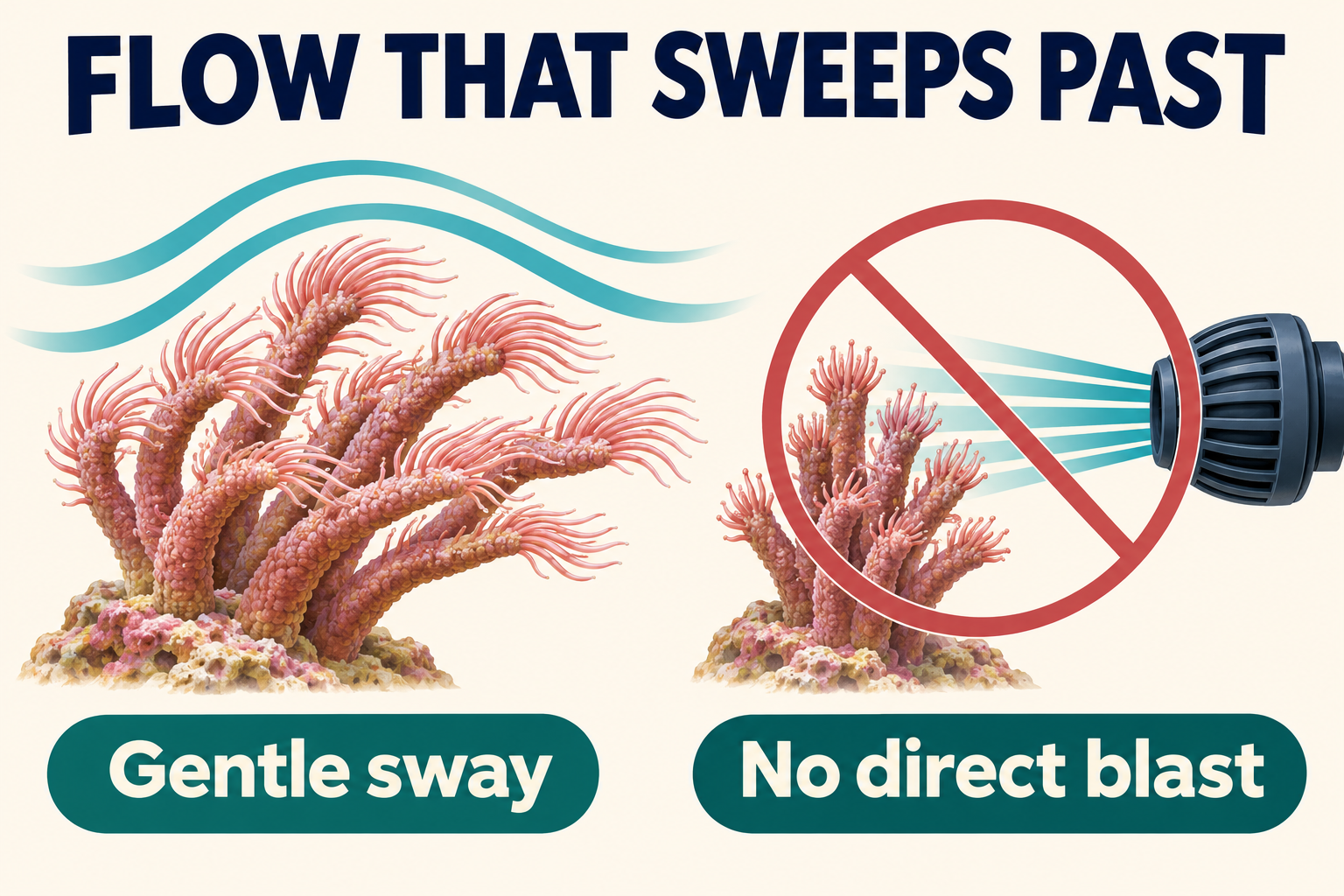
5. Sweep past the fingers. Aim for medium, indirect flow. Let the polyps sway instead of pinning them down with a pump jet. 6. Check for a dusty coat. Look between the fingers and around the base. If debris collects there, redirect a little flow across the coral rather than pointing a pump straight at it.
Give the mat a border
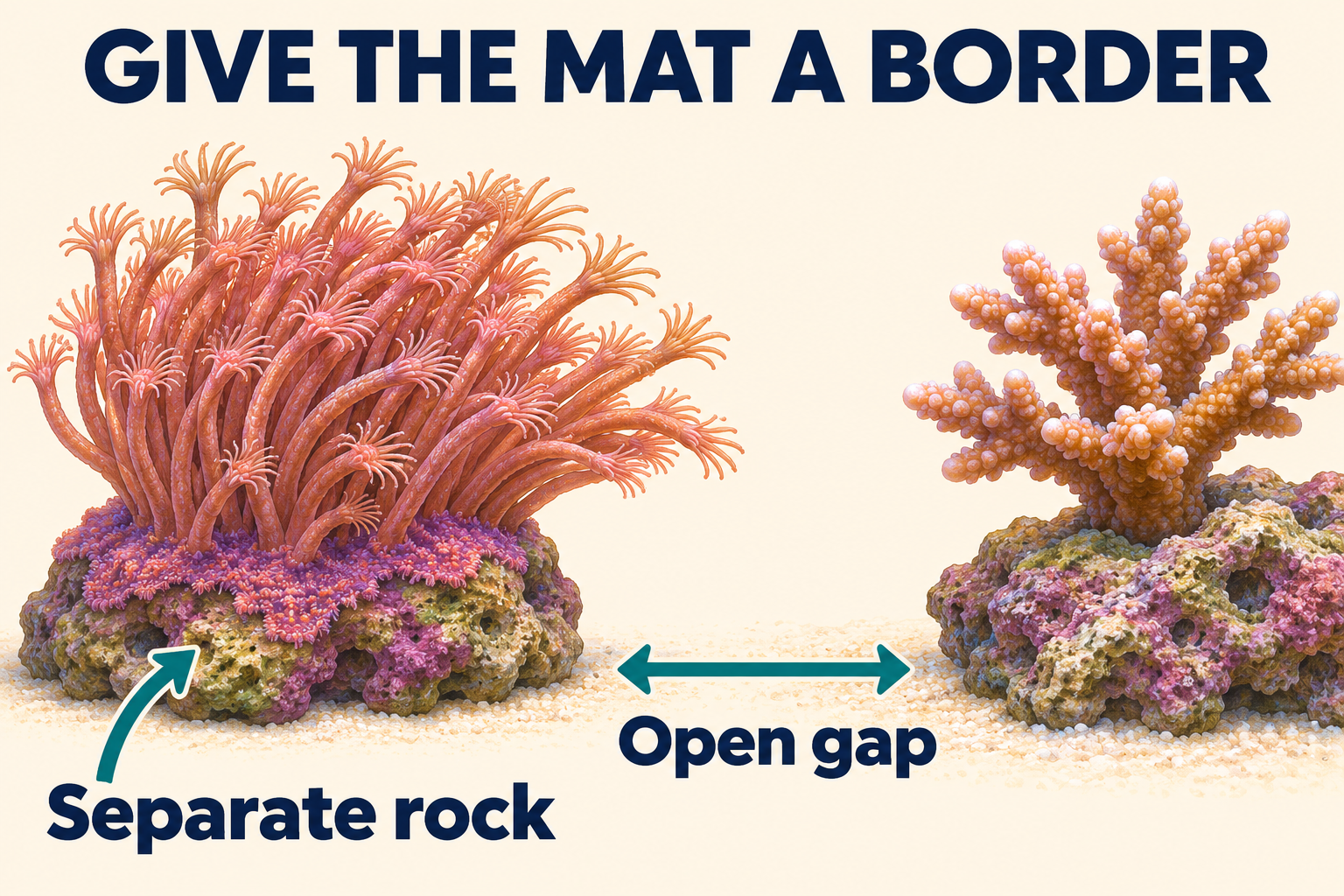
7. Start with its own rock. Put the colony on a separate rock with a clear gap from the main reef. The edges can creep onto any rock they touch and crowd out slower neighbors. Watch for narrow runners too. They can attach where they meet another hard surface. 8. Watch the edge, not just the height. Look at the base when you do tank maintenance. The fingers can look the same size while the mat quietly takes up more space below.
Feed without a cloud
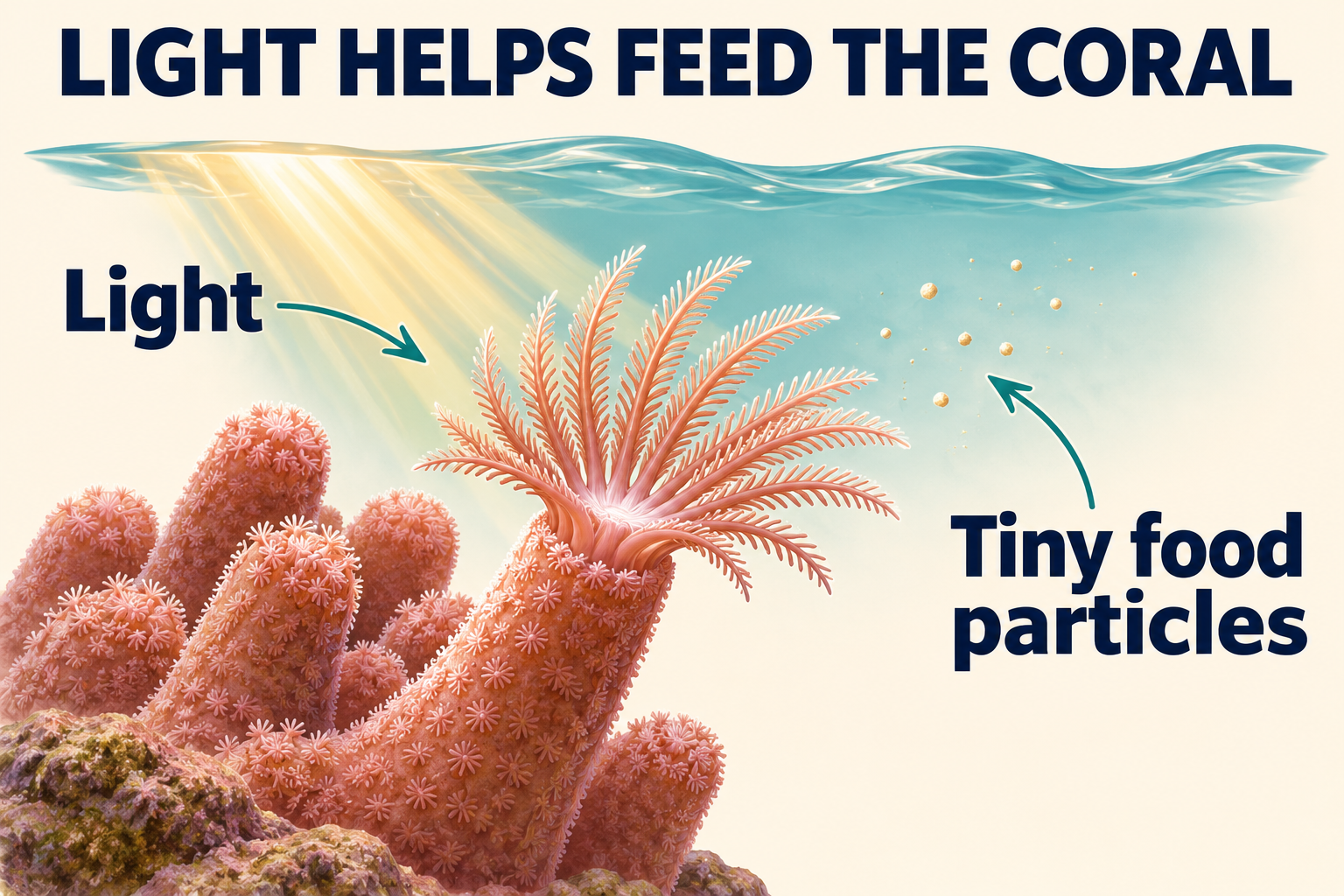
9. Light does some of the work. Tiny algae living in the tissue share energy with the coral. The polyps also catch small food particles from the water. 10. Start small with food. If you offer fine coral food, give a little while the polyps are open. Keep the water stable and stop feeding extra if waste starts to build up.
Field notes — what keepers report
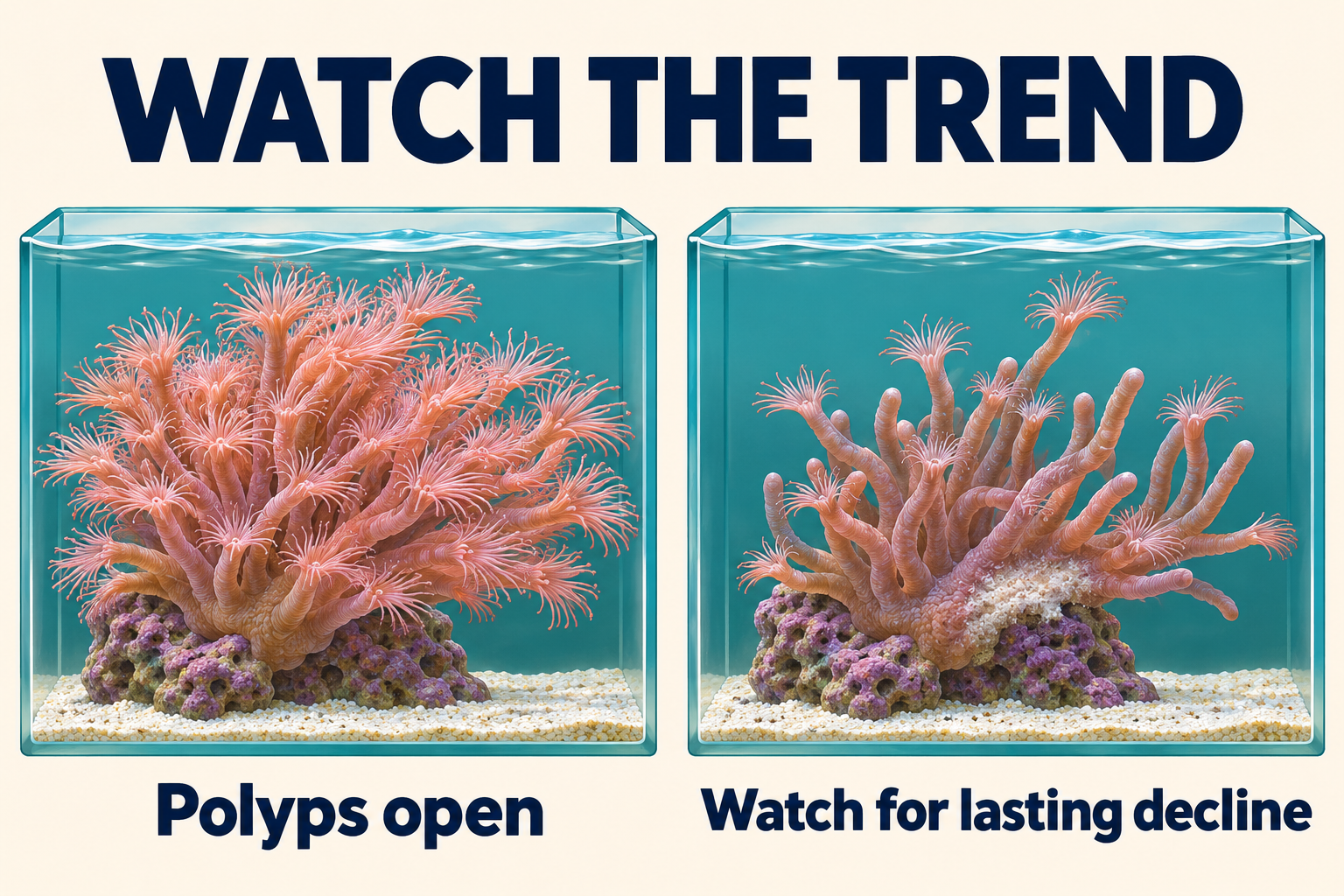
11. Some open fast. One keeper saw polyps start opening right after introduction and fully extend within two days. Another saw them open as soon as the coral went into quarantine. 12. A good start is not the whole story. One keeper lost two branches over about a year in separate tanks where other gorgonians did well. Watch how often the polyps open over time, and check light, flow and water conditions if the tissue starts to shrink.
Start with a separate rock, steady conditions and a current that sweeps past the colony. Then watch both the fuzzy fingers and the living mat underneath. They tell you different things about how the coral is settling in.
Field Notes
Related species

Green Star Polyp
Briareum violaceum
Same genus
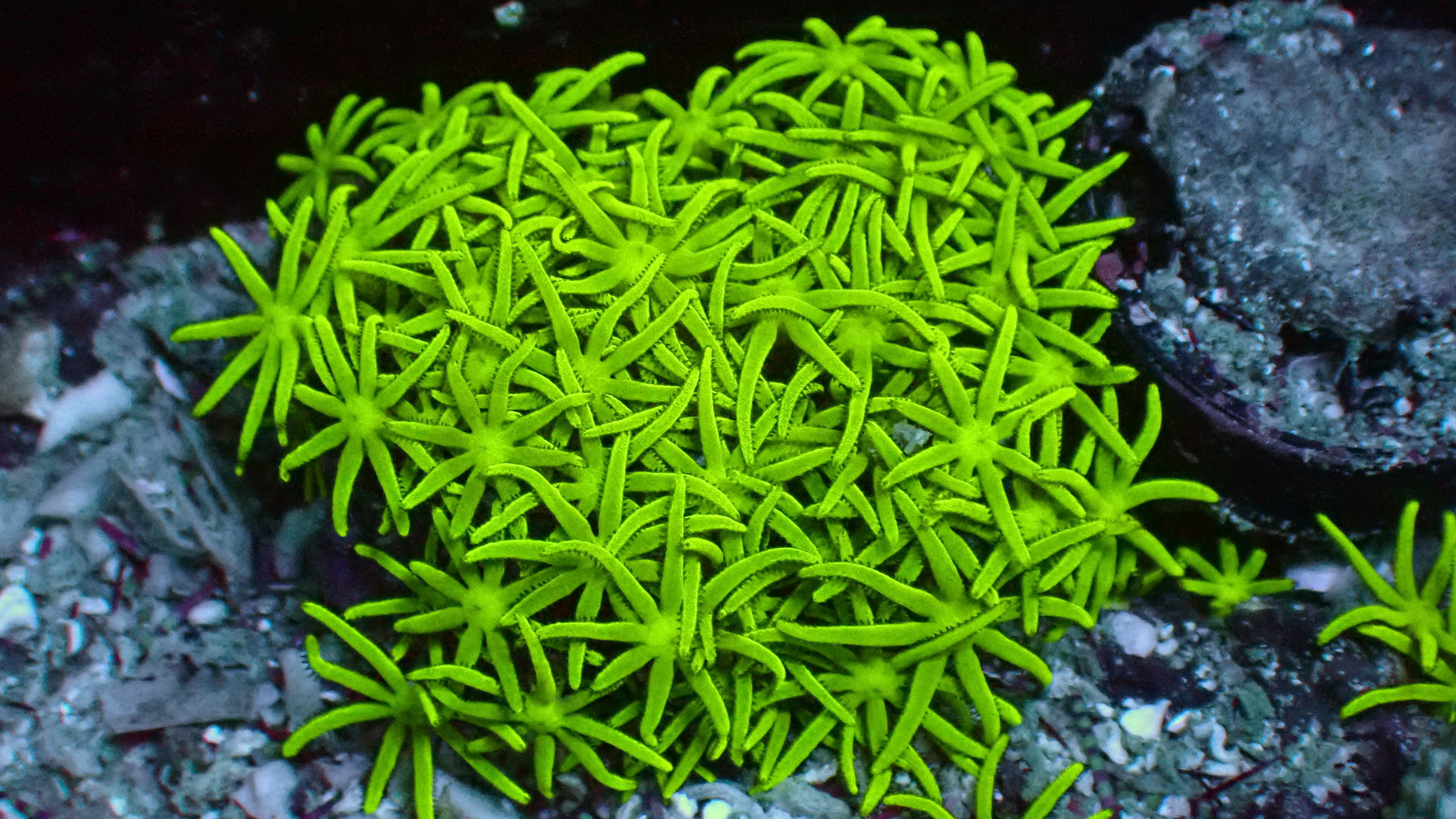
Stargrass
Briareum sp.
Same genus
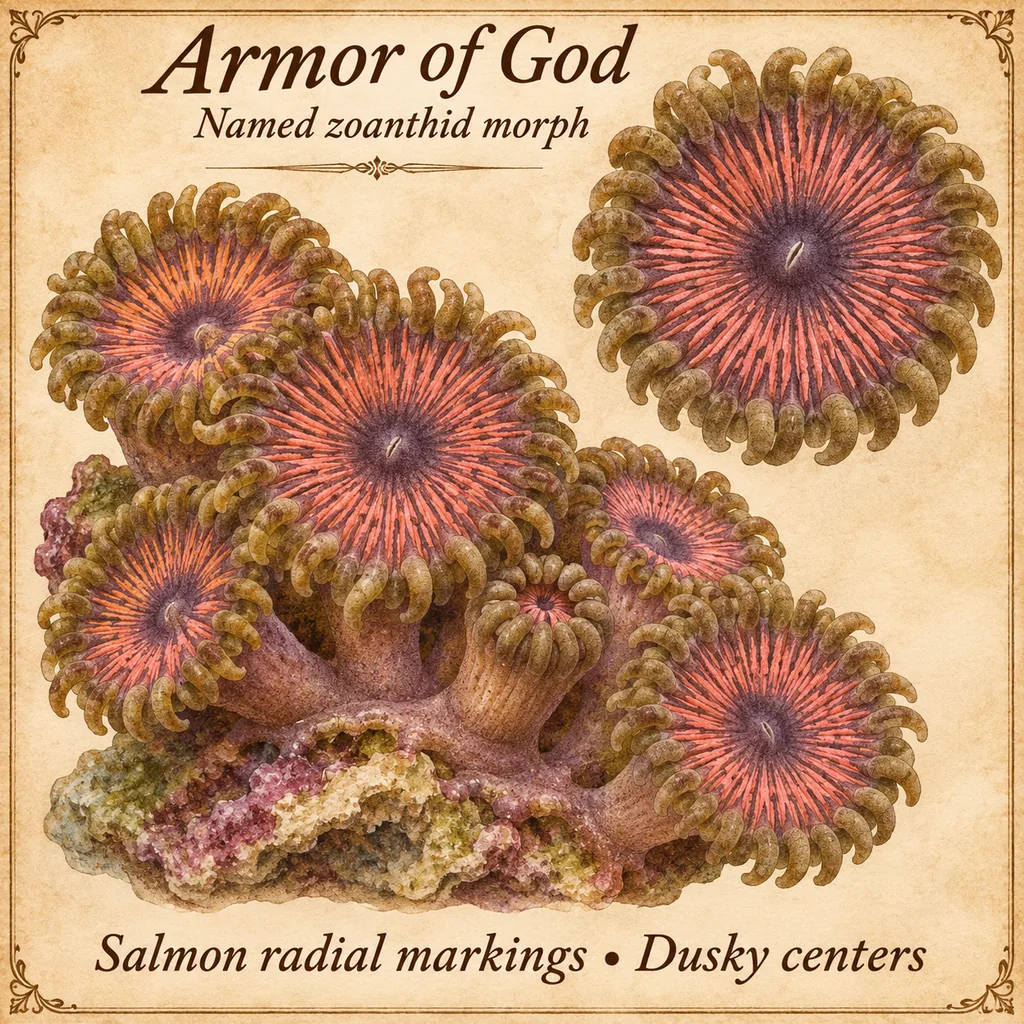
Armor of God
Palythoa sp.
Similar care · Soft
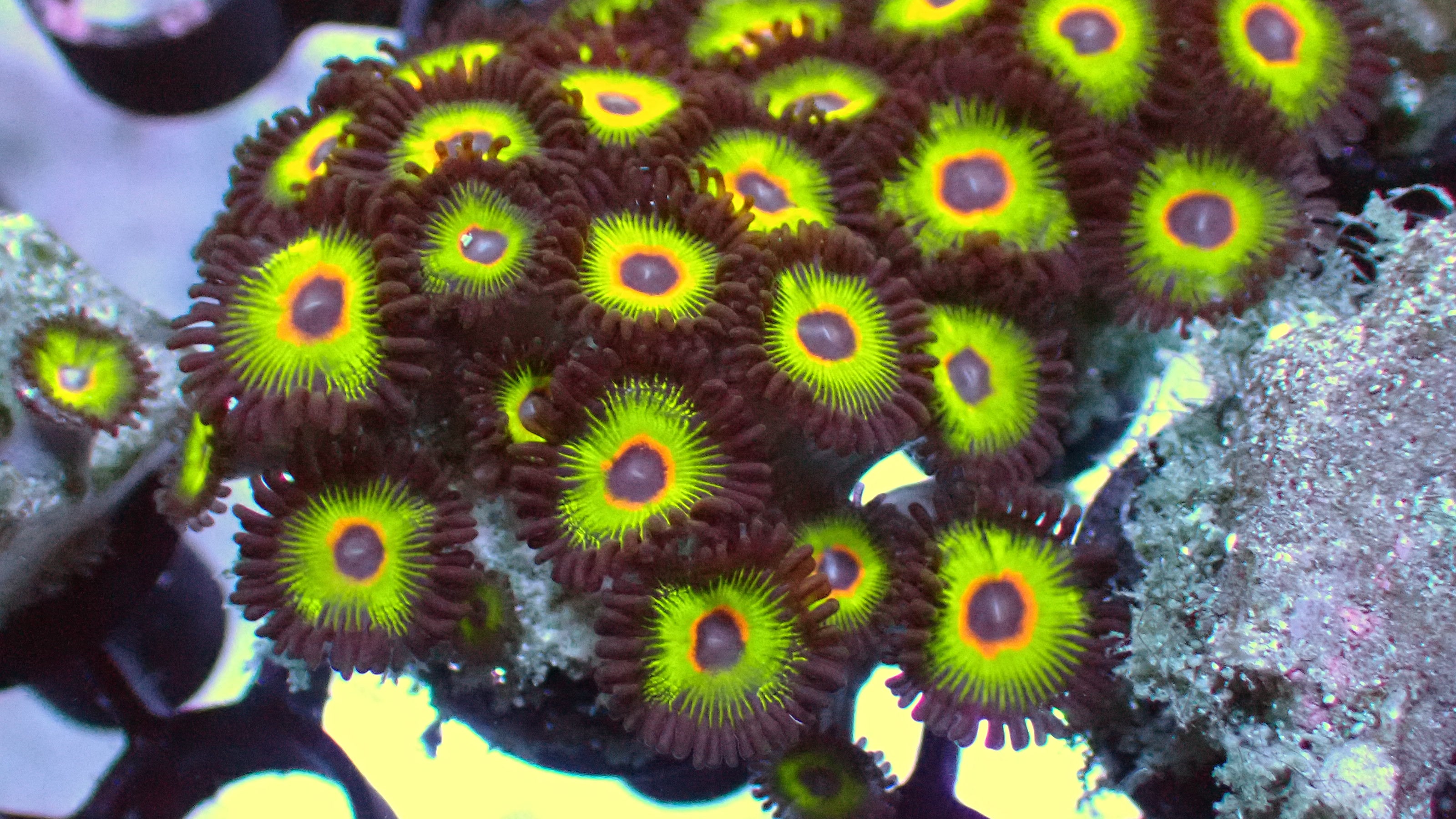
Bob Marley zoas
Zoanthus sp
Similar care · Soft

Cabbage Leather Coral
Sinularia brassica
Similar care · Soft
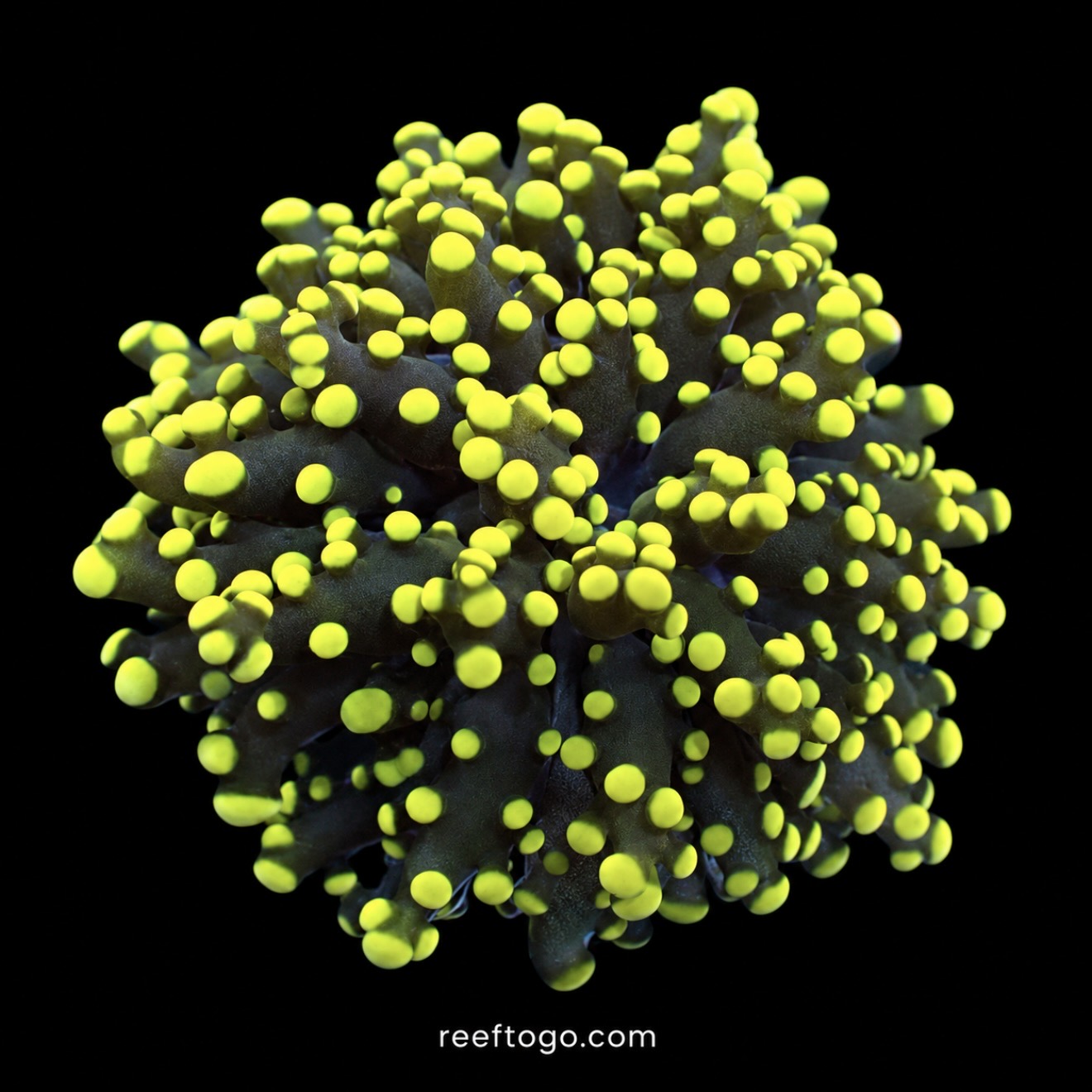
Cloud spark octospawn
Clavularia sp
Similar care · Soft

Compactum Leather Coral
Lobophytum compactum
Similar care · Soft

Devil's Hand Coral
Lobophytum crassum
Similar care · Soft