Cabbage Leather Coral
Sinularia brassica

Gallery
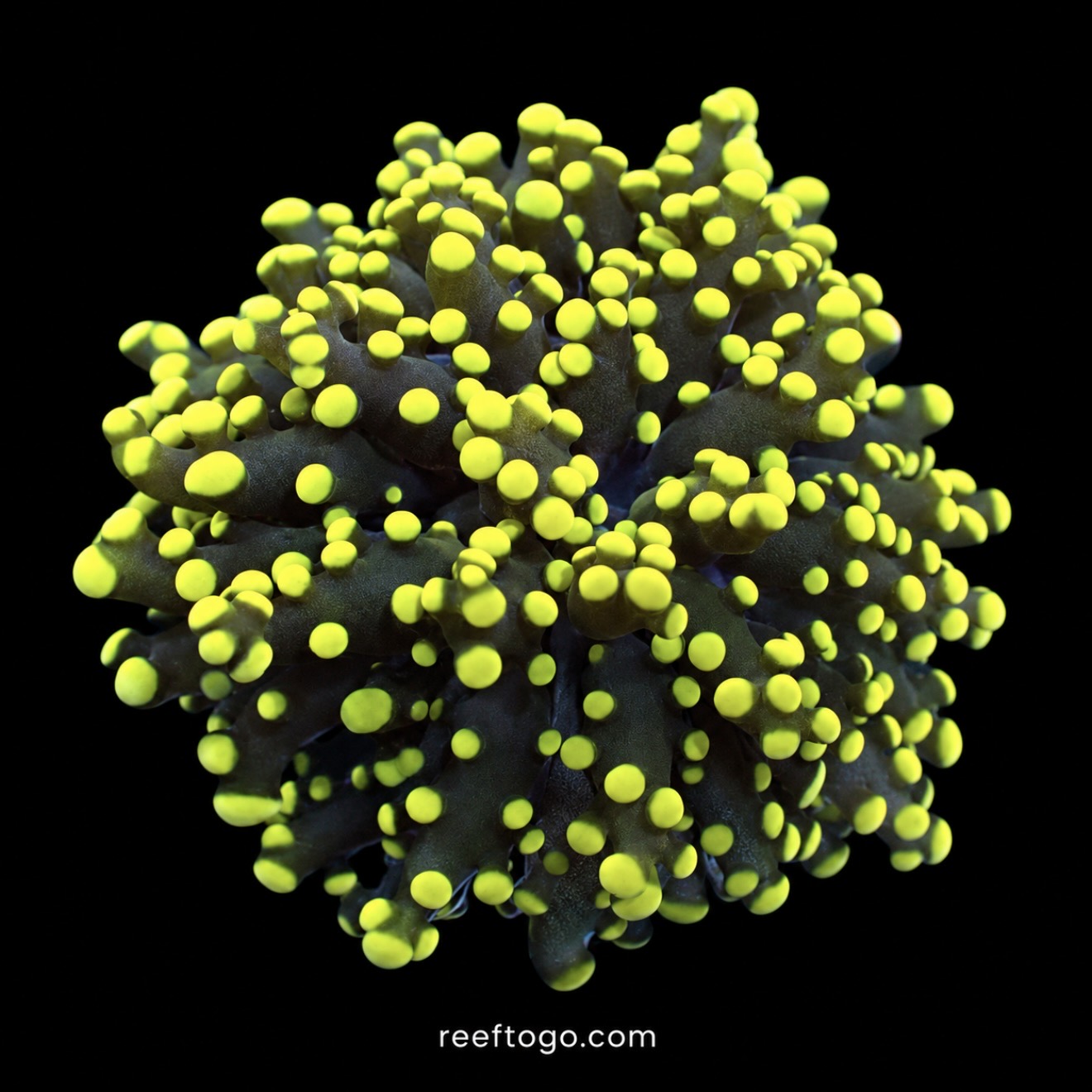
It looks like a vegetable. It’s a colony of animals. Cabbage Leather Coral packs tiny polyps into thick, ruffled folds, and a young frag can widen into a whole patch of them.
A coral dressed in ruffles
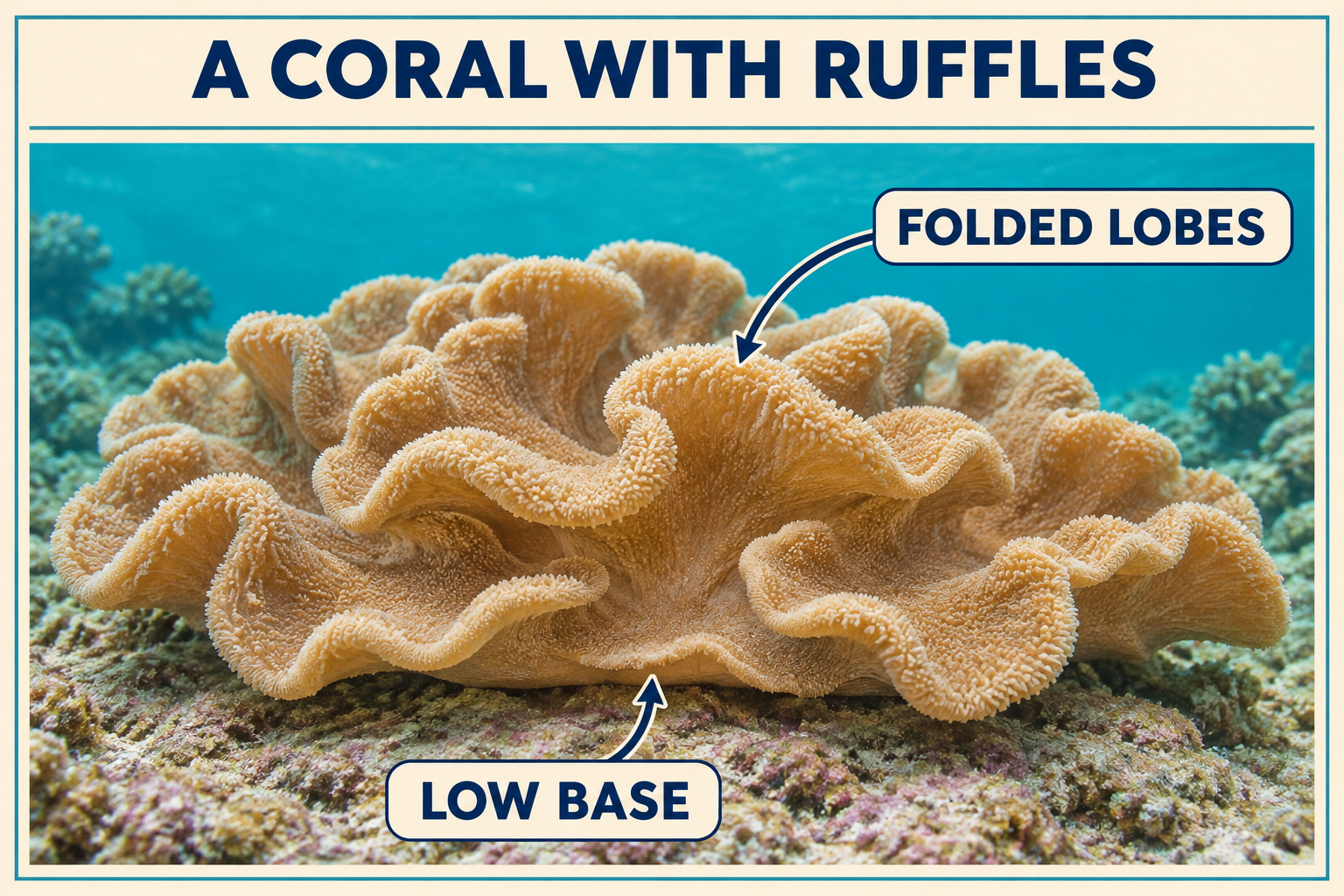
1. Look for the folds. This leather can grow into low, rounded folds that look like cabbage leaves. Look closely and you’ll see tiny polyps dotting the surface.
2. It’s soft but not floppy. Tiny mineral pieces inside the tissue help support the colony. There’s no big stony skeleton underneath those folds.
Find its ledge
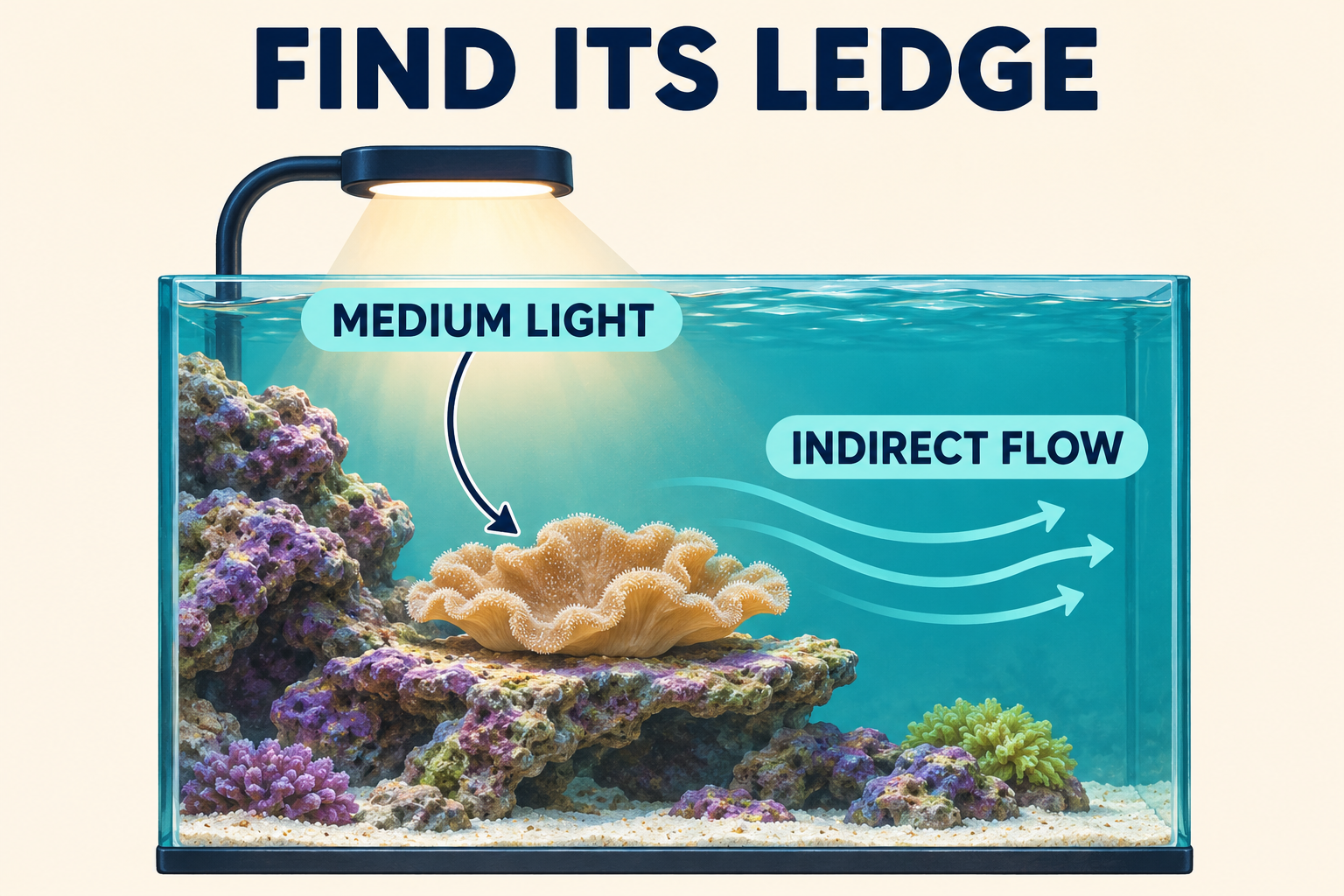
3. Start on stable rock. Give the coral a firm mid-level ledge with moderate light. Start lower if the middle is bright, then move it up gradually rather than jumping straight into strong light.
4. Sweep the folds. Aim moderate, indirect flow across the colony so debris doesn’t sit in the creases. If the coral stays folded over in the current, turn the pump away.
Read the waxy shed
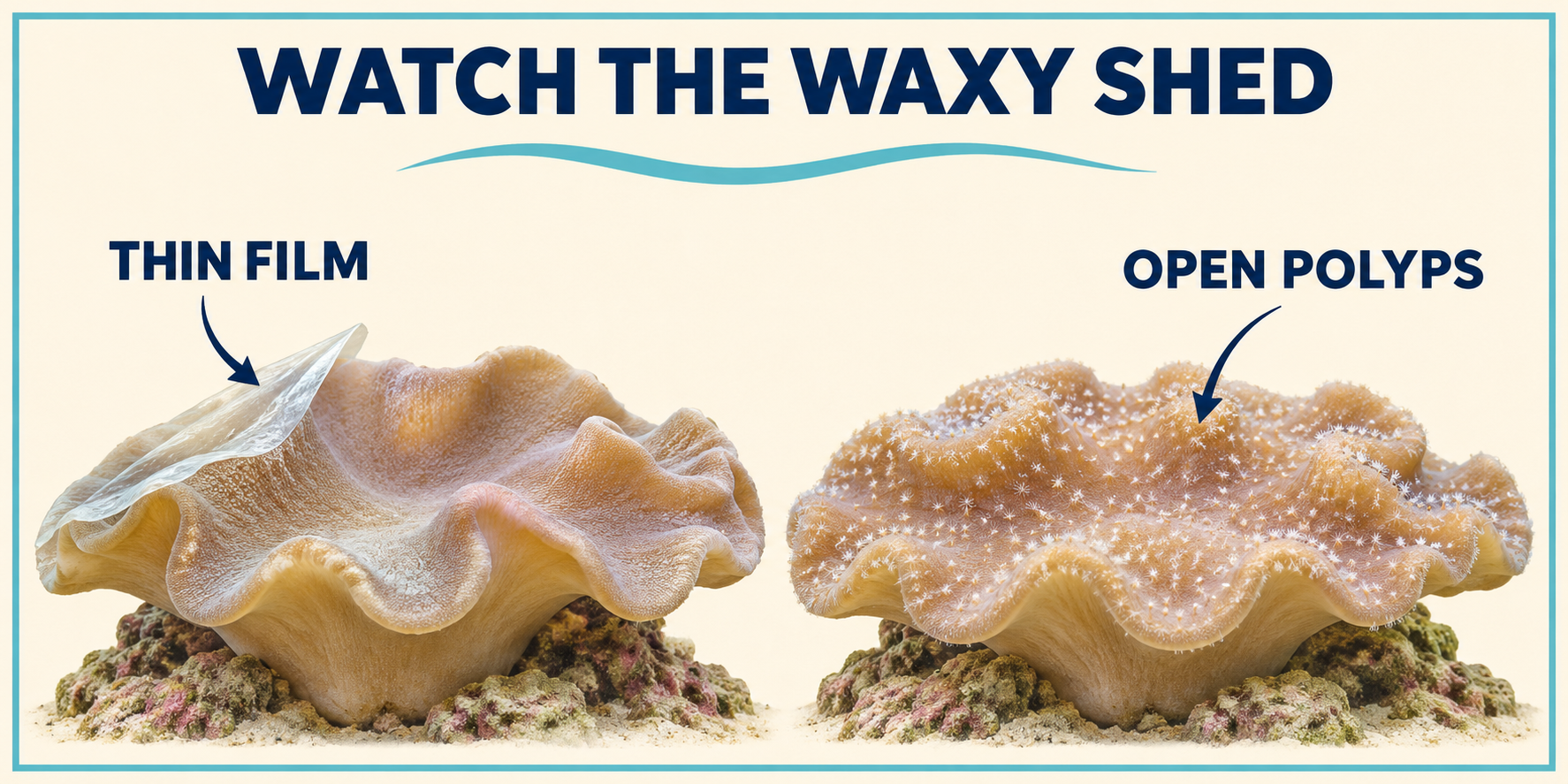
5. A shiny coat can be normal. The polyps tuck in and a thin film forms across the surface. Let the flow carry the film away. Don’t peel it off.
6. Damage looks different. Check the tissue if you see a growing bare patch, a tear, or material trapped against the base. Look at the water and nearby coral before assuming it’s a routine shed.
Give the edges room
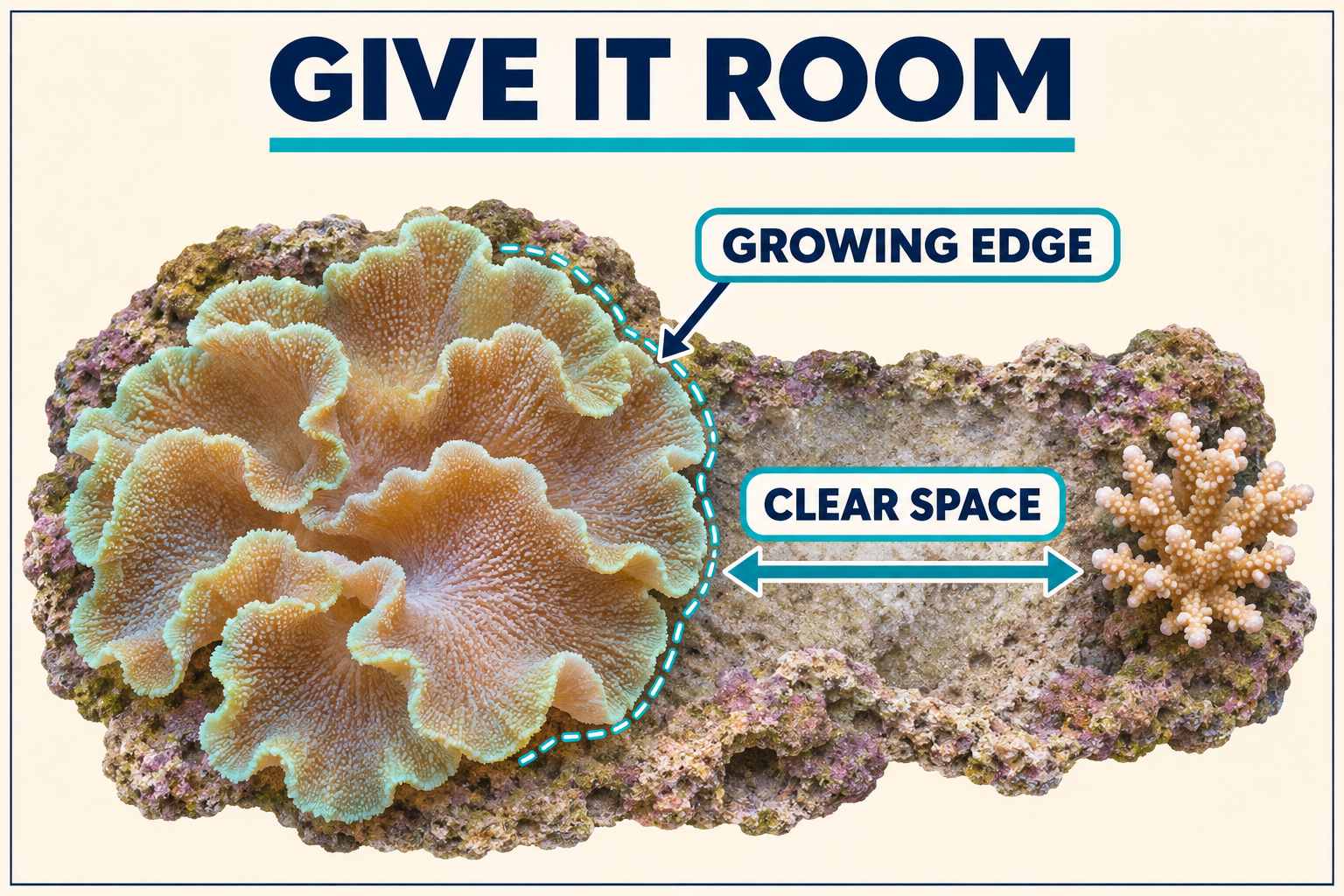
7. Plan for a wider colony. A small frag can spread across its rock and shade what sits below. Leave open space around the edges and keep stony corals out from under the folds.
8. Watch the neighbors too. In a mixed reef, keep up with water changes. If nearby corals stay closed, check for shade, contact, and poor flow first. Move the leathers apart if their edges start crowding each other.
Keep the reef steady
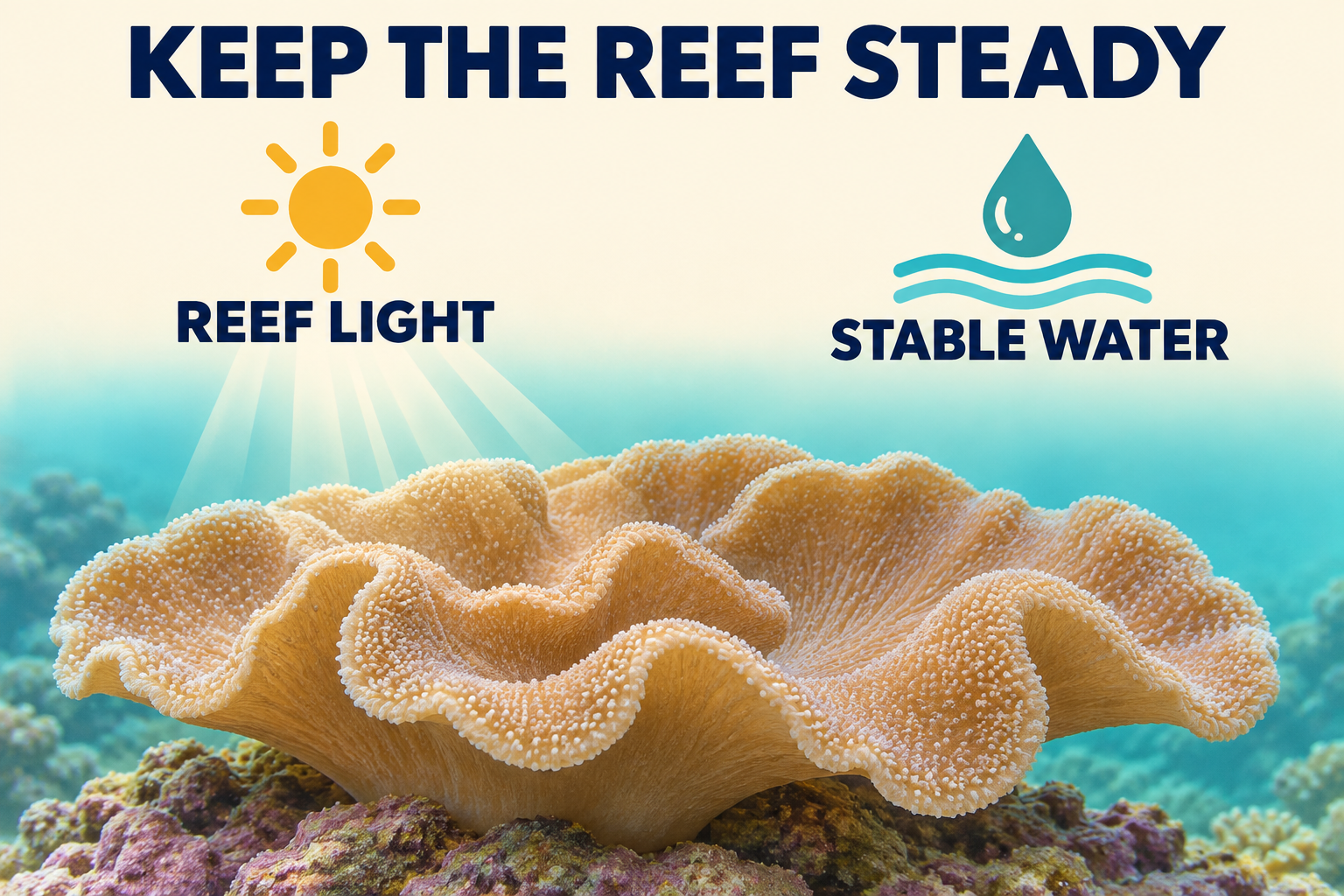
9. Light feeds its partners. Algae living in the coral turn light into energy they share with it. You don’t need to squirt food at the polyps.
10. Know its usual look. Keep temperature and salinity steady, and learn how the folds and polyps look on a good day. If it stays closed, check the basics before moving it again.
Field notes — what keepers report
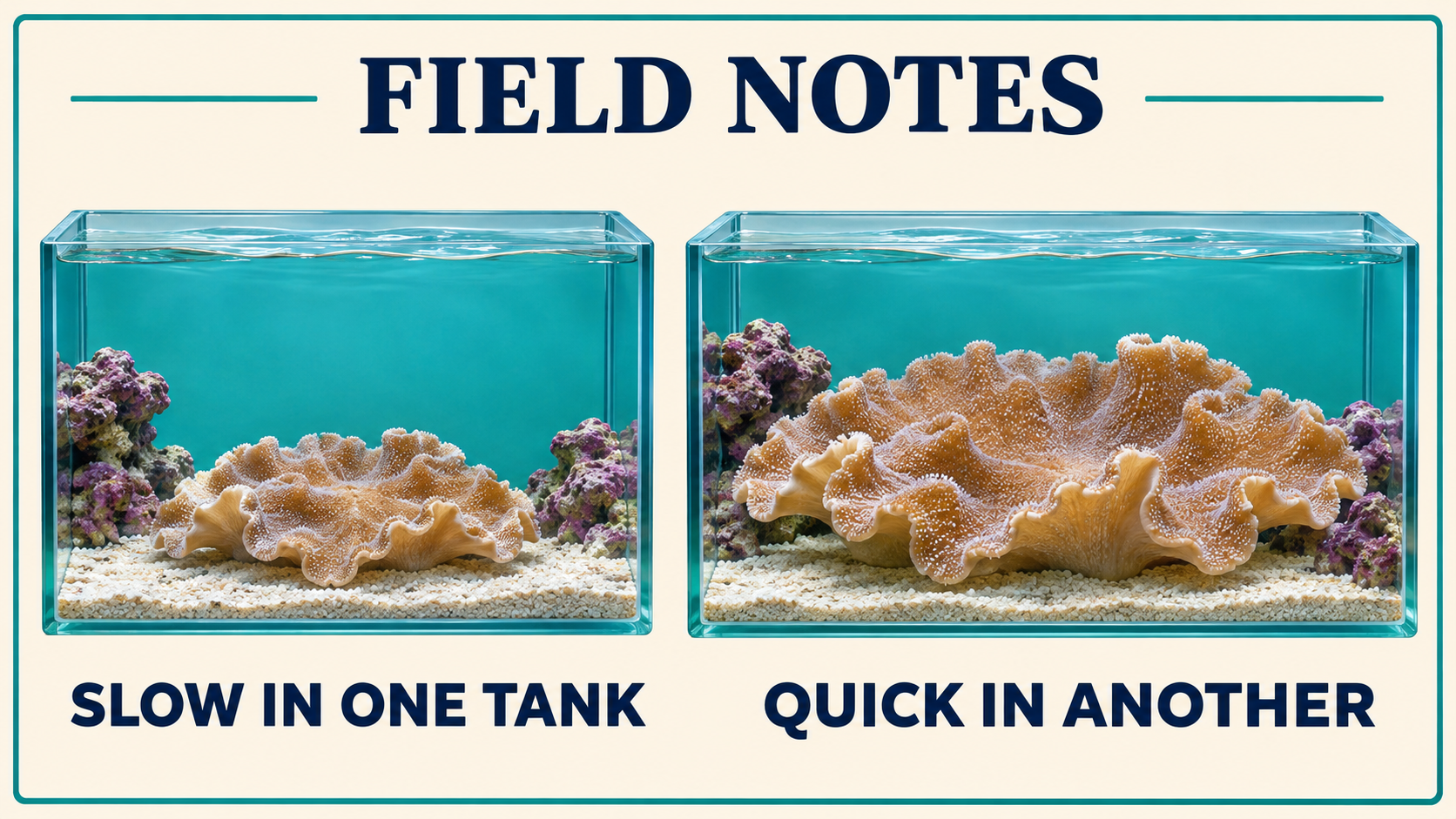
11. Slow in one reef. These are aquarium reports for corals called cabbage leathers, not specimen-verified cases. One keeper described their cabbage as probably the slowest coral in the tank, even when it began growing faster.
12. Quick in another. Another keeper said theirs roughly doubled in three months. Don’t plan for either pace. Leave room around the colony now, and compare pictures over time to see how fast yours spreads.
Give this leather a steady ledge, enough current to clear its folds, and space to grow sideways. Watch the edges as it settles. They’ll tell you when it needs more room.
Field Notes
Related species

Finger Leather Coral
Sinularia polydactyla
Same genus

Spaghetti Leather Coral
Sinularia flexibilis
Same genus
Flexible Leather Coral
Sinularia flexibilis
Same genus
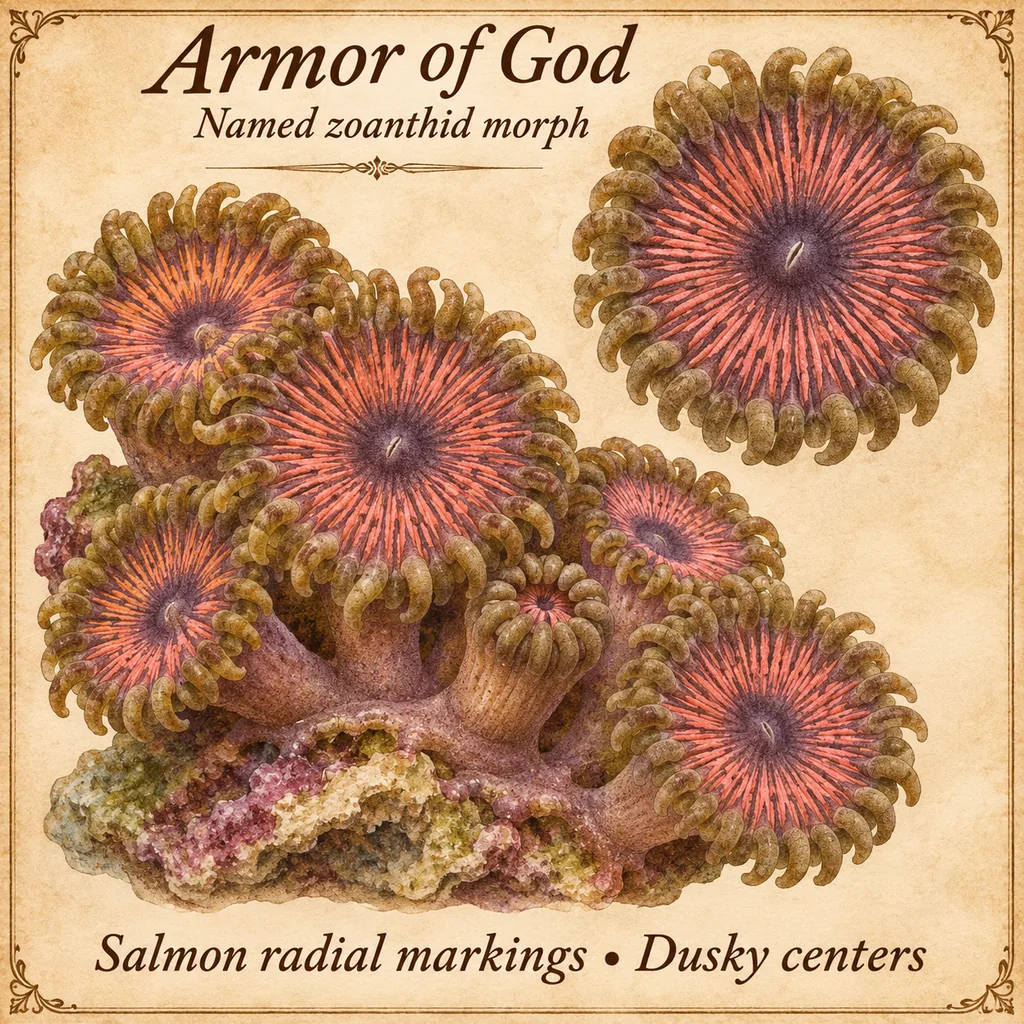
Armor of God
Palythoa sp.
Similar care · Soft
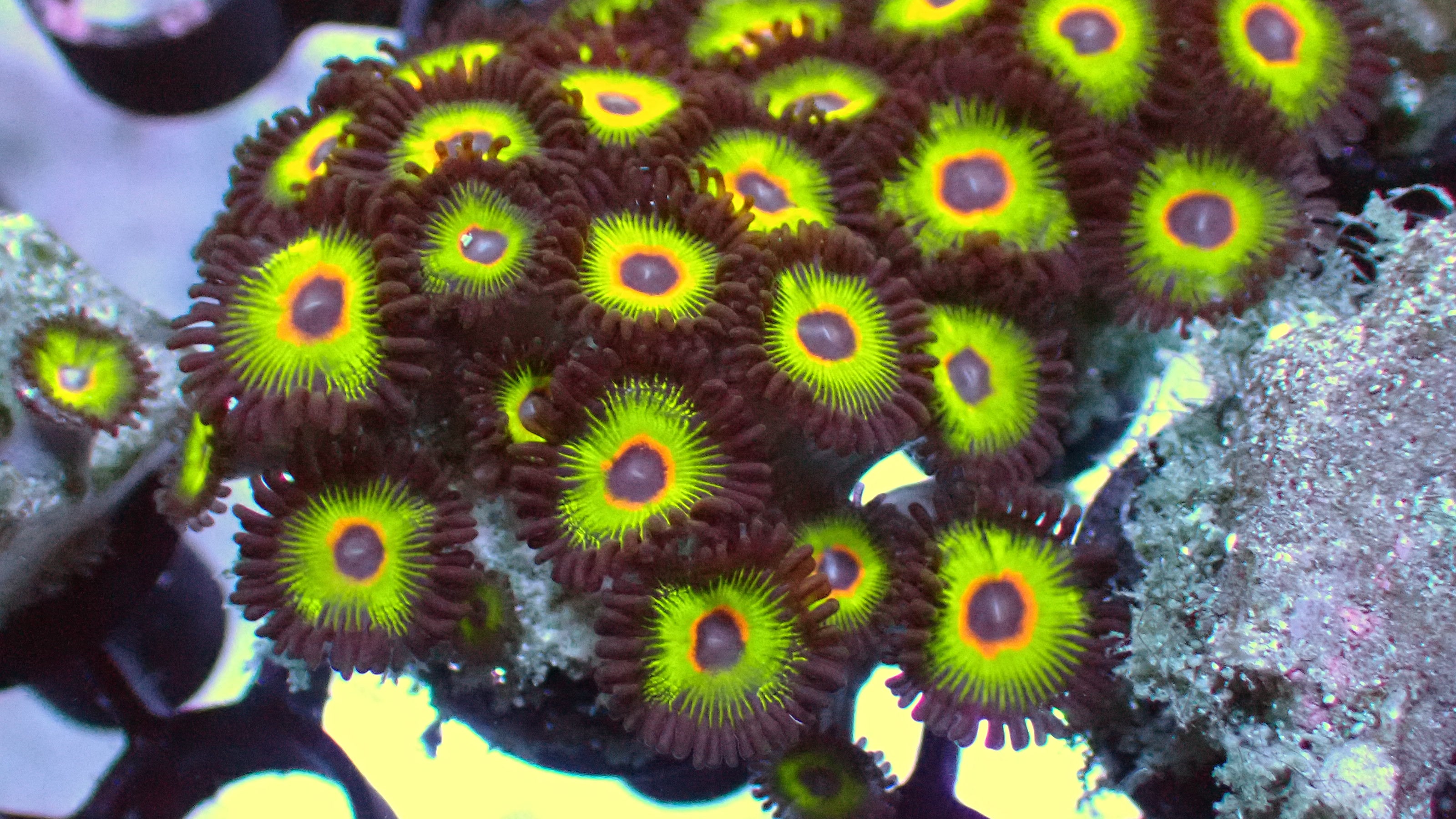
Bob Marley zoas
Zoanthus sp
Similar care · Soft
Cloud spark octospawn
Clavularia sp
Similar care · Soft

Compactum Leather Coral
Lobophytum compactum
Similar care · Soft

Corky Sea Finger
Briareum asbestinum
Similar care · Soft