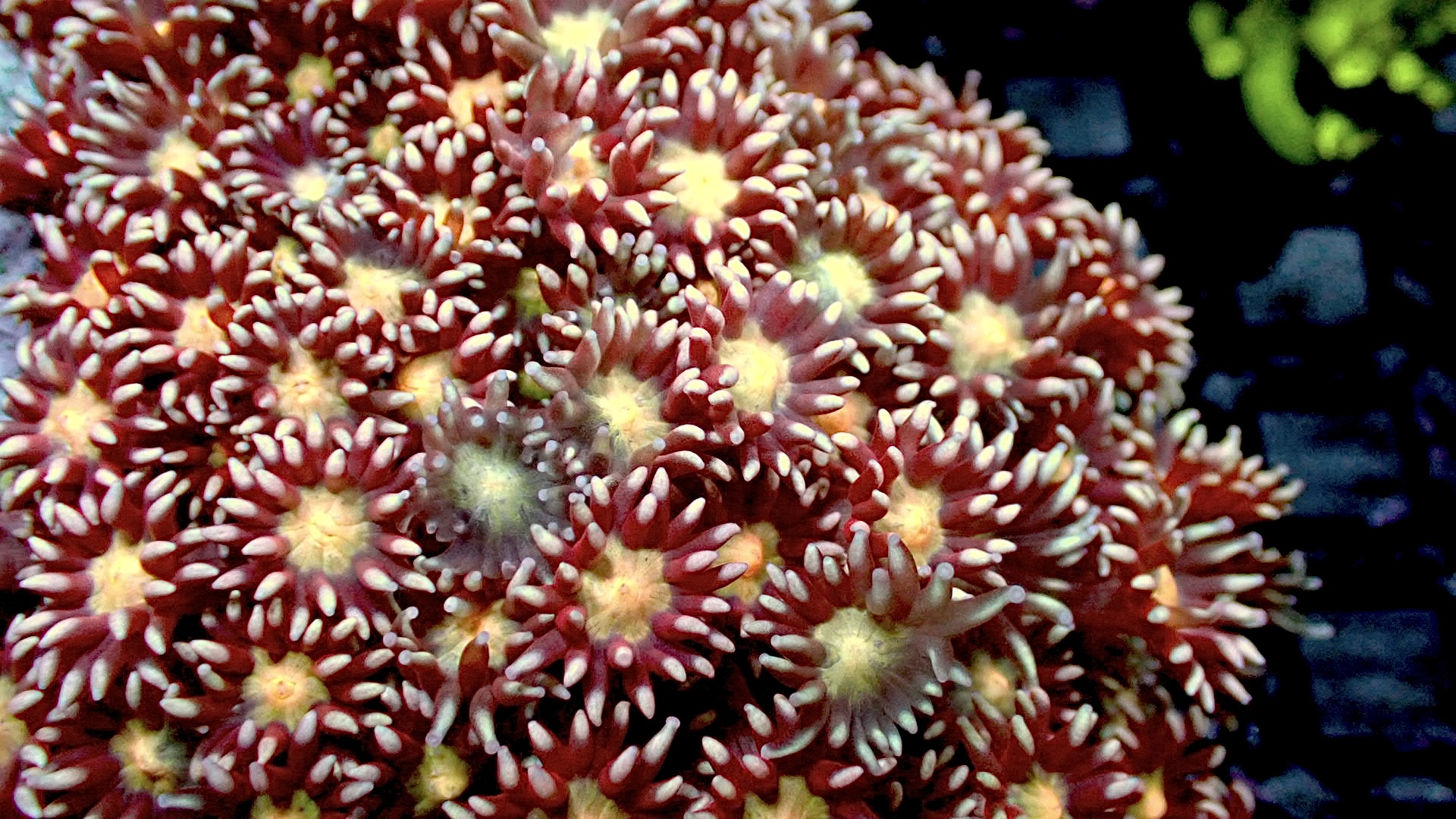
Gallery
Cornflower goniopora is a named Goniopora kept for its soft blue to violet flower-like polyps. A settled colony carries long, fleshy polyps that open like a cluster of small flowers and move with the current through the whole light period. Blue-toned Goniopora can look quite different under white light and blue-heavy light, so judge a new piece after it has settled rather than on the first day.
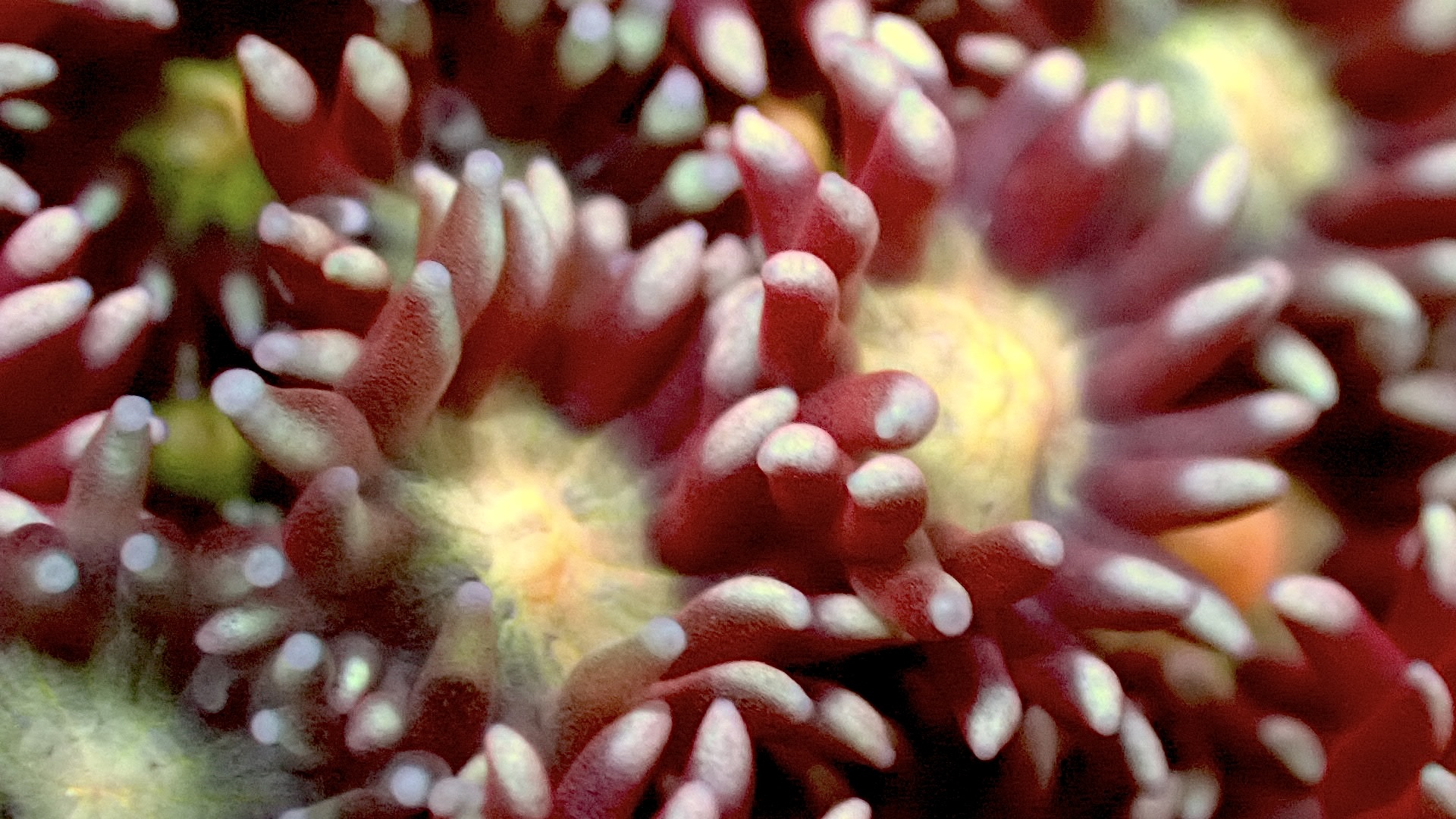
This entry lists advanced difficulty with medium light and medium flow. Treat it with the full Goniopora care plan: stable alkalinity, calcium, and magnesium, steady nutrient levels, and a tank that has been running long enough to hold those numbers without daily correction. Goniopora rewards stable systems and struggles in tanks that swing.
Placement works best low to middle in the tank, on rockwork where the skeleton sits secure and polyps can extend without rubbing on rock or sand. Flow should be gentle and alternating, enough to lift and sway the polyps without folding them over. Sand blowing across the base irritates the tissue edge, so a spot sheltered from direct powerhead wash and sand storms suits it well.
Feeding matters for this genus. Offer fine planktonic food, rotifers, or powdered LPS food with the pumps off, two or three times a week, and let the polyps close around the food slowly. Broadcast feeding a well-stocked reef also contributes. Watch the response over weeks: full extension and a thick, fleshy look at the base point to a coral that is eating and settling.
Spacing needs care. Extended Goniopora polyps reach well past the skeleton, and contact with neighboring corals can injure the soft tissue. Leave clear room on every side, keep it out of sweeper range of aggressive LPS, and keep encrusting corals from climbing the base. A dedicated rock or a clear patch of rockwork keeps the colony easy to feed and easy to watch.
Growth is slow, and health shows first as extension and density rather than new size. Common pitfalls are placing the coral in strong SPS flow, letting it sit in very clean water with no direct feeding, and handling the skeleton often, which can damage the tissue around the rim. Buy settled, fully extended pieces when possible, change position in small steps, and give the coral long, quiet stretches between adjustments.
Field notes — what keepers report
- Keepers report that blue Goniopora color reads very differently between tanks. The same named form can look violet under blue-heavy light and muted lavender under whiter light, and keepers advise comparing photos taken under similar light before deciding a piece has lost color.
- Feeding opinions run in two directions. Some keepers describe target feeding as the difference between a colony that fades and one that holds for years, while others keep Goniopora well in mature, heavily fed fish systems with no direct feeding at all. The overlap in the reports is water stability: both groups describe decline starting after chemistry swings.
- Recession at the rim is the warning sign keepers mention most. Reports describe tissue pulling back from one edge after sand irritation, a sting from a neighbor, or a period of poor extension. The shared response is to fix the irritant, check flow at the base, and leave the colony in place while it recovers, since repeated dipping and moving often make the recession spread.

Field Notes
Related species
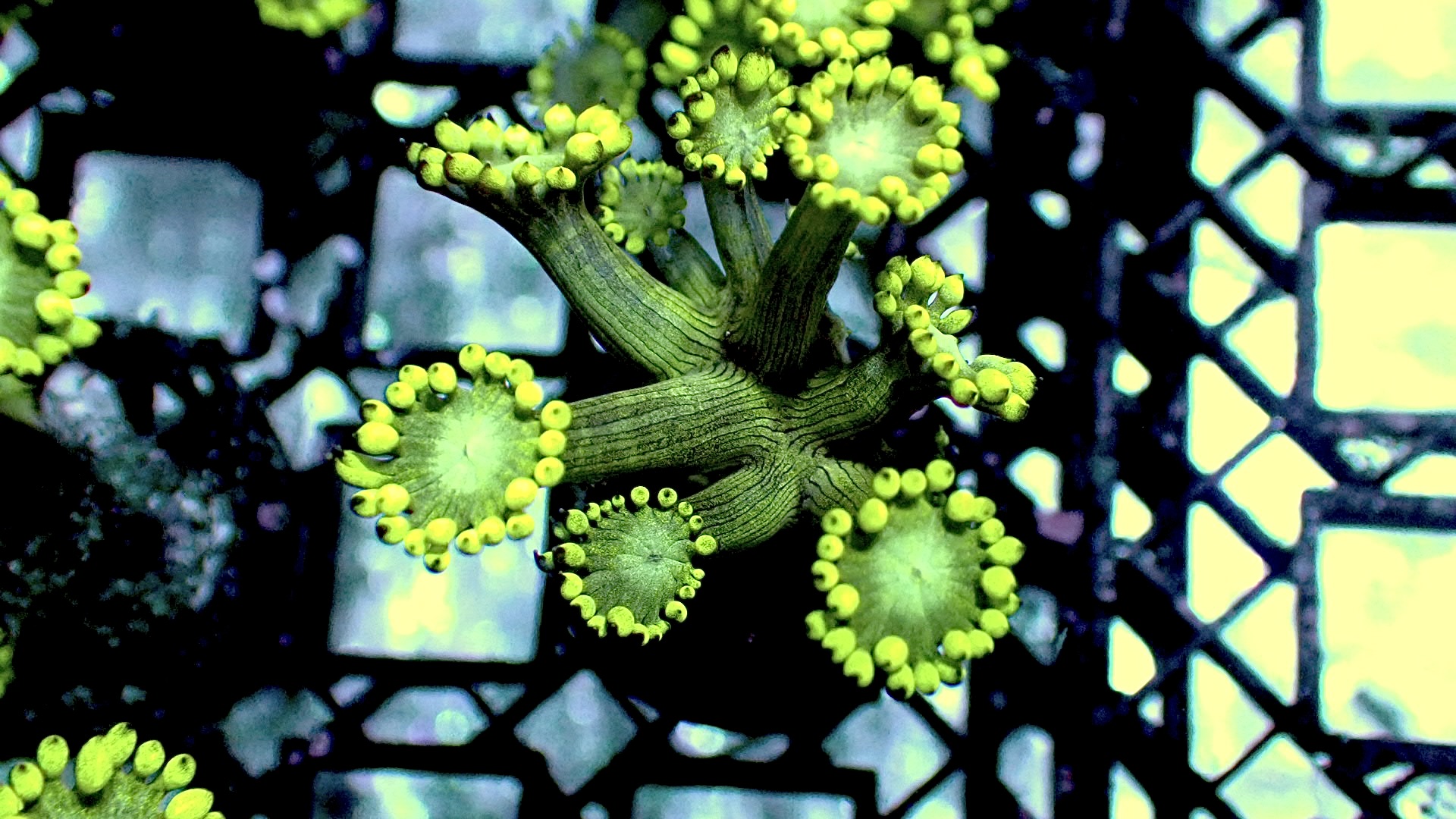
Bulbasaur goniopora
Goniopora sp
Similar care · LPS
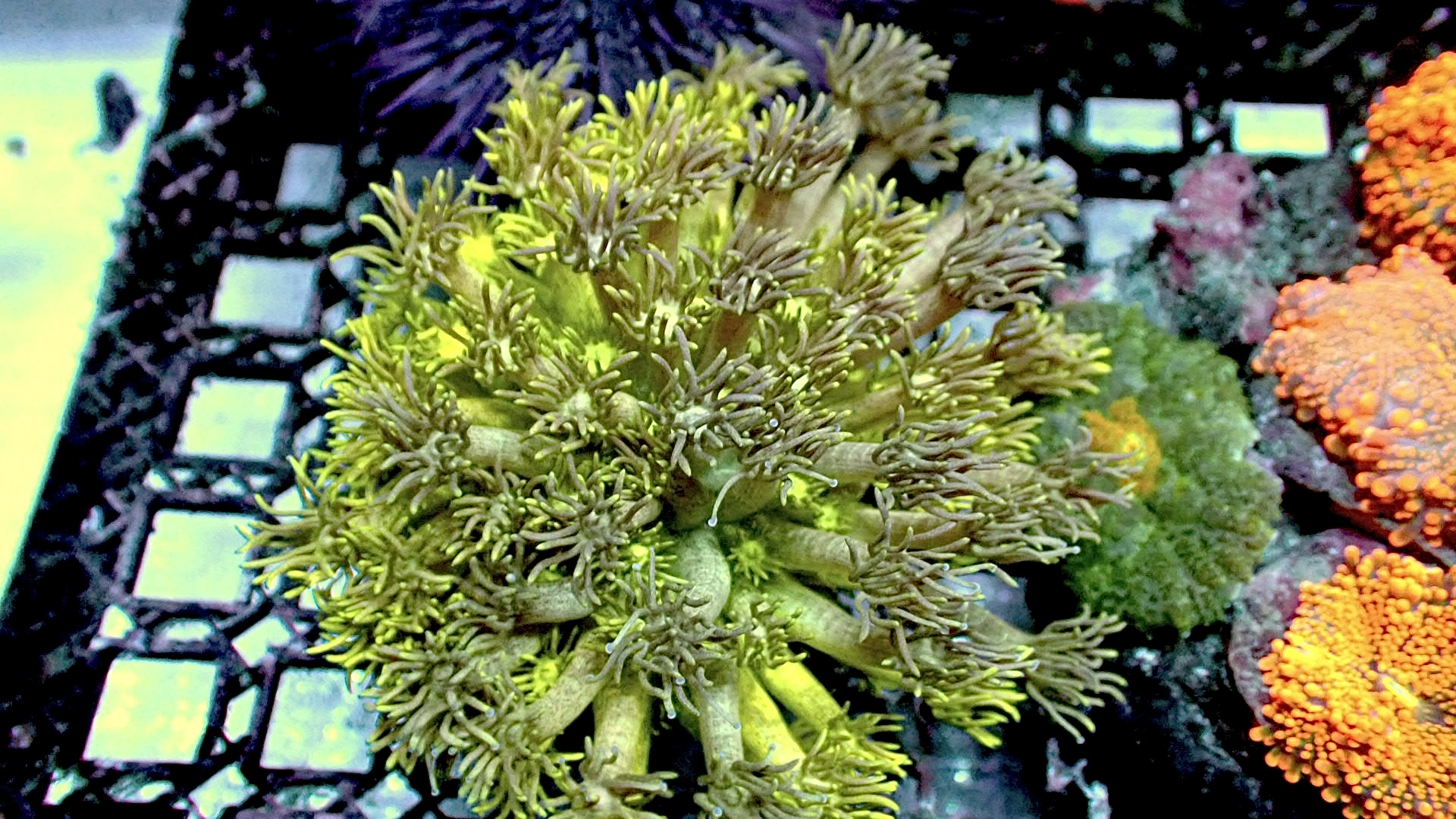
Citrus goniopora
Goniopora sp
Similar care · LPS
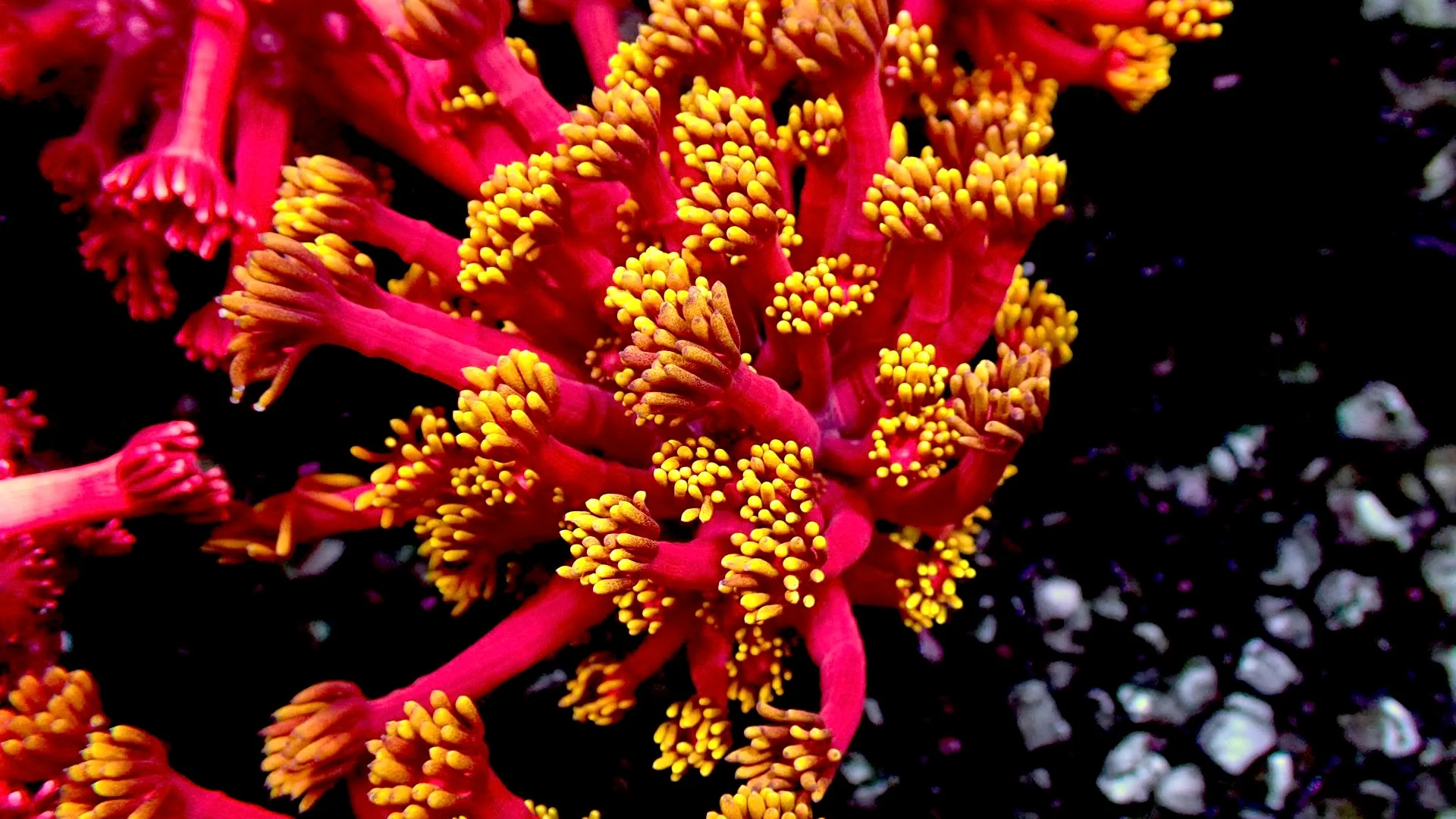
Iron Man Goni
Goniopora sp
Similar care · LPS
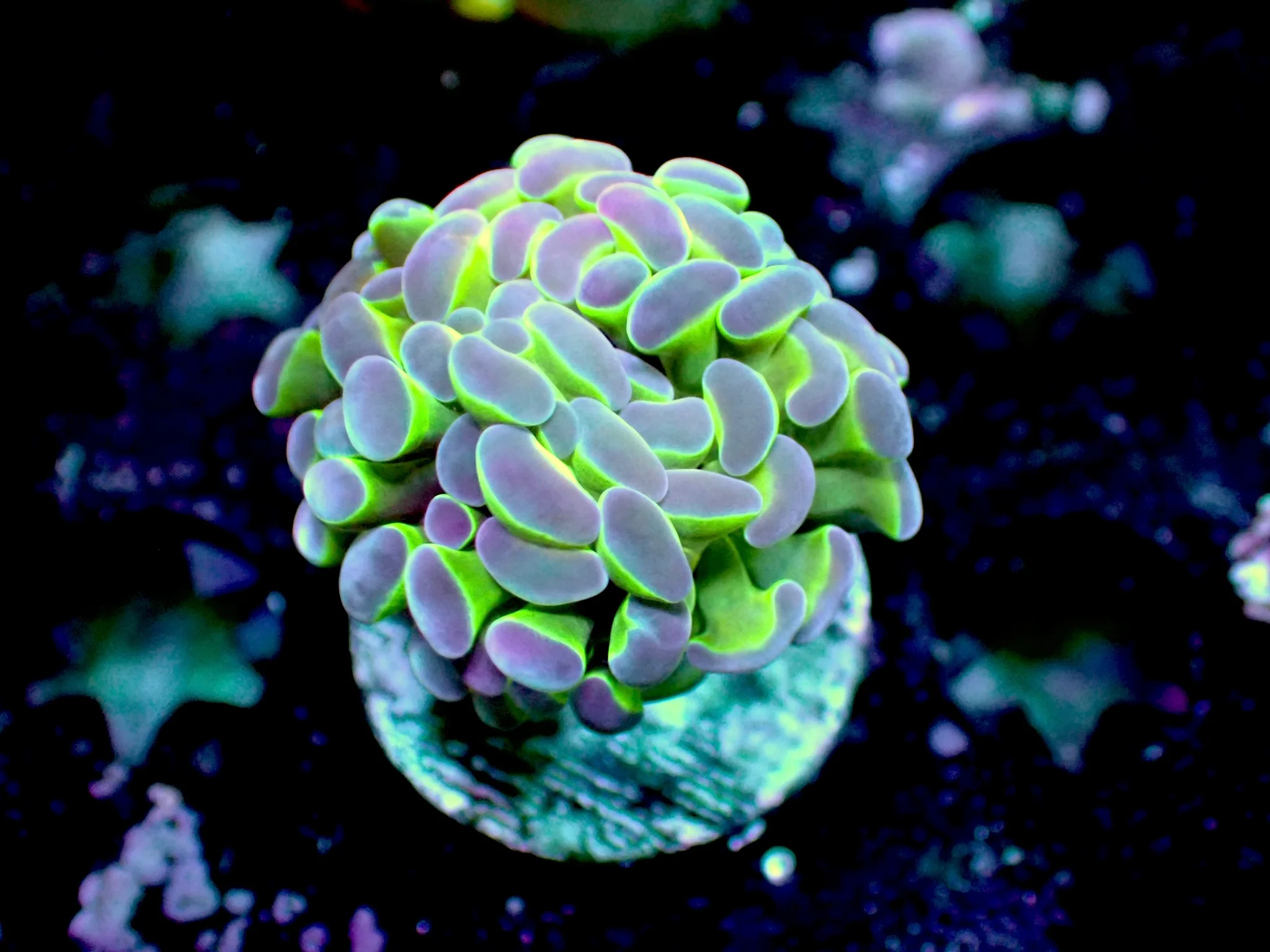
Hologram hammer
Fimbriaphyllia paraancora
Similar care · LPS
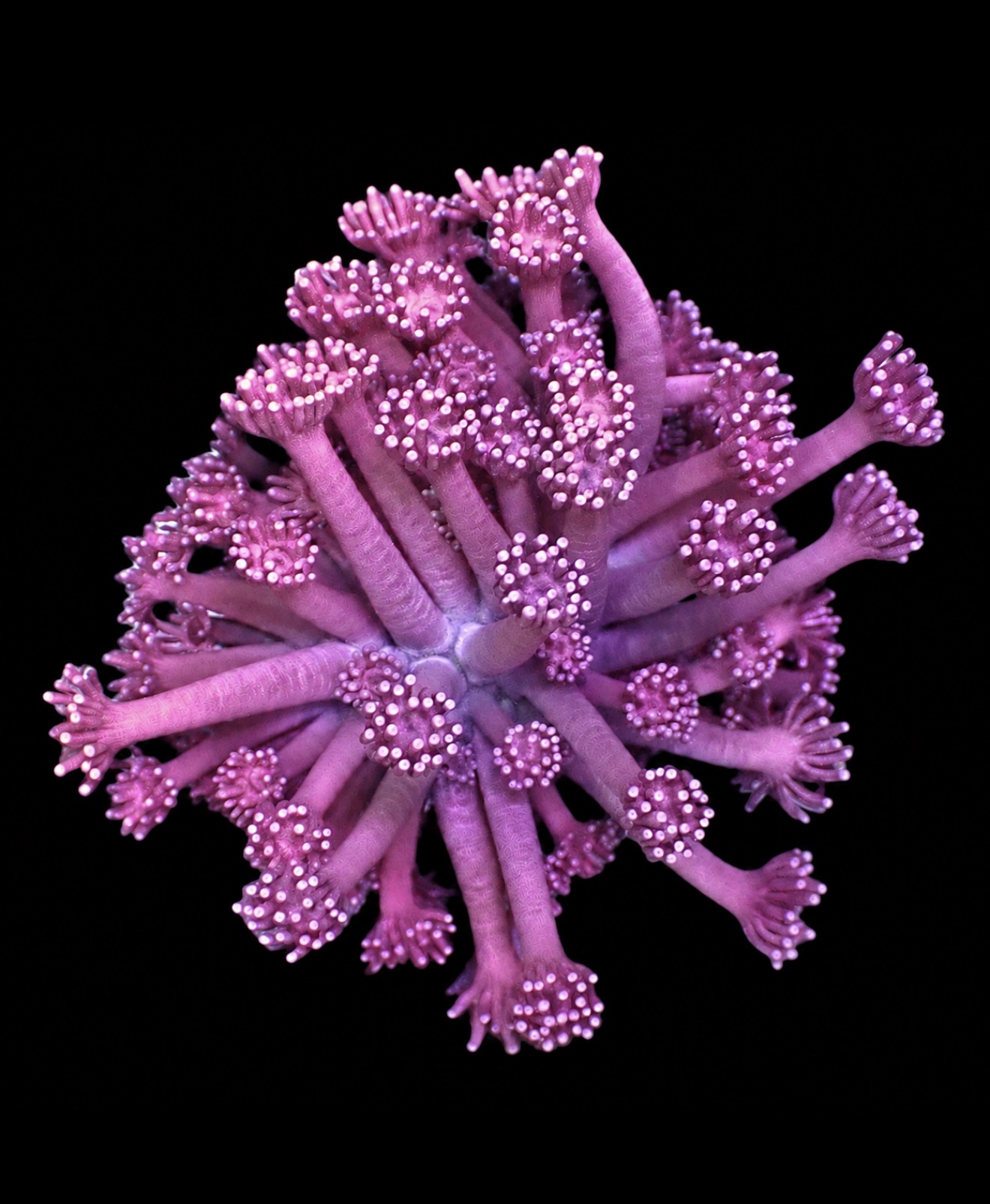
Barney the dinosaur Goni
Goniopora sp.
Similar care · LPS

Blue rim acan lord
Acanthastrea lordhowensis
Similar care · LPS
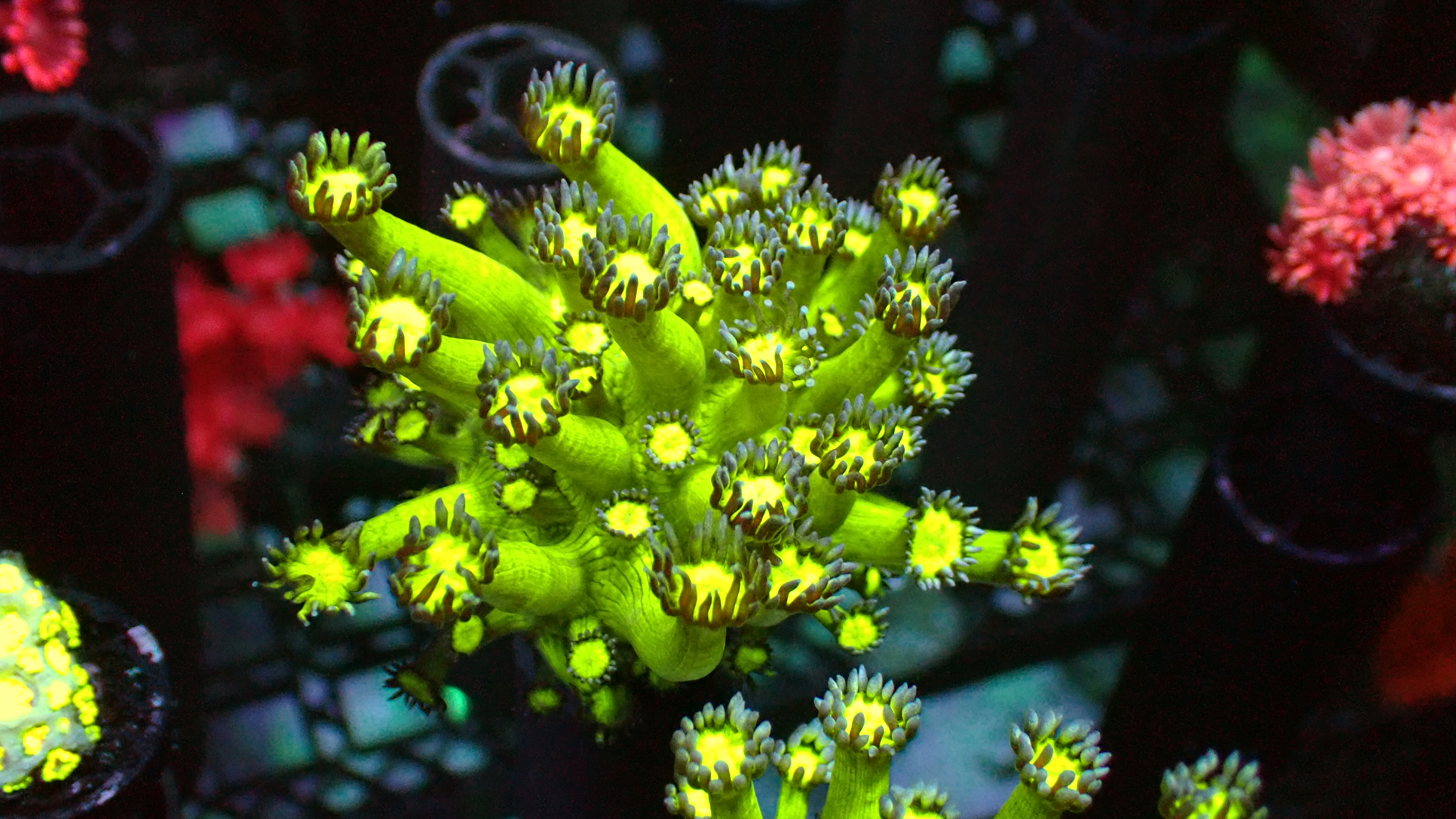
Bootleg glitter Goni
Goniopora sp
Similar care · LPS

Brain Coral
Platygyra daedalea
Similar care · LPS