Cyphastrea Coral
Cyphastrea serailia
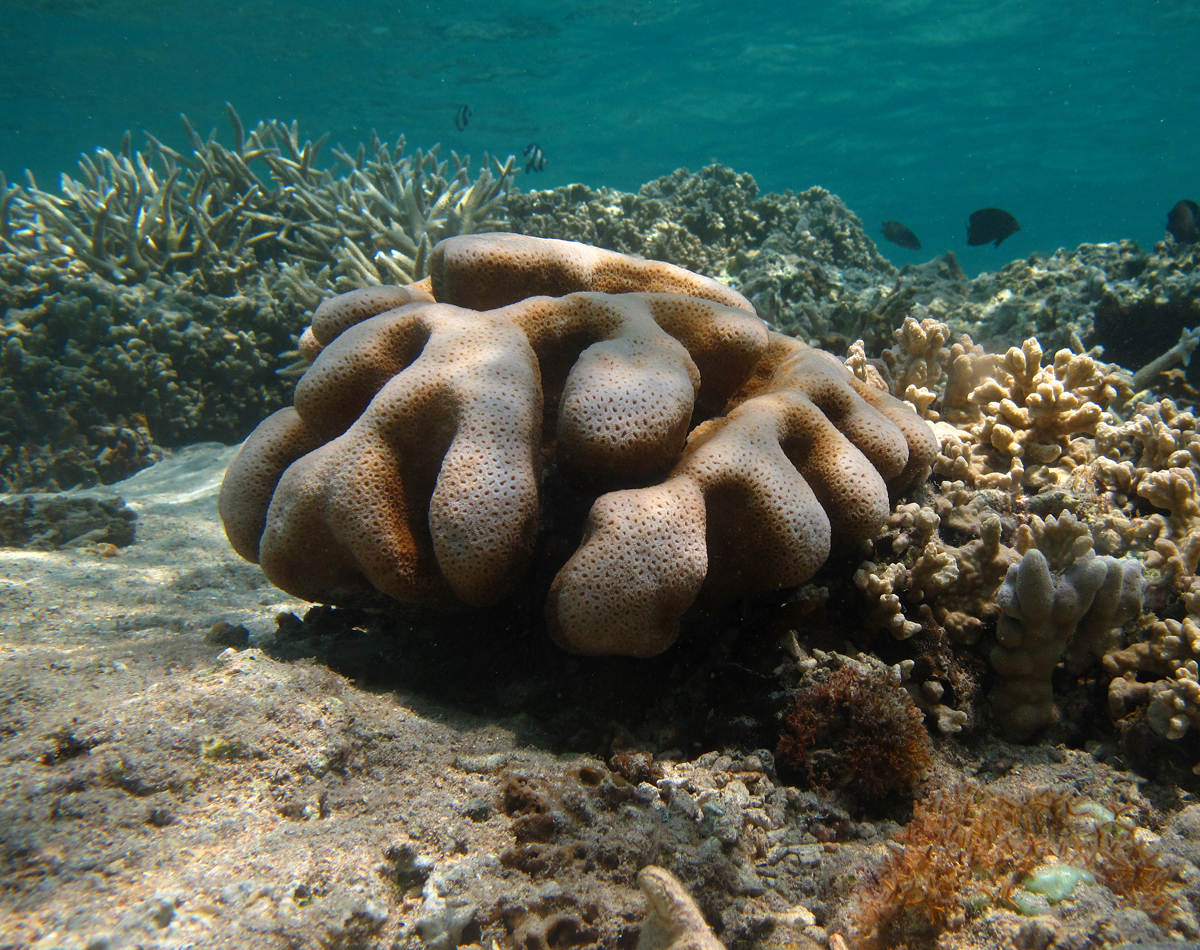
Philippe Bourjon · CC BY-SA 4.0 · source
Photo: Philippe Bourjon, CC BY-SA 4.0, via Wikimedia Commons. Wild colony at Réunion.
Gallery
Meet the coral that paints with stone. Cyphastrea serailia lays down a crust dotted with tiny cups, each home to a polyp. Watch the edge as it creeps across the rock. A dim ledge with moving water is a great place to start.
History
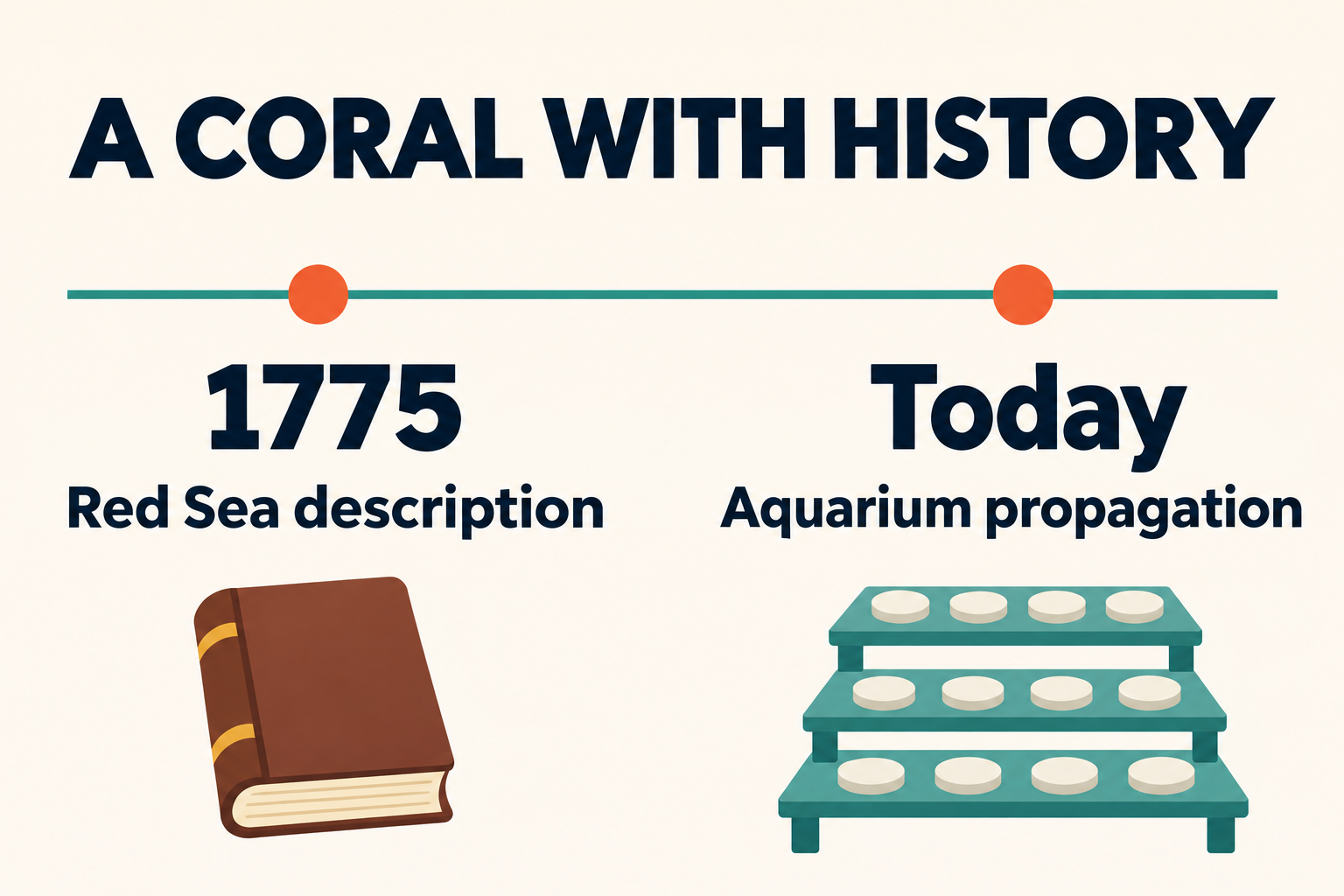
1. The Red Sea came first. Peter Forsskål's 1775 description used the name Madrepora serailia. The species is now called Cyphastrea serailia. The old name still turns up in books and specimen records.
2. Know the trade names. Reefers grow and trade colorful Cyphastrea frags. Names like Meteor Shower describe aquarium lines, not a species ID. Look for separate little skeletal cups across the colony. Keep the trade name and scientific name separate when you label a frag.
In the wild
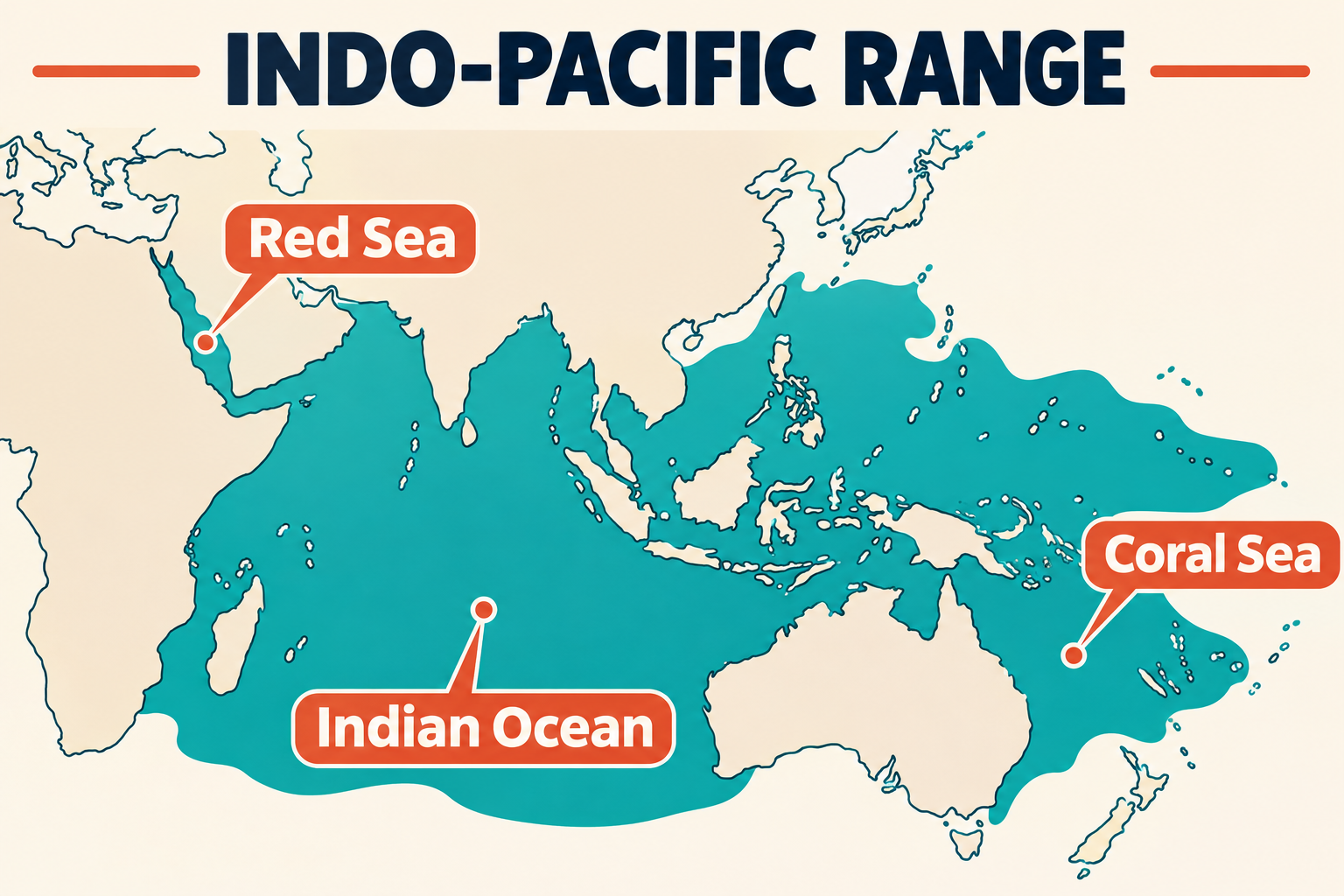
3. A coral with a long reach. Cyphastrea serailia lives from the Red Sea and western Indian Ocean across the Indo-Pacific. It turns up at Réunion and in the Coral Sea. It grows in a range of reef habitats, from around 3 to 36 meters deep.
4. Flat crust or lumpy dome. A colony can spread flat or build a heavy lump. Each little cup is part of the hard skeleton. Light and flow vary across those reefs. A shallow reef face gets more light than a shaded ledge, and water moves differently around each surface.
Light and water
5. Start dim, not dark. Start near the bottom in low, indirect light. About 30 to 50 PAR is a useful starting point for aquarium Cyphastrea. Give a new frag time to settle and make lighting changes slowly. Leave enough light for the algae living inside its tissue.
6. Keep the numbers steady. For a mixed reef, aim for about 35 ppt salinity, roughly 78°F, and stable alkalinity around 8 to 9 dKH. Check calcium and magnesium as part of your usual reef routine. Pick a steady routine instead of chasing a perfect number every day.

Give the crust space
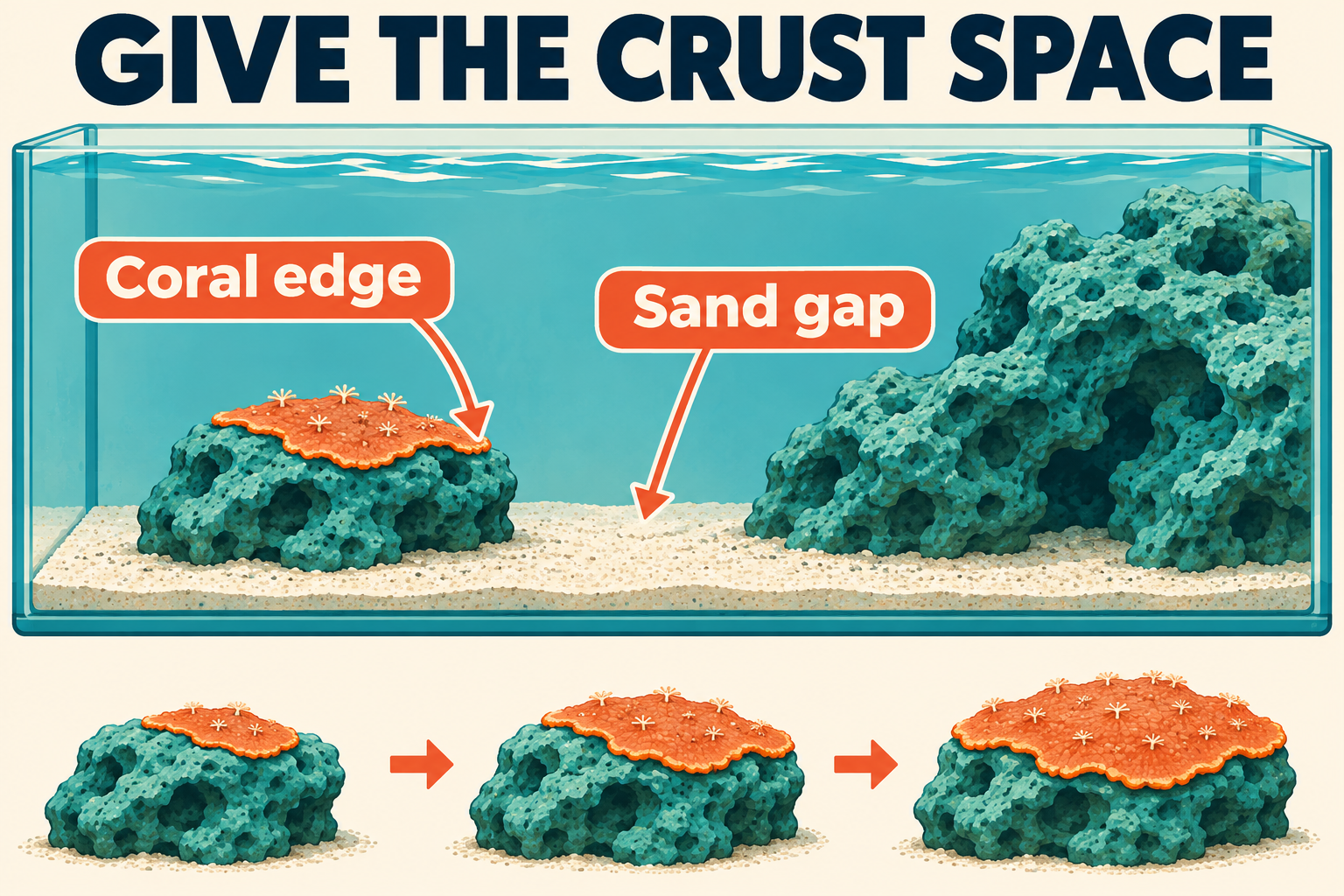
7. Pick its own rock. Set the frag on a low, stable rock with clear space around it. Lift it above loose sand so grains don't land on the tissue. The crust follows the surface it's attached to. An island makes the edge easy to see and easy to contain.
8. Watch the edges. Leave a gap to nearby corals, especially those that reach out at night. A peaceful label doesn't stop two growing colonies from touching. Move the island before the edges meet.
Flow, food and cleanup
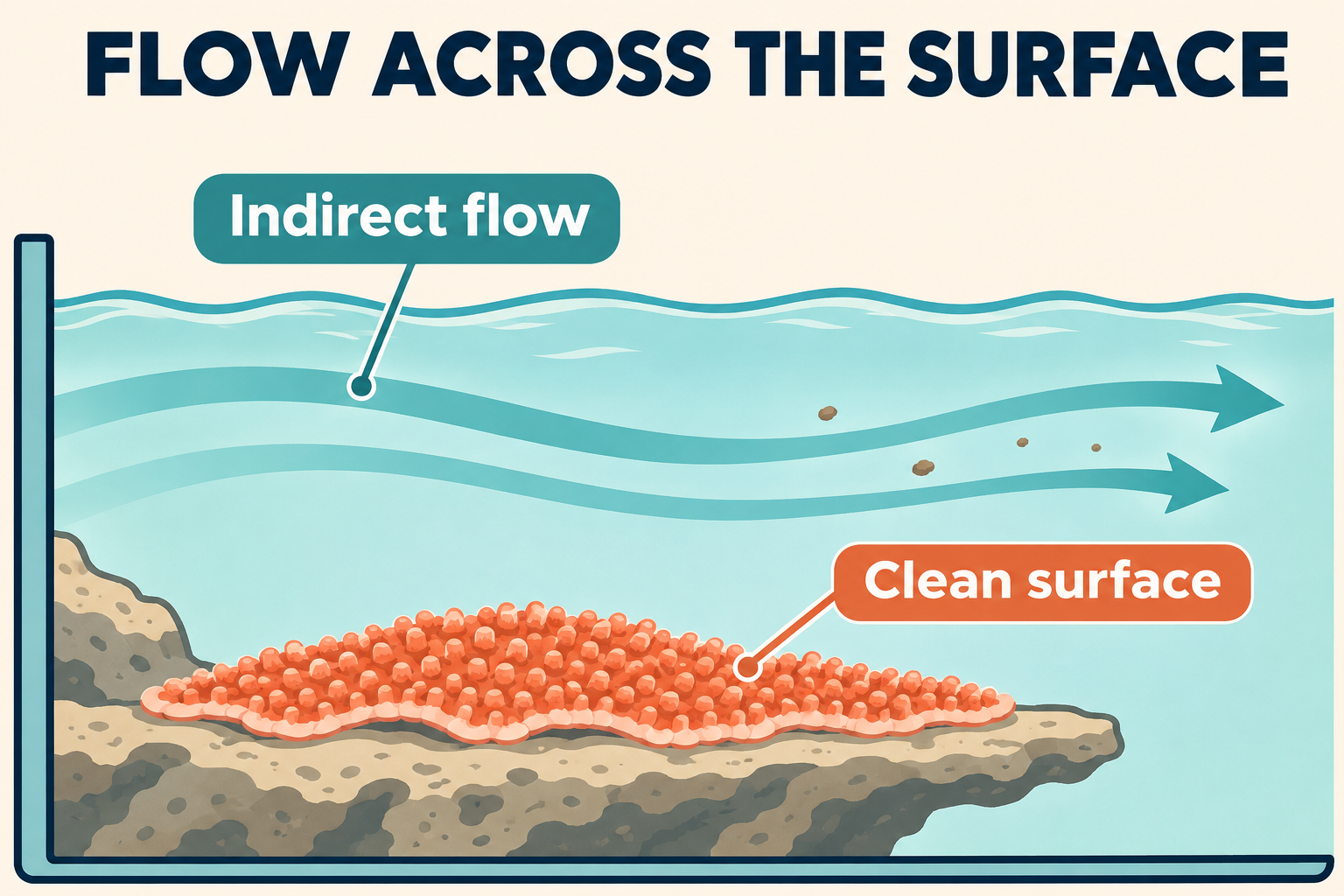
9. Sweep across the crust. Set a medium, indirect current across the colony. You want water washing over it, without a pump blasting straight at it. If grit collects in the same patch, adjust the flow angle or move the rock.
10. Feed lightly and check bare spots. The coral gets energy from its resident algae. Fine coral food is optional. Skip heavy feeding. If a patch loses tissue and shows bare skeleton, check for trapped grit, contact with a neighbor, and recent changes in light or water.
Field notes — what keepers report
11. Shade helps some frags. A keeper's Meteor Shower regained color after a move from roughly 80 PAR to about 40 PAR with medium flow. Other Cyphastrea keepers saw their colonies reach back into shade. Another saw little growth or extension on the shaded side of their own colony.
12. Measure your own edge. Those are reports about aquarium Cyphastrea, with little firsthand detail tied to confirmed C. serailia. Photograph the same edge under the same light each week. Track new cups, steady color, and any new bare spots. Change one thing at a time.
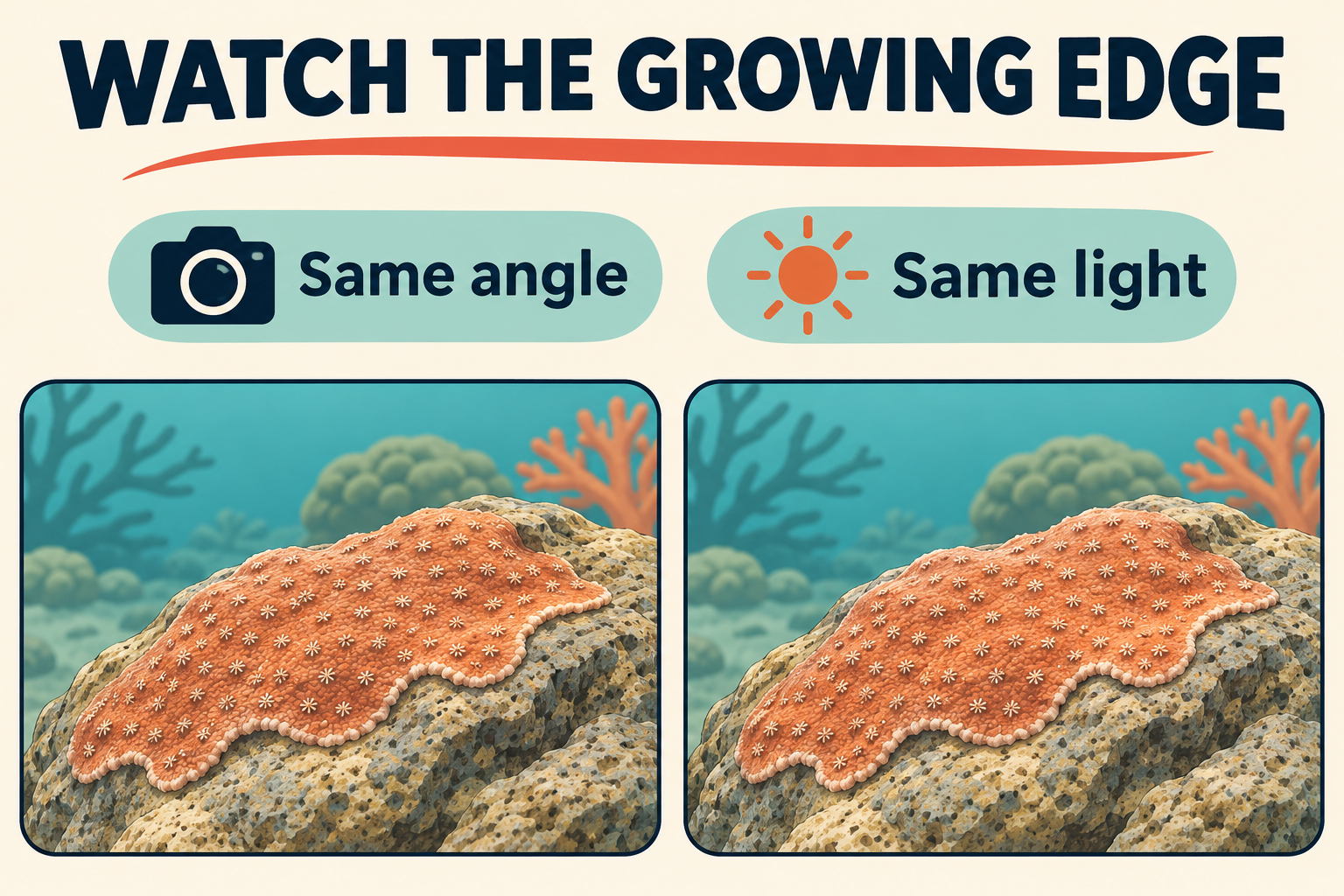
Pick a low rock that gets some light and a gentle wash of water. Take a photo when the frag settles. The first row of new cups is your sign that it has made itself at home.
Field Notes
Related species

Bling bling cyphastrea
Cyphastrea sp
Same genus
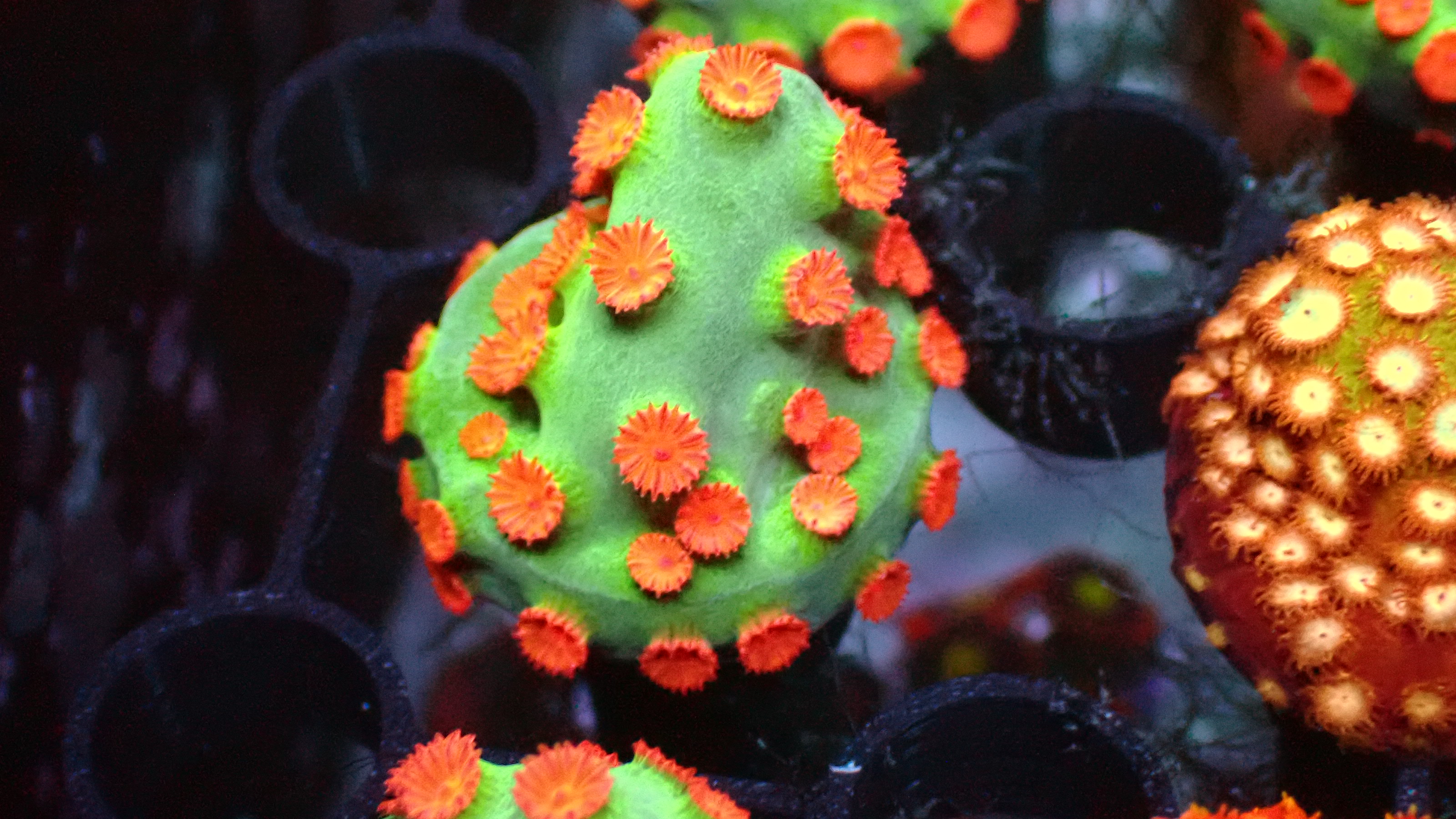
Meteor shower cyphastrea
Cyphastrea sp
Same genus
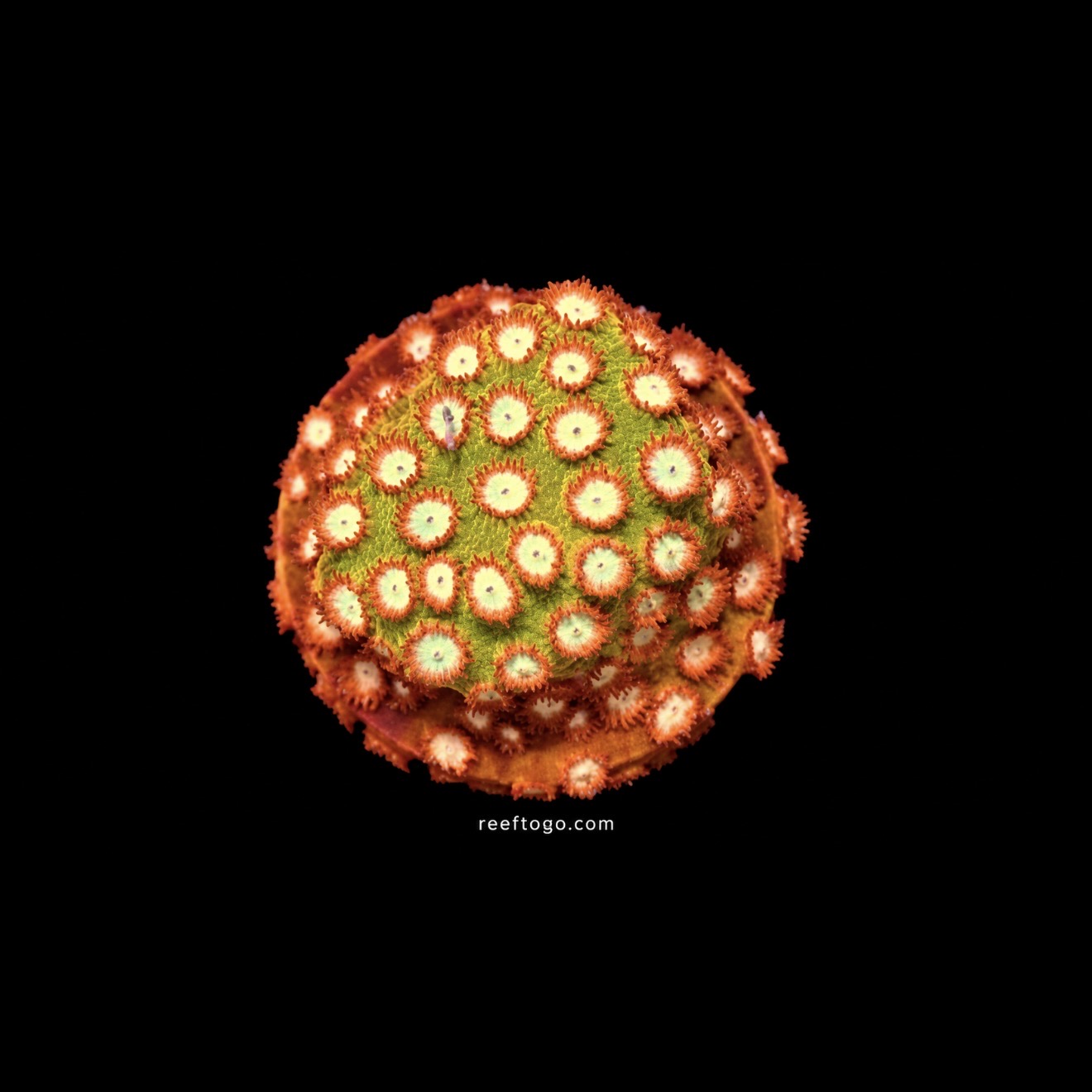
Captain America cyphastrea
Cyphastrea sp
Same genus

Blue mouth Duncan
Duncanopsammia axifuga
Similar care · LPS
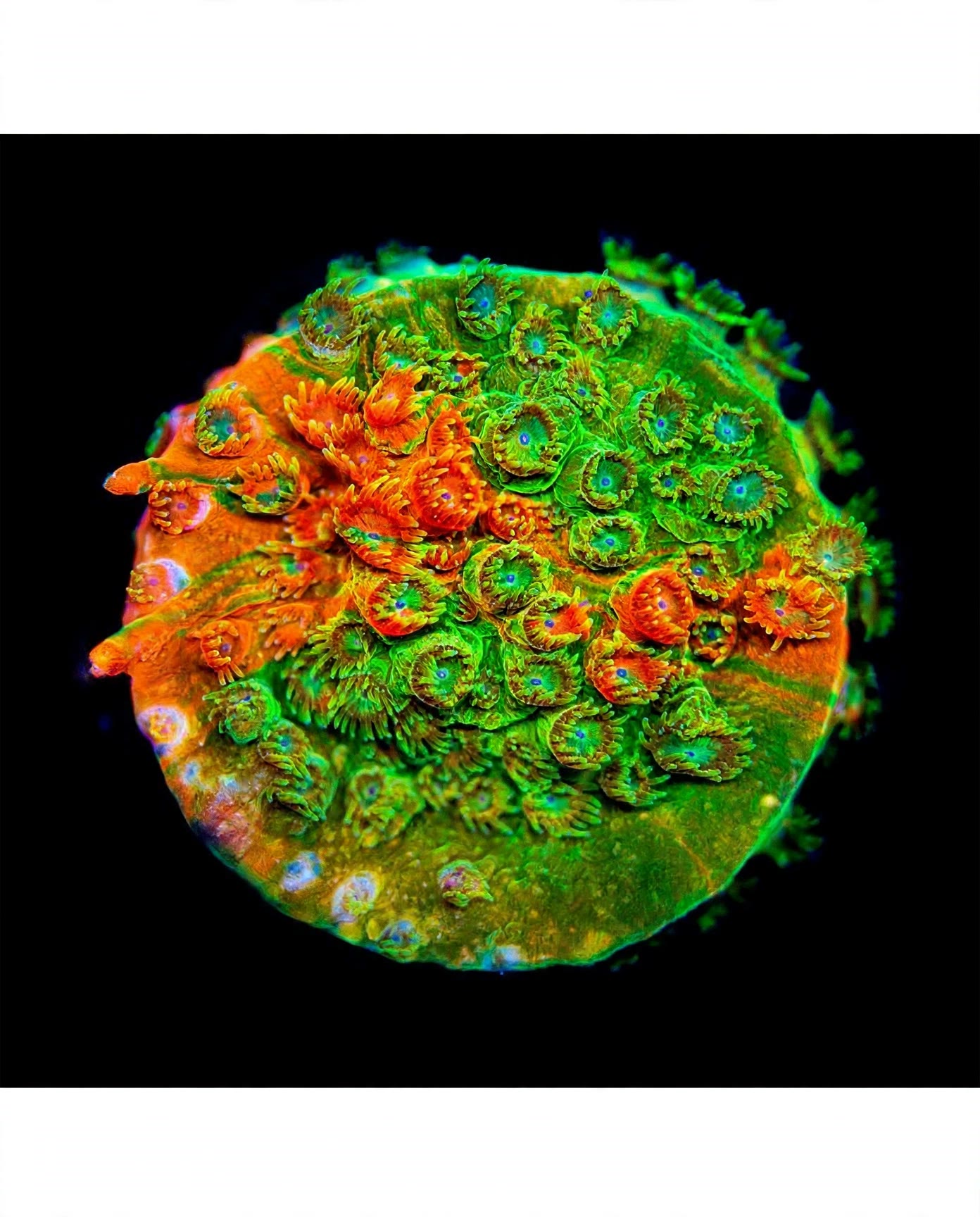
Circuit Breaker Cyphastrea
Similar care · LPS
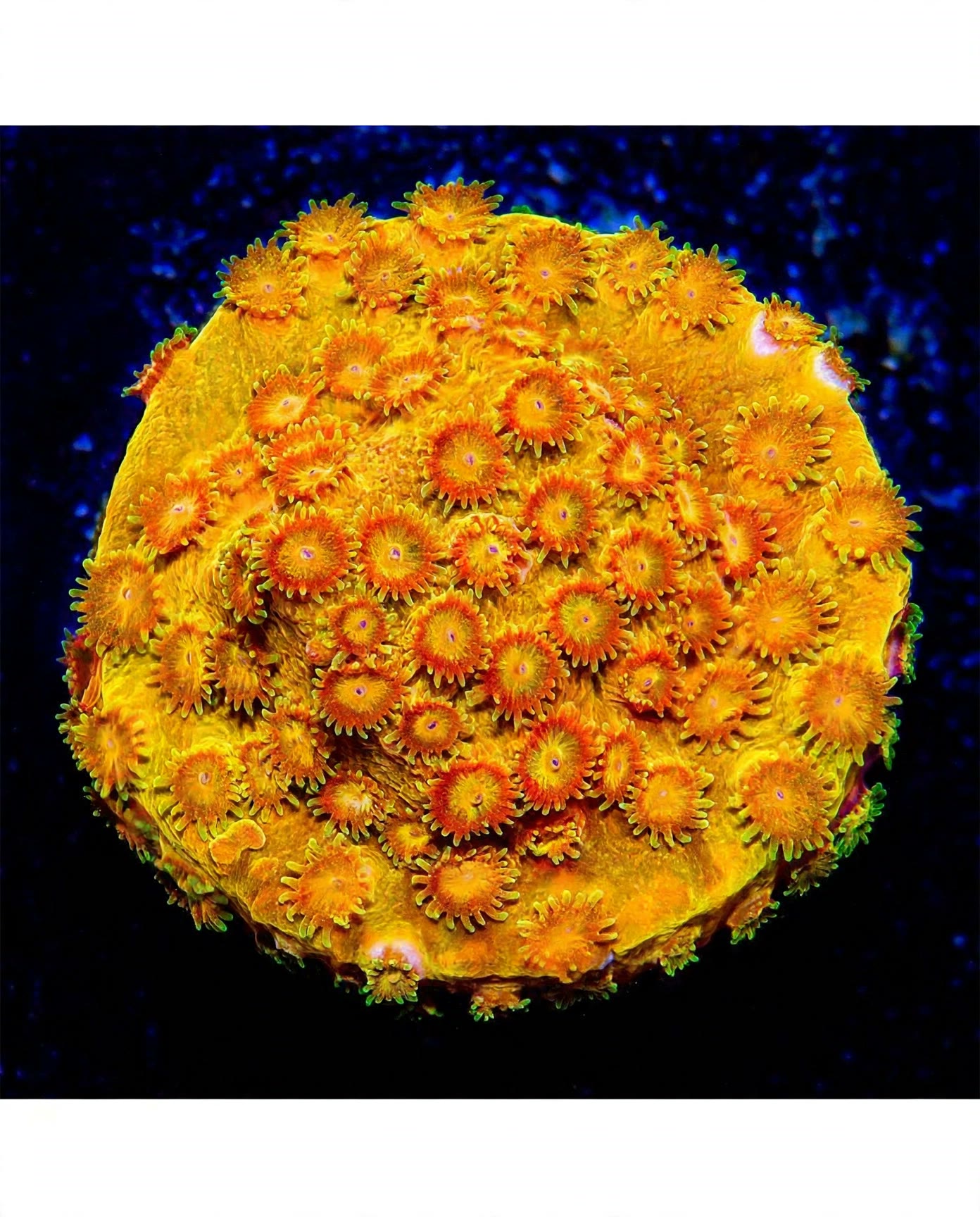
Citrus Burst Cyphastrea
Similar care · LPS
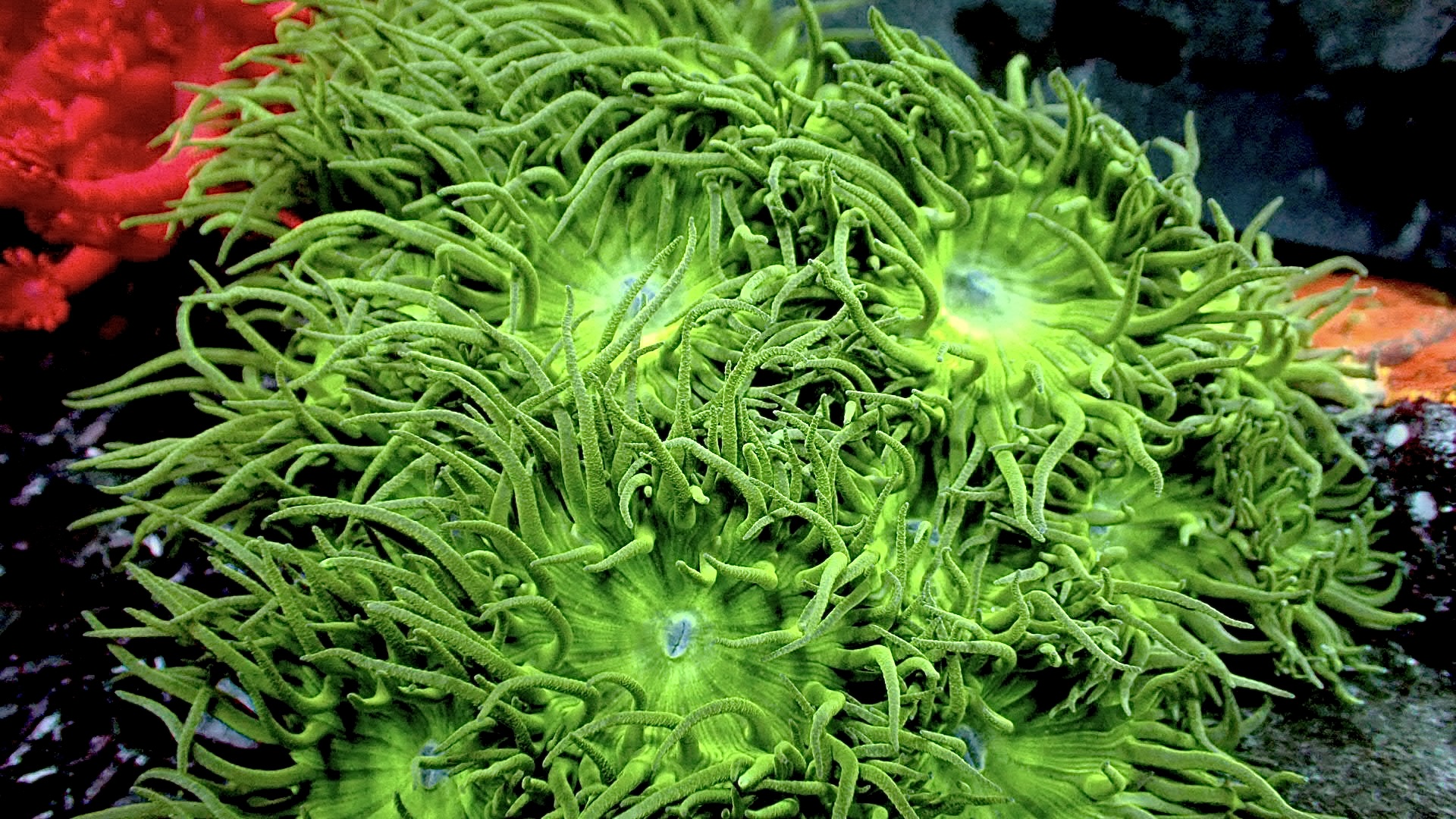
Duncan coral
Duncanopsammia axifuga
Similar care · LPS
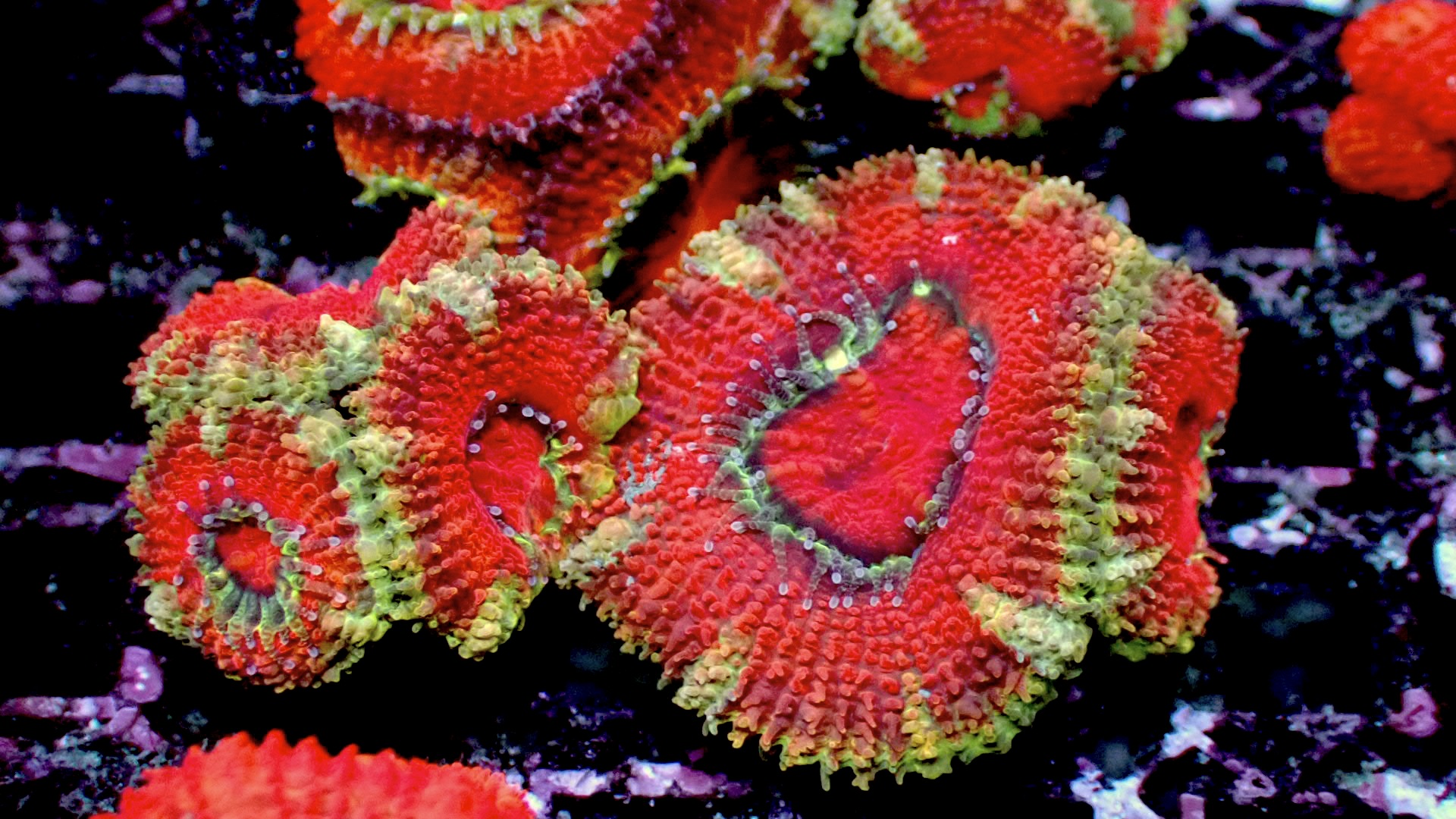
Gold Coast acans
Micromussa lordhowensis
Similar care · LPS