Gallery
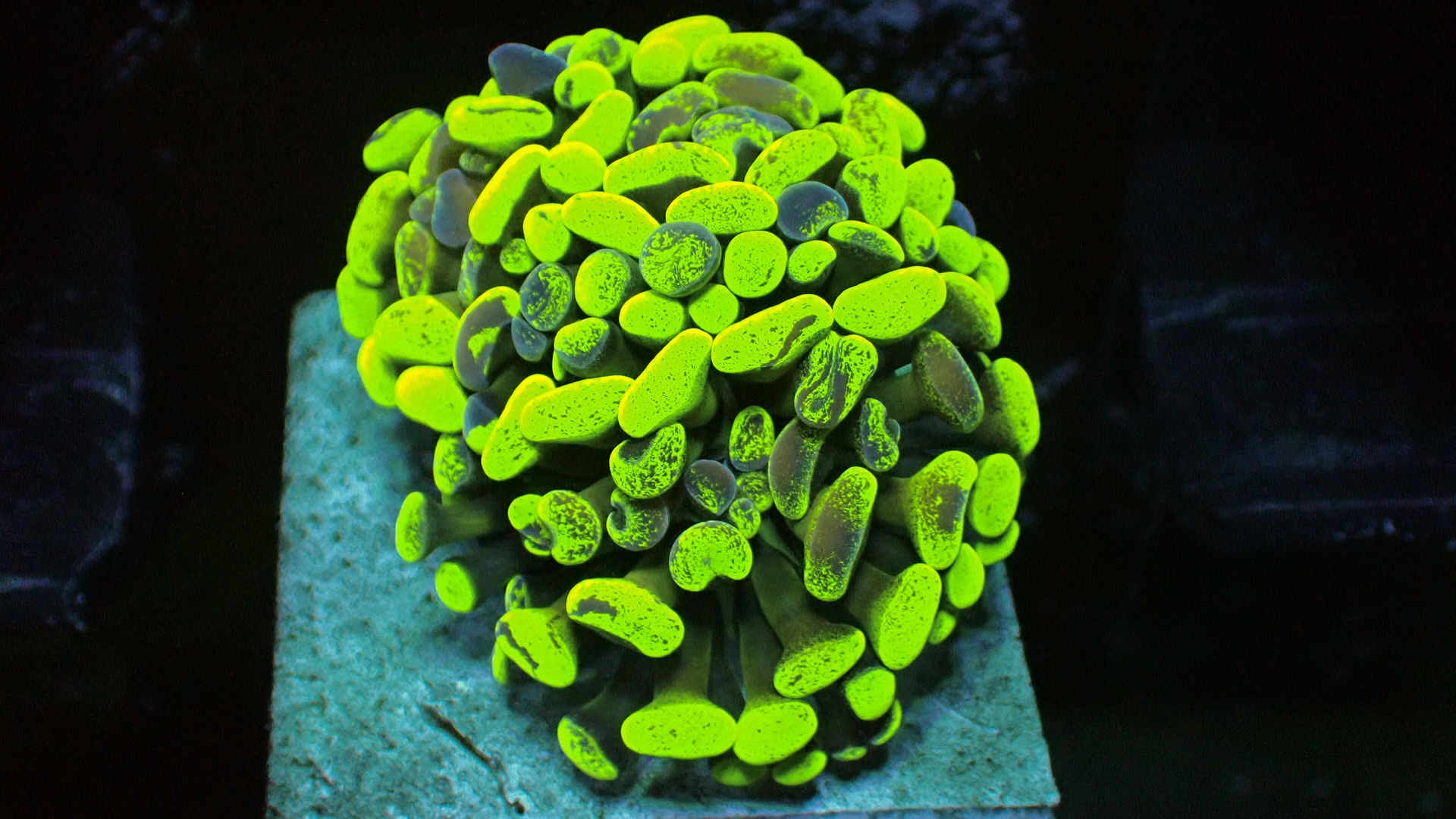
Splatter hammer is a patterned form of Fimbriaphyllia paraancora, the branching hammer coral long kept as Euphyllia paraancora. The skeleton branches into separate heads, and each head carries long polyps tipped with hammer- or anchor-shaped ends. The splatter name follows the broken color pattern across those tips, where one color appears flecked and splashed through a contrasting base color, so the colony reads as a moving cluster of hammers with mottled, two-tone ends rather than a single flat color.
The entry lists beginner care, medium light, and low flow. The care fields for placement, aggression, and growth were blank in the original record and are set here to the standard for this type: bottom placement, moderate aggression, and moderate growth. Beginner is fair for a settled hammer in a stable tank, with the main work in placement. Start it low on the rockwork, with the branches held clear of the sand and the heads facing upward into the light. Medium light at that level supports full extension. A colony that reaches and thins usually wants a small step upward over time, while heads that stay balled through the day may sit in more light or more flow than they prefer.
Low flow is central to good extension. The polyps should sway gently and change direction as the current varies. A steady blast flattens the tentacles to one side, presses tissue against the skeleton, and can tear the soft polyp edge over time. Still water is also a problem, because waste settles among the branches. A calm spot with broad, indirect movement gives long, even extension across every head.
A hammer carries sweeper tentacles that reach beyond the normal polyps, mainly at night, which is why the aggression is set to moderate. Give the colony clear space on all sides, at least several inches from other corals, and check that reach again after it settles and the polyps extend further than they did on arrival. Falling frags are a real risk for branching hammers, so mount the skeleton firmly where the colony cannot topple into a neighbor or into the sand.
Feeding is helpful and simple. Hammers can take small meaty foods such as mysis or fine LPS food when the polyps are extended, offered once a week or so with flow lowered briefly. Many colonies do well on light and broadcast feeding alone, and heavy target feeding can leave food rotting between heads. Remove uneaten food and keep detritus from building inside the branch structure.
Growth is moderate for a settled colony. Heads divide and new branches form at the base of existing heads over months, widening the cluster gradually. Stable alkalinity, calcium, and magnesium support the branching skeleton. A head that recedes, tissue that pulls up the branch, or a whole colony that stops extending while nearby corals look normal calls for a check of flow, light, pests at the base, and recent chemistry changes.
Common pitfalls include placing the colony in strong, direct flow for movement, crowding it against other LPS, and gluing it loosely so it falls. Start low and calm, mount the skeleton securely, and judge extension over several settled days before moving it again.
Field notes — what keepers report
- Extension reports track flow closely. Keepers describe long, relaxed hammers swaying under gentle, changing flow, and short, tight heads under a direct jet or in a spot where flow runs one way all day. Reports agree that a calmer placement is the first change to try when extension shortens.
- Pattern reports vary with light spectrum. Keepers under blue-heavy light describe the splatter contrast reading sharply across the tips, while keepers under whiter light describe softer contrast on the same type of colony. Keepers treat that difference mainly as presentation when every head opens fully.
- Growth reports divide by stability. Some keepers describe steady head division in an undisturbed spot, while others describe a colony holding the same size for a long stretch after repeated moves. Both sides link splitting to a secure mount, steady chemistry, and space left clear around the colony.
Field Notes
Related species
Hologram hammer
Fimbriaphyllia paraancora
Same genus

Candygram hammer
Fimbriaphyllia paraancora
Same genus
Frogspawn
Fimbriaphyllia divisa
Same genus
Gold hammer
Fimbriaphyllia paraancora
Same genus
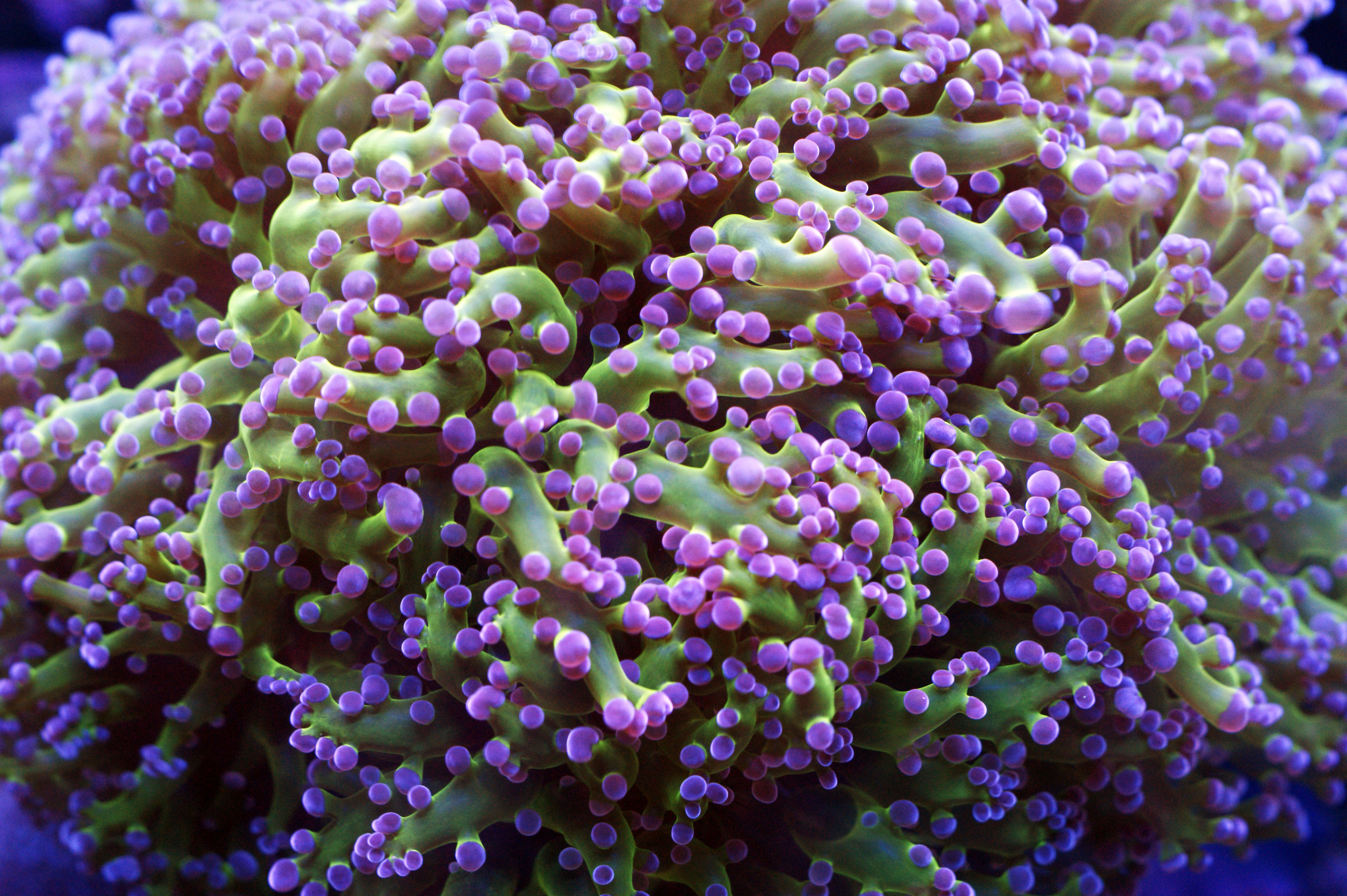
Branching Frogspawn
Fimbriaphyllia paradivisa
Same genus
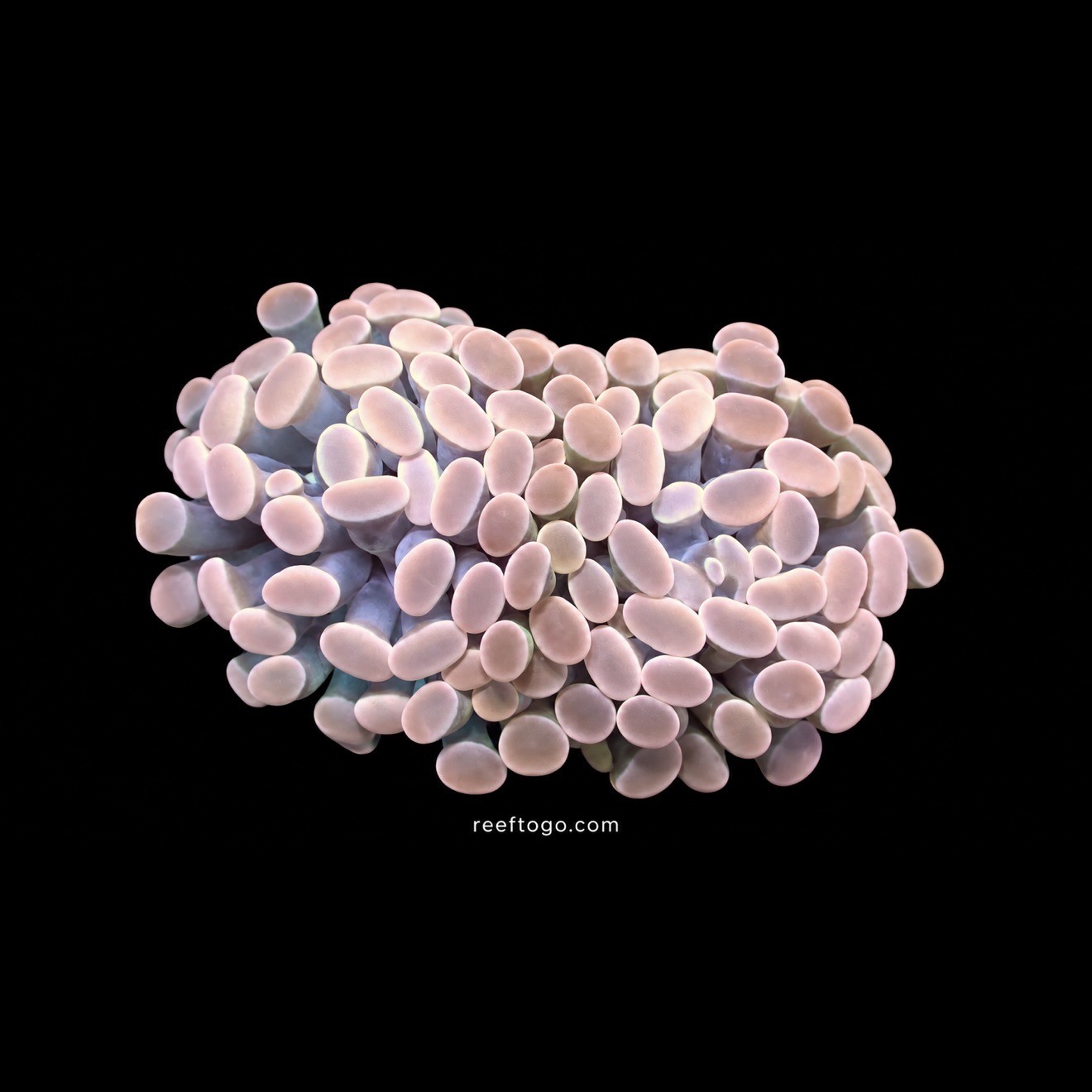
Pink Hammers
Fimbriaphyllia paraancora
Same genus
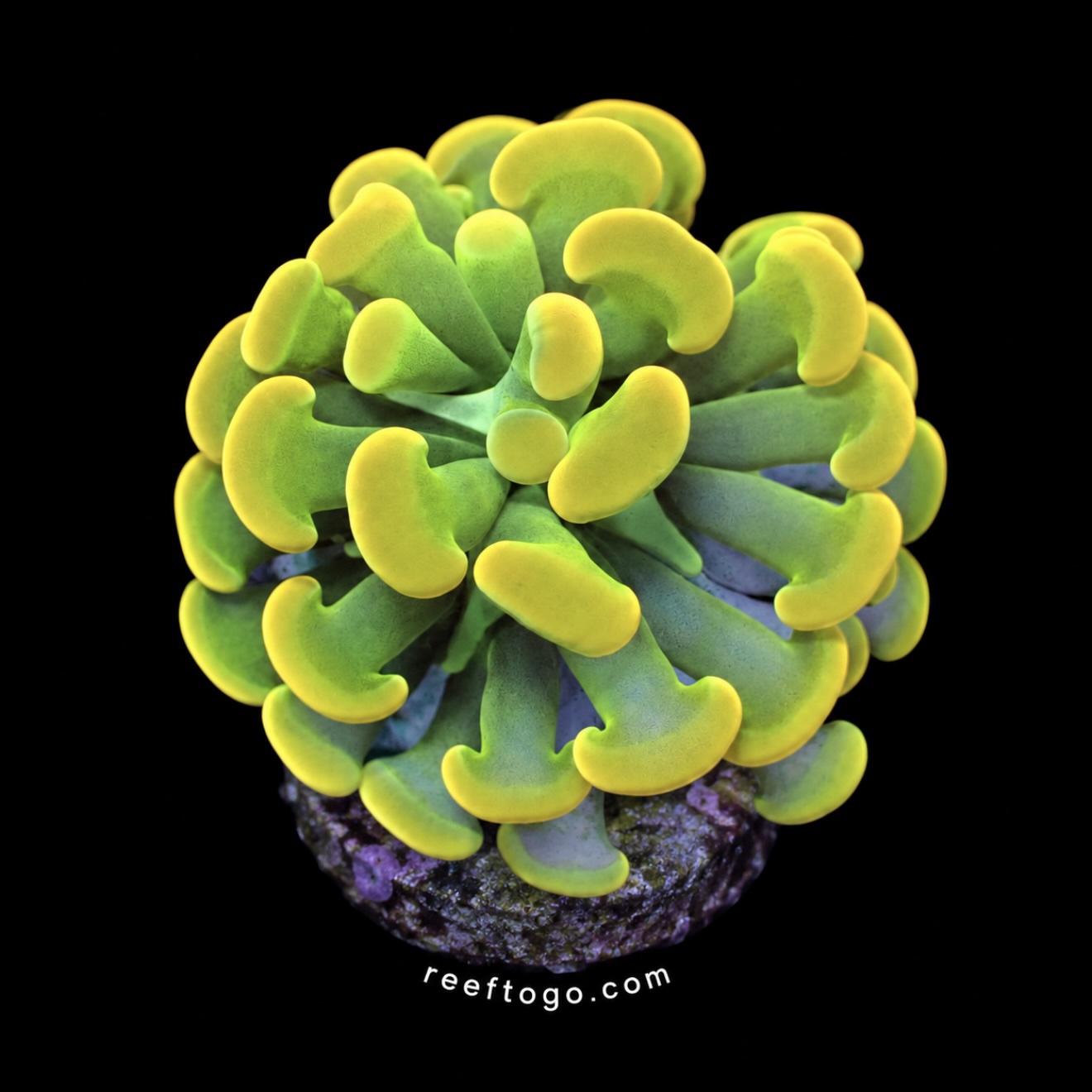
Willy Wonka Hammer
Fimbriaphyllia paraancora
Same genus
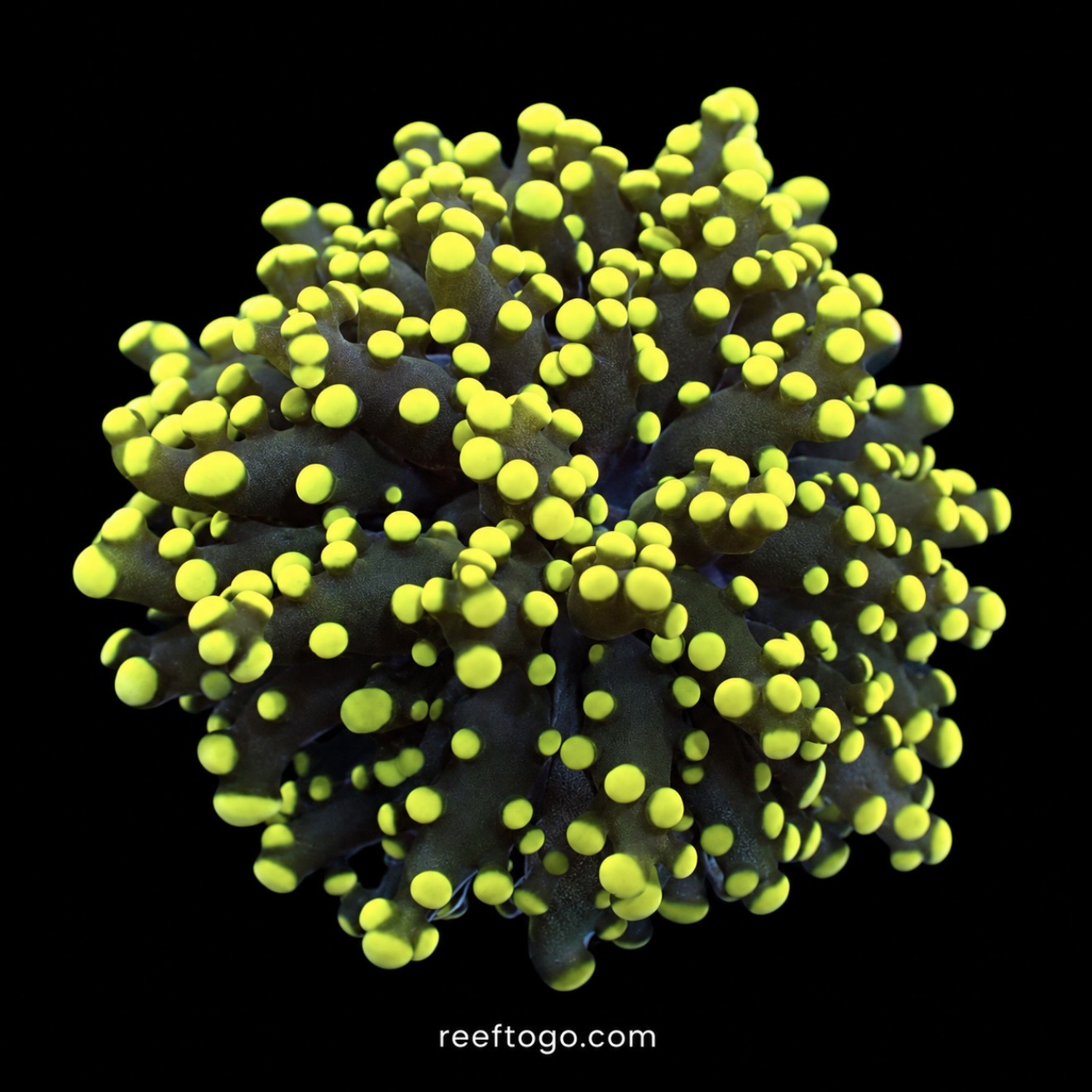
Yellow Octospawn
Fimbriaphyllia yaeyamaensis
Same genus