Lacy Leathery Coral
Leptoseris yabei

Care facts
- Care
- Advanced
- Light
- Low-Medium
- Flow
- Low-Medium
- Place
- Bottom
- Space
- Moderate
- Origin
- Indo-Pacific
- Growth Rate
- Slow
Gallery
Meet a coral that grows its own ruffles! Lacy Leathery Coral turns thin stone plates into folds, tiers and little cups. Give its delicate rim gentle light, moving water and room to spread.
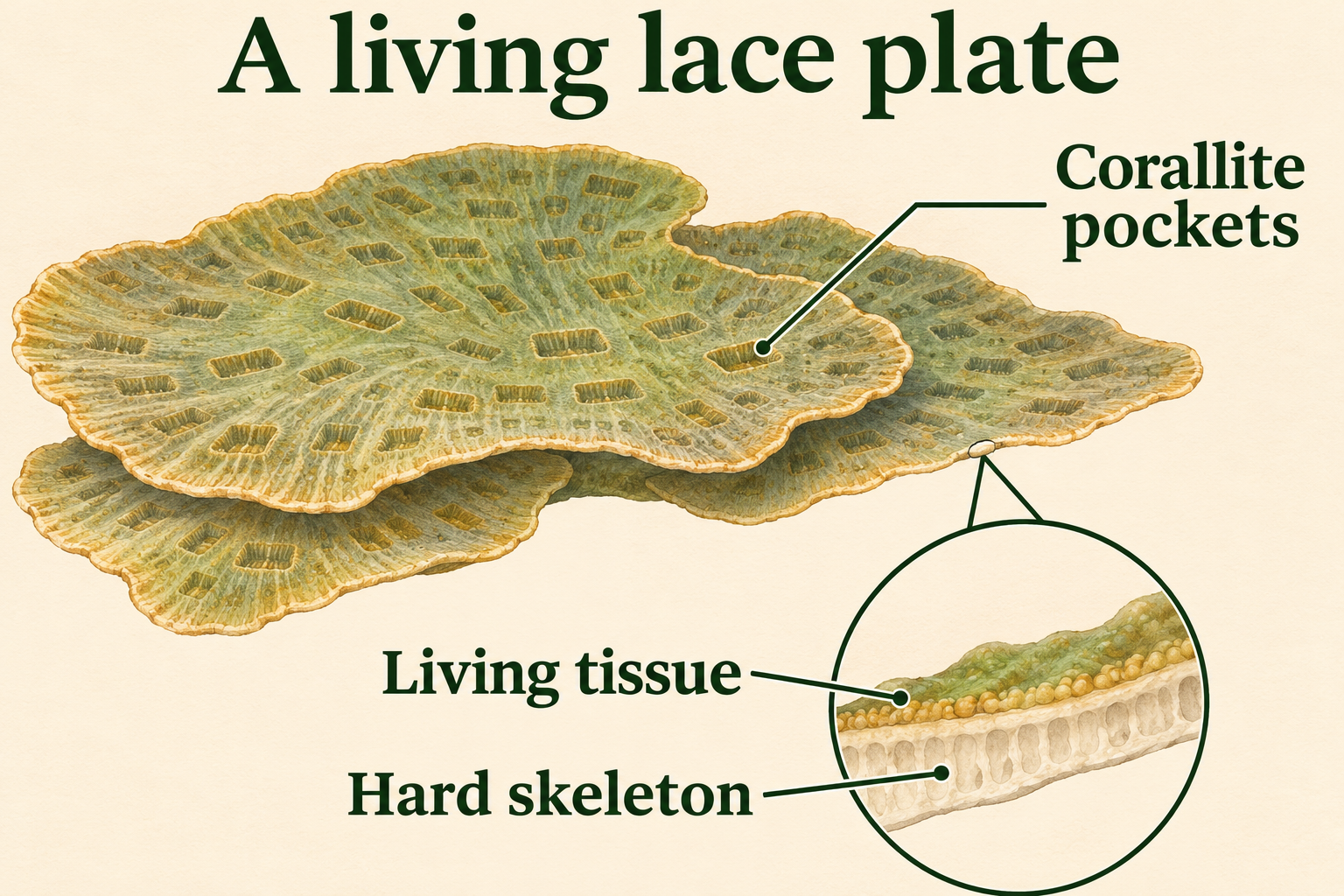
A living lace plate
1. A reef ruffle! This coral builds thin, hard plates that curl into tiers, whorls and vase shapes. Those little pockets across the surface hold its polyps.
2. Soft name, hard coral. Lacy Leathery Coral is not a soft leather coral. Leptoseris yabei grows a stony skeleton under a thin layer of living tissue. Handle the base, not the delicate rim.
Start with gentle light
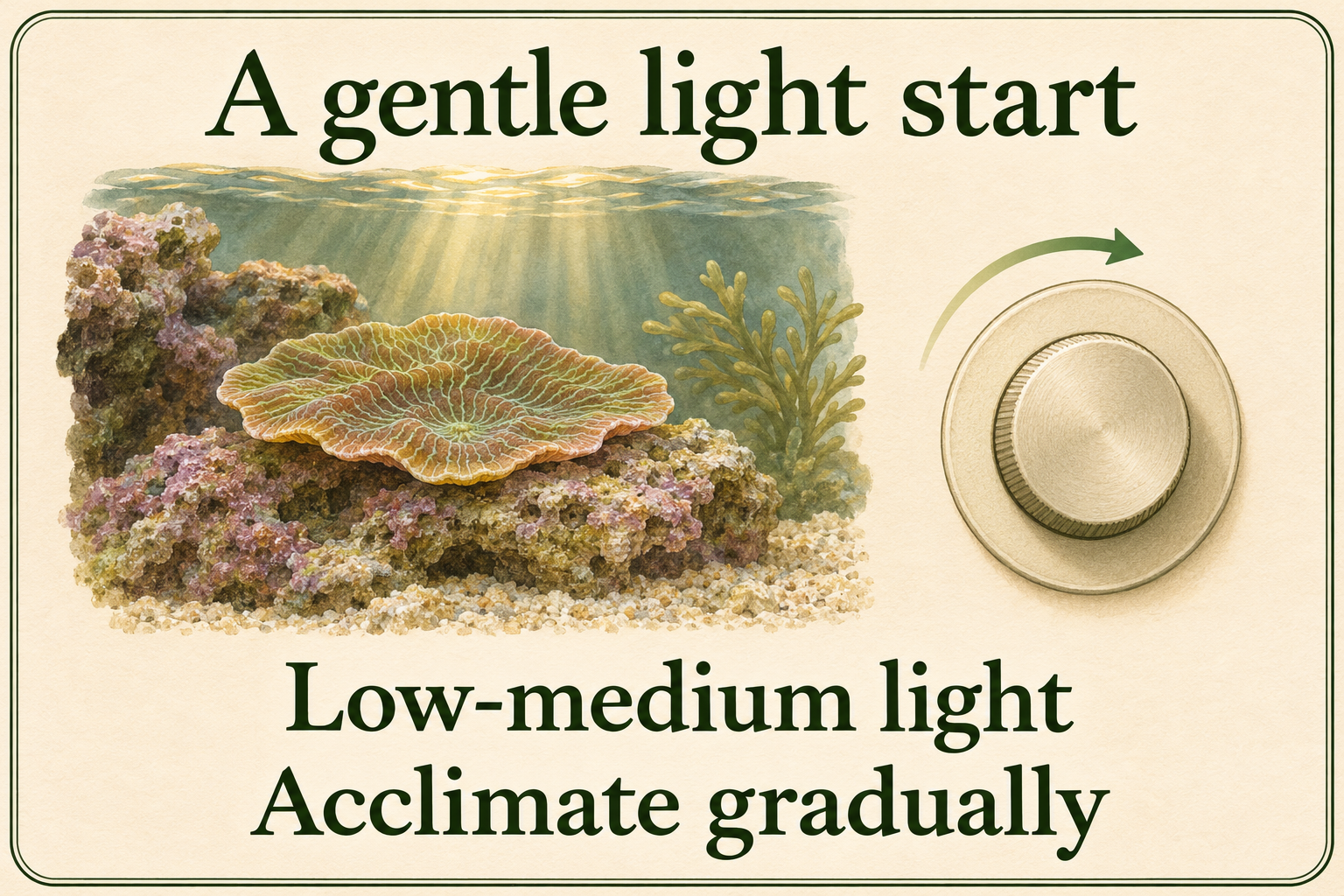
3. Ease into the glow. Start in low to medium light. Let the coral settle, then change the light gradually. A lower rock ledge makes a handy starting spot.
4. Depth is not a light meter. This species lives across a range of reef depths. Do not turn a wild depth into a tank light setting. Watch for paling after a light increase and back off rather than pushing harder.
Keep the folds clean
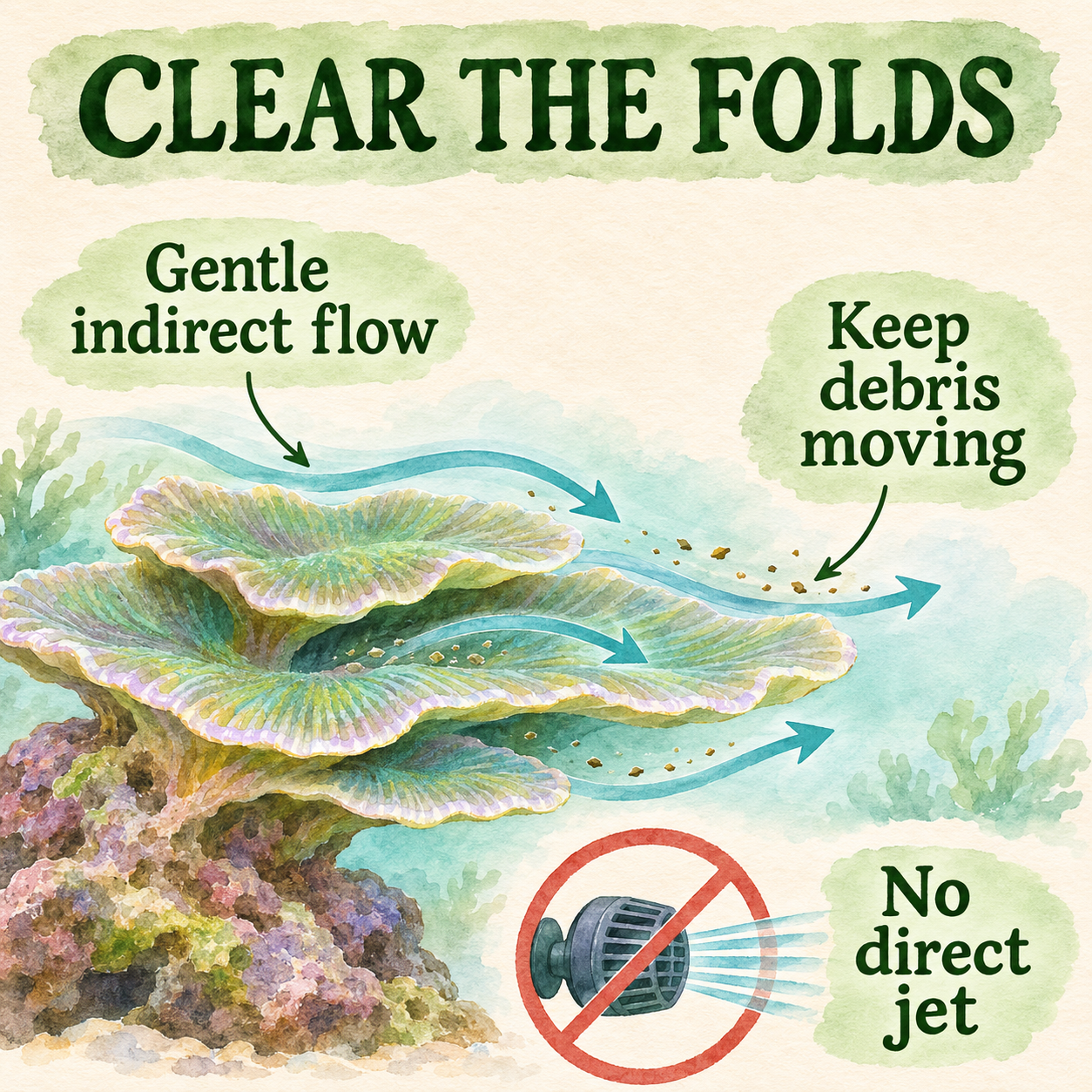
5. Move water, not tissue. Keep gentle, indirect flow across the plates. Do not aim a pump at the coral.
6. Check the quiet corners. Check behind the rim for trapped waste. Redirect flow if debris collects there.
Make steady your superpower
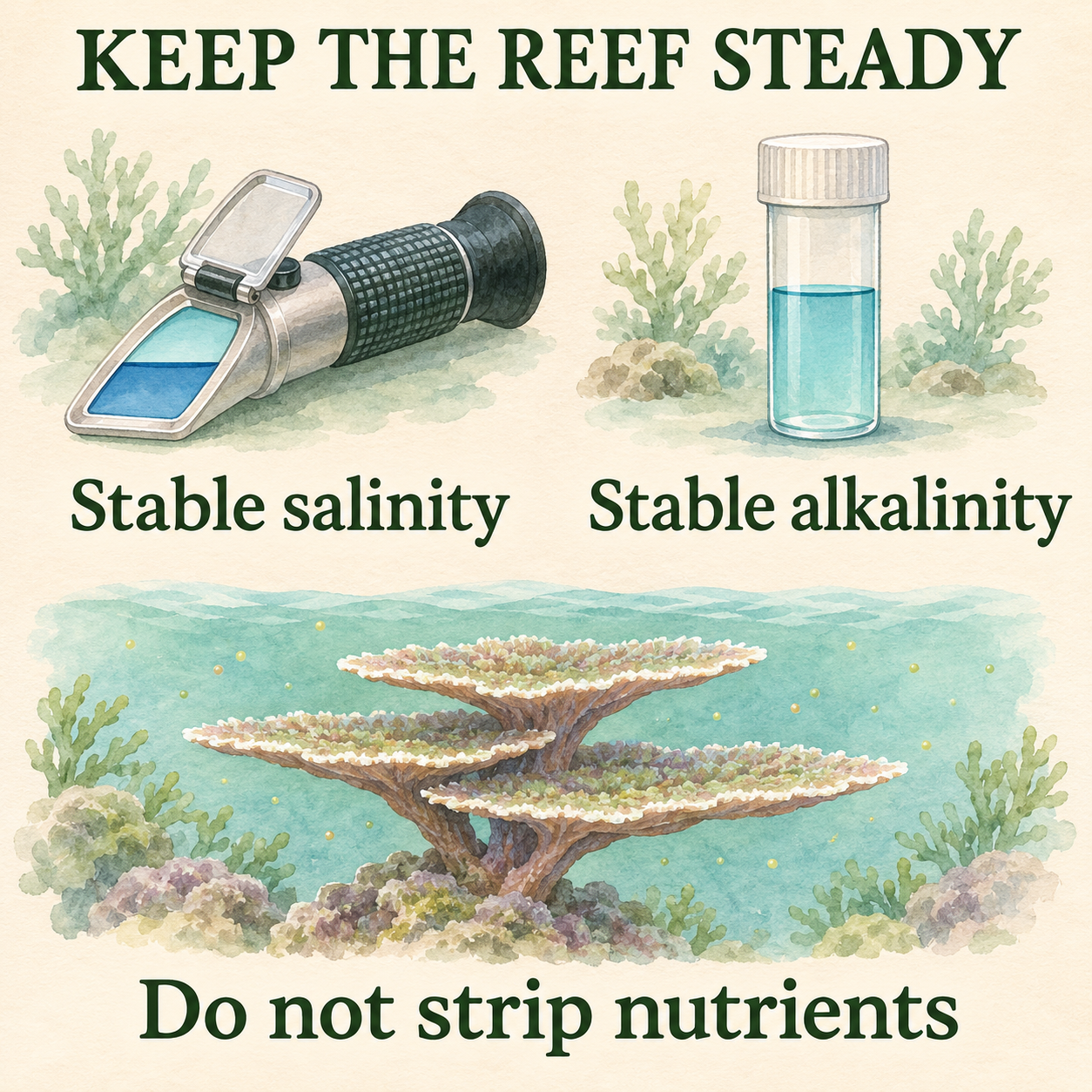
7. Small changes win. Keep salinity and alkalinity steady. Test regularly and make measured adjustments.
8. Clean is not empty. Keep nutrients controlled, not stripped away. Do not chase zero with sudden changes.
Give the rim room
9. No touching! Leave open space around the colony. Leptoseris can sting nearby corals and spread over the rock. Keep neighboring tissue away from its growing edge.
10. Plan for a bigger plate. Check spacing as the rim spreads. Plates can shade animals below them. Move a neighbor before contact starts, rather than waiting for a bare patch of skeleton.

Field notes — what keepers report
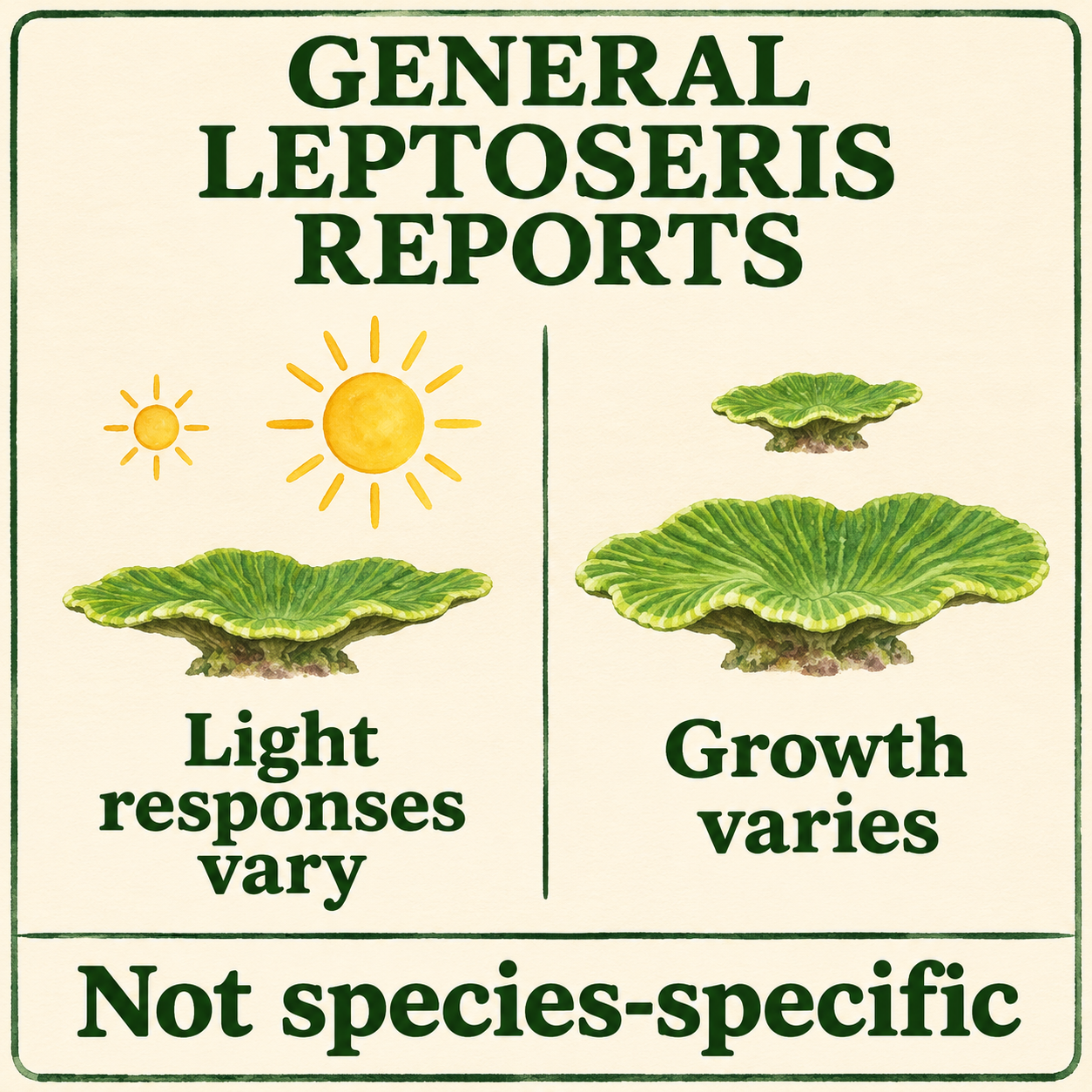
11. General Leptoseris reports: light varies. Keepers describe success in shaded, lower-light spots. Others report success under brighter light, while another describes bleaching after a move into brighter light. Moving into shade did not rescue every struggling colony.
12. General Leptoseris reports: watch the neighbors. A keeper reports a colony spreading across rock, stinging and overgrowing nearby corals. Another reports slow growth under an overhang. Leave space and check it again as the colony grows.
Build a calm corner, keep the folds clean and give that growing rim some breathing room. Then watch this living lace add a whole new shape to your reef.
Field Notes
Related species
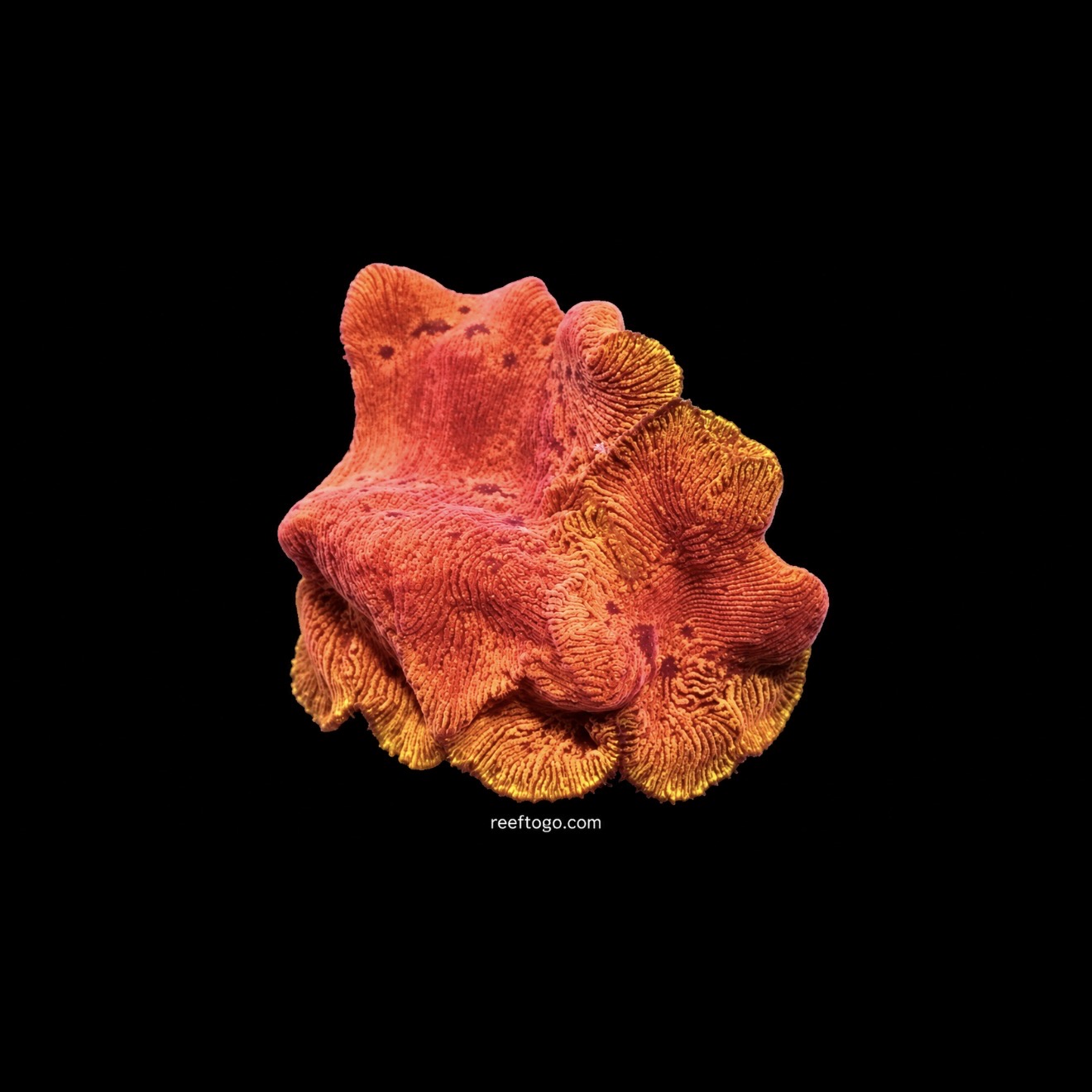
Blood orange leptoseris
Leptoseris sp
Same genus

Fireworks Leptoseris
Leptoseris sp.
Same genus
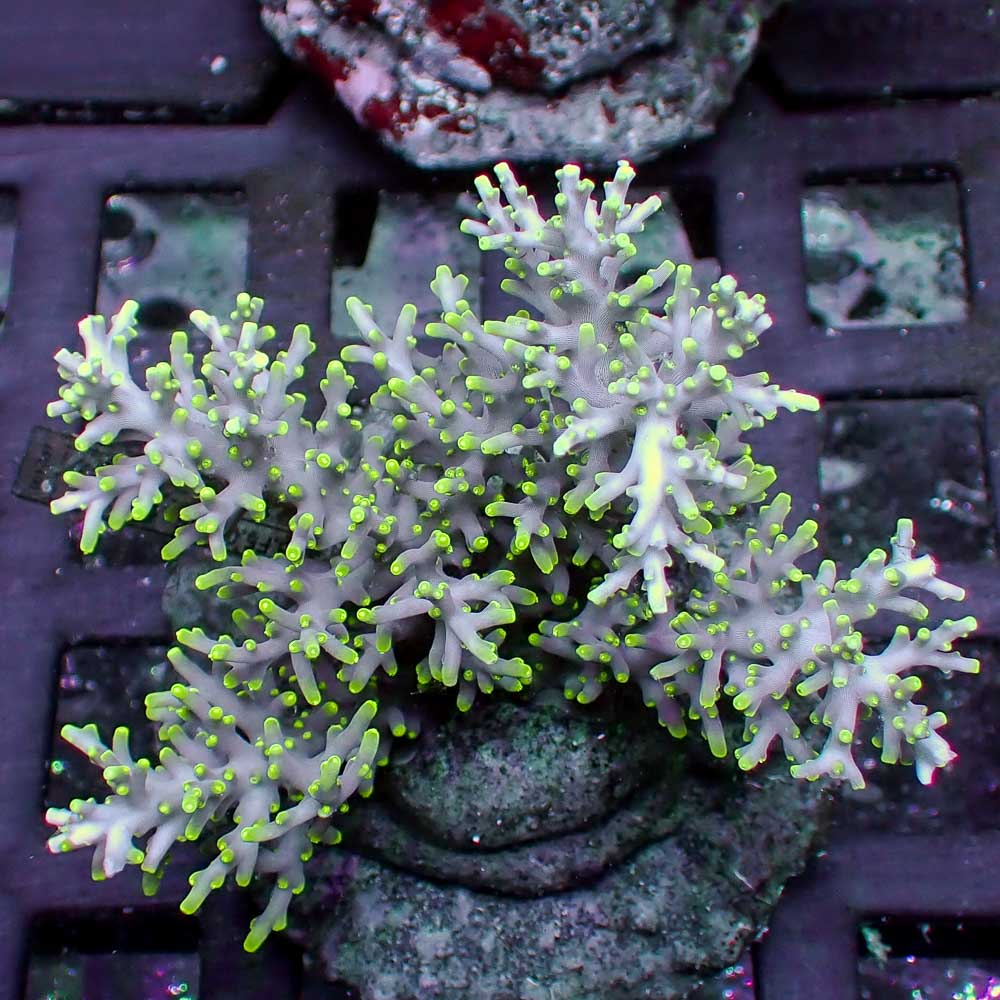
Green tip Acropora subglabra
Acropora subglabra
Similar care · SPS
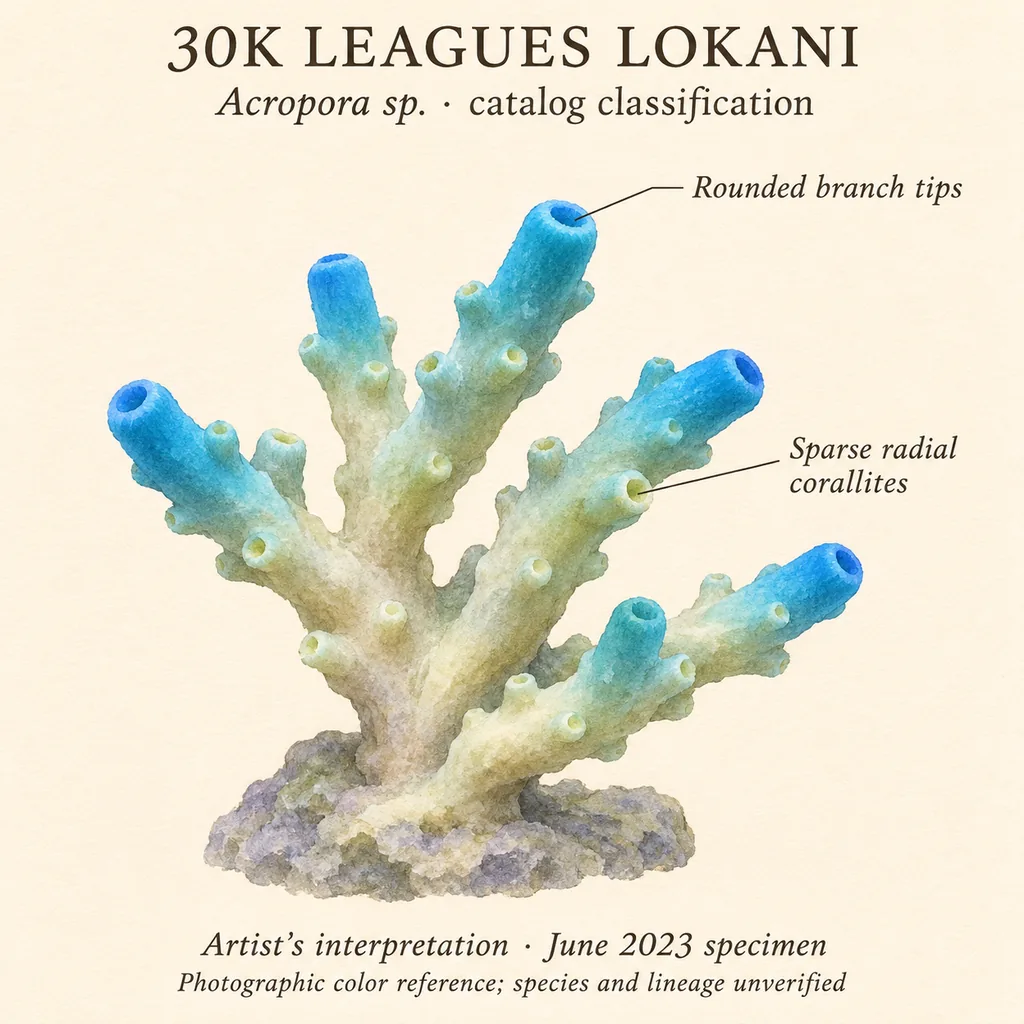
30K Leagues Lokani
Acropora sp.
Similar care · SPS
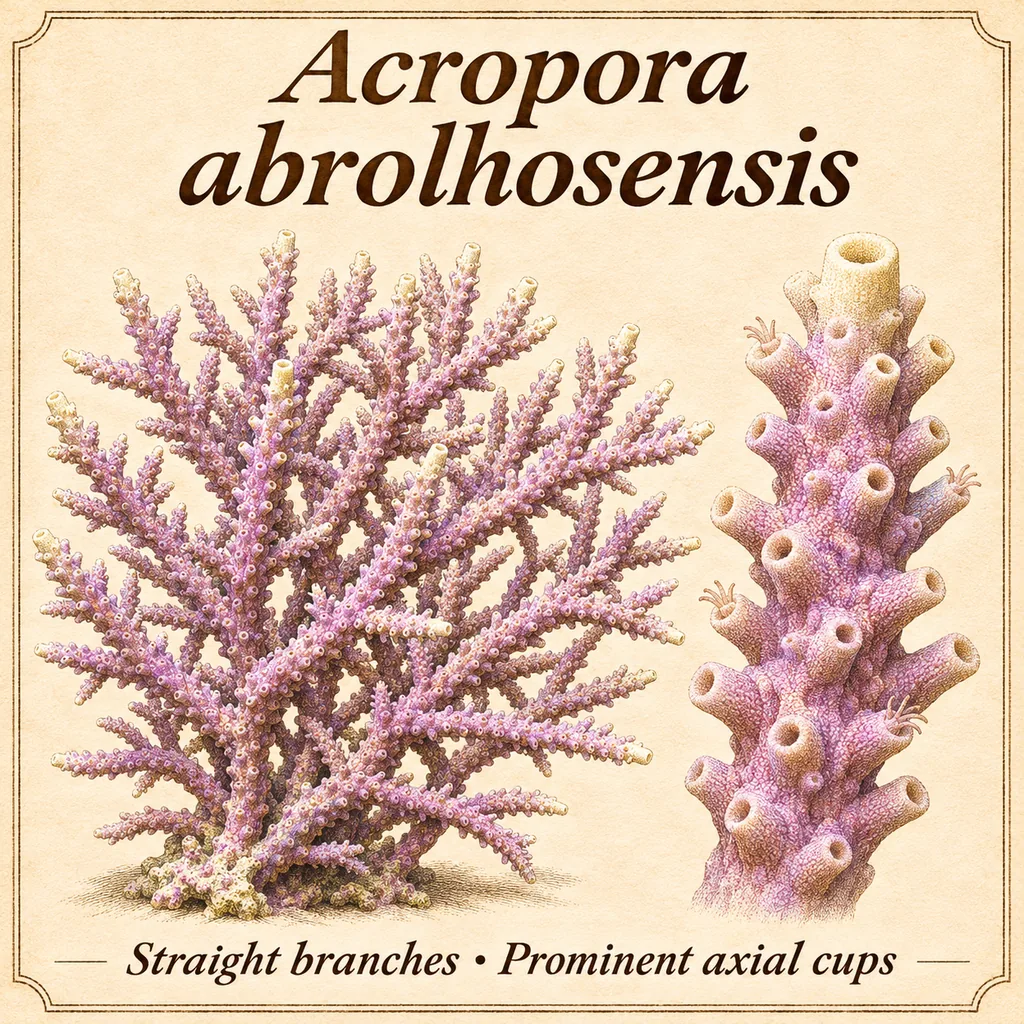
Acropora abrolhosensis
Acropora abrolhosensis
Similar care · SPS
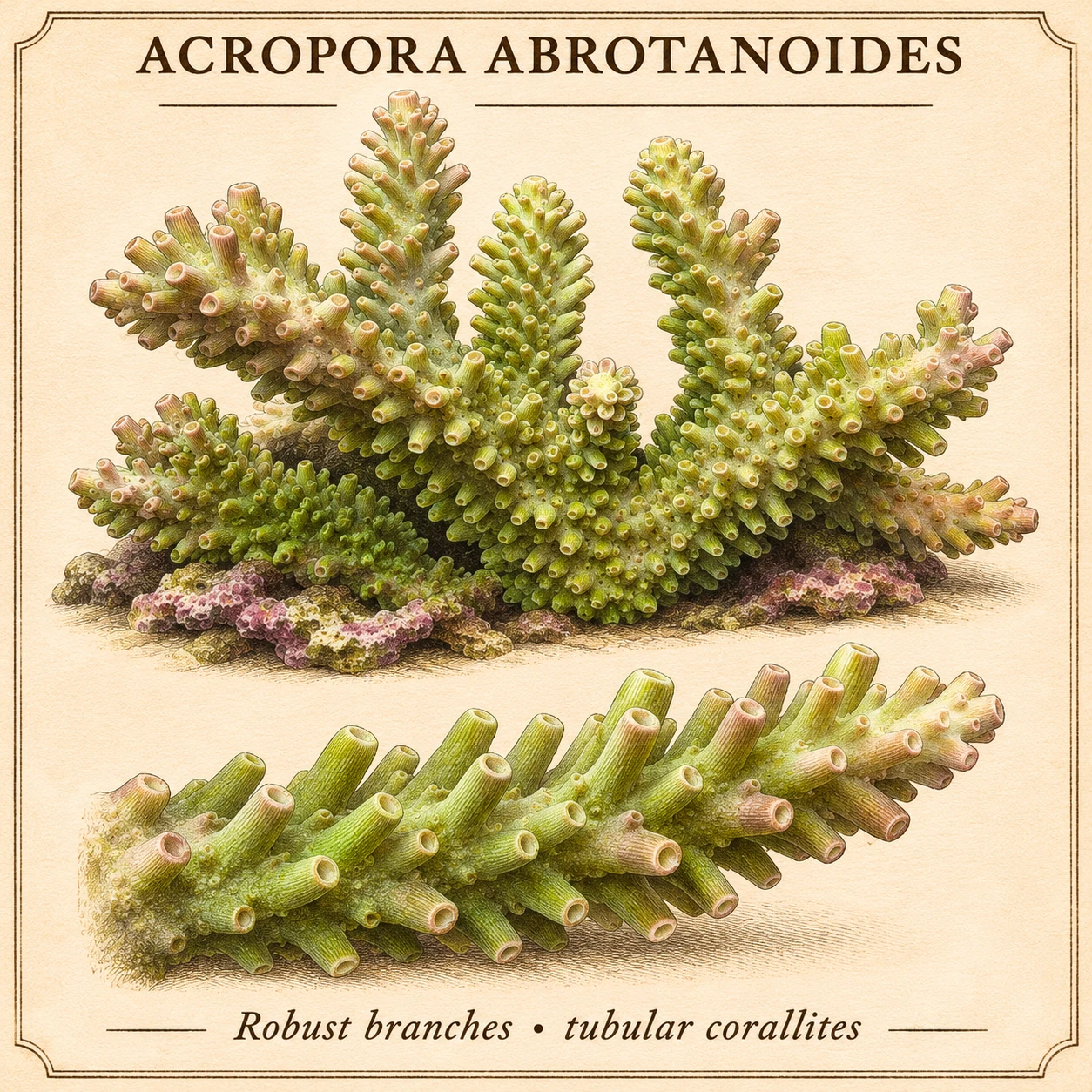
Acropora abrotanoides
Acropora abrotanoides
Similar care · SPS
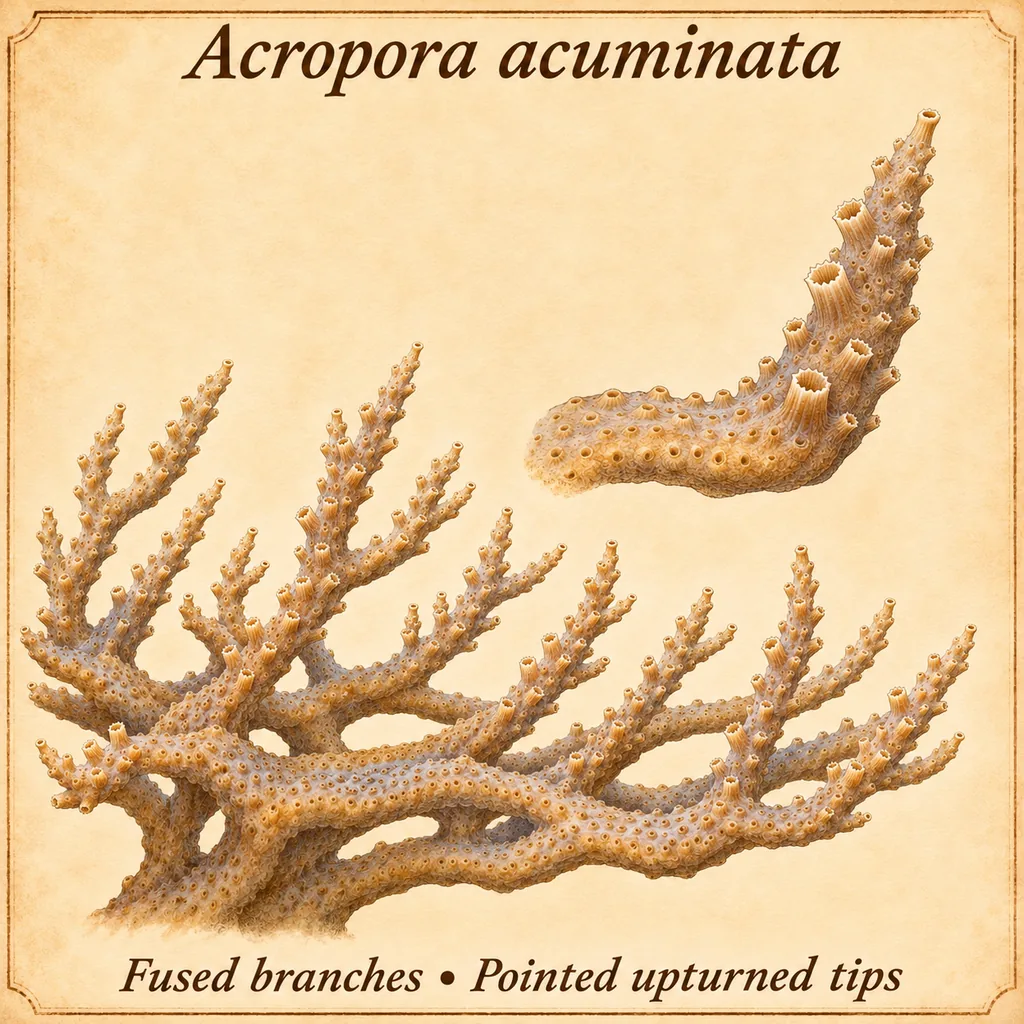
Acropora acuminata
Acropora acuminata
Similar care · SPS
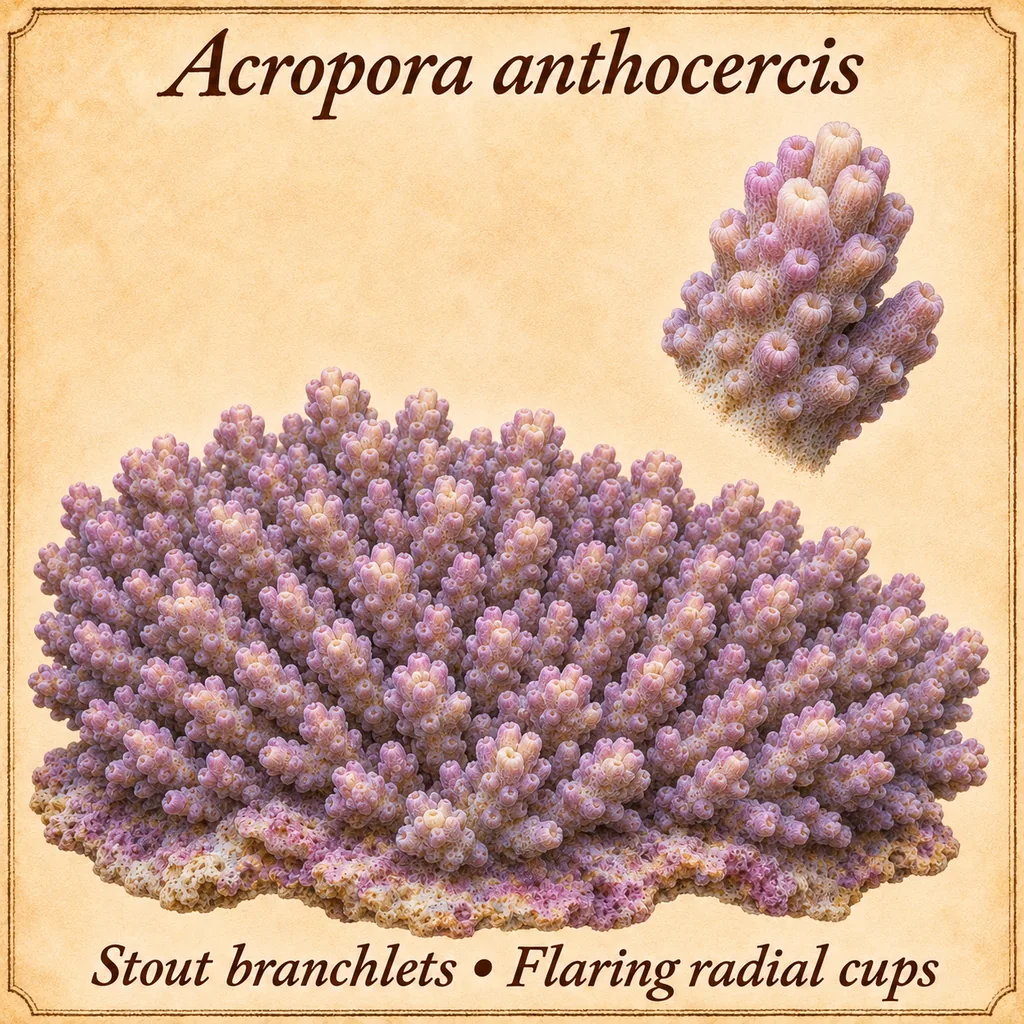
Acropora anthocercis
Acropora anthocercis
Similar care · SPS