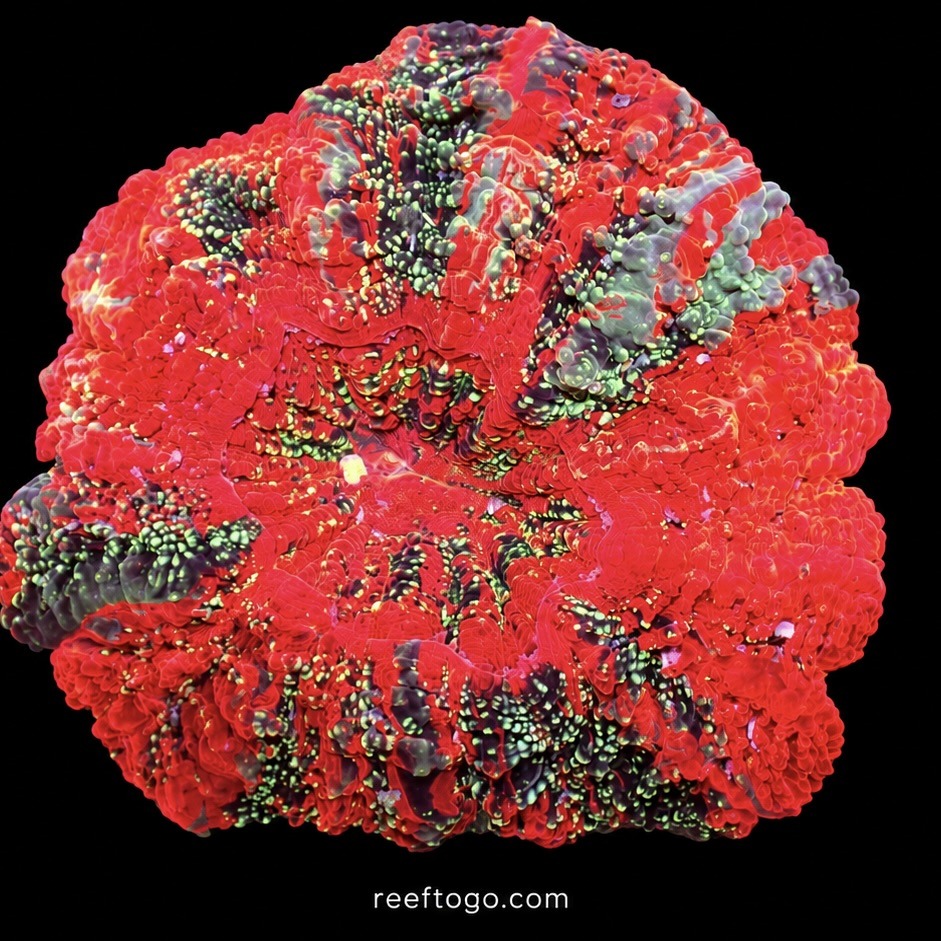
Seasons greetings acantho
Acanthophyllia sp.
Care facts
- Care
- Intermediate
- Light
- Medium
- Flow
- Moderate
- Place
- Bottom
- Space
- Moderate
- Growth Rate
- Moderate
Gallery
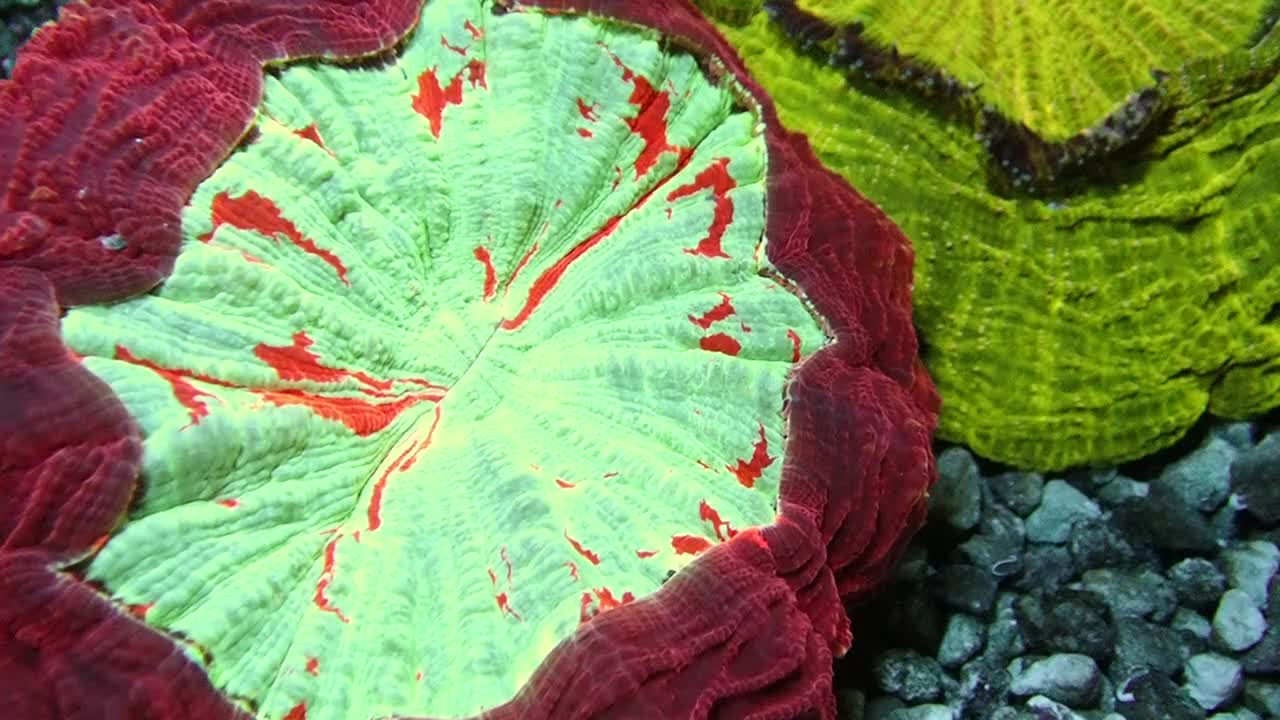
That red and green cushion is one giant coral polyp. Watch its rim as it fills with water and billows over the skeleton. Give it a big patch of open sand and you’ll see why this meat coral earns a spot of its own.

History
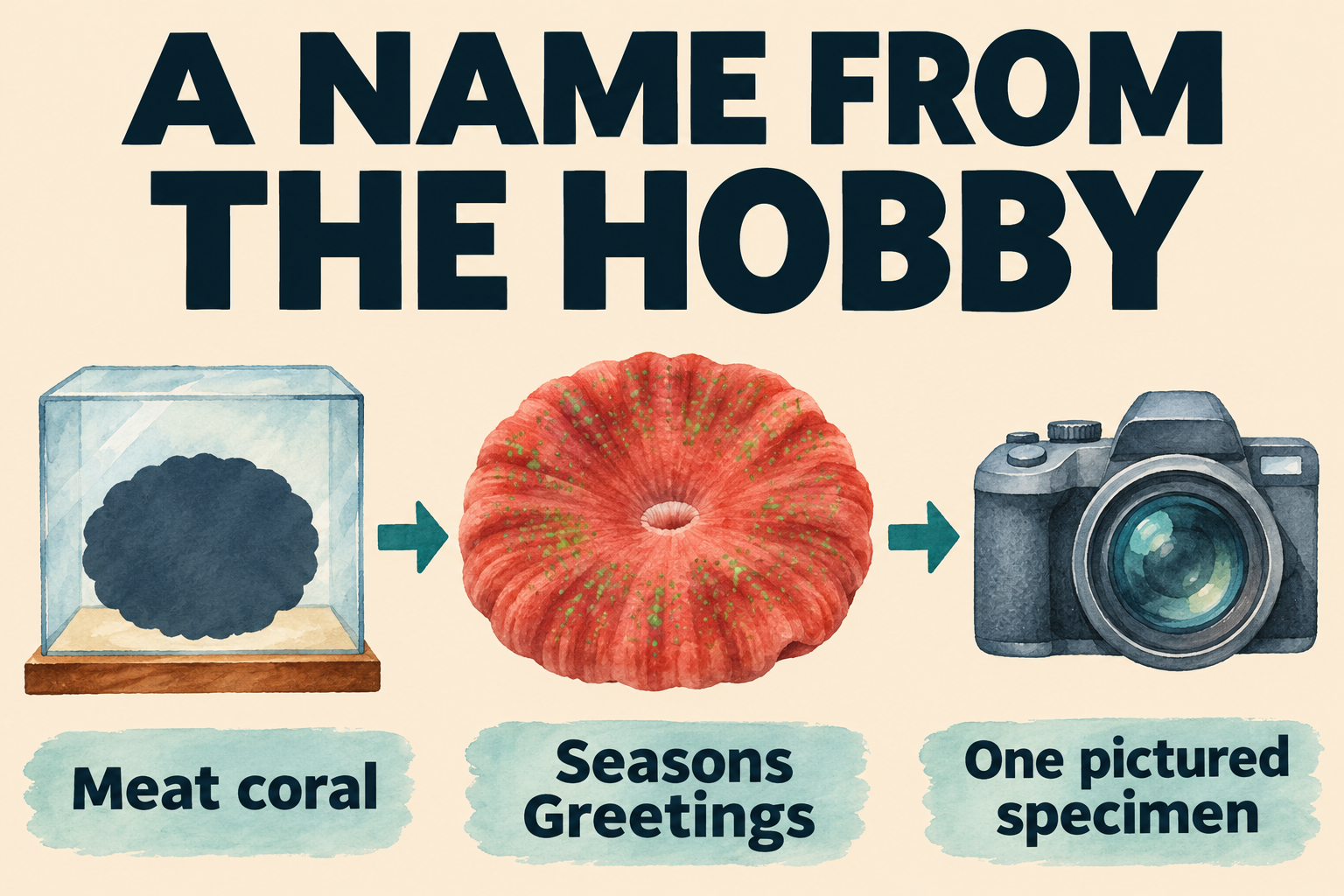
1. Meet the meat coral. John Wells introduced the name Acanthophyllia in 1937. Reef keepers call these fleshy animals meat corals. Each animal has one central mouth and a hard skeleton under the soft rim.
2. A holiday name for one bright specimen. The Reef To Go Seasons Greetings piece was offered as the exact coral shown in the photo. Red flesh, dark green streaks and little lime flecks make the name easy to remember.
In the wild
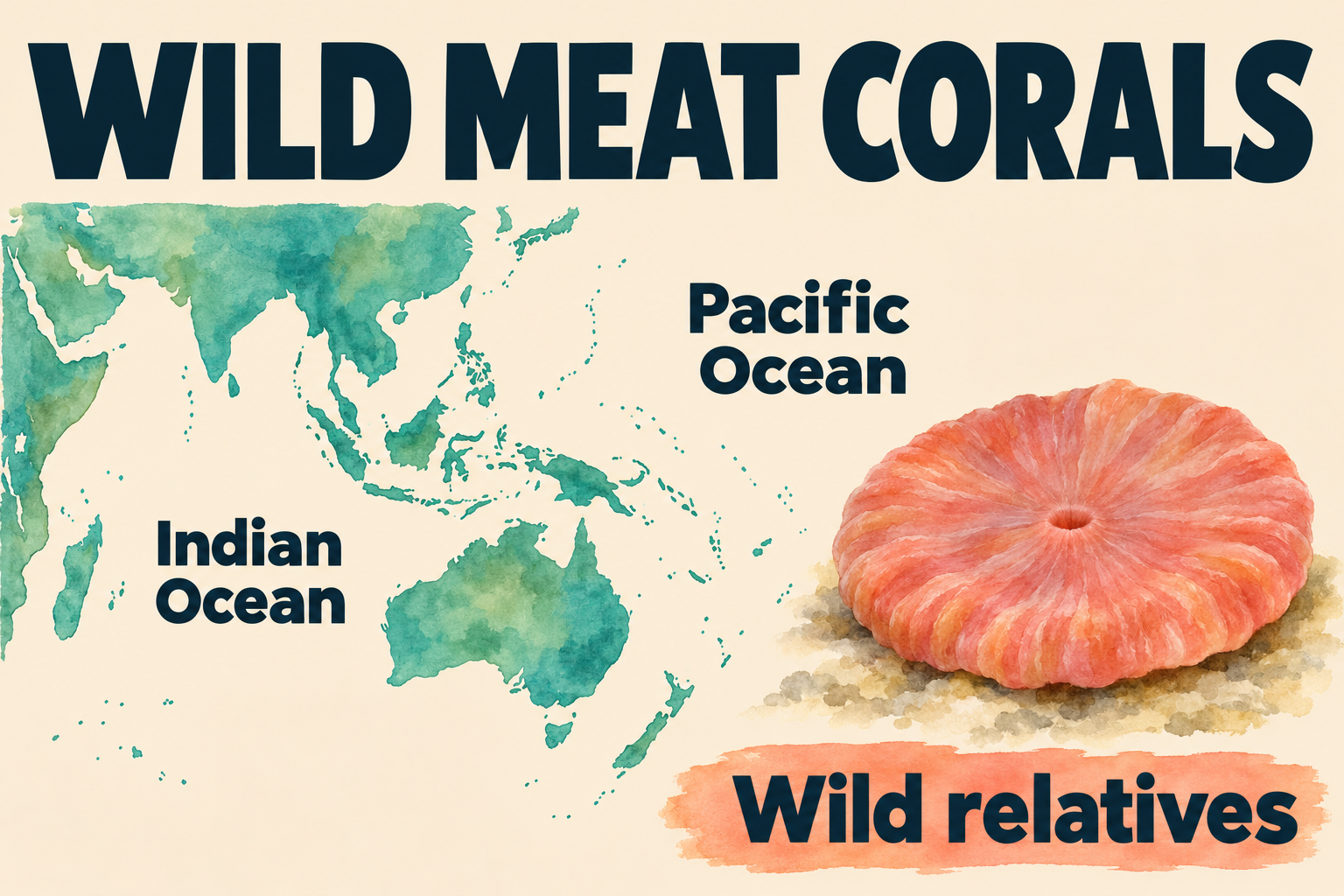
3. Life between reefs. Wild Acanthophyllia live in the Indo-Pacific. Relatives occur around the Coral Triangle and the Great Barrier Reef, on soft bottoms between reefs. The collection site of the Seasons Greetings piece is unrecorded.
4. Settle into the soft bottom. Some wild specimens sit deeper between reefs, with less sun and gentle currents. Others tuck under rock overhangs. A coral can look like a cushion on top, with its hard base buried in the soft bottom.
Light and flow
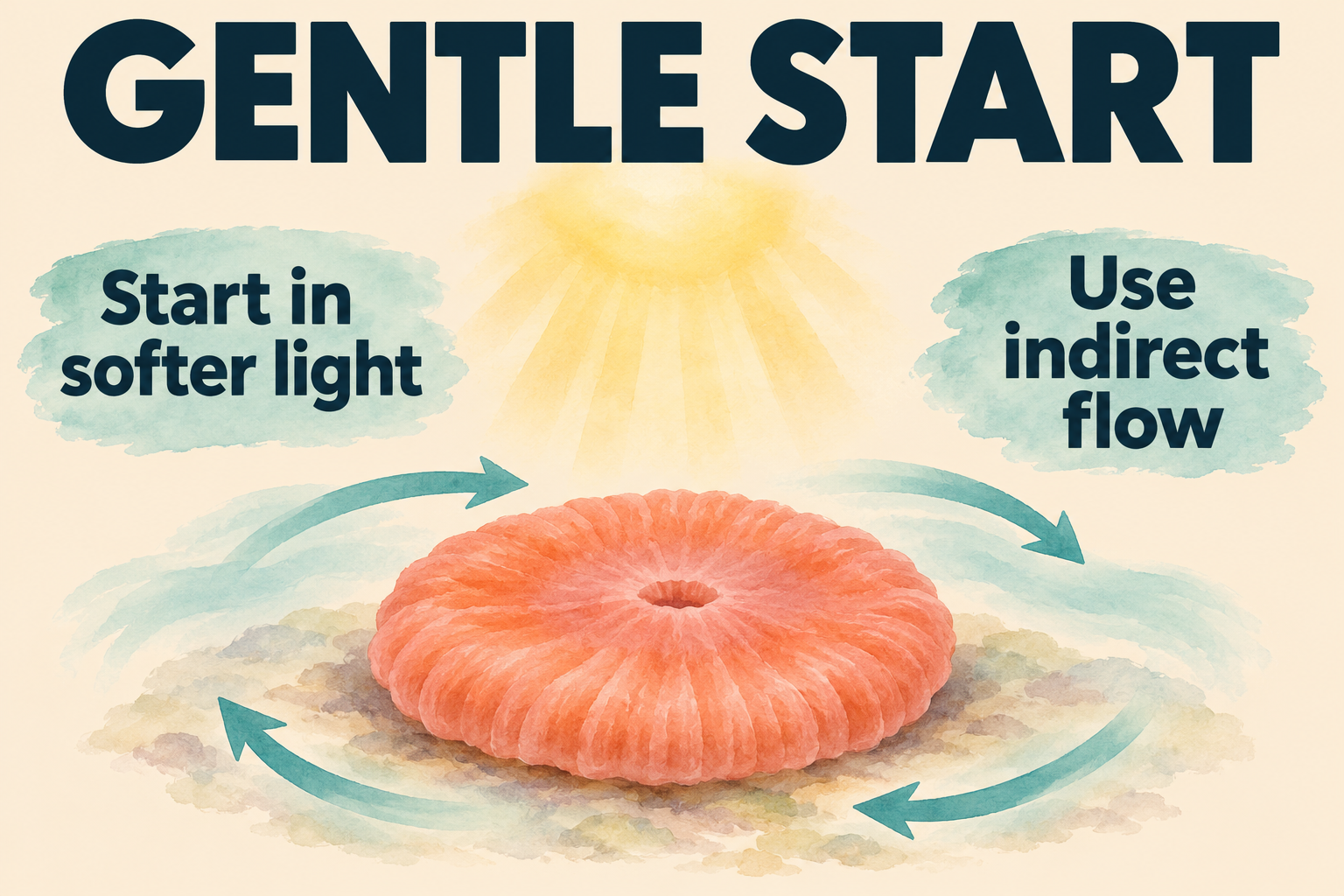
5. Start in softer light. Set the coral low and begin with softer light. Ease it into moderate reef light in small steps. Pause if the tissue fades or stops opening after a change.
6. Let water slip past. Aim for gentle to moderate indirect flow that lifts debris off the sand. Move the pump or coral if the flesh folds to one side or rubs against the skeleton. Skip a direct jet.
Placement and space
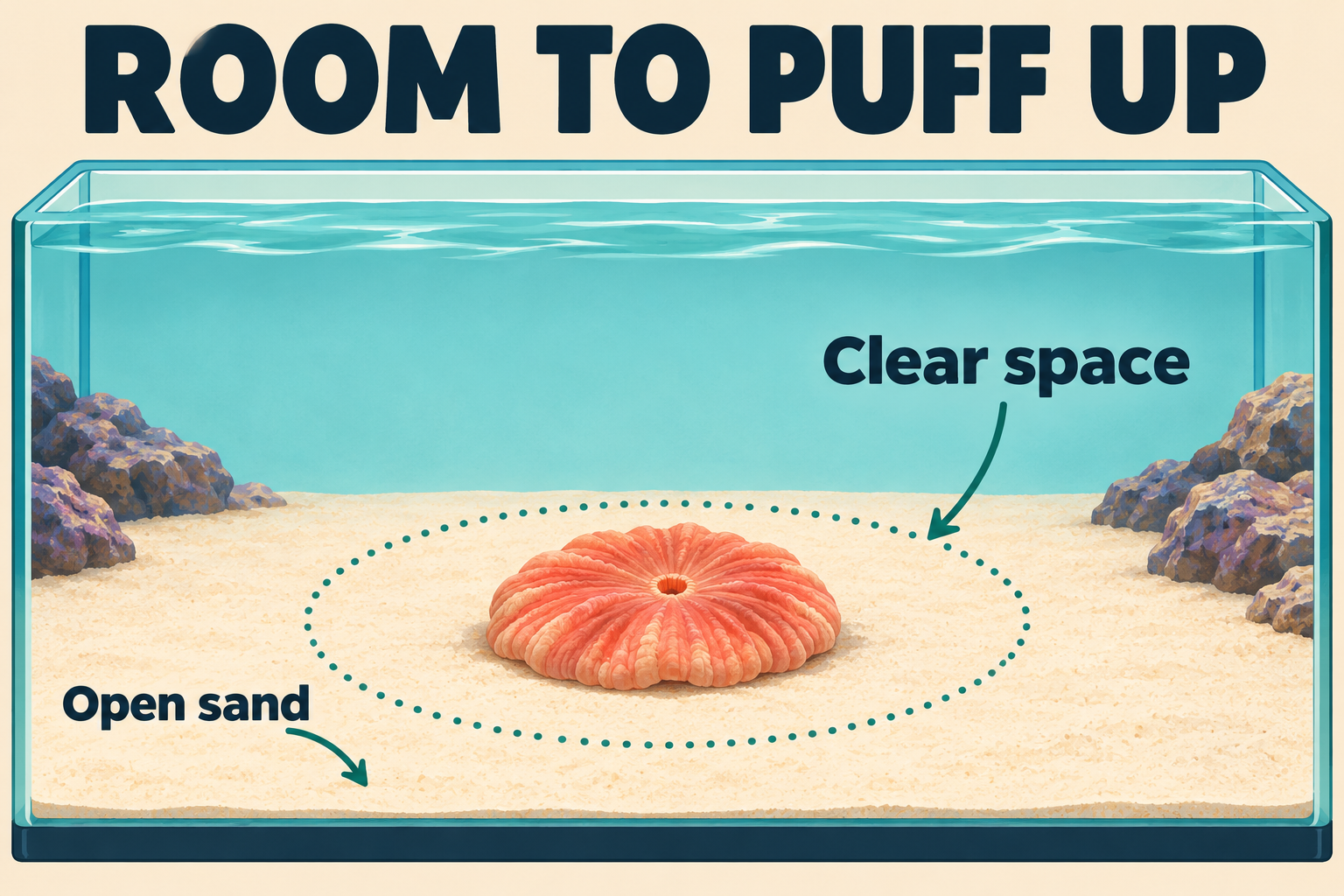
7. Give it a sandy seat. Choose a level, open spot on the sandbed. Leave the rim clear of sharp rock and sand piles. Lift it by the skeleton when you have to move it, and keep fingers off the soft tissue.
8. Measure the puffed-up coral. Start with about three inches of open space beyond the fully expanded edge. Check again after it settles. Give stinging neighbors extra distance and move anything the flesh can touch.
Feeding and water
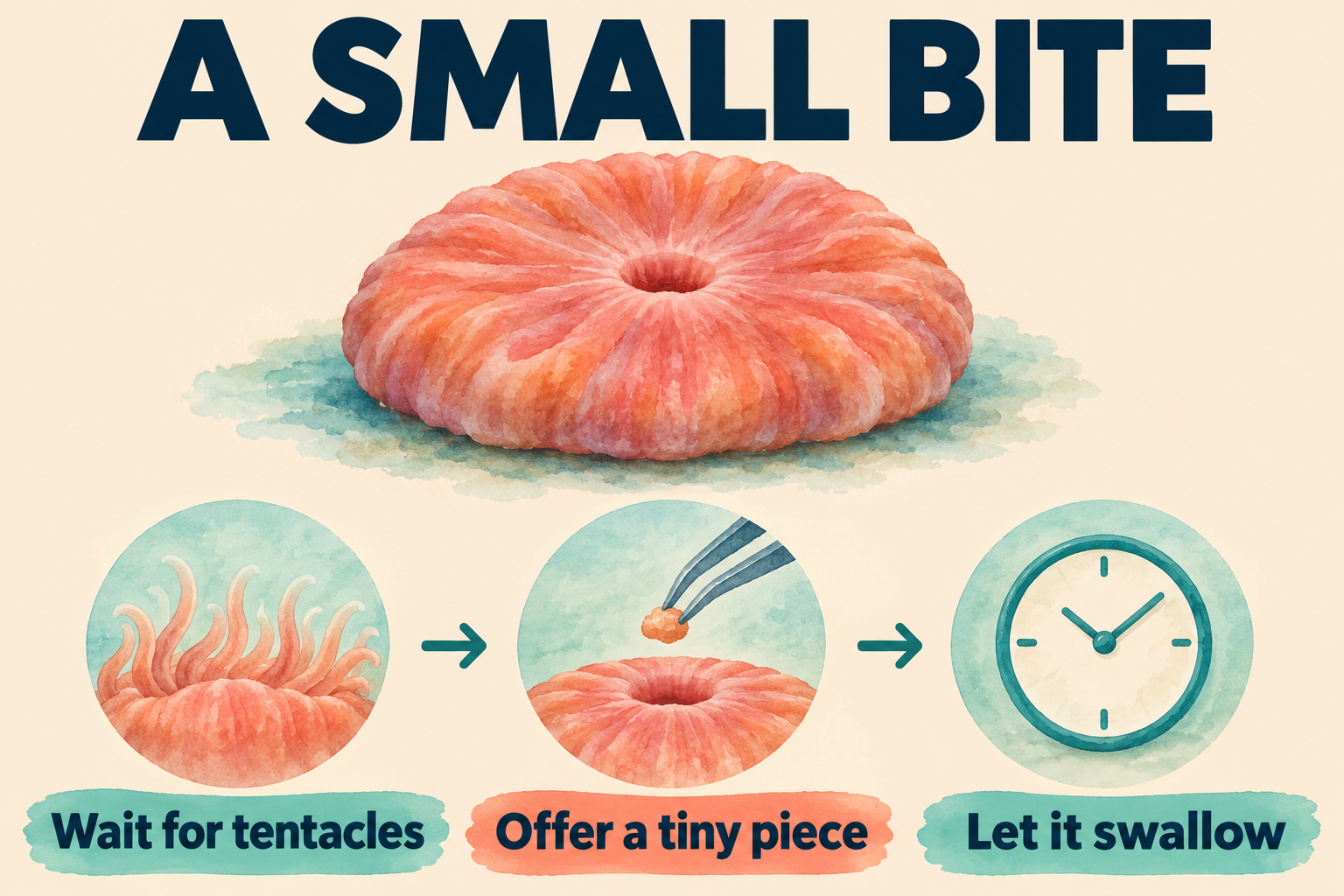
9. Wait for the feeding tentacles. Offer a tiny bit of thawed mysis or chopped shrimp when the tentacles are out. Lay it within reach and let the coral take it. Keep thieves away until the bite disappears.
10. Keep the tank steady. Test alkalinity and calcium, and keep salinity and temperature stable. Use small, occasional meals. Lift away uneaten food so it doesn’t sit against the tissue or foul the water.
Field notes — what keepers report
11. Two ways to feed. One keeper target-fed weekly and had to fend off fish and a shrimp. Another mostly fed the tank as a whole and rarely offered a direct meal. Start small, watch it swallow and leave a closed coral alone.
12. A big puff can fool you. One keeper’s coral opened to about twice the width of its bare skeleton. Compare your own photos at the same time of day. A wider puff on one afternoon won’t tell you how much skeleton grew.
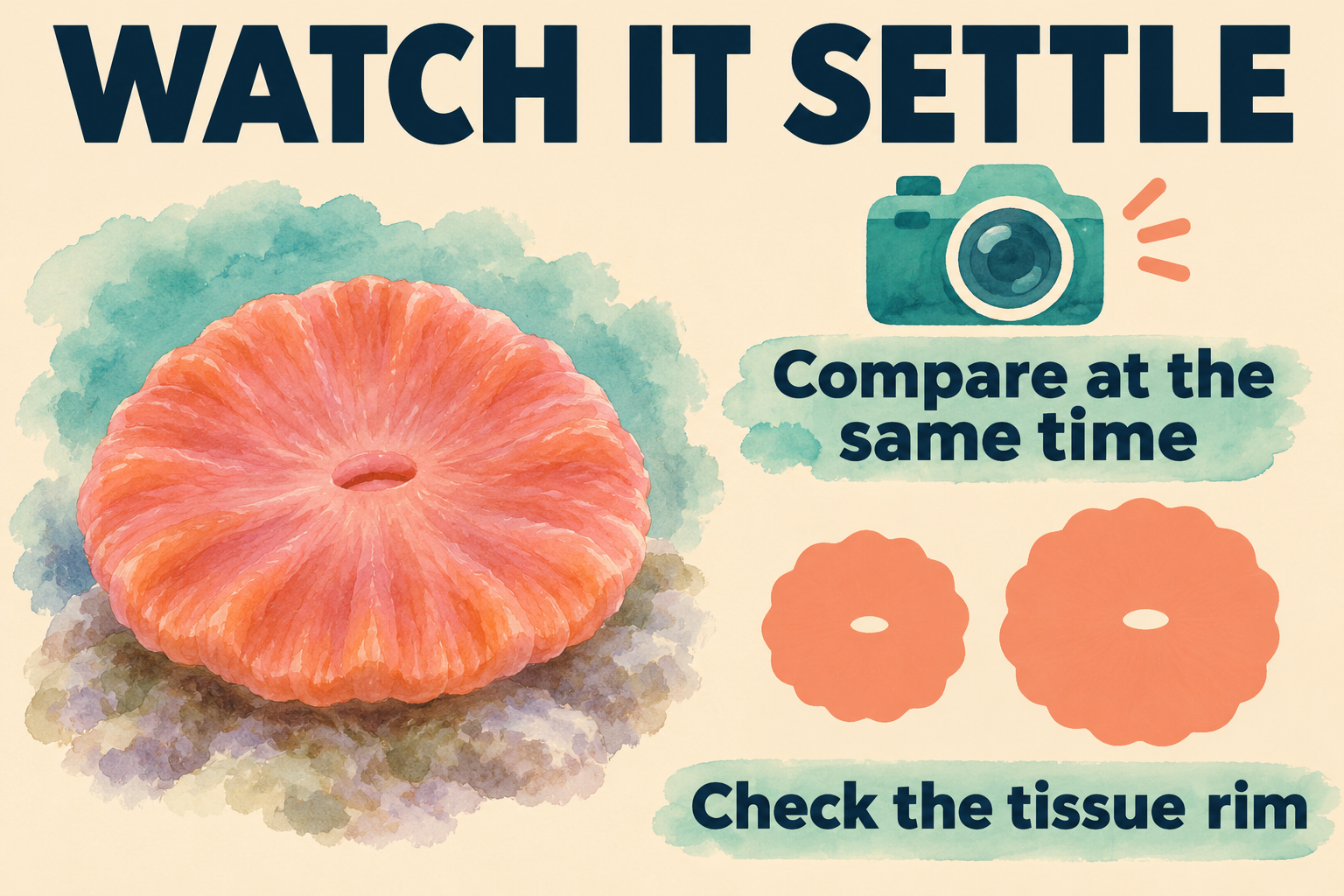
Set up a quiet patch of sand, let the coral settle and take a photo once it opens. Keep the water steady and watch the rim. It tells you more about the coral than any one flashy photo.
Photo: Tin Huynh / Reef To Go, Seasons Greetings Acantho.
Field Notes
Related species

Pot of Gold Acanthophyllia
Acanthophyllia sp.
Same genus
Acanthophyllia
Acanthophyllia sp.
Same genus
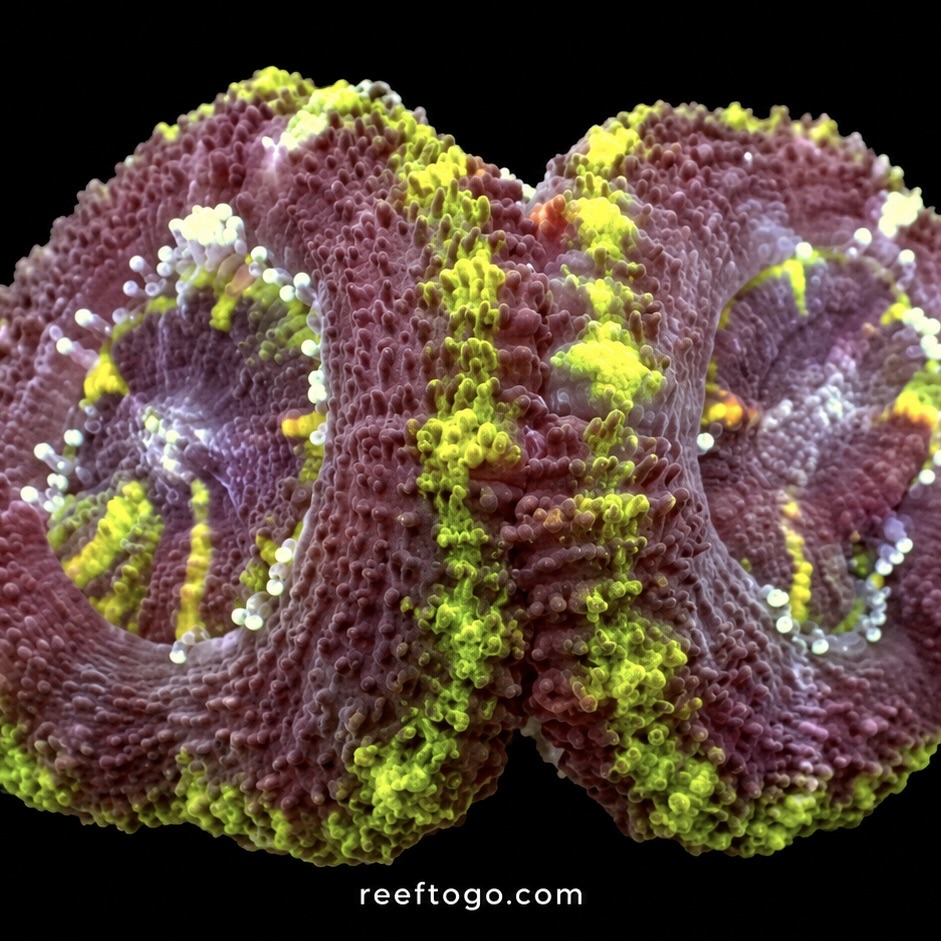
Green acan lord
Micromussa lordhowensis
Similar care · LPS
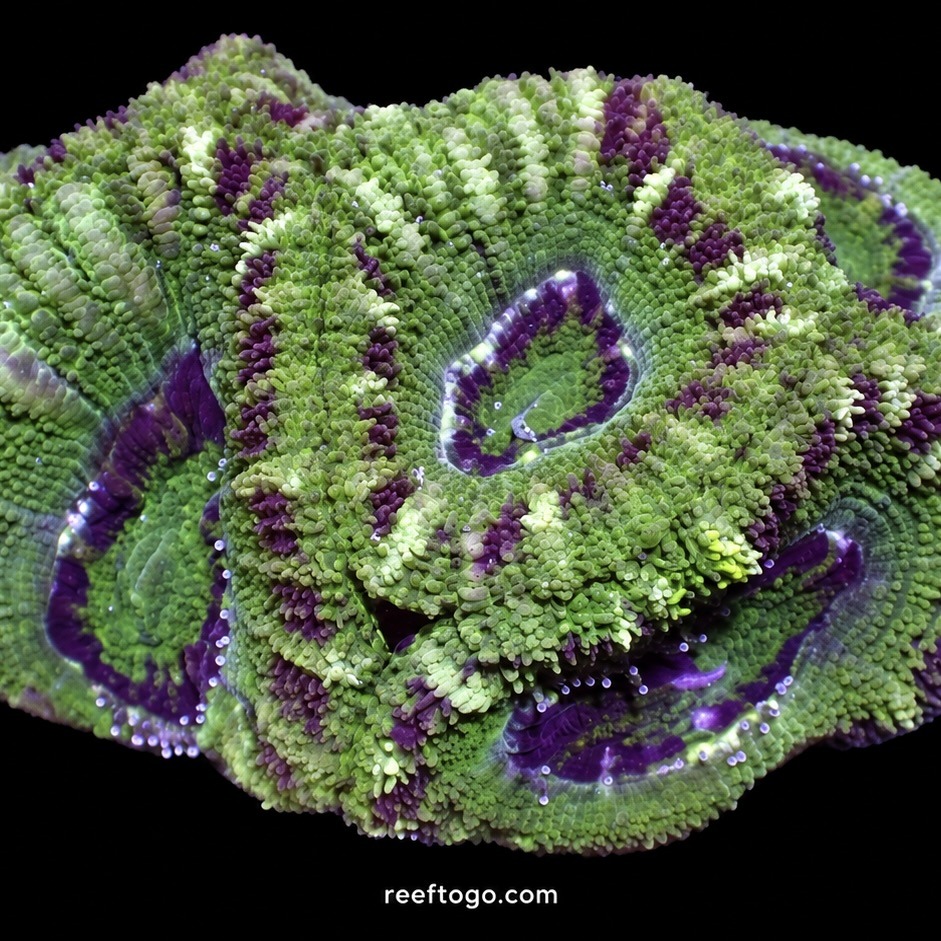
Green tiger acan lord
Micromussa lordhowensis
Similar care · LPS
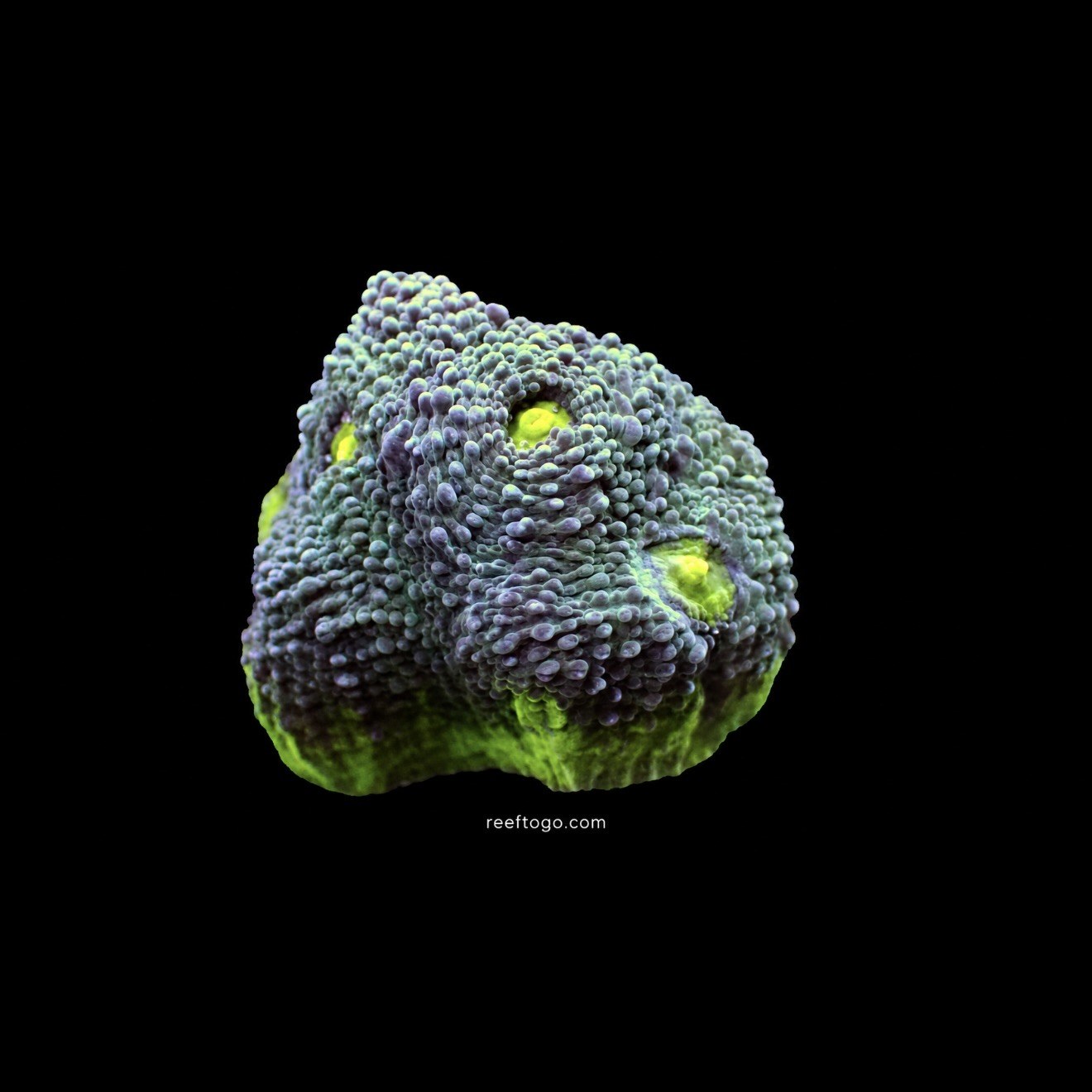
Blue boobie chalice
Echinophyllia sp.
Similar care · LPS
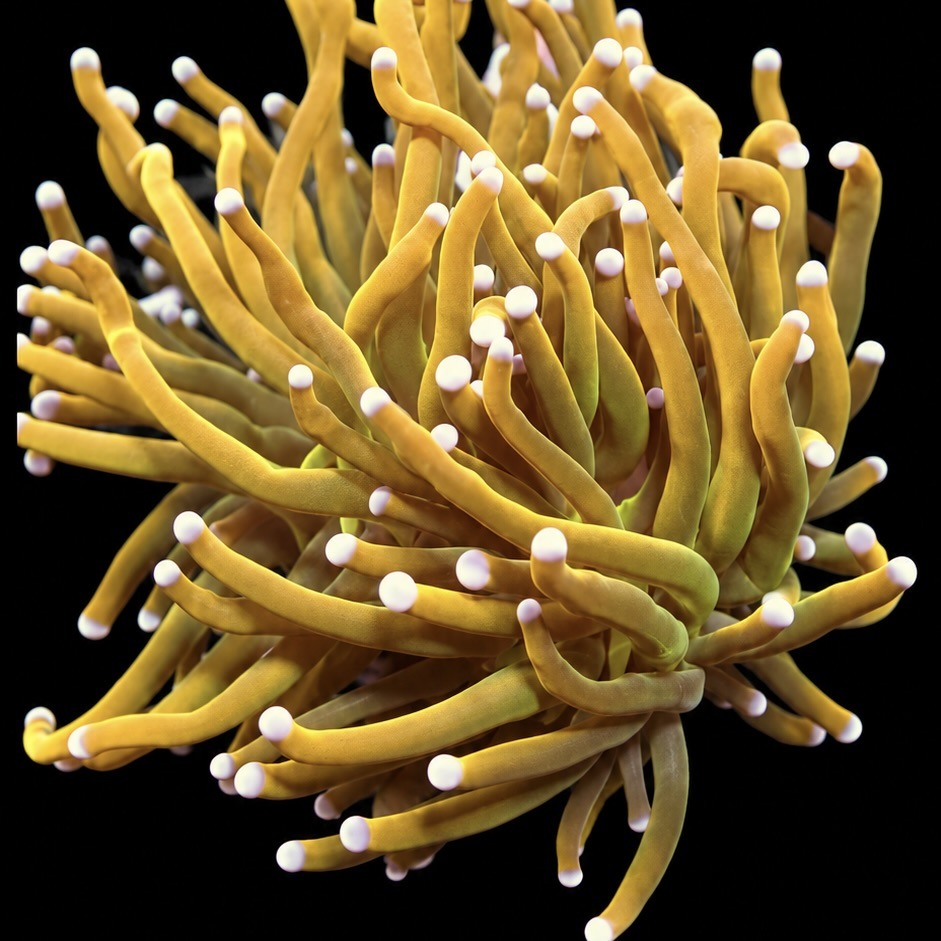
Gold torch
Euphyllia glabrescens
Similar care · LPS
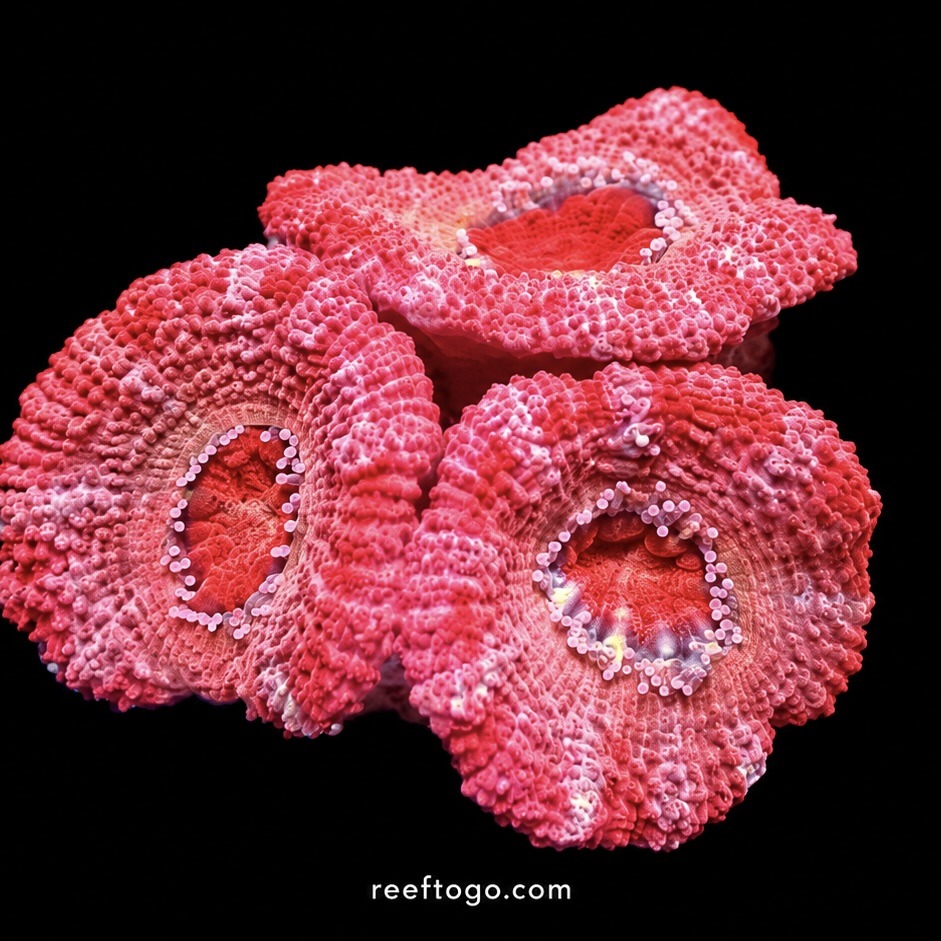
Red candy acan lord
Micromussa lordhowensis
Similar care · LPS
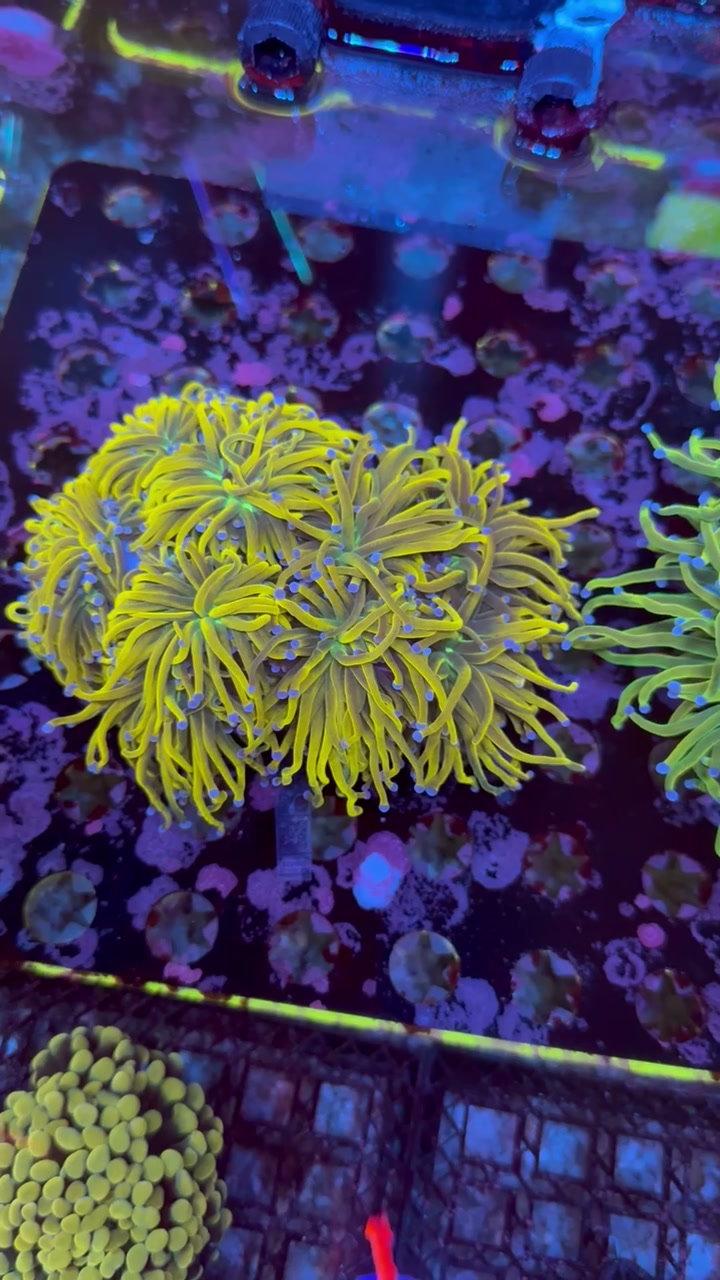
Torch Coral
Euphyllia glabrescens
Similar care · LPS