

Spyro Diaseris
Diaseris distorta
Spyro Diaseris is a plate coral listed as Diaseris distorta. Plate corals in this group live free on the sand rather than attached to rock, and this species is known in the hobby as a fragmenter: sections of the disc can separate and each piece can grow into a complete round plate. A settled animal rests as a low dome or wedge on the sand bed, with short tentacles over a mouth-lined center and tissue that can swell with water. That ability to inflate helps the coral shed sand and right itself after a disturbance.

The entry lists intermediate care, low flow, bottom placement on sand, peaceful behavior, and slow growth, with light in the low to medium range. Intermediate reflects the settling needs of a free-living coral. Set the piece on open sand with room on all sides, away from rock edges it could rub against. Low to medium light suits a bottom placement well. Strong light from above can fade the color and keep tissue drawn tight, while very deep shade slows an already slow grower.
Low, gentle flow is the pattern this coral wants. Current should pass over the disc and carry food across the tentacles without lifting sand onto the surface or nudging the plate across the bed. Diaseris can shed a light dusting of sand by swelling its tissue, and a heavy or constant burial still costs energy and can damage tissue. A calm sand-bed pocket, clear of the spray from a powerhead or a busy sand-sifting tankmate, is the right home.
Feeding matters for a plate coral. The mouths along the center take small meaty foods, including mysis and finely chopped seafood, and the coral feeds most visibly when the tank is calm. Offer small pieces near the mouths once or twice a week with flow lowered, and let the coral draw the food in at its own pace. Light supplies part of the energy, and regular feeding supports tissue thickness and the slow build of new skeleton.
This coral is listed as peaceful, with no sting worth planning around. Spacing is about contact and movement. A free-living plate can shift slightly, inflate against a neighbor, or be pushed by livestock, and tissue rubbed against rock or a stinging coral wears thin. Keep the sand around it open, keep LPS sweepers out of reach, and give the disc room to grow wider over time.
Growth is listed as slow. A settled plate thickens, widens at the margin, and may in time divide or bud fragments that round out into daughter plates. Stable alkalinity, calcium, and magnesium support that skeleton. Tissue receding at one edge, a plate that stops inflating, or repeated burial in the same spot call for a check of flow, sand movement, and chemistry steadiness.
Common pitfalls include placing the plate on rockwork where a fall can tear tissue, parking it in a sandstorm corner, and handling it by the tissue rather than supporting the skeleton from below. Set it once on open sand in gentle flow, feed it small meals, and let inflation and full tentacle extension confirm the spot.
Field notes — what keepers report
- Sand reports are the theme keepers return to. Keepers describe plates swelling to shrug off a light dusting after a tankmate scattered sand, and other keepers describe moving a plate out of a busy traffic lane after repeated burial became a pattern. Both sides treat a calm pocket of sand as the foundation of success.
- Fragment reports divide on timing. Some keepers describe pieces of a mother plate rounding out into complete small plates on the sand, while others describe fragments that stalled and faded in tanks with swinging chemistry. Reports agree the species can rebuild from pieces under steady conditions.
- Feeding reports lean strongly positive. Keepers who offer small meaty pieces describe fuller tissue and more reliable inflation, while keepers who rely on light alone describe plates that held on and grew very slowly. Both sides describe small portions as the rule, because a large piece tends to be pushed off the disc.
Field Notes
Related species
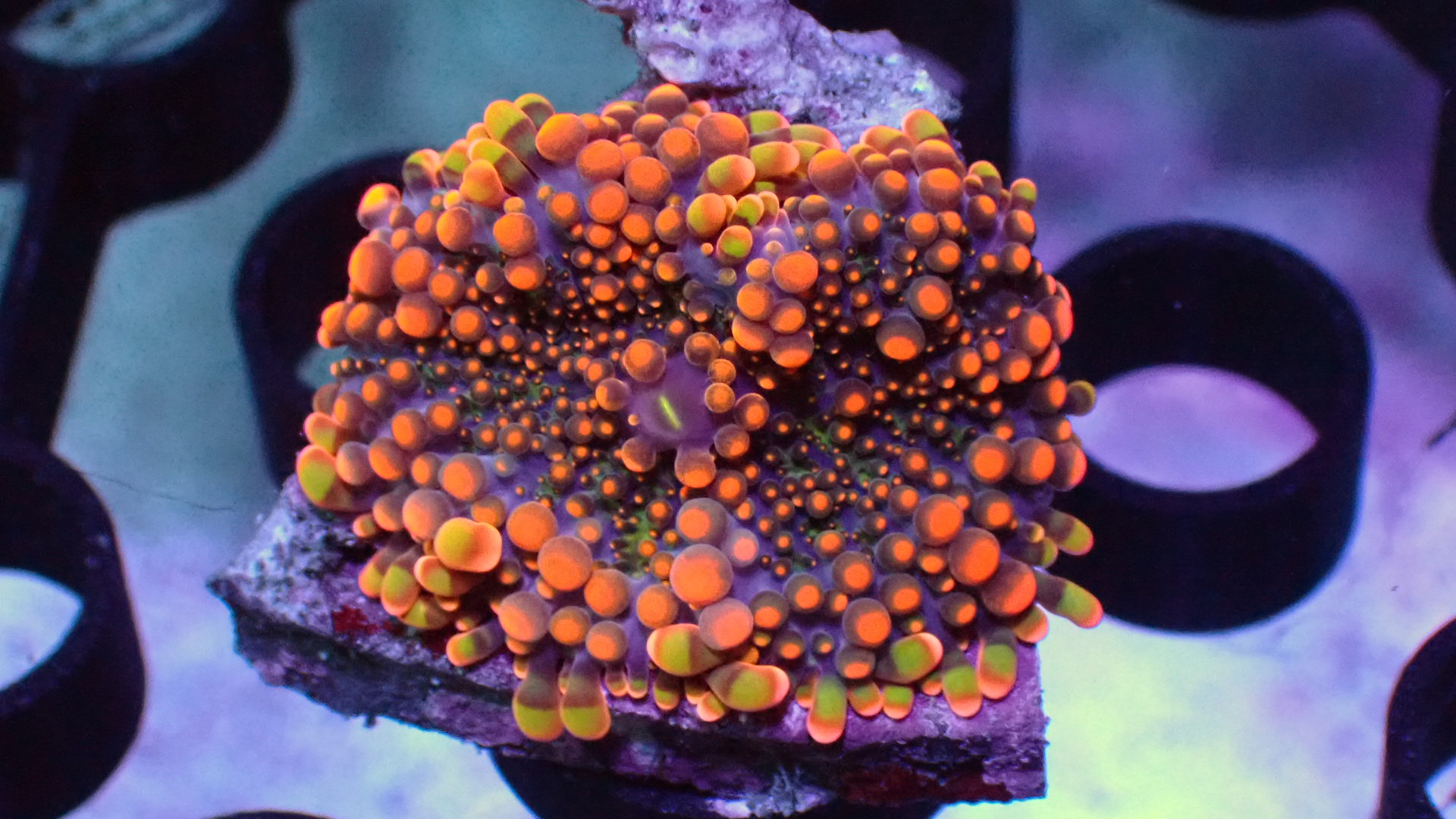
King Kong Yuma mushroom
Ricordea yuma

Cynarina Button Coral
Cynarina lacrymalis

Princess peach Yuma mushroom
Ricordea yuma

Red Scarlet blastomussa
Blastomussa wellsi

Red tiger Asian acan
Micromussa lordhowensis
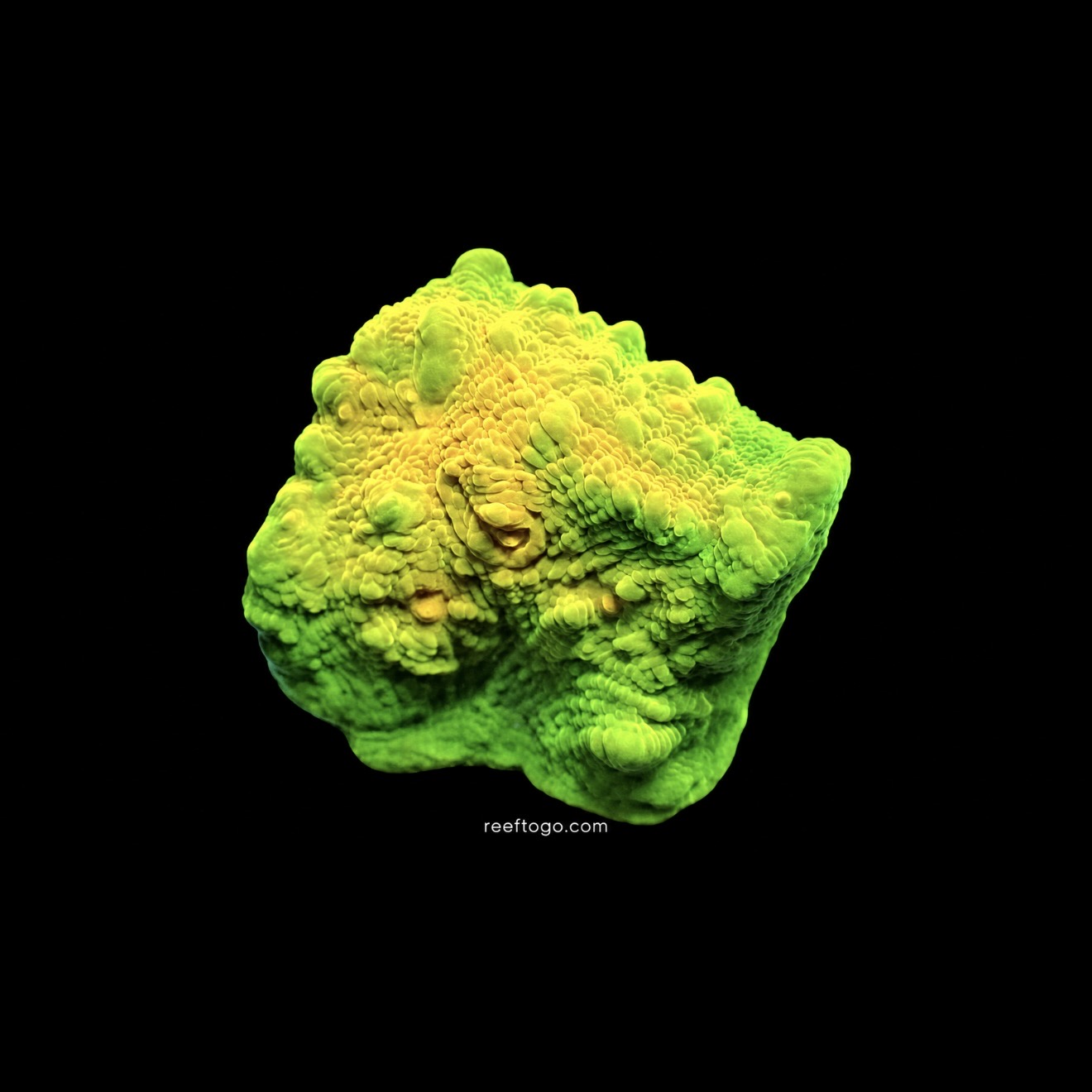
Yellow lambo chalice
Echinophyllia sp

Elegance coral
Catalaphyllia jardinei
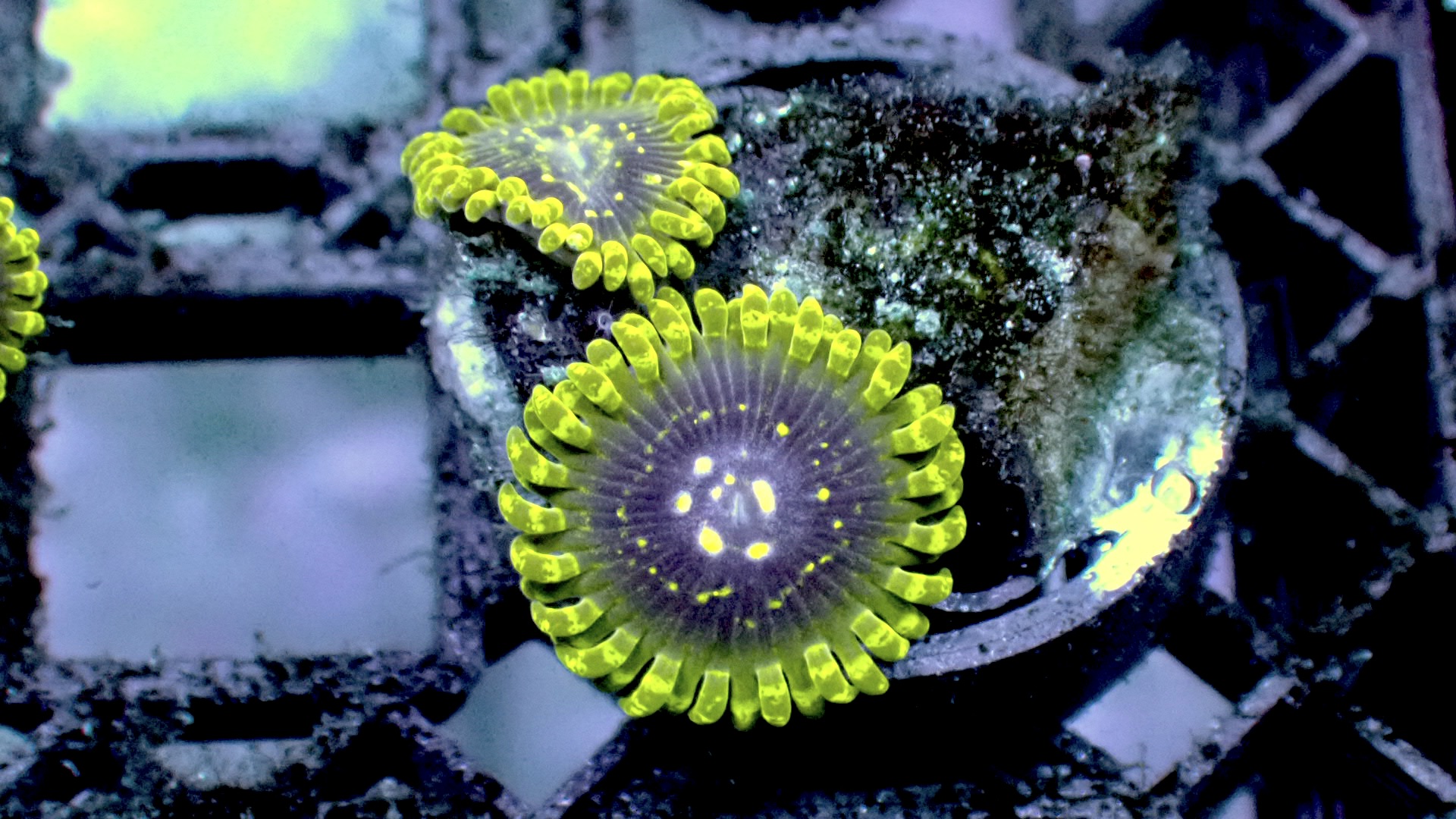
Exosphere zoanthids
Zoanthus sp
Love this species? No tank needed.
Reef art from the shop — for the wall, not the tank.


Get notified when Reef To Go has Spyro Diaseris in stock or up for auction. One email when it's in — no spam.