Finger Leather Coral
Sinularia polydactyla

Gallery
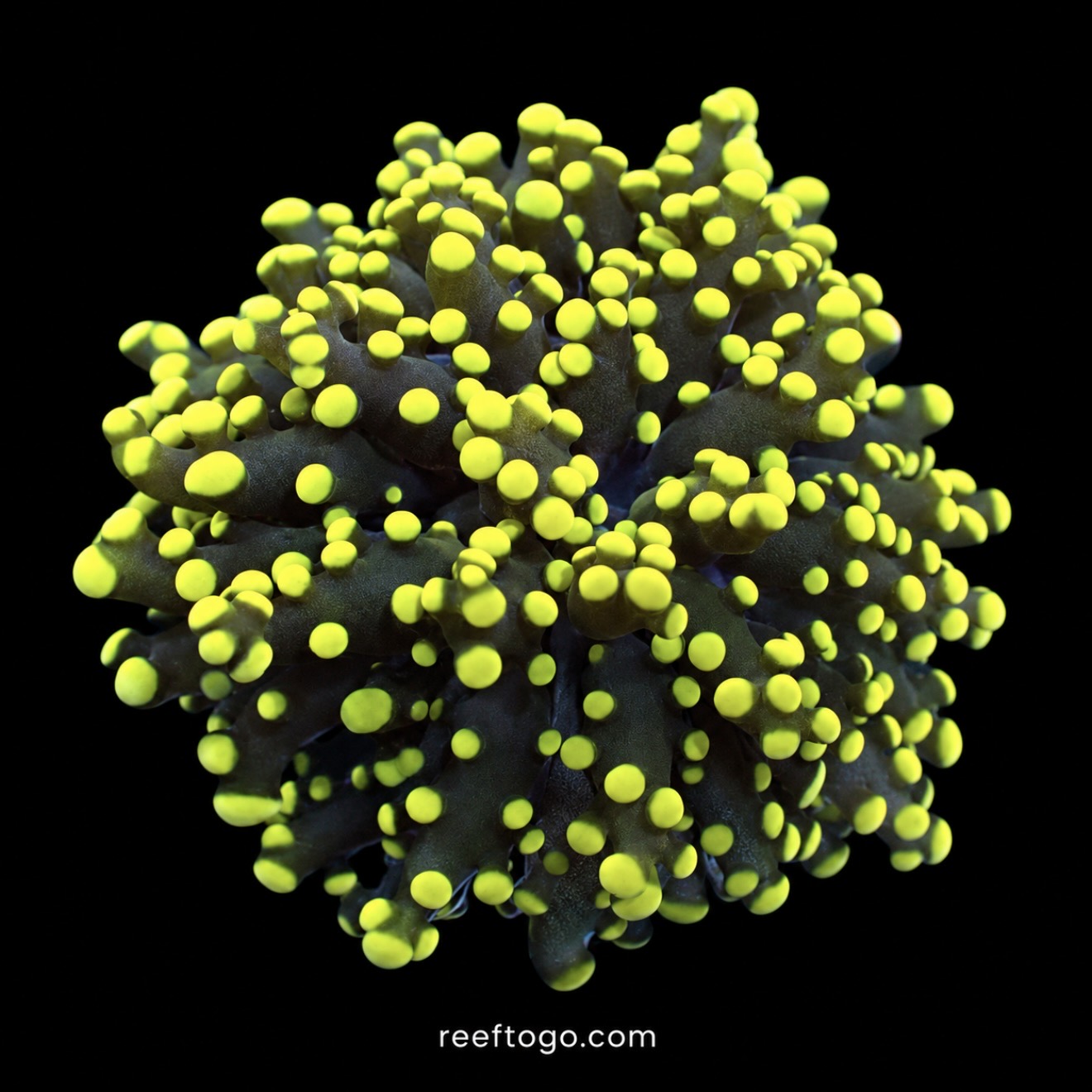
A finger leather brings a whole little forest to one reef ledge. Its fleshy fingers sprout from a broad base, and each finger is dotted with tiny polyps. Watch them open and the coral changes from smooth to fuzzy right in front of you.
A tree made of animals
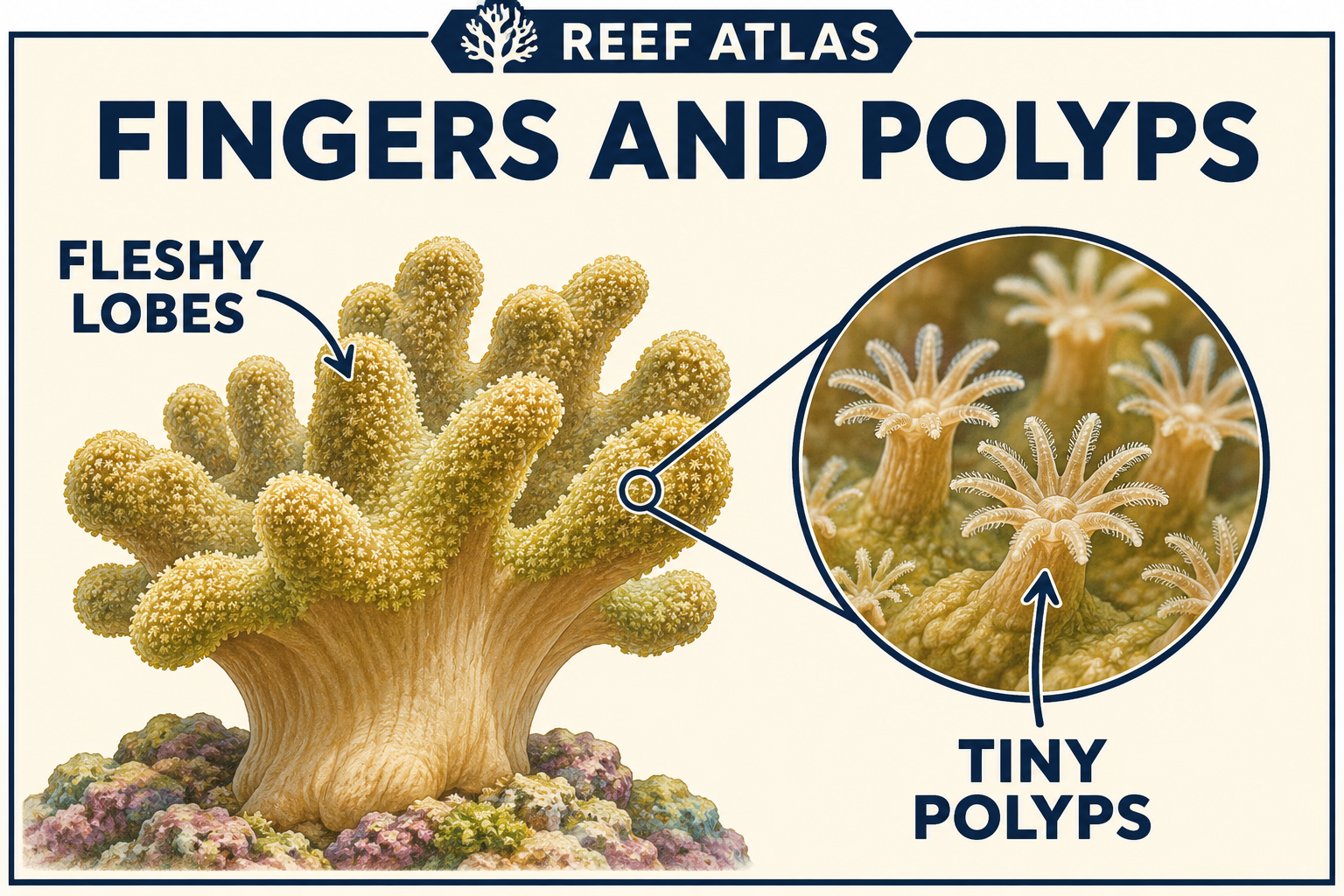
1. Those fingers are alive. Each lobe carries tiny animals called polyps. When they open, the whole colony looks fuzzy. When they tuck in, the fingers look smooth.
2. A soft coral with hard bits. Tiny mineral pieces called sclerites sit inside the flesh. They help support the fingers as the colony grows.
Pick an open ledge
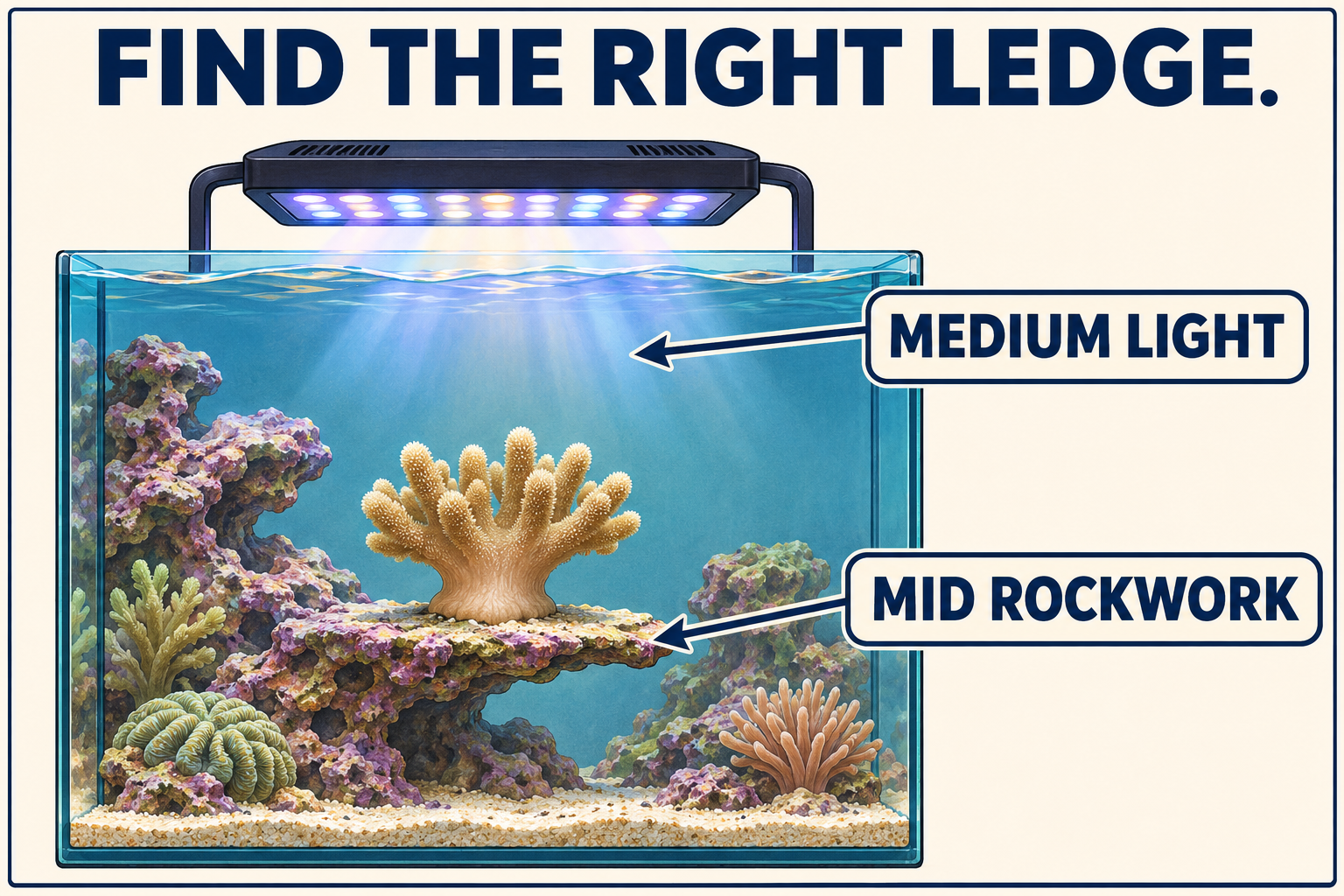
3. Start in the middle. Pick a firm ledge with medium light and room above it. Start a new frag under gentler light and raise the light gradually.
4. Let the lights do the work. Algae living inside the coral turn light into energy. Skip routine target feeding and keep the tank’s light schedule steady.
Get the fingers swaying
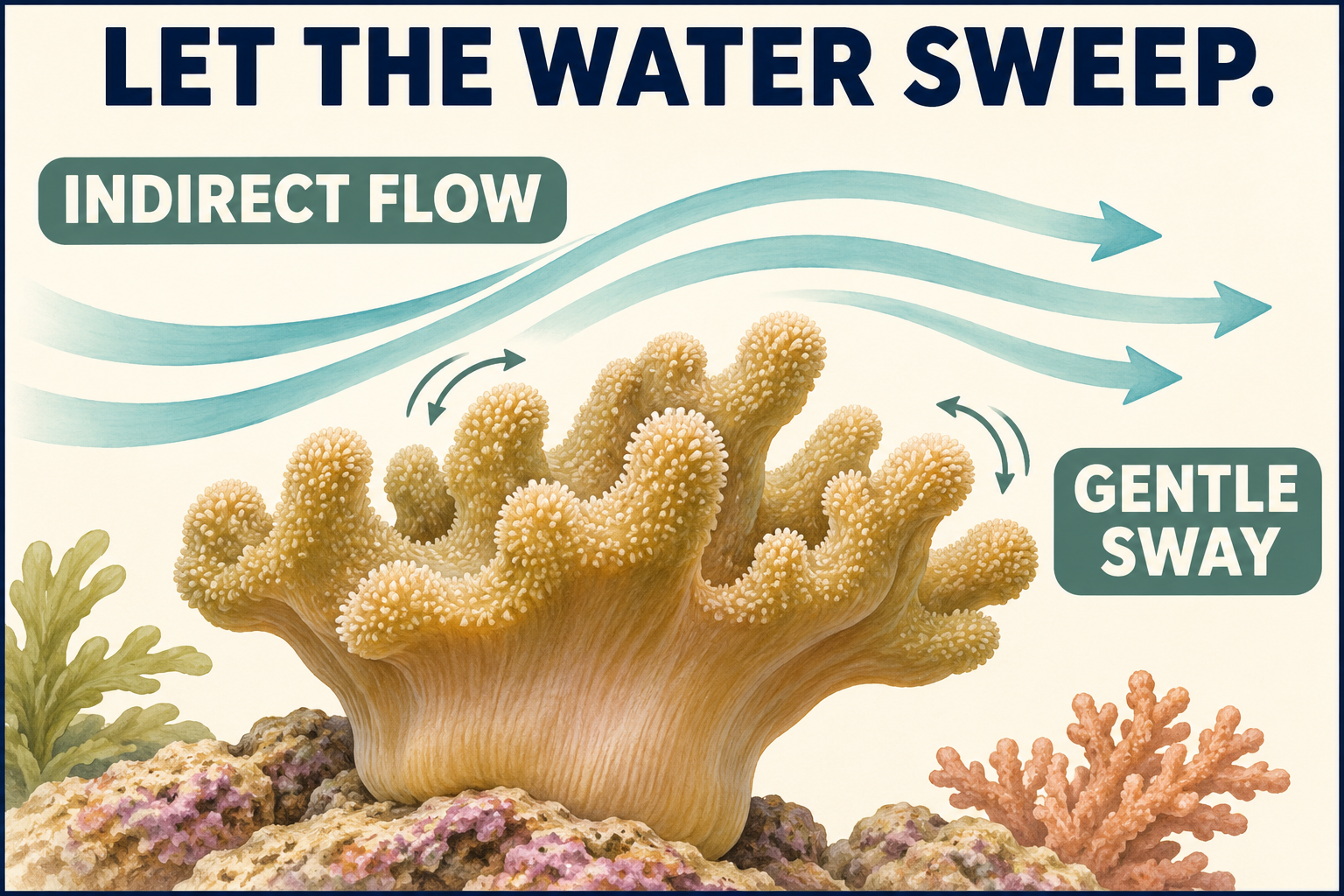
5. Aim past the coral. Set a pump so the current passes across the fingers. Look for an easy sway and give the lobes room to spring back.
6. Check the forks. Look between the fingers for settled grit. Adjust the angle of the flow a little at a time until it carries debris away.
Spot a normal shed
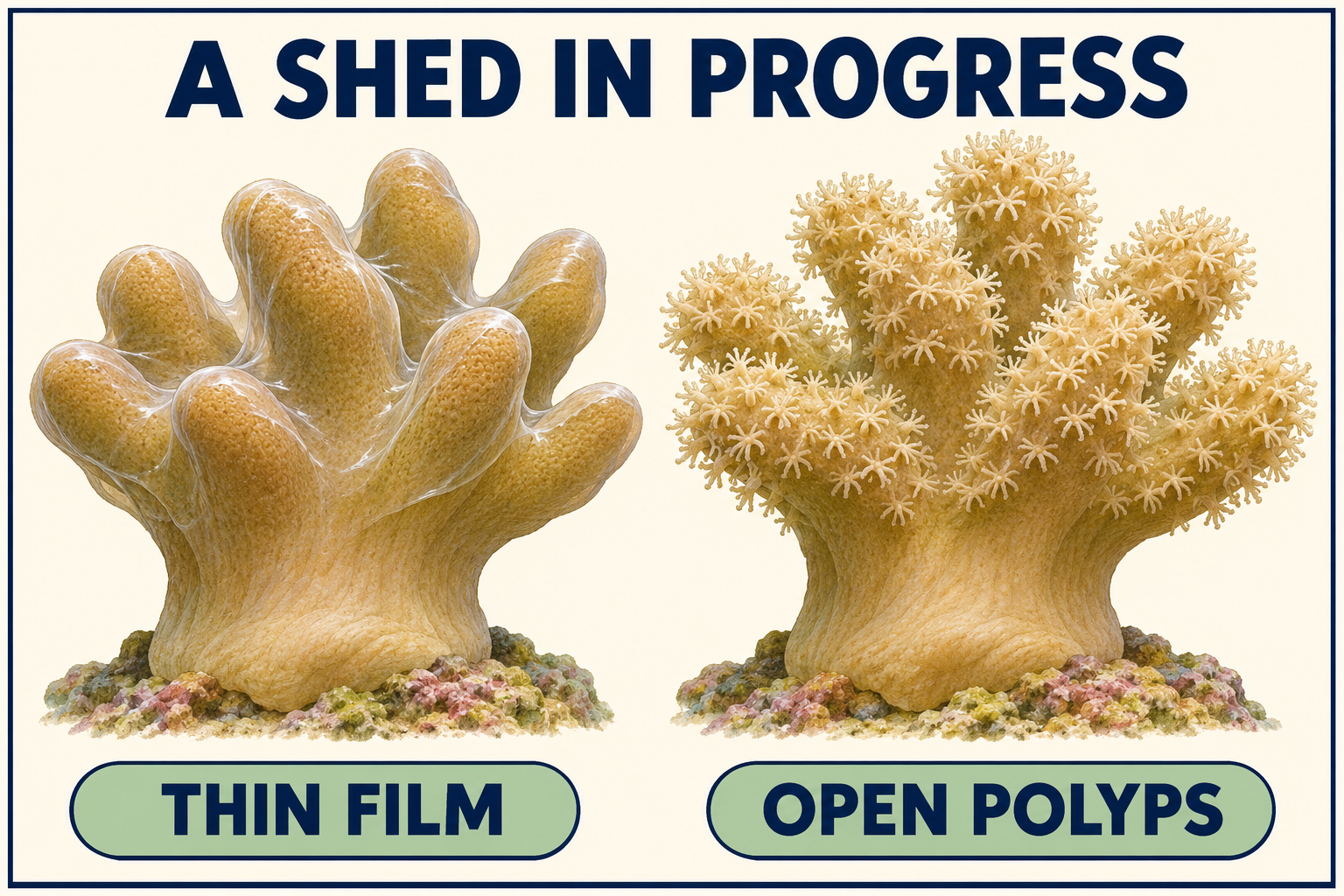
7. Watch the waxy coat. Closed polyps and a thin, shiny film are part of a shed. Keep indirect flow steady and let the film lift on its own.
8. Check the tissue underneath. Look for a firm colony as the film comes away. If the base softens, dark patches spread, or pieces of flesh come off, check your water and inspect the coral.
Give it room to grow
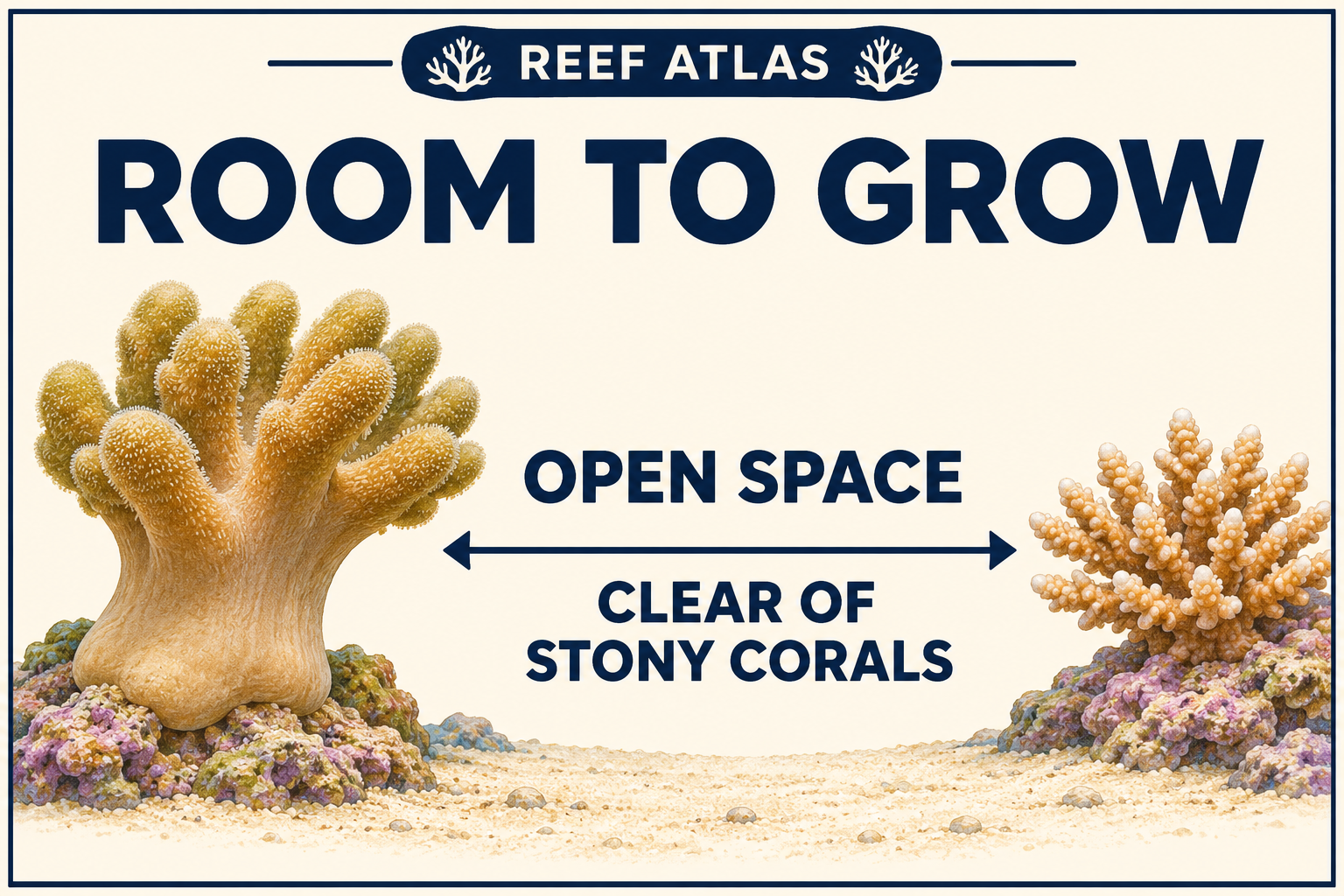
9. Plan for a bigger colony. Leave space above and to the sides. Keep the fingers from brushing other corals or growing over a small frag’s light.
10. Keep the mixed reef clean. Use fresh activated carbon as directed and stick to regular water changes when you keep leathers with sensitive stony corals. Keep the gap between them as the branches grow.
Field notes — what keepers report
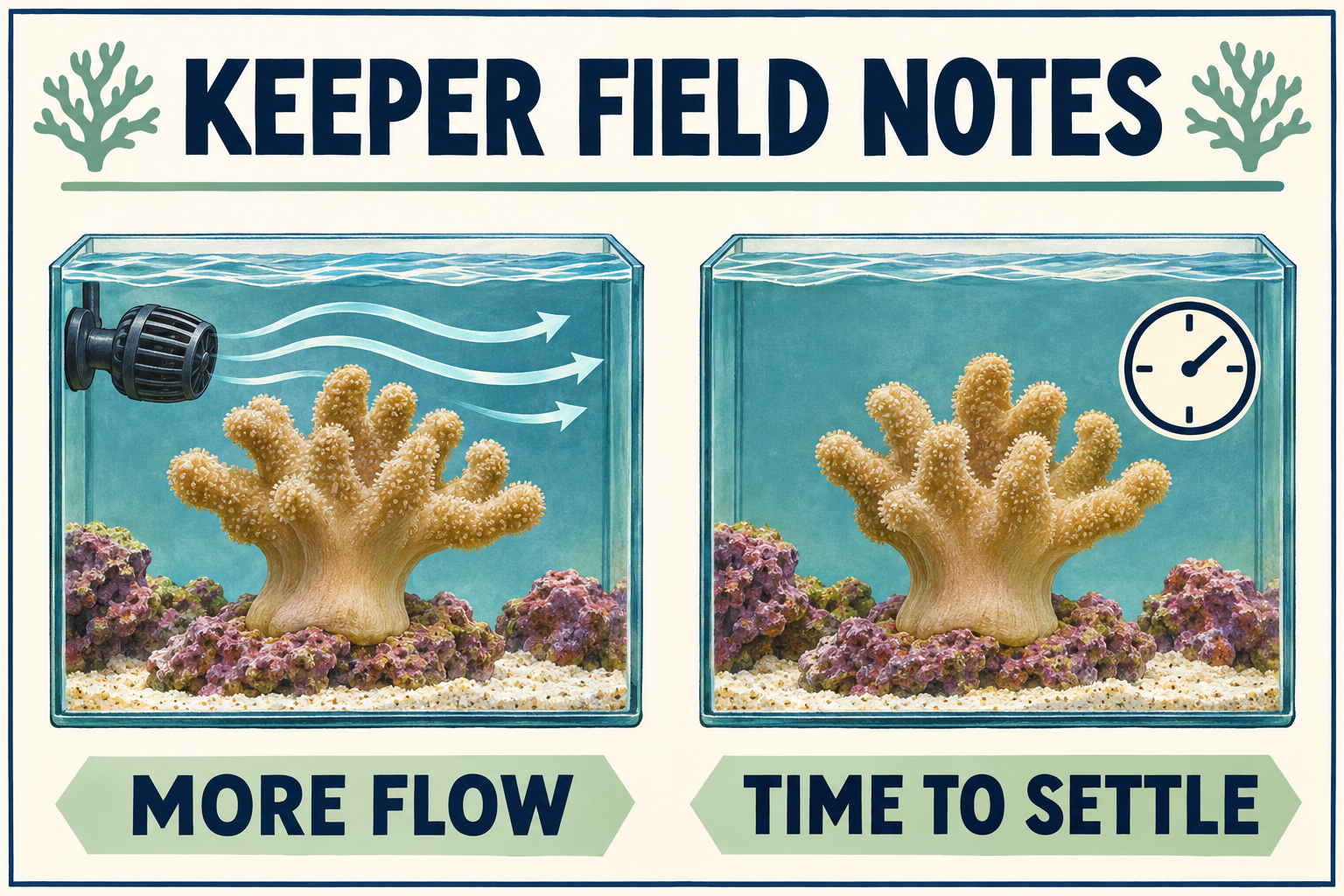
11. A spot with more movement. One keeper’s newly shipped trade-labeled Sinularia drooped and peeled. After a move to a spot with more current, the keeper reported it was settling in.
12. A quiet spell after a move. A second keeper’s trade-labeled Sinularia closed after a move, then tucked in more when the current was turned up again. Another keeper had seen similar quiet spells end on their own. These tank reports cover leathers sold as Sinularia.
Set it where the branches can sway and grow. Learn how it looks wide open and how it looks during a shed. Those two snapshots tell you more than a quick glance at the tank.
Field Notes
Related species

Cabbage Leather Coral
Sinularia brassica
Same genus

Spaghetti Leather Coral
Sinularia flexibilis
Same genus
Flexible Leather Coral
Sinularia flexibilis
Same genus
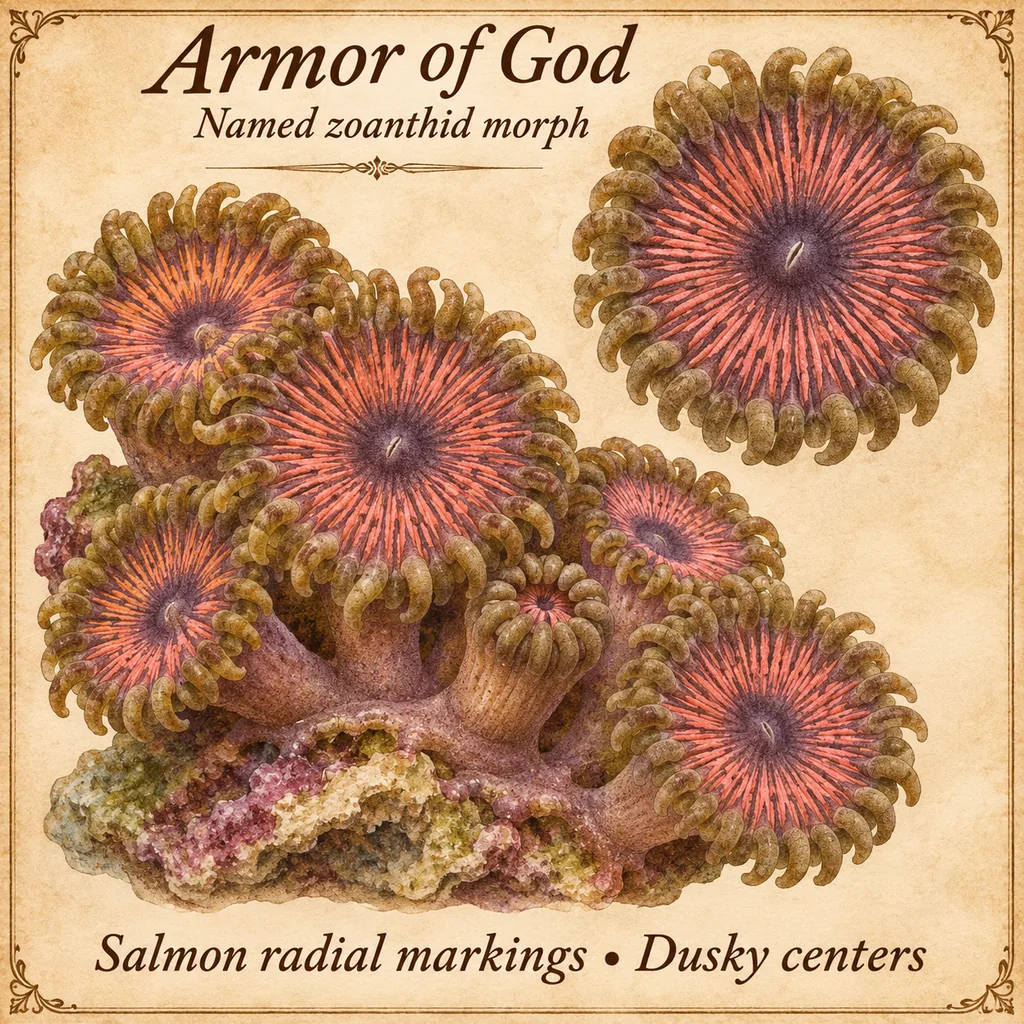
Armor of God
Palythoa sp.
Similar care · Soft
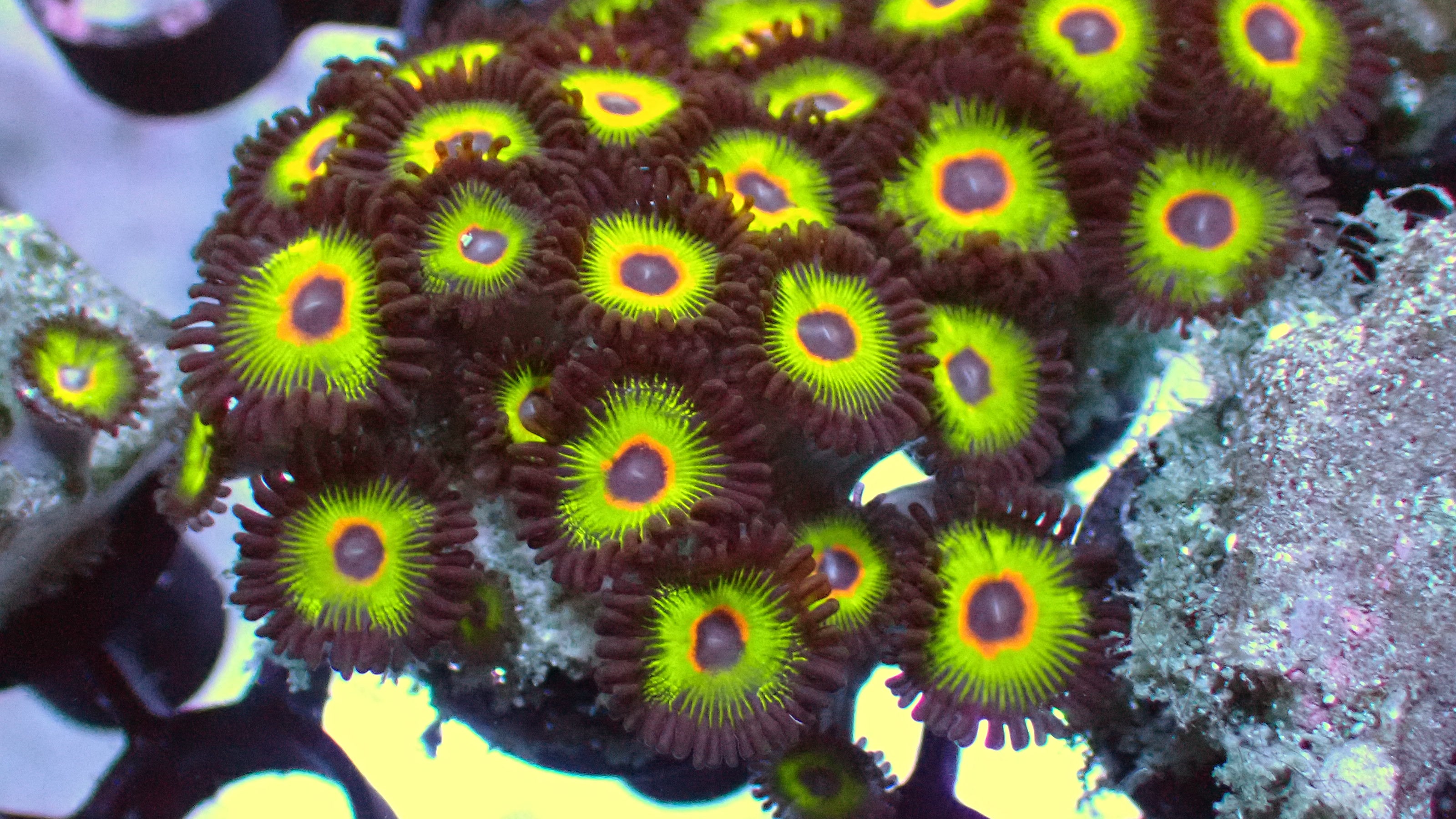
Bob Marley zoas
Zoanthus sp
Similar care · Soft
Cloud spark octospawn
Clavularia sp
Similar care · Soft

Compactum Leather Coral
Lobophytum compactum
Similar care · Soft

Corky Sea Finger
Briareum asbestinum
Similar care · Soft